



Header: Courtesy of Bo Zhang
As the NYCxDESIGN Festival takes over the city this May, the Javits Center becomes a hub for those looking to see where the industry is heading. Among the most anticipated displays at ICFF 2026 is RE/CRAFT, an exhibition that gathers a group of designers and artists to look at how innovation creates real meaning for the public and the planet.
The showcase features the work of 12 designers who have spent the last year pushing the boundaries of their respective fields. Their research covers everything from material studies and traditional craftsmanship to AI and bio-art. Rather than just making beautiful things, these creators are looking at how design functions as a tool for social and ecological change.
Tactile shifts and soft geometry
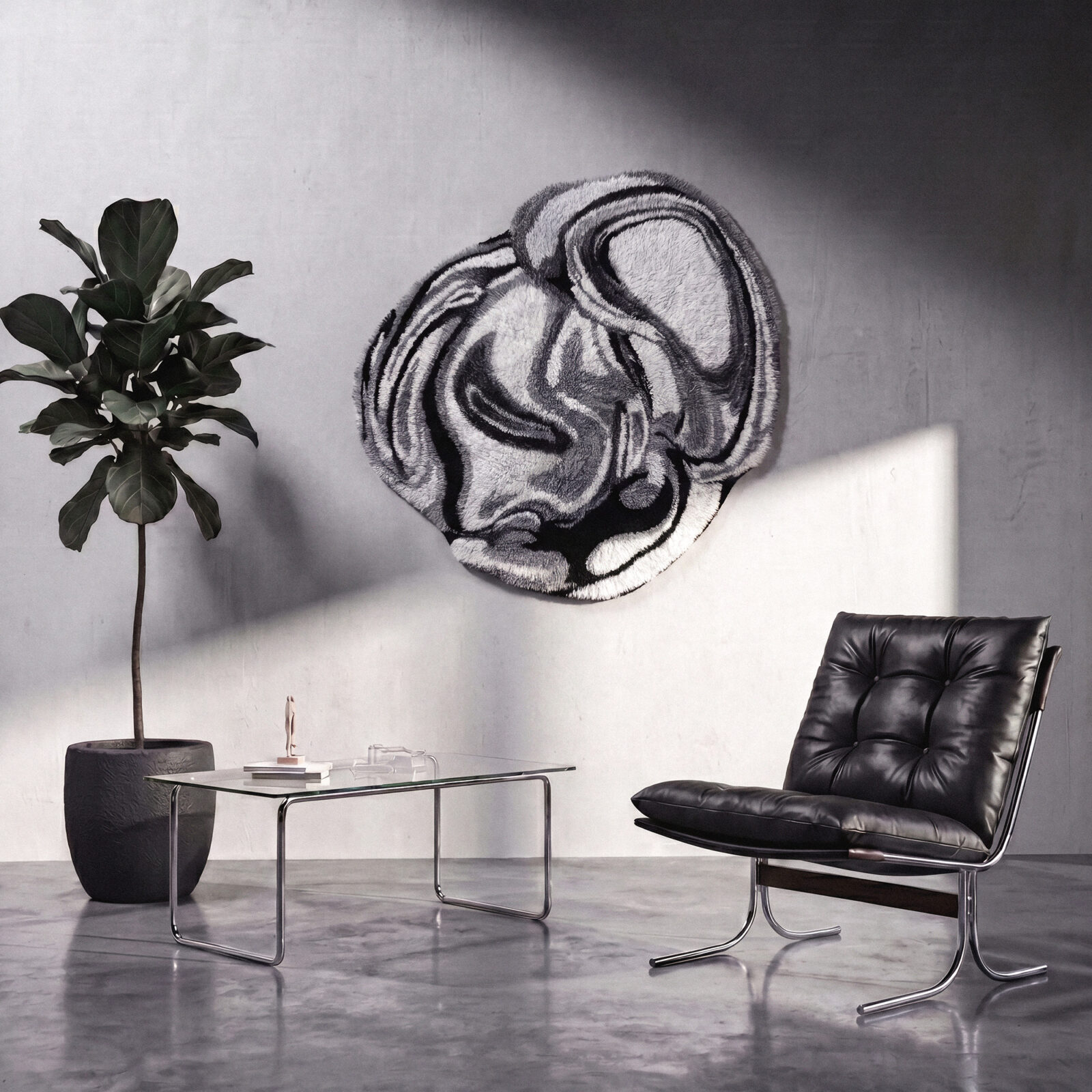
The exhibition begins by challenging how we perceive physical surfaces. Jinlin Wang, a graphic and visual designer, moves beyond the printed page into the sensory world. Her work, Soft Metal, uses RE/CRAFT’s platform to turn the cold, rigid shapes of metal into a plush carpet, forcing a conversation between what we see and what we feel.
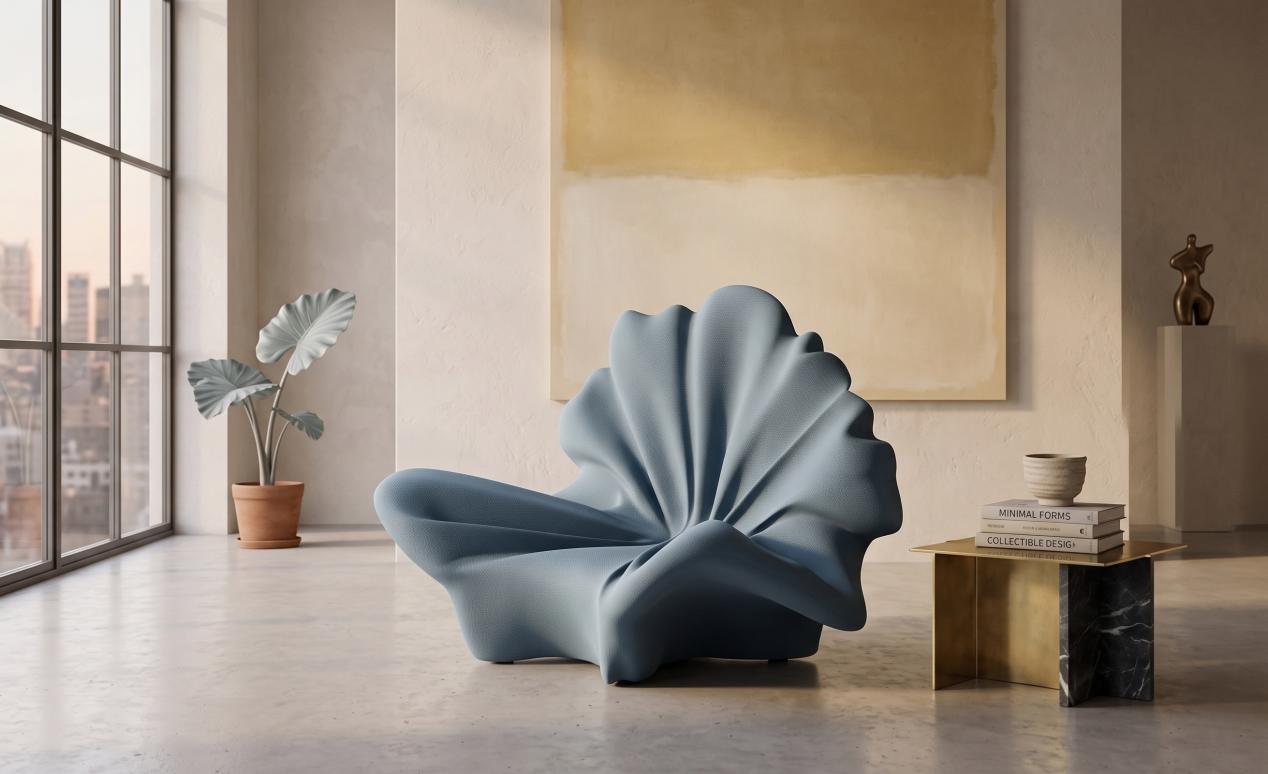
In a similar vein, Austin-based interior designer Yuzheng Gan looks at how organic shapes influence our moods. Her Pleat Lounge takes the natural folds found in lotus leaves and carves them into a fluid seating object. It sits somewhere between a functional chair and a piece of sculpture, removing the hard lines usually found in domestic furniture.
Ecological statements and living systems
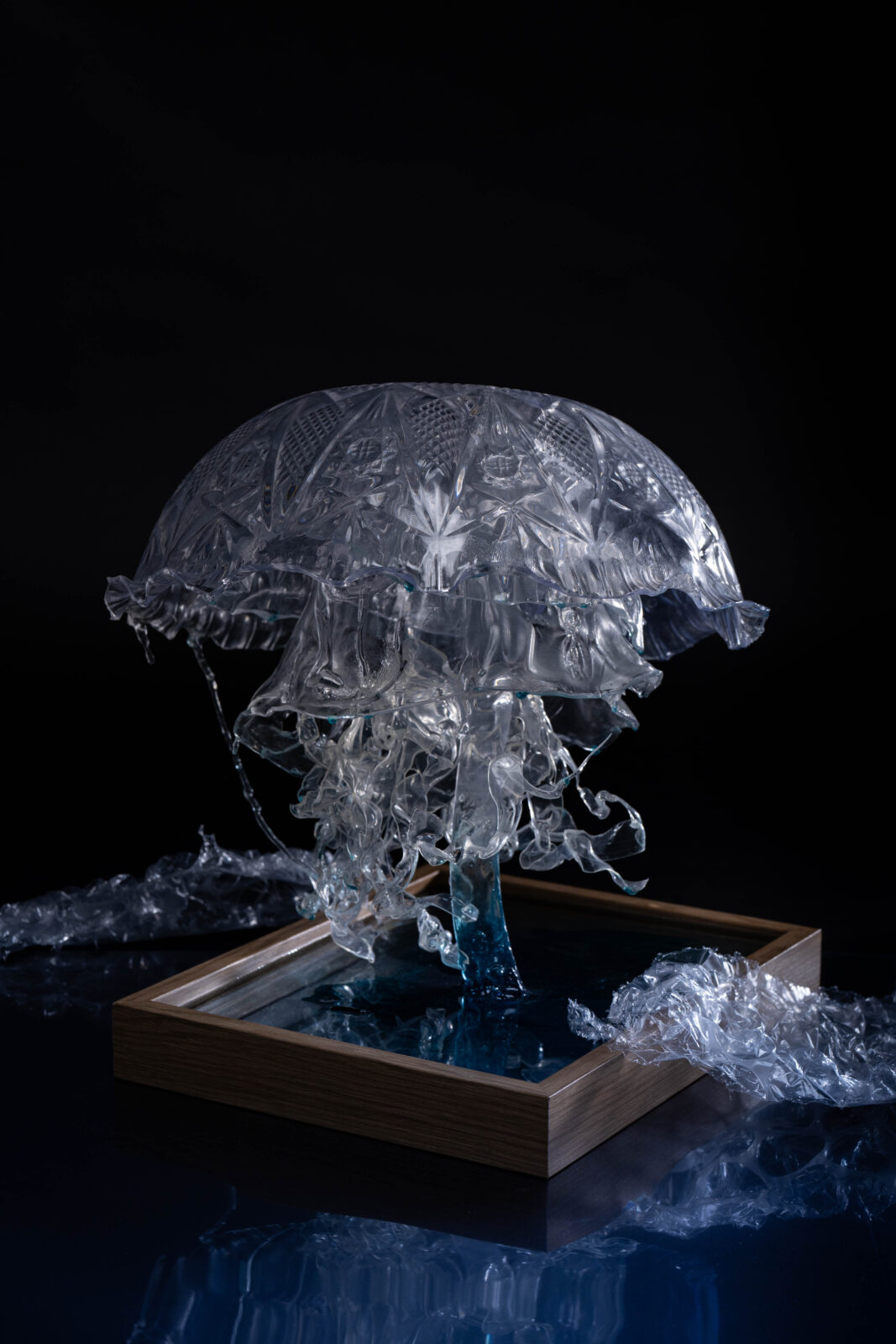
Several designers in the collective are using the exhibition to highlight environmental urgency. Zoe Ze Zhou, a multimedia artist from Los Angeles, presents Remains of Color. This jellyfish-like installation is constructed entirely from discarded plastic forks and spoons. It is a direct nod to marine life that often mistakes our waste for food, turning plastic pollution into a fragile, haunting form.
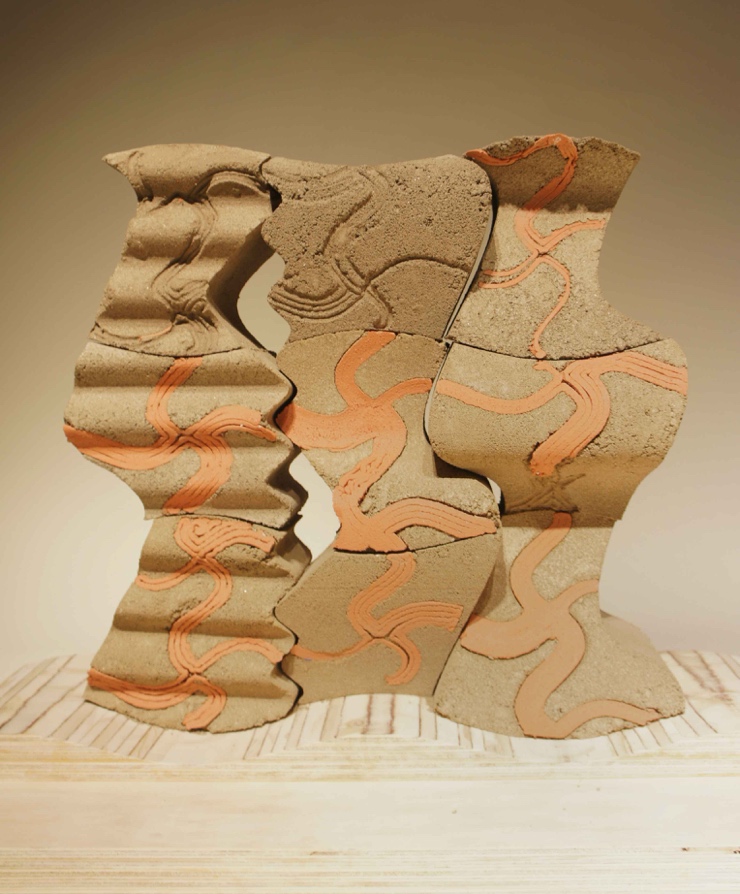
Architectural designer Cen Shen, founder of CSLab, brings a more structural approach to sustainability. Alongside Changsong Li, she presents RIPRAP RAM JAM. This project uses robotic fabrication to create interlocking shoreline protection from local soil and marine biopolymers. Instead of a stagnant wall, it is an evolving habitat designed to help coastal areas stay resilient against rising tides.
The architecture of information
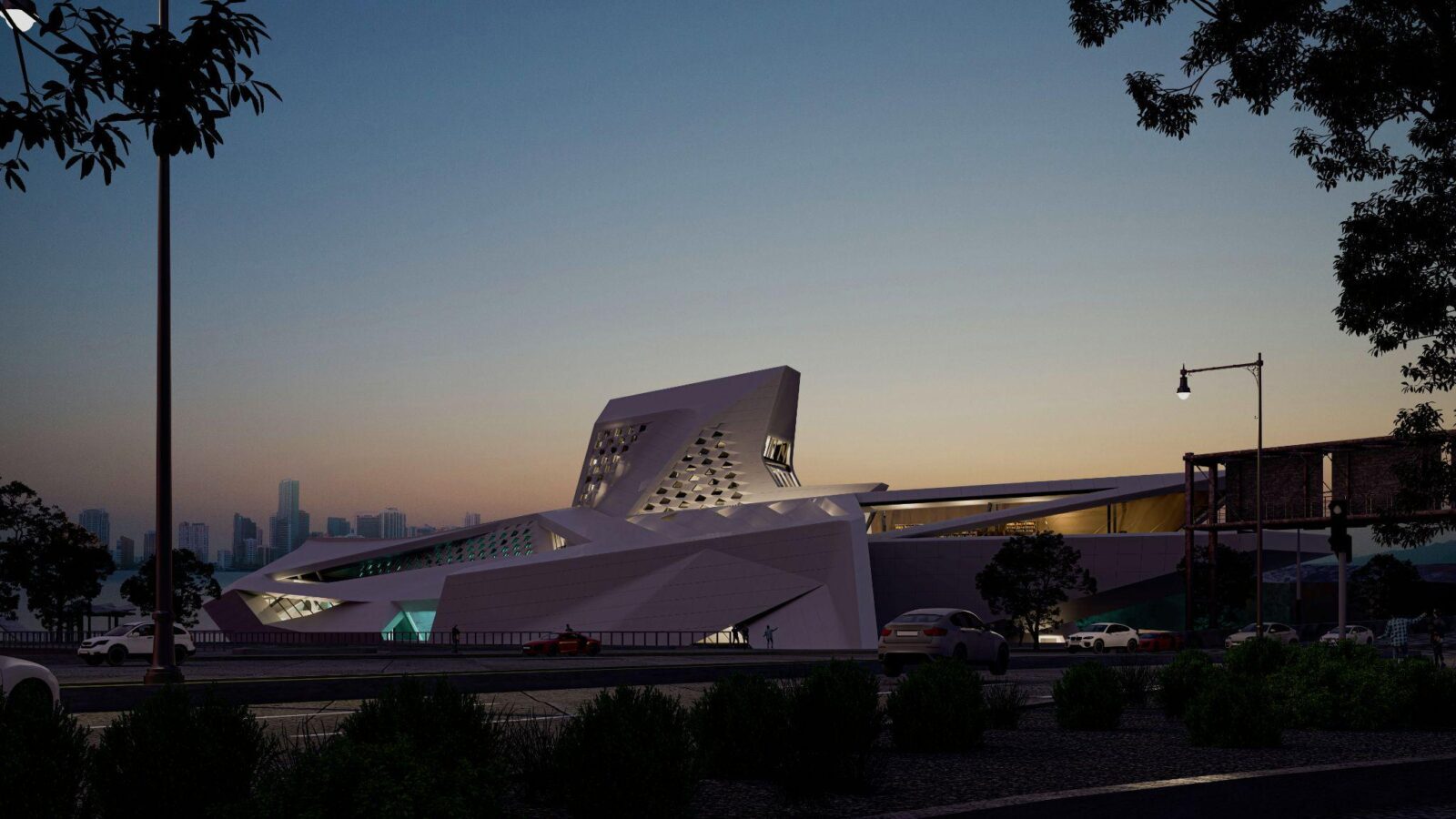
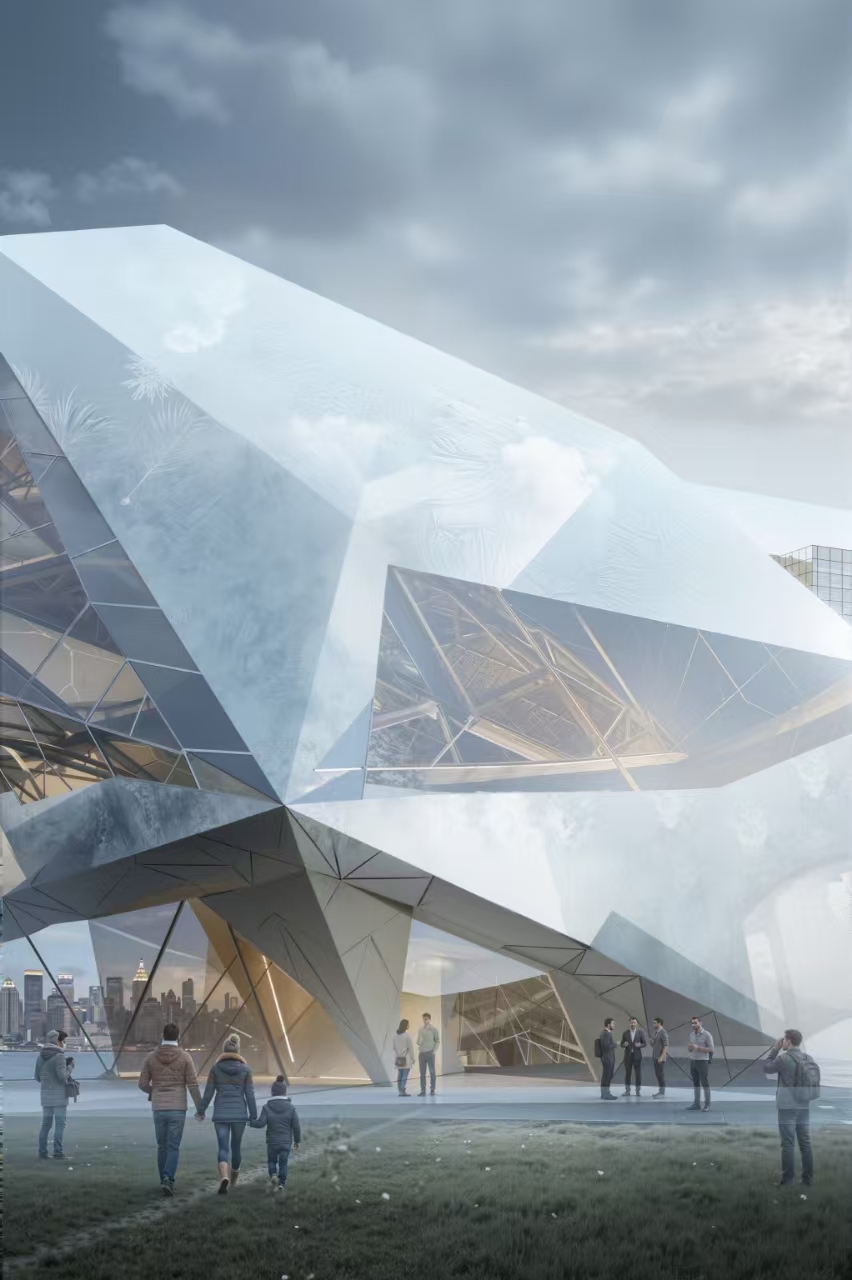
As our world becomes more digital, designers are looking for ways to make invisible systems visible. Haoxing Chen (Lex) explores this through Cyber Leviathan, a project that links a data centre with an aquarium. By using a liquid cooling system to benefit both environments, he treats architecture as a self-organising process.
Xinyue (Hope) Shen and Yingxiang Xu also tackle the digital footprint with Beyond the Concrete- The New Era of AI. They imagine the data centre not as a hidden warehouse, but as a visible part of the Manhattan landscape. Their design reuses heat and exposes the workings of AI, turning heavy infrastructure into a place where the public can actually interact with the data that runs their lives.
Intelligence in the everyday
Product design within RE/CRAFT focuses heavily on how technology can support human health and routine. Ziwei Song introduces Iaso, a smart packaging system for older adults. By using AI and biometric sensors, the project helps manage complex medication schedules, making home care safer and less confusing for families.
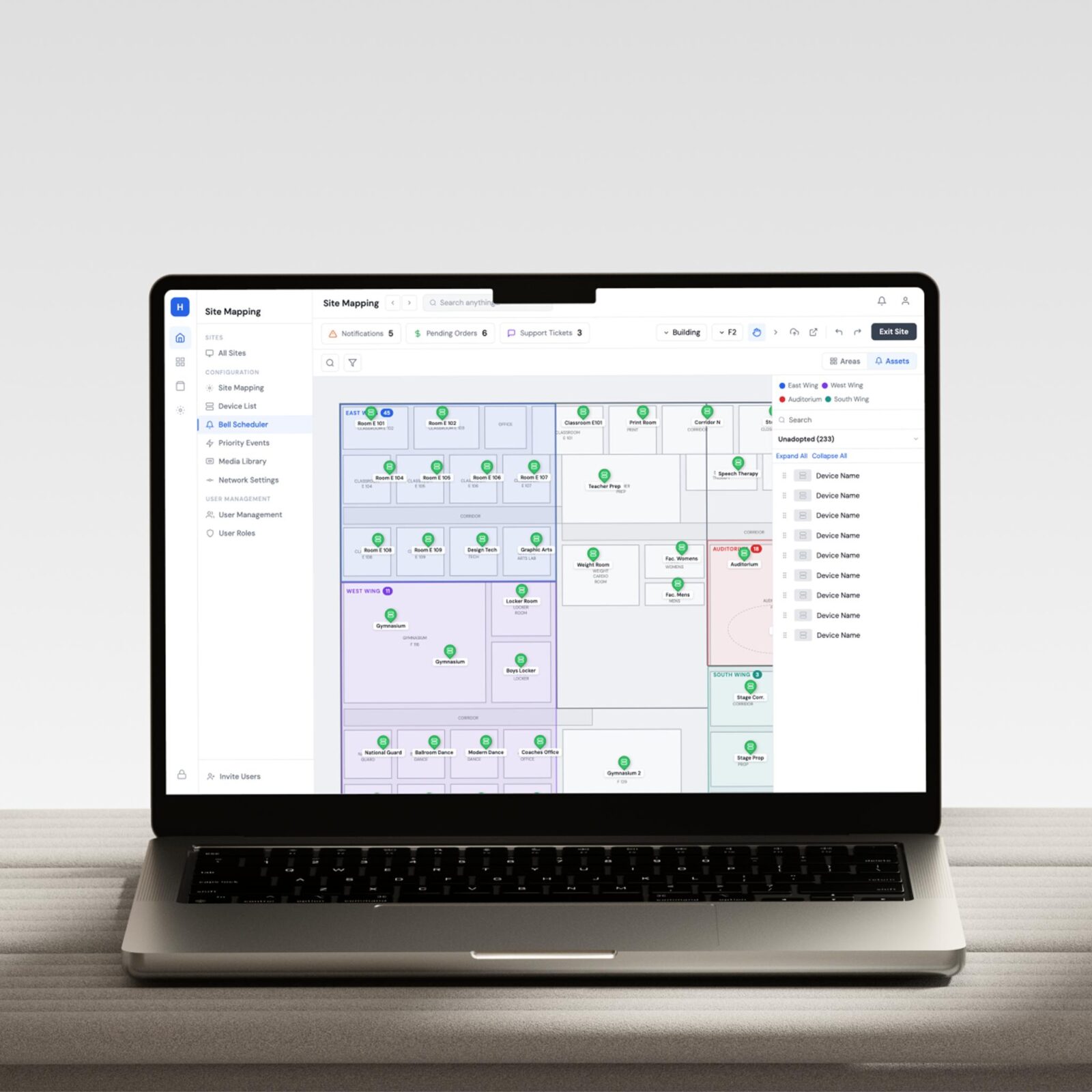
On the digital side, Shiyu Duan shows how complex systems can be made easy to use. Her HighFleet application is already a staple in the industry, managing sound infrastructure for the majority of US airports. Her work proves that even the most massive technical frameworks can be navigated with clarity.

Memory, light, and perception
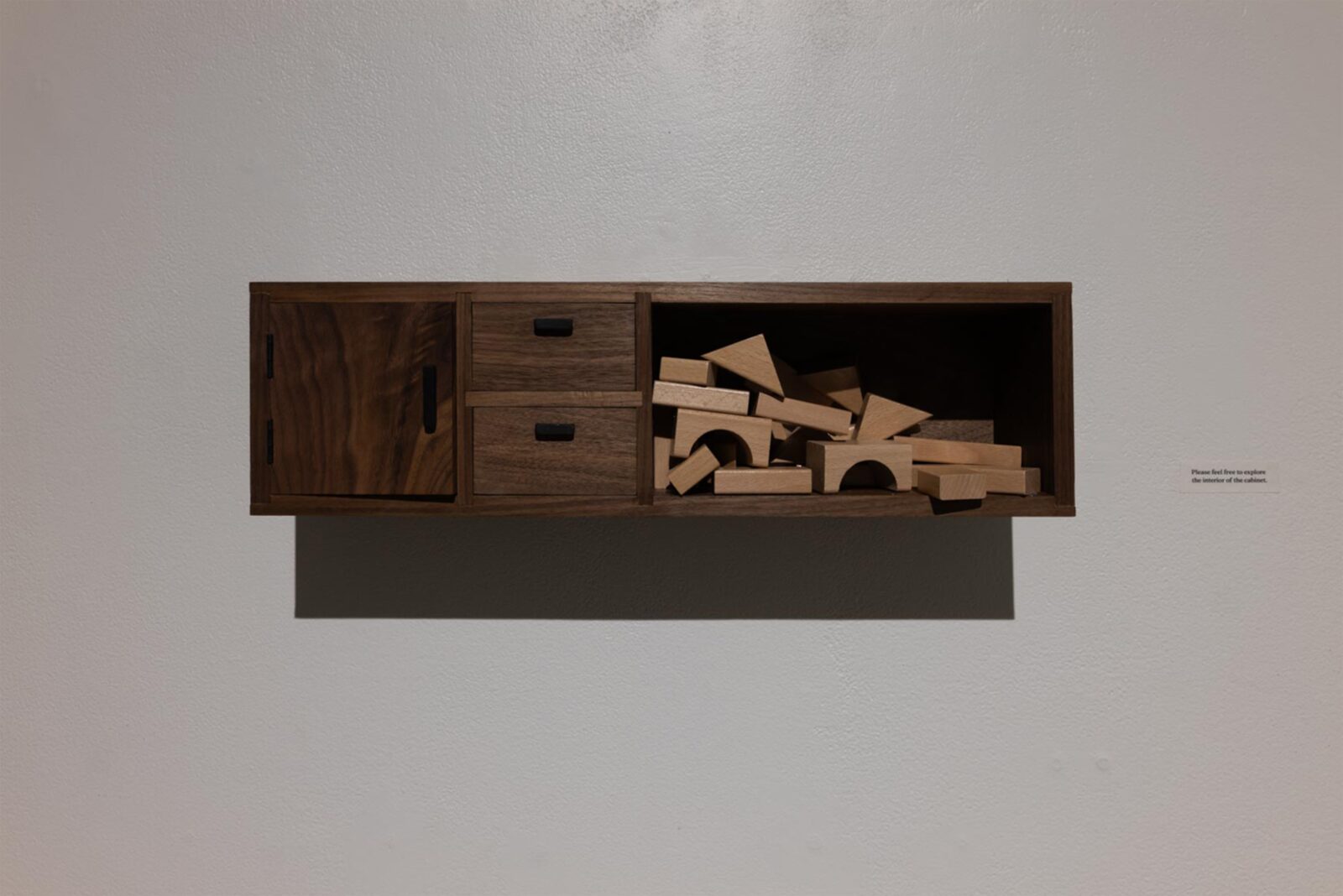
The exhibition also makes room for the personal and the poetic. Tiange Li explores the idea of the Asian diaspora through Cabinet of Home. This piece of furniture acts as a vessel for nostalgia, showing how we build a sense of belonging through the objects we keep. Feng Qiu offers a different kind of escape with The Pure Land, a series of paintings that depict a place of enlightenment and calm, free from the worries of the modern world.
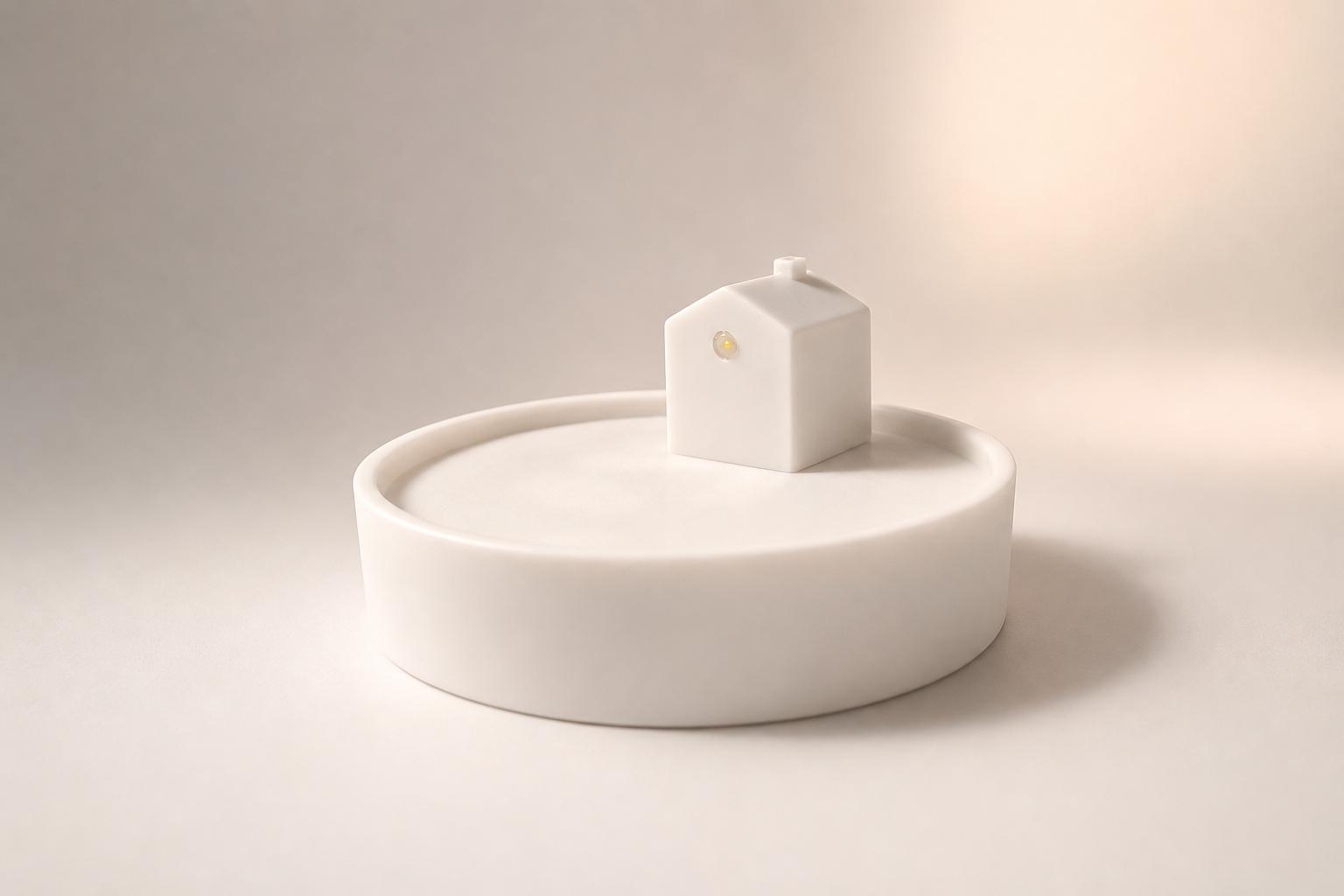
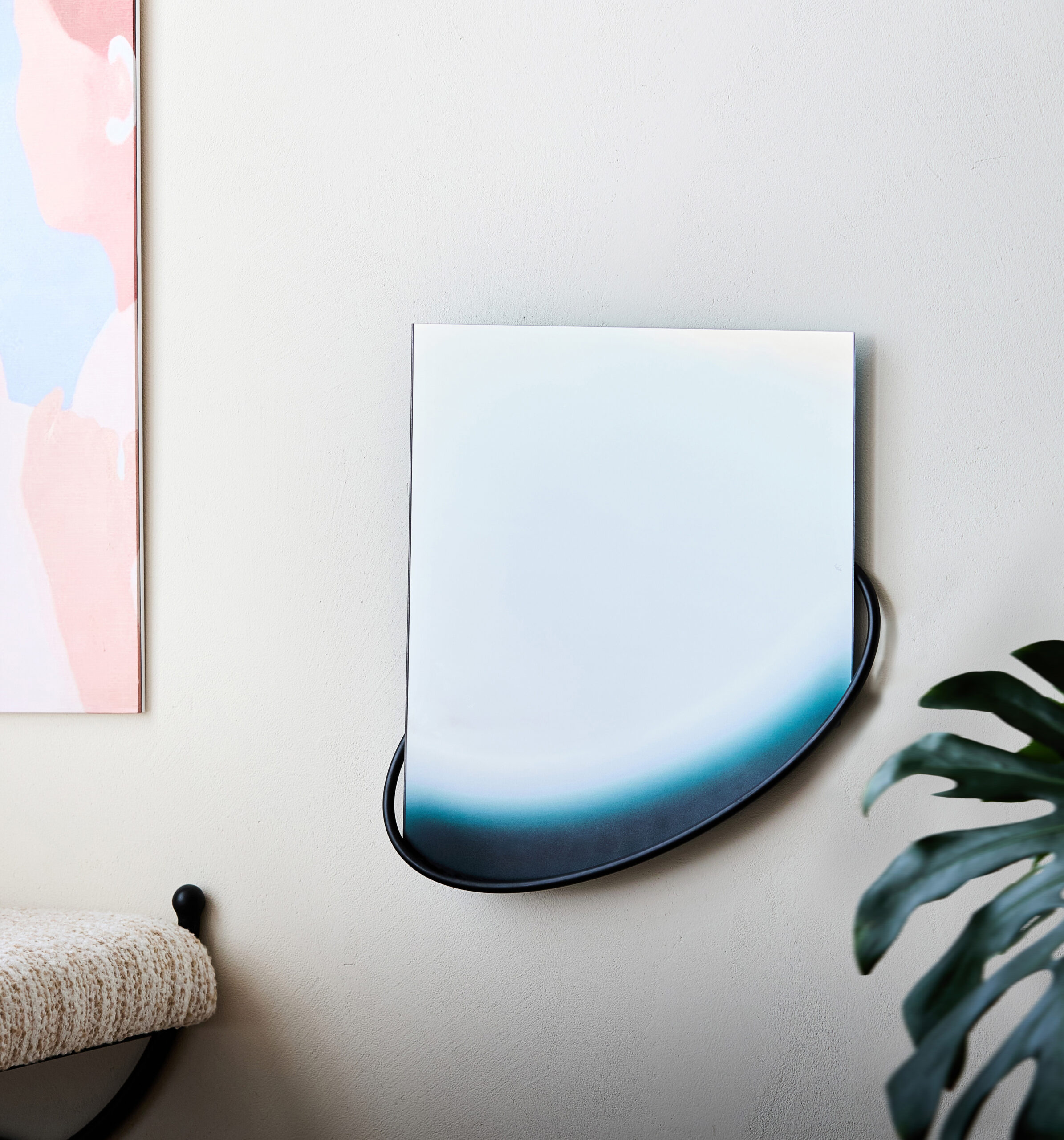
Interaction is key to the works of Yijing Han (Tabitha) and Bo Zhang. Han’s Home Signal Tray uses sensors to light up when it detects personal items, making daily habits feel more intuitive in the dark. Meanwhile, Bo Zhang—who also leads the RE/CRAFT project—presents Mirror Out. This interactive mirror uses optical illusions and gradient reflections to trick the eye, making a flat surface feel like a deep, floating space.
The RE/CRAFT project, started by Bo Zhang in 2023, has grown into a vital space for designers to test ideas that matter. By merging culture with sustainable practice, the works on display at ICFF 2026 go beyond simple aesthetics. They offer a look at how objects and systems can change our habits and protect our environment. In a world of fast-moving trends, these designers are focused on the long-term impact of what they create.


