



Header: Ryan McCoy
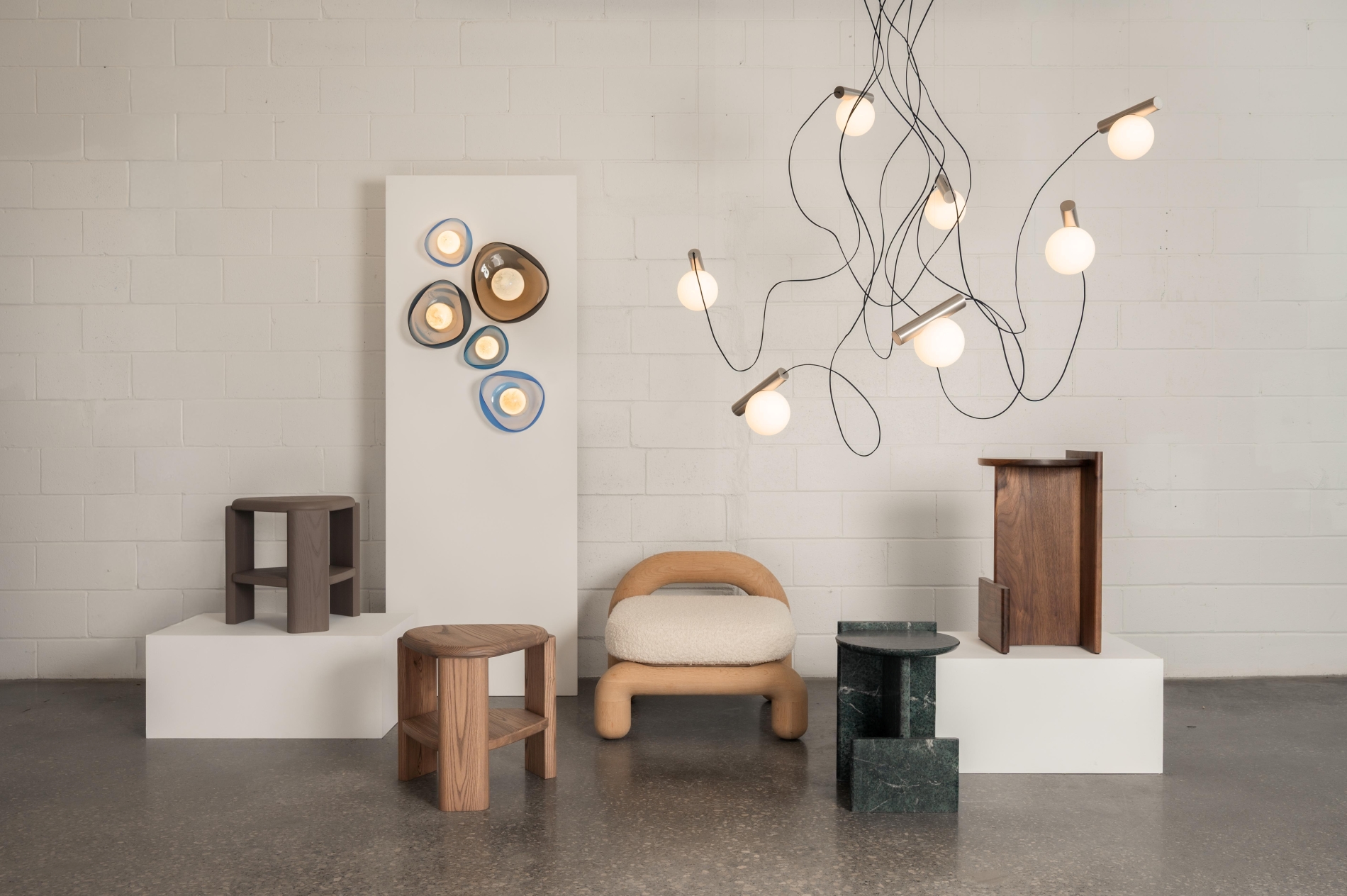
Soft Structure exhibition, created by five Canadian design studios, will be on display at the WANTED exhibition during NYCxDESIGN, the official New York Design Week. The female-led collaborative exhibition will present market-ready works defined by the exploration of material and emotions. The designs will be exhibited within NYCxDESIGN’s ICFF (International Contemporary Furniture Fair), from May 17 to May 19, 2026.
Designs based on emotion and experimentation
Soft structure aims to present product design that follows the intuition and values of its inhabitants. According to research, women influence 94% of household design purchases. However, their influence on the industrial design process is much lower, as they only make up around 19% of industrial design professionals.
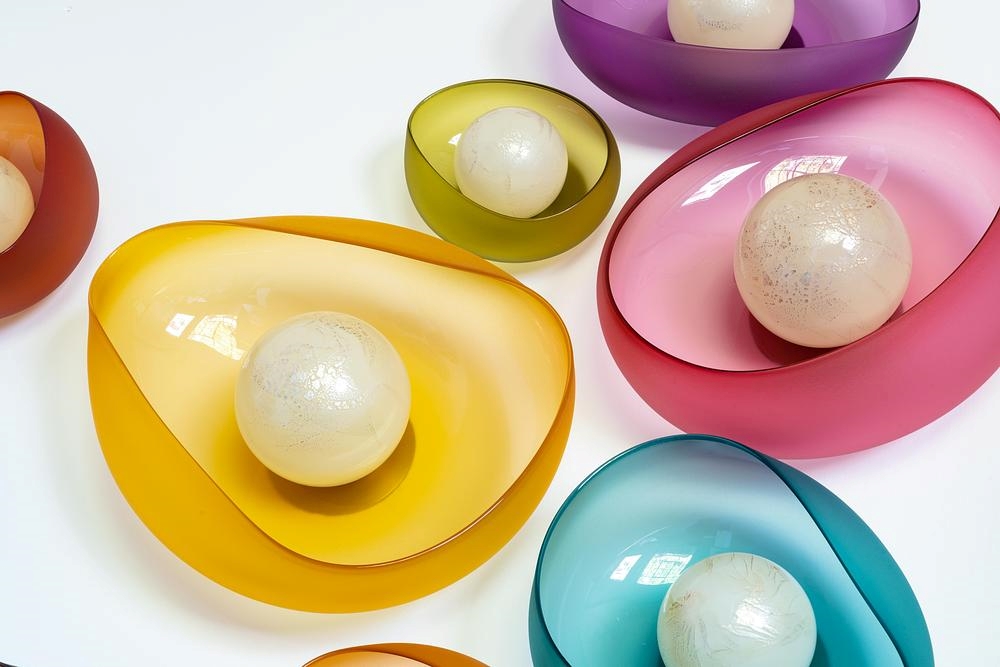
Photo credit: Worker Bee Supply
As the global design culture becomes increasingly rigid, this exhibition represents a different approach, one based on empathy and experimentation. Although aware that the design process is limited by our physical surroundings, the show highlights soft curves, tactile surfaces, gentle light, and other subtle gestures as key aspects of human-centred design.
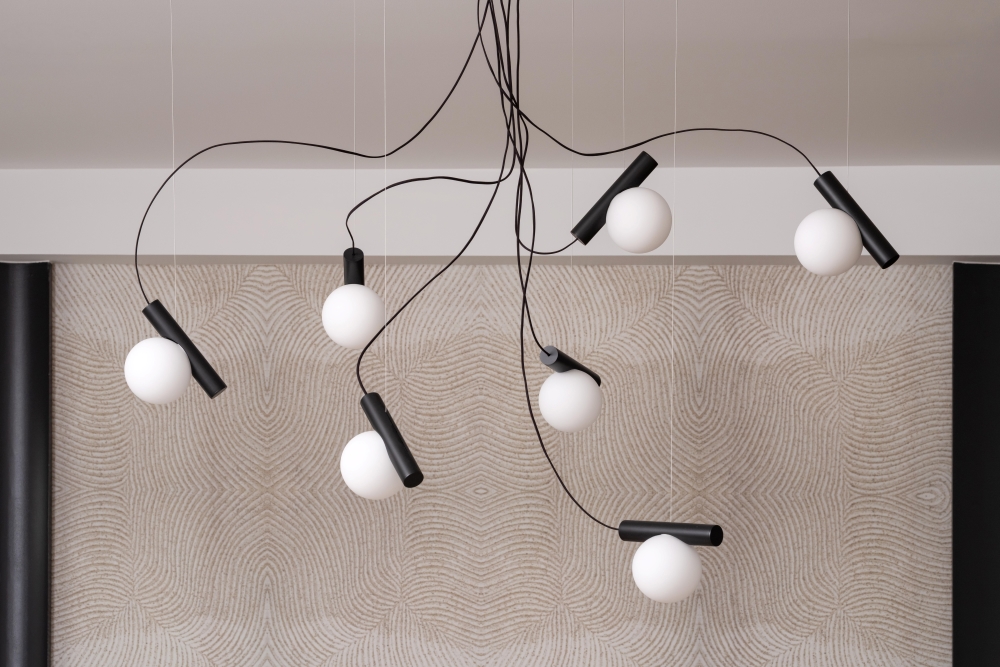
Photo credit: Scott Norsworthy
Node Chandelier by Christian Lo
Christian Lo from Anony studio uses circles to present a delicate imbalance, further emphasised with weight and material contrast. A glass sphere nested in a steel cylinder is attached to the LED, which simultaneously represents a nod and a source of light.
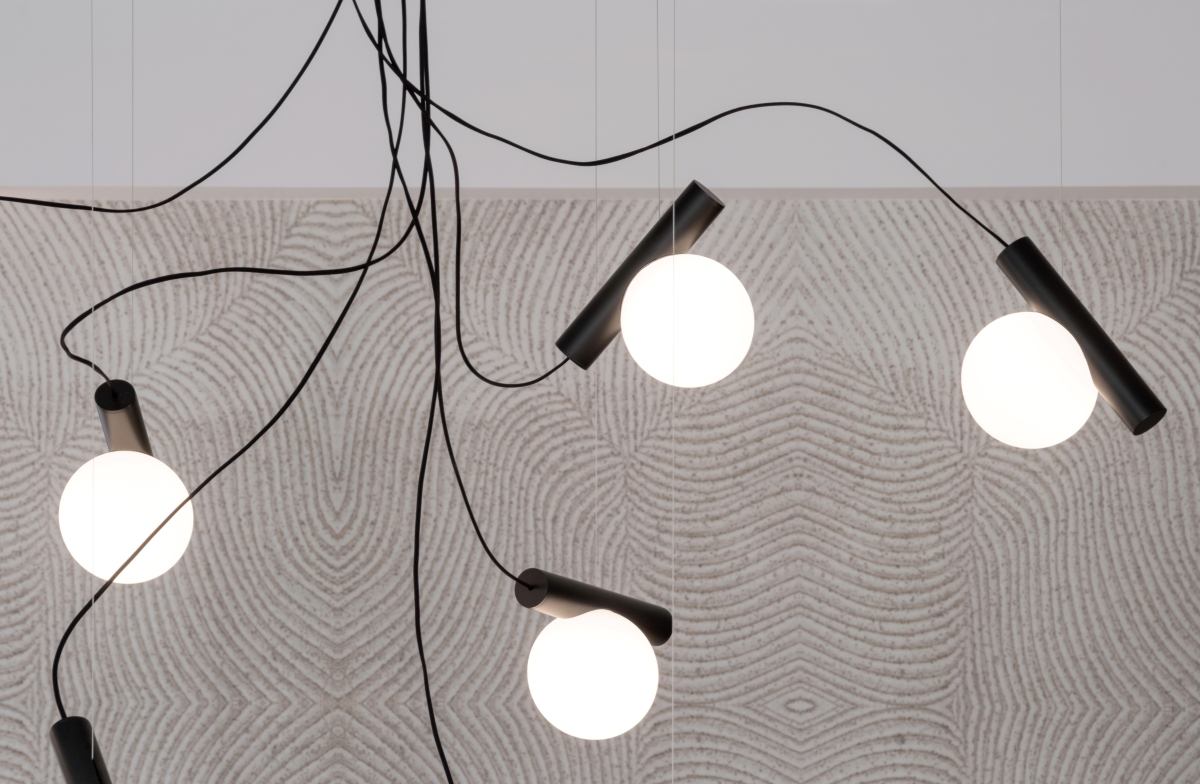
Photo credit: Scott Norsworthy
Sylvia Lee’s Geo Sconce collection for The Goodman Studio
The smooth river stone inspired Sylvia Lee’s Geo Sconce collection. Hand-blown glass lighting bowls capture the essence of river stone shaped by water and time. Their boldly colored exterior is juxtaposed with a muted, sandblasted finish. Lee is a director of The Goodman Studio, a light, furniture, and vessel manufacturer.
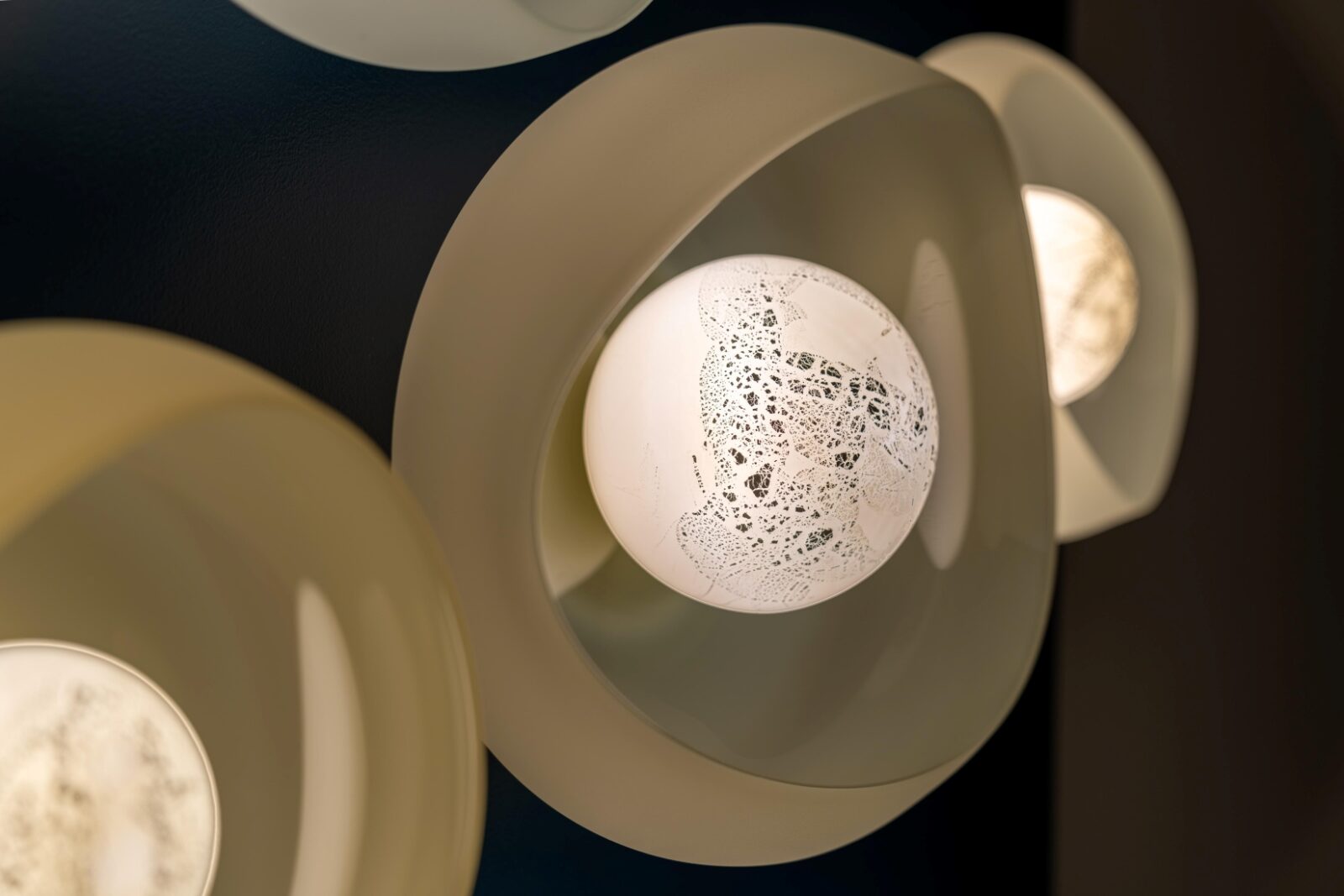
Photo credit: Worker Bee Supply
LITIHC lounge chair by Maha Alavi
LITHIC Lounge Chair evokes the notion of ancient cave drawings and traditional joinery. Produced by Maha Alavi Studio from solid red oak, the chair balances subtle curves with a low profile. The inviting wooden frame is completed with a large over-the-top cushion that ensures comfort, while inviting tactility and dialogue with its users.
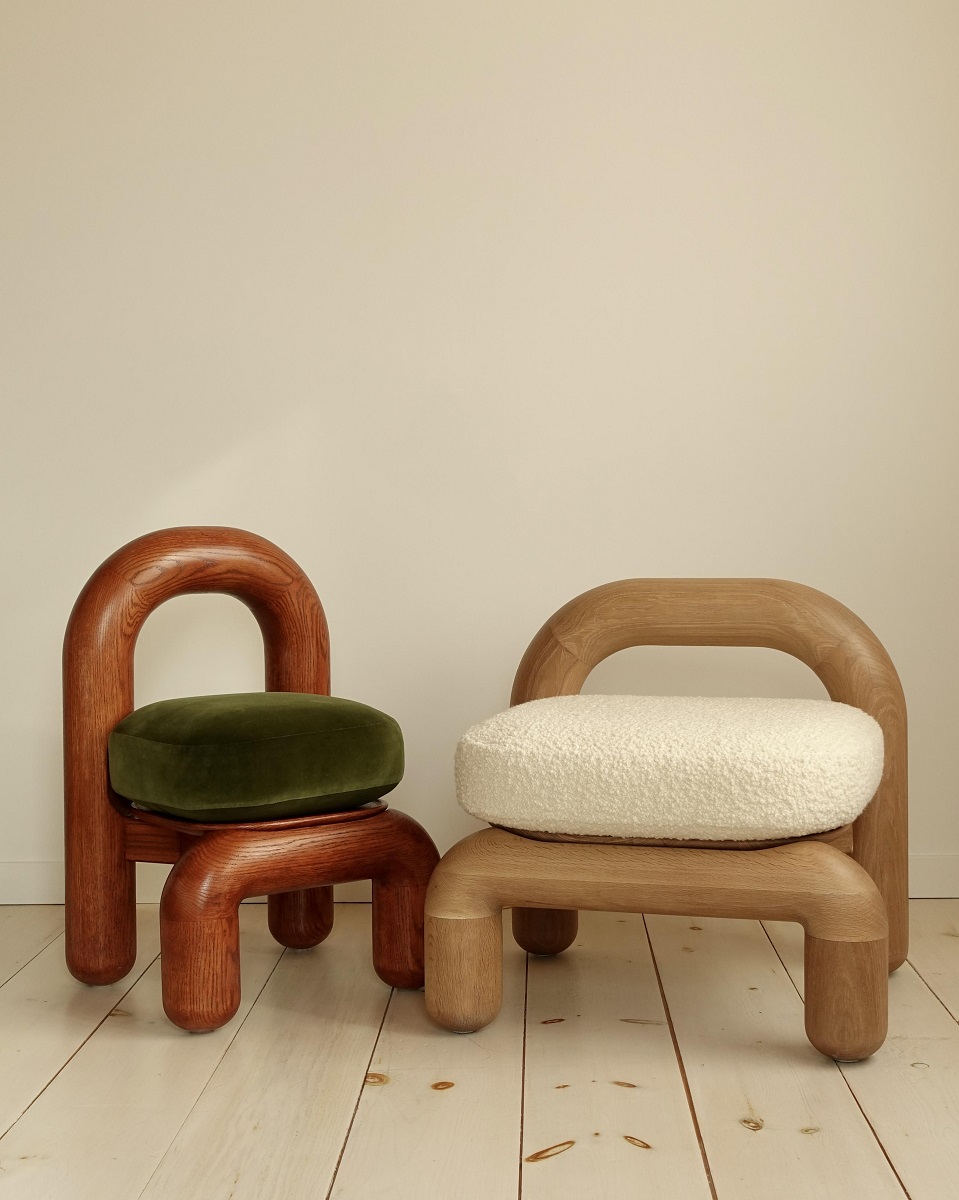
Photo credit: Singyu Lam
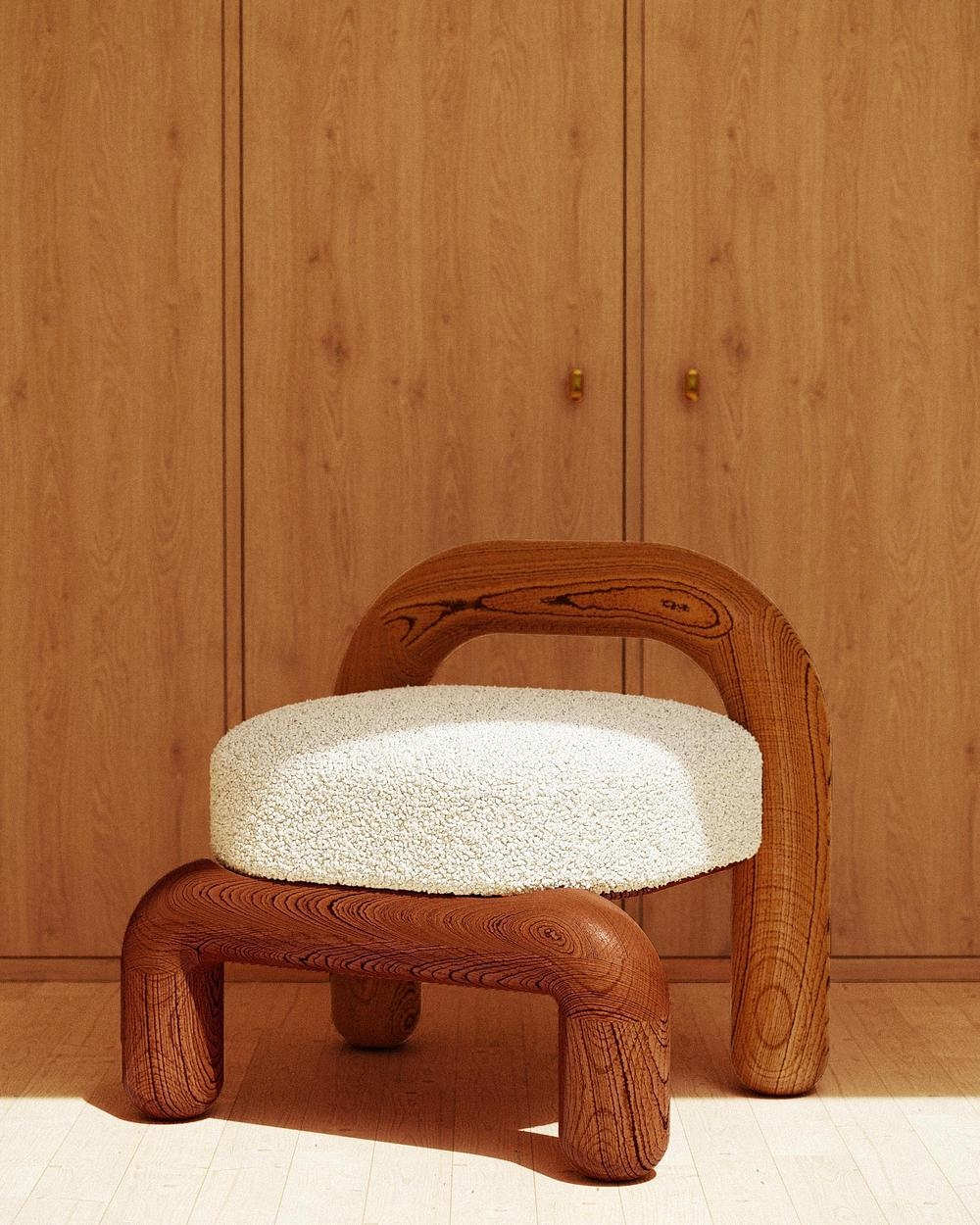
Photo credit: Singyu Lam
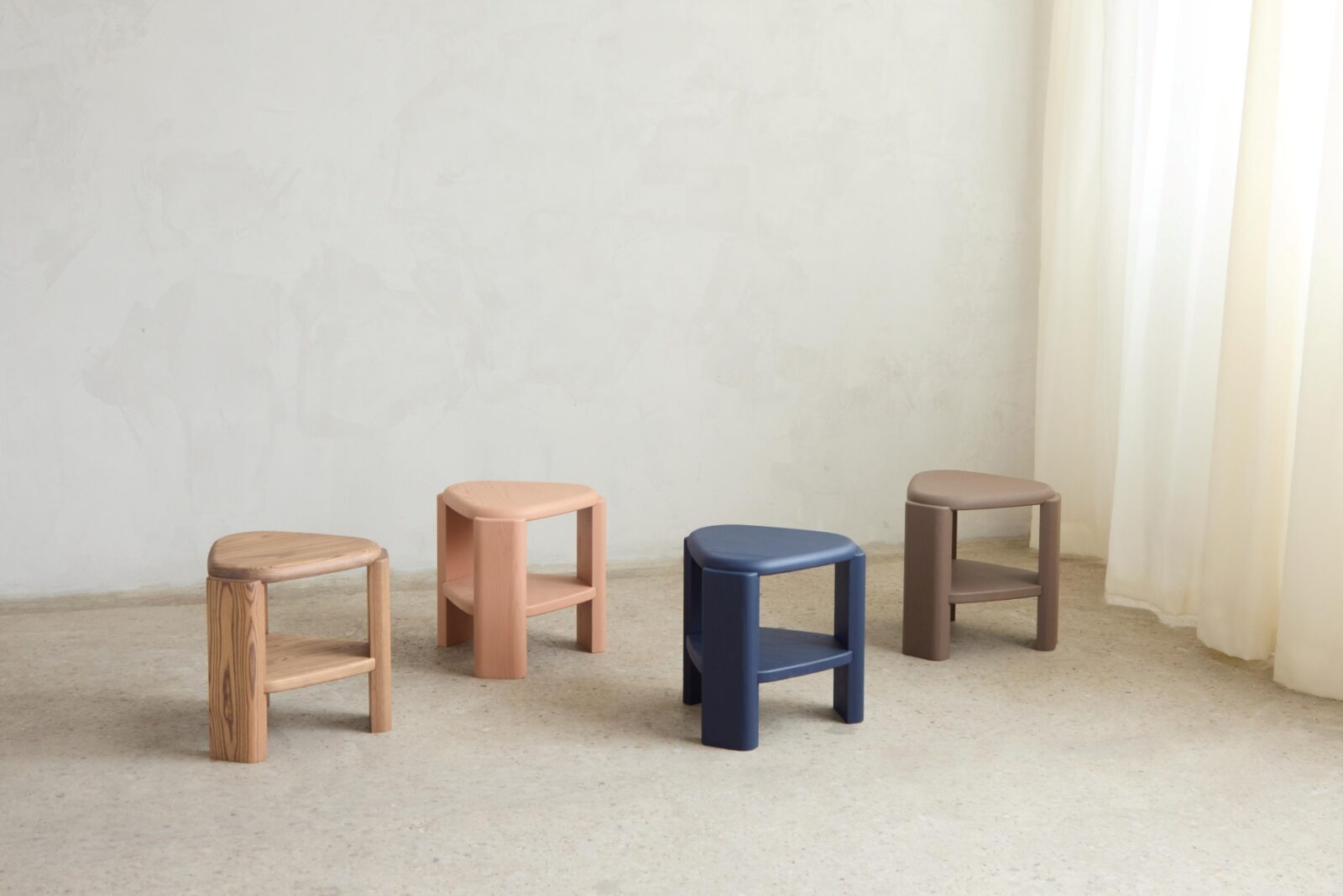
Decker side tables by Mary Racclife
Decker side tables, on the other side, drew inspiration from the freedom of skateboarding and surfing. The Mary Racclife design, defined by radiused corners and a rounded triangular form, draws inspiration from skateboarding and surfing, reflecting the sense of freedom and fluid movement they embody.
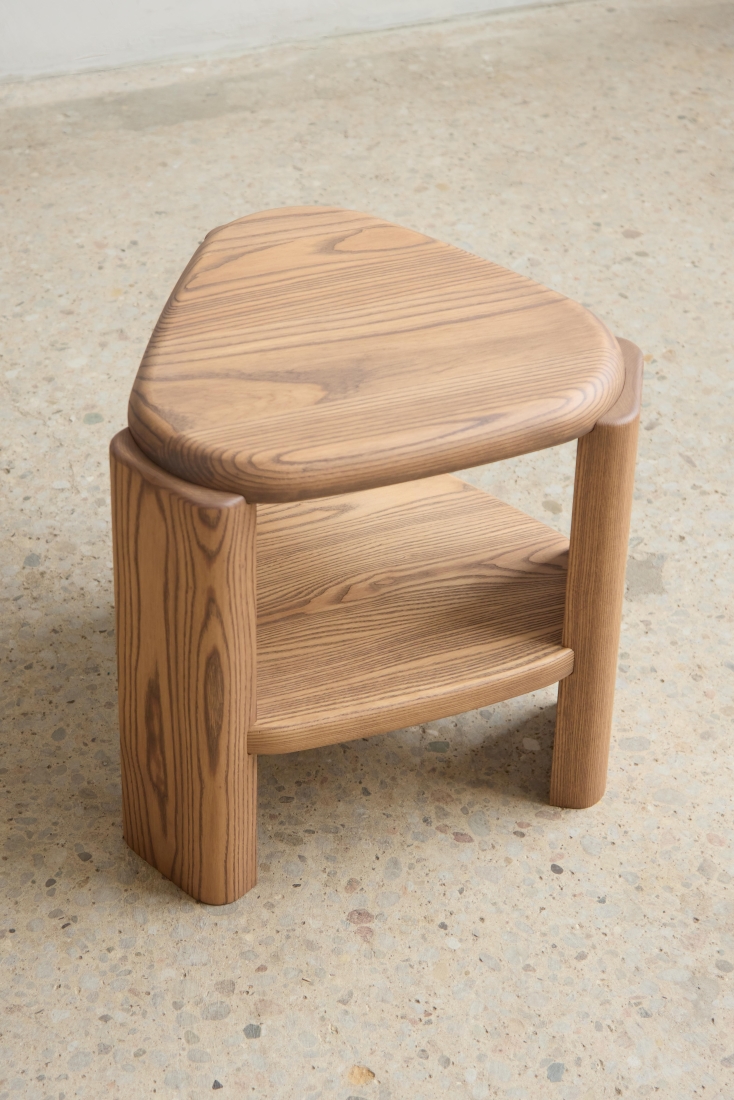
Photo credit: Ryan McCoy
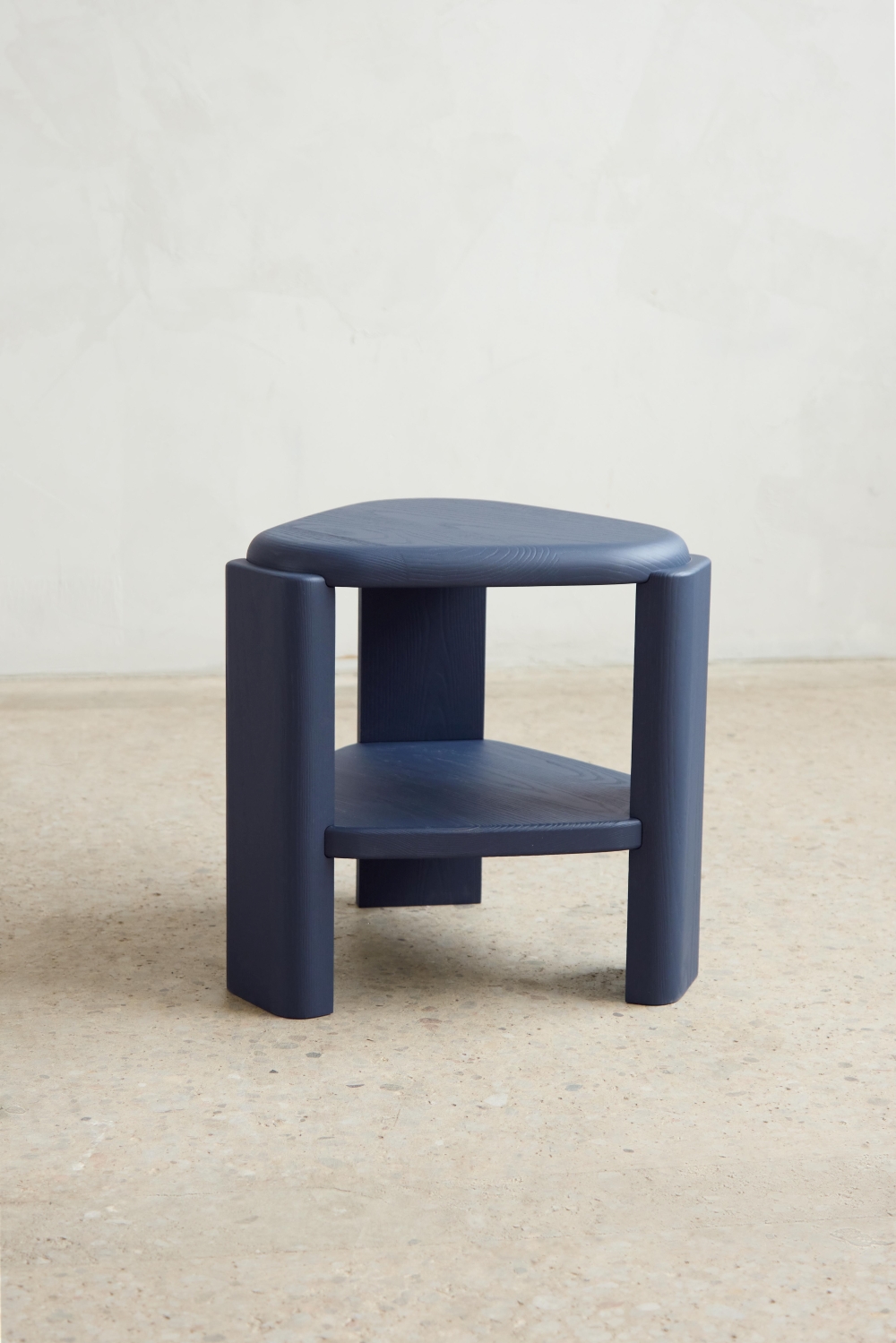
Photo credit: Ryan McCoy
Simone Ferkul’s Attic Stools
The architectural planes of the Attic Stool form the composition that brings stability and lightness. The simple silhouette emerges from a visual dialogue of the horizontal and vertical elements. These elements intersect to create a clean, sturdy seat that appears to float above ground. The quiet presence of Ferkul’s stools is rooted in the balance between lift and groundedness.
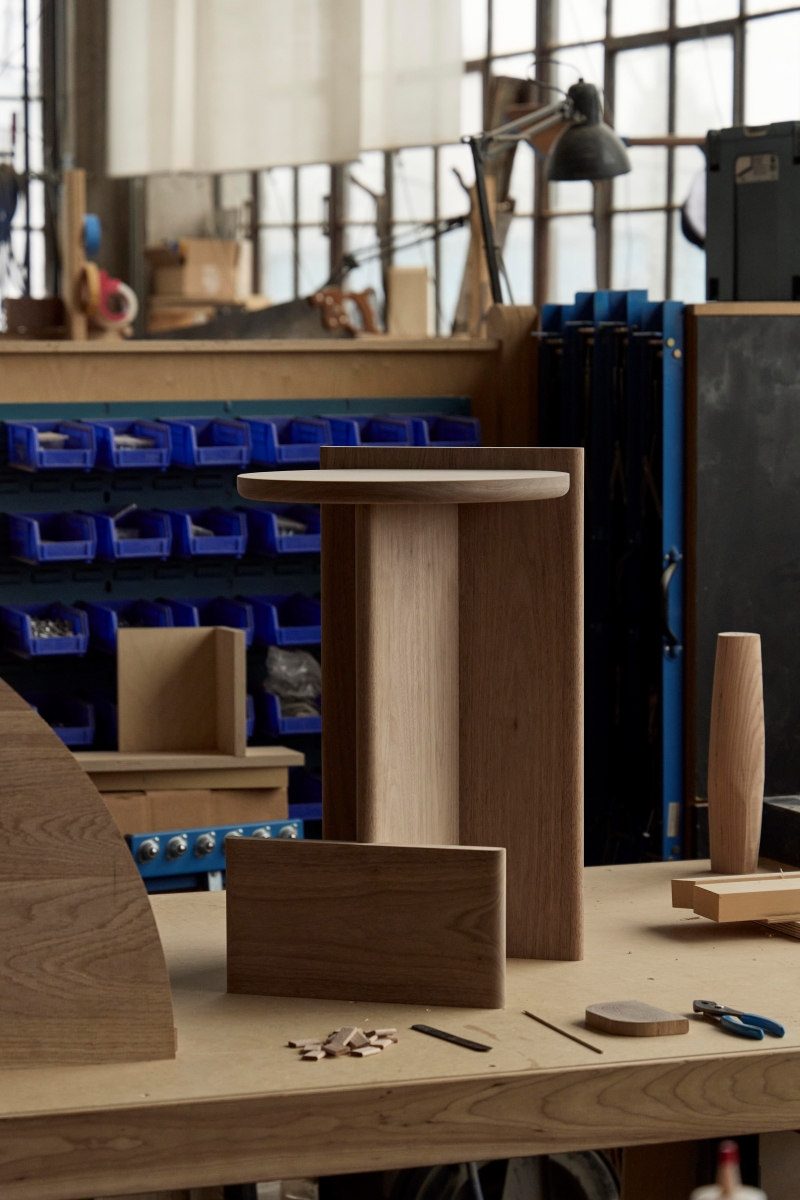
Photo credit: Riley Snelling
The collection of five female designers shows how vulnerability and resilience can serve as important defining elements of contemporary design.


