



Header: ASFW
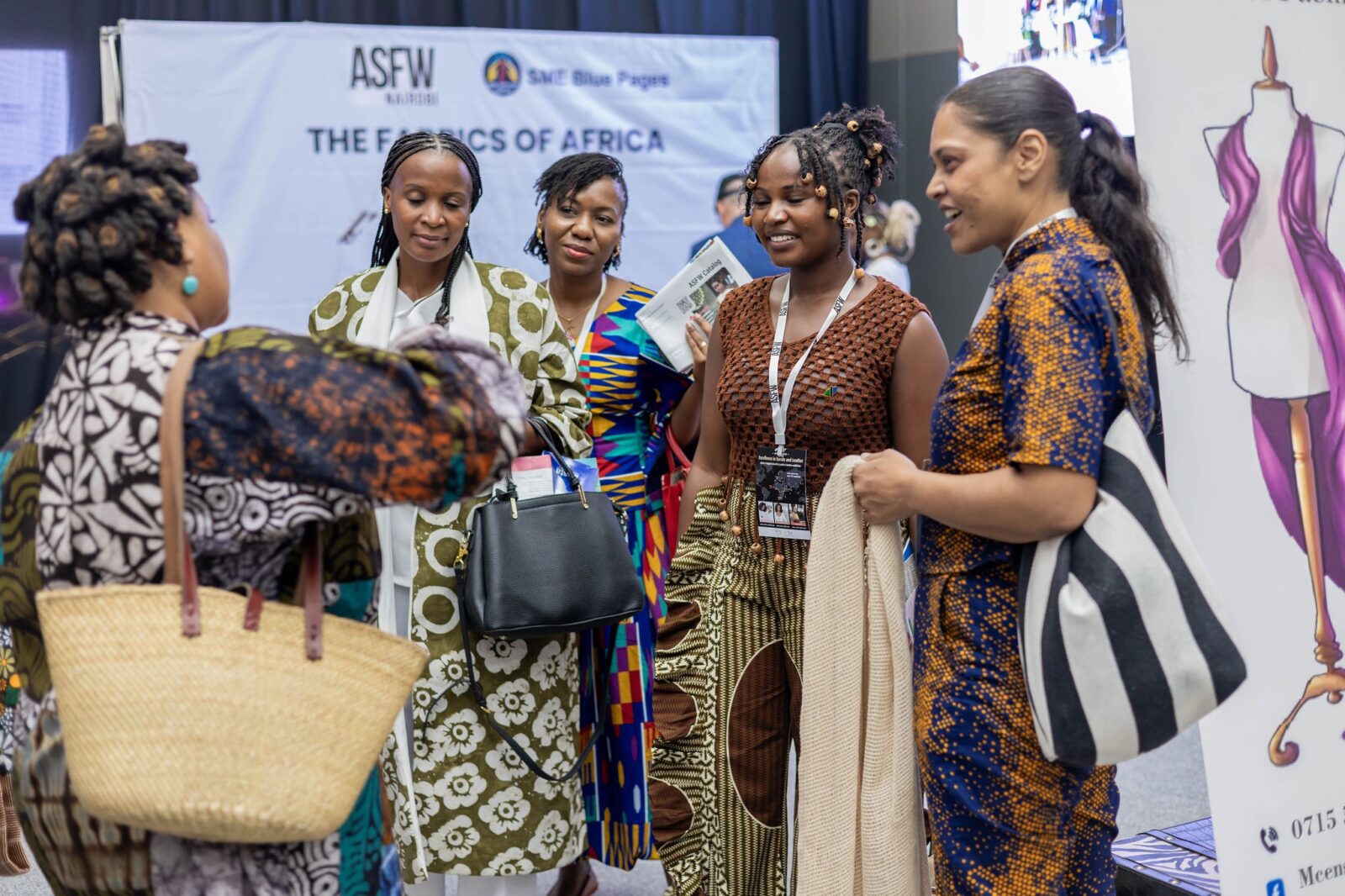
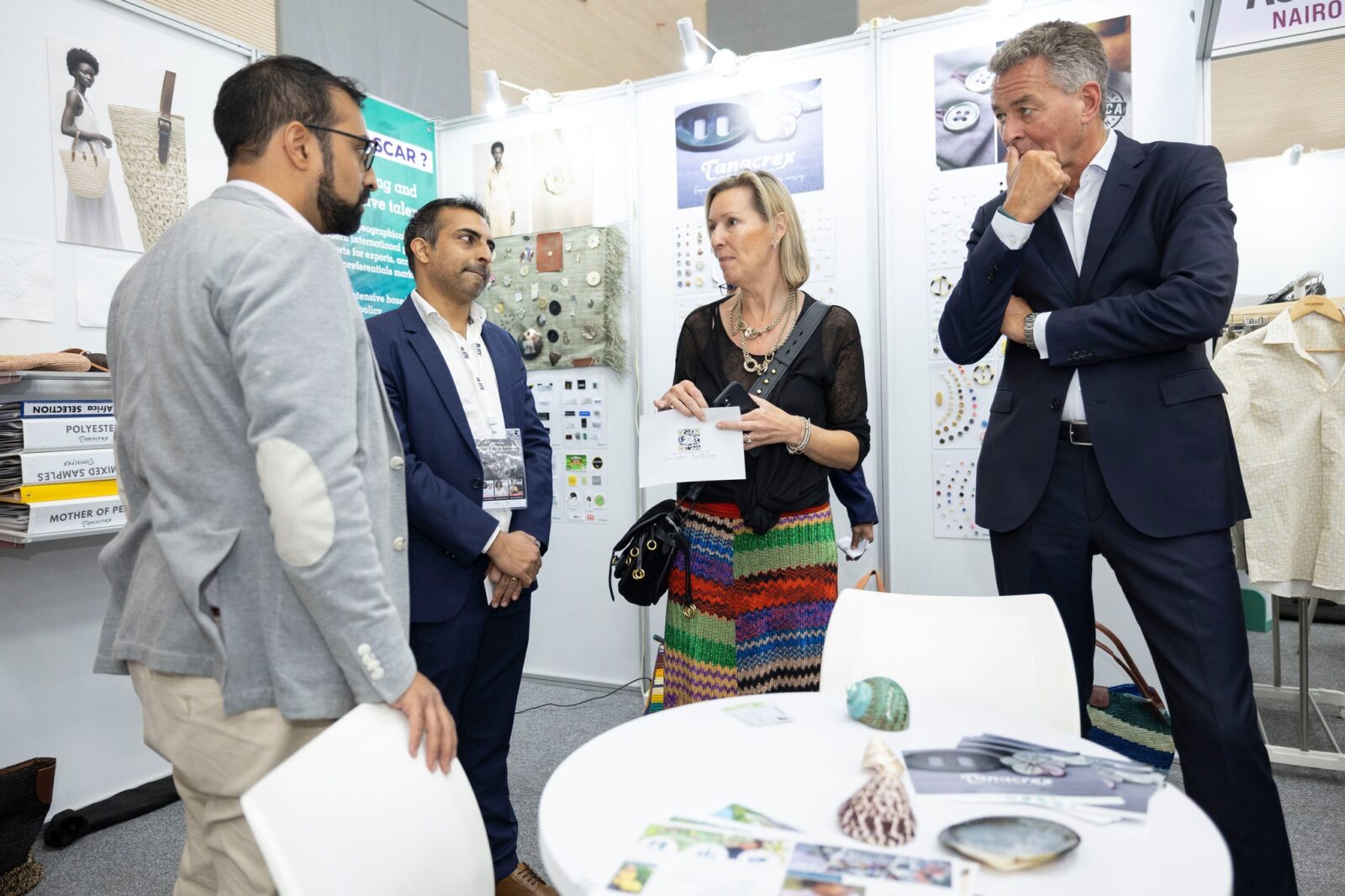
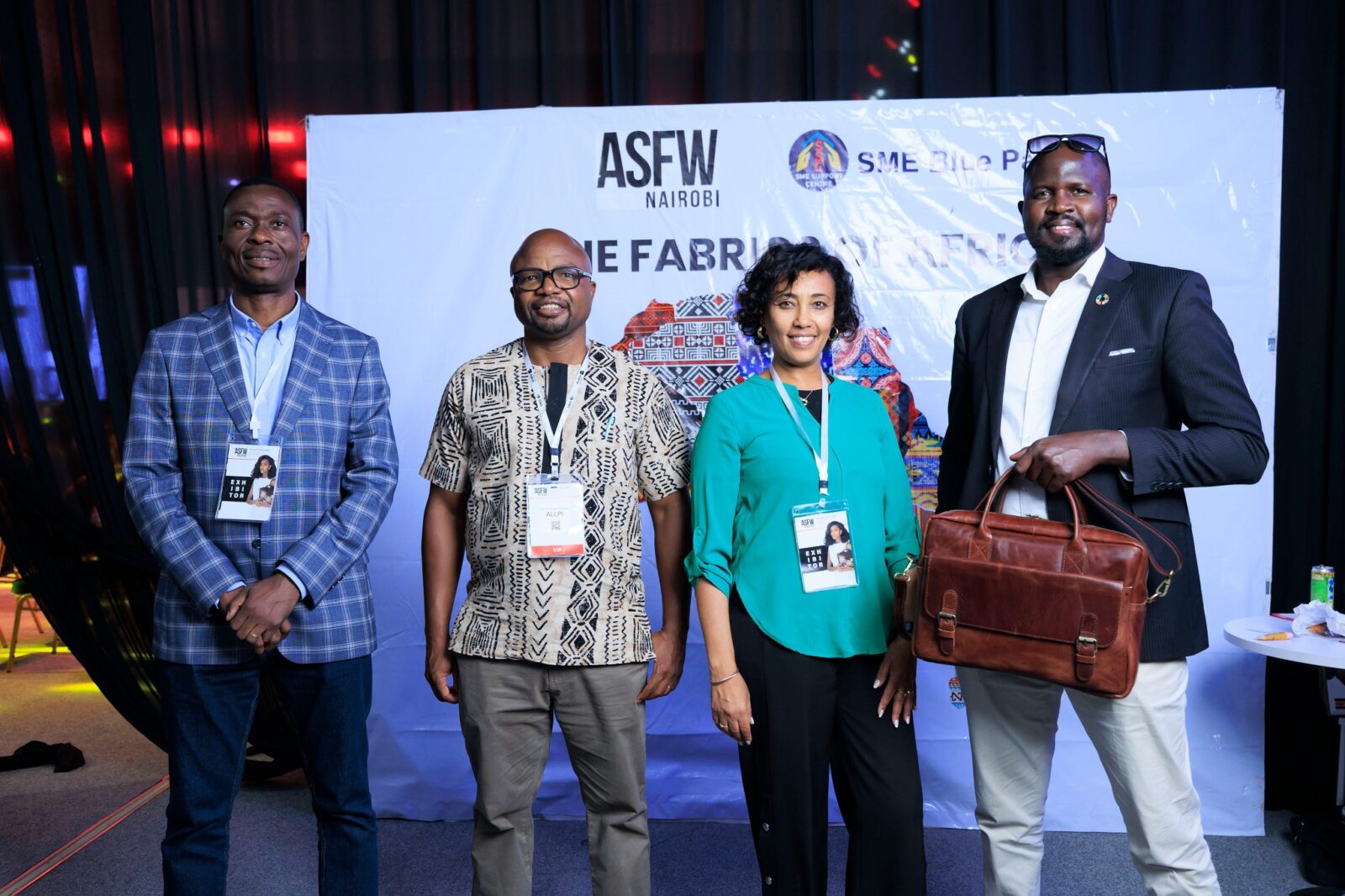
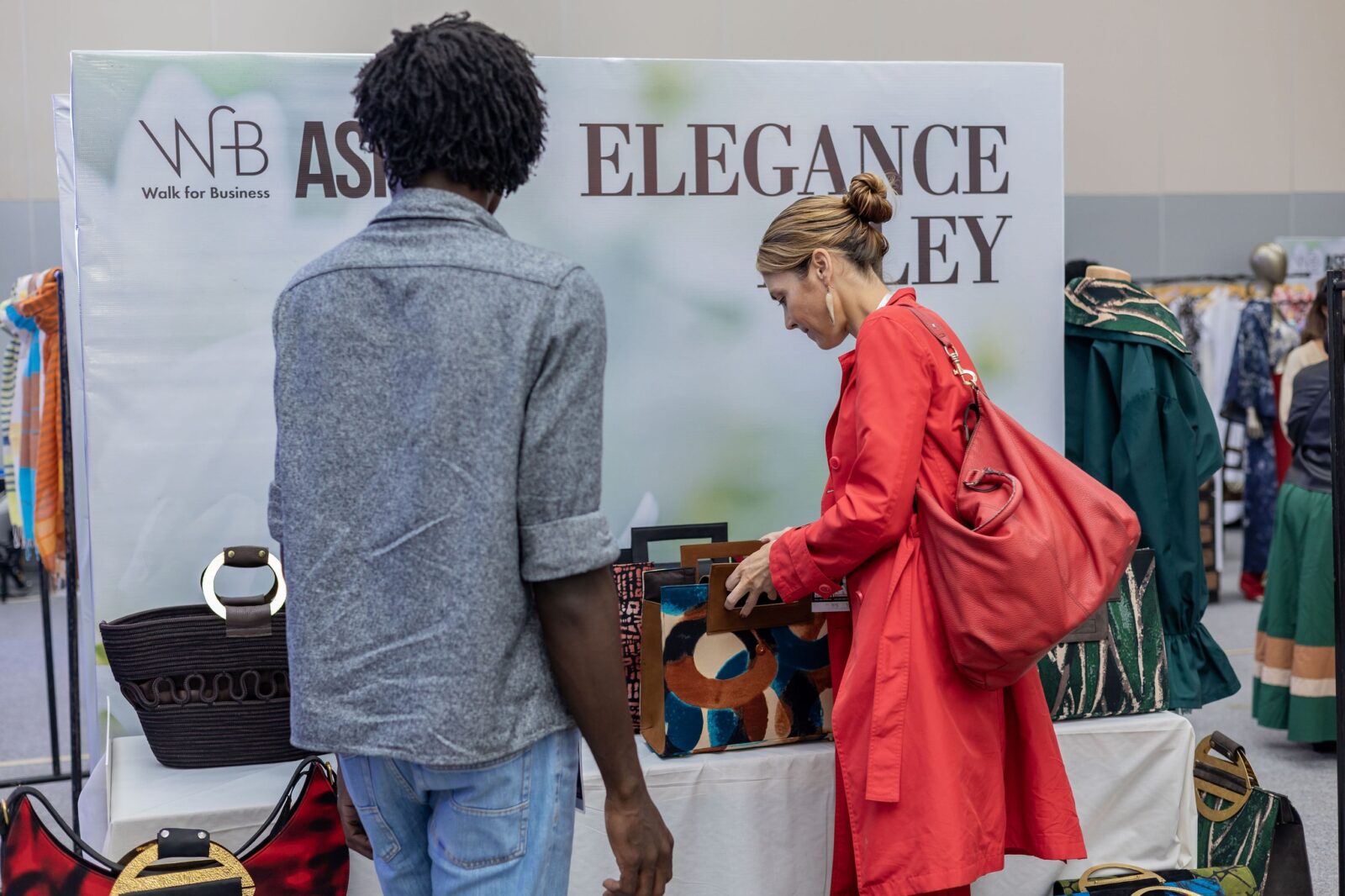
The Sarit Expo Centre in Nairobi recently turned into a buzzing hub for the African fashion and textile industry. As the 2026 edition of ASFW Nairobi wrapped up, the figures told a story of a growing market ready for the world stage. With 155 exhibitors from 25 different countries and over 4,110 trade visitors, the event proved that the continent is no longer just a source of raw materials but a serious player in design and manufacturing.
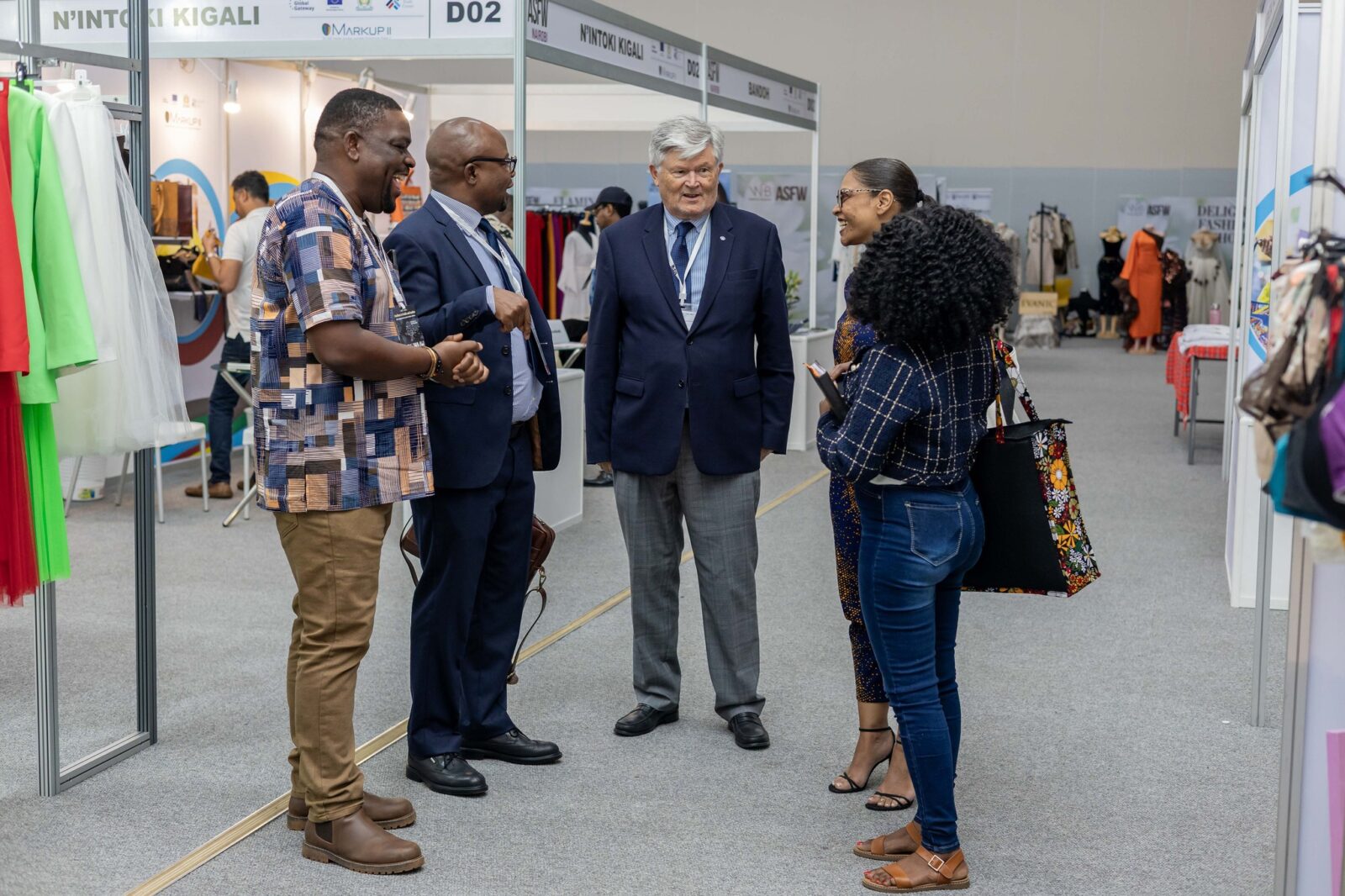
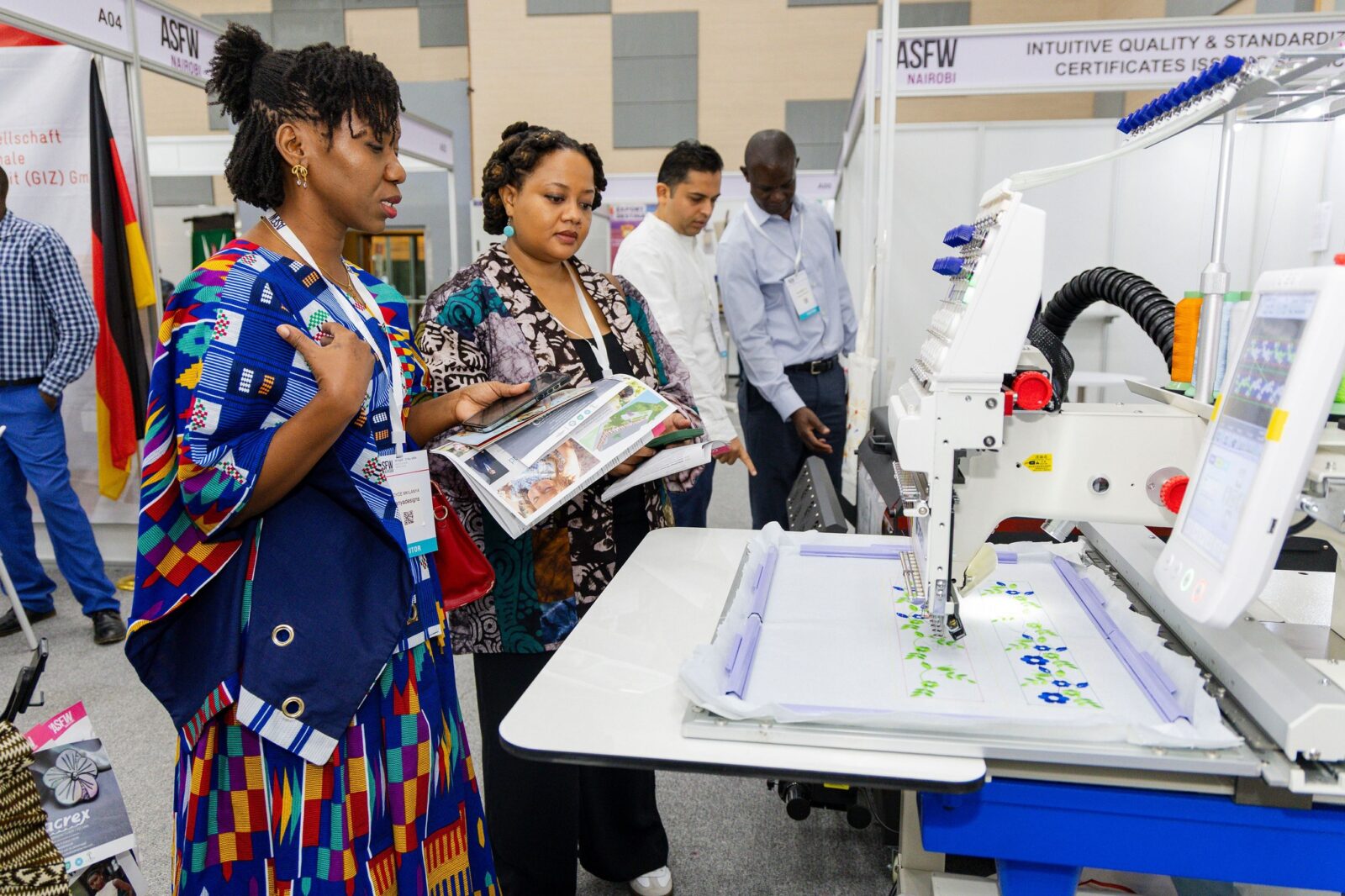
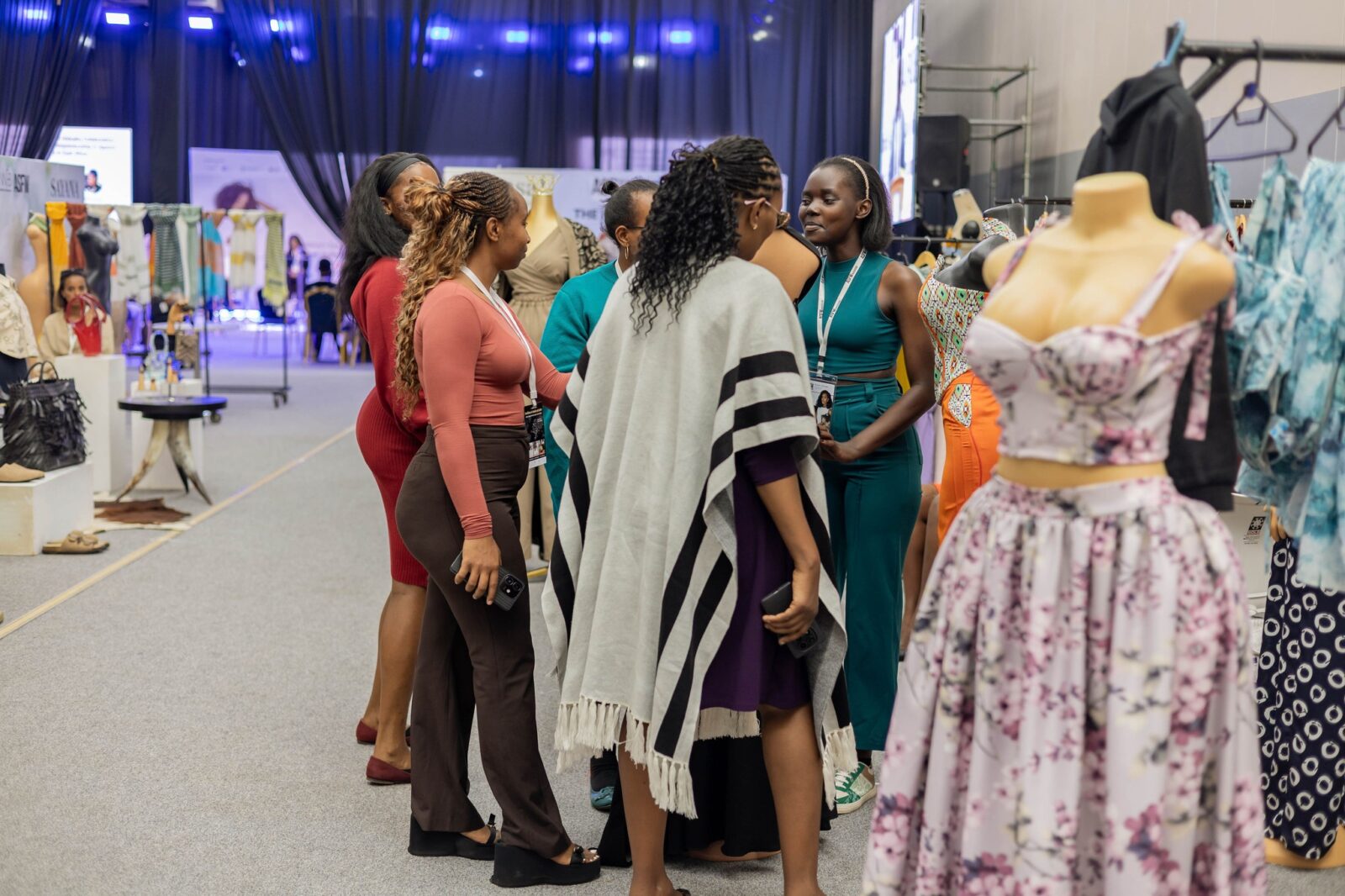
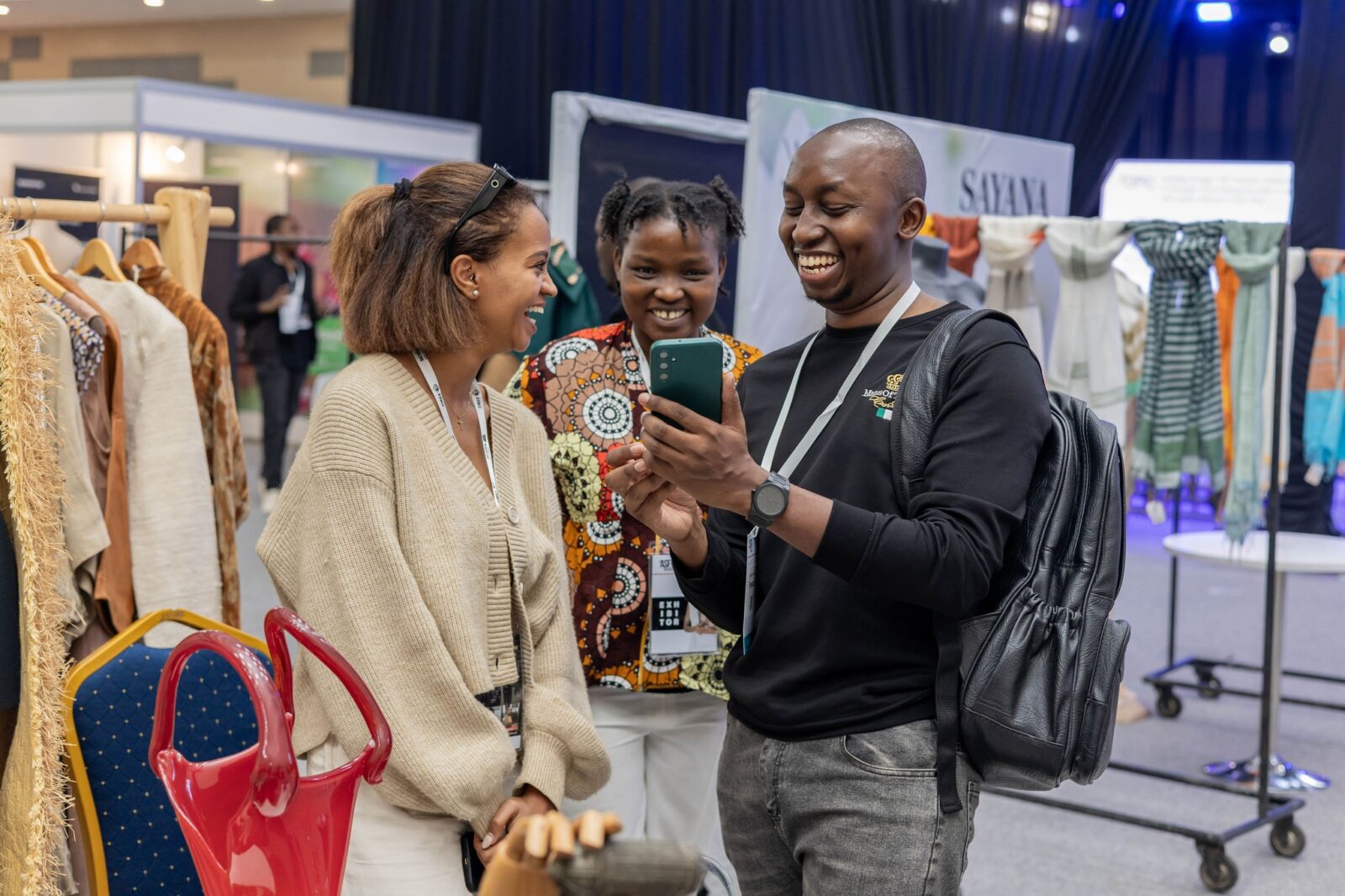
From the stalls of handwoven cotton to the latest in footwear technology, the diversity on display was vast. Exhibitors represented everything from garments and home décor to complex machinery. It wasn’t just a local affair either; the floor saw participation from countries as far-flung as Italy, Pakistan, and Germany, alongside a strong showing from African nations like Ethiopia, Rwanda, and Nigeria.
A three-day deep dive into industry strategy
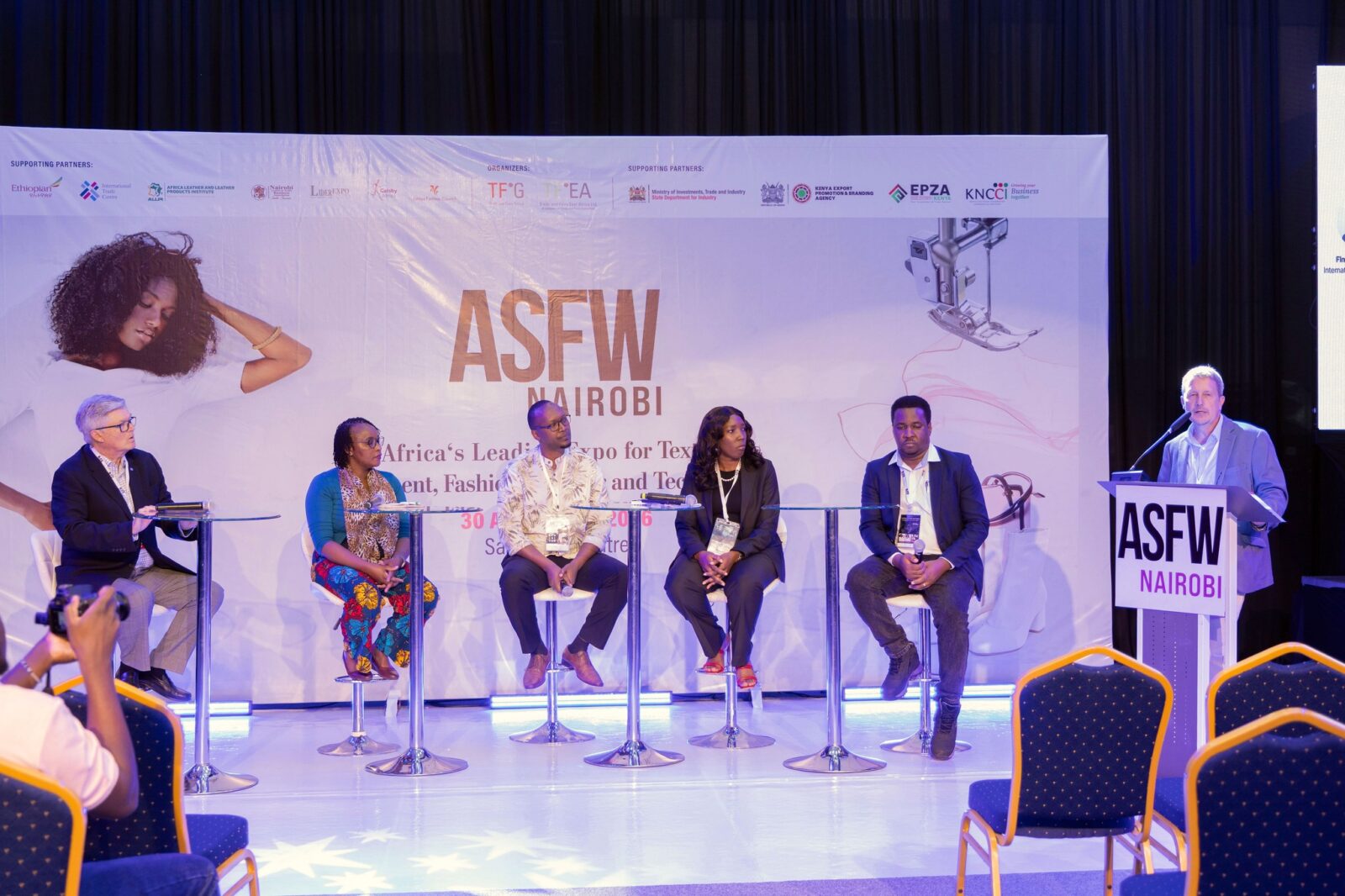
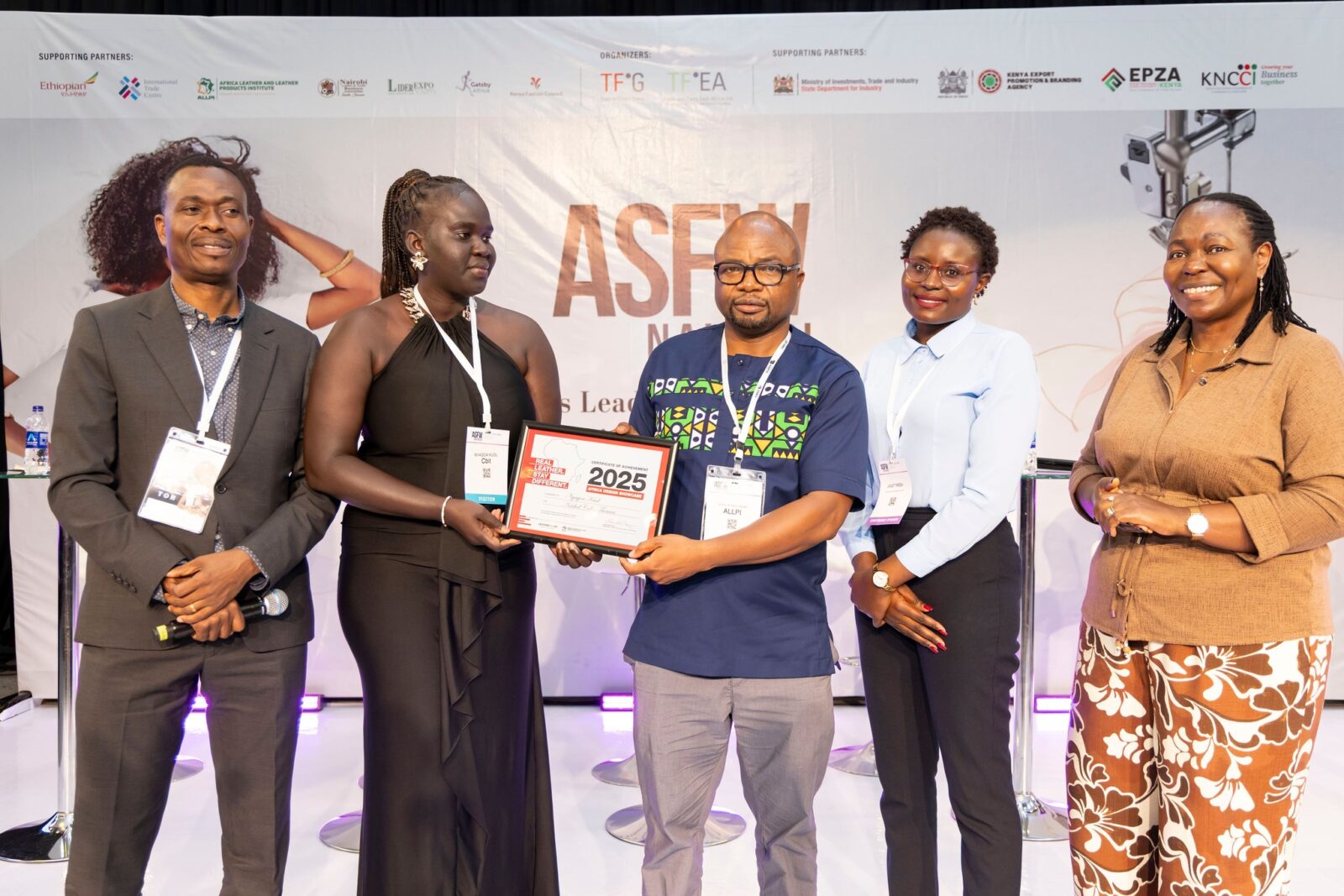
The conference kicked off with a heavy-hitting inauguration featuring Abubakar Hassan Abubakar from the Ministry of Investment, Trade and Industry, and Detlef Braun of Messe Frankfurt GmbH. The opening day set a serious tone, focusing on how East Africa can scale its apparel and leather industries through industrial parks and better investment pathways.
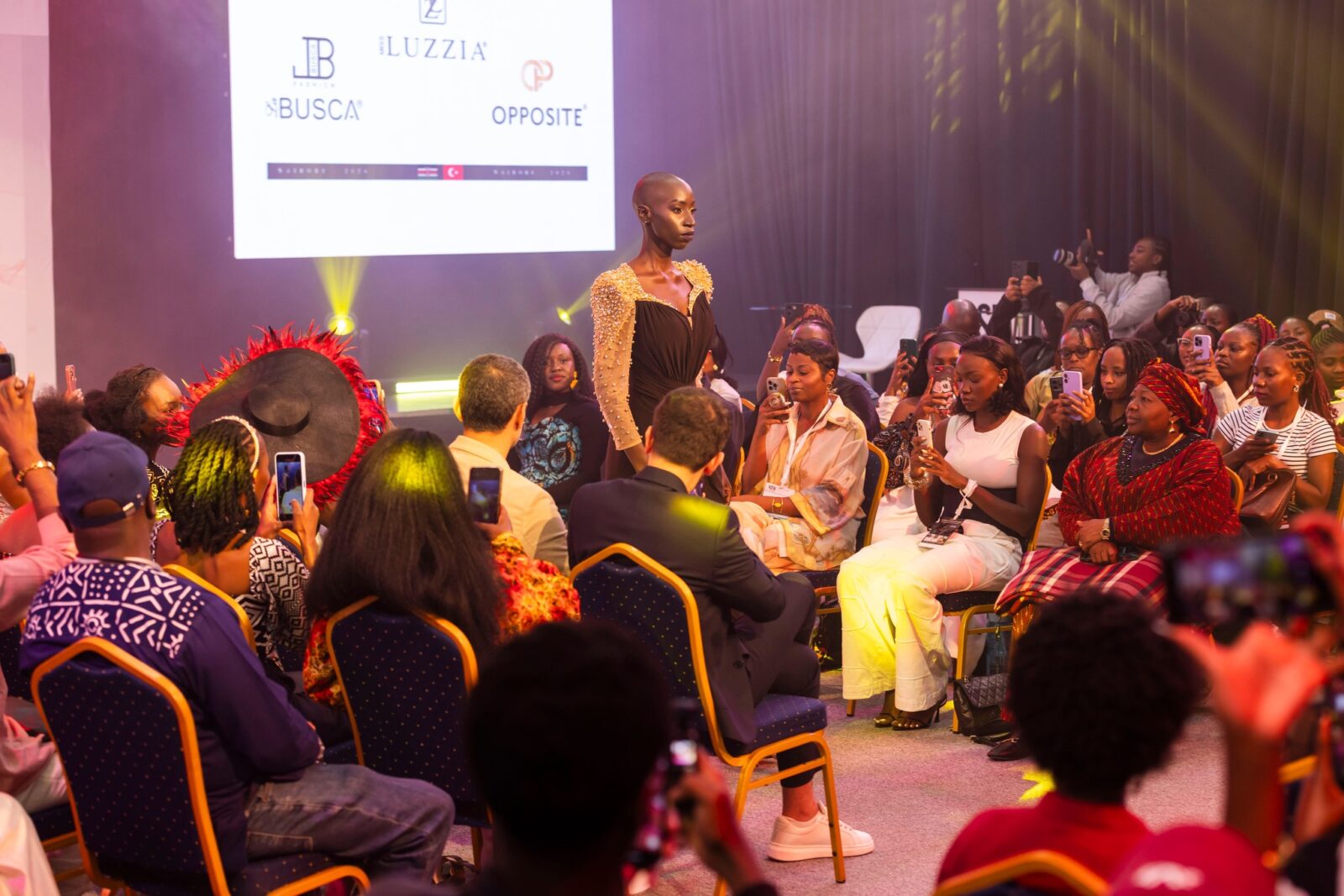
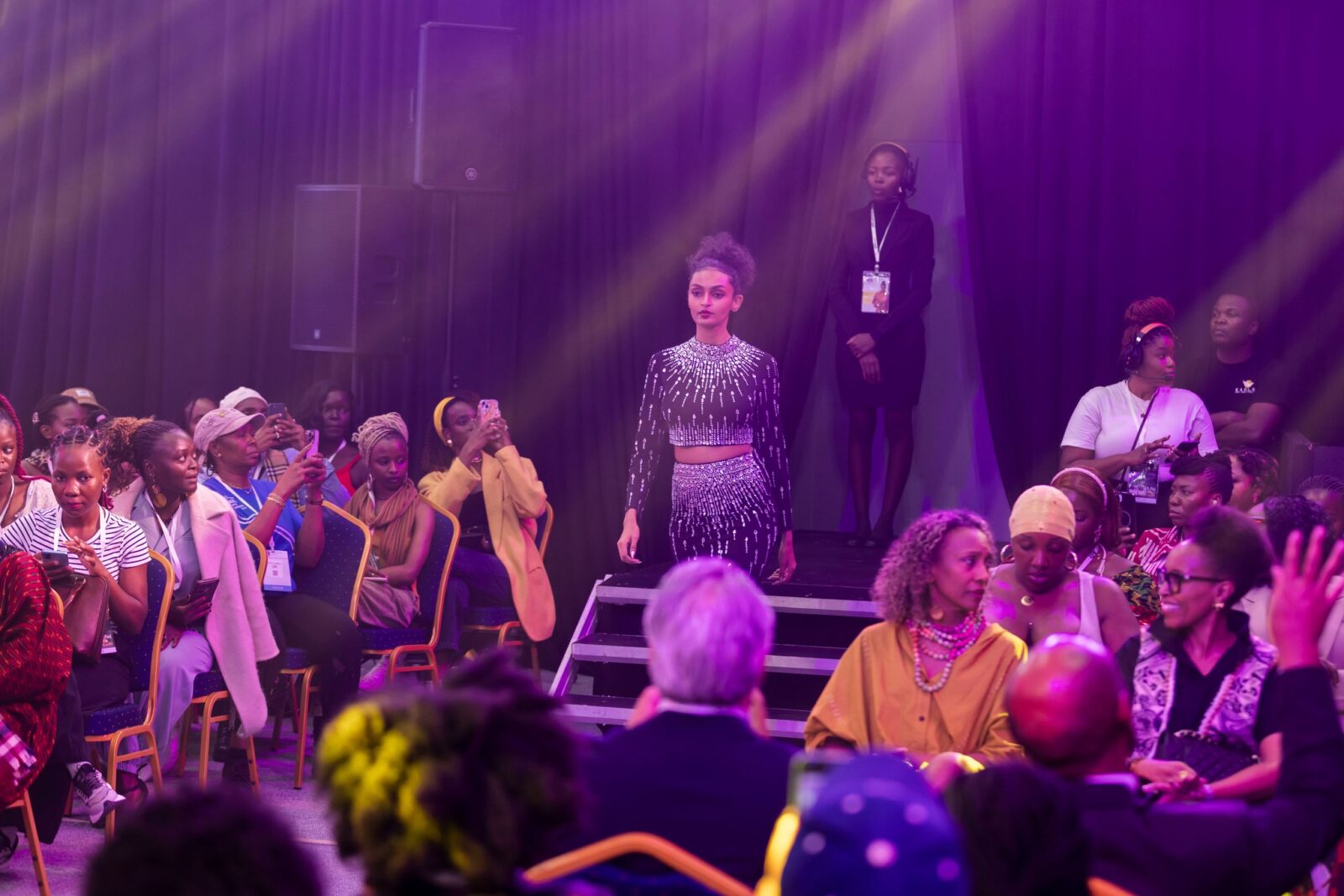
One of the most practical sessions of the first day looked at the gap between education and employment. Saitoti Meitamei led a discussion on how technical colleges and industry leaders can work together to help young entrepreneurs get a foot in the door. As the sun went down, the focus shifted from business to pure aesthetics with the invitation-only Elegance Fashion Show, where designers showcased the high-end potential of African craftsmanship.
Circularity and the legal side of design
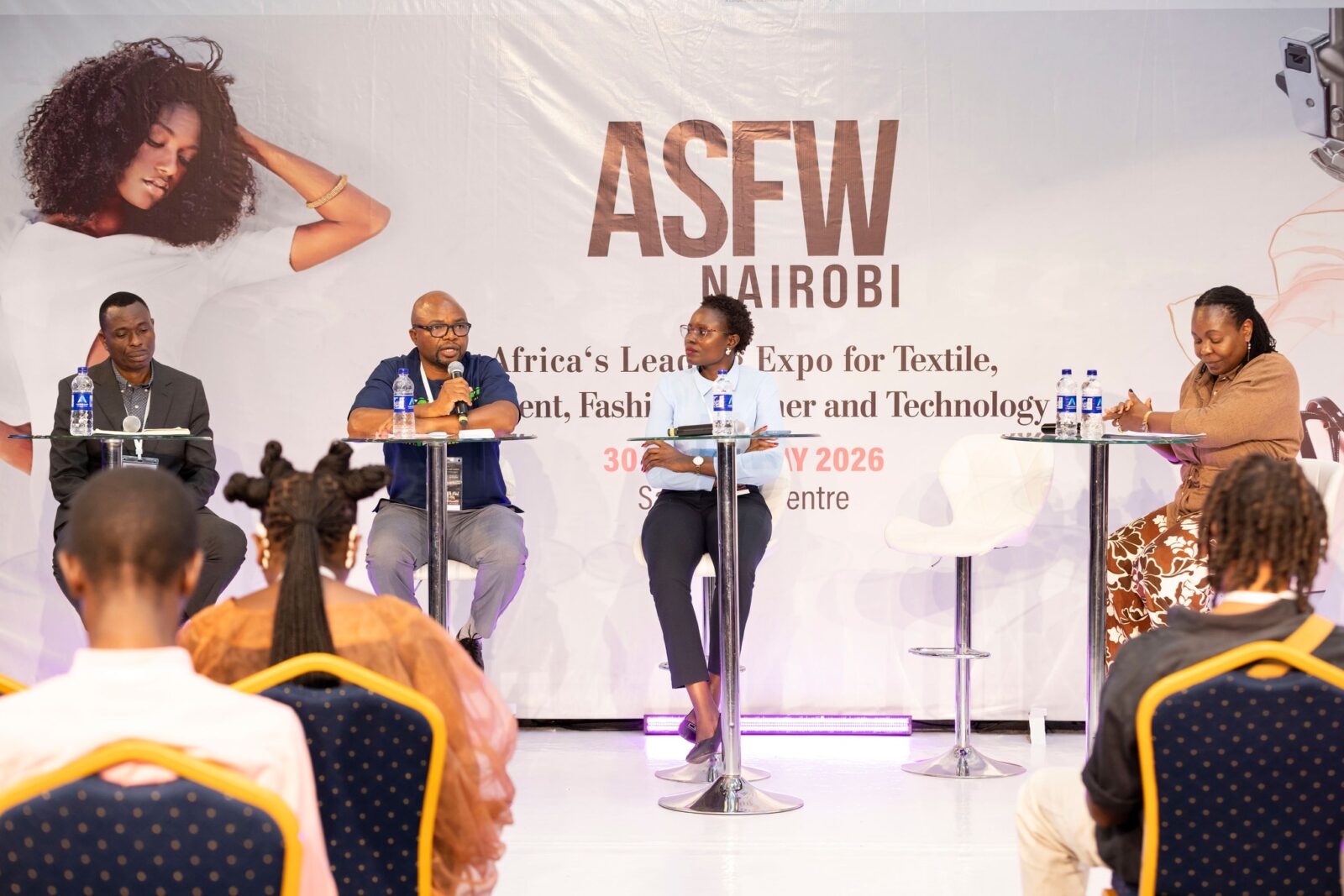
The second day took a turn toward the future of the planet and the protection of creative work. Jan Hilger from Livinguard Technologies and Trizah Michelle Mudambo discussed waste-to-value models, highlighting that “going green” is now a requirement for global trade rather than an optional extra.
For many designers, the most eye-opening talk involved the legalities of the industry. Experts like Liz Lenjo and Mitchel Kakai broke down intellectual property rights, explaining how African brands can protect their unique patterns and designs when they start selling in international markets like the US and EU. The day ended with a runway show dedicated to African designers, proving that the continent’s creative output is as sharp as its business strategy.
Addressing the scale and quality challenge
The final day tackled the elephant in the room: Africa has plenty of creativity, but often struggles with scale. A panel moderated by Sharon Mundia explored why many brands find it hard to move from small boutiques to mass retail. At the same time, Beatrice Mwasi led a session on “Premium Leather Made in Africa,” where the conversation focused on meeting the incredibly high quality standards required for the global luxury market.
The event concluded with an International Designers Runway Show, bringing a global perspective to the Nairobi catwalk. Throughout the three days, 12 different conference topics were covered, drawing in 815 attendees who were keen to learn how to navigate the changing landscape of fashion.
Voices from the Exhibition floor
The feedback from those on the ground was overwhelmingly positive. Richard Mutinda of Jokenia Designs noted the importance of having a platform to show work alongside such high-calibre talent. Meanwhile, Eric Mukunzi of Bandoh in Kigali highlighted the value of meeting sellers of raw materials directly, noting that finding high-quality leather and hardware is often the biggest hurdle for regional manufacturers.
Filippo Amato, representing the EU Delegation to Kenya, pointed out that while Africa currently plays a small role in the global leather industry, events like ASFW are the catalyst for changing that narrative. The sentiment across the board was clear: Africa is moving beyond just talking about potential and is now focusing on the hard work of implementation.
As the organisers look toward the next edition in May 2027, the success of this year’s event serves as a reminder that the African fashion ecosystem is strengthening. With new partnerships formed and business contracts signed, the path from source to style is becoming shorter and more efficient for everyone involved. The next major event is the 12th ASFW Addis 2026, Africa’s Biggest Trade Event for the Textile, Apparel and Fashion Industry, taking place from 12 – 15 November 2026 at the Addis International Convention Center in Addis Ababa, Ethiopia.


