



Header: Maria GedikeThe
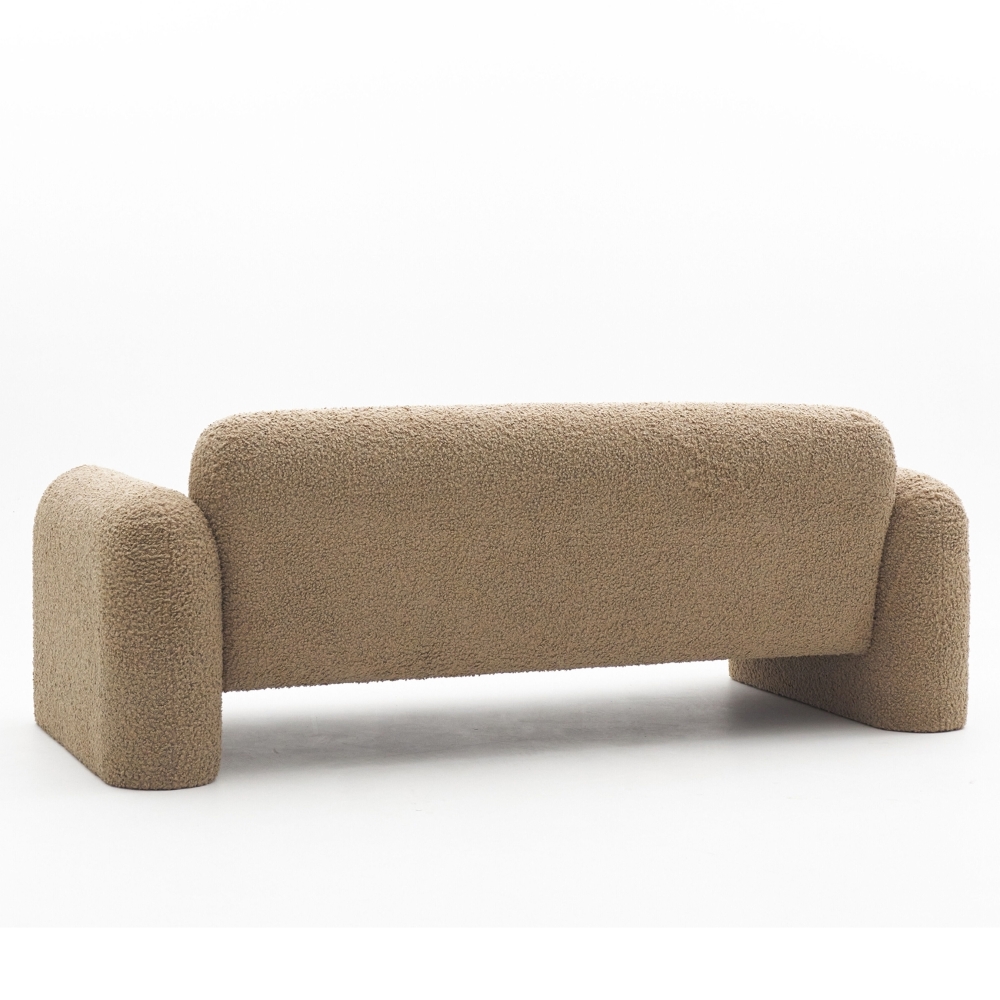
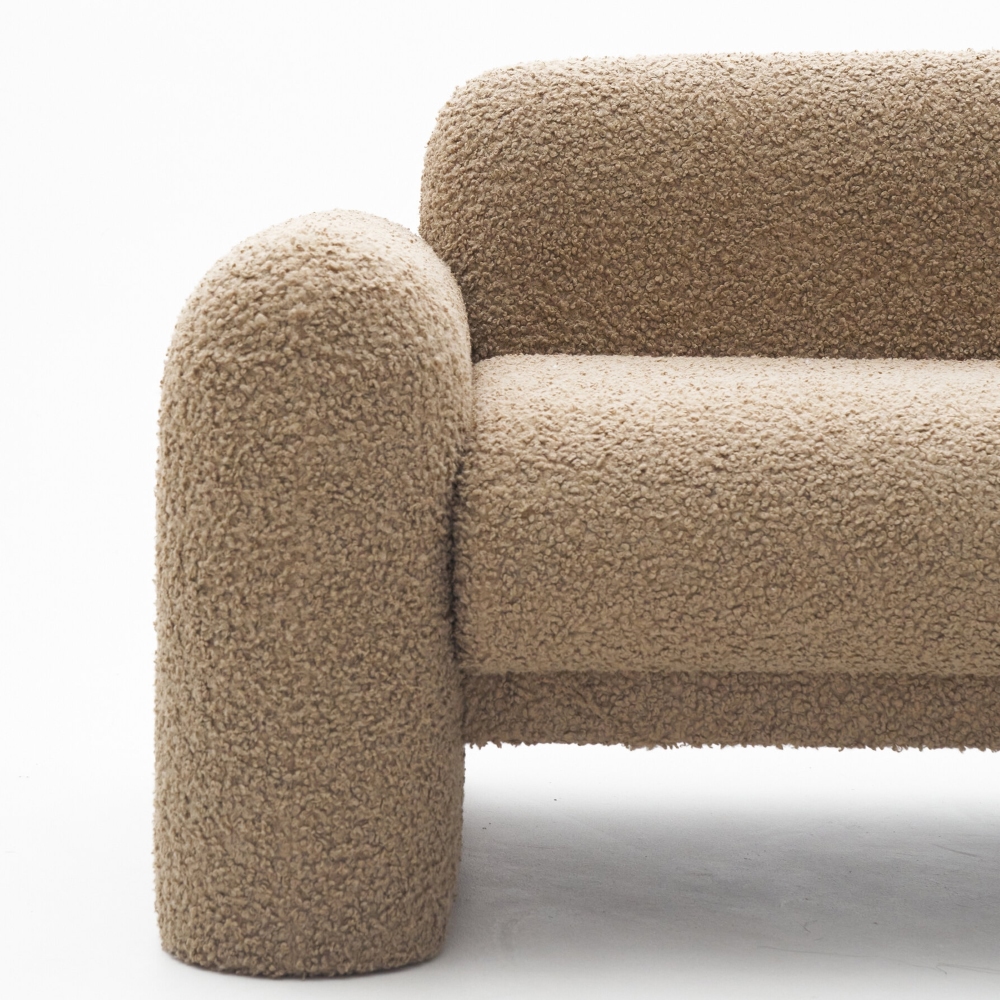
The Leshi sofa is rooted in the idea of a protective natural shelter. The design mirrors the appearance of an ancient forest hideaway. Low and enclosed design, emanating softness, is somewhat withdrawn from the surrounding environment. The sofa gets its character from proportion, volume and the tactile surface.
Historical archetypes given a new life
Olga Petrova-Podolskaya, an interior and product designer and the creator of Lashi, is known for translating historical archetypes into contemporary furniture design. Each of her designs begins with an examination of the link between form, architecture and cultural memory. By exploring architectural form and how they survive through time, the artist transforms these ancient shapes into functional furniture pieces.
By exploring how old archetypes can live within contemporary objects, the designer creates new forms inspired by the everyday human rituals- storage, rest, privacy, shared living and deep cultural code. Apart from Leshi, the designer’s Logovo chair also became a reimagined refuge, evoking an ancient sense of home as a safe place where a person can slow down and find support.

Leshi by KOD.objects
The sofa’s round body creates a notion of a protective cave. The feeling of protection is further emphasised with the sofa’s deep seats, which invite the users to go beyond just sitting on them, but instead engage in a revitalising rest session. Once placed in the focus of an interior, the sofa will bring a notion of cosiness and retreat.
A solid monolithic composition
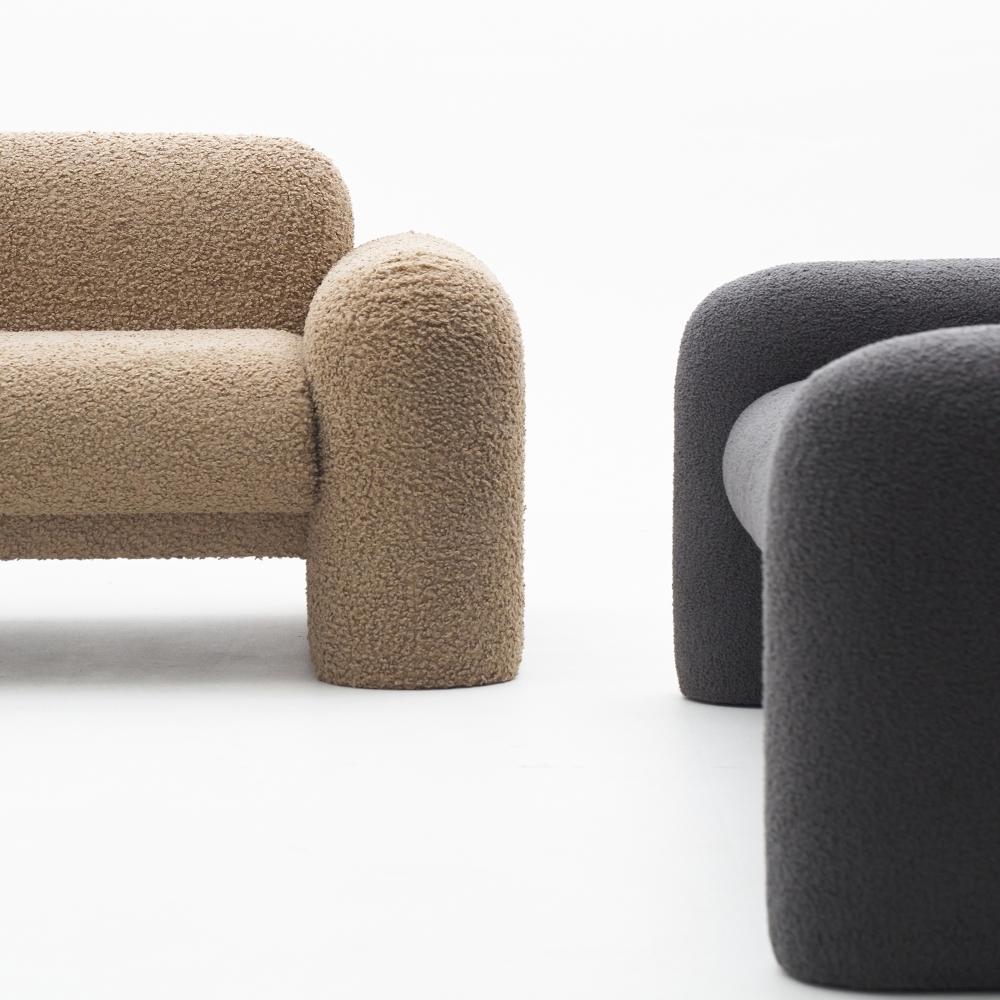
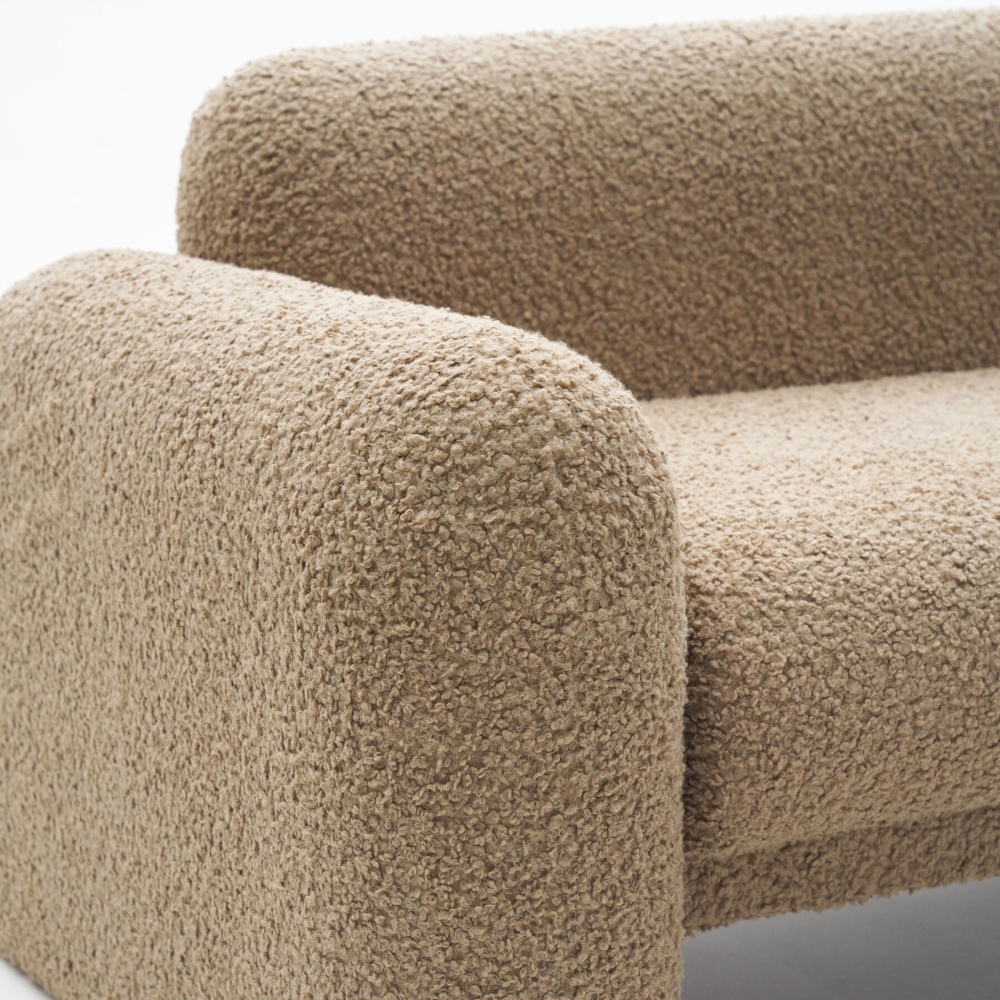
In pagan Slavic mythology, Leshy or Leshi is a tutelary deity of the forest. However, the sofa is not directly based on Slavic mythology but rather on the spatial elements and atmosphere. Conceived as a single continuous volume, Leshi features a round backrest and wide cylindrical armrest that, together with the seating area, create a monolithic composition.
The sofa is deliberately low and grounded, avoiding exposed structure. Reminiscent of a landscape, the sofa appears more like a found object than a conventional piece of furniture. The lack of detail directs the gaze toward volume and physical interaction. More than just a sofa, Leshi takes on the form of an emotional object as well.
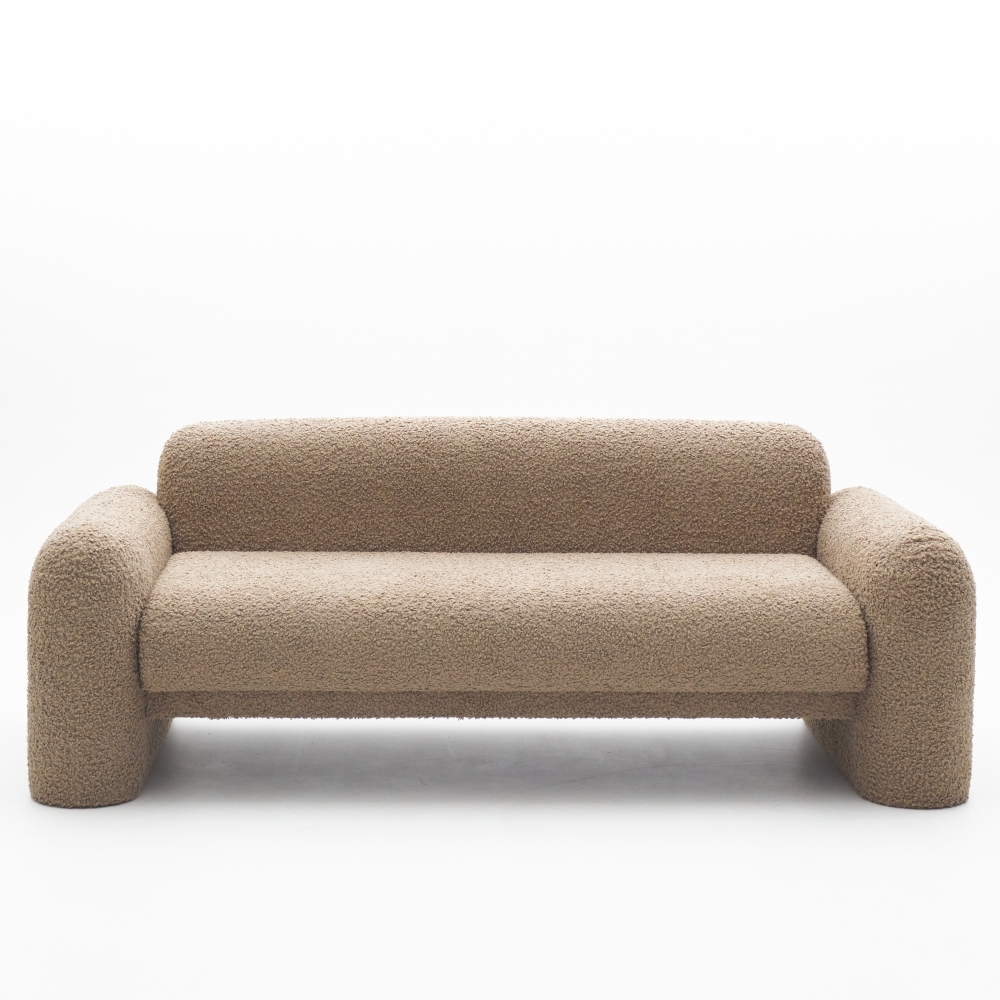
The upholstery emanates the softness of organic materials such as wool. The contrast between a solid, monolithic form and the softness of the tactile surface defines the project’s character and reinforces the bond between users, sofa, and the room. Leshi encourages a slower interaction with the space. More than a neutral design piece, Leshi becomes a focal point of any space, changing the energy of the room with its captivating presence.
Rather than relying on ornament or overt historical symbolism, the Leshi sofa evokes cultural memory through the manipulation of form, scale, and material. Leshi design by KOD.objects won the SIT Furniture Design Award in the couch & sofa category. The SIT Furniture Design Award is an annual prize that honours established and emerging furniture designers, brands, and manufacturers.


