Header: Courtesy of the University of Oregon
Every year, an estimated 2.16 million tons of denim ends up in landfills worldwide. A major reason for this massive waste stream is fabric composition: traditional mechanical recycling requires denim to contain at least 95% cotton. Blended textiles, such as jeans containing polyester or spandex for stretch, cannot be processed by standard recycling facilities and are almost always discarded. Addressing this global challenge requires fresh thinking from the next generation of industrial creators.
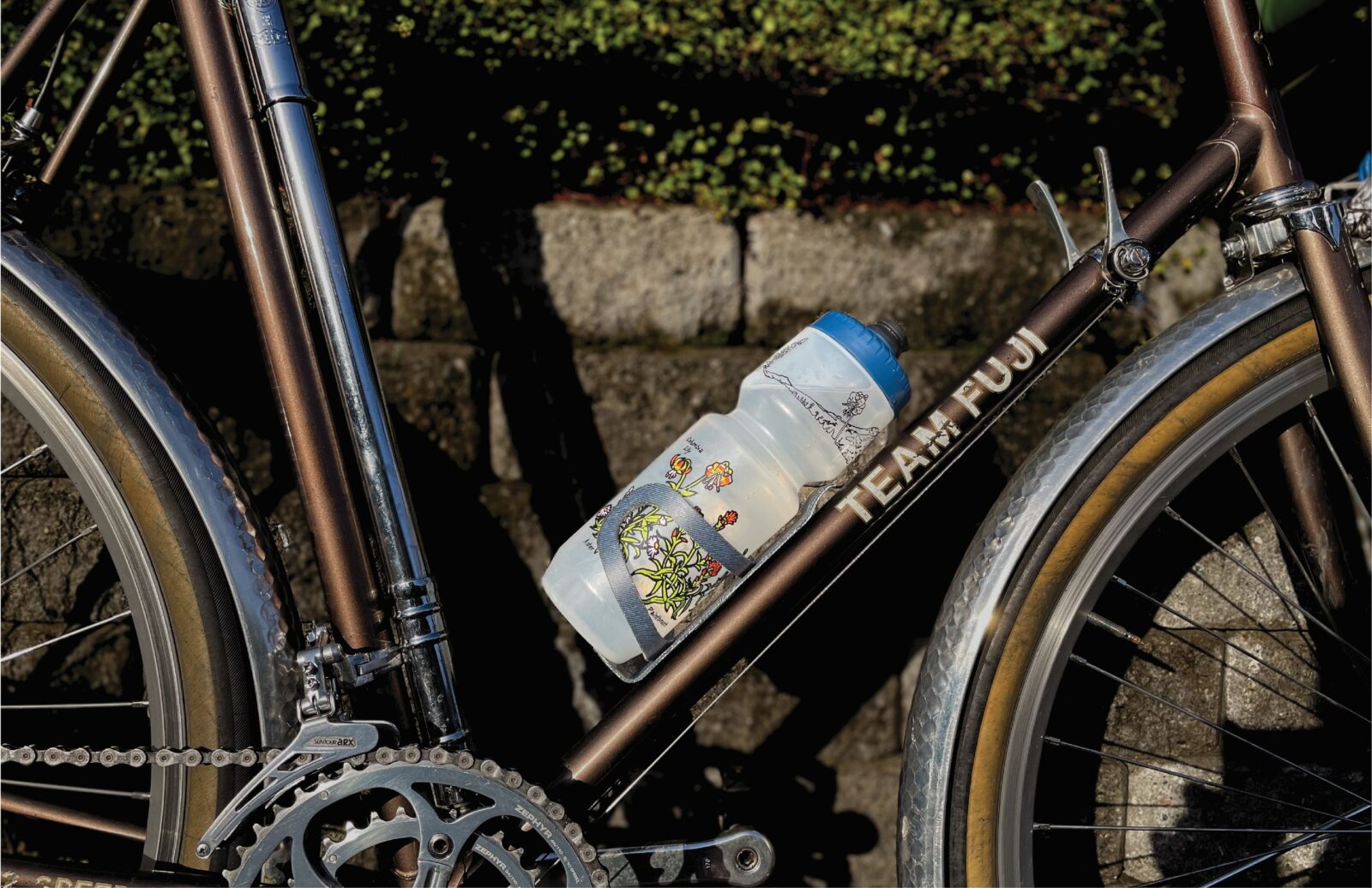
At the University of Oregon, lead designer Lauren Kochaver, guided by Professor Susan Sokolowski, has created a clever solution to this problem. Called Re:Cycle, this prototype water bottle cage transforms unwanted denim waste into a tough, practical bike component that recently took top honours in the Sport Equipment Design / Sustainability category at the FIT Sport Design Awards.
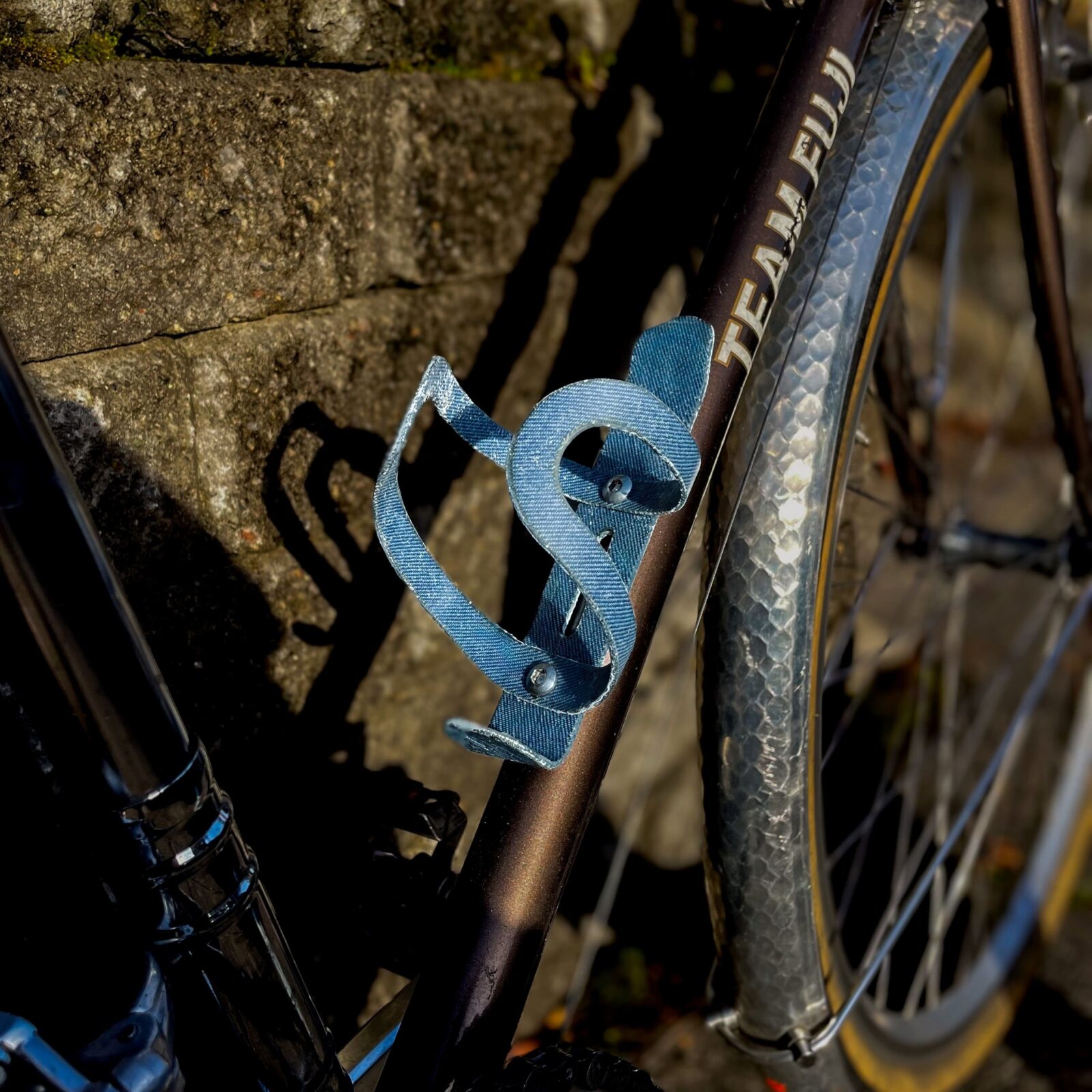
Transforming rejected denim into Micarta composites
To repurpose fabrics that traditional recycling streams reject, Kochaver turned to Micarta manufacturing principles. Commonly used in knife handles and heavy-duty industrial items, Micarta is a durable composite created by layering paper or fabric with a hardening binder. The resulting material provides exceptional resistance to moisture, heavy impacts, and daily wear, making it an ideal candidate for demanding outdoor applications like cycling. By adopting this technique, Re:Cycle turns low-value textile refuse into a high-performance laminate that easily replaces conventional plastic or powder-coated aluminium holders. Creating products like this is vital because upcycling diverted textiles reduces landfill accumulation while lessening our reliance on virgin raw materials.
The five-step production process
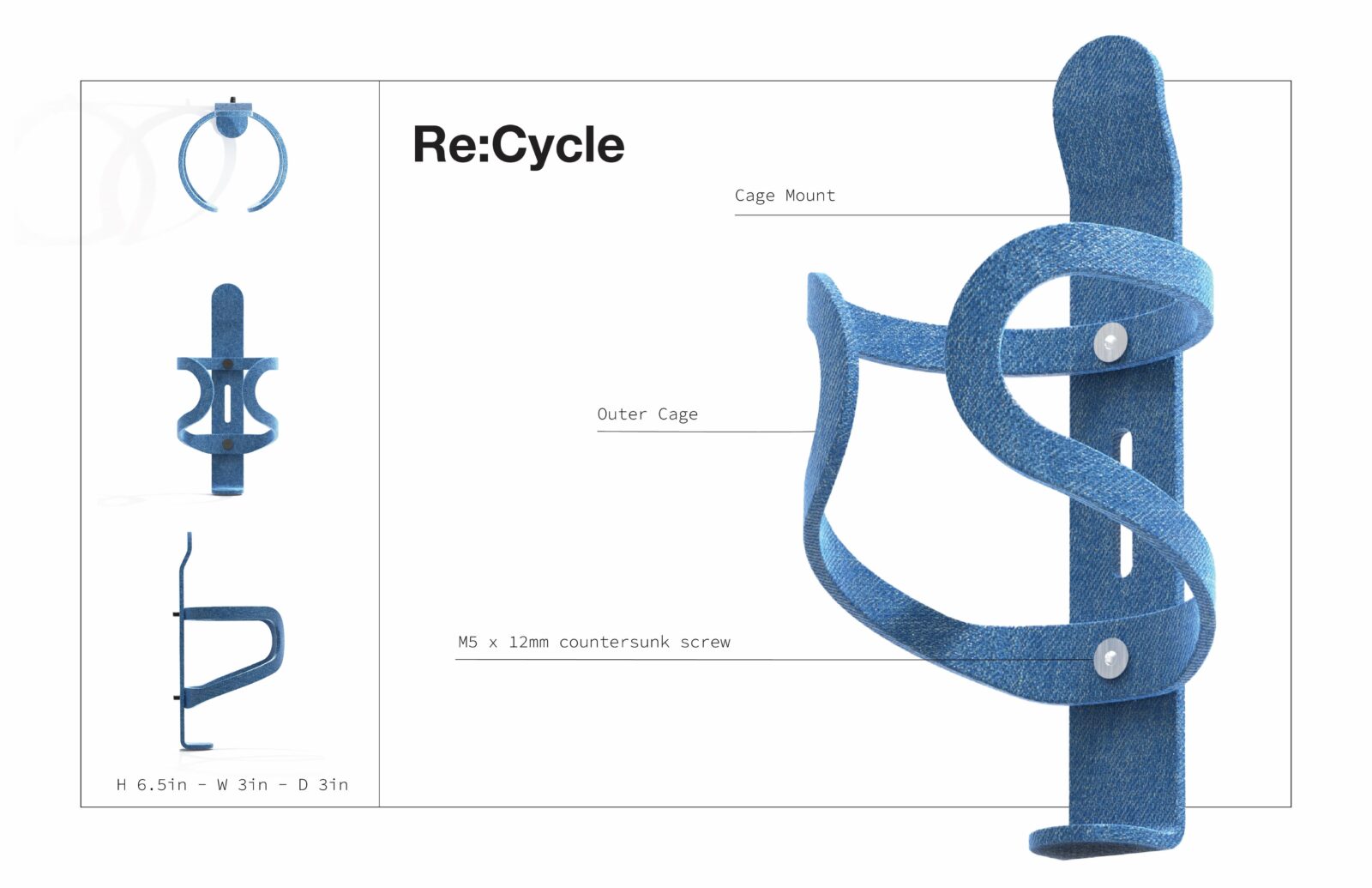
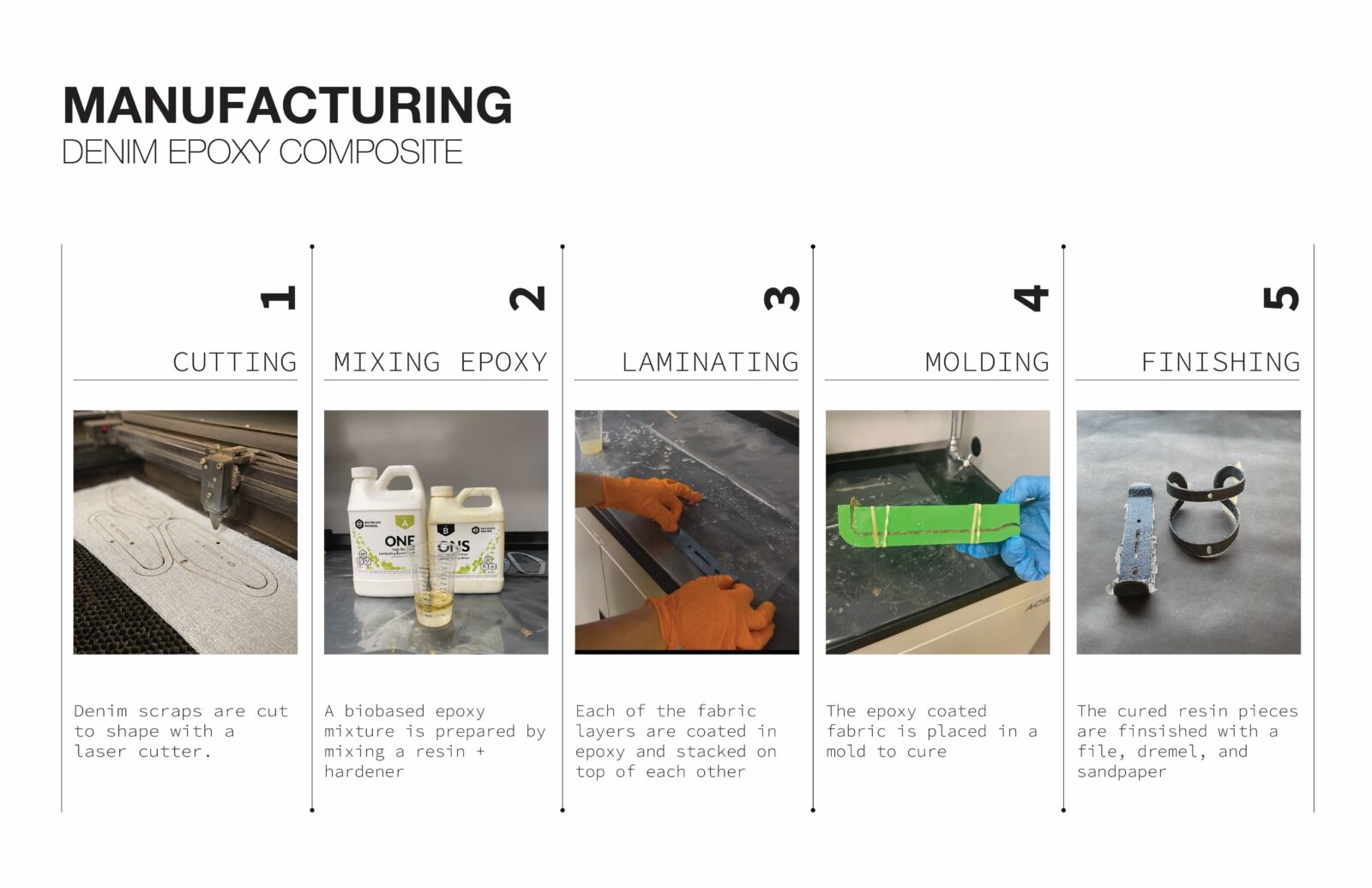
The production of each cage follows a controlled five-step manufacturing routine designed to maximise efficiency and minimise scrap:
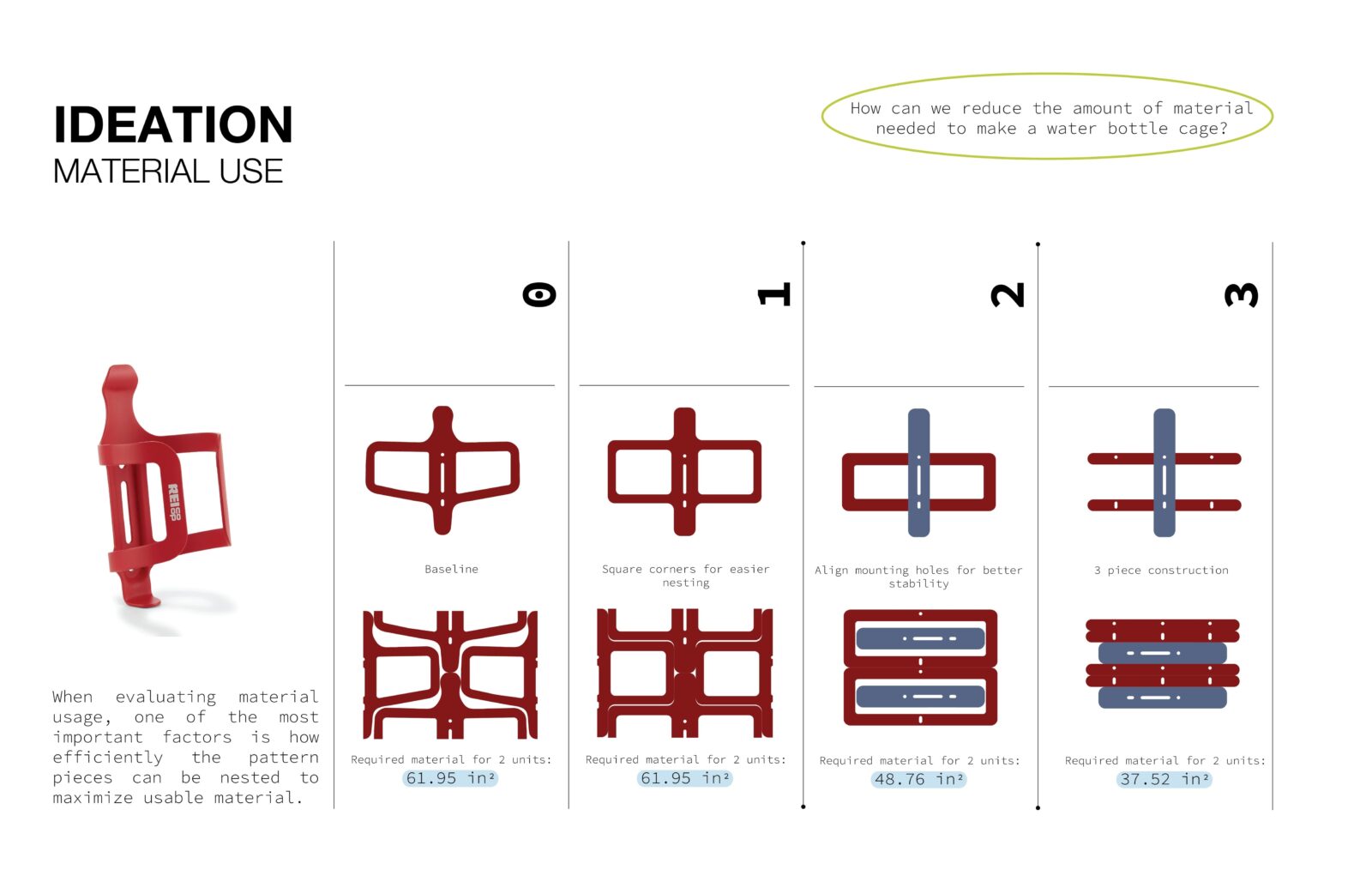
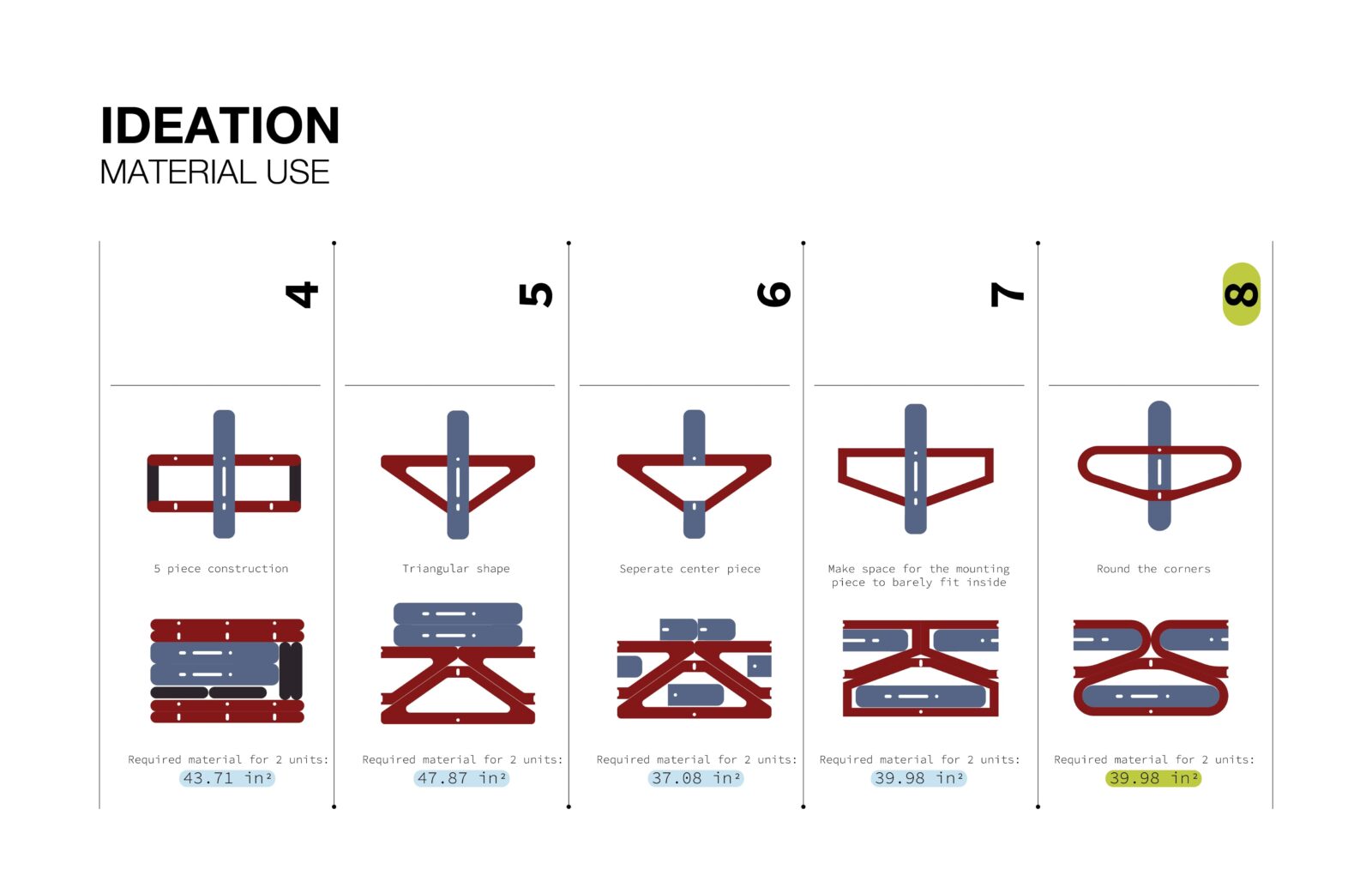
- Cutting: Denim scraps are precisely cut to shape using a laser cutter. The two-part construction layout allows individual components to nest tightly together, dramatically improving yield efficiency.
- Mixing Epoxy: A bio-based epoxy mixture is prepared by combining a plant-derived resin with a hardener.
- Laminating: Each cut layer of denim is coated in the bio-based mixture and stacked directly on top of the next.
- Moulding: The epoxy-coated fabric stack is set inside a custom mould to cure under pressure.
- Finishing: Once cured, the rigid composite pieces are refined and finished using a file, a Dremel tool, and sandpaper before final assembly.
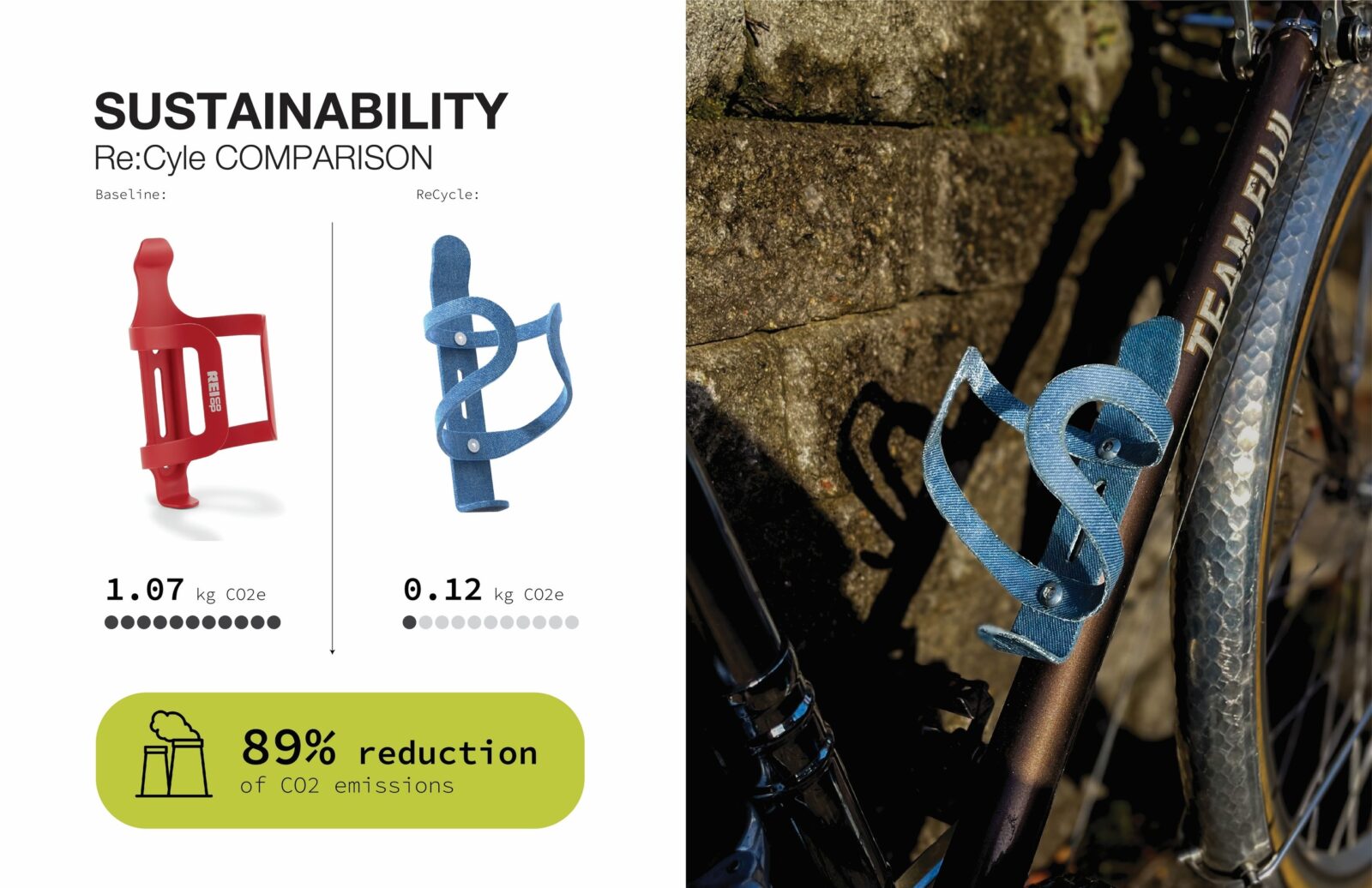
Compared to producing a standard powder-coated aluminium cage, this combined material selection and efficient production process achieves an estimated 89% reduction in carbon emissions. Weighing between 20 and 30 grams depending on fabric density and resin saturation, the finished cage holds standard 73 to 75 mm cycling bottles and mounts to standard frame bolt patterns. Because the feedstock consists of varied post-consumer denim, every unit displays its own individual pattern and shade of blue.
Looking ahead to smarter material cycles
Most manufactured products eventually end up in a landfill, but that trajectory is not inevitable. When discarded jeans are viewed as raw material rather than rubbish, entirely new possibilities open up for everyday products. Re:Cycle demonstrates that functional cycling equipment can come directly from discarded garments, offering a clear example of how thoughtful manufacturing choices can reshape our relationship with waste.
About the FIT Sport Design Awards
The FIT Sport Design Awards celebrate the most inventive sports gear and apparel created around the globe. The program highlights functional creativity, athlete comfort, and environmentally friendly production techniques across both professional and student categories. Judged by an international panel of textile experts, consultants, and equipment designers, winning an award provides global recognition and serves as a clear mark of quality for emerging talents and established brands alike.