Header: “James Turrell At the Guggenheim 2013 NYC”, photo by David Shankbone via Wikimedia Commons, licensed under CC BY 3.0. No changes were made.
Light had once been a condition that buildings had to accept. The sun moved, interiors changed and architecture was doomed to find ways to incorporate, block or soften it. Over time, light became something more exact, having begun to shape structure, plan, section, surface, colour, use and the life of a building after dark and even during the day.
Architects learned how to cut light into stone, pass it through glass, hide its source, diffuse it across a ceiling, turn it into colour, make it serve art, make it work for the body and make it part of a city at night. By the time lighting became a profession, the subject was no longer only about seeing after dark but about how a building is seen, used and remembered.
On this International Day of Light, D5 invites you to look at the evolution of lighting design in architecture, showing how much of the industry has grown from millennia of curiosity and awe.
Rome and Byzantium
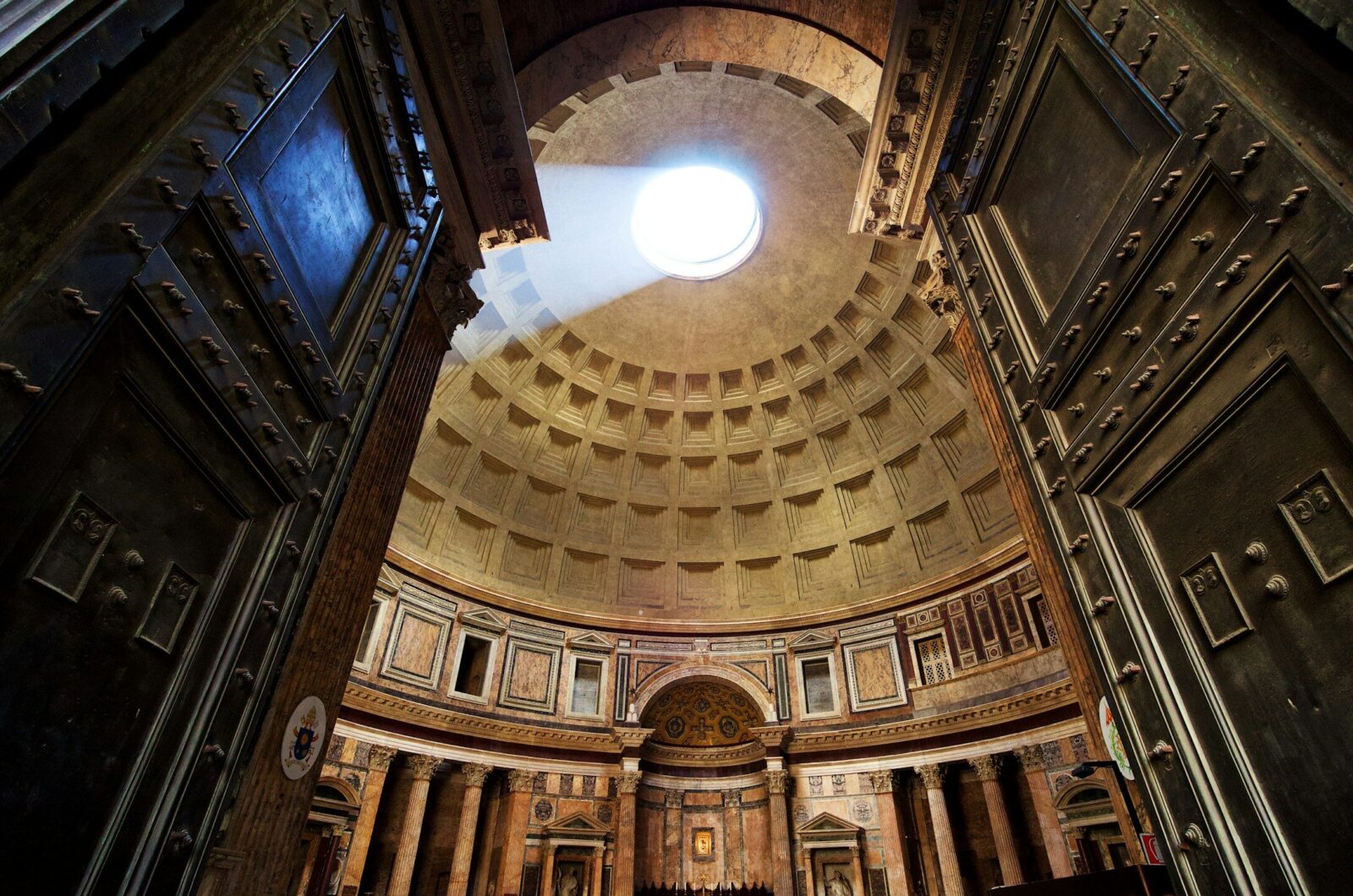
The Pantheon in Rome is an early example of light being built into the architecture itself, as the oculus, a single opening at the top of the dome, plays with daylight itself and how it engages with the room. As the sun moves, the beam of light crosses across the dome and the interior, connecting the interior with time, weather and the sky. The opening is practical, of course, but it also gives the building much of its character.
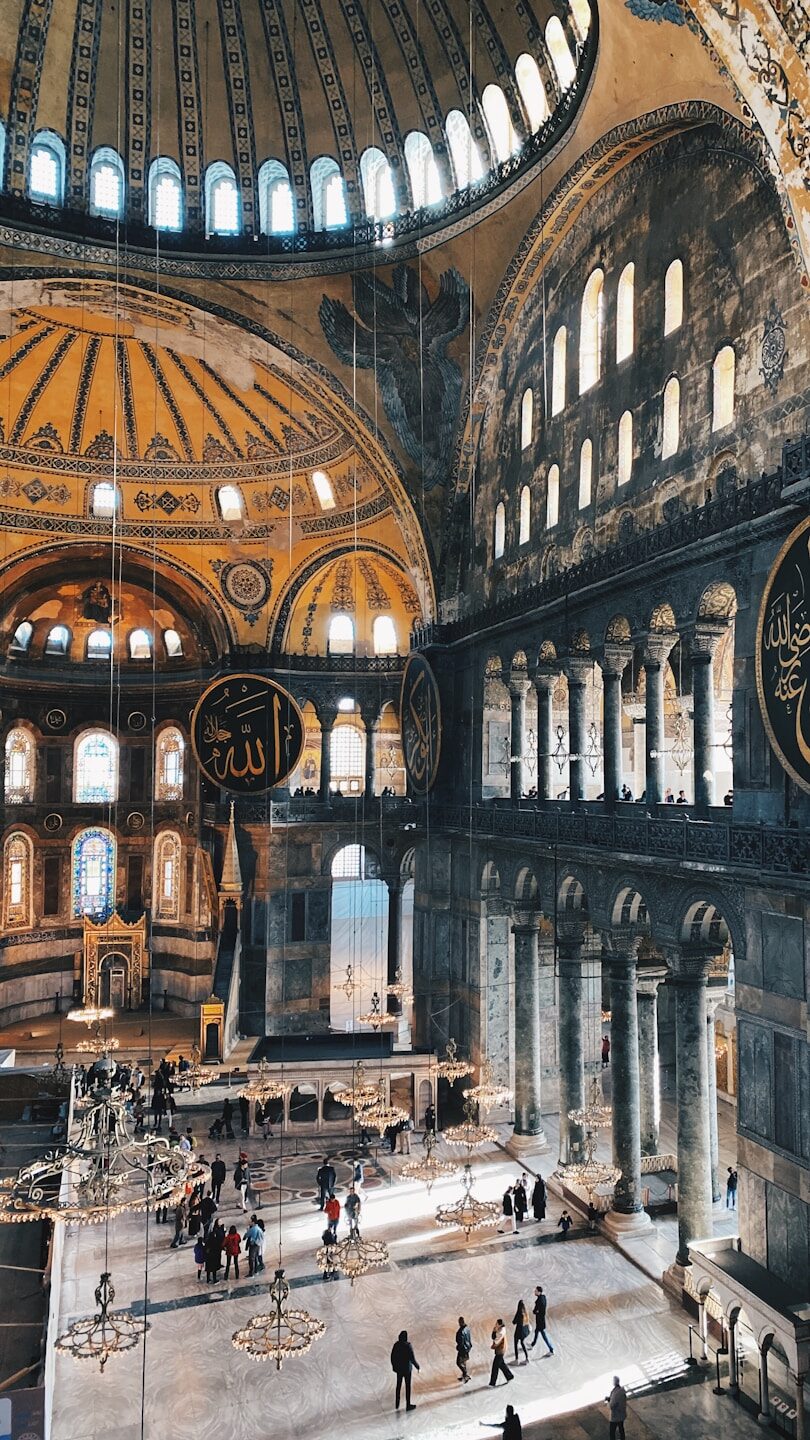
Several centuries later, Hagia Sophia in Constantinople, now Istanbul, used light in another way. Completed in the VI century, the building is known for the way its dome seems to hover above the space, an effect created from the ring of windows at the base of the dome, which breaks the line between it and the walls below. Here, light changes how the building itself is perceived, as the heaviness of the stone and masonry is softened by daylight.
The Gothic wall opens
In the XII century, Abbot Suger’s work at Saint-Denis placed light at the centre of religious architecture in a more deliberate way, following the Gothic idea of lux nova, or “new light”. This movement treated daylight as sacred, especially as it passed through stained glass, giving colour, feeling and meaning to light.
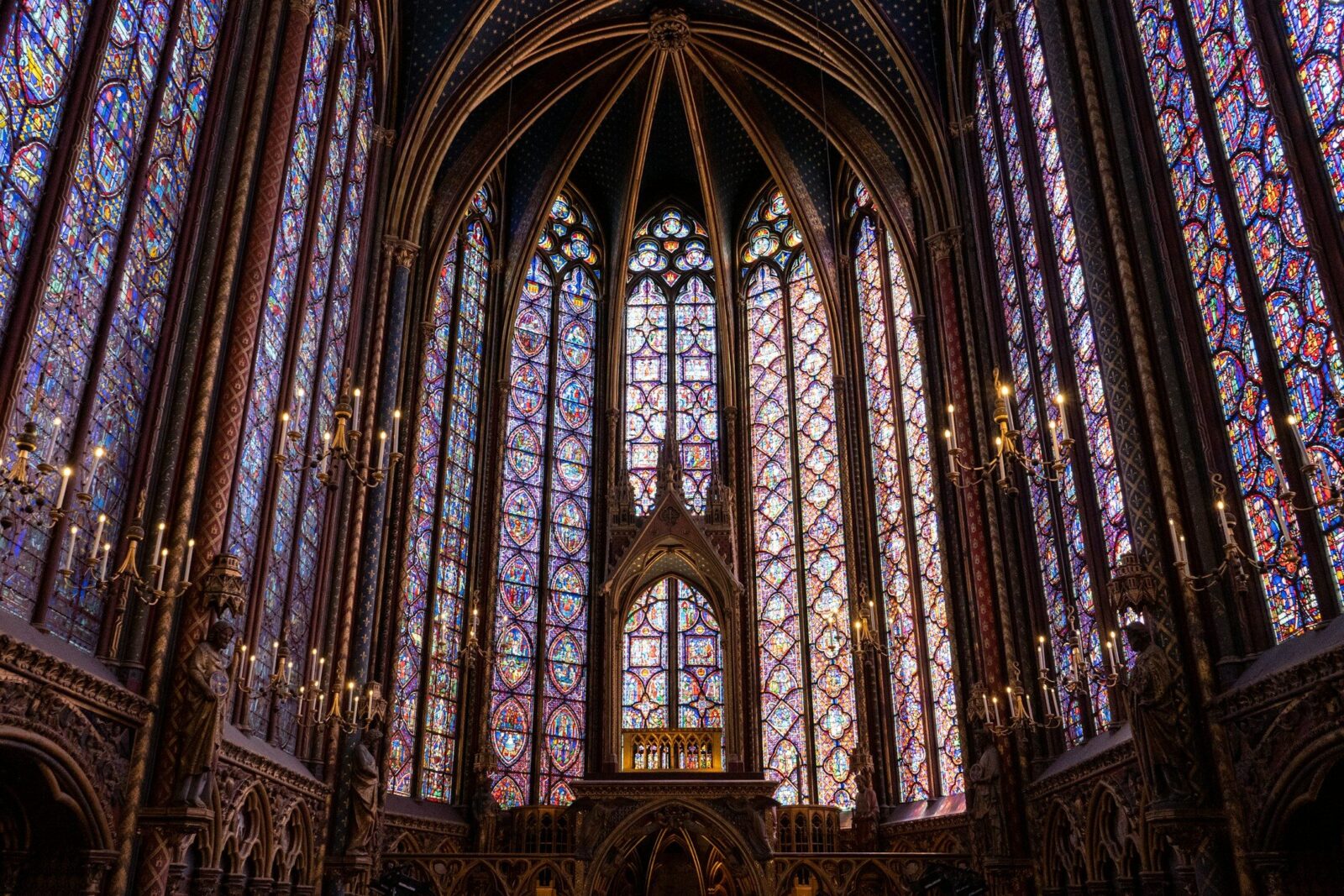
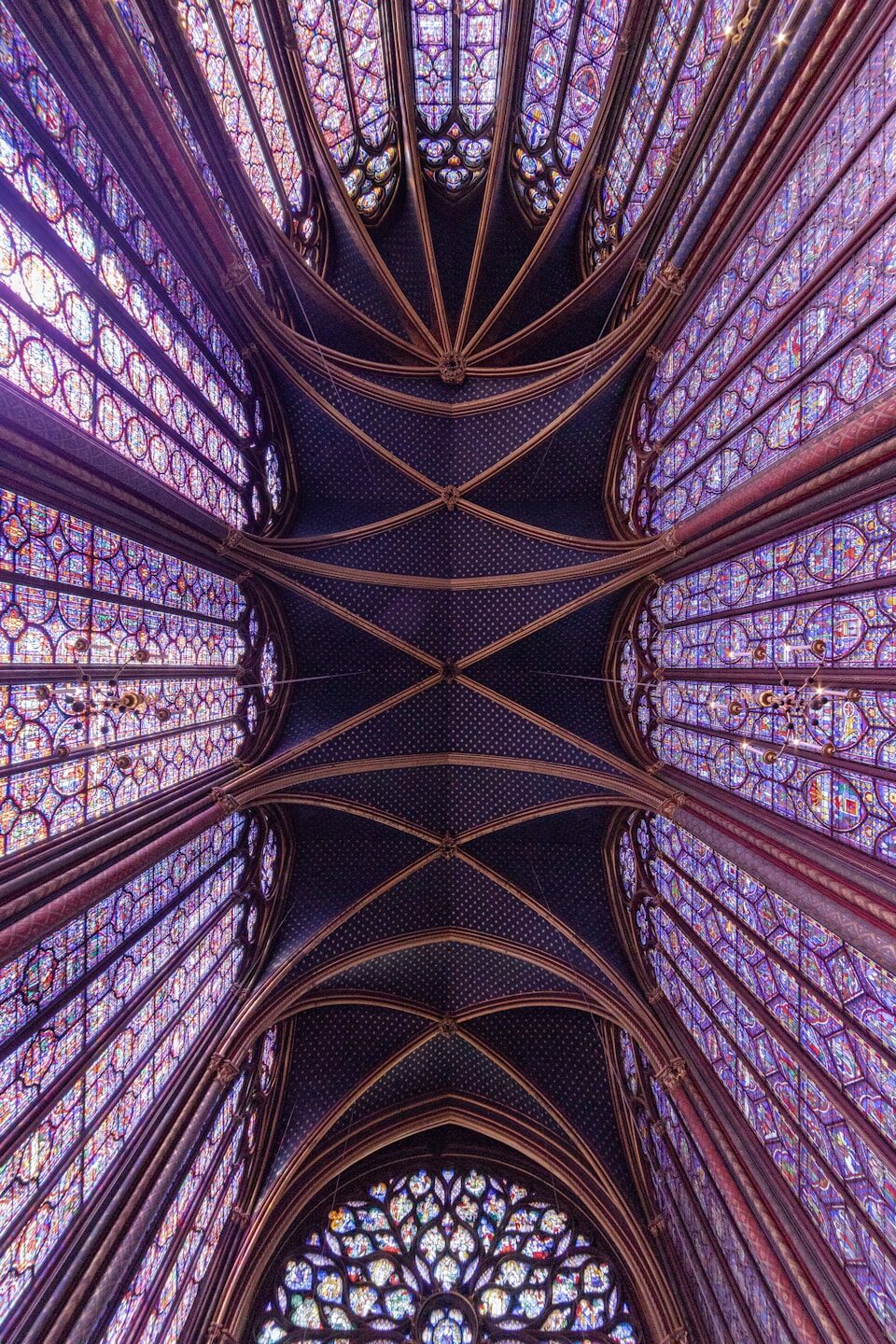
This actually also changed the role of the wall, as it was no longer just a surface but a canvas for glass. As Gothic construction developed, rib vaults, pointed arches and flying buttresses allowed larger areas of wall to be opened and filled with stained glass. The Sainte-Chapelle in Paris is the perfect example of this, as its upper chapel is formed largely by stained glass, and the stonework is used mainly as a supporting frame.
Renaissance and Baroque orders
Renaissance architects used light in a different way, seeing it less as a platform for mysticism and more as a way to achieve clarity. Daylight made proportion, geometry and symmetry easier to notice, influencing how columns, arches and domes looked in churches and palaces. Across Baroque architecture, hidden windows, bright altars, deep shadows and strong contrast directed attention, held focus and set up visual sequences within the room. These methods later became part of the lighting design of theatres, exhibitions, shops and hotels.
In the Baroque period, light took on a more theatrical role, with Gian Lorenzo Bernini having used hidden sources and directed illumination to convey various sentiments. This can be seen, for example, in the artist’s “The Ecstasy of Saint Teresa”, where splendour is achieved through the way light falls on the sculpture, complemented by gilded rays and the architecture. Francesco Borromini, on the other hand, used daylight to make the curves, domes and complex surfaces of his canvas feel dynamic. Through light, Borromini made San Carlo alle Quattro Fontane and Sant’Ivo alla Sapienza look alive.
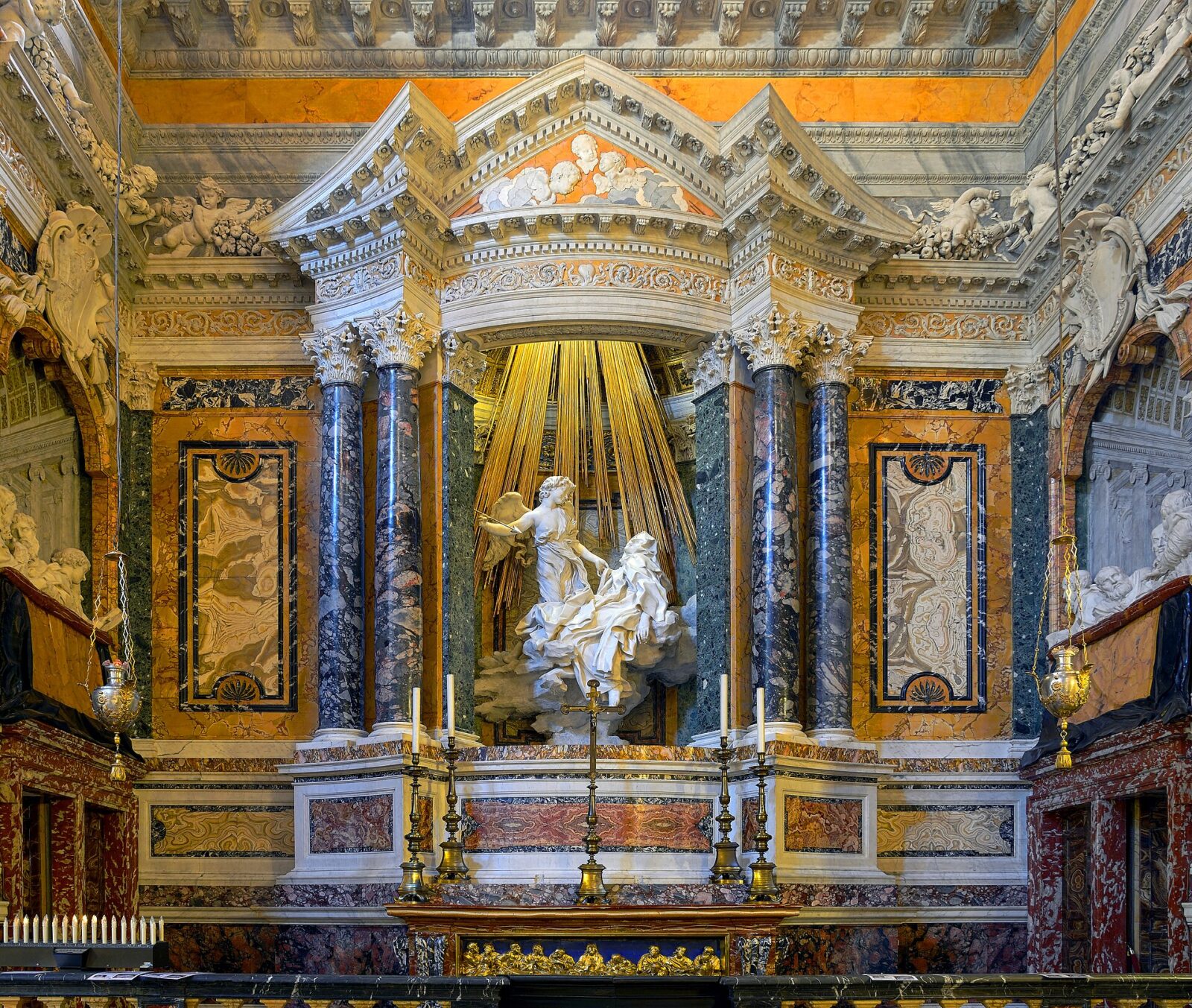
Photo by Livioandronico2013 via Wikimedia Commons, licensed under CC BY-SA 4.0. No changes were made.
Glass, iron and the 19th-century city
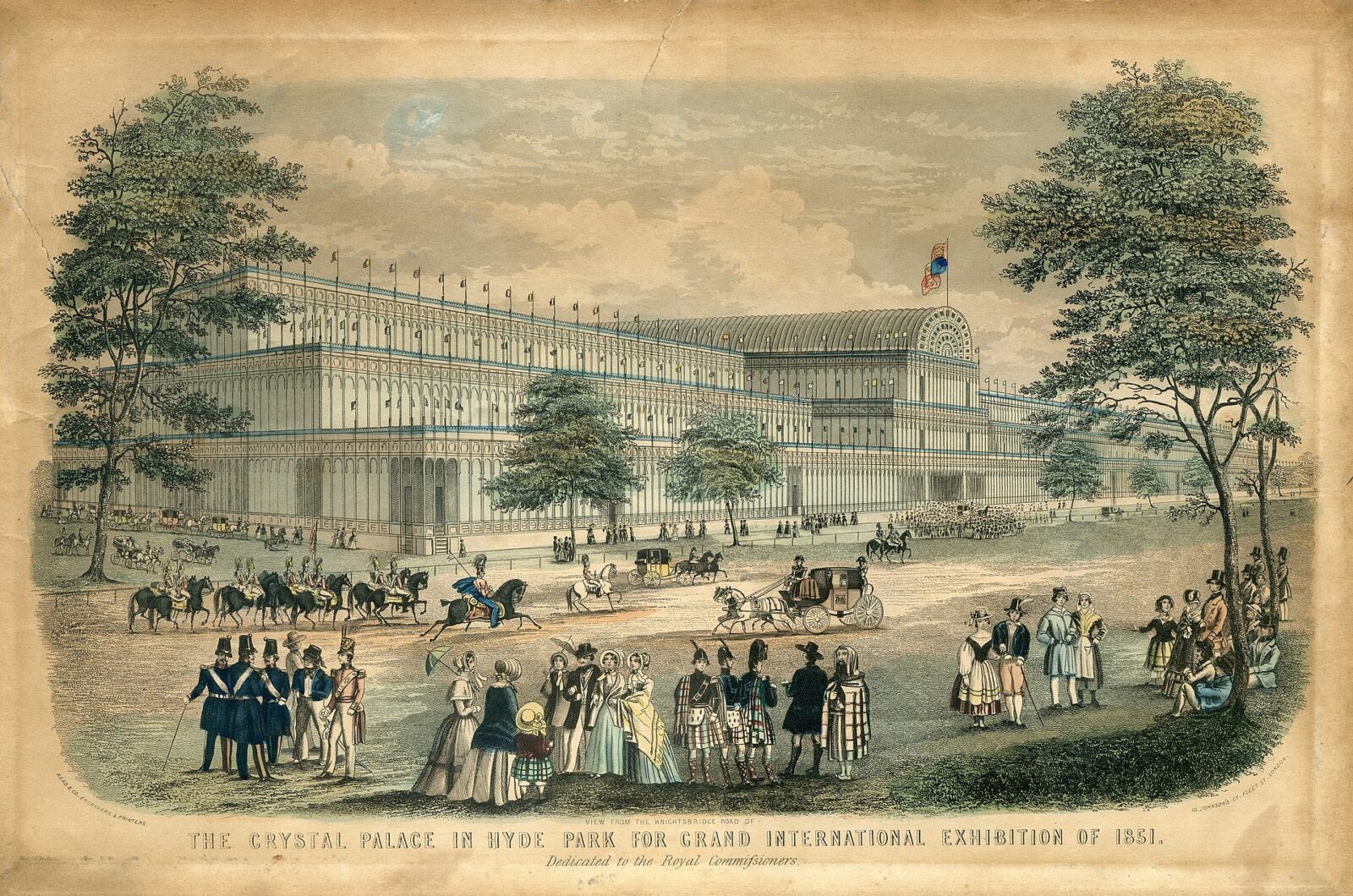
The 19th century changed the scale of daylight in buildings, mostly due to the materials being used to form their structures. Joseph Paxton’s Crystal Palace showed what iron and industrial glass could do: create a vast interior filled with natural light that no traditional masonry building could have produced. Railway stations, shopping arcades, markets and department stores followed, with their large glass roofs bringing new life into interiors made for movement, display and trade.
Artificial lighting also changed the city. With electric light, buildings no longer depended on daylight or ended their public life at sunset. Interiors could stay open into the evening, streets became safer and more pleasant after dark, and façades, theatres, hotels, bridges and later skyscrapers could be lit and become part of the city’s night look.
Glass modernism and the problem of transparency
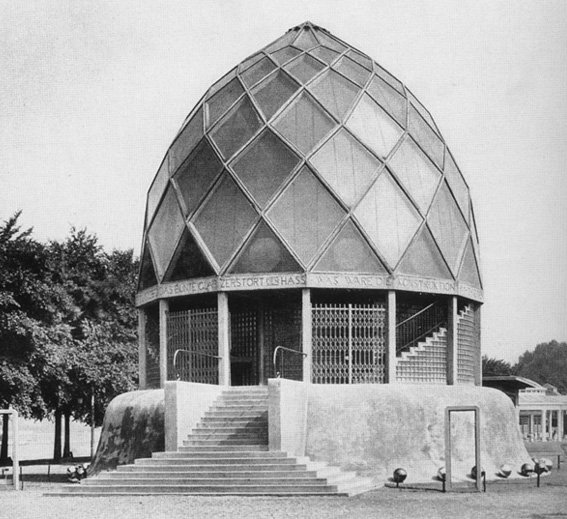
In the early XX century, Bruno Taut’s Glass Pavilion of 1914 treated glass and coloured light as signs of a brighter future, as a manifesto of social and spiritual change. That thinking fed into modernism’s interest in progress, health, rational planning and social renewal, with Walter Gropius having applied these same ideas in the Bauhaus building in Dessau. Its glass curtain wall, much different from the heavy historical architecture the world was used to, brought daylight in, introducing a new age in architecture.
Frank Lloyd Wright approached light through the house, the site and the body. His interiors often have low ceilings, clerestories, stained glass and horizontal windows, using light to shape movement through the house and to connect rooms with their surroundings. At Johnson Wax Headquarters, Wright used Pyrex glass tubes instead of conventional windows, which created a soft, diffused light that turned the building into a luminous surface.
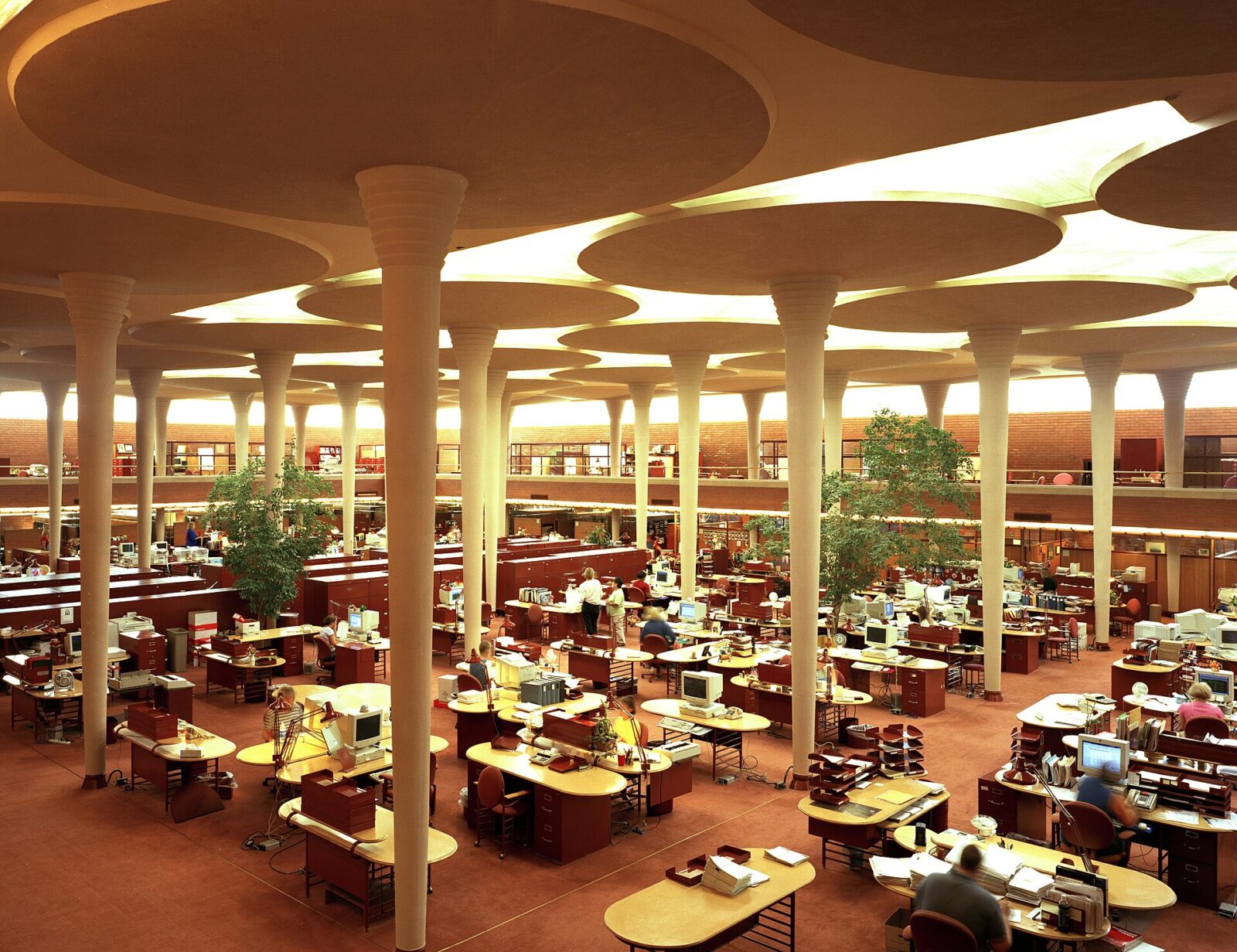
Photograph in the Carol M. Highsmith Archive, Library of Congress, Prints and Photographs Division
Le Corbusier‘s idea of architecture as masses seen in light treated daylight as the condition through which form is understood, a vision that can be seen in his early villas, where the colour white, the sun and simple lines complemented each other. Ronchamp shows another side of Le Corbusier’s work, with Notre-Dame du Haut having thick walls, irregular openings and coloured glass, plus light entering through deep cuts and small apertures.
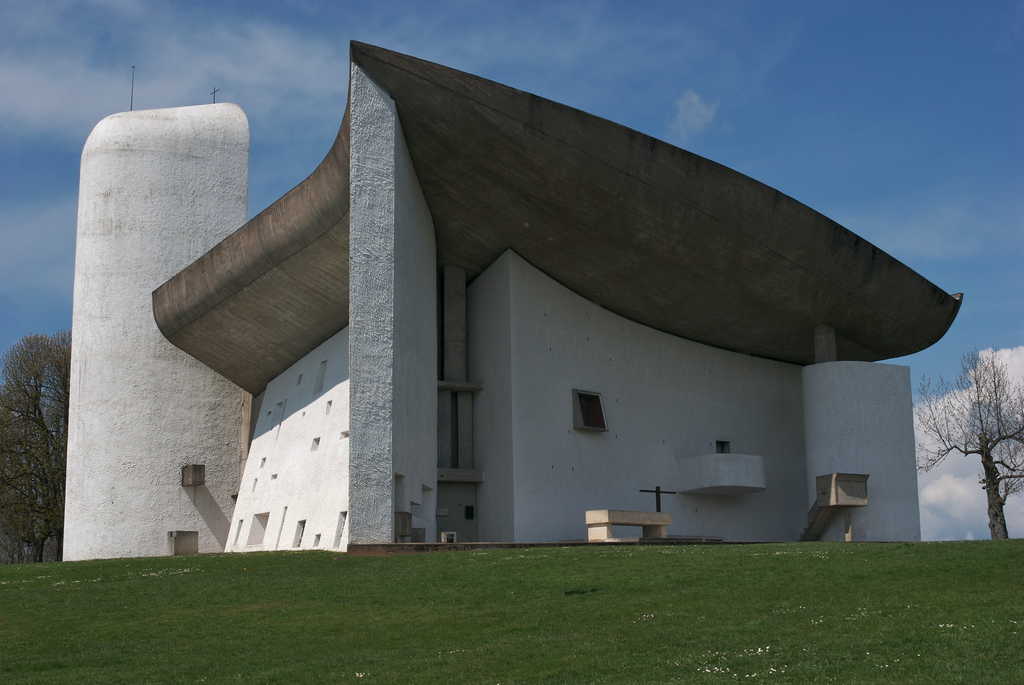
Photo credit: Luke Stearns
Mies van der Rohe made glass and reflection key elements of the 20th-century architecture, with his work in the Farnsworth House and the Seagram Building having essentially changed the relationship between inside and outside, which is so loved nowadays. However, glass, steel and open plans also brought practical problems, since light is harder to control in transparent buildings. Philip Johnson’s Glass House made this especially obvious, as a transparent house cannot be lit like a conventional one. Artificial light had to be handled carefully, which created a need for specialist lighting knowledge.
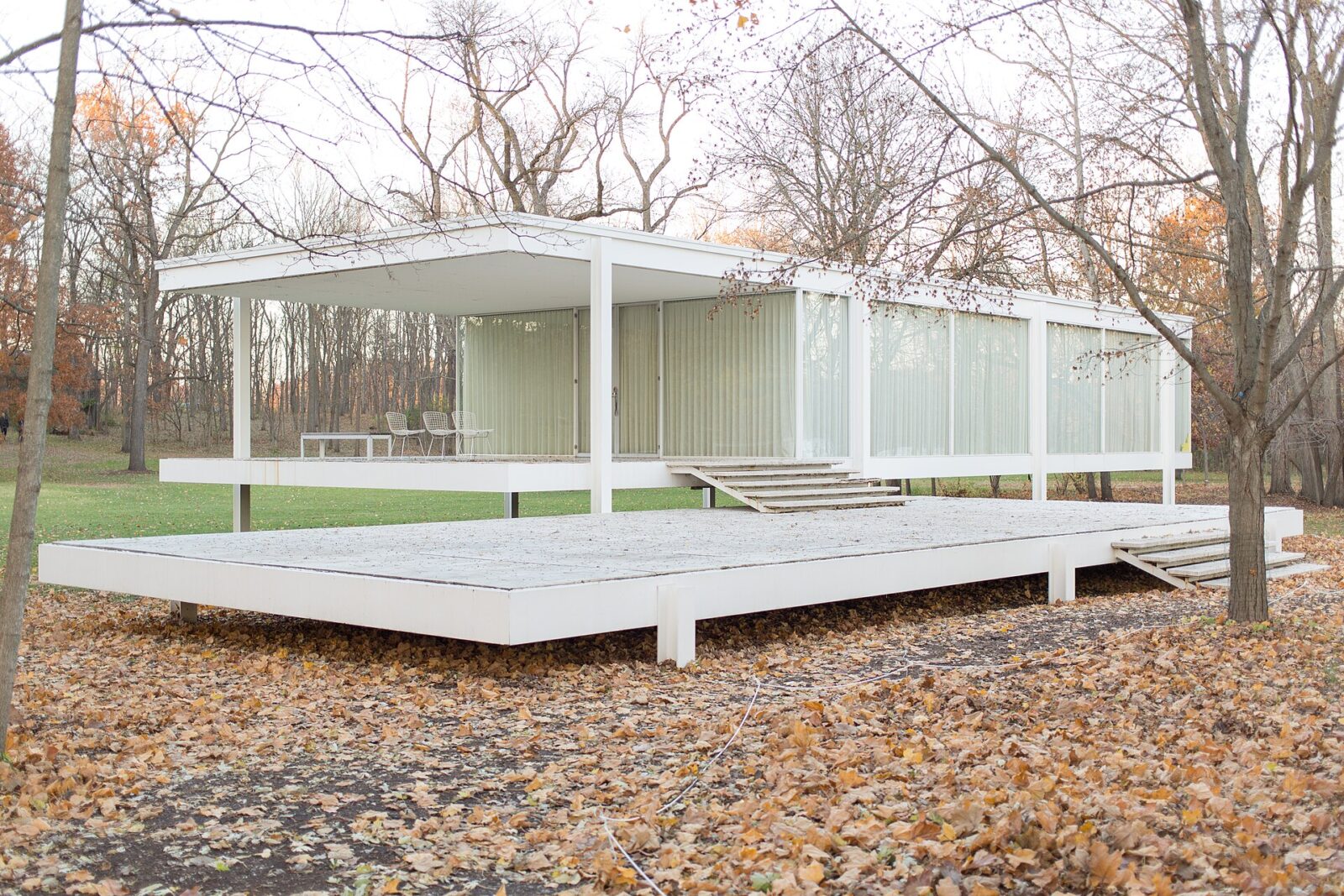
Photo by Victor Grigas via Wikimedia Commons, licensed under CC BY-SA 3.0. No changes were made.
Lighting becomes a profession
Richard Kelly gave architectural lighting its own vocabulary, with terms like “ambient luminescence”, “focal glow” and “play of brilliants” making it possible to talk about light as part of architecture. The Seagram Building shows how this thinking entered corporate architecture: designed by Mies van der Rohe and Philip Johnson, with lighting input from Kelly, it showed how the lighting of an office tower could also shape its appearance in the city.
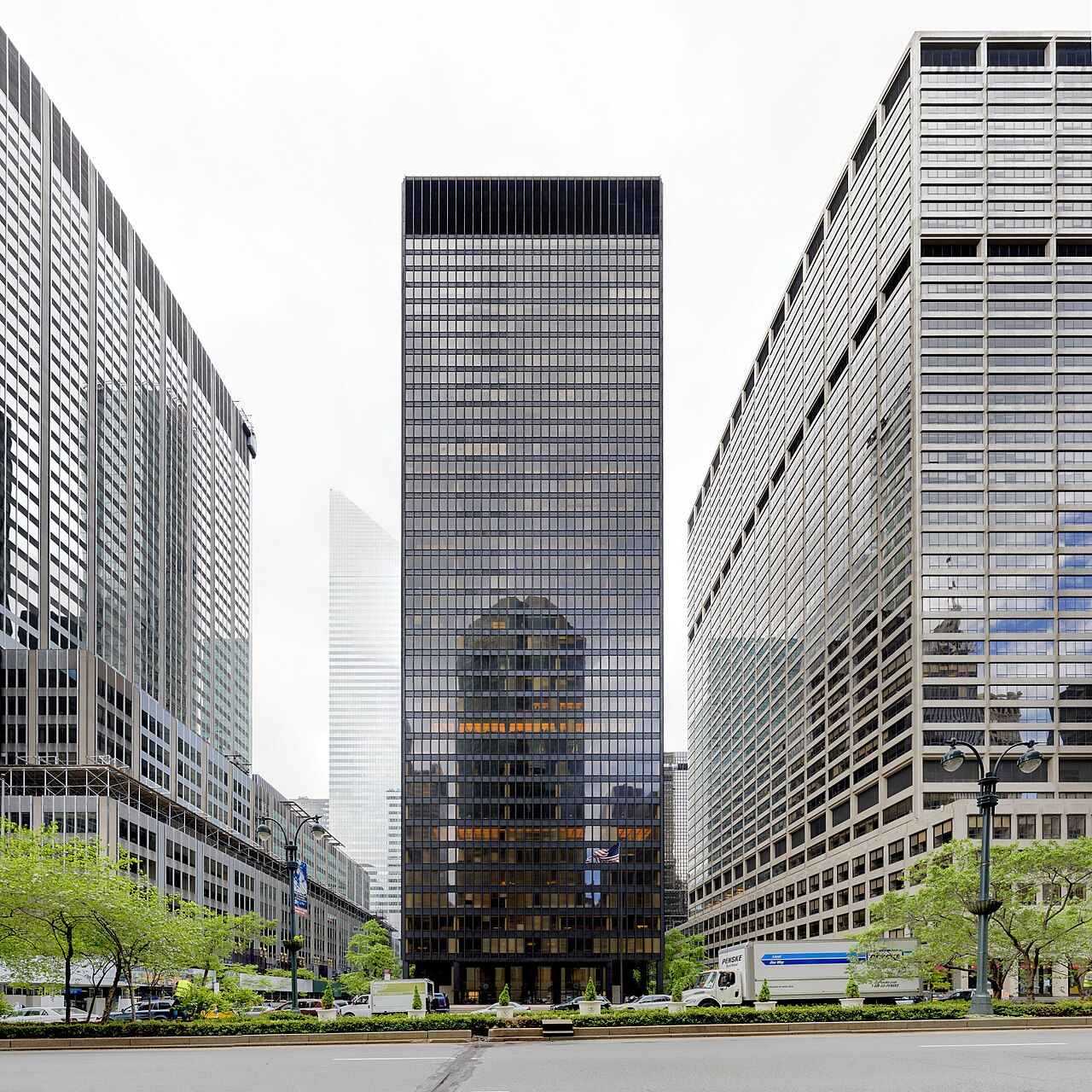
Photo by Ken OHYAMA via Wikimedia Commons, licensed under CC BY-SA 2.0. No changes were made.
Other figures helped shape this early field, such as Stanley McCandless, who brought knowledge from stage lighting, where light was already being used to model faces, direct attention and organise what the eye sees first. Abe Feder took lighting into bridges and monuments; Edison Price developed fittings that gave designers a never-before-seen level of control; and William M. C. Lam argued for lighting based on behaviour, perception and comfort.
Jules Fisher and Paul Marantz brought ideas from theatre into architectural lighting, applying them to cultural, commercial and civic projects. Hervé Descottes and L’Observatoire International later developed a more restrained approach to lighting buildings and cities. Rogier van der Heide connected lighting with technology, mood, branding, wellbeing and innovation. Speirs Major treated darkness as part of the design, not just the absence of light, with attention to hierarchy, restraint and orientation. Florence Lam and Arup connected daylight with environmental design, comfort, public space and sustainability.
By then, lighting was no longer a technical package added near the end of a project. It had indeed become part of architectural design from the start.
Light, materials, the body and key designers
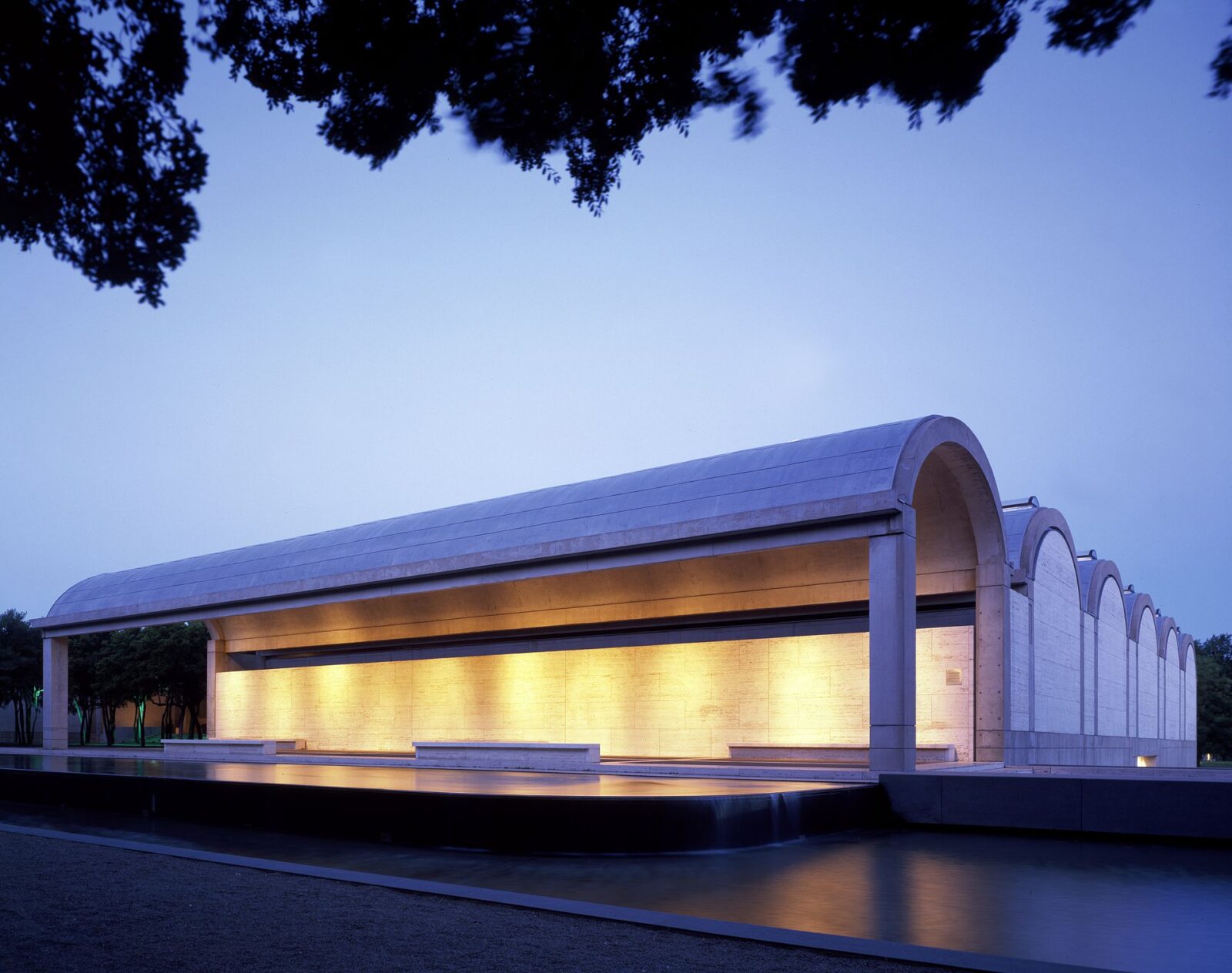
Louis Kahn’s Kimbell Art Museum took the old problem of museum daylight and solved it through the shape of the roof. Daylight enters through narrow roof slots and hits curved aluminium reflectors before reaching the galleries, so the light is natural but not uncontrolled. It is redirected, softened and spread by the architecture itself, allowing the rooms to be lit from above without direct glare on the art.
Photograph in the Carol M. Highsmith Archive, Library of Congress, Prints and Photographs Division
Alvar Aalto used daylight less as a visual effect and more as part of how a room is used. In Viipuri Library, skylights and indirect daylight support the act of reading, while at Paimio Sanatorium, sunlight, orientation, fresh air, warm materials and carefully shaped windows are tied to patient comfort. Carlo Scarpa used light to slow attention down to the scale of details. In his museums and work with historic buildings, light often falls across a stone edge, a metal joint, a step, a sheet of glass or a surface of water, so that the way things meet becomes visible.
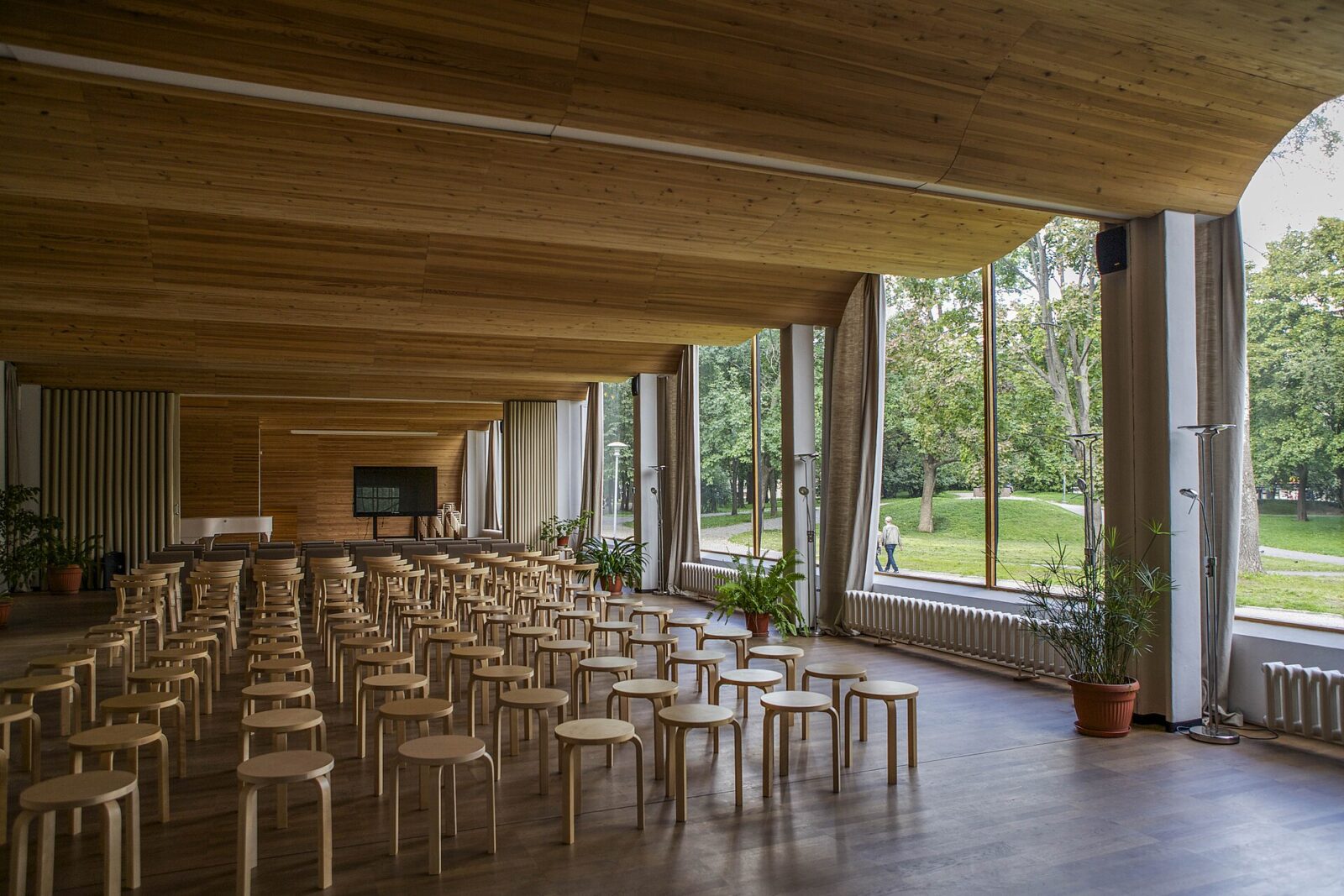
Photo by Ninaraas via Wikimedia Commons, licensed under CC BY 4.0. No changes were made.
Luis Barragán often made daylight stronger by limiting where it could enter. In Casa Barragán, solid walls, coloured surfaces and carefully placed windows keep the rooms private, while small patches of daylight stand out against the shadow. Tadao Ando uses light through very simple means: concrete walls, darkness and carefully placed cuts. In the Church of the Light, the cross-shaped window brings daylight into an otherwise plain room, making the light the main feature of the space.
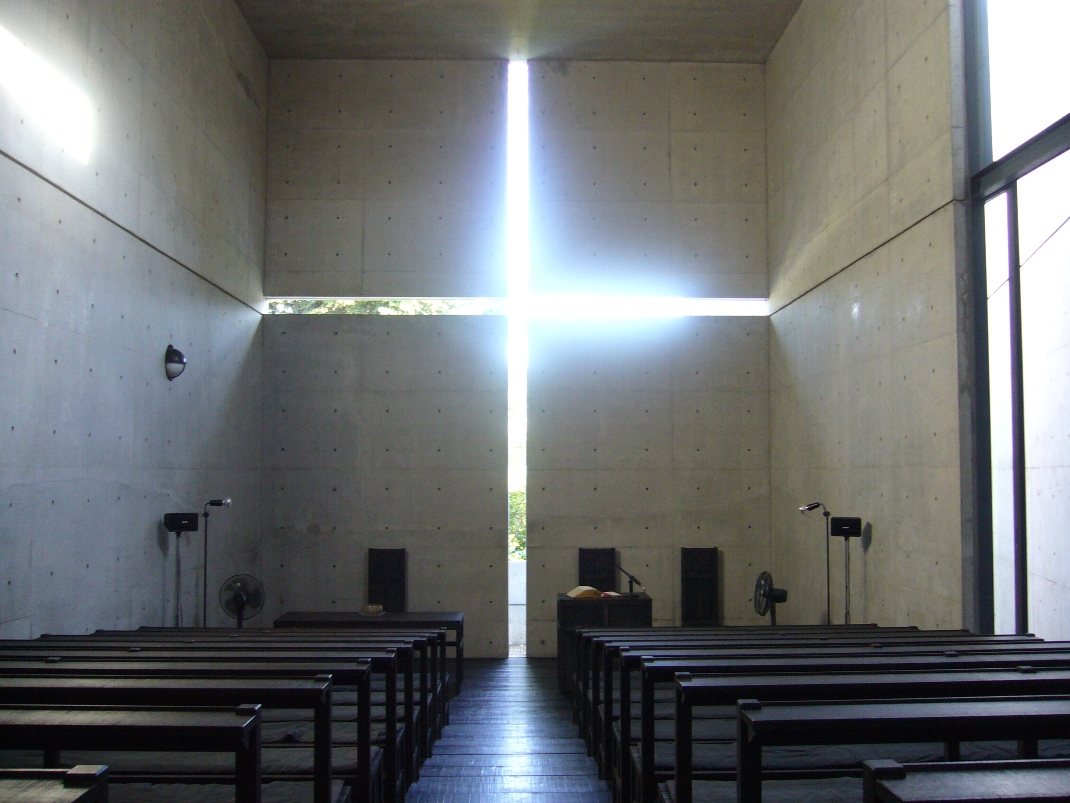
Photo by Bergmann, licensed under CC BY-SA 3.0. No changes were made.
Jean Nouvel used the façade itself to control daylight, a technique seen at the Institut du Monde Arabe in Paris, where mechanical apertures inspired by Islamic mashrabiya screens open and close to regulate how much light enters the building. Renzo Piano often uses roofs, louvres and screens to bring daylight into museums. At the Menil Collection in Houston, for example, the roof filters natural light before it reaches the galleries, so the rooms are evenly lit and the art is not hit by direct sun.
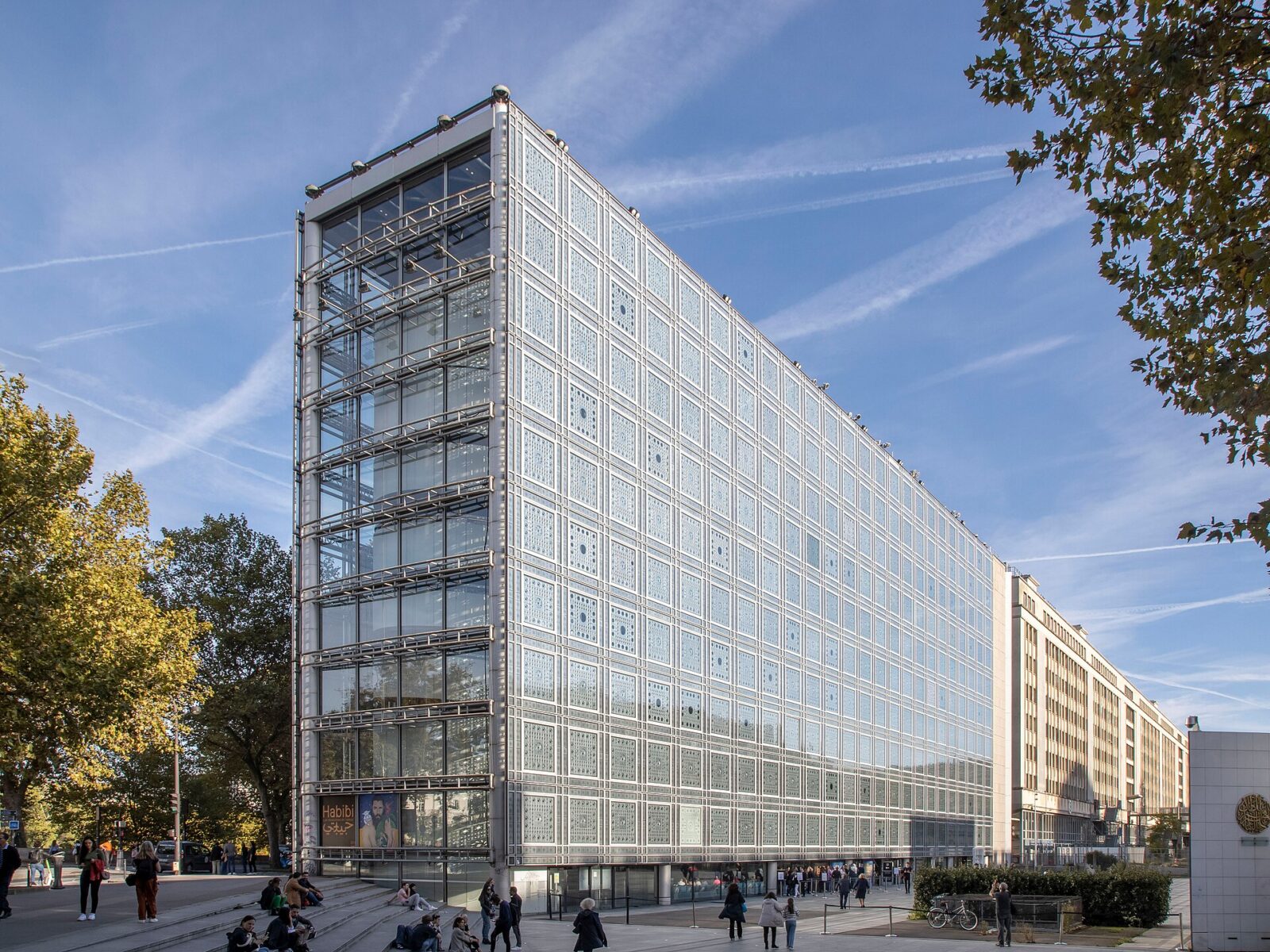
Photo by Arthur Weidmann via Wikimedia Commons, licensed under CC BY-SA 3.0. No changes were made.
Norman Foster connects daylight with engineering, using glass, atria and shading to bring natural light deeper into offices and public buildings while also addressing energy use and workplace quality. Peter Zumthor works with light through material and enclosure, as seen at Kunsthaus Bregenz, where a glass skin filters daylight into the galleries and gives the building its muted glow from outside. Steven Holl often uses coloured light, reflected light and translucent materials to completely define the design of the building itself. Juhani Pallasmaa’s writings widened the discussion by linking light to touch, sound, memory and bodily perception, rather than treating it only as a matter of sight.
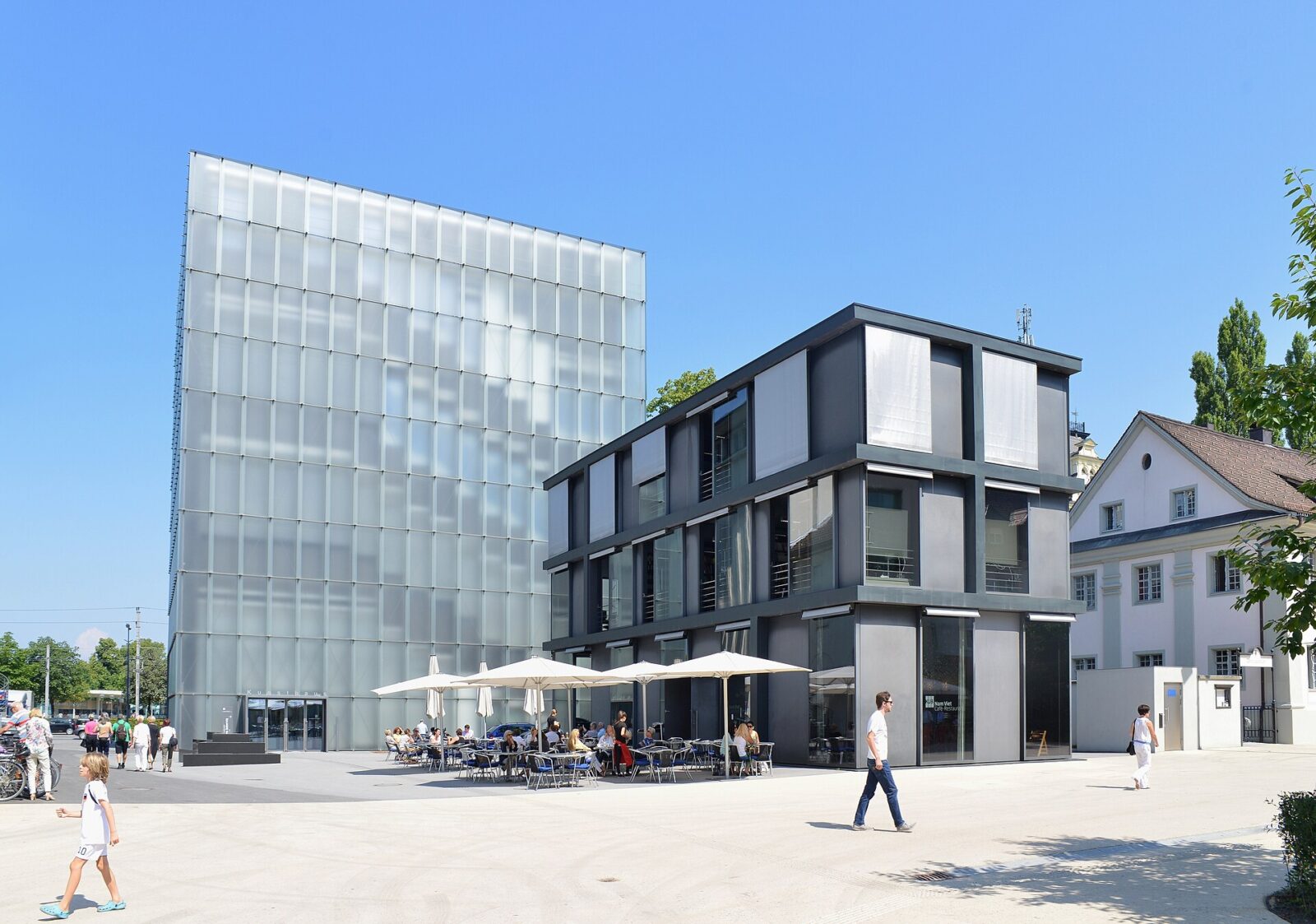
Photo by Böhringer Friedrich via Wikimedia Commons, licensed under CC BY-SA 3.0 AT. No changes were made.
Artists and product designers also changed how light was understood in architecture. James Turrell made light itself the subject of the work, while Dan Flavin showed how fluorescent tubes could change the whole perception of a room. Olafur Eliasson used light with mist, mirrors, colour and climate effects, making people more aware of how light can be controlled. In product design, Poul Henningsen developed glare-free lamps with layered shades for Louis Poulsen; Isamu Noguchi used paper to make soft domestic light with his Akari lamps; and Ingo Maurer treated lamps as inventive objects made from bulbs, paper, wires and unexpected parts.
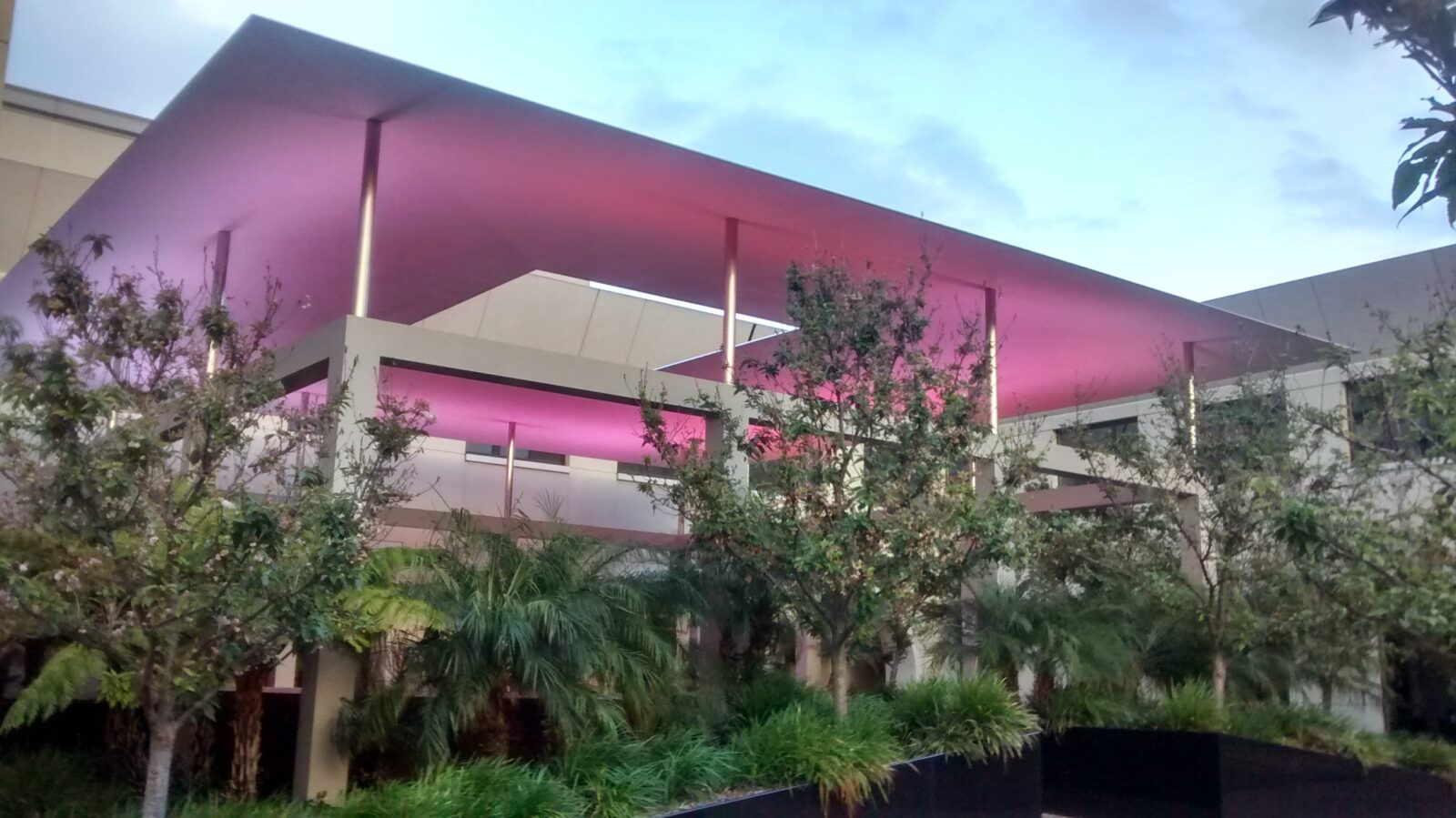
Photo by Sdkb via Wikimedia Commons, licensed under CC BY-SA 4.0. No changes were made.
The current state of architectural lighting
More recently, perhaps the one innovation that changed architectural lighting the most was LED technology. Light sources became smaller, more efficient and easier to control, allowing designers to work with colour tuning, dimming, façade lighting, changing installations and more precise control systems. Contemporary lighting also pays more attention to how the body responds to light, including circadian rhythm, alertness, sleep, comfort and wellbeing. In offices, hospitals, schools and homes, light is now considered not only for visibility but also for how people work, rest and feel.
Sustainability has brought daylight back into focus: daylighting, shading, glare control, sensors and efficient artificial lighting are now being planned together. Natural and artificial light are treated as one system. The façade has also changed from a wall with windows into an active part of the lighting system. It can filter sunlight, reduce heat gain, glow at night and respond to changing conditions, shaping both energy use and the building’s presence in the cityscape.
Light became central to architecture because structure can’t do everything on its own. Structure holds a building up, but light changes how it is seen and used throughout the day and after dark. It can make stone seem lighter, glass more complex, concrete stronger, a museum quieter, a city easier to experience at night and a room more comfortable to inhabit. Much of architectural history is also a history of learning how to control, soften, frame, reflect, colour, hide and reveal light. By the time lighting became a profession, it had already been shaping architecture for centuries. The profession simply gave that work a name, a method and an official place in the design process.