Header: Matthias Hoene
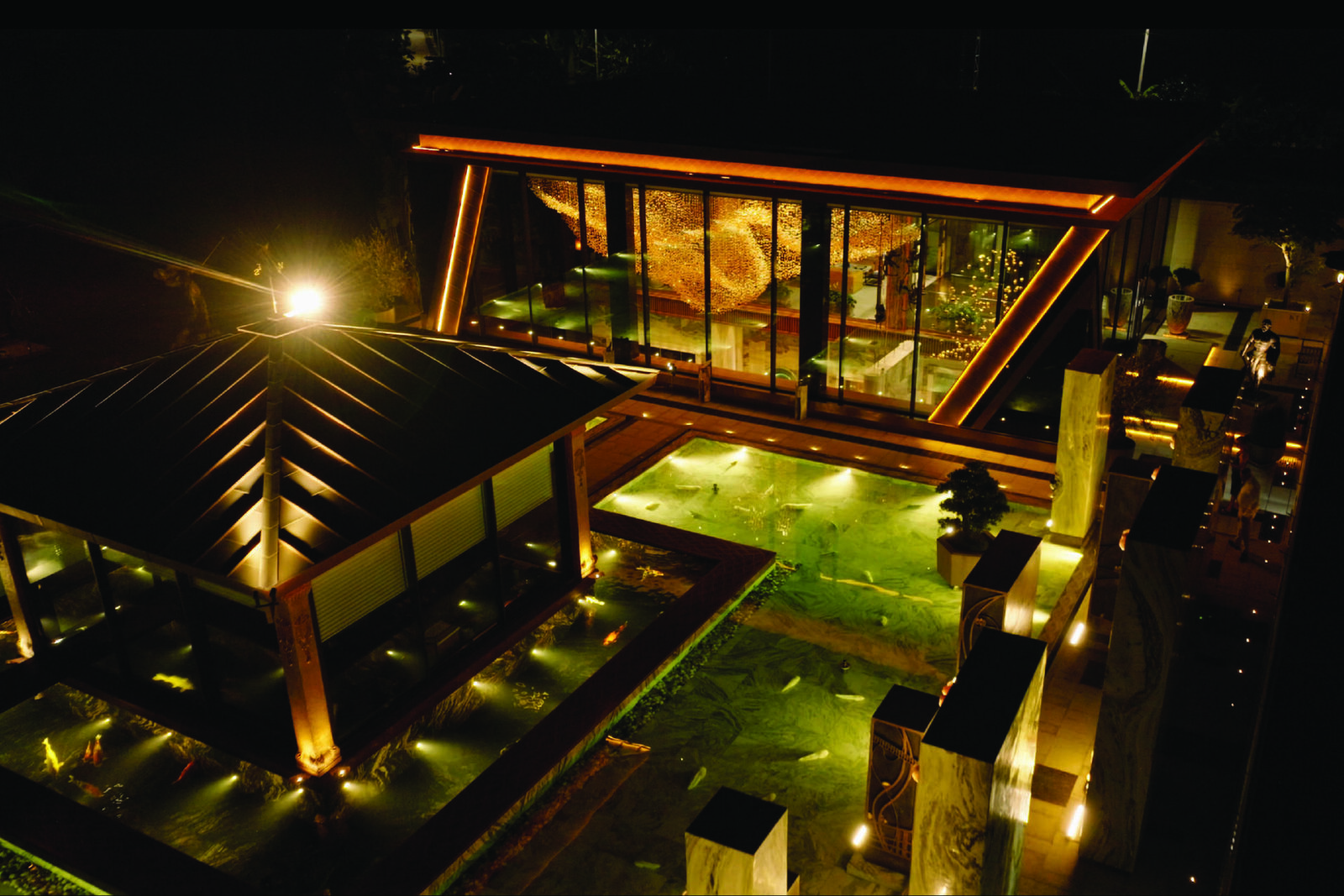
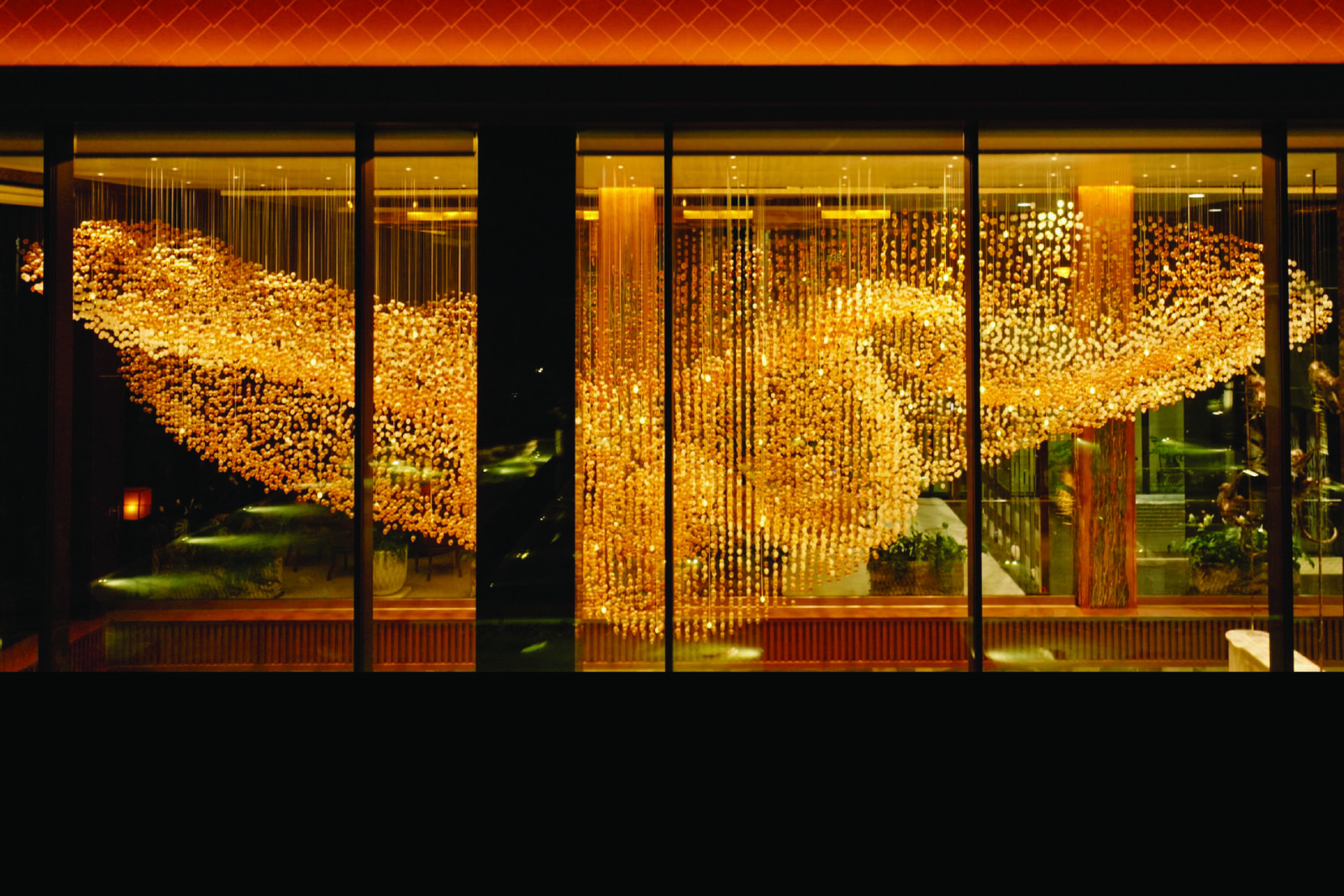
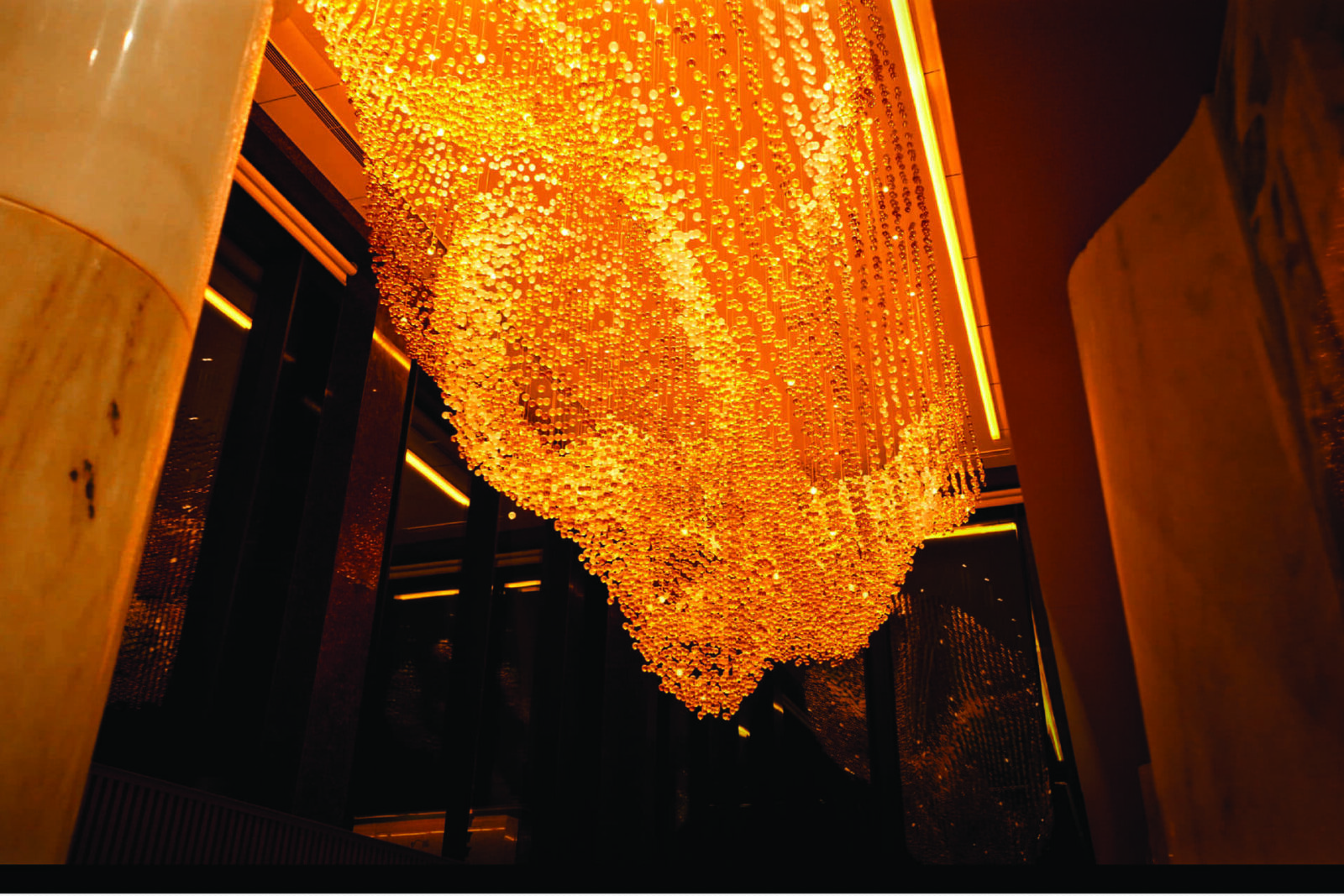
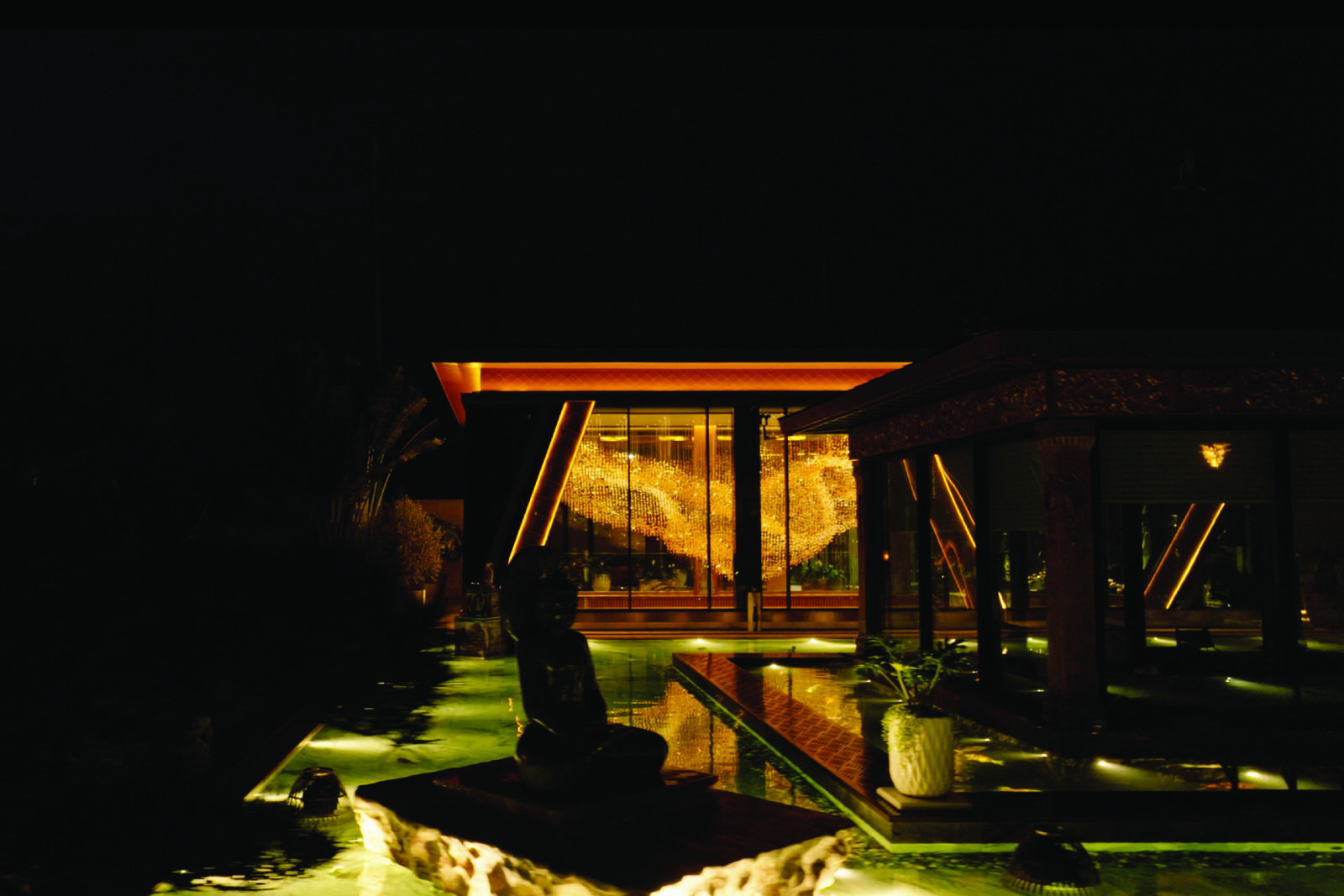
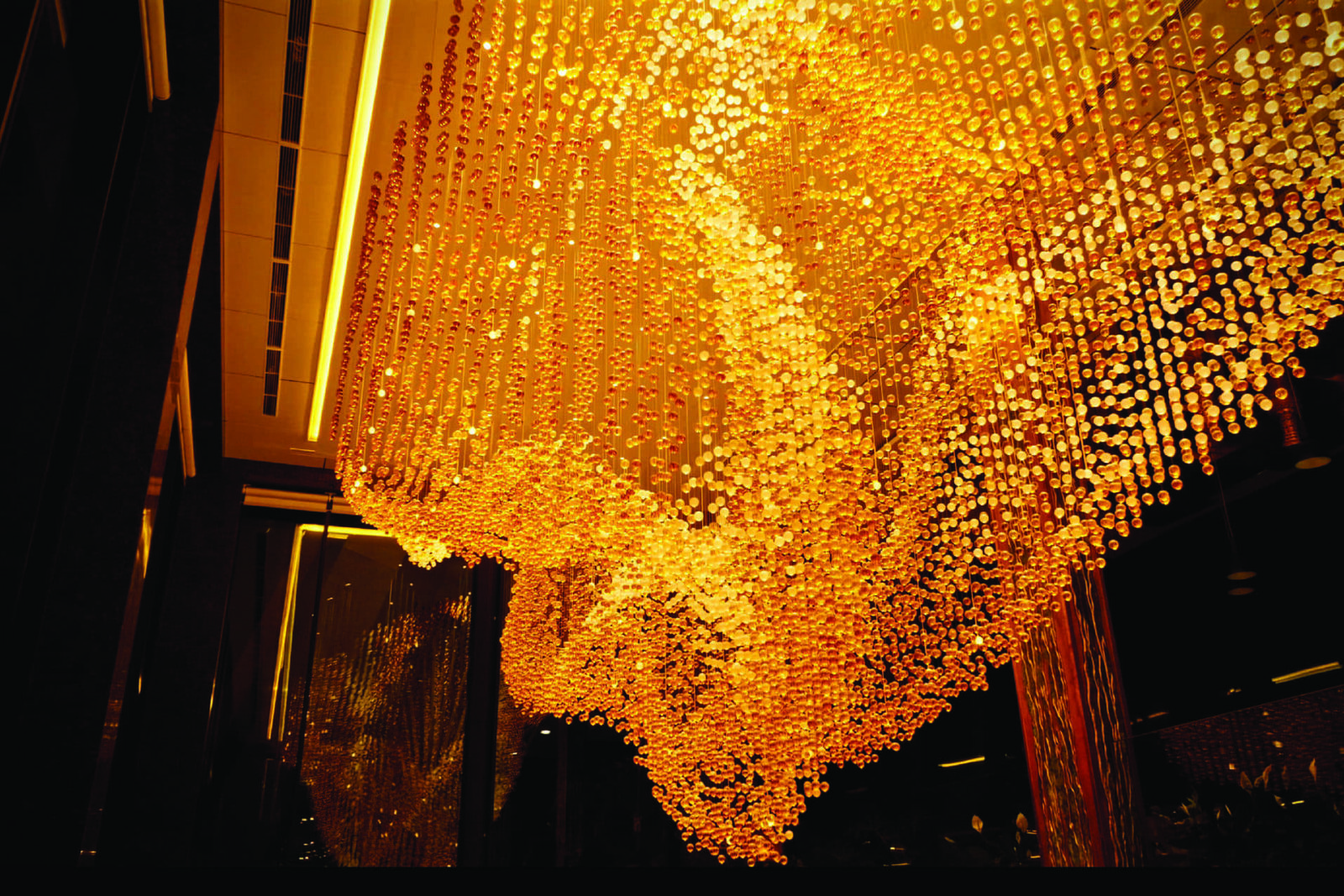
When designer George Singer was commissioned to create a piece for a private home in Haiphong, North Vietnam, he looked to the local culture for a spark. The result is Lua, a name taken from the Vietnamese word for silk. Completed in February 2025, this suspended light installation manages to do something quite difficult: it makes twenty thousand solid glass balls look as light and airy as a piece of fabric caught in a breeze. The design captures the specific way silk ripples and folds, turning a heavy material into a sculpture that feels like it is floating through the room.
Where hand-painting meets high-tech coding
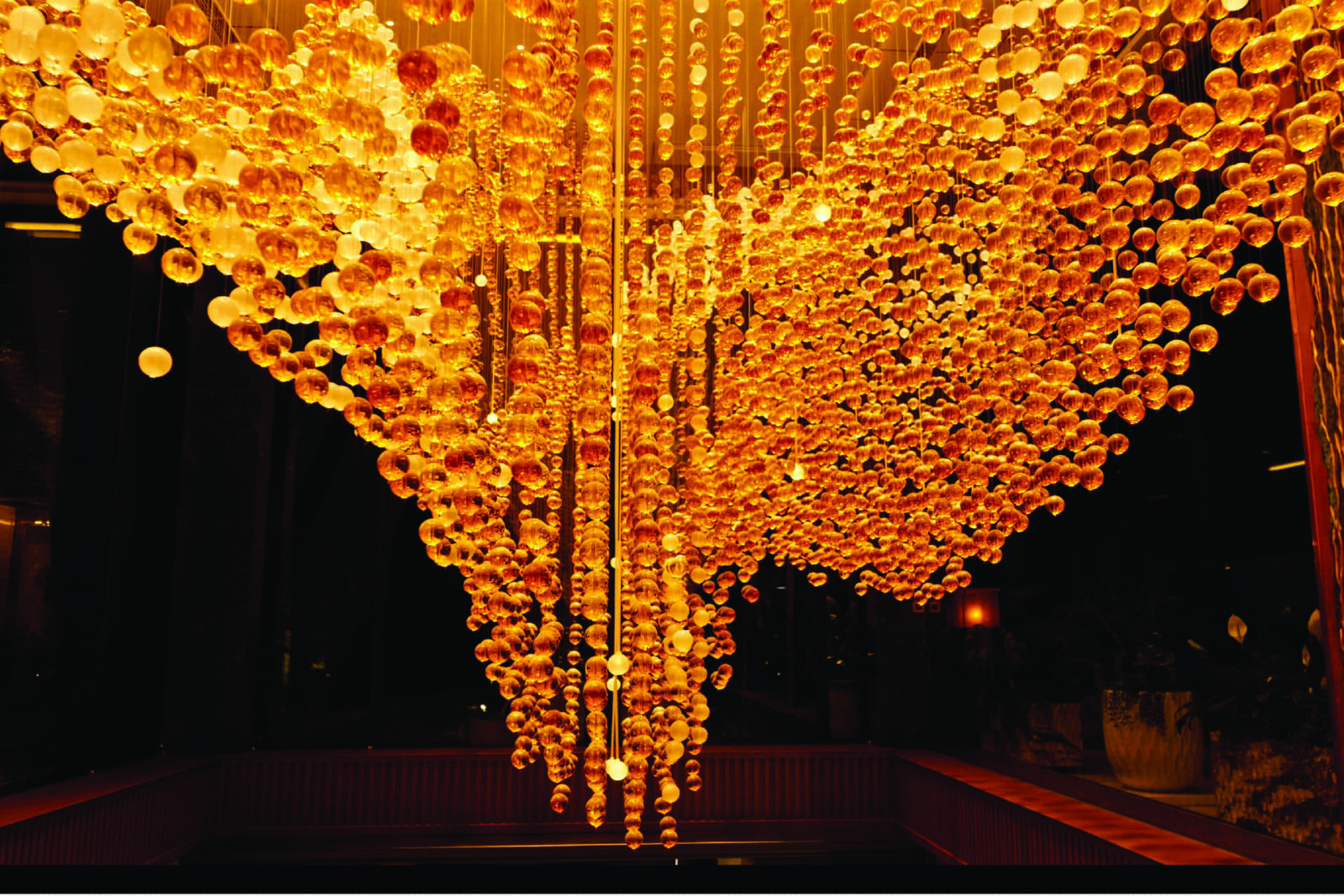
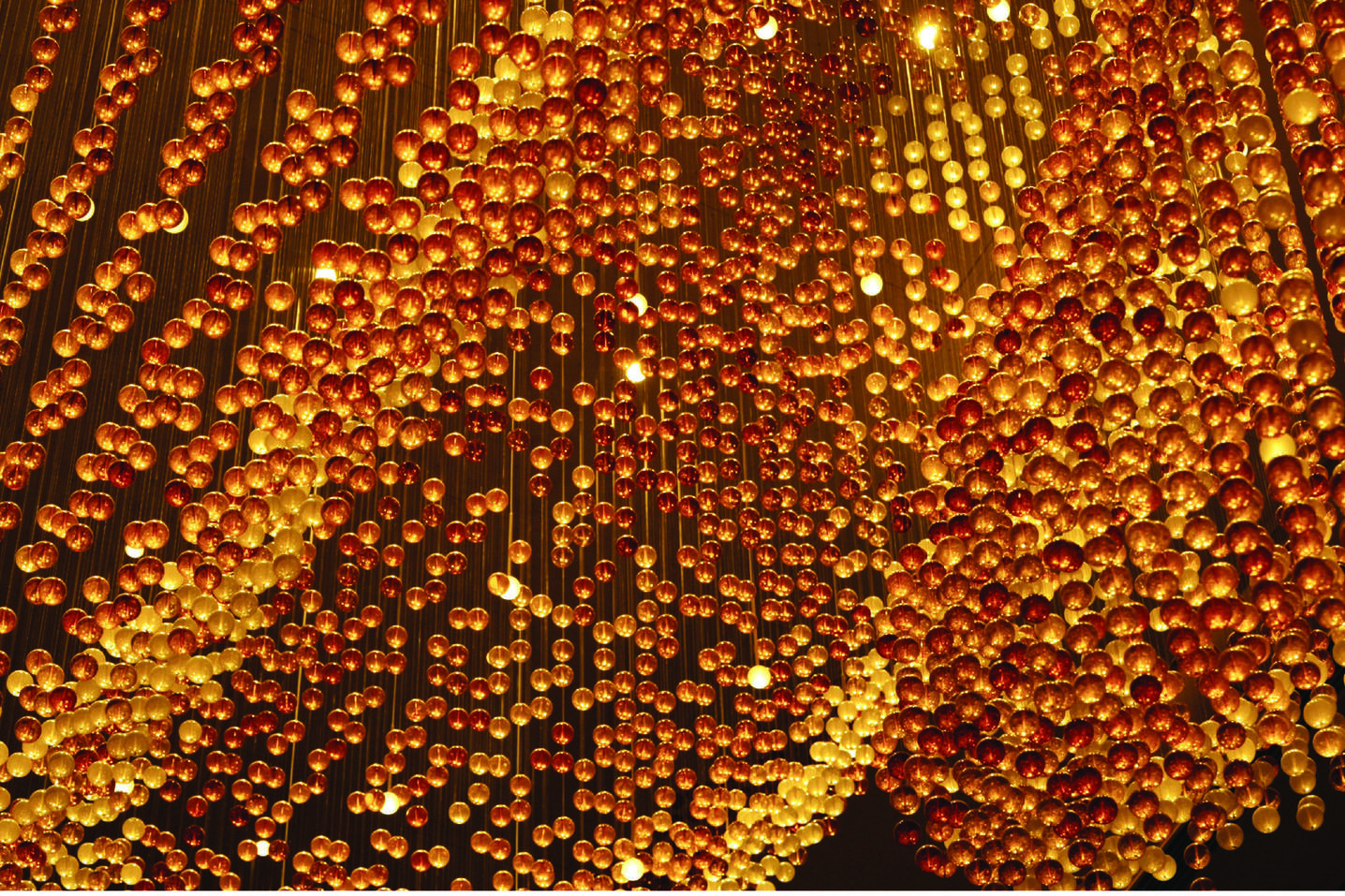
The creation of Lua was not a simple task of sketching and building. To get the curves just right, Singer worked with digital artists from a studio called Onformative. They used advanced computer simulations to mimic how silk moves, creating a digital model that determined exactly where every single glass ball should hang. Singer explains that the goal was to create “surprising and captivating sweeping forms that would be impossible to design by hand.” While the skeleton of the piece is high-tech, the finish is purely artisanal. Every one of those twenty thousand glass spheres was hand-painted in delicate shades of amber and frosted white, with the colour of each ball decided by the “tension” in the virtual silk model.
Lighting for every occasion
A sculpture of this size needs the right light to make it sing. Lua uses a clever two-part system to change the mood of the room. From above, John Cullen spotlights shine down on the glass, while hundreds of fibre optic lights tucked inside the piece make it glow from within. The entire system is run through a wall-mounted iPad, giving the homeowners total control over the atmosphere. They can switch from a “soft, tranquil evening mode” to a “vibrant party mode” with a quick tap, making the sculpture as practical as it is beautiful.
Designed for the future
Beyond its looks, Lua was built with a focus on the planet. The glass spheres and the aluminium ceiling plate are fully recyclable, and the entire sculpture can be taken apart and moved to a new home if needed. By assembling the piece in London to reduce transport and using energy-efficient lights, the studio has ensured the installation is as kind to the environment as it is easy on the eye.
A winning design
The project’s unique look has earned it a prestigious LIT Lighting Design Award, specifically winning in the Chandeliers category. The judges recognised how the piece brings together a rich, luxurious feel with a sense of relaxation.
Lua is a shining example of what happens when a designer stops looking at technology as a tool and starts looking at it as a partner. By using digital simulations to guide human hands, George Singer has created a piece that feels both organic and incredibly precise. It is a bold statement piece that proves even the most traditional materials, like glass and paint, can be used to tell a very modern story about light and movement.


Project info
Lighting Design/Product Company: George Singer Ltd
Lead Designer: George Singer
Photo Credit: Matthias Hoene
Completion Date: February ’25
Project Location: Haiphong, Vietnam