



Header: James Bogue, Courtesy of Josh Owen LLC
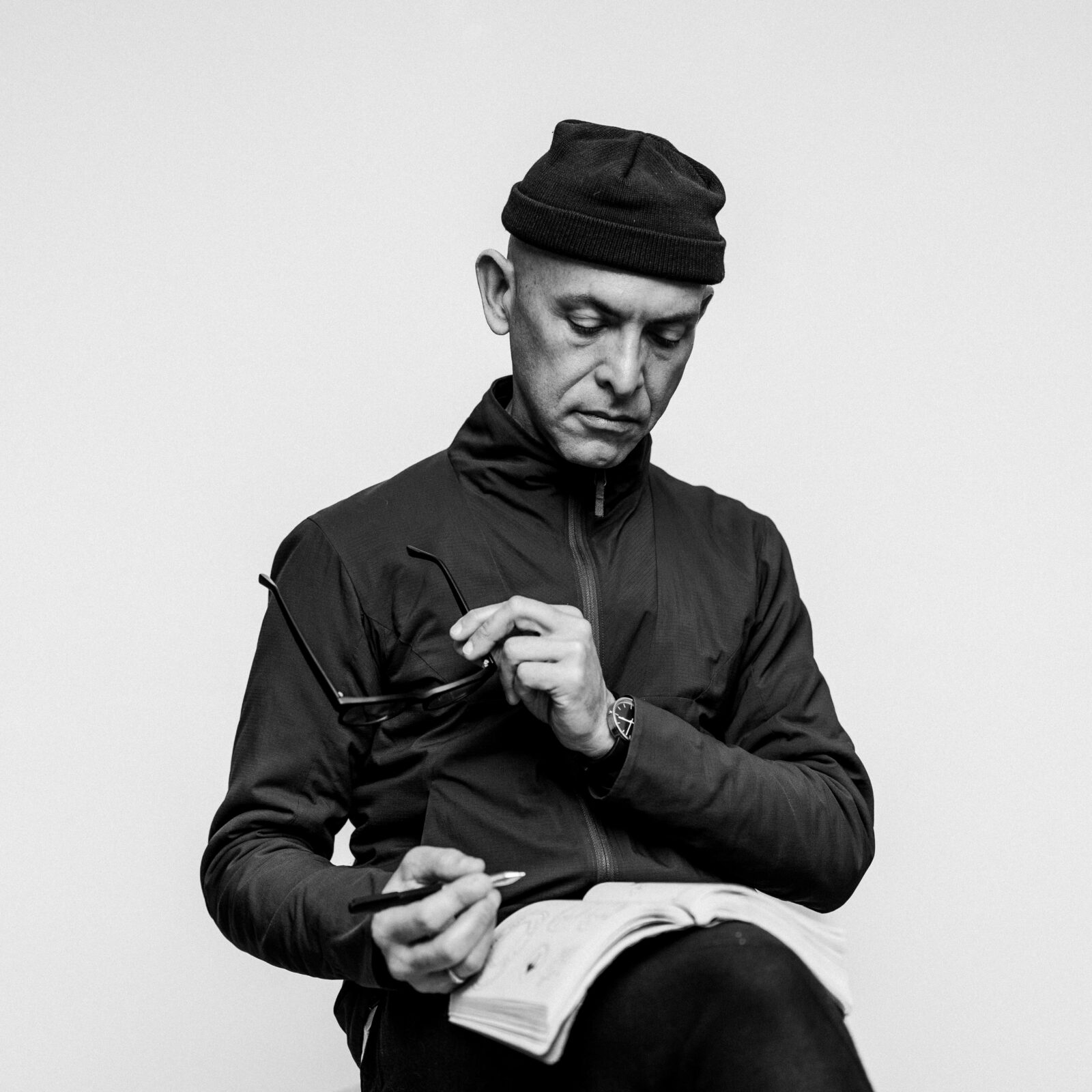
Josh Owen is a designer who prefers to look back before moving forward. Growing up on archaeological sites, he learned early on that the things we leave behind tell the story of who we are. Today, he balances his time between running his own studio and heading the Vignelli Center for Design Studies, where he looks after an enormous archive of iconic work. His own objects, ranging from tiny nutcrackers to lounge chairs, are known for being incredibly simple, often stripping away parts that most designers take for granted.
Recently, his expertise has been called upon to judge the SIT Furniture Design Award, a global prize that honours the best new ideas in the industry. But despite his high-profile roles and his work sitting in famous museums like the Centre Pompidou, Owen isn’t interested in making things that shout for attention. He is more focused on how a product works and how it will eventually go back into the earth. We caught up with him to talk about 3D-printing with glass, the myth of “timeless” design, and what materials he is currently experimenting with.
You grew up around archaeological digs. How does digging up the past help you design new objects for the future?
We are all a combination of Nature and Nurture. My nature has always been to observe and to contribute. As long as I can remember, I have always been curious, using drawing and making as mechanisms to process and extend the world around me in useful ways. Being brought up in the context of archaeology placed me within the art and science of decoding history through its material remains. I think that the combination of my natural orientation as a creative and being wrapped within the milieu of archaeology was serendipitous in that it guided me to think deeply about how humankind’s material contributions are crafted. That perspective remains a guidepost for me today as an object maker, educator and steward of the built environment.
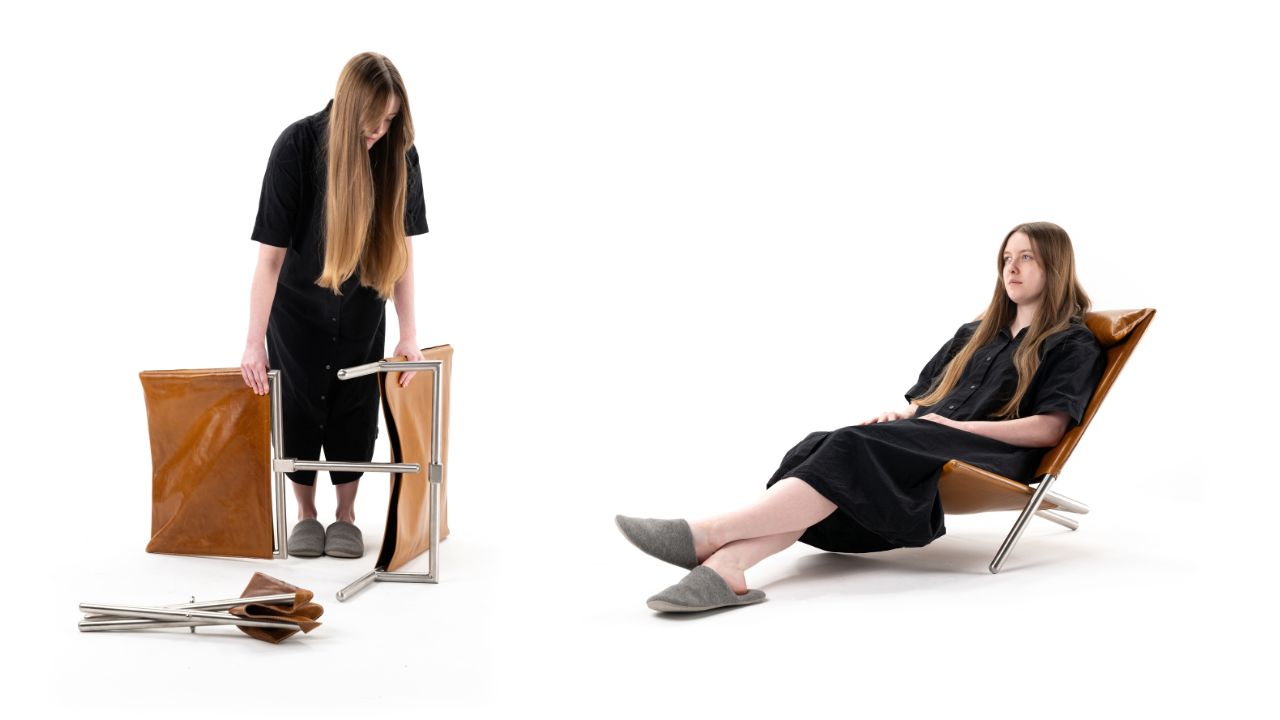
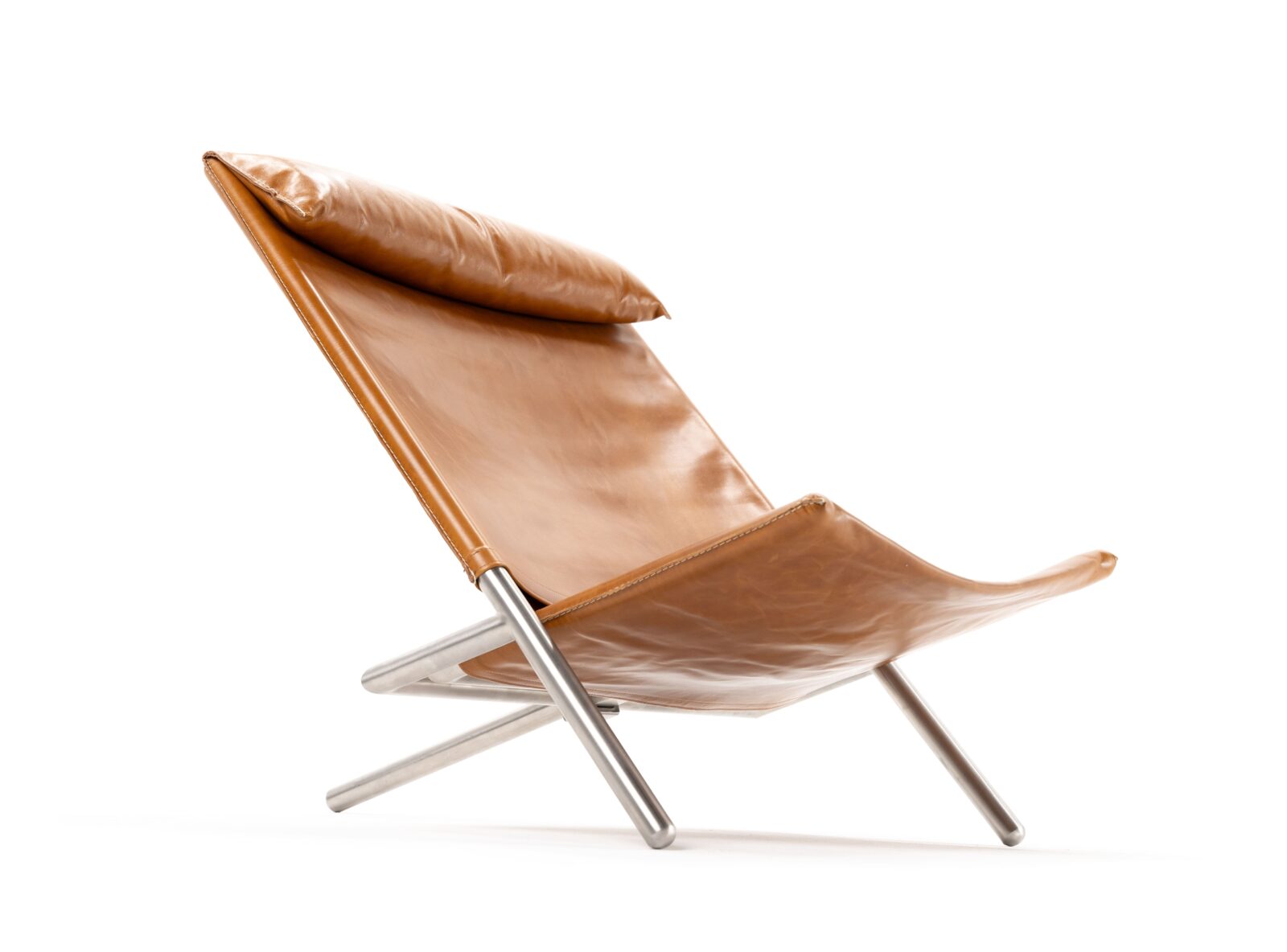
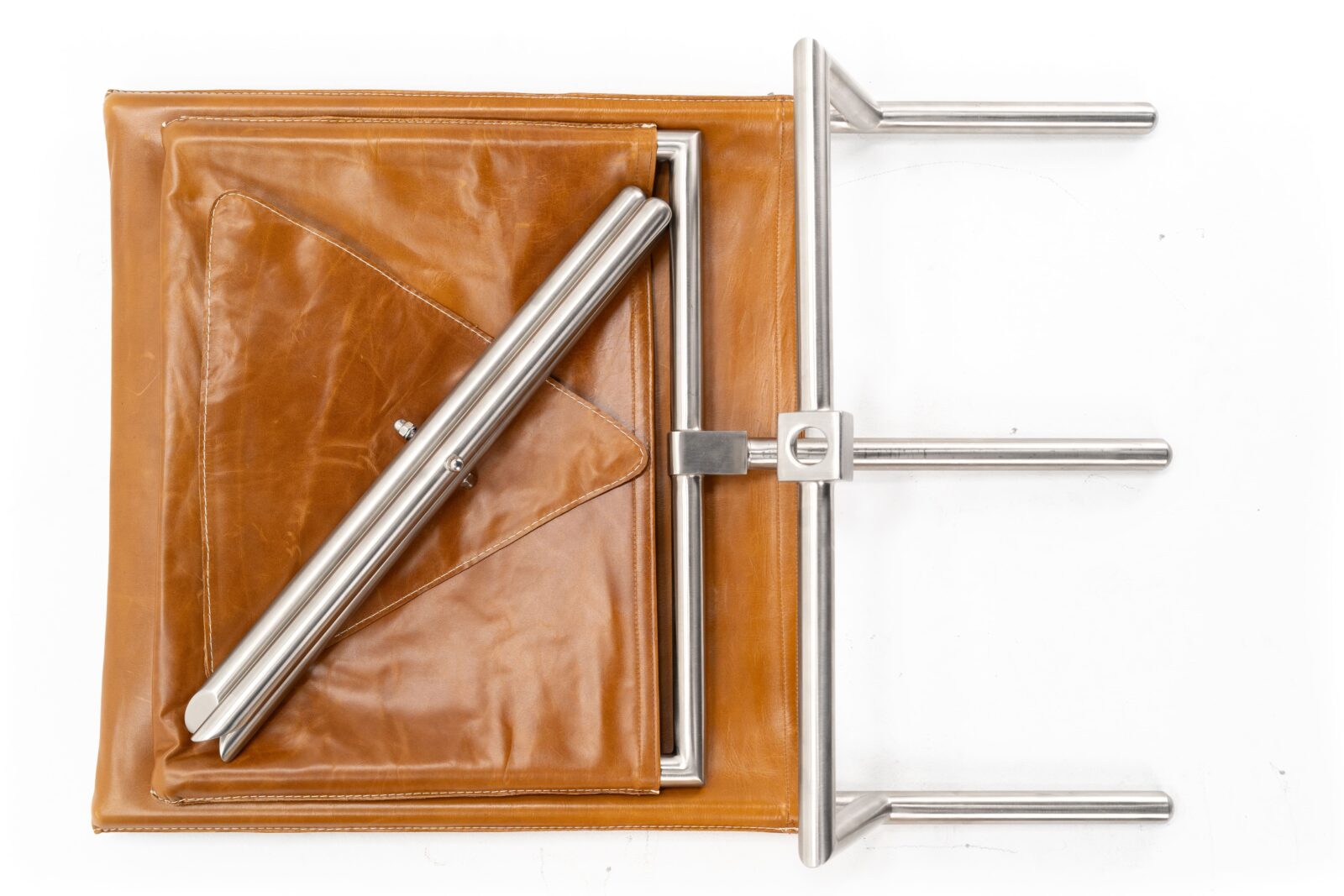
Your 3PC Lounge Chair only uses three legs instead of four. Why did you decide to take that fourth leg away, and how does it change how we sit?
I did not remove the fourth leg for the 3PC. When I conceived of the project, it only earned three legs to begin with. 3PC for Lazzoni originated as a chaise lounge reimagined in a more restrained architecture. Because of its very low structure, a tripod orientation works exceptionally well in spreading out the supporting elements. Also, placing the body so low to the ground allows the legs of the sitter to reduce some of the load, reducing the need for more legs in the design.
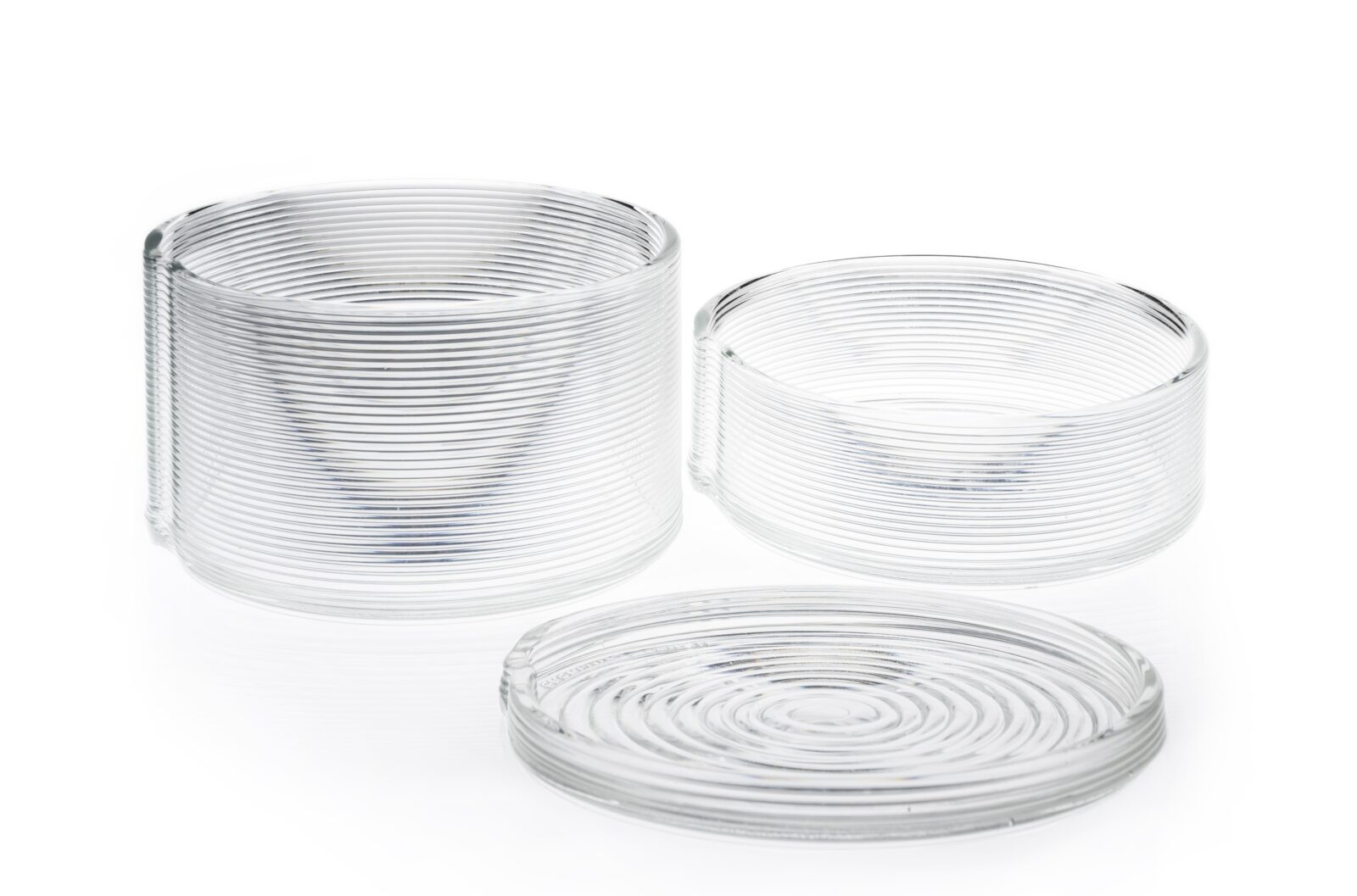
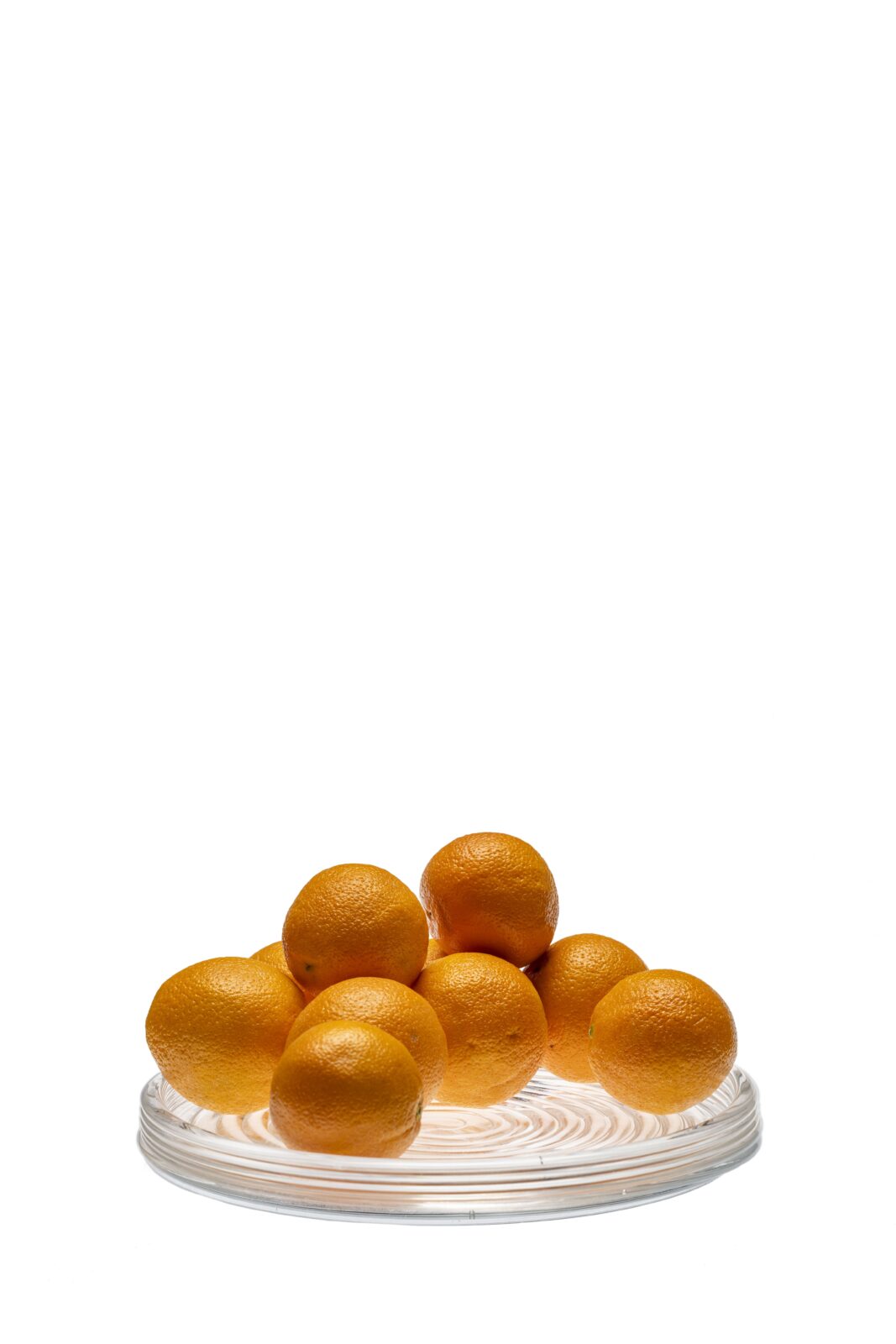
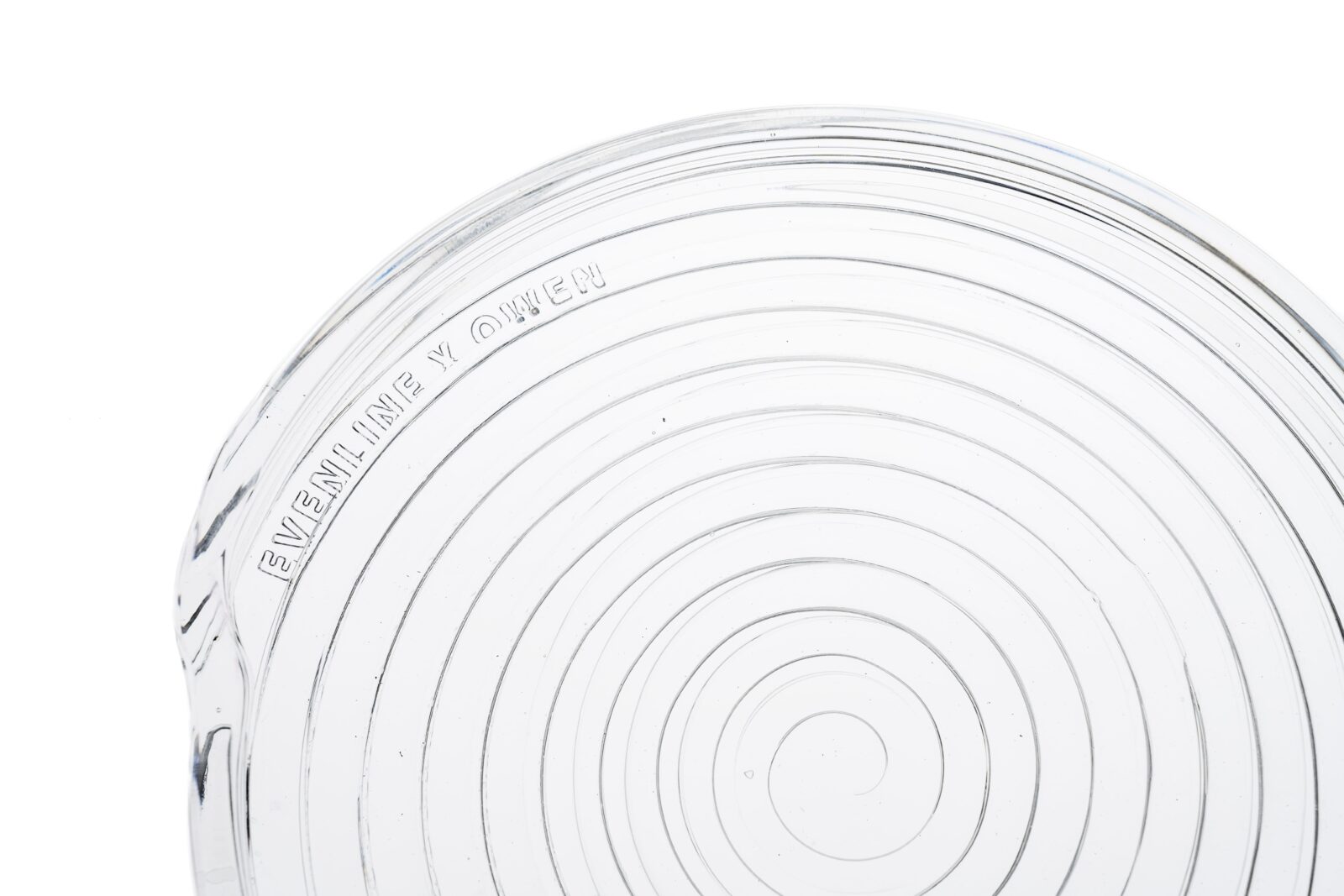
In your Spiral Vessel collection, you can actually see the “path” the 3D printer took. When does the way a product is made become more important than how it looks?
The Spiral Vessel collection explores an emerging material-bound technology. Because 3D printing glass in this way is so elemental, I chose to make the structure highlight the progression of the build. With this strategy, the ornamentation becomes a visual description of how the object was made.
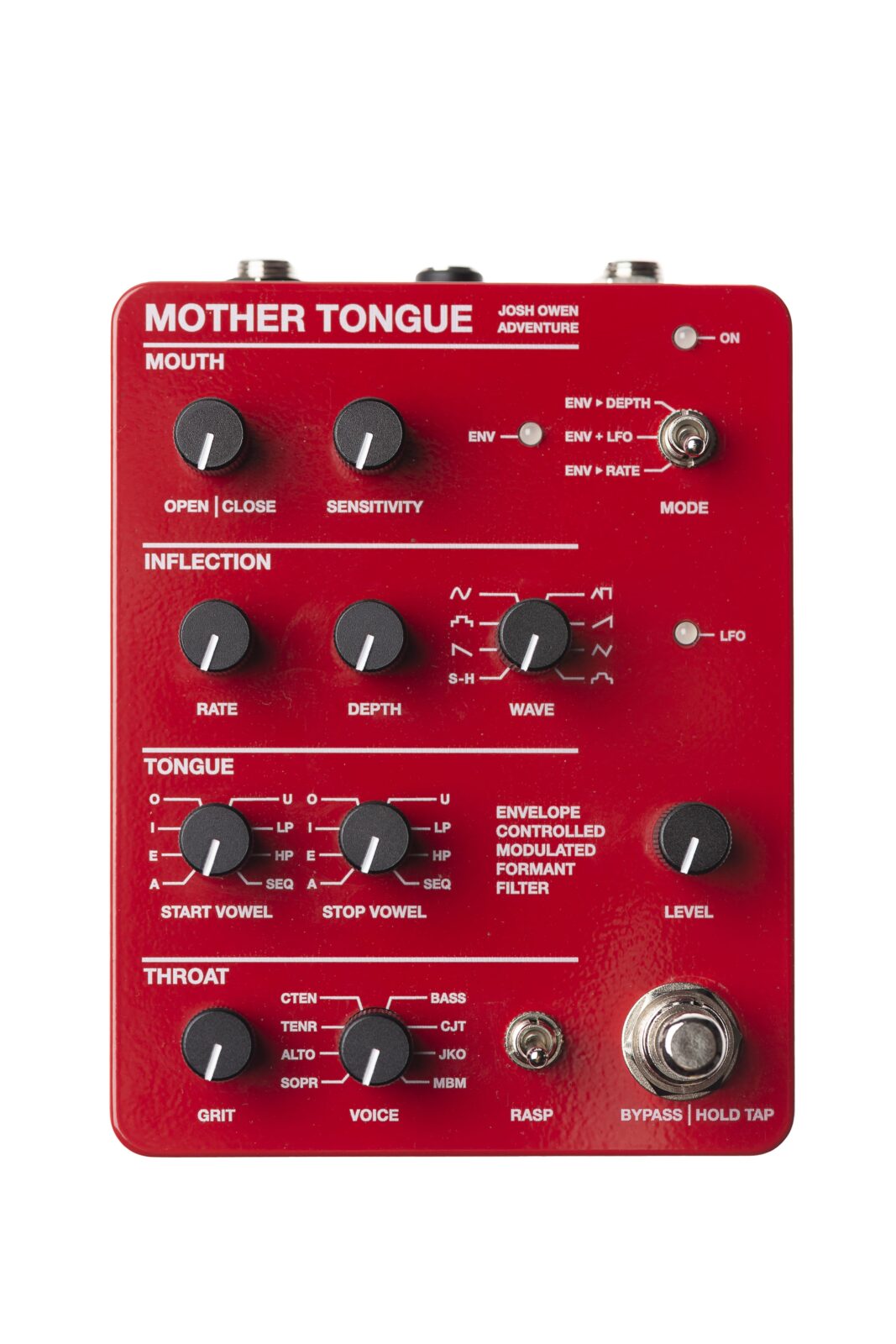
You were a professional musician before focusing on design. How was it different to design the Mother Tongue guitar pedal compared to a piece of furniture?
I’m not sure I was really ‘a professional’…
I do not discriminate between designing objects, graphics, systems or environments. For me, each project I take on is different, but all are bound by the constraints of material, technology, context and scale. Perhaps the biggest difference with MT was that in this project, I began with a desire to shape sound. I had to convey the auditory signal ideas I had to the acoustic engineers I was collaborating with and that required me to play my guitar and reference existing devices that were used to explain portions of what I was trying to achieve. After that, designing the types of controls and how to communicate them in an enclosure as a user interface was more traditional in the sense of other visual design projects.
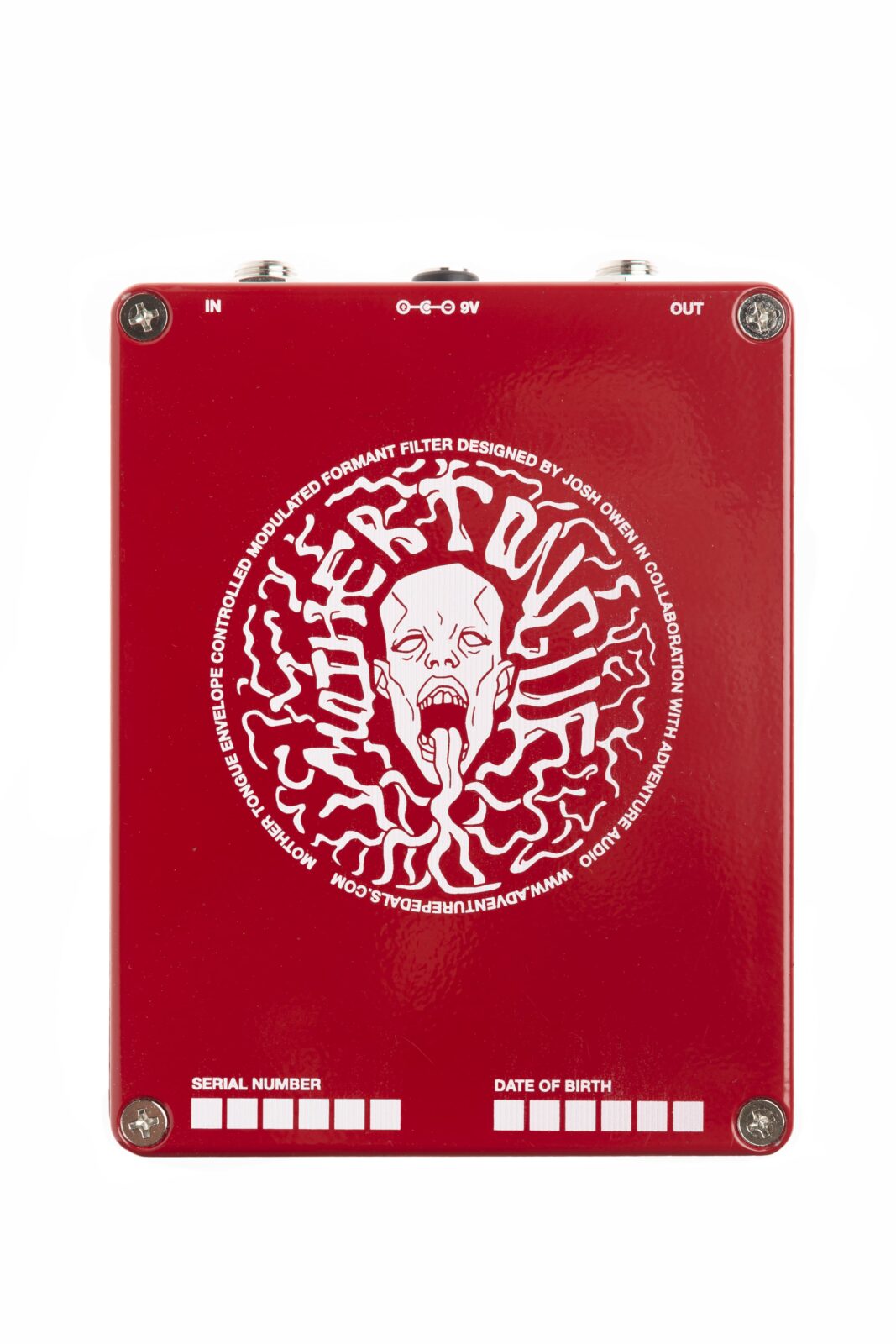
One fun note to add: My son Jasper Owen was finishing his high school studies while I was working on this project. He was developing a strong graphic style at that time that I thought might be a fit for the branding of this item so I gave him his first paid commission to work on the project’s logo-cartoon. Adventure Audio loved his contribution, so it is what you see on the underside of the pedal and all of the packaging design. Jasper and I have collaborated on several projects since then and he is currently completing his architectural studies at Cornell University. Time flies when you are having fun.
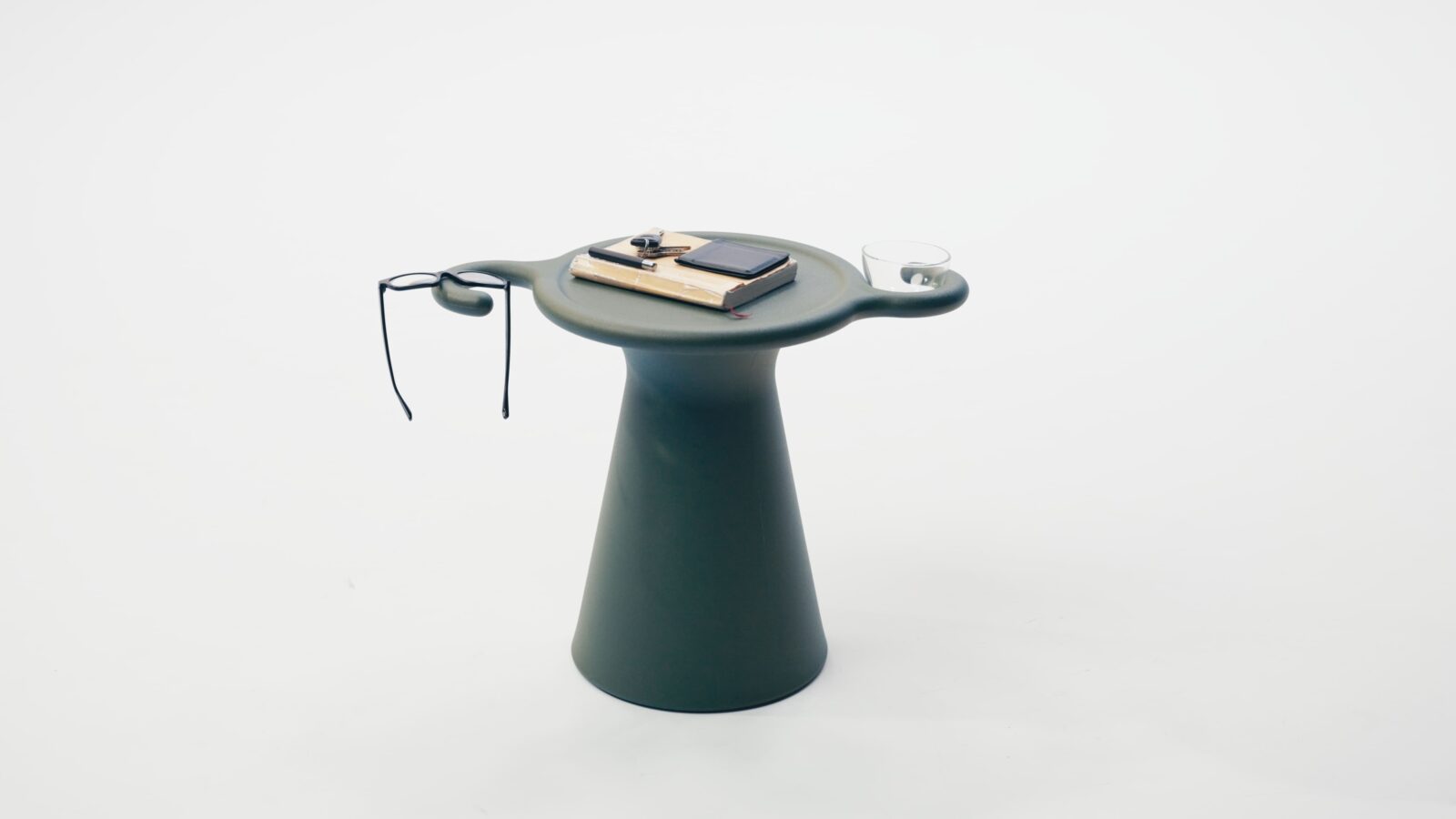
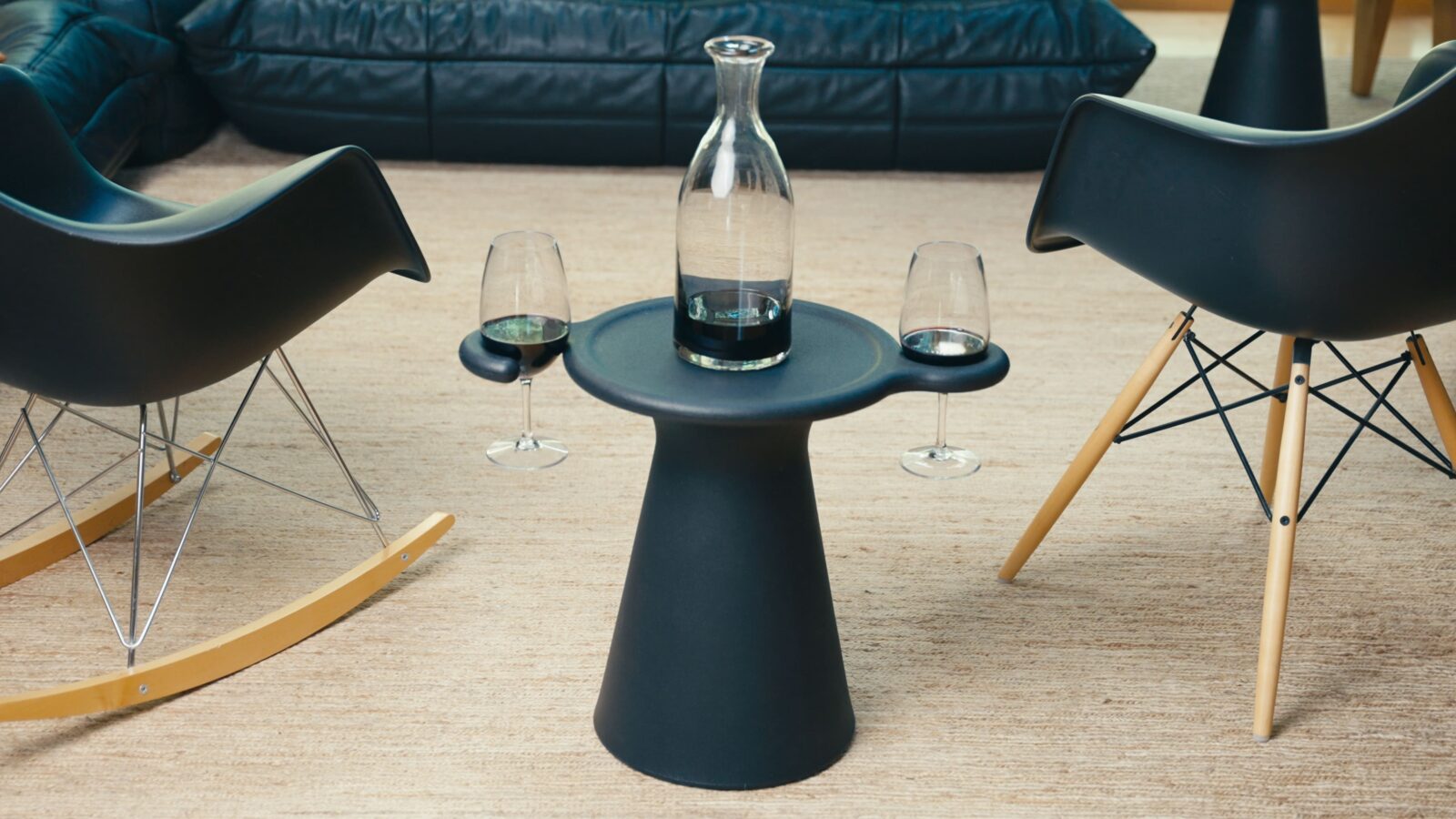
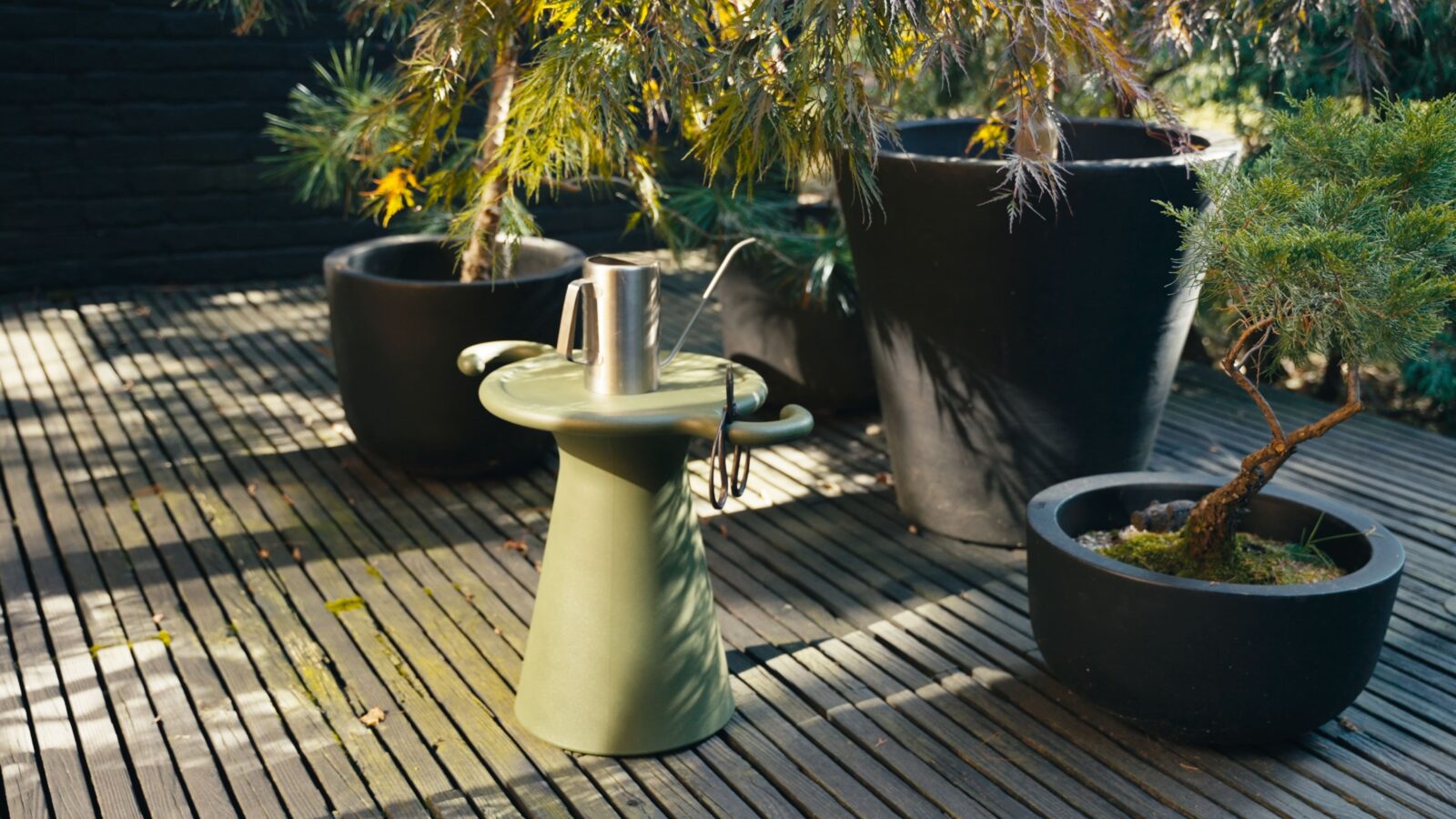
The SOS v2 stool is now made with recycled materials. Is it hard to make a product that is both “eco-friendly” and “timeless” at the same time?
It is impossible to design something timeless since nothing will last forever. However, having the aspiration to do so can be a useful horizon to aim for since it can cause one to make something with greater endurance. The excitement about bringing the SOS back with Heller (now owned by Haworth) is that they had been working with Worry Free Plastics, which I am told has developed an enzyme additive that breaks down the plastic material to safely biodegrade in a zero-oxygen environment like a landfill. So the appeal of this scientific development is that while the SOS is designed with the intention of being an heirloom product, should it need to be repurposed, it could be done so intentionally and safely, leaving little, if any, negative trace.
You are the Director of the Vignelli Center. What is the most important lesson from Lella and Massimo Vignelli that you try to teach your students today?
There are many useful lessons that the Vignellis have left us. We have 750,000 artifacts in our archive that we use as active teaching tools every day so we have an enormous amount of content to study. As I type these answers, I’m en route to Milan, Italy, where we will unveil an exhibition at the Triennale Museum entitled “Lella and Massimo Vignelli, a Language of Clarity”. The fact that such a major retrospective addressing the focus of their vision is being organized today is a testament to the enduring value of their impact. Perhaps the most important lesson we can glean from the Vignellis’ legacy is that in an era when nearly anything is possible, it is what we choose to do that is important and how we do it that is useful.
You’ve said that you don’t believe in “personal style,” but your work is very recognizable. If we took your name off your work, what would still make it a “Josh Owen” design?
I’ve never felt that what I do has an aesthetic or stylistic tact that is quantifiable. I approach every project by attempting to marry appropriate materials and processes with utilitarian purpose in a balanced way. Invariably, I find myself pairing away that which is unnecessary in an effort to craft something which solves a problem elegantly and without calling too much attention to itself. Rather than designing something to stand out, I prefer to make things that fit in.
Your portfolio covers everything from clocks to nutcrackers. Is there a specific project or a new material you are currently experimenting with in your studio?
I’m currently working on a project using eelgrass, which is very interesting.
What is one object you haven’t designed yet, perhaps something massive like a house or something small like a watch, that you are dying to tackle in the future?
In some ways, I’ve been working at an architectural scale over the last 25 years with the buildings I’ve lived in, but I would like the opportunity to build a house from the ground up at some point.


