




Header: Matteo Ercole
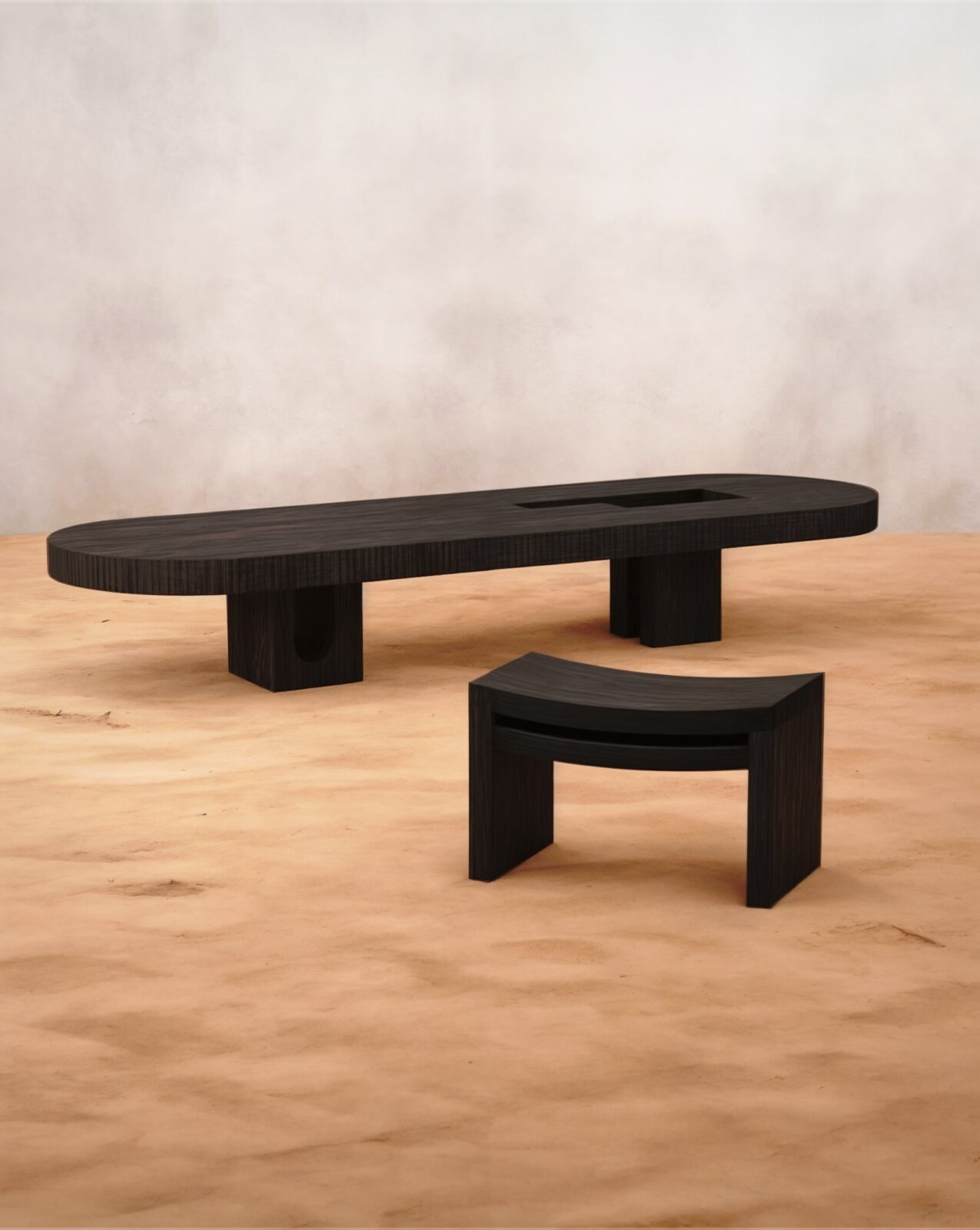
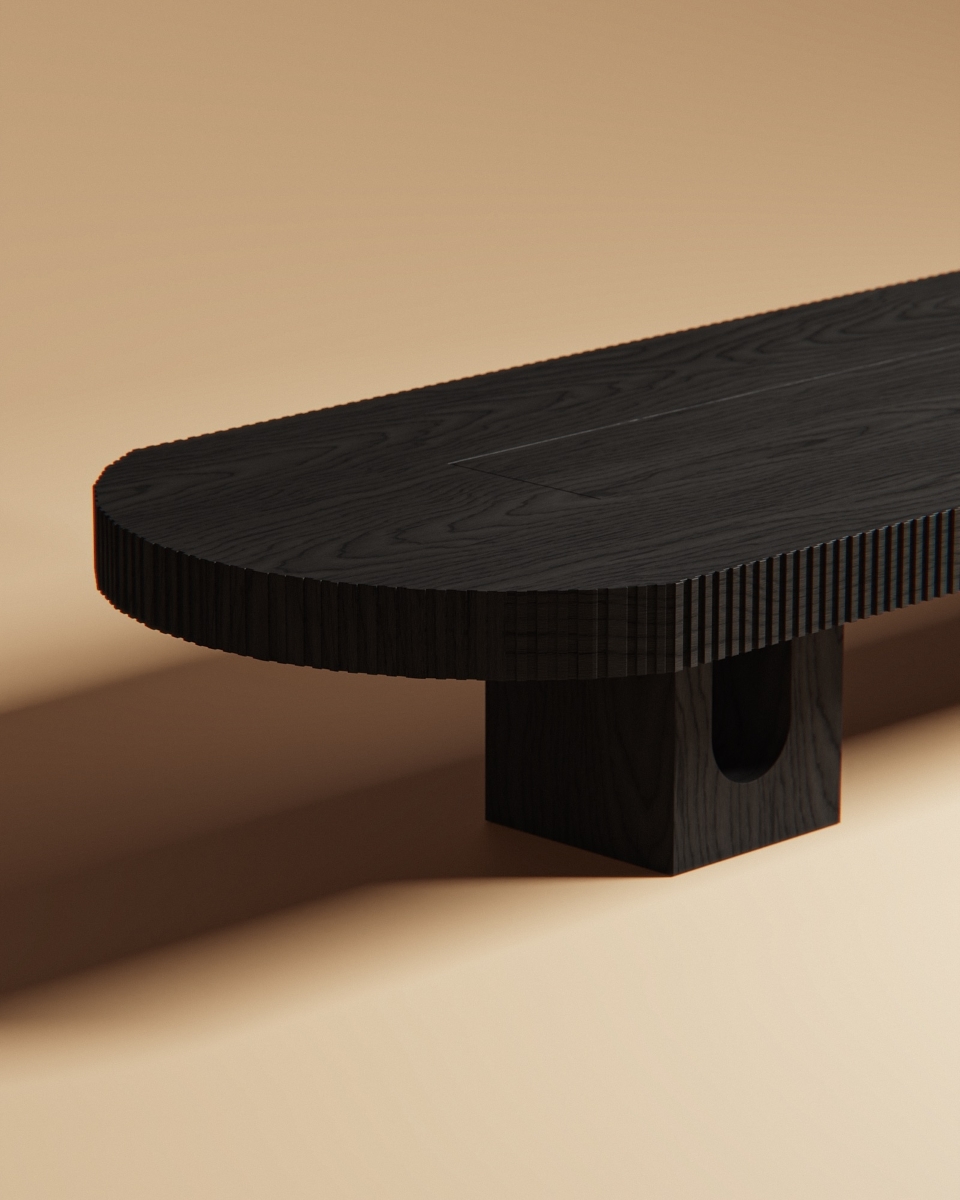
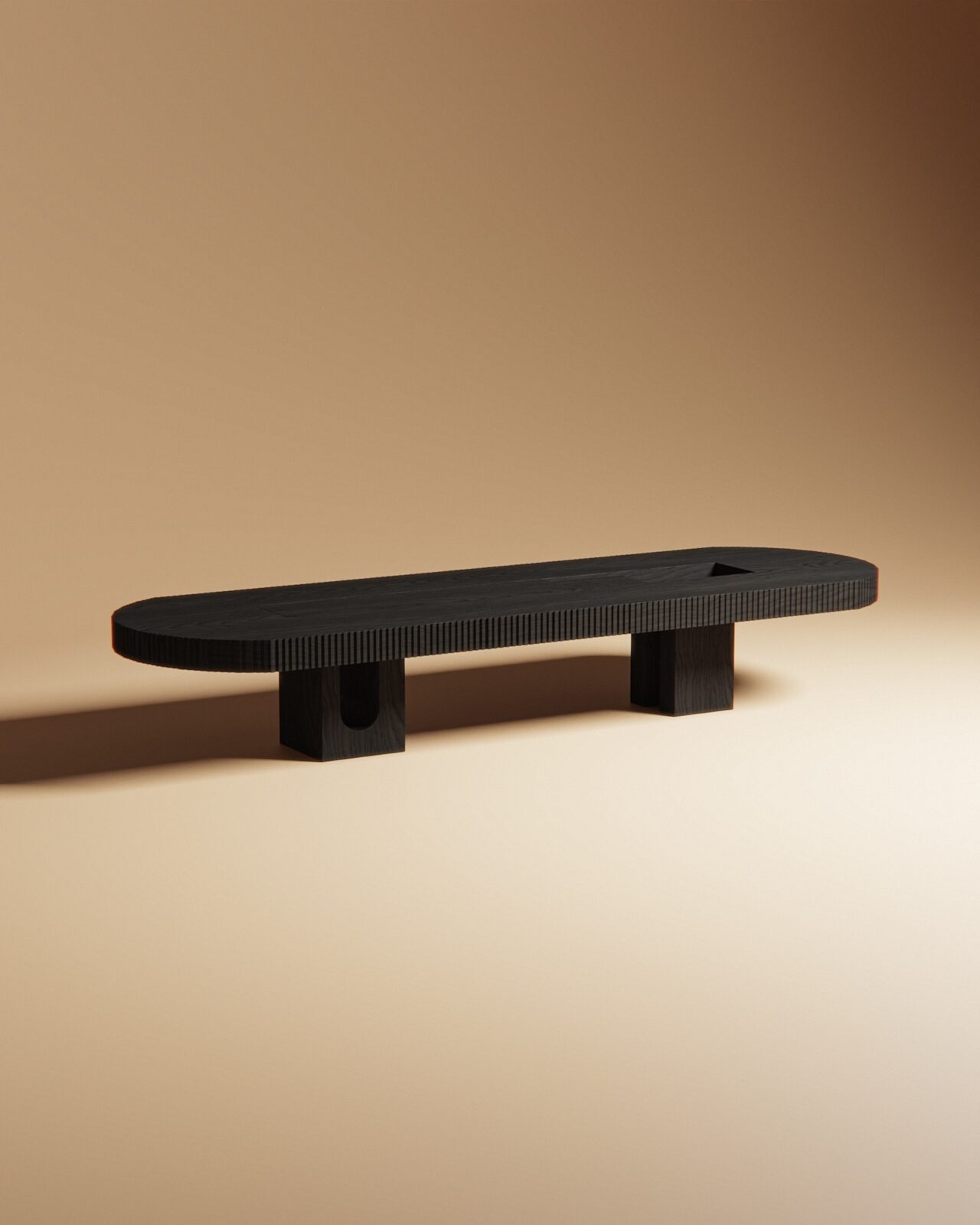
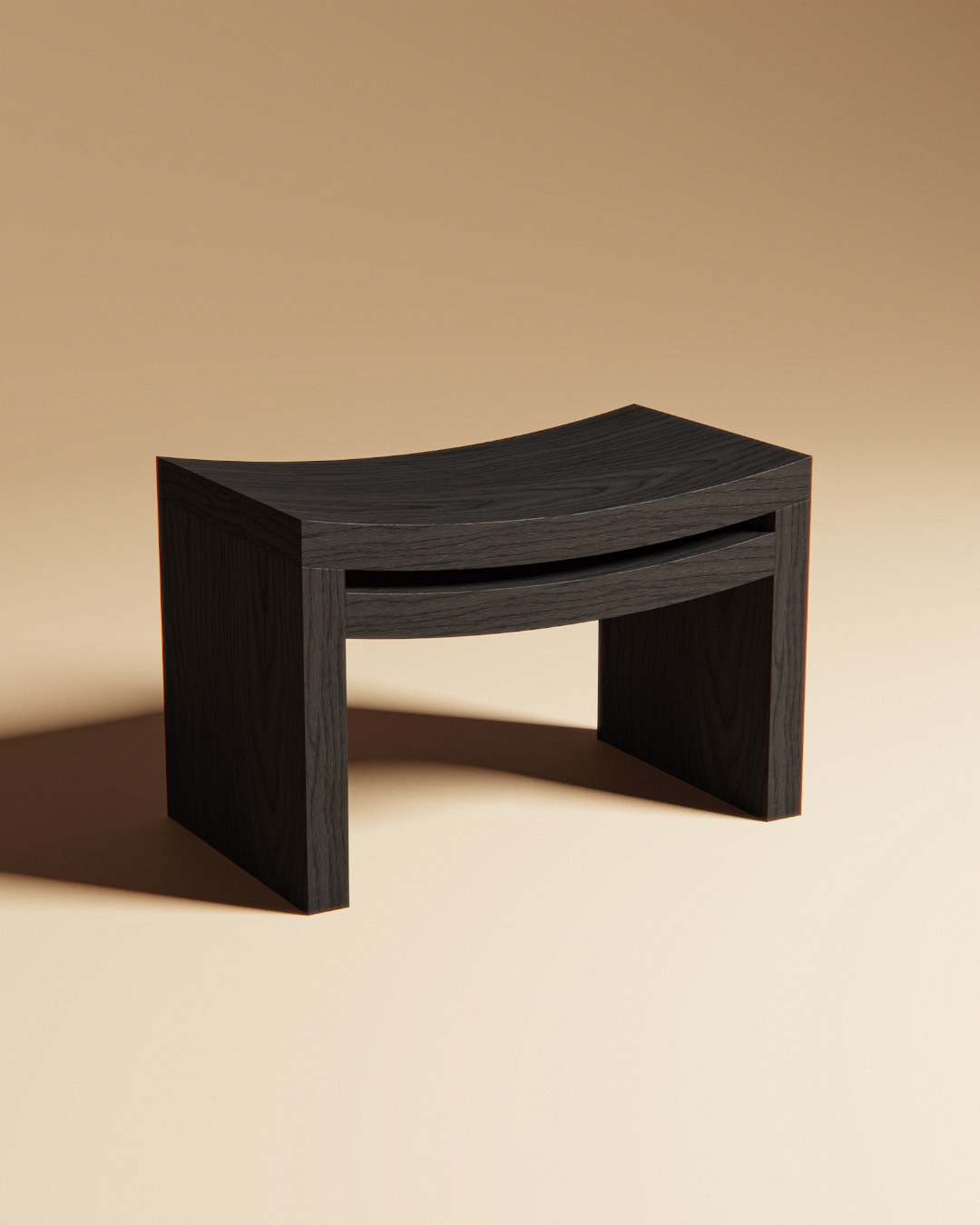
Rooted in cultural memory and shared community, Kabila Collection brings a touch of Africa into your home. By employing the visual vocabulary of African home courtyards, the collection turns community gatherings into a cohesive design principle. Centred on a sculptural coffee table and a symbolic stool, it explores individuality and collective identity through design.
Kabila Collection
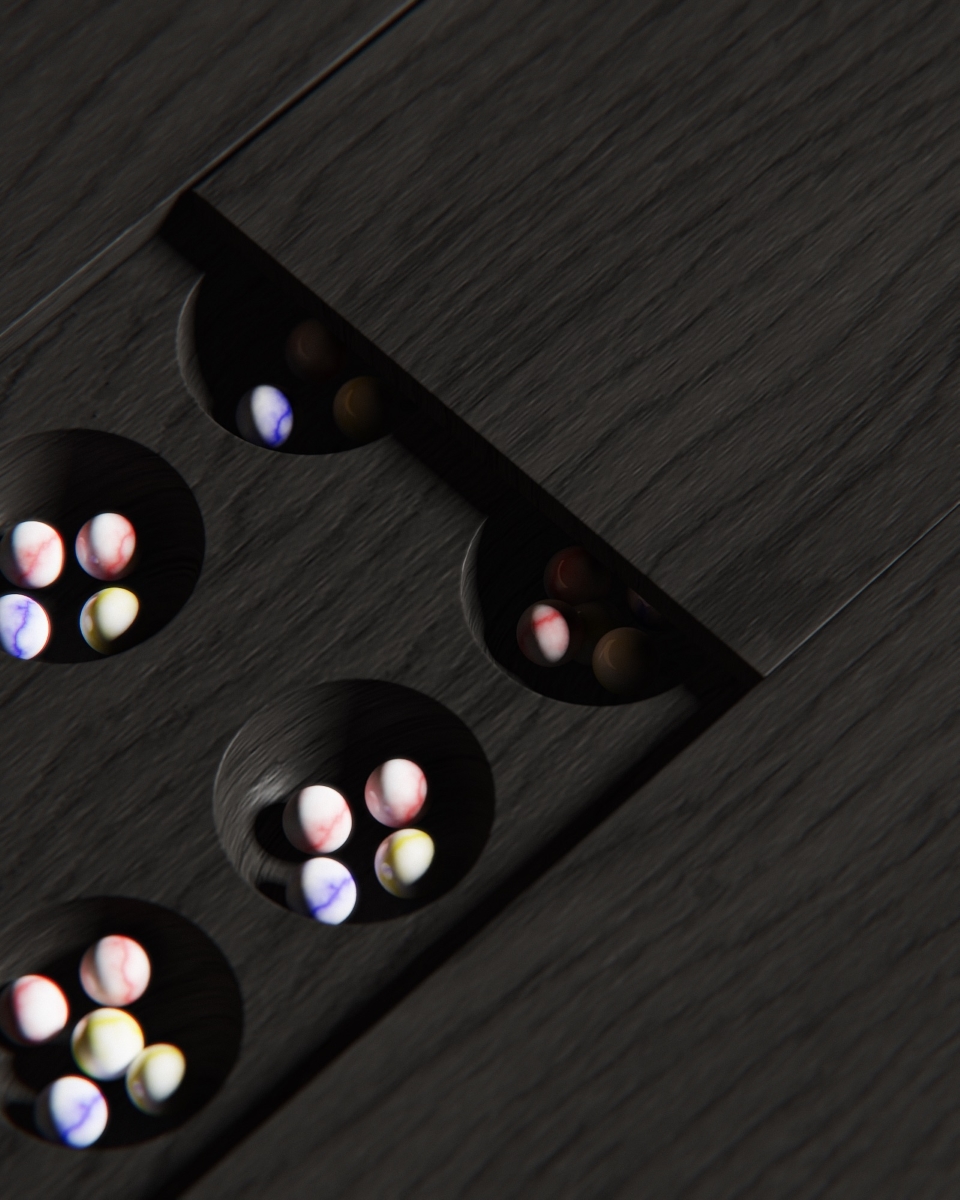
The name of the collection comes from the word kabila, meaning tribe or community. Courtyard, the social heart of the home, is depicted through the circular configuration of the collection. Grounded forms, tactile finishes, and solid volumes mirror ancient architecture through a contemporary lens. More than just a furniture set, Kabila challenges individualistic design by highlighting daily life that unfolds with others. Even just one seat bears the burden of conversation and shared company.
The hybrid production process
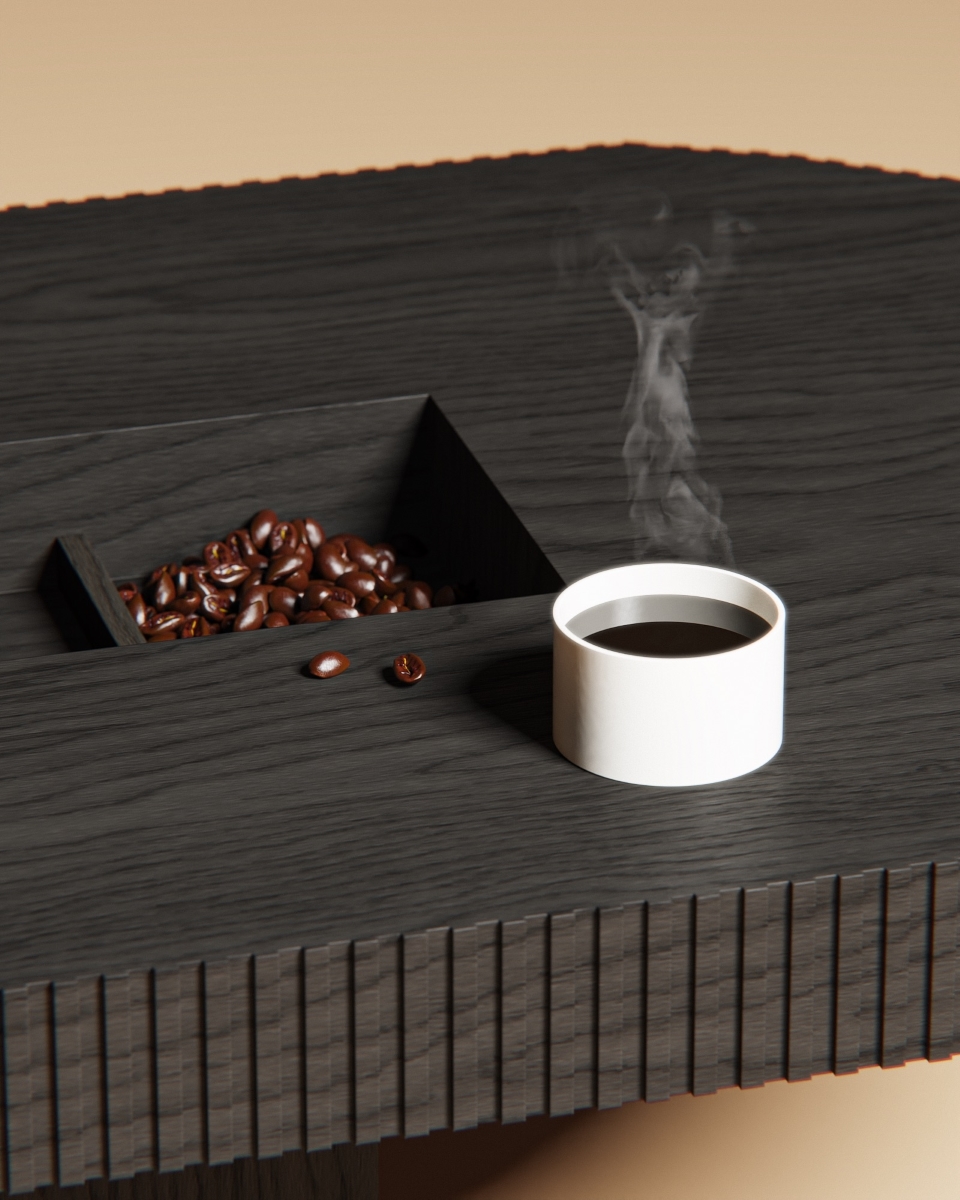
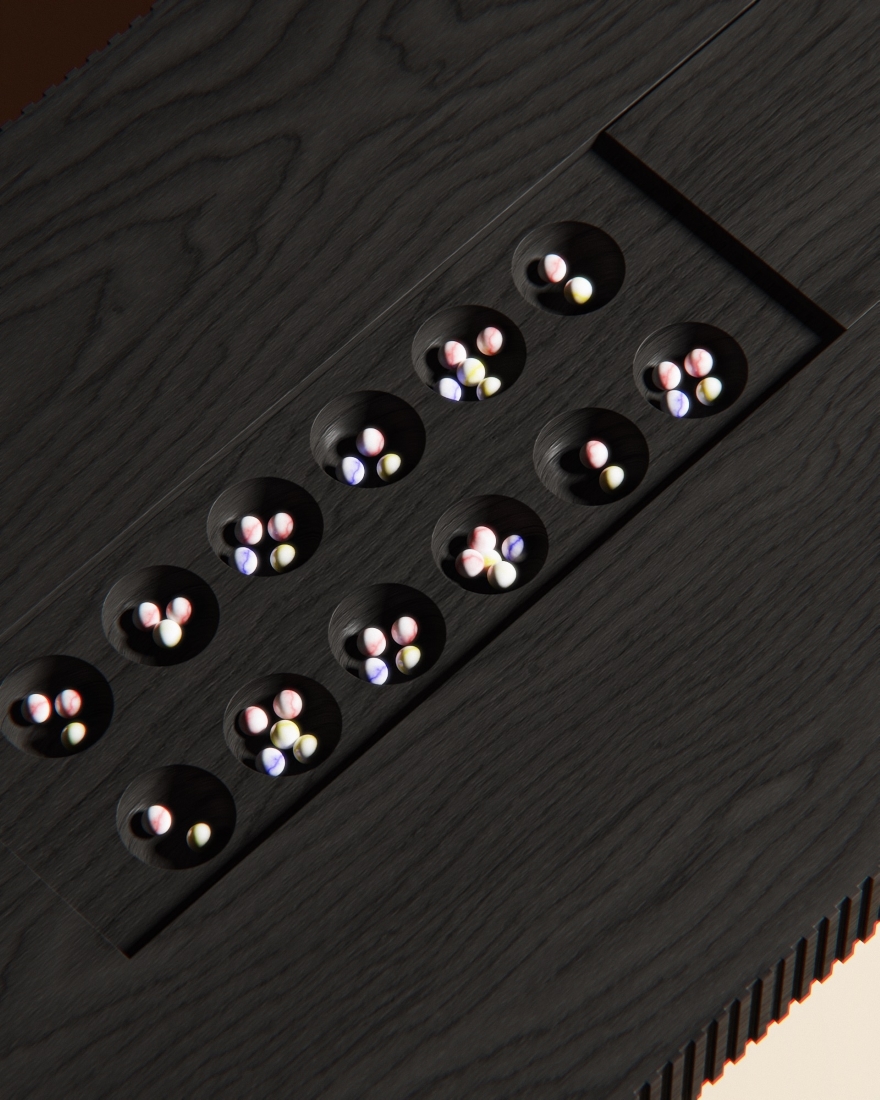
The production process starts with an architectural approach that is converted into a collectable design. Every piece is engineered by CNC (Computer Numerical Control) to ensure structural precision, after which it’s hand assembled and sculpted into its final monolithic shape, as if carved from a single block of wood. This hybrid method, encompassing both mechanical precision and exquisite craftsmanship, ensures that the pieces can be reproduced in series while maintaining the soul of handmade objects.
Outstanding stability and durability are achieved through the layering of high-density wood. Rounded edges are sanded by hand to soften the objects and boost their tactile quality. The sealing and matte finishing process is carried out in several stages. The process improved the longevity of the objects without compromising on tactility that evokes ancestral materiality.
Sustainability and local impacts
The collection is made of sapele wood, a durable and renewable material that minimises the environmental impact. Responsibly sourced from Nigeria, the wood was cut with a precise technique to optimise the material use, while offcuts are repurposed to underline the circular approach. The wood is treated with natural oils and low-VOC finishes that emit minimal Volatile Organic Compounds. Native to West Africa, sapele is symbolically connected to Nigerian roots, emphasising the geographical and emotional significance, while encouraging multigenerational use.
While sapele wood is sourced from Nigeria, the assembly and finishing were done in Italy by local artisans and small craft shops. The collection creates a meaningful local impact, preserving traditional woodworking skills and encouraging skill sharing and cross-cultural exchange.
AIDA Award Product Design of the Year
Kabila Collection by Terry Aidoo has won the AIDA Award in Product Designer of the Year 2026, People-Centric Design category. The Africa International Design Awards (AIDA Awards) honour forward-thinking creatives from Africa and abroad whose designs are rooted in the culture of the continent.
Kabila collection is not only visually distinctive but at the same time structurally clever, production-ready, and meticulously resolved in every detail. Balancing cultural narrative with technical precision, the project demonstrates how craftsmanship, innovation, and storytelling can coexist at the highest level of design.


