Header: MASS Design Group
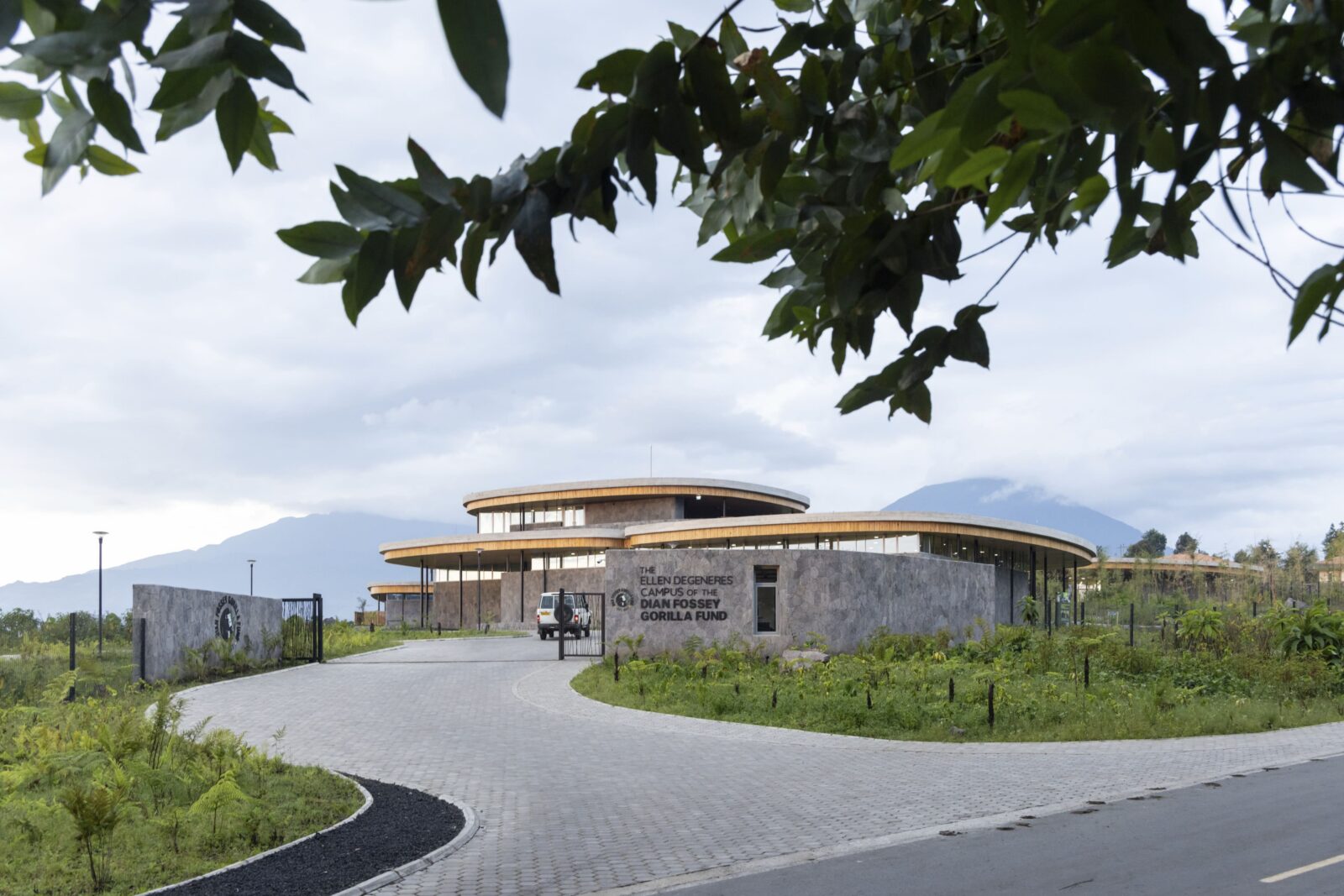
Since its opening in 2022, The Ellen DeGeneres Campus of the Dian Fossey Gorilla Fund in Rwanda’s Musanze District has established itself as an international benchmark for ecological architecture and wildlife protection. Developed by MASS Design Group and funded through a $15 million capital investment, the 12-acre facility anchors the region as a conservation hub dedicated to environmental preservation, scientific research, and public education. The multi-building facility exemplifies MASS Design Group’s “Purpose-Built” methodology, balancing mission goals, spatial design, capital infrastructure, and long-term feasibility. Constructed using local labour and regional materials, the campus features a reforested landscape, provides ongoing economic benefits to neighbouring communities, and delivers a modern facility for global conservation work.
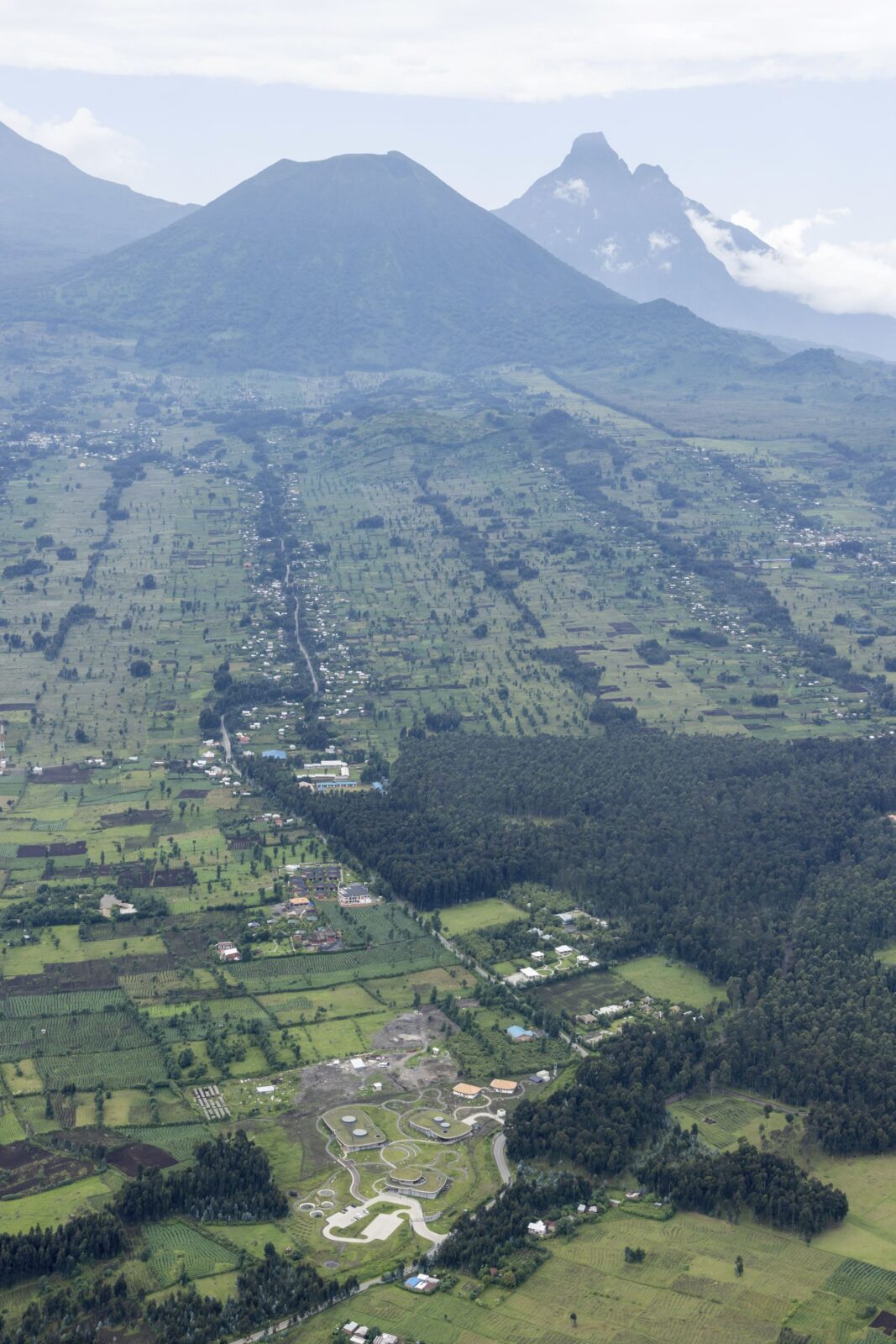
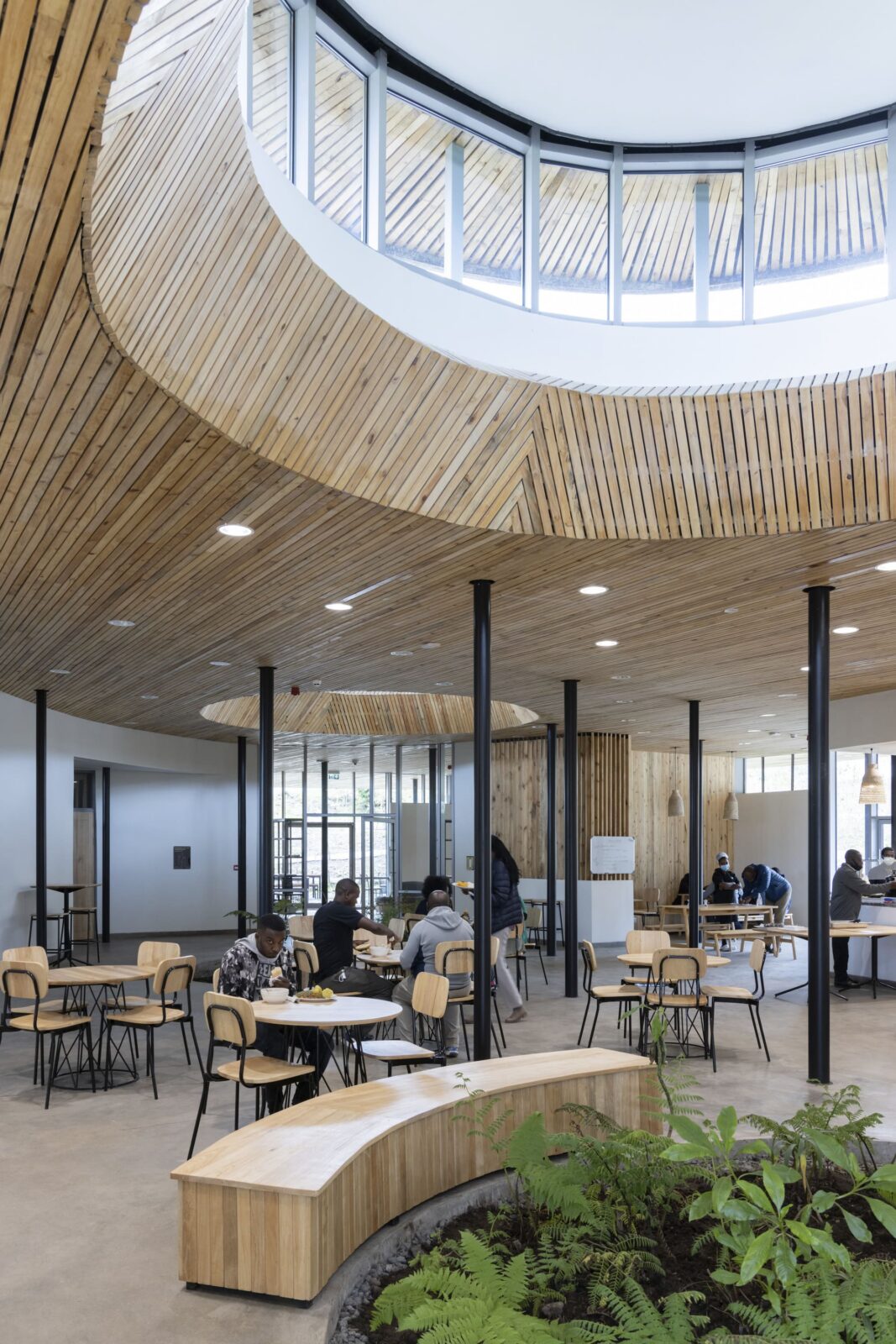
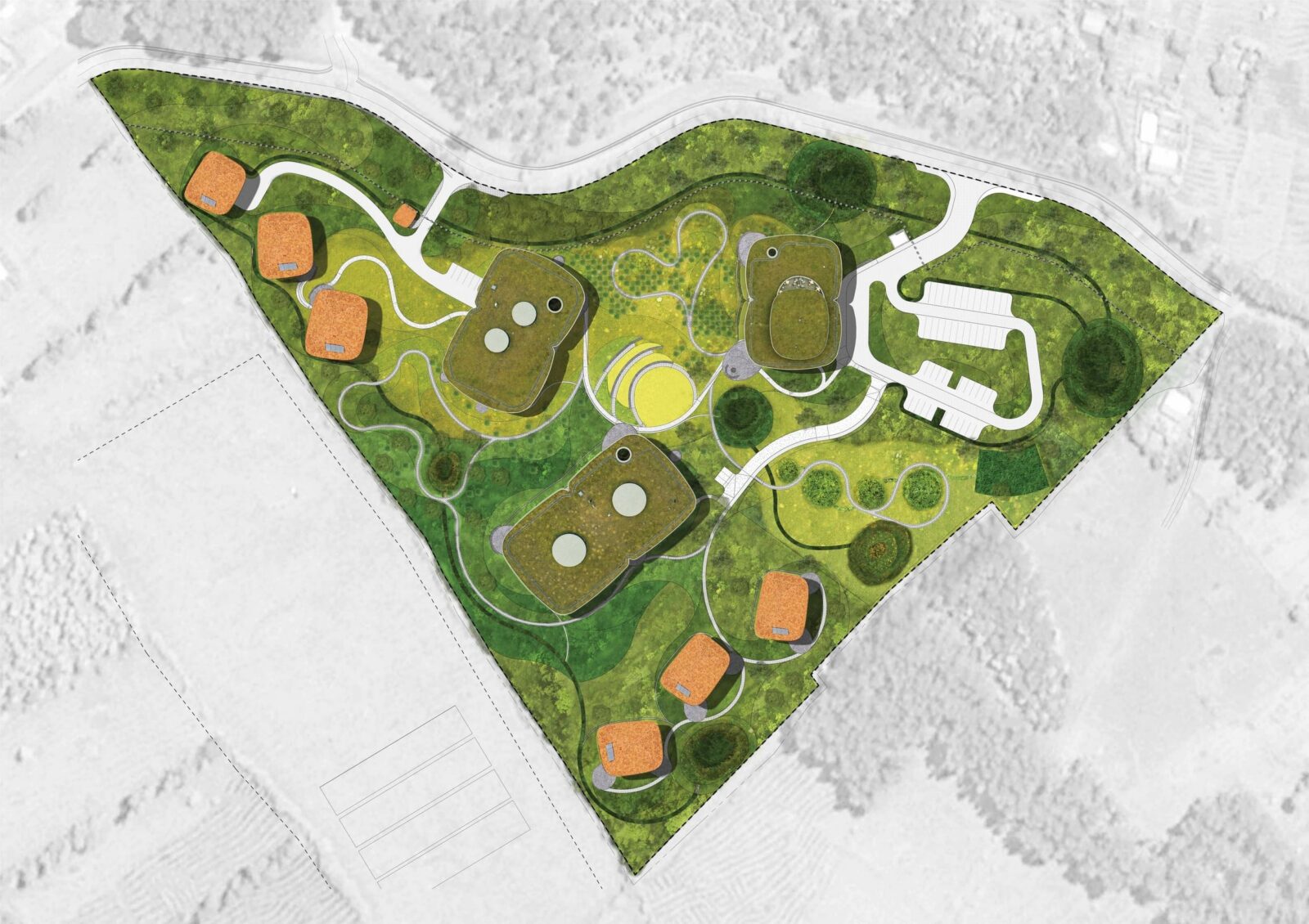
Positioned adjacent to Volcanoes National Park near the border of Rwanda and the Democratic Republic of the Congo, the campus comprises three primary structures: the Sandy and Harold Price Research Center, the Cindy Broder Conservation Gallery, and the Rob and Melani Walton Education Center, alongside dedicated housing for visiting scholars and students. The site, formerly cleared for agriculture, has been converted into a living laboratory featuring over 250,000 native plants, green roofs, rainwater harvesting systems, and a constructed wetland for natural wastewater treatment. The facility was named one of Africa’s 10 most anticipated architectural projects, featured on CBS’s 60 Minutes, and in Architectural Digest.
“From the outset, the mission of this project was focused on creating a space to engage the many stakeholders in conservation—students, scientists, tourists, conservation partners, community members—to advance our collective goal of saving gorillas and more broadly, the planet. The beauty of the campus elevates people’s thinking about conservation, helping them realize how important conservation is. This shift is not just important for the Fossey Fund, but for the region and the world.”
Dr. Tara Stoinski, the Fossey Fund’s President and Chief Scientific Officer
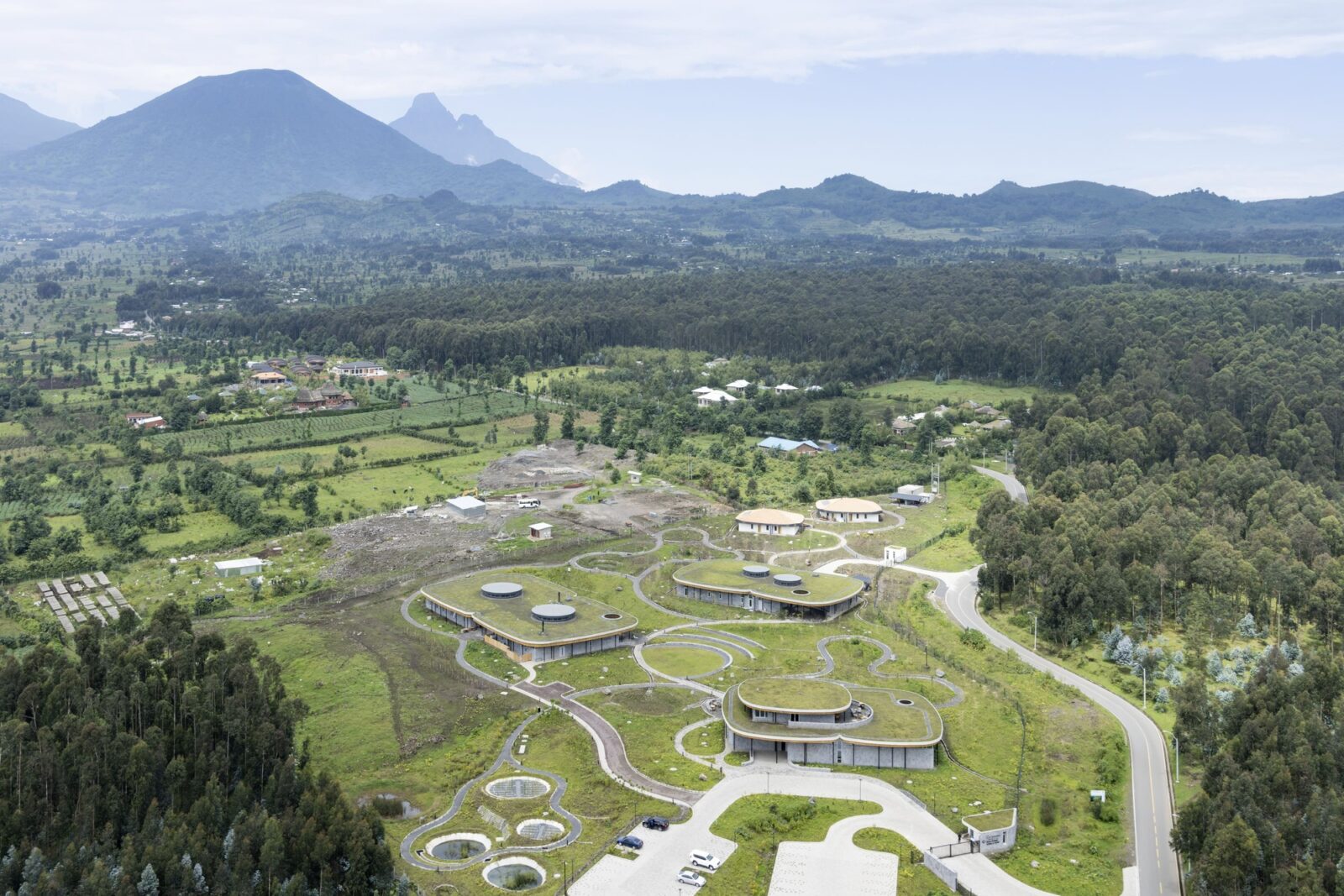
Partnership between MASS Design Group and the Fossey Fund spanned visioning, architectural and landscape planning, engineering, custom furniture production, exhibition design, and construction management. Marking the debut project for general contractor MASS.Build, the construction process employed over 2,400 Rwandan workers, representing 99 per cent of the total labour force.
Michael Murphy, Founding Principal and Executive Director of MASS Design Group, stated that the facility demonstrates how capital infrastructure can catalyse species protection. He emphasised that prioritising local labour, artisan fabrication, and habitat stewardship creates reciprocal benefits, establishing a new model for how global conservation projects integrate physical ecosystems with local communities.
Legacy of purpose-driven design
Founded by Dian Fossey, the Dian Fossey Gorilla Fund is the world’s longest-running organisation focused on gorilla conservation. Its operational model combines field research and daily protection with community programs focused on clean water, food security, educational access, and local livelihood development. Mountain gorilla numbers have risen from a low of 250 in the 1980s to over 600 individuals today, representing a significant conservation success.
Collaboration between MASS Design Group and the Fossey Fund began in 2015. Under the guidance of MASS Principal Patricia Gruits, the team applied the firm’s “Purpose-Built” process – a strategic framework that evaluates how spatial design can drive systemic organisational change and aligns capital facilities directly with core mission objectives via early feasibility assessments. This methodology helped the Fossey Fund articulate its spatial priorities around turning wildlife engagement into lifelong conservation activism. When Ellen DeGeneres and her wife, Portia de Rossi, launched The Ellen Fund to safeguard endangered wildlife, they named the Dian Fossey Gorilla Fund as their inaugural grant recipient. This crucial financial commitment allowed the organisation to proceed with constructing a permanent Rwandan base, giving immediate momentum to its scientific research and regional conservation efforts.
Spaces for research and regional education
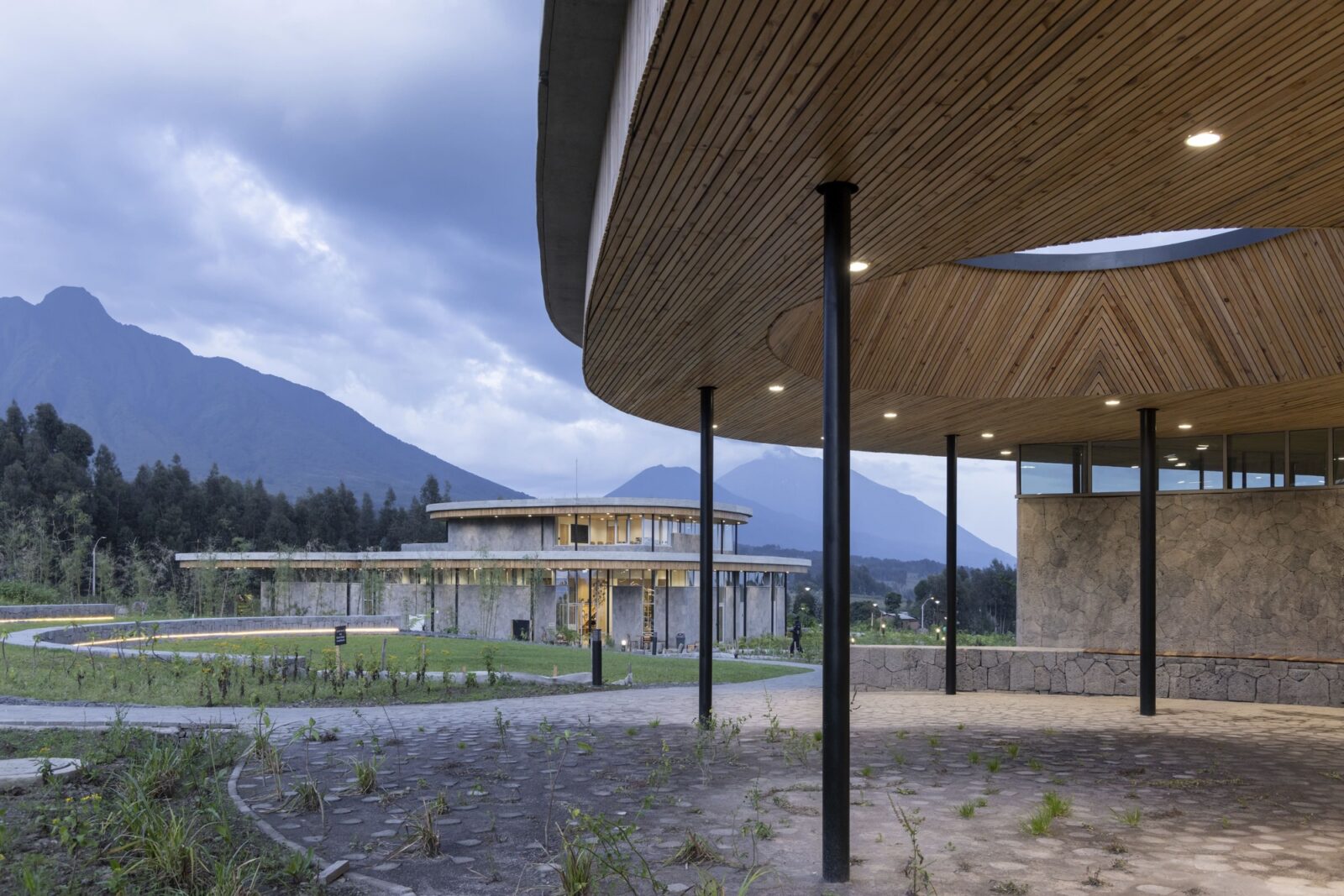
The Fossey Fund serves as a primary training organisation for early-career African scientists, directly addressing historical imbalances in wildlife research publication. The campus welcomes hundreds of university students and thousands of primary and secondary school pupils each year. The Sandy and Harold Price Research Center expands existing laboratory space fivefold, supporting advanced study in wildlife health and forest ecology. Complementing this, the Rob and Melani Walton Education Center houses modern classrooms, a computer laboratory, and a research library, while student housing accommodates up to 30 resident scholars.
“The Ellen Campus represents a huge expansion of our teaching and laboratory spaces, enabling us to not just increase but transform our programs to study gorillas and their critical forest habitat and bring educational opportunities to early-career African scientists and members of the local community.”
Felix Ndagijimana, the Fossey Fund’s Director of Rwanda programs
Ecotourism and interactive media
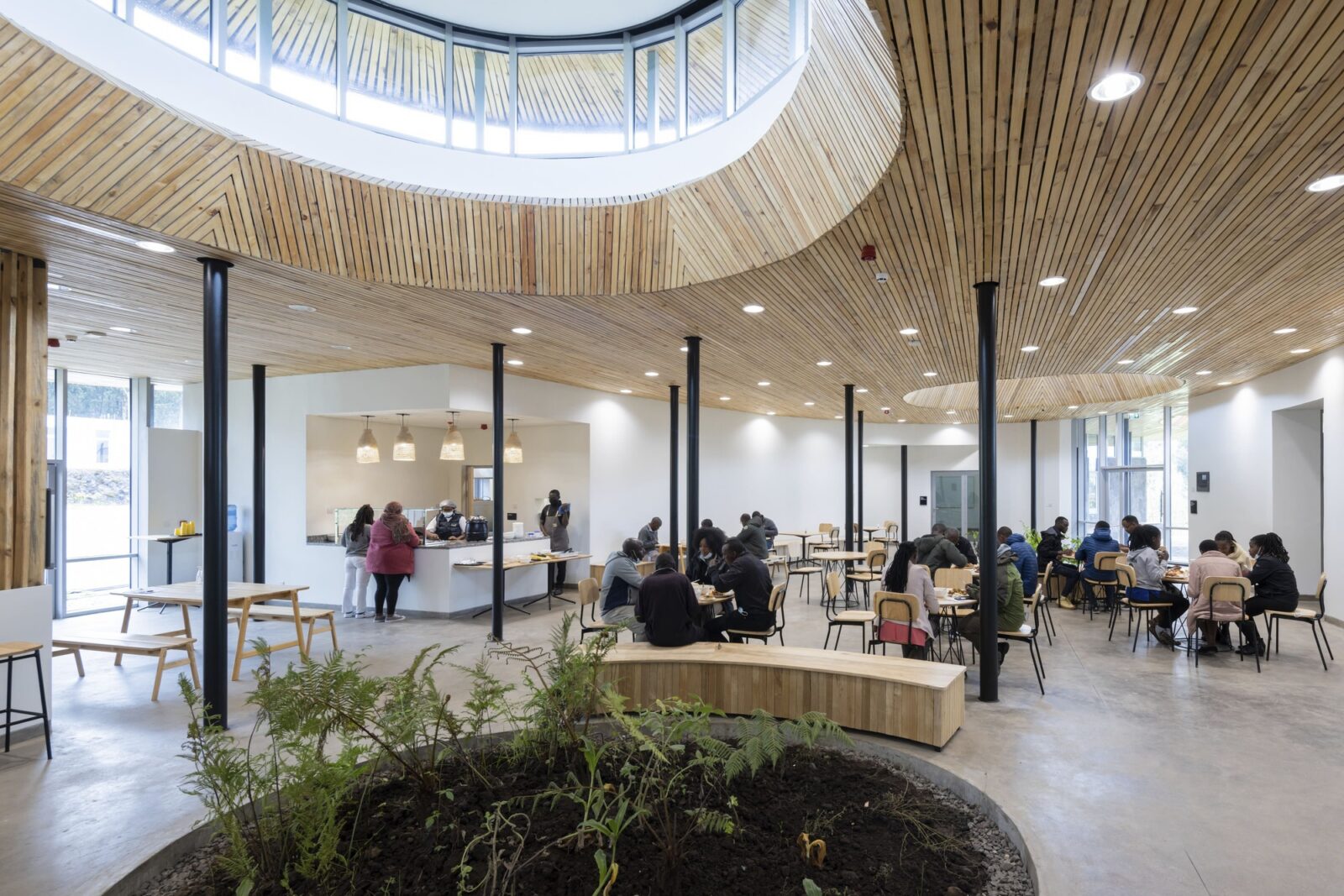
Ecotourism centred on mountain gorillas generates vital revenue for national park maintenance and local community sharing schemes. To enhance the experience for international visitors, the campus features the Cindy Broder Conservation Gallery at its entrance. Designed jointly by the Fossey Fund and MASS, the gallery presents the historical evolution of gorilla protection through original artefacts from Fossey’s field research alongside augmented reality exhibits and a 360-degree immersive theatre supported by actor Leonardo DiCaprio. The facility also contains a VIP conference suite and a second-story observation deck overlooking the surrounding volcanic terrain.
Material selection and regenerative landscapes
The spatial arrangement draws visual inspiration from Dian Fossey’s original field tent set up at the Karisoke Research Center over 50 years ago. Green roofs blend into the topography, while connected footpaths and outdoor patios encourage movement between internal spaces and the surrounding landscape. Gathering areas of varying scales replicate the campfire setups of early field camps, maximising cross-ventilation, natural daylight, and social interaction among researchers, students, and guests.
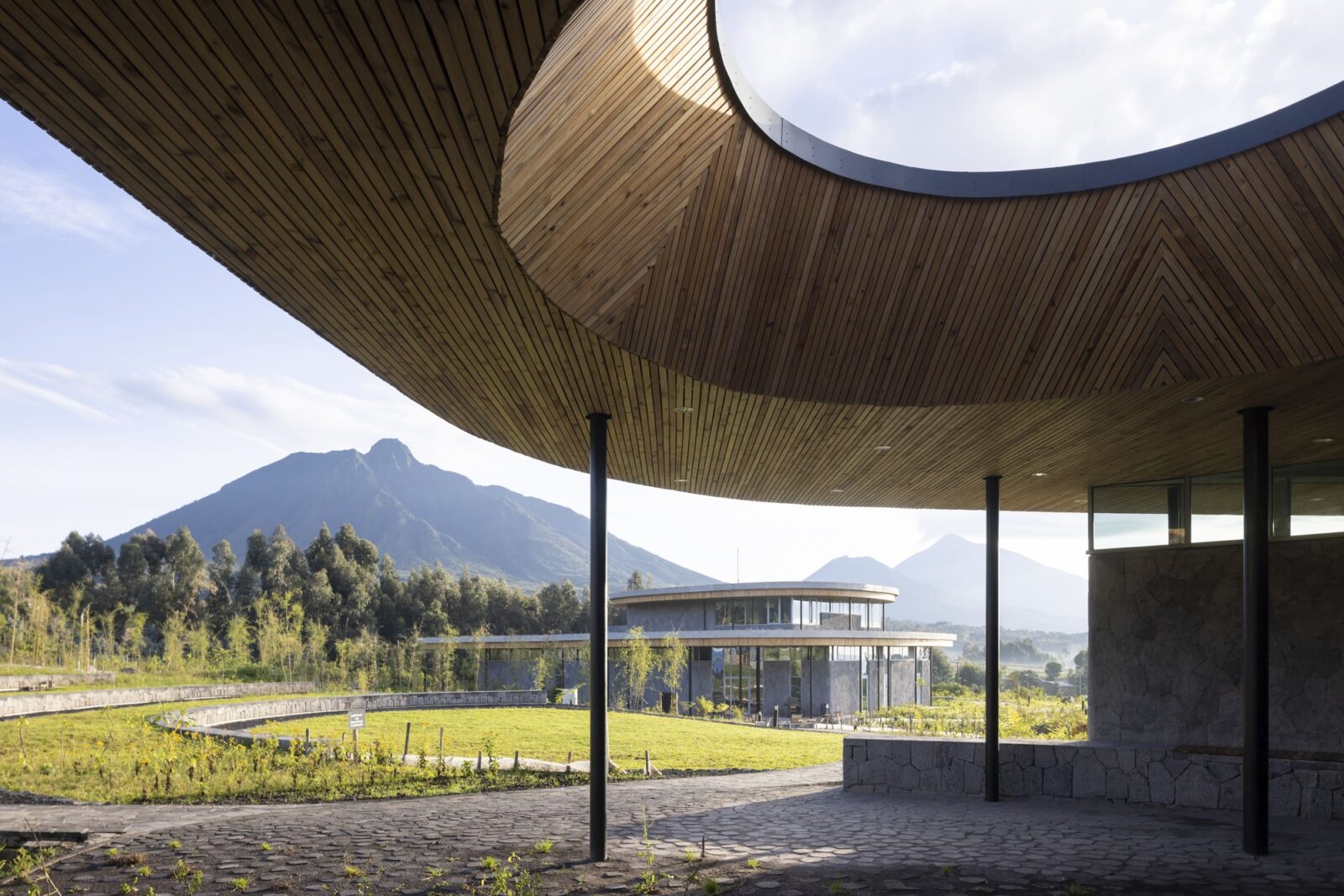
In collaboration with environmental engineering firm Transsolar, MASS specified local building materials to limit environmental impact. Structures feature thick volcanic stone walls topped by green roofs, separated by continuous glass clerestory windows. Volcanic rocks excavated during foundation work were processed into wall grout and path gravel, while exterior cladding features local volcanic stone alongside regionally sourced pinewood soffits and ceilings. Student housing utilises local clay roof tiles, whereas the main campus roofs feature native plant species that absorb carbon, foster biodiversity, and support ecological research into pollination.
Landscape architecture firms TEN x TEN and MASS designed a regenerative master plan that replaces former agricultural land with four distinct forest ecologies native to gorilla habitats: mixed forest, bamboo, hagenia forest, and meadow. Over 250,000 propagated native plants form a living reforestation test site aimed at informing future national park expansion efforts.
Engineered water systems and trail networks
Water management features rainwater collection systems off building roofs for non-potable uses such as toilet flushing. Blackwater is processed through a gravity-fed constructed wetland comprising a series of filtration ponds situated below the conservation gallery, marking the first infrastructure system of its kind in Rwanda.
Educational trails designed in partnership with the Cleveland Metropark Zoo guide visitors through the site. The Gorilla Trail simulates the daily movement of mountain gorillas, the Biodiversity Trail showcases regional plant zones, and a dedicated wetlands trail demonstrates the natural wastewater treatment process.
“Our partnership with the Fossey Fund has aligned around sustainability goals from the very beginning of the design and construction process. We’ve learned from each other’s perspectives on conservation and engagement, resulting in a beautiful campus design in support of the local community and sustainability of our ecosystem.”
Theophile Uwayezu, MASS Design Director
Structural solutions for volcanic seismic zones
Situated near the Virunga Mountains along the Great Rift Valley, the site experiences high seismic activity. MASS’s Rwanda-based engineering team designed structural concrete cores capable of absorbing seismic forces, while repurposed site-excavated volcanic rock reduced raw material extraction and construction waste.
Local labour and artisan fabrication
Project management via MASS.Build allowed the team to track social, environmental, and economic metrics across the build cycle. Construction generated work for more than 2,400 people, with women accounting for 23 per cent of the workforce. To support skill acquisition, MASS.Build collaborated with the German Corporation for International Cooperation (GIZ) and Musanze’s Integrated Polytechnic Regional College (IPRC) to certify over 500 workers in masonry, carpentry, steel-fixing, electrical systems, green roof installation, plumbing, and occupational safety.
Interior furnishings were designed by MASS.Made and produced locally by Rwandan artisan cooperatives. More than 1,600 bespoke items, including tables, seating, shelving, lighting, and textiles, were fabricated using regional timber and materials. Design details reference historical Fossey Fund data, such as custom batik throw pillows printed with unique gorilla nose-print patterns drawn from the exhibition archives.
“This project is a tribute to the generative partnership we have with the Fossey Fund, and our shared commitment to making an impact not just on our respective organizations, but also in the local community. In addition to the employment opportunities created while building the campus, profits earned from its operations will be invested back into the community.”
Emily Goldenberg, MASS Project Director for the Fossey Fund Campus
Project info
Client: The Dian Fossey Gorilla Fund
Architect: MASS Design Group
Landscape Architect: TEN x TEN Studio, MASS Design Group
Civil Engineers: MASS Design Group, Oak Consulting Group
Structural Engineer: MASS Design Group
M&P Engineers: MASS Design Group
Electrical Engineers: BuroHappold Engineering
Environmental Engineering: Transsolar
Construction: MASS.Build, MASS Design Group
Constructed Wetland Consultants: Sherwood Design Engineers, Jacques Nsengiyumva
Furniture Design & Fabrication: MASS.Made, MASS Design Group
Exhibit & Wayfinding Design: MASS Design Group
Exhibit Fabrication: Formula D Interactive
Immersive Theater: HabitatXR
ICT & Security: Techno Engineering Company
Wayfinding & Signage: MASS Design Group
Media: MASS Design Group