



Header: Stackabl
The commercial interior design world is gathering at The Mart in Chicago from 8 to 10 June for NeoCon 2026. Among the highlights this year is a dedicated lighting exhibition called Illuminate, where design studio Stackabl is setting up camp at booth 7-1030. Co-founders Jeff Forrest and James Munroe are using the platform to expand their business beyond floor lamps and pendants, introducing two new product lines that turn regional manufacturing waste into high-performance architectural fixtures.
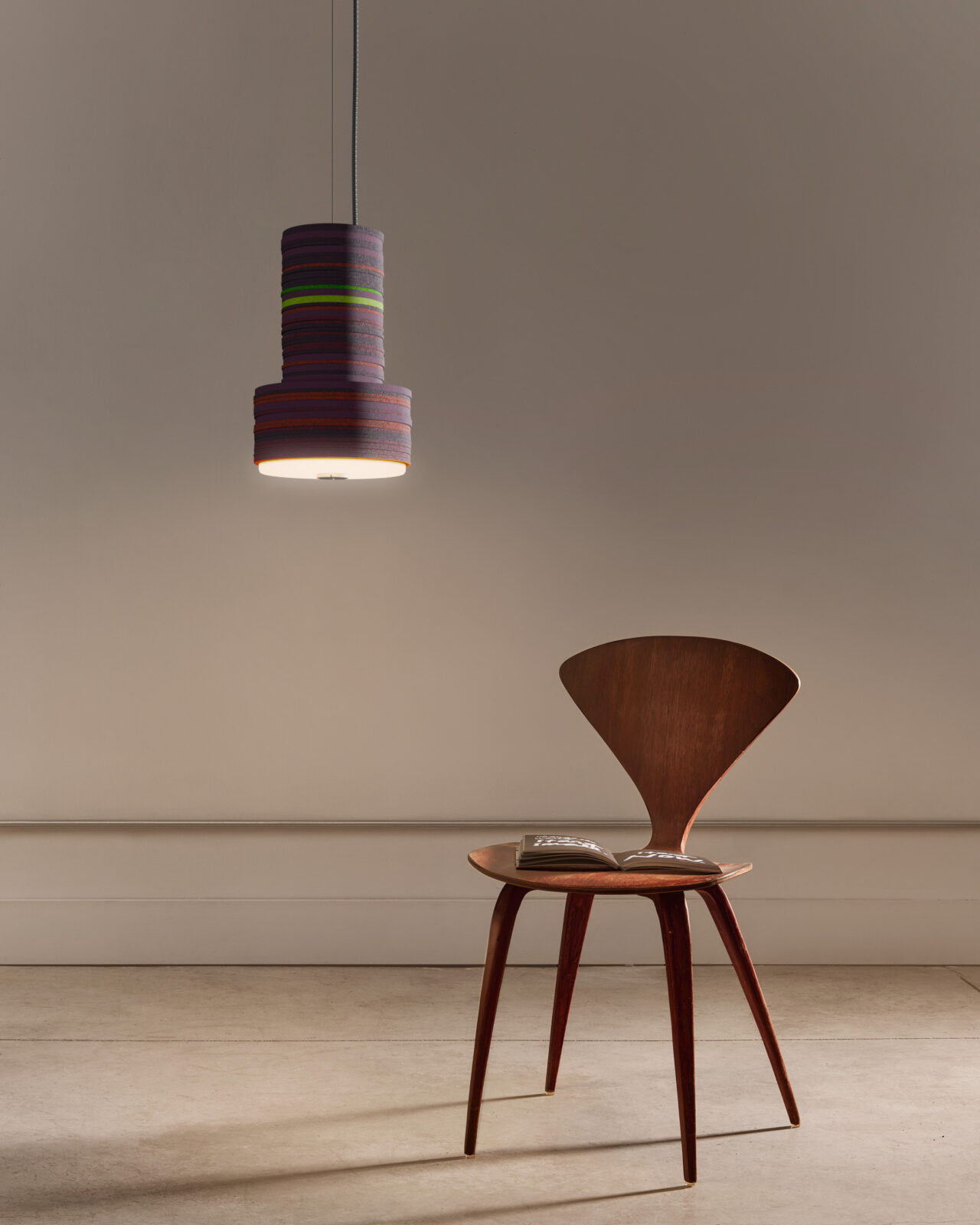
The Form 58 modular downlight
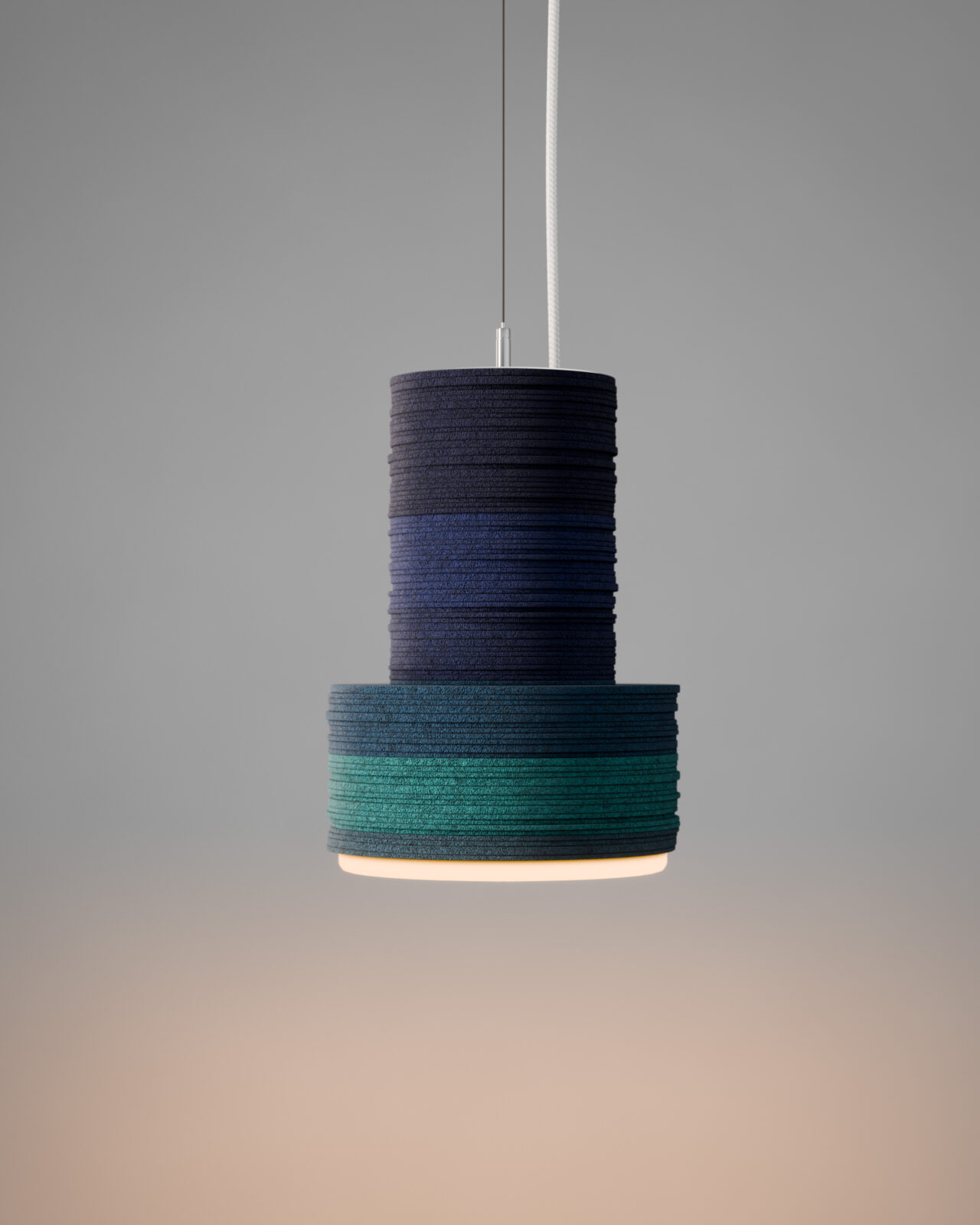
The first new addition is a modular downlight that fits directly into the brand’s existing Form 58 collection. To make this work, the design team developed a special light disc that mounts to the underside of the fixture. This setup gives you a focused beam of light while letting the surrounding structure do its job of absorbing sound.
True to the brand’s circular approach to sourcing, the downlight is built from post-consumer aluminium, upcycled PET plastic, and leftovers of Merino wool felt collected from local factories. It comes in both standard and high-output setups, offers several options for light warmth (colour temperature), and includes touch-dimming. Designers can pick from the brand’s pre-set colour groups named Zany, Cute, and Interesting, or request entirely custom colours to match a specific room.
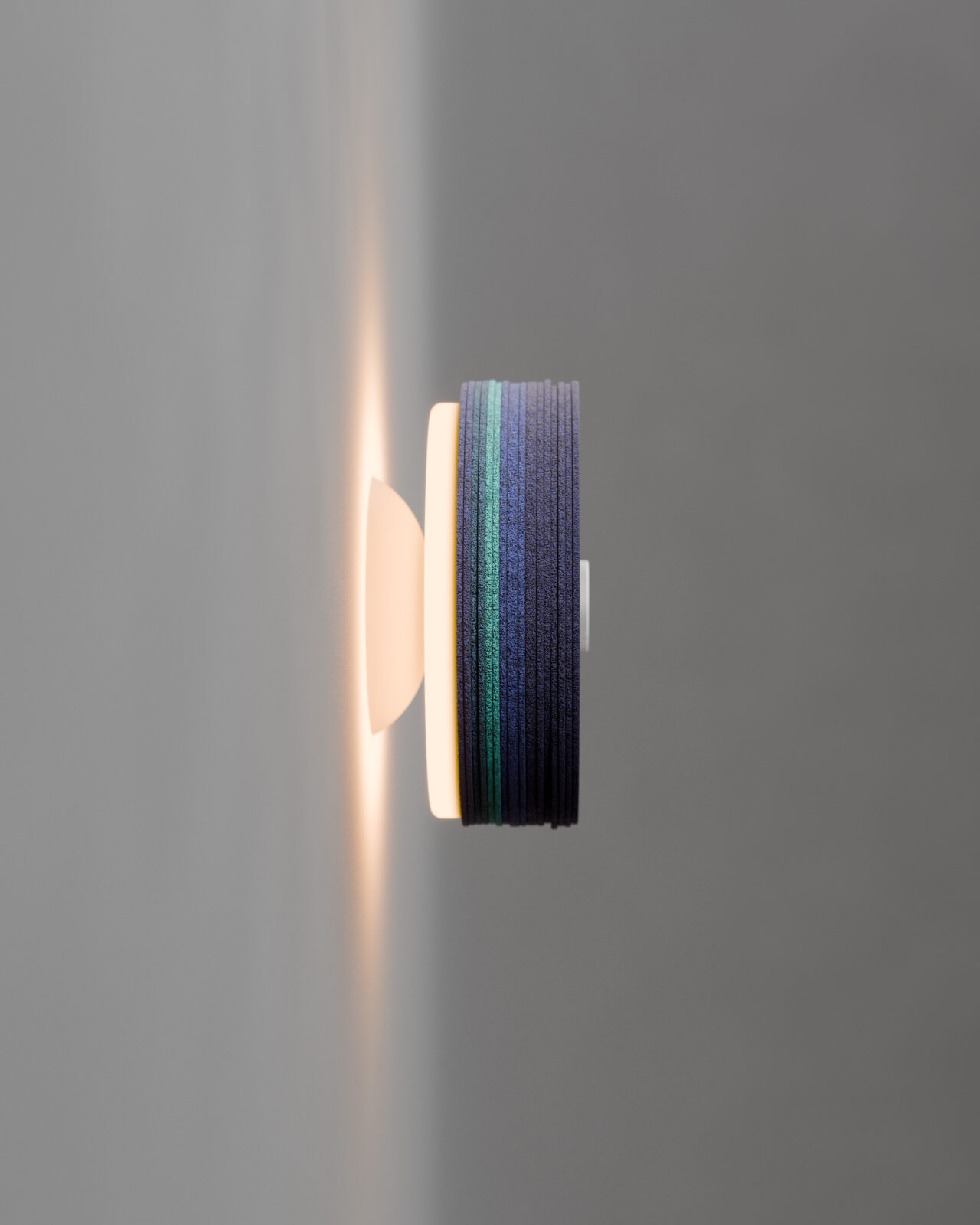
Compact wall sconces for quiet spaces
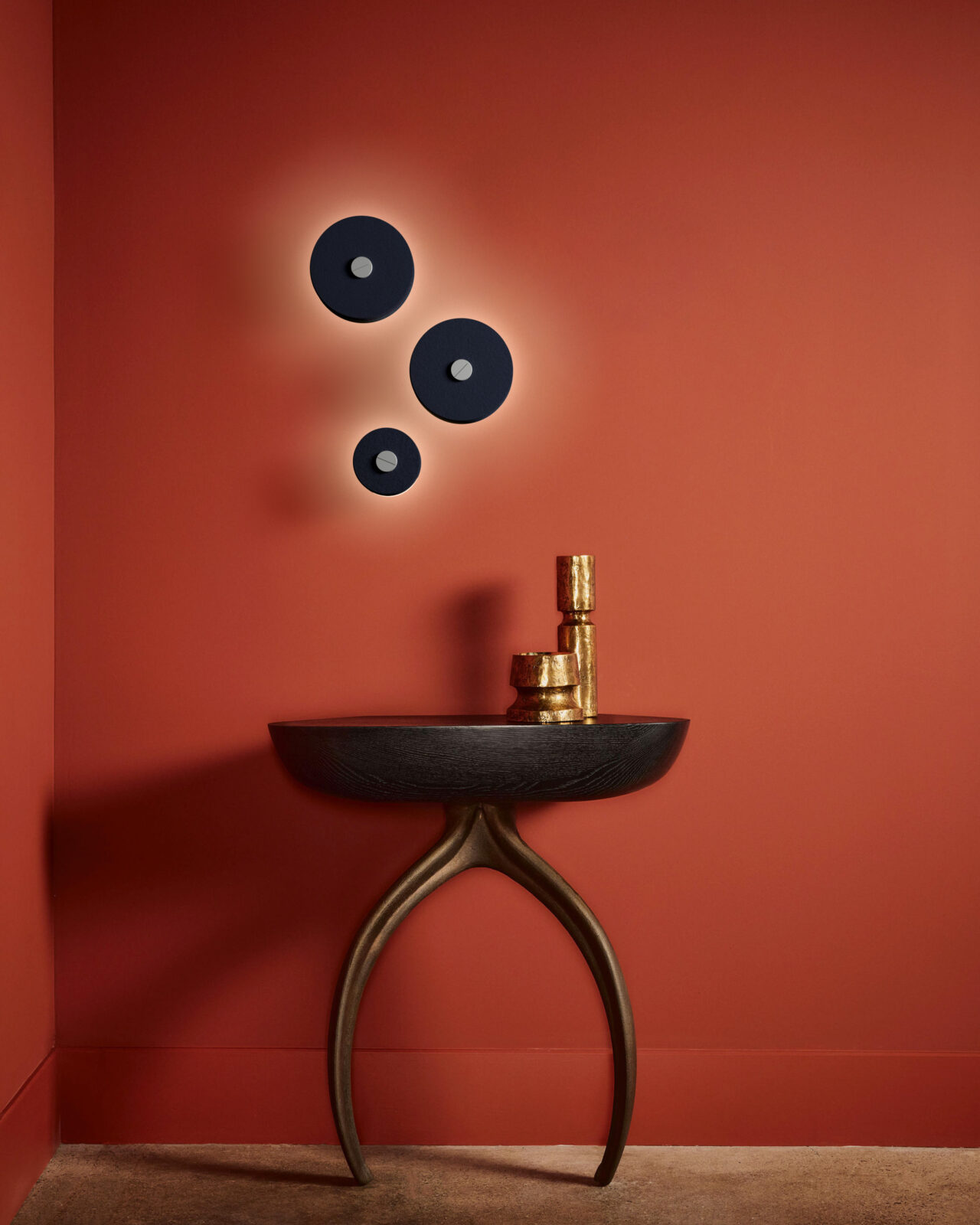
The second launch takes these exact same materials and turns them sideways. The new Form 5 and Form 8 wall sconces bring acoustic dampening and illumination together in a slim, vertical format. Available in five-inch and eight-inch diameters, these fixtures sit flat against the wall to meet American disability access (ADA) rules, making them highly practical for busy hotel corridors or office walkways.
Inside the felt-and-aluminium frame, a dimmable LED light shines backwards against the wall. This creates a soft halo effect that washes the wall in light, adding to the mood of a room while the thick layers of wool and PET help quieten down echo and chatter. Like the downlights, these can be ordered in standard colourways or tailored with bespoke materials.
A factory-to-fixture process
Based in Toronto, the studio works by plugging directly into regional manufacturing supply chains to intercept waste streams. Using a custom computer program, they map out how to cut and stack irregular textile offcuts, industrial remnants, stone pieces, and cork. This data-driven process allows them to turn out highly refined, customisable contract furniture and lighting without creating fresh landfill.
What makes these pieces stand out is how they change our view of factory rubbish. Instead of treating sustainability like a chore or a marketing slogan, the studio shows that leftover felt and scrap metal are perfectly good raw materials waiting for the right software to sort them out. By making recycling look this clean and functional, they prove that the future of interior design does not need to rely on digging up anything new.

