



Photo credit: Fredericia
Triennale Milano, a museum of art and design, will present Fredericia: A Chronicle of Danish Design, an exhibition of work by a family-owned business that’s considered a formative force in reshaping Danish modernism. Original works and rarely seen vintage pieces will be accompanied by never-before-seen archival materials, all exhibited in a set of immersive environments.
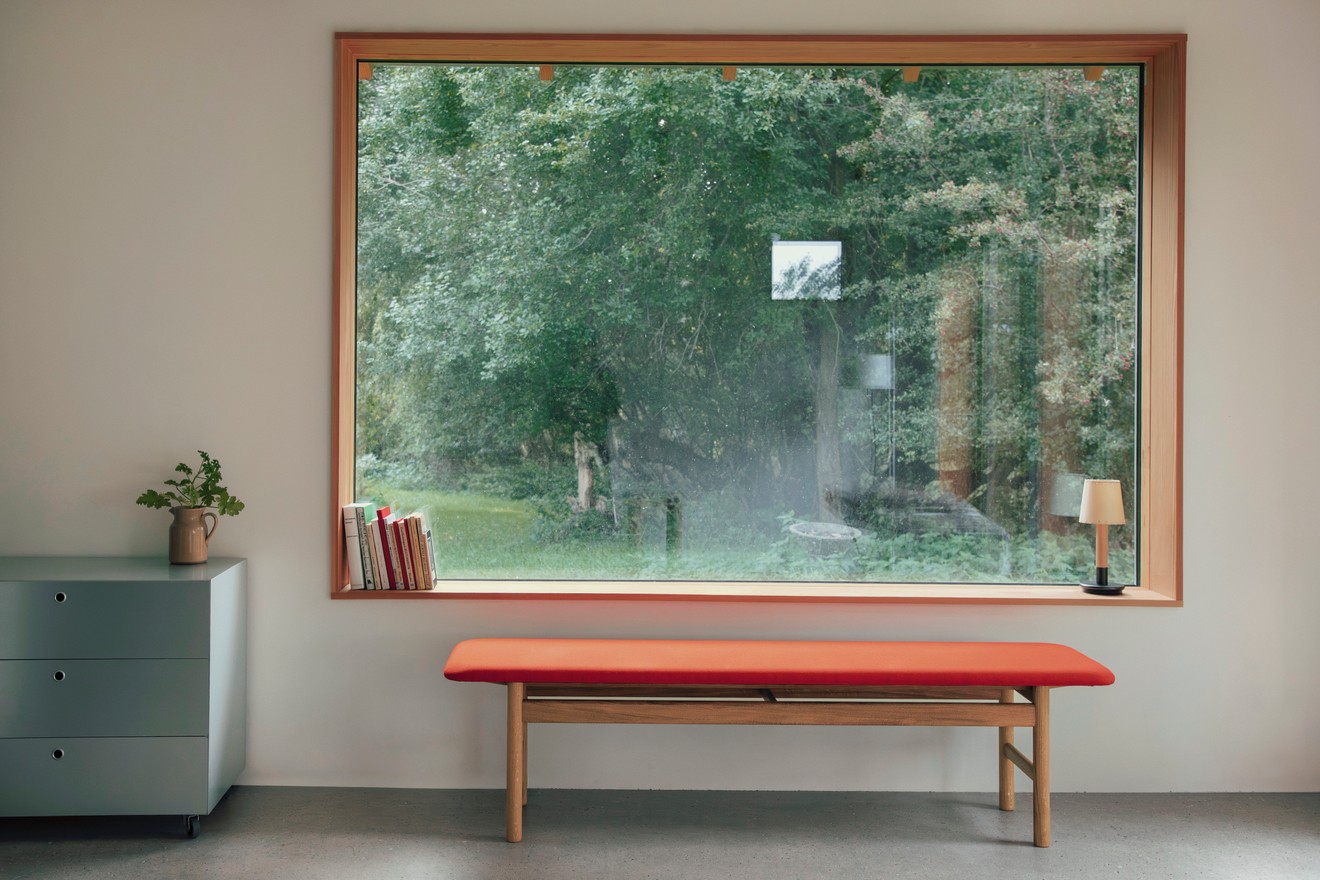
The history of Danish design
The 20th century was an important time for Danish design. Shaped as a distinctive cultural movement, it was rooted in democratic ideals, functional beauty, and belief in a social and user-centric function of furniture. More than just a furniture manufacturer, one of Denmark’s oldest design houses, founded in 1911, provides a valuable insight into this era. By positioning Fredericia as a central figure in Danish design culture, the exhibition showcases how spaces, experiences, and daily life can be shaped by a skilful combination of tradition, innovation, and social values.
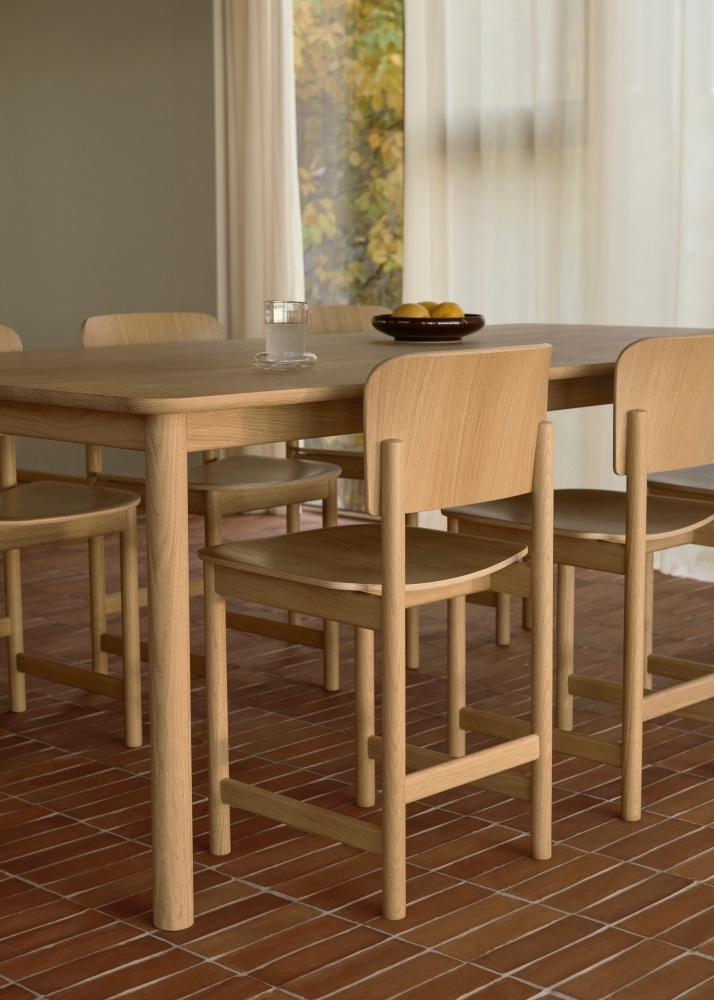
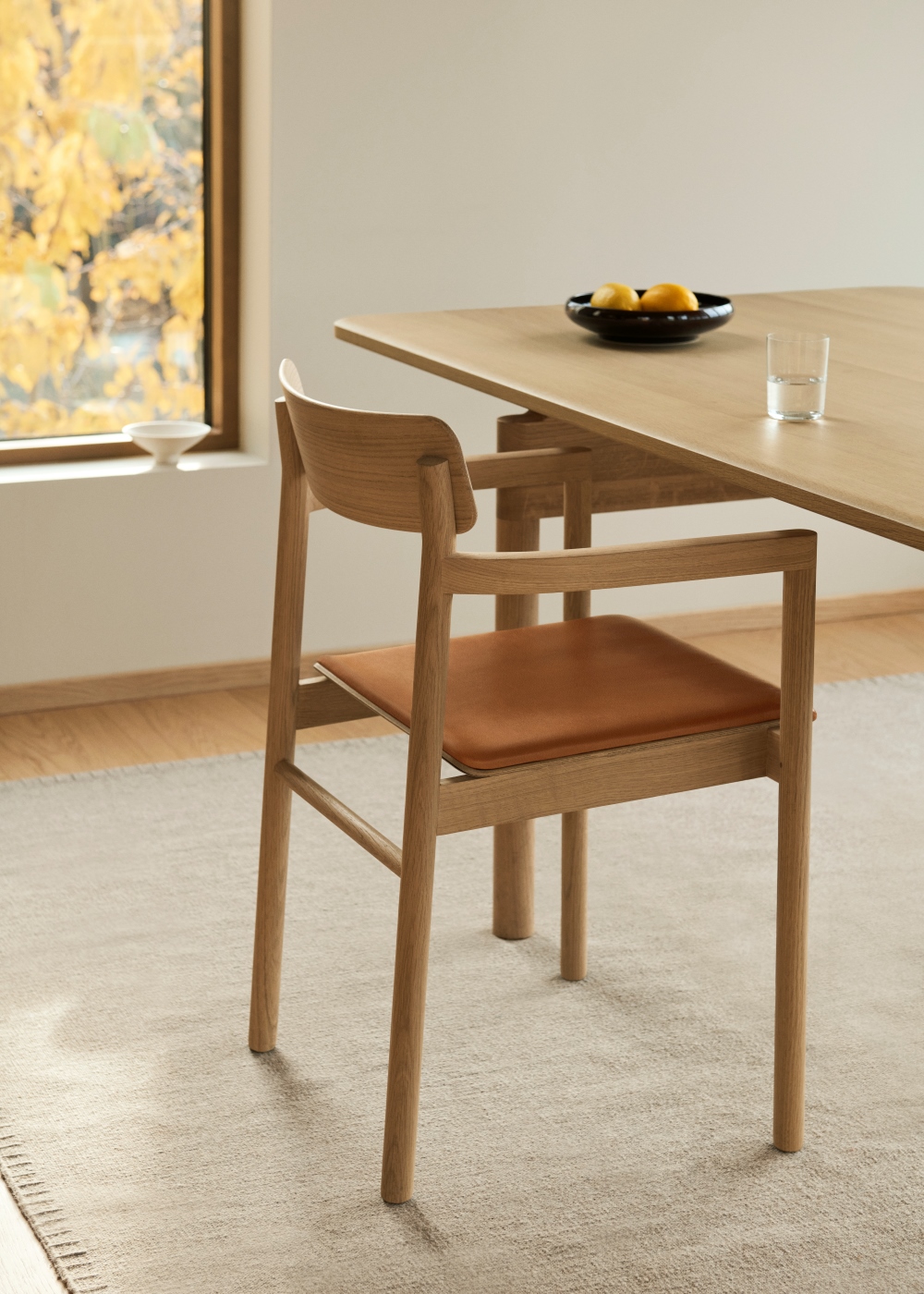
“This exhibition is about culture as much as it is about furniture. Fredericia has always been shaped by innovative designers, highly skilled craftsmen, and a core belief that good design should endure and enrich daily life.”
Rasmus Graversen, CEO and third-generation owner of Fredericia.
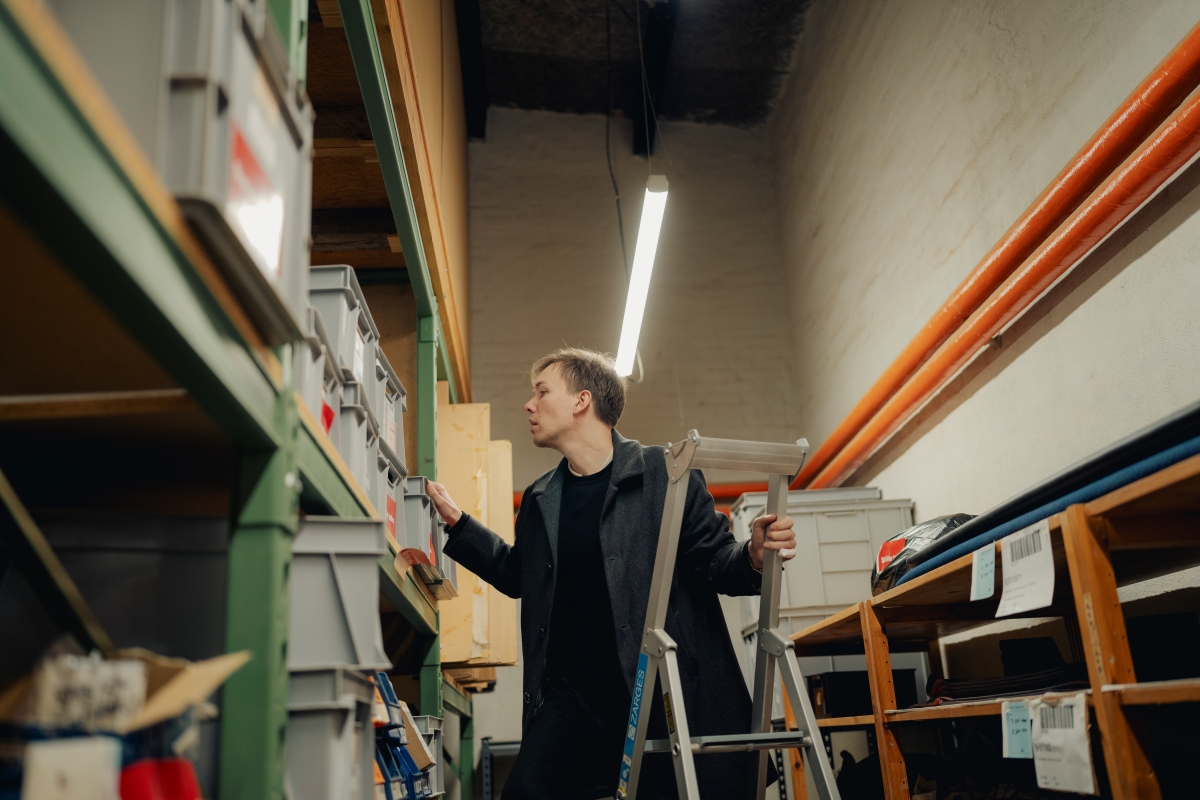
Danish Modernism and its global appeal
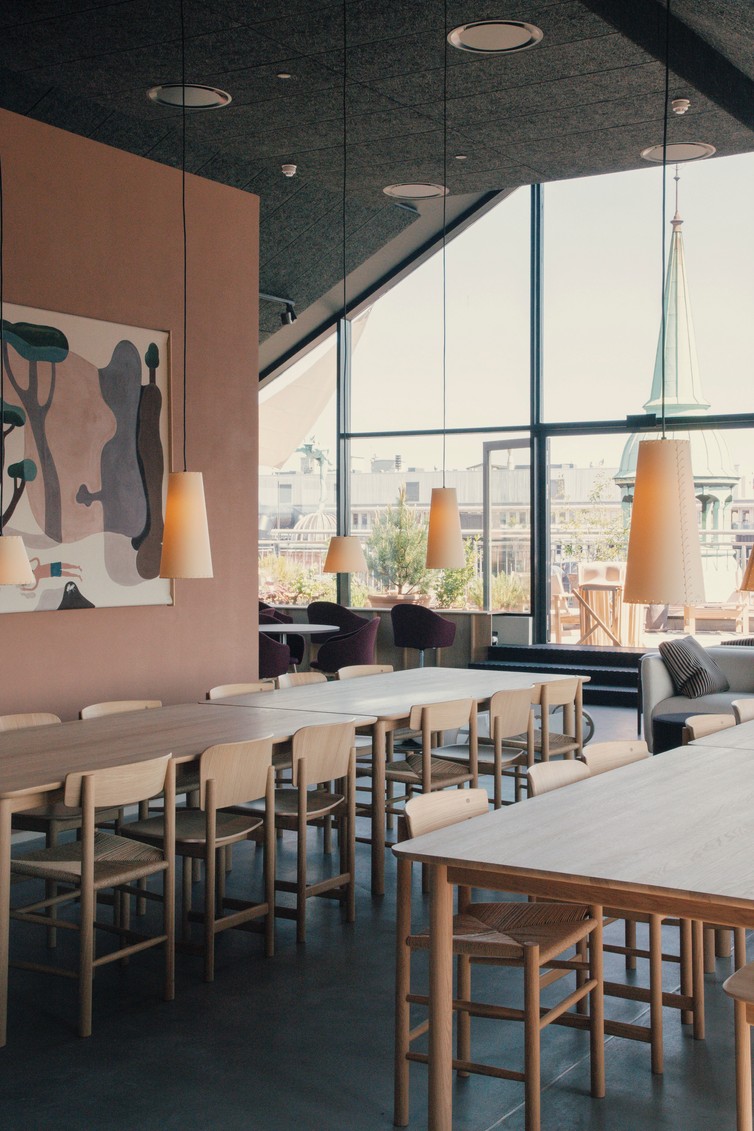
Fredericia: A Chronicle of Danish Design starts with the key principles of Danish modernism, such as human-centred thinking developed primarily by Kaare Klint, an architect, visual artist, and furniture designer. Other key ideas include durable, long-lasting designs and the integration of industry and craft. Fredericia’s legendary objects, such as the J39 Chair, also known as The People’s Chair by Børge Mogensen, amplify these ideas. Mogensen’s work with Fredericia was defined by meticulous craftsmanship, harmonious proportions, and enduring functionality, helping to shape Danish design’s global identity.
Three generations of innovation
The exhibition will present three stages of Danish Modernism starting from the 1950s. The first generation of innovation began in 1954 when collaboration between Børge Mogensen and Andreas Graversen changed the trajectory of design. In this era, Morgensen created iconic designs such as The Spanish Chair, known for a combination of material integrity, industrial production, human-centred scale, and enduring elegance.
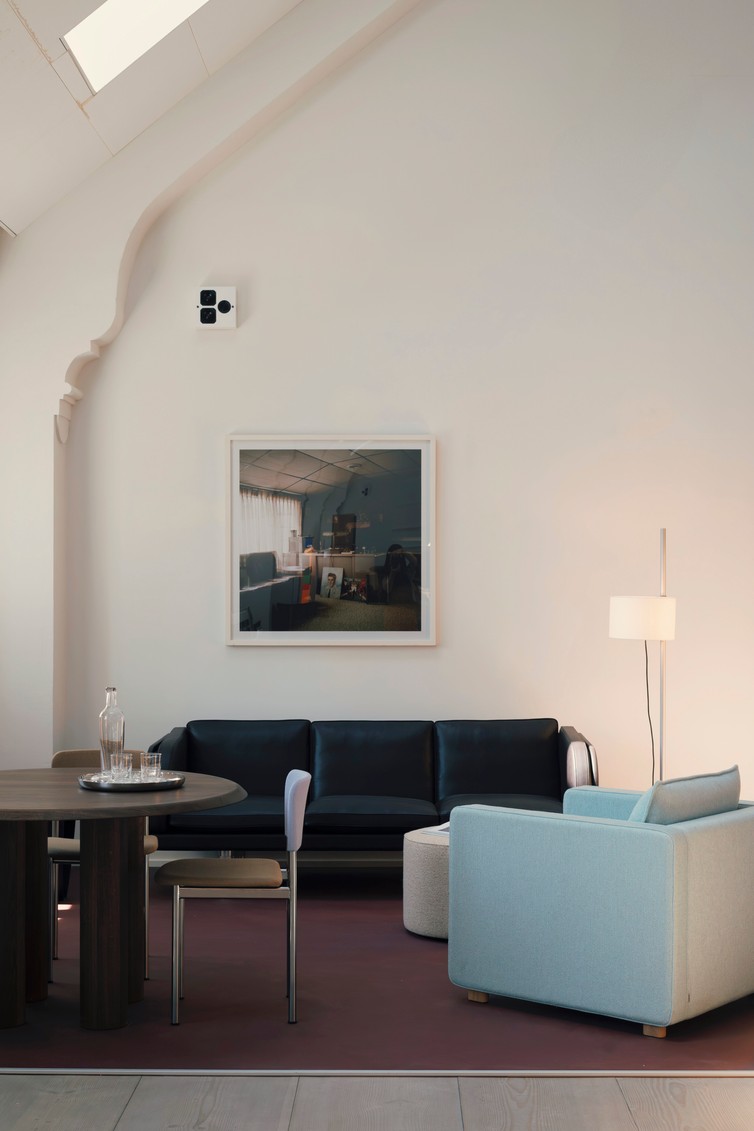
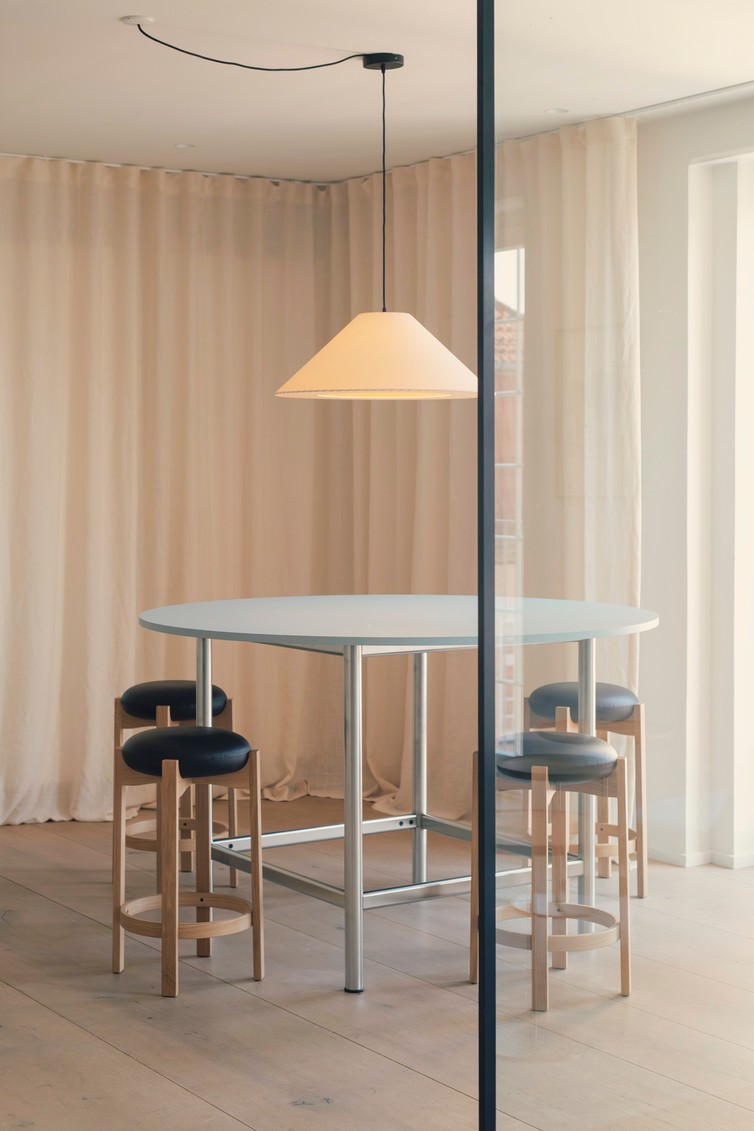
The second generation of innovation can be traced back to the 1980s, when Nanna Ditzel joined the company alongside Thomas Graversen and brought experimentation and an international perspective. Ditzel used playfulness and material innovation to further bridge the gap between furniture production as a craft and as an industry. During this period, the company expanded globally, which resulted in partnerships with designers such as Vico Magistretti from Italy and Swiss designer Alfredo Häberli.
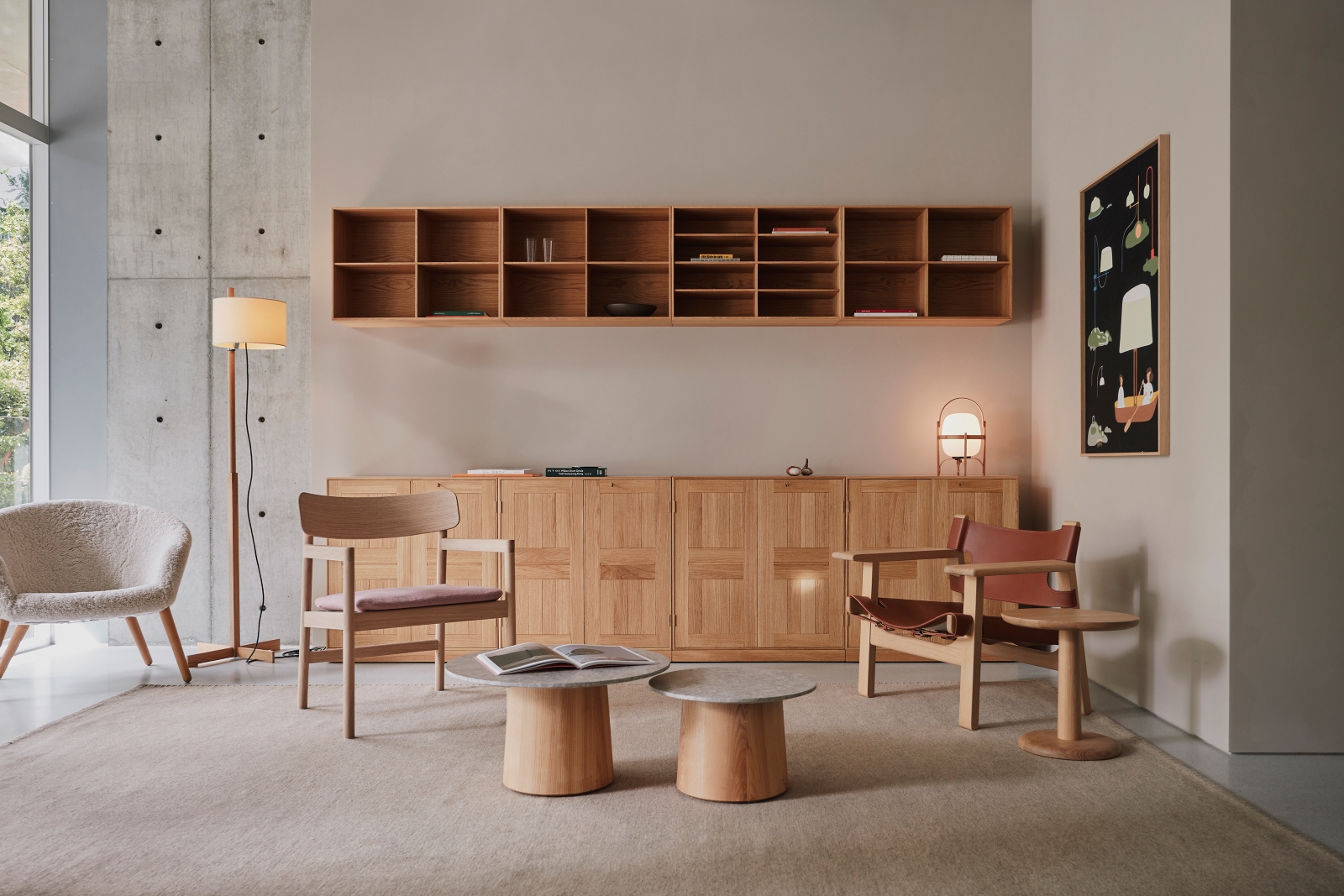
Finally, the third generation of innovation is taking place today under CEO Rasmus Graversen, and contemporary designers Jasper Morrison, Barber Osgerby, Cecilie Manz, Hugo Passos, and Keiji Takeuchi. By showcasing these contemporary pieces alongside works from the archives, the company offers insight into decades of Danish design.
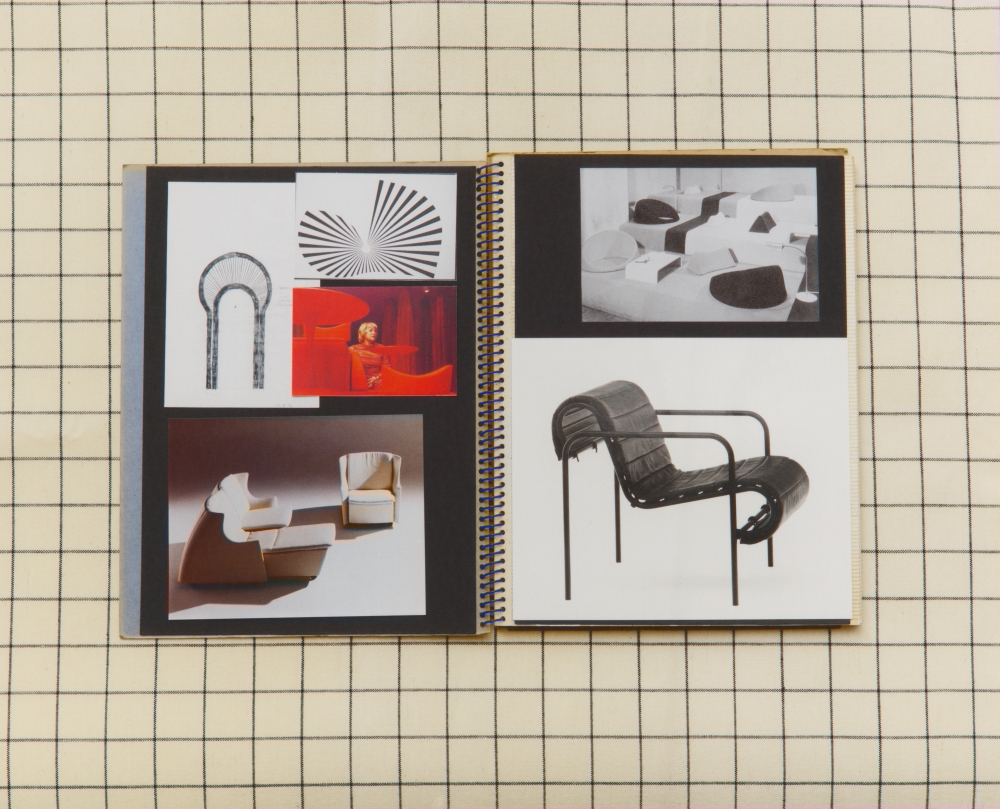
Collaborations with famed designers
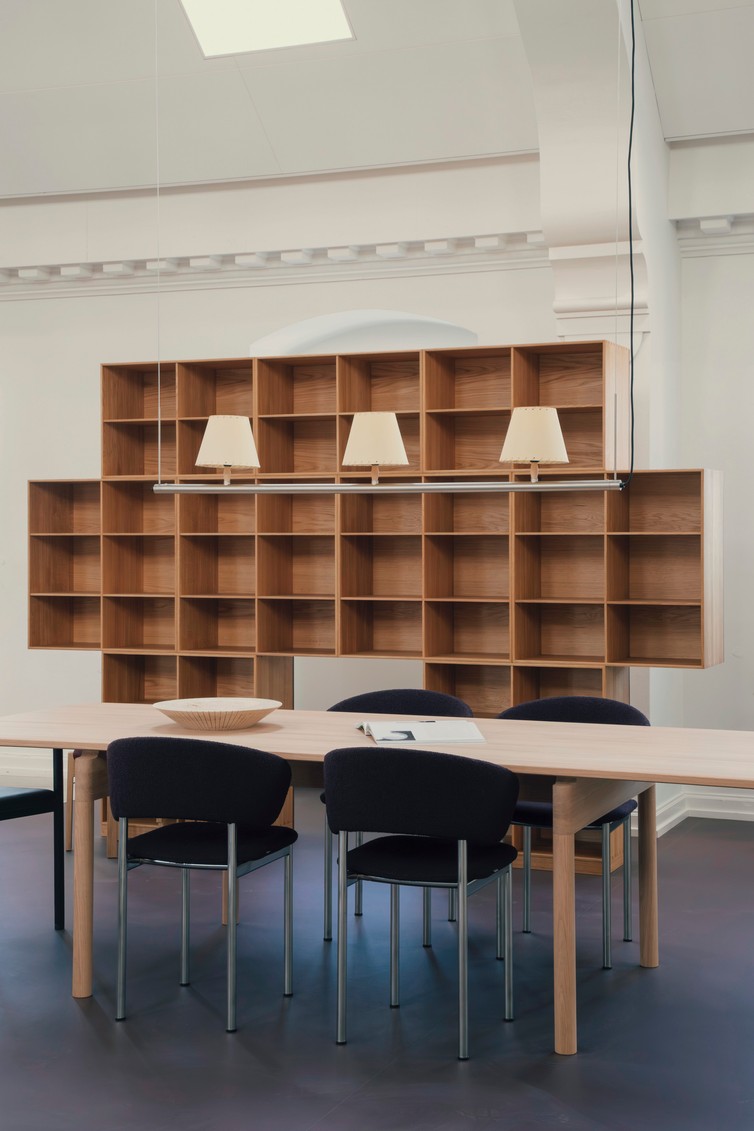
Highlights of the show include pieces produced jointly with renowned designers. Historic furniture items made by Børge Mogensen, Hans J. Wegner, and Nanna Ditzel will be juxtaposed with contemporary pieces designed by Cecilie Manz, Barber Osgerby, and Jasper Morrison. From Mogensen’s Søborg Chair to contemporary collections such as Plan, Post, and Pioneer, the show underlines the Fredericia traditions and cultural context.
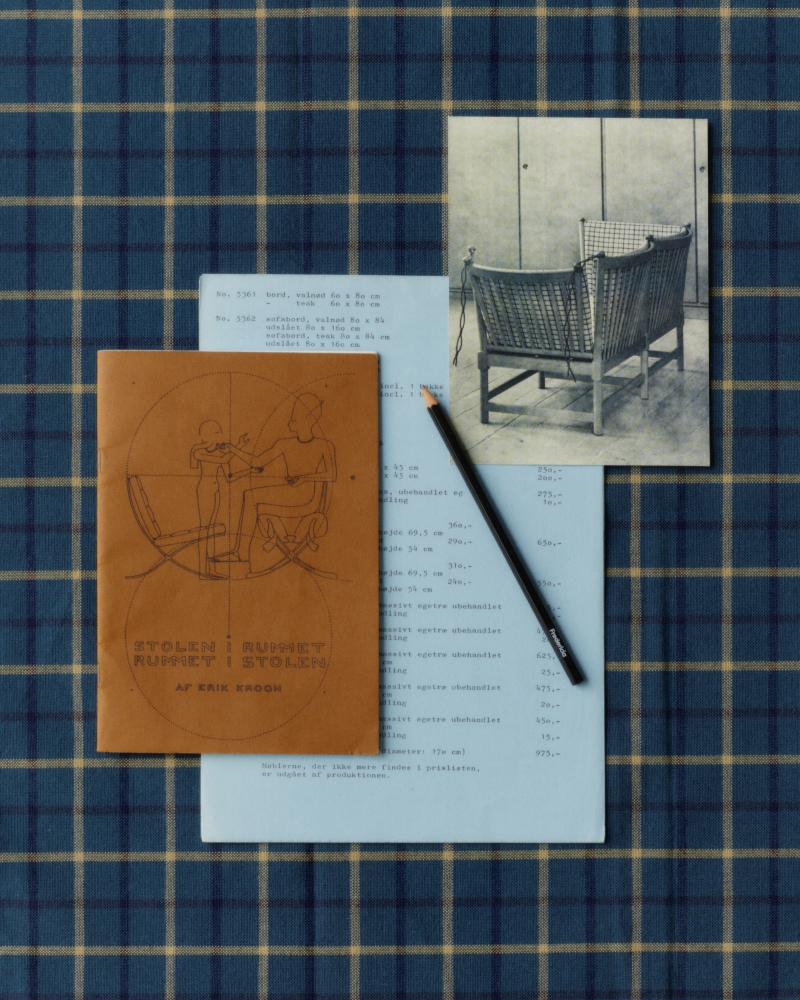
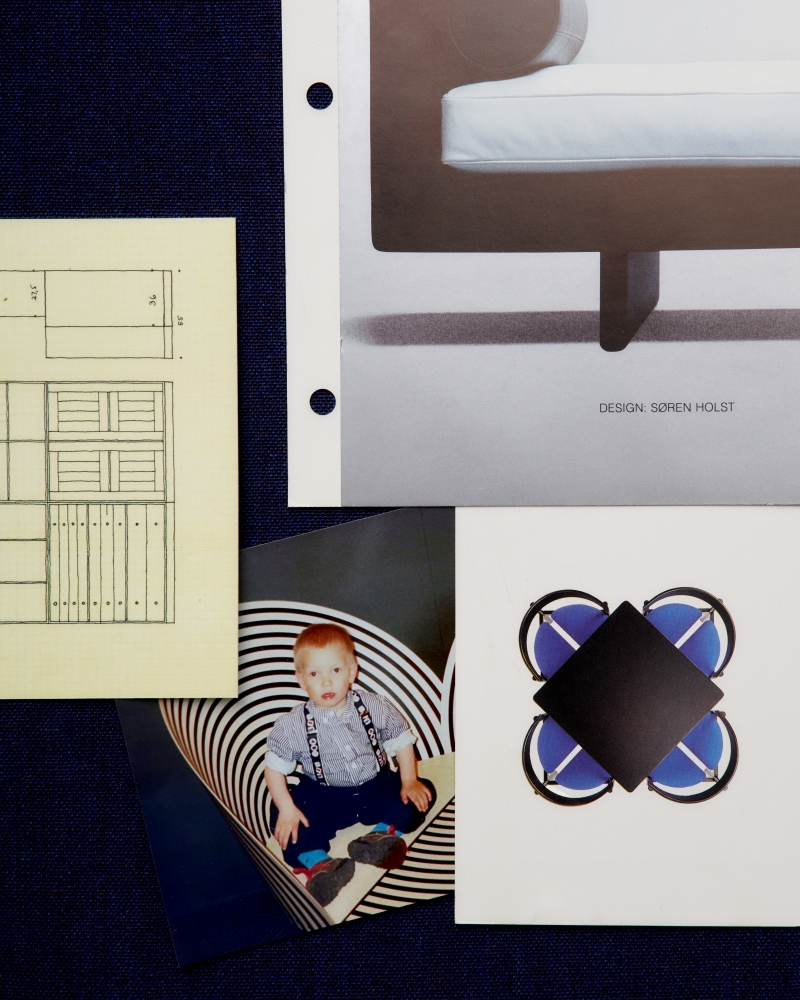
Fredericia: A Chronicle of Danish Design exhibition will be on view at Triennale Milano, during the Milan Design Week, starting from April 20 to April 26, 2026. The design pieces are displayed in settings shaped by art, architecture, and domestic life, showcasing furniture design as a practice rooted in culture.


