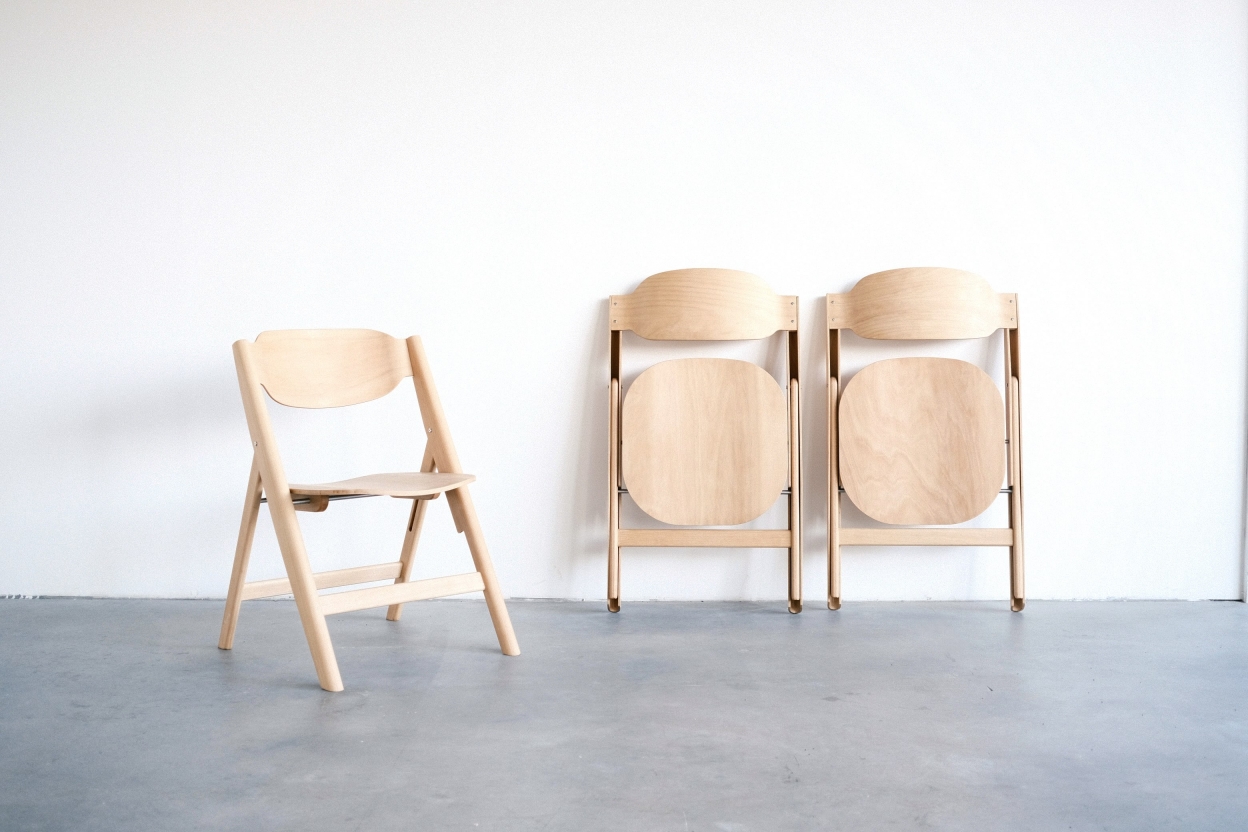
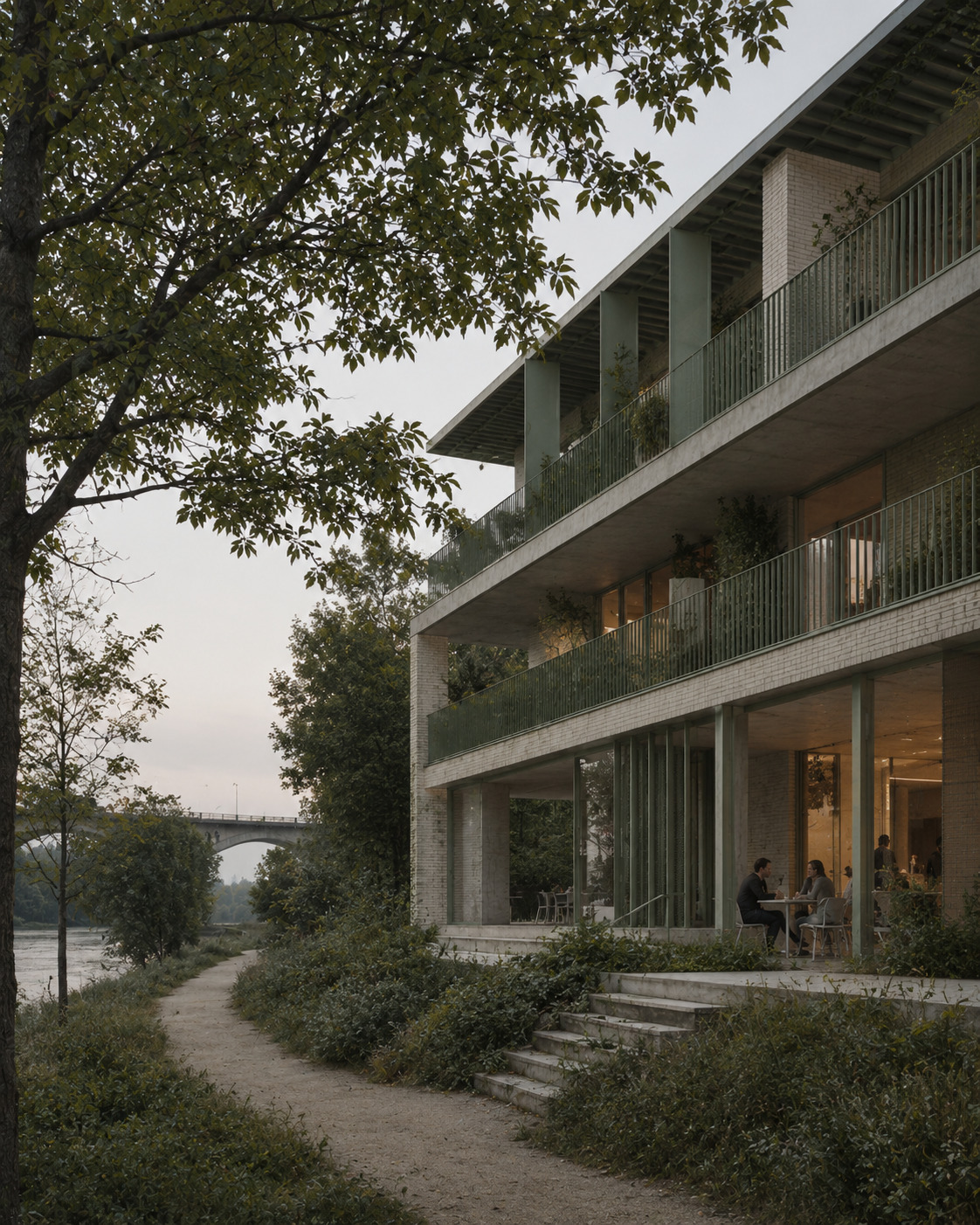
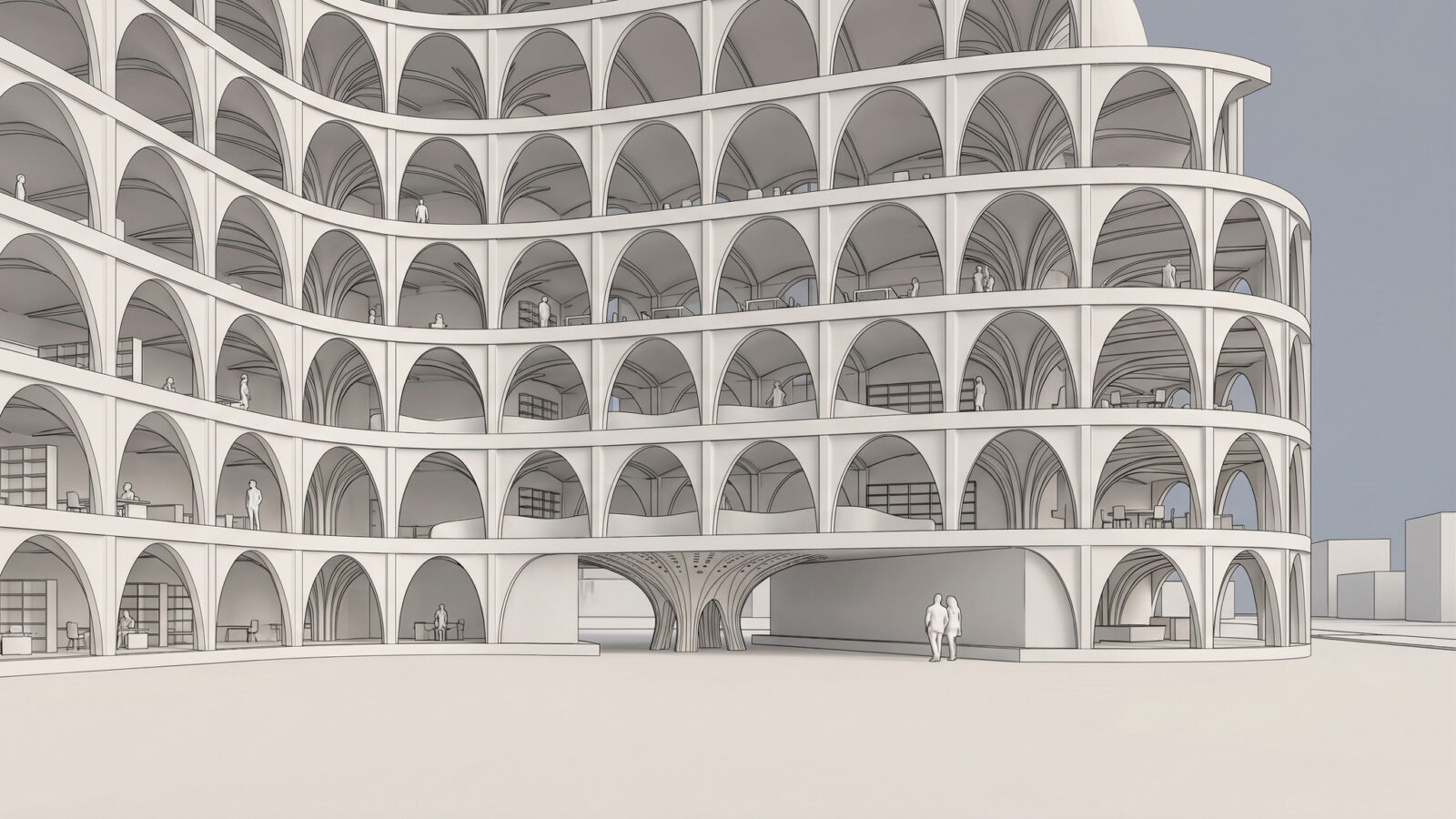
Header: AI-generated image / Courtesy of Casimir Esbach
As artificial intelligence moves rapidly from a speculative novelty into daily creative workflows, the architectural profession finds itself at a critical turning point. The challenge today is not merely producing faster visualisations, but understanding where human intention belongs in a digital pipeline. Dutch architect and educator Casimir Esbach sits right at the centre of this conversation. After more than five years as a project leader at the renowned firm MVRDV, working on major international schemes, Esbach has built his career on combining high design ambition with practical structural reality. Today, as a professor at the Savannah College of Art and Design (SCAD) and founder of design studio KANS, he is actively shaping how the next generation of designers engages with technology.
This year, Esbach brings his perspective to the jury panel of the BLT Built Design Awards, an international platform celebrating outstanding achievements across architecture, interior design, landscape architecture, and construction products. Across his academic seminars at SCAD, experimental installations like his automated design pipeline at the UABB Bi-City Biennale in Hong Kong, and his studio practice, Esbach advocates for keeping human judgment firmly at the core of the design process. In this interview, he discusses why architects must intervene earlier in AI workflows, how education must adapt to algorithmic tools, and what he is looking for when judging the world’s top built projects.
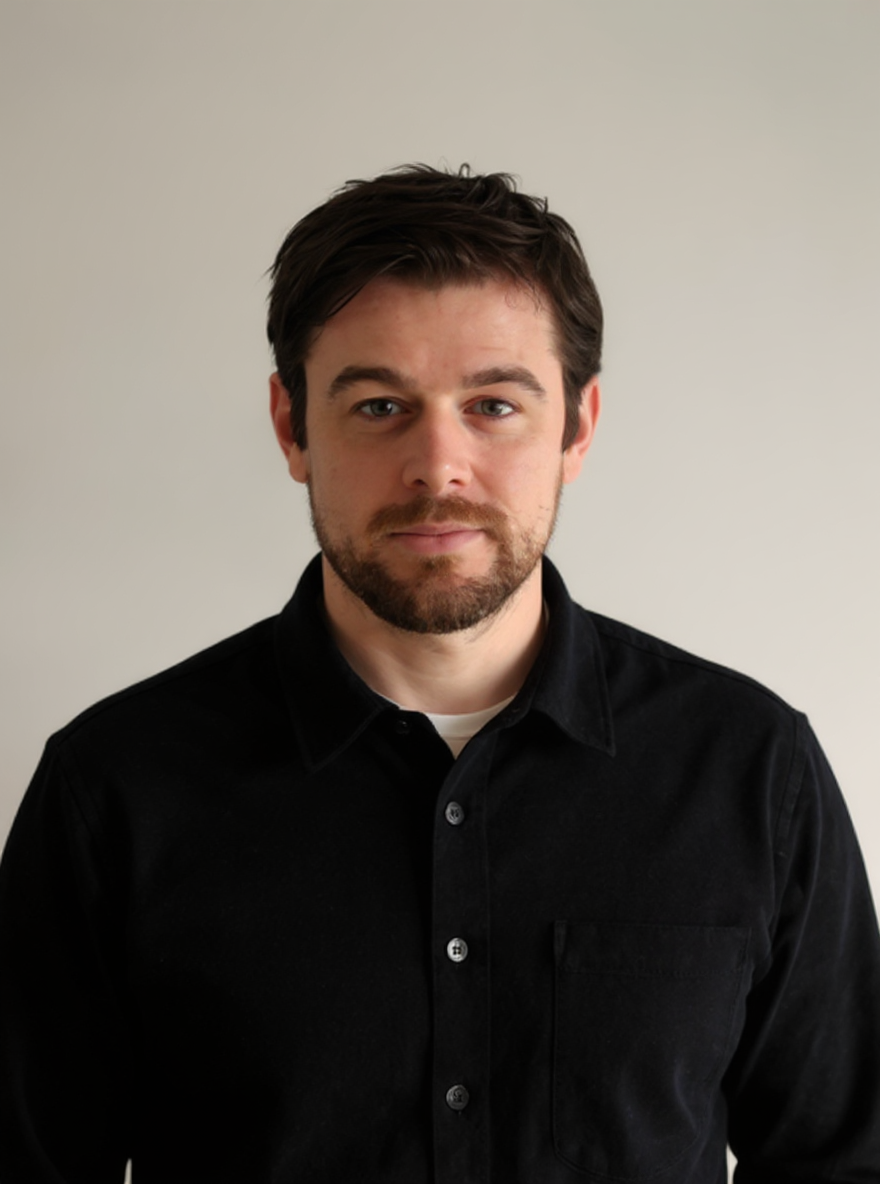
Your career bridges major international practices like MVRDV with academic leadership and your own studio, KANS. How have these different environments shaped your personal philosophy on what architecture should achieve today?
At MVRDV and BIG, I learned that ambition and pragmatism belong together. I spent years on façades. A line that looked simple in a rendering became a panel edge, a fixing, a drainage path and a tolerance. Working through those details changed the design. Sometimes we found a better way to keep the intention. Sometimes we found it rested on something nobody had resolved. That taught me constraints are part of designing, not obstacles to it.
At KANS and SCAD, I apply the same thinking to how we work. Architecture still adopts new tools slowly, and often in the wrong place. I’m a technological optimist, but I care less about producing more output and more about where tools enter the process and who keeps control of the decisions.
Architecture today should aim high and keep reinventing its own methods. A great idea still has to survive the trip into a working building.
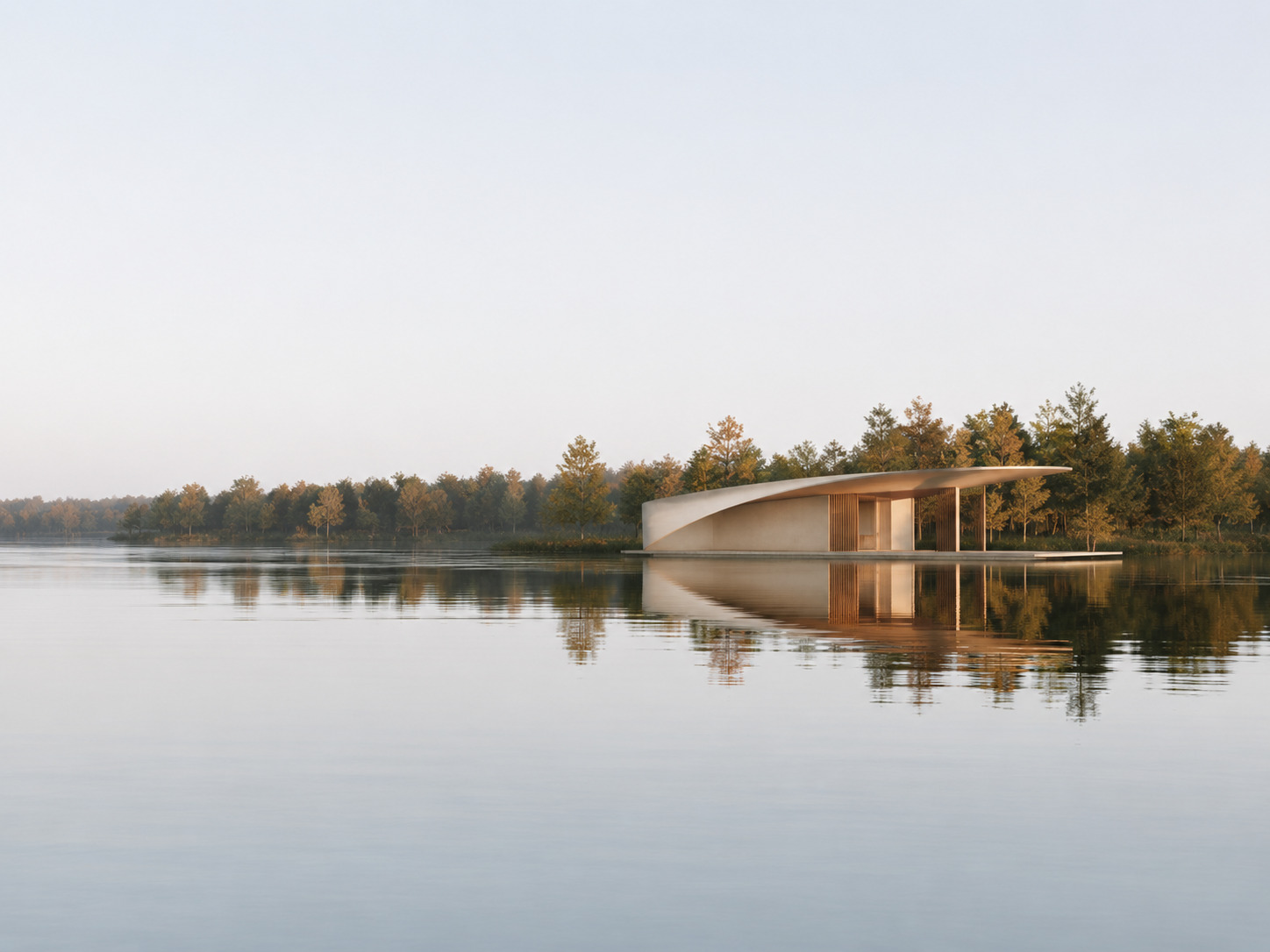
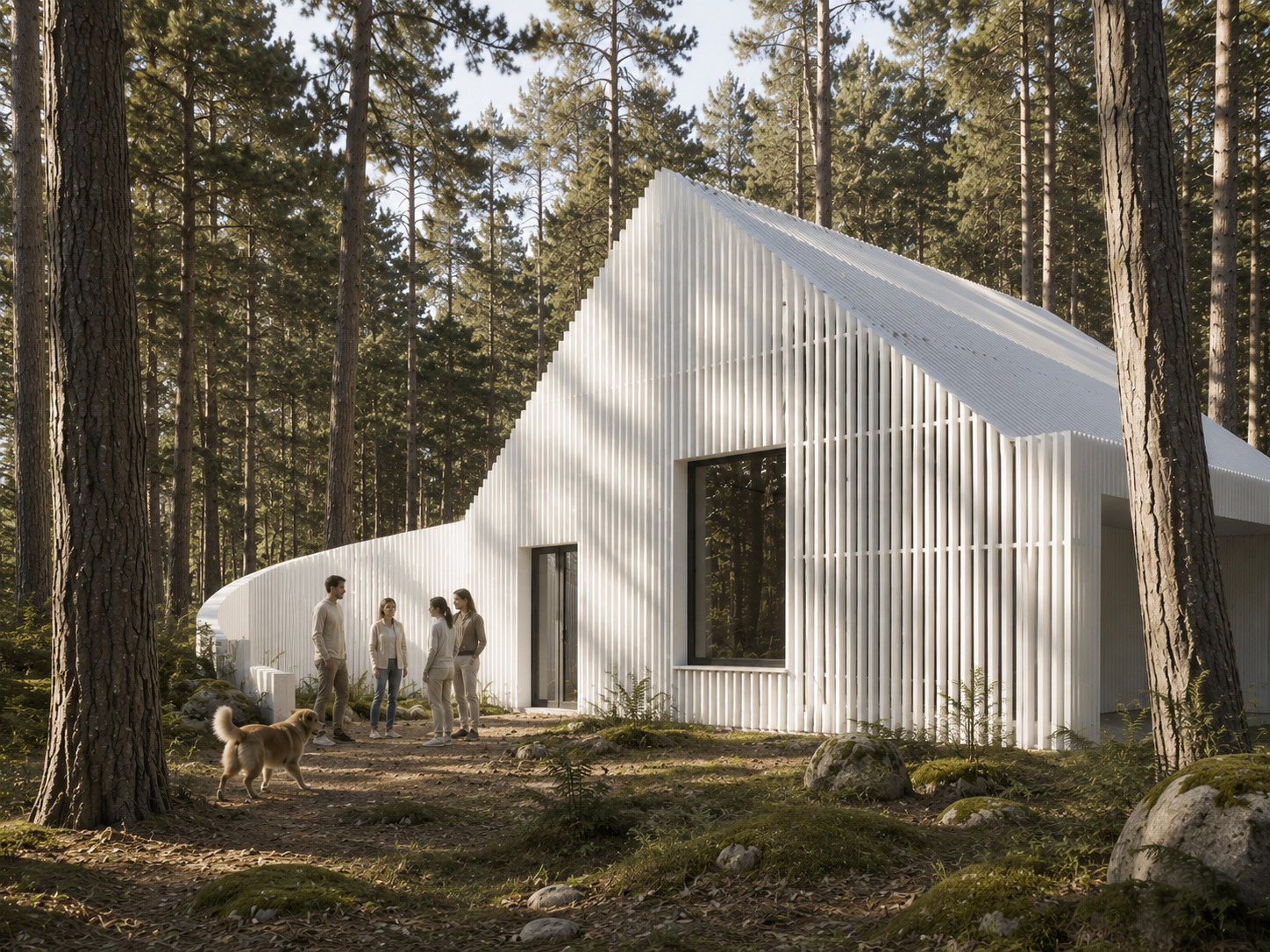
You often talk about using AI in the “middle” stage of design, when a building’s shape and layout are still flexible, rather than just using it to make pretty pictures at the end. What does that look like in daily practice at your studio?
Most offices use generative AI at the end, once the architecture is fixed, to make images. Thomas Nelissen and I wrote In-Process AI to argue for the opposite. We bring AI into the middle, while the building is still a hypothesis.
That’s how we work at KANS today. The process runs as a seven-step loop, and the architect makes a judgment at every exchange. AI proposes, we test it against the plan, the section and the massing, and we decide what stays.
Where I see this heading is agentic AI. Agents that read your model, propose alternatives, test spatial or environmental effects and make changes directly in the design. We’re not there yet in daily practice, but the loop is built for it. Architecture is iterative. We design, test, rethink and redesign hundreds of times. AI should strengthen that loop, not skip it. That matters far more to me than more realistic pictures.
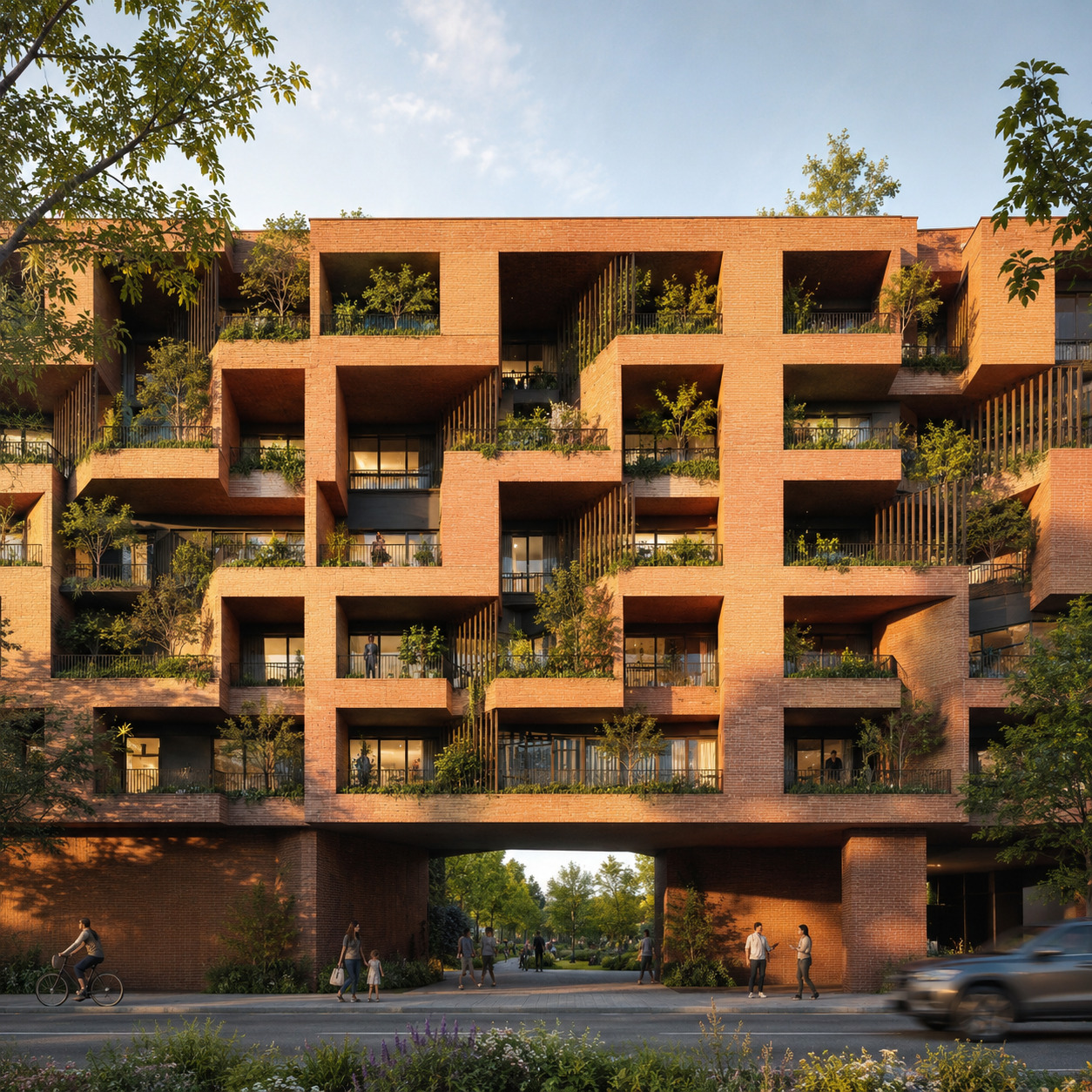
With AI tools making it fast and easy for anyone to generate dozens of realistic building designs, how does an architect prove the value of their work to clients today?
Clients can now arrive with a convincing image before they’ve met an architect. They like it, and they’re attached to it. We shouldn’t be surprised. Architects have used images to build that kind of enthusiasm for decades. Now it works without us.
The problem is that an image can close questions it never answered. Nobody has checked what the building needs to do or whether its organization works. When an architect raises those questions, it can sound like a lack of imagination instead of expertise.
Architects show their value by reopening those questions early and well. We understand what a project needs, negotiate between competing interests, and take responsibility for what gets built. A client’s image can be a good start to that conversation. Our job is to keep it a start.
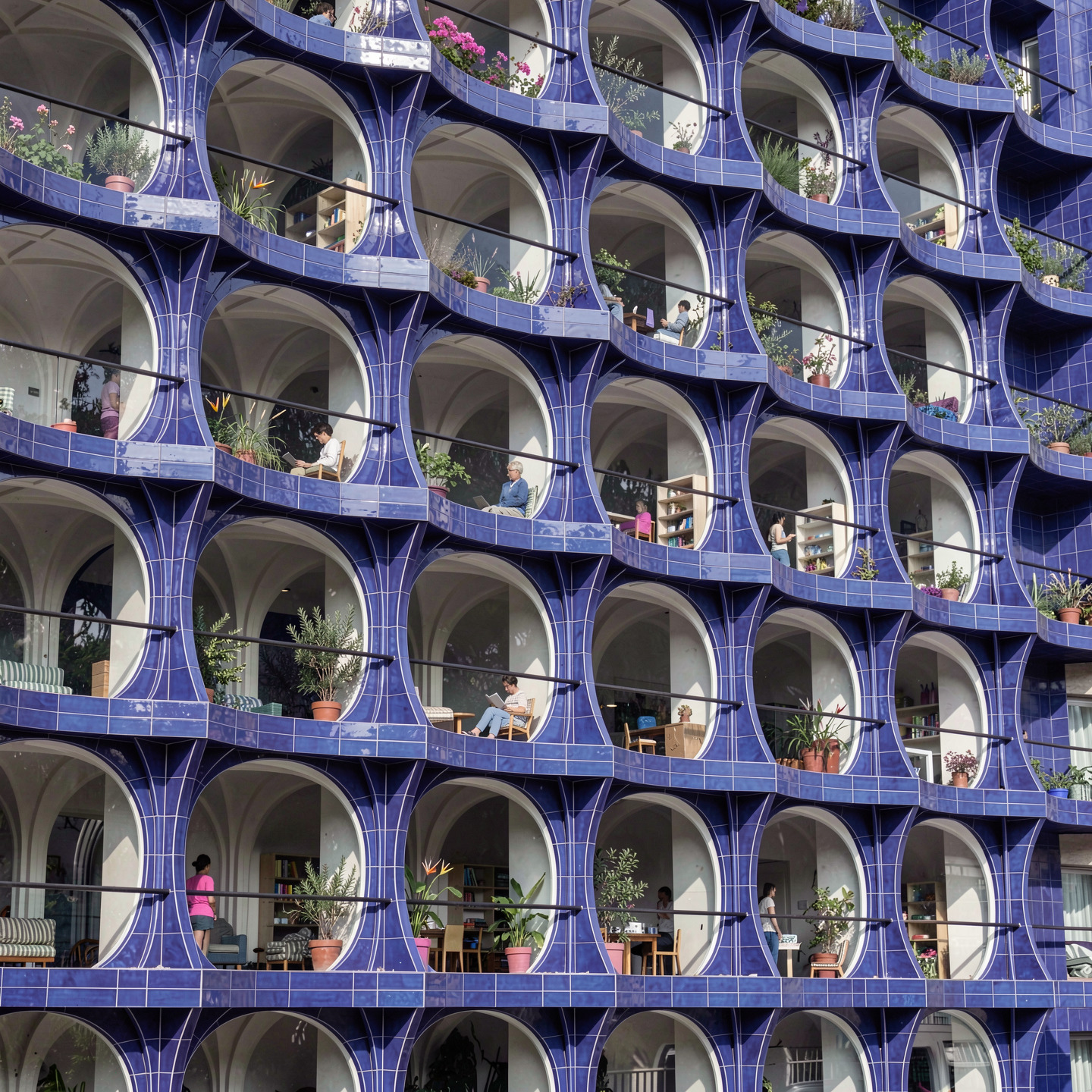
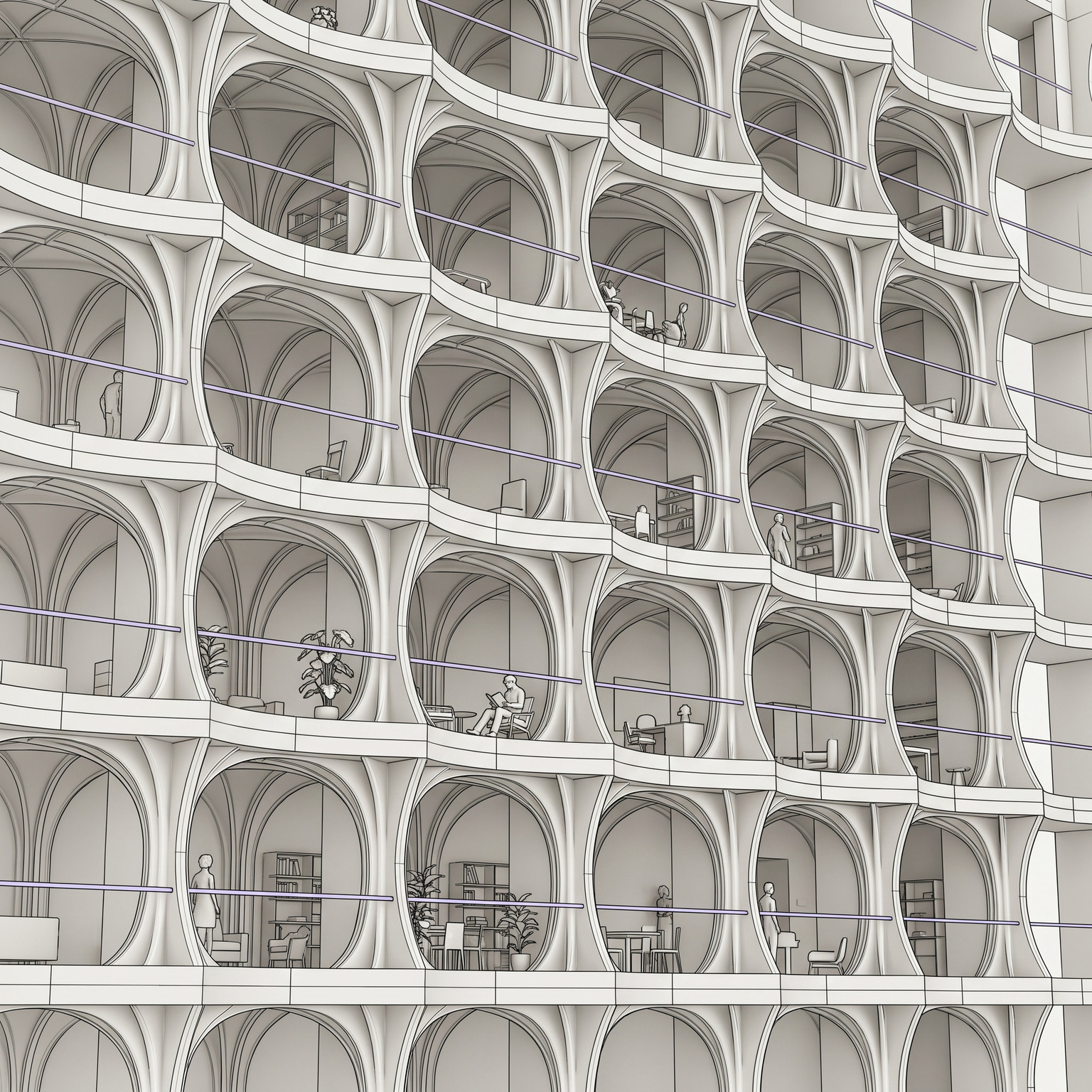
At the Savannah College of Art and Design (SCAD), you teach the department’s first AI-focused architecture seminars. What is the main message or mindset you try to teach students when they start using these tools in the studio?
Be curious, experimental and critical at the same time. I don’t want students to fear AI or treat it as outside the discipline. It will be part of their careers either way. But technical skill isn’t architectural intelligence. Making a striking image is easy. Knowing why a design is good and how it would work is hard.
I also want them to see that the profession often applies AI to the wrong part of the process. More output is not where architectural value lives. So I push them to build their own workflows instead of adopting whatever a software company has packaged, and to place AI where it improves a design decision. I want architects who think about technology as designers. Good prompting comes along the way.
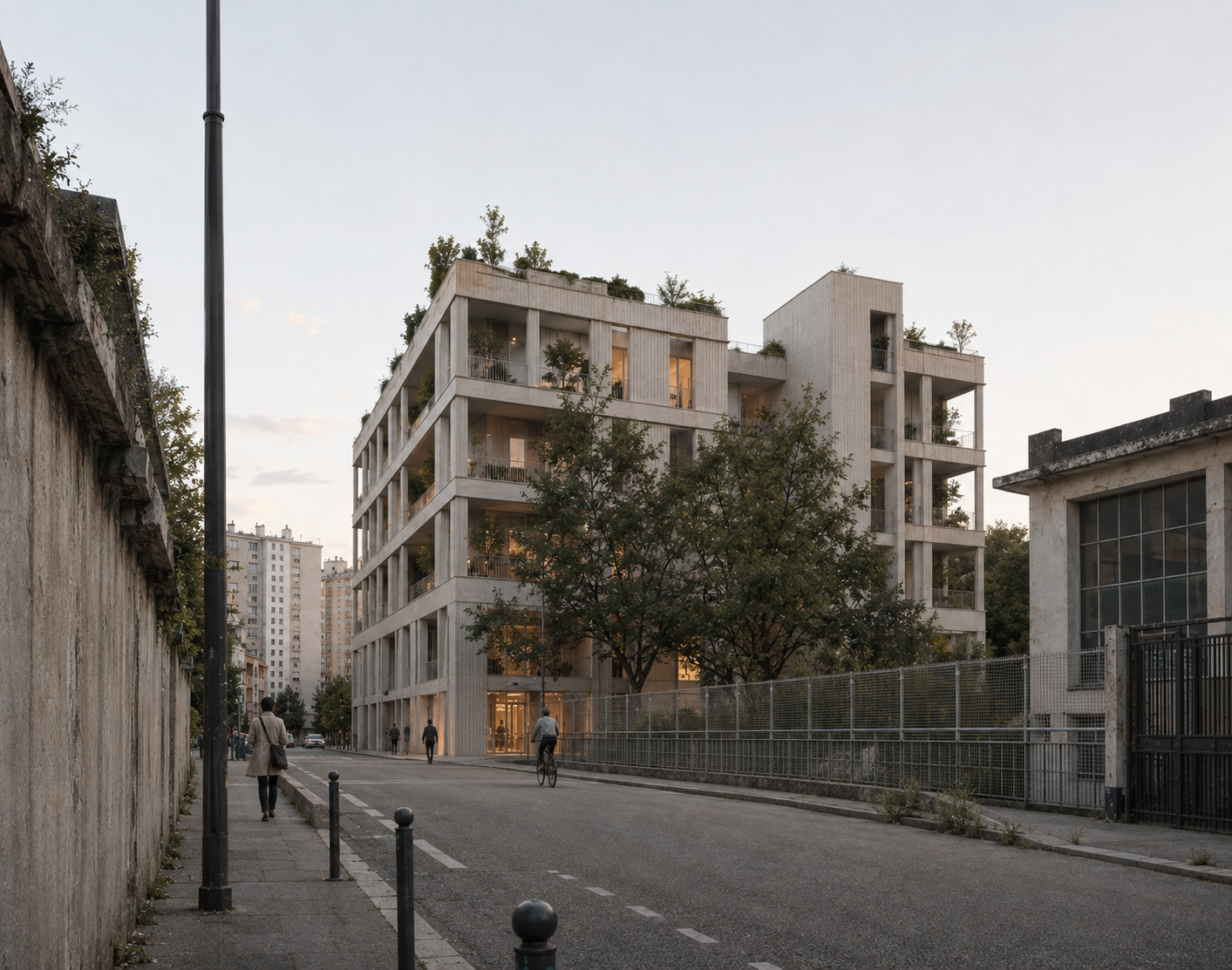
Architectural education has always relied on physical models, hand sketches, and drawing to build intuition. How do you help your students build real spatial and structural judgment when working alongside software that relies on algorithms?
Stronger tools make fundamentals matter more. A student who understands proportion, structure, circulation and material gets far more out of AI than one who can only make convincing images.
So I make students move between representations. Take a generated image and turn it into a plan, a section, a model. You find out quickly whether the idea holds.
I also think about where judgment comes from. Much of what I know came from work whose value I didn’t see at the time. Drawing a junction exposed questions I didn’t know to ask. Reviewing a generated result doesn’t teach the same thing. Experienced architects can judge an output because they spent years making and correcting things. Students can’t simply be told to do the same, so I keep that making in the curriculum on purpose.
That said, drawing by hand doesn’t automatically make someone a better architect, and using AI doesn’t make them worse. Both can build judgment when used with intent.
For the Hong Kong Biennale, you created a system that automatically turned policy documents into architectural designs across 15,000 iterations without human input. What did that experiment reveal to you about what AI can do, and where human architects are still essential?
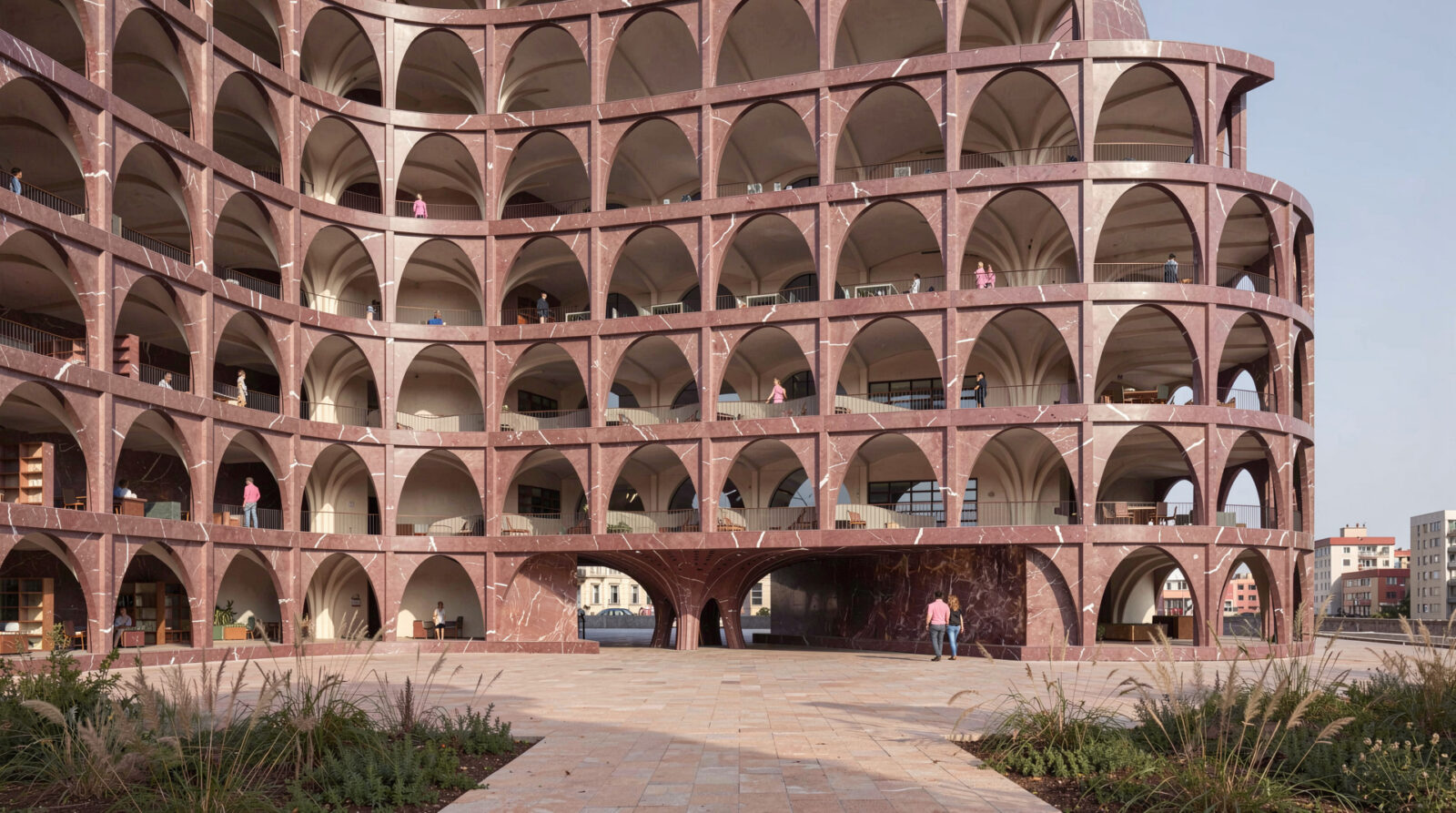
Exporting Aesthetics was an experiment in authorship. With Sandra Baggerman, Stella Zhang, Bosco Yeung and Kazu Kaneko, we built a system that turned policy documents into towers across more than 15,000 iterations, with no human design decisions during the run.
What struck me most was that the system developed its own architectural language. Each round built on the results of the last, and over time a recognizable aesthetic emerged that none of us had drawn. It showed me how quickly an AI-driven process starts to produce its own style once it feeds on its own output. That’s a creative opportunity, and a warning about how easily one aesthetic can spread.
Humans were essential everywhere else. We defined the question, wrote the rules, built the workflow and chose what was worth testing. Our role moved from designing buildings to designing the process that made them. Authorship didn’t disappear. It moved upstream.
Looking at cities like New York, much of our urban landscape comes down to repeated building types. Do you think AI will lead to more repetitive, cookie-cutter buildings, or could it help us create more customised, thoughtful spaces for everyday living?
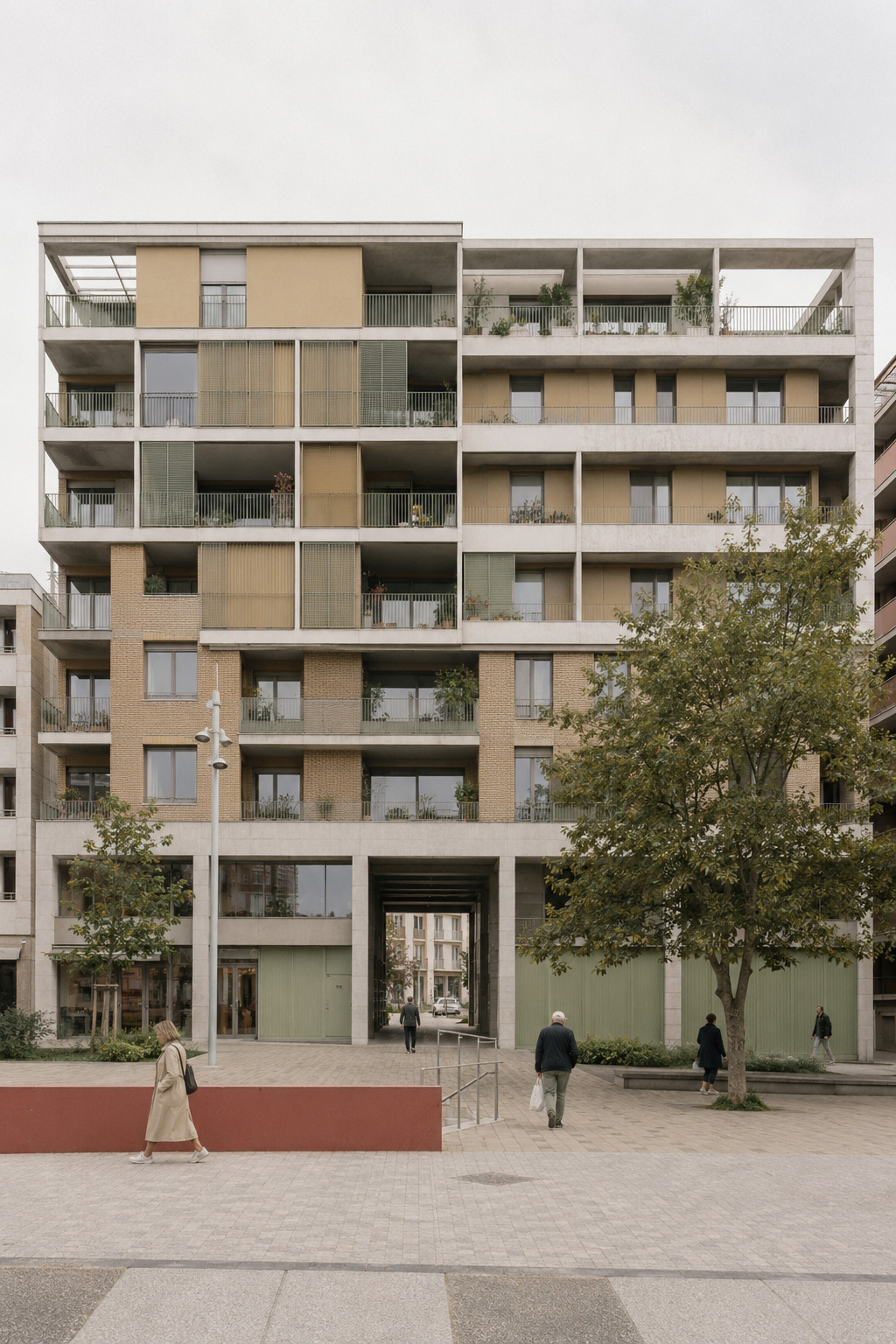
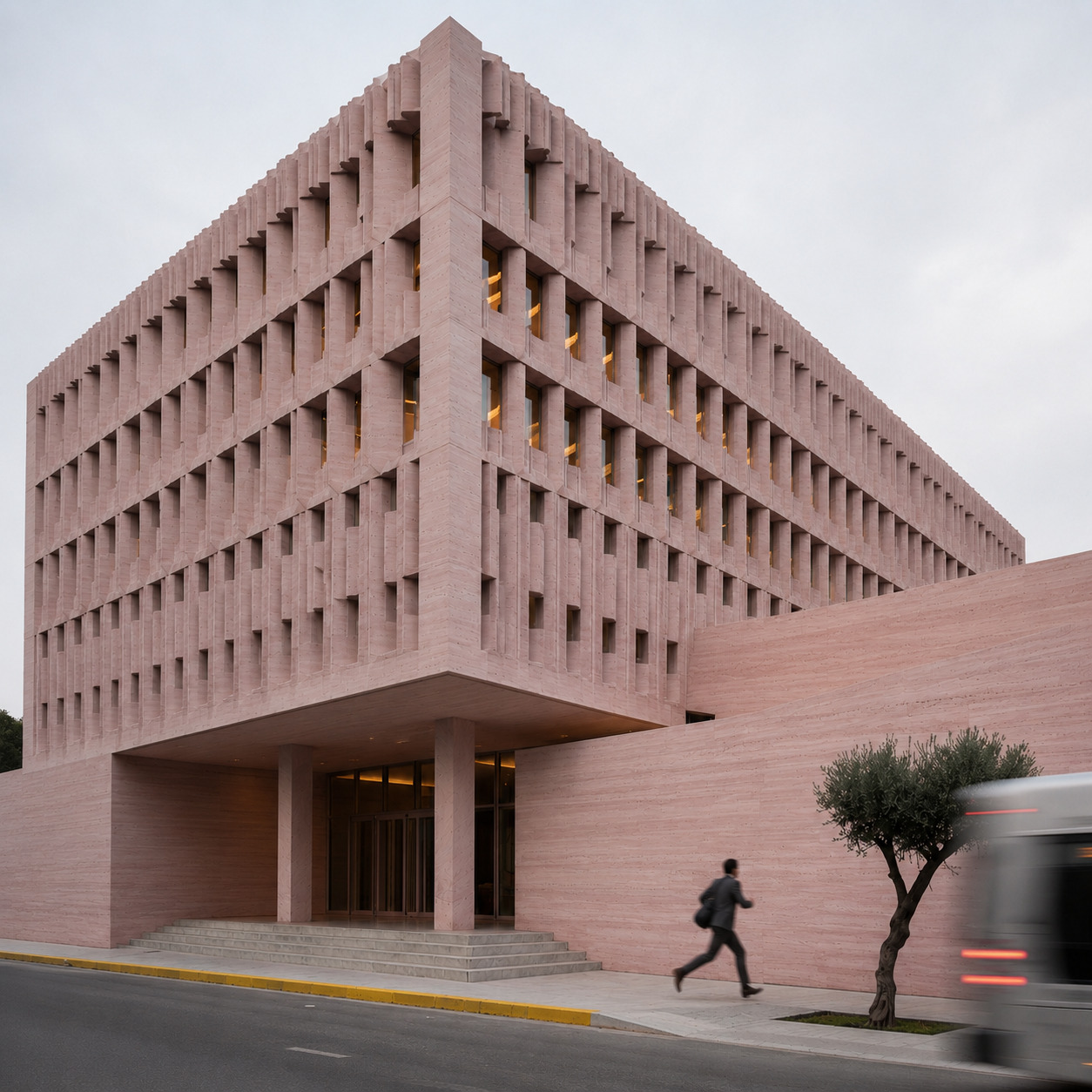
Both are possible. Architecture already runs on repetition: floor plans, façades, structural systems, whole typologies. Mostly because variation costs time and money. AI could change those economics. Apartments could respond to different households, orientations and climates without a new design process for each one.
But the risk of more sameness is real. In Arketipo I wrote about recursive data. AI systems increasingly refine their own outputs and feed them back into the next round. If everyone uses the same models, references and targets, the dataset starts feeding on itself. Our cities could become more uniform than they are now, and AI could amplify the mediocrity we already build.
Technology opens possibilities. Whether they lead to varied, thoughtful buildings is a design decision.
As a juror for this year’s BLT Built Design Awards, you are evaluating entries across architecture, interior design, landscape, and construction products. How is the widespread use of AI changing what you look for in a winning submission?
Using AI doesn’t make a project innovative, and avoiding it doesn’t make one authentic. I ask what the technology actually contributed. Did it make something possible that otherwise wasn’t? Did it solve a hard problem or challenge a convention?
Polished imagery is becoming more accessible, so it says less about quality than it used to. I look for a clear ambition and proof that it carried through into a coherent design. Awards should also reward risk. The strongest entries make you rethink what architecture could be.
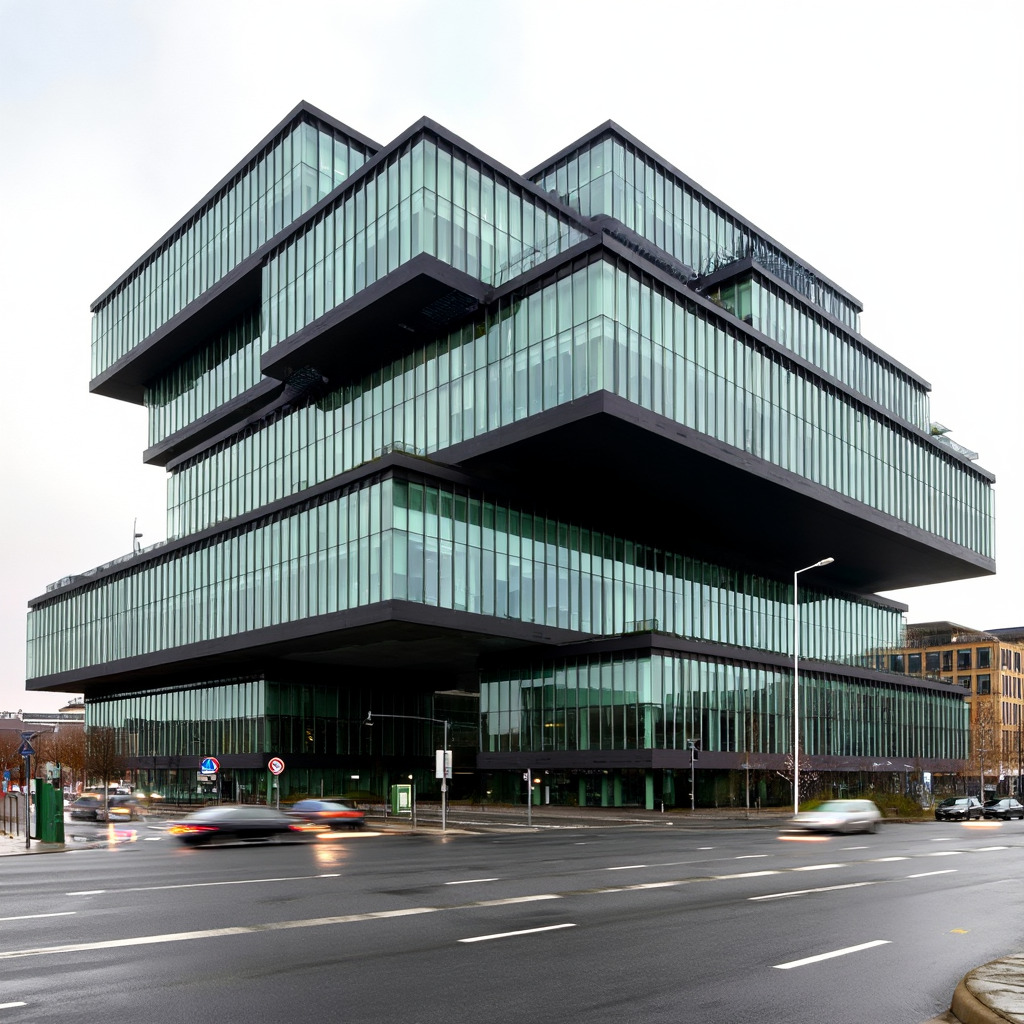
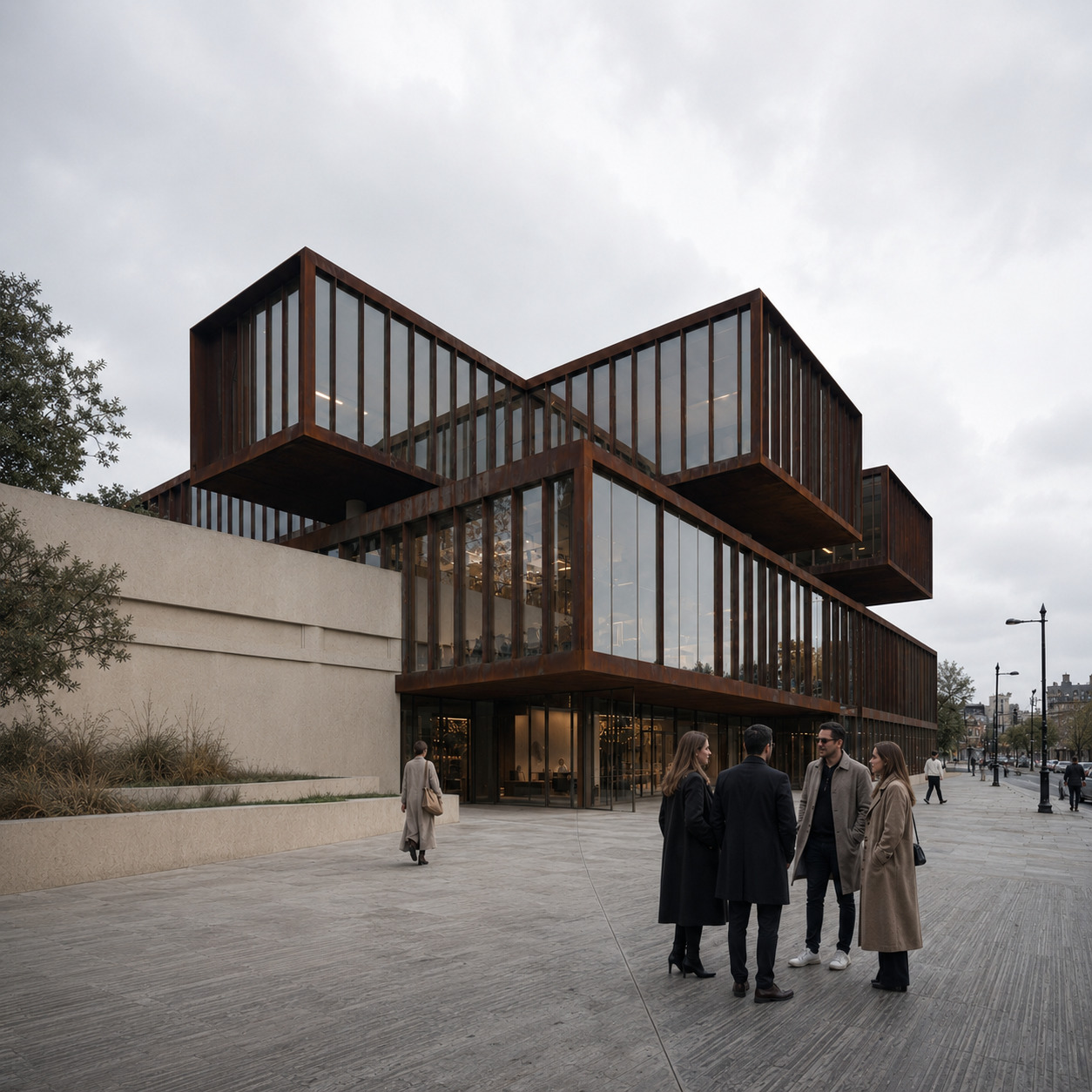
It is easy for an AI model to produce a polished image that looks great at first glance. When reviewing entries for the BLT Awards, how do you tell the difference between a project that just uses technology for surface appeal and one with true architectural substance?
I start past the hero image. A rendering shows atmosphere but tells you little about whether the building works. I want to see the idea carry through plan, section, structure and material.
My façade years shaped this. A line that looks clean in an image has to become a panel edge, a fixing, a drainage path. Entries that have done that work show it. AI imagery can create an illusion of resolution. It looks finished even when nobody has worked out how it would be built.
A strong project gets better the longer you look at it. I want thinking that matches, or beats, the quality of the representation.
As AI tools continue to develop and become easier to use, what is the one part of the architectural discipline that you feel must always remain in human hands?
Judgment, but judgment alone isn’t enough. Architects often hear they’ll keep “judgment” as AI improves. In practice, being asked to check a decision isn’t the same as being allowed to change it. An architect who spots every problem but can’t remove anything from a project ends up as a janitor: needed to make it work, with little say in what it becomes.
What has to stay human is the authority that comes with judgment. Deciding what’s worth pursuing. What kind of cities we want, what makes a space meaningful, when to trade efficiency for something more humane. These are cultural and ethical choices.
I’m comfortable handing AI a lot of the work. It may become better than us at many tasks. But architects should set the ambitions, weigh the outcomes and answer for the consequences. We also need to protect the routes by which the next generation earns that judgment.