Header: Courtesy of Ghizlaine Elmanjra
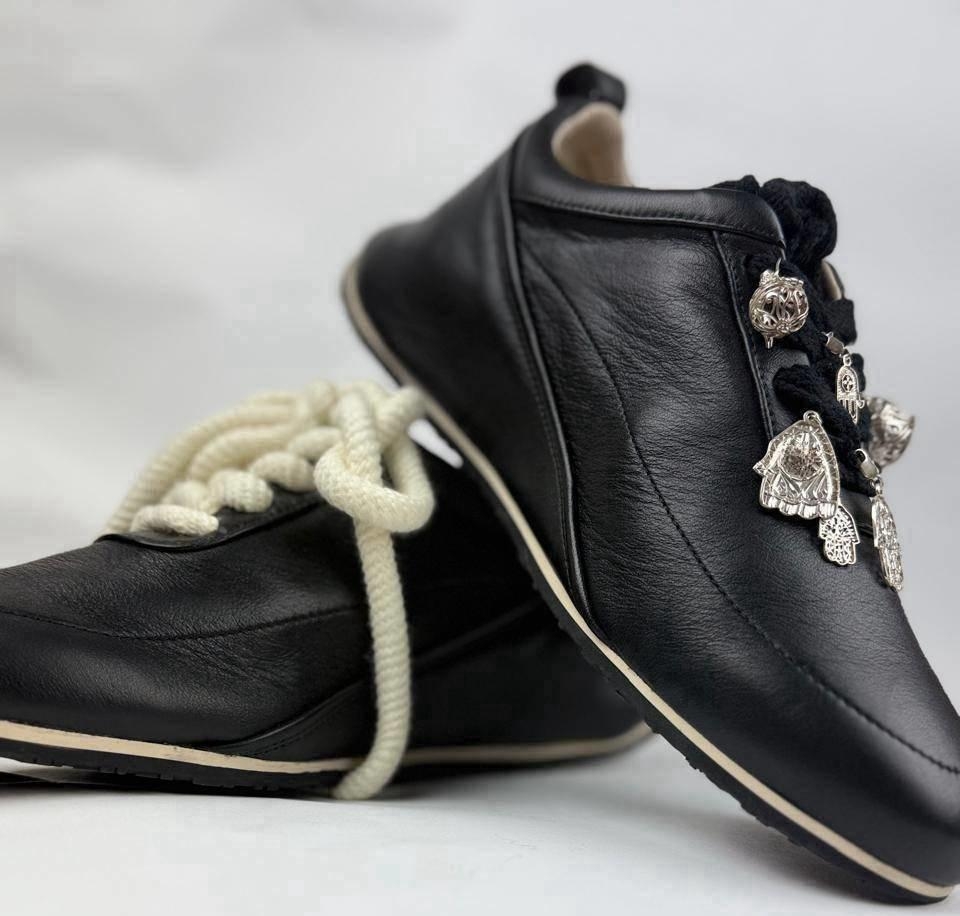
Moroccan designer Ghizlaine Elmanjra is changing how we talk about luxury and heritage in modern footwear. Her latest project, The Baazz Sneaker, takes inspiration from the rural babouche of Morocco’s Anti-Atlas region, turning a regional craft tradition into a contemporary shoe made with clear intention. Instead of relying on loud logos or heavy branding, the project focuses on deep roots, honest materials, and real transparency across the whole production process. This quiet yet firm stance recently earned Elmanjra top honours as Fashion Designer of the Year 2026 at the AIDA Awards.
Behind the shoe sits a whole ecosystem built to support local craft. Based in a 1,200-square-metre space in the old Medina of Casablanca, the brand brings together master artisans, young designers, and makers to build a fairer model for creation. Every sneaker comes with its own digital Proof of Identity accessed via a QR code, showing buyers where materials came from and who made them.
In this interview, Elmanjra discusses how she turned a traditional nomadic shoe into an award-winning design, why African creators should own their stories, and how true sustainability starts with the people who shape the product.

Can you tell us a bit about your background and what led you to create Baazz?
I was born in Morocco and built my path across entrepreneurship, public policy, social impact and design. For over twenty years, I have worked where culture, communities and innovation meet. I created BAAZZ because African heritage should not simply inspire global fashion from the shadows. It should author it, own its narrative and shape what comes next.
What is the inspiration behind The Baazz Sneaker and its design?
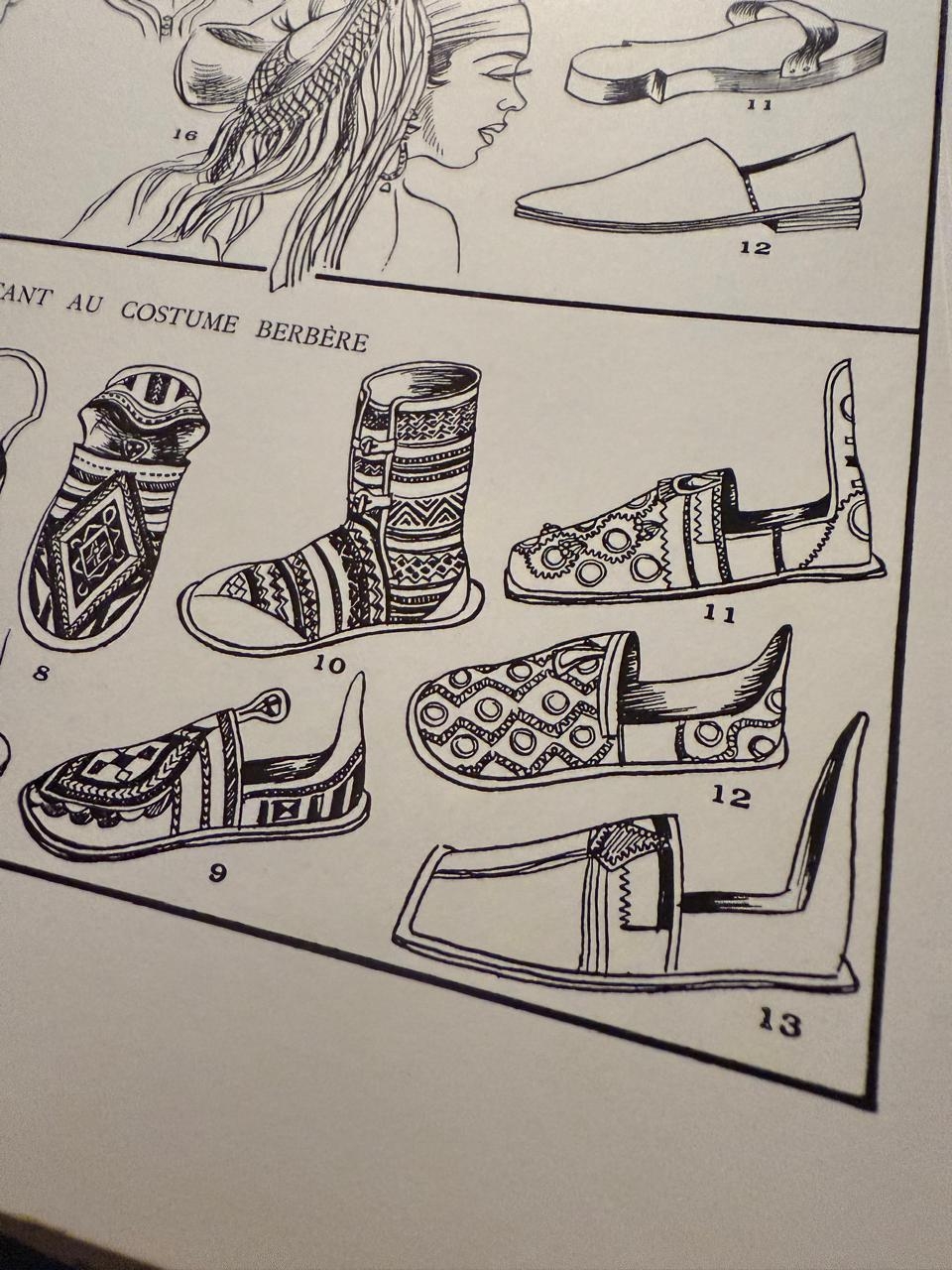
The sneaker began with a rural babouche from Morocco’s Anti-Atlas, a regional heritage long overlooked and undervalued. BAAZZ refuses the old North–South dynamic in which some cultures create while others decide what deserves to be called design. We transformed this nomadic heritage without copying it, romanticising it or freezing it in tradition. The result is a living object where cultures meet without hierarchy.

How did Baazz’s quiet and truthful approach to fashion shape the design of the sneaker?
Why should an African brand be confined to the clichés of “ethnic fashion” to prove where it comes from? BAAZZ claims the codes of quiet luxury while rewriting who has the right to define them. The sneaker is restrained, precise and free from decorative stereotypes, yet its origin remains deeply present. This is our way of reversing the power: African identity without explanation, permission or spectacle.
Can you tell us about the materials and craftsmanship behind The Baazz Sneaker?
The BAAZZ Sneaker is produced in Portugal using premium natural leathers, recycled thread and carefully selected sustainable materials. Its design carries the memory of the Moroccan rural babouche, while its construction meets international standards of precision and durability. Handcrafted details and technical shoemaking create a dialogue between Moroccan heritage and Portuguese expertise. For BAAZZ, sustainability is not a claim added at the end; it is built into the materials, the making and the story.


The project includes a Proof of Identity system; can you expand on this?
Each sneaker gives access, through a QR code, to its Proof of Identity and unique limited-edition number. It documents five dimensions: Legacy, Concept, Hand, Raw and Impact. We reveal who contributed, where the materials came from and why the piece exists. Everyone talks about transparency; we decided to build it into the object.
How does it feel to receive AIDA Awards recognition for a project that connects fashion, transparency and African craftsmanship?
Receiving recognition from an African platform gives this award a particular strength. It proves that our continent can recognise its own excellence, set its own standards and amplify its own voices. BAAZZ was born from a quiet rebellion against invisibility, cultural hierarchy and borrowed definitions of luxury. This award tells us that the rebellion is no longer marginal—it is becoming a movement.


Why do you think a platform like AIDA Awards is important now for African fashion design and for brands working with heritage, ethics and innovation?
Recognition must lead to more than applause: it must create networks, market access, investment and economic power. AIDA can help African brands move from visibility to influence, and from influence to ownership. Its ambition should be to build a stronger continental ecosystem with its own standards, platforms and global reach. The real award is not the trophy; it is the power to scale without losing control of our narratives.
Looking ahead, how do you hope Baazz will continue to grow as both a fashion brand and a creative ecosystem?
The next step is for BAAZZ to become a brand-platform, with artisans at the beginning of the chain, not hidden at the end of it. Through the BAAZZ Living Chain, designers, producers and makers will collaborate as visible and equal co-authors. Each creation will document who imagined it, who shaped it and what territory it carries. We want to grow by strengthening the ecosystem behind the object, not by erasing it. As the brand grows, we want to develop new products, new creative partnerships and new ways for people to engage with the story and impact of each piece. The goal is to prove that heritage can evolve, craftsmanship can innovate and fashion can create lasting cultural, social and economic value.