Header: Georgia Institute of Technology/Adam Saint-Jacques
Sentinel is a high-performance augmented reality eyewear engineered for better safety and awareness on the road. Sentinel’s AR system combines rear-road detection, directional alert, and hazard mapping. The augmented layer extends situational awareness and expands visual range without distracting from forward vision.
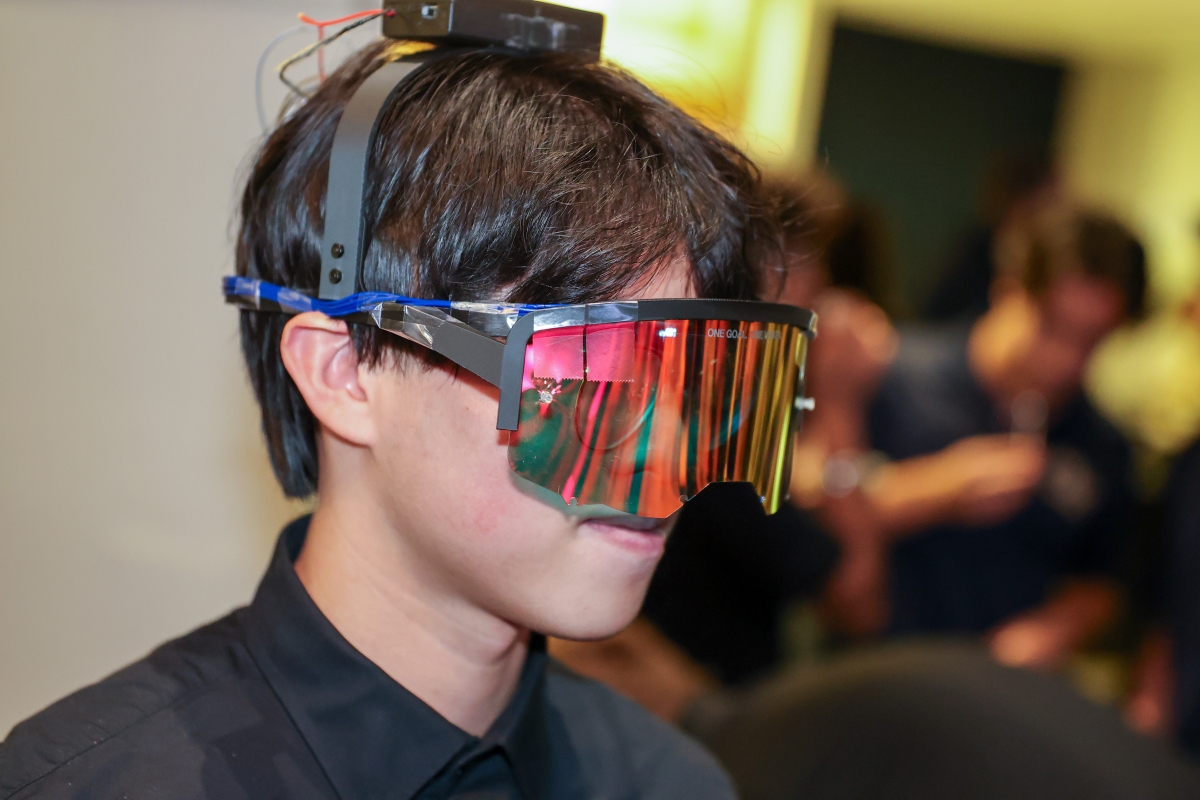
Sentinel alerts about other vehicles on the road
The equipment allows cyclists to see vehicles coming behind them with a rear-mounted radar. The radar translates motion into proximity cues to detect cyclists within 10 meters and vehicles up to 100 feet. An integrated microcontroller combines sensor data with network hazard data to render results, then presents them on a 128×32 OLED screen and reflective HUD film for peripheral visualisation.
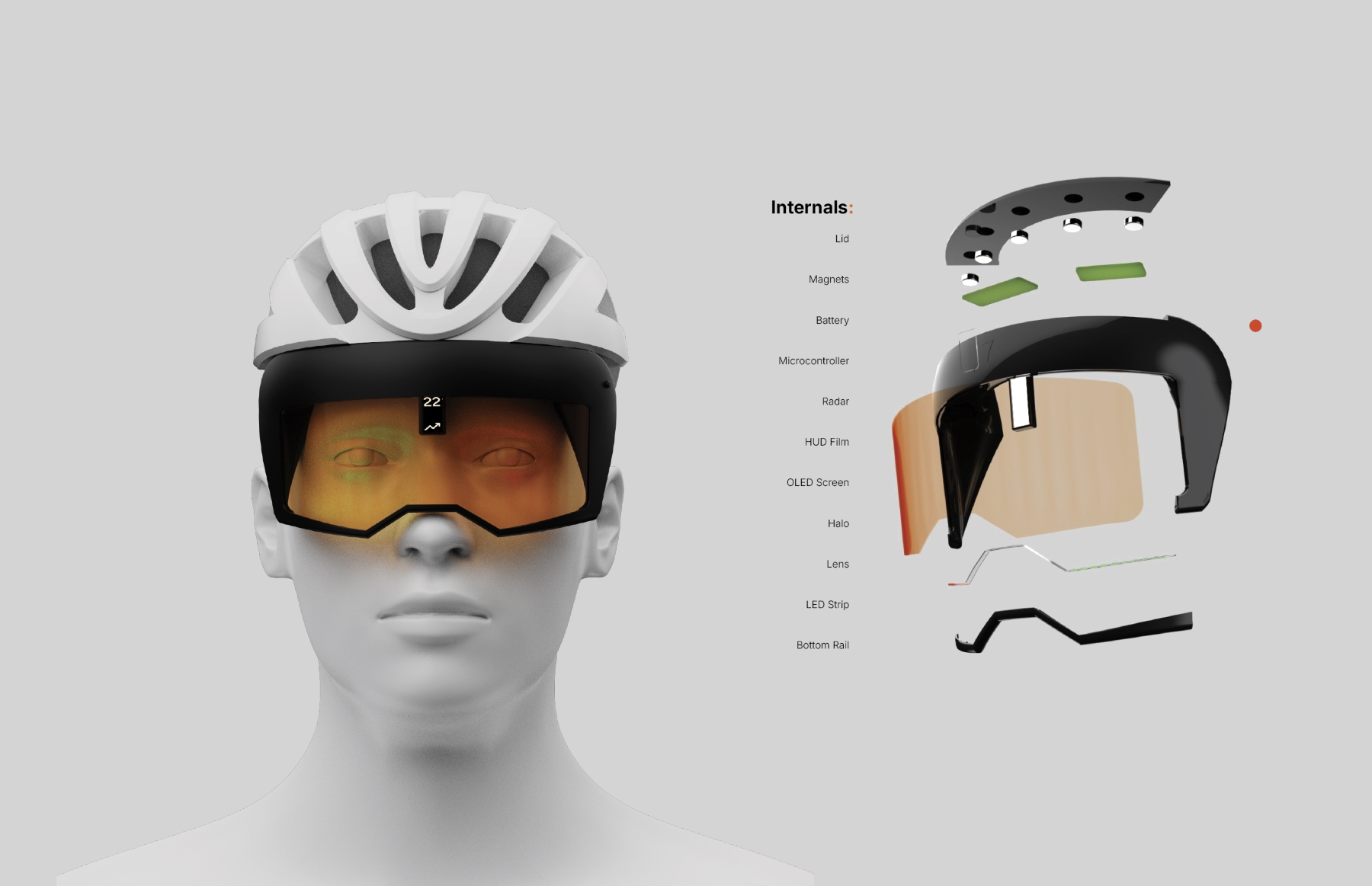
A constantly updated environmental layer is made through a distributed rider network that tags road accidents. In order to reduce cognitive load, the information is customised through a companion app based on context and rider preferences. Repeatable alignment of the helmet to the frame is ensured through a modular magnetic mounting system. Sentinel AR cycling eyewear system is the only product of its kind on the market that provides real-time cycling safety augmentation.
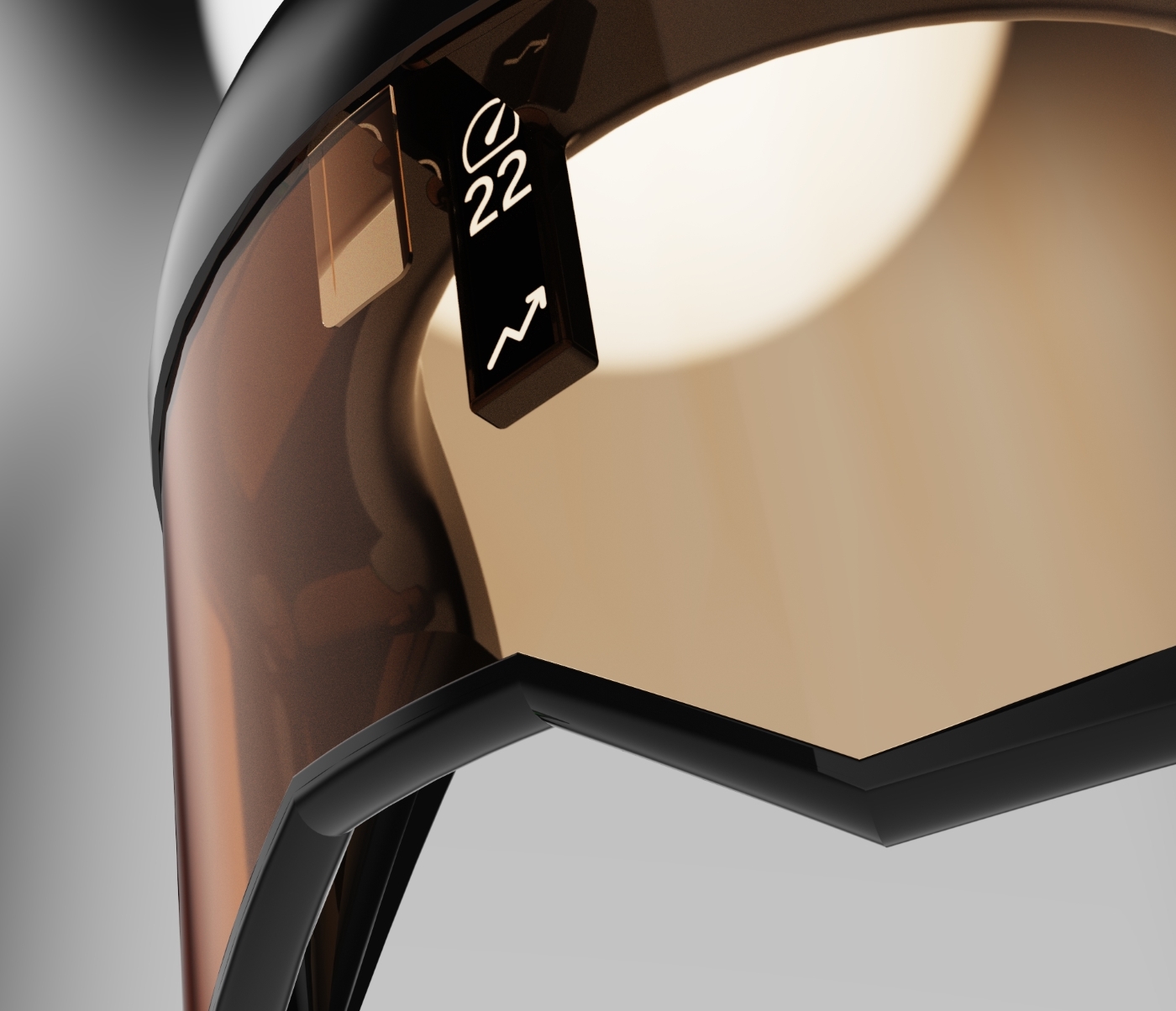
Head-up display (HUD) films project data in the user’s sightline
Nowadays, the majority of eyewear centres on artificial intelligence to capture images, record videos or audio interaction. Sentinel offers another approach that focuses on live environmental awareness. Sentinel solves the main problem limiting the use of AR eyewear: optical legibility at close eye range. Closeness to the eye results in image distortion and eye strain. The company uses Head-up display (HUD) films for augmented reality to project the image away from the eye and into the user’s line of sight. The technology improves readability in motion while reducing eye strain, thus providing cleaner and easier data comprehension.
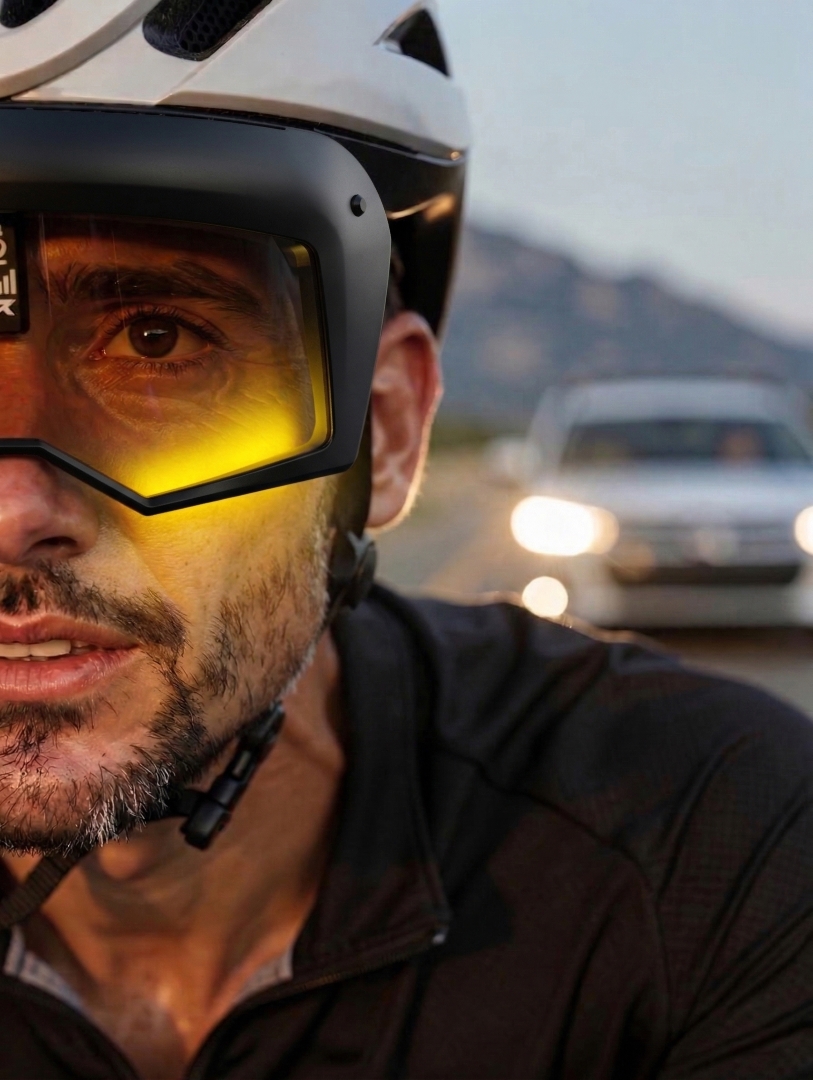
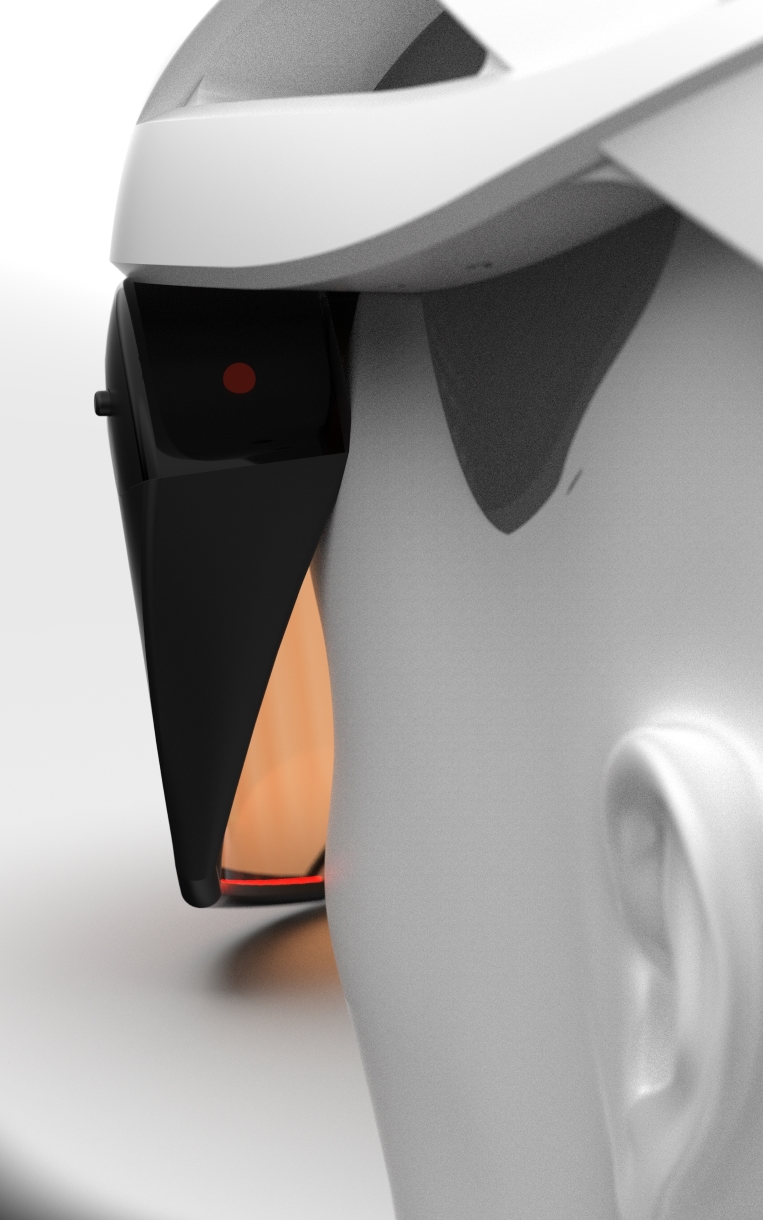
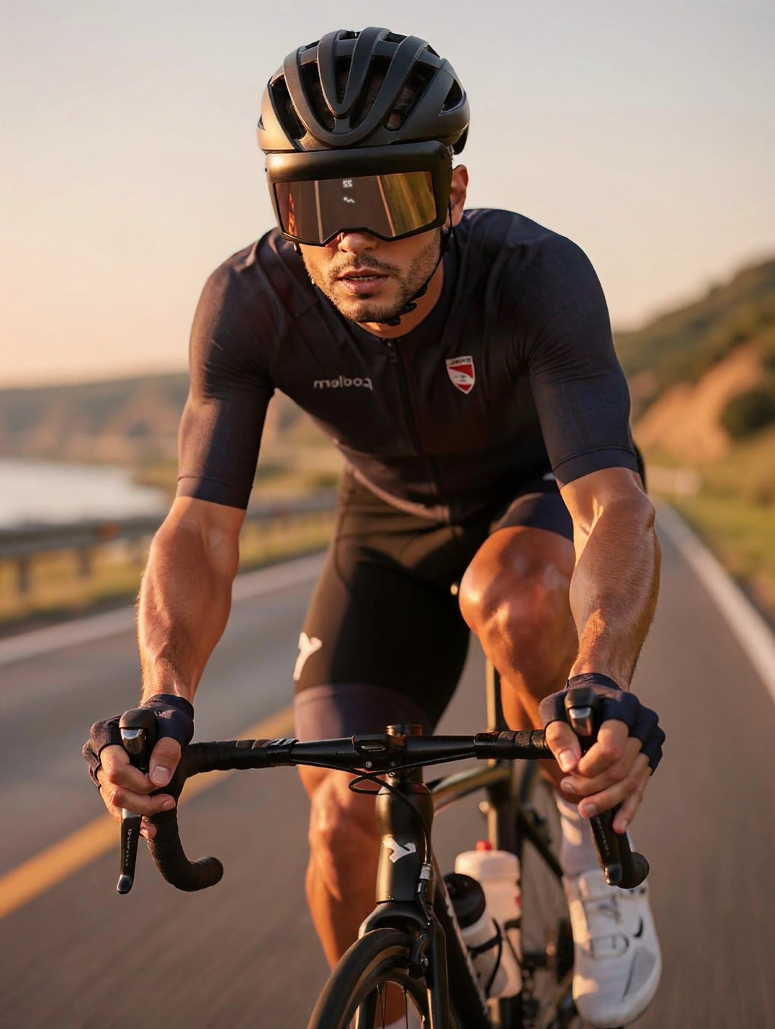
Unlike competitor eyewear, the combination of rear-mounted radar, real-time hazard network, and directional alert system creates important feedback into the rider’s field of view, providing continuous situational awareness in dynamic road conditions. By combining cycling-specific sensors, AR display technology, and shared rider data, Sentinel introduces a new generation of safety-focused cycling eyewear.
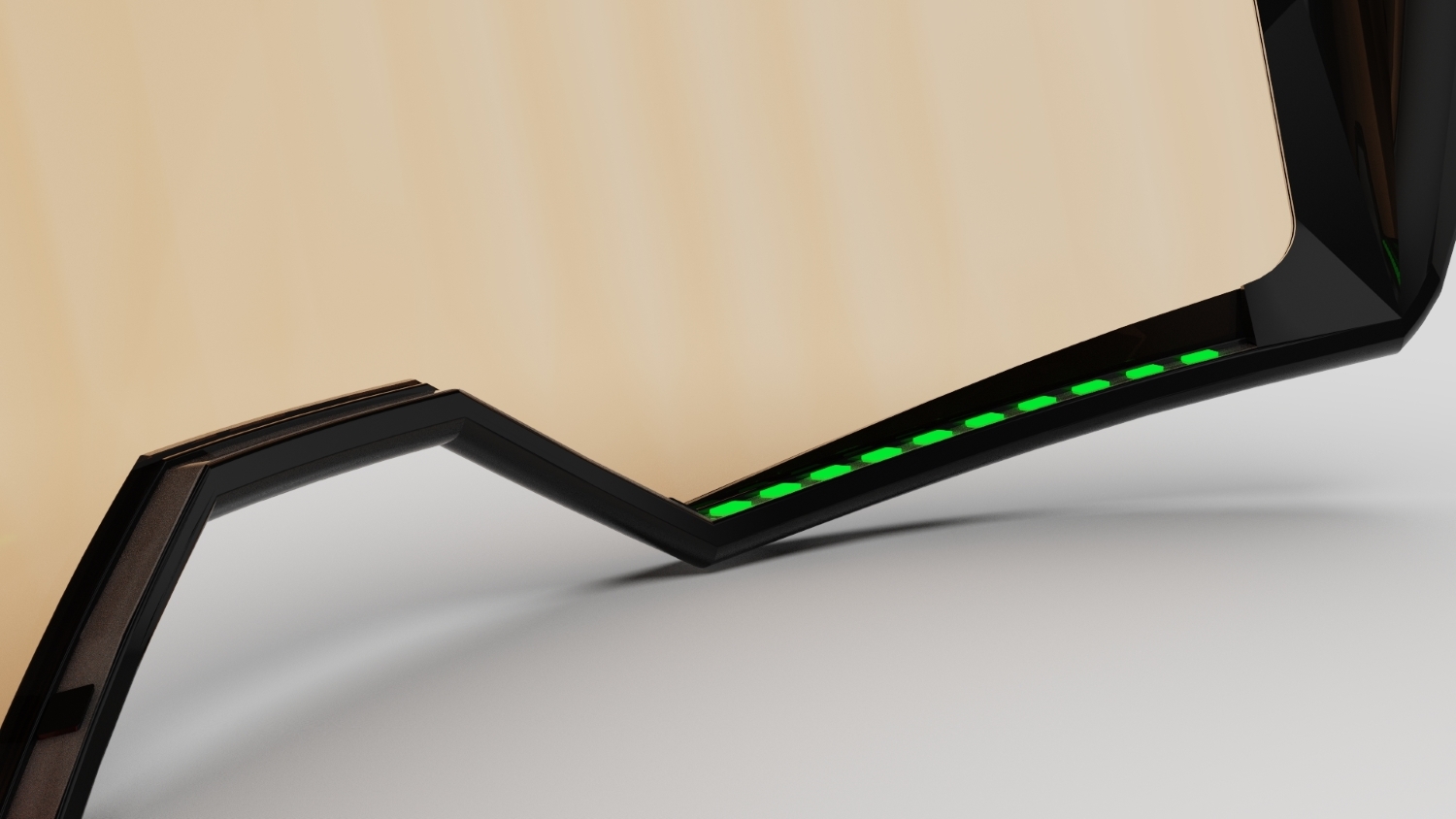
Flexible frame and magnetic attachment for a secure fit
Made of Thermoplastic Polyurethane (TPU), the flexible frame of Sentinel can adapt to diverse helmet geometries. The magnetic mountain system ensures quick and easy attachment and a secure fit over prescription glasses or sunglasses. The all-in-one visor hosts the entire hardware system, including a high-contrast OLED screen, rear-facing radar and a peripheral LED strip that provides directional hazard signals. This consolidated hardware hub is configured to deliver information on a need-to-know basis without interrupting cyclists’ cognitive flow or line of sight.
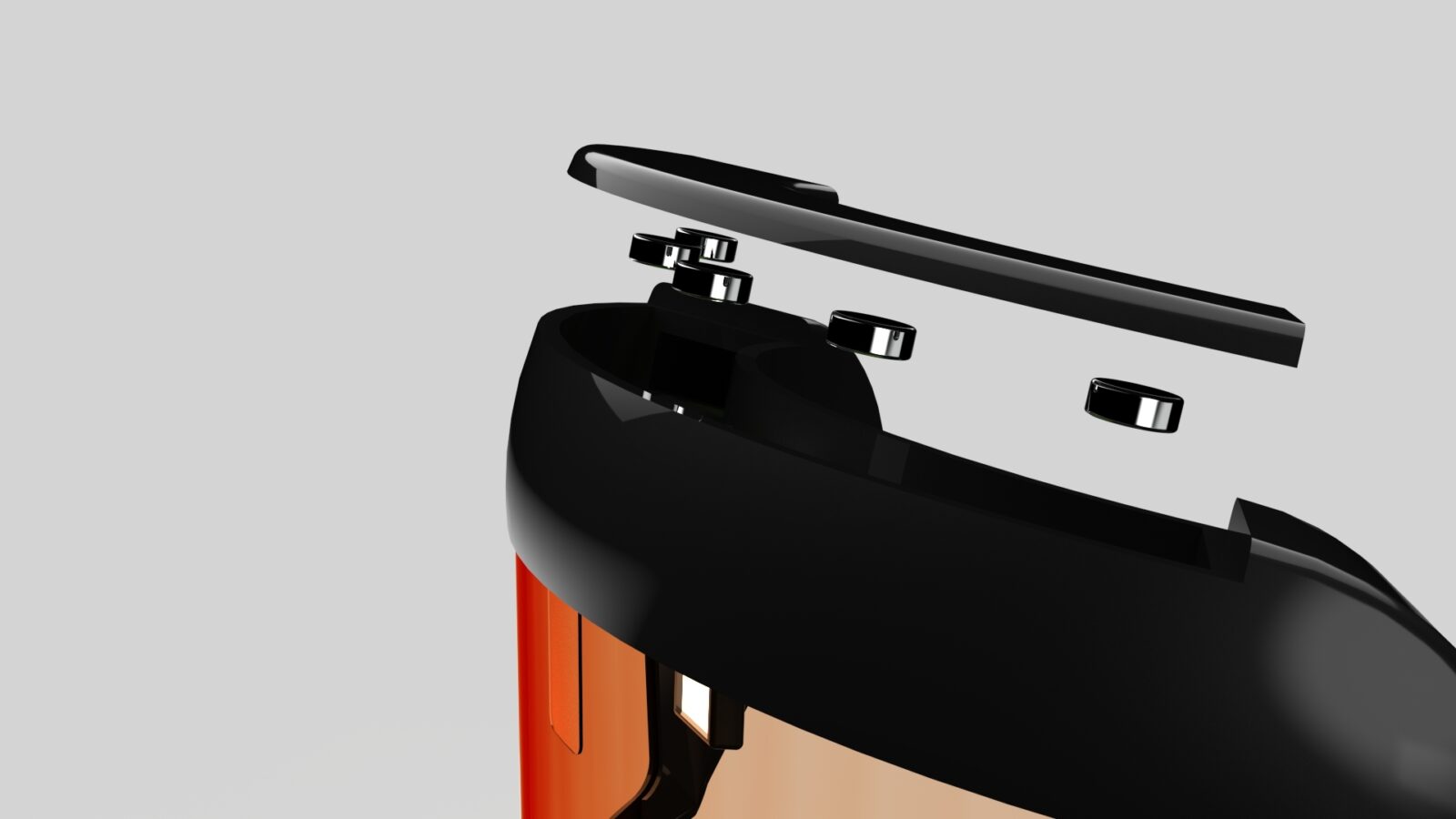
Weighing under 350 grams, Sentinel is light and extremely comfortable even during prolonged use on long rides. Engineered for endurance, the system has a battery life of over 8 hours. Sentinel eyewear comes with interchangeable frames in many colour options, and the lenses are customizable as well.
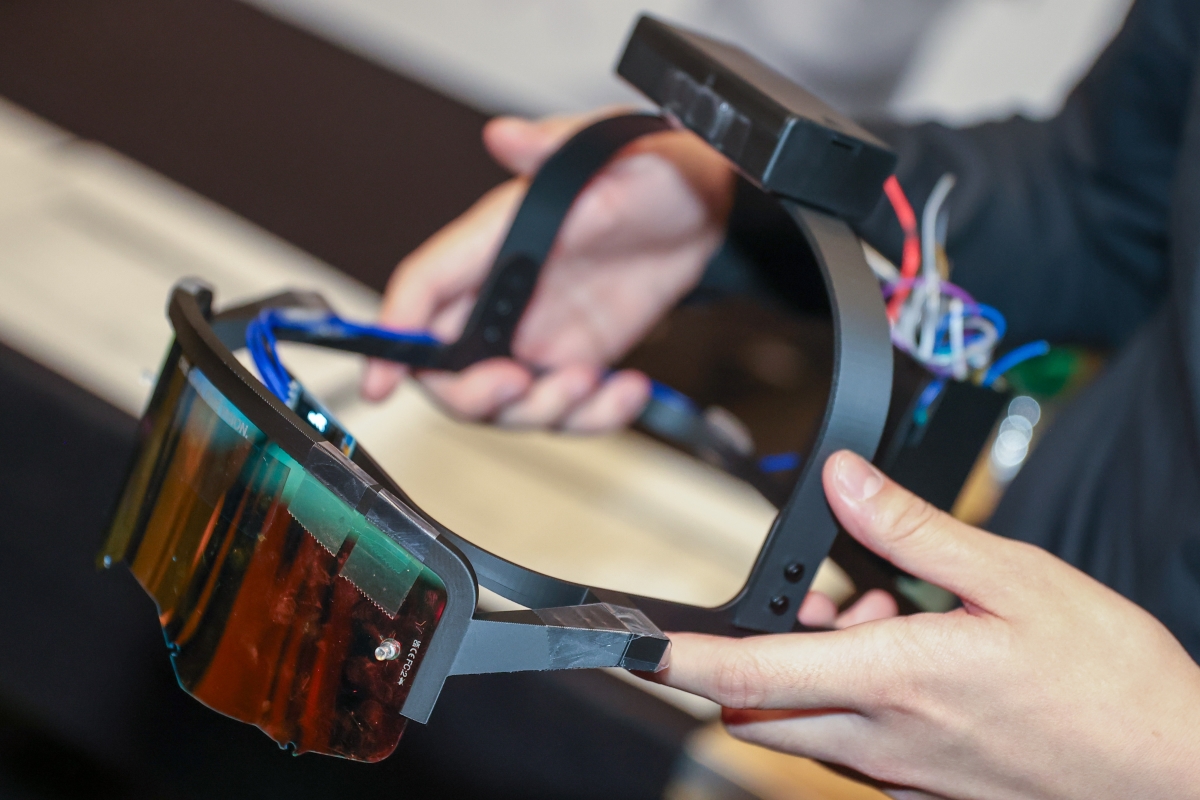
Conceived by student designer Adam Saint-Jacques from Georgia Institute of Technology, Sentinel’s design has won a FIT Sport Design Award in the Sport Equipment Design / Cycling category. The eyewear is currently in a prototype stage of development, but will undoubtedly become a life-saving tool for cyclists once it enters production.