Header: Courtesy of Samsung
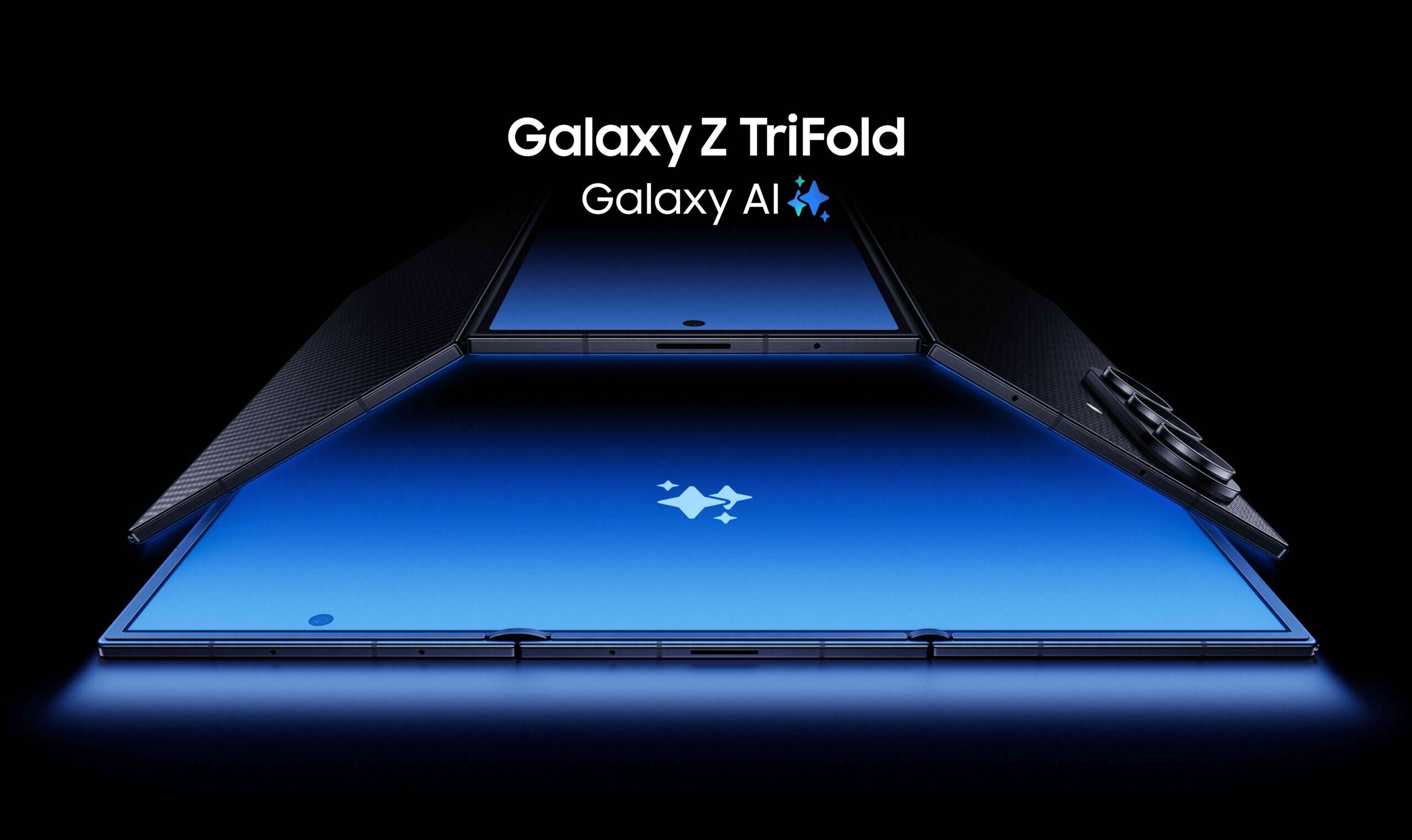
The smartphone world has settled into a comfortable rhythm of black rectangles and minor camera updates, but Samsung is shaking up that routine. With the announcement of the Galaxy Z TriFold, the Korean tech giant is proposing a totally new way to interact with our digital lives. It’s not just about a screen that bends but about a device that transforms from a pocketable daily driver into a full 10-inch workspace. For design enthusiasts and power users, the TriFold represents a fascinating shift in how we think about portability and utility.
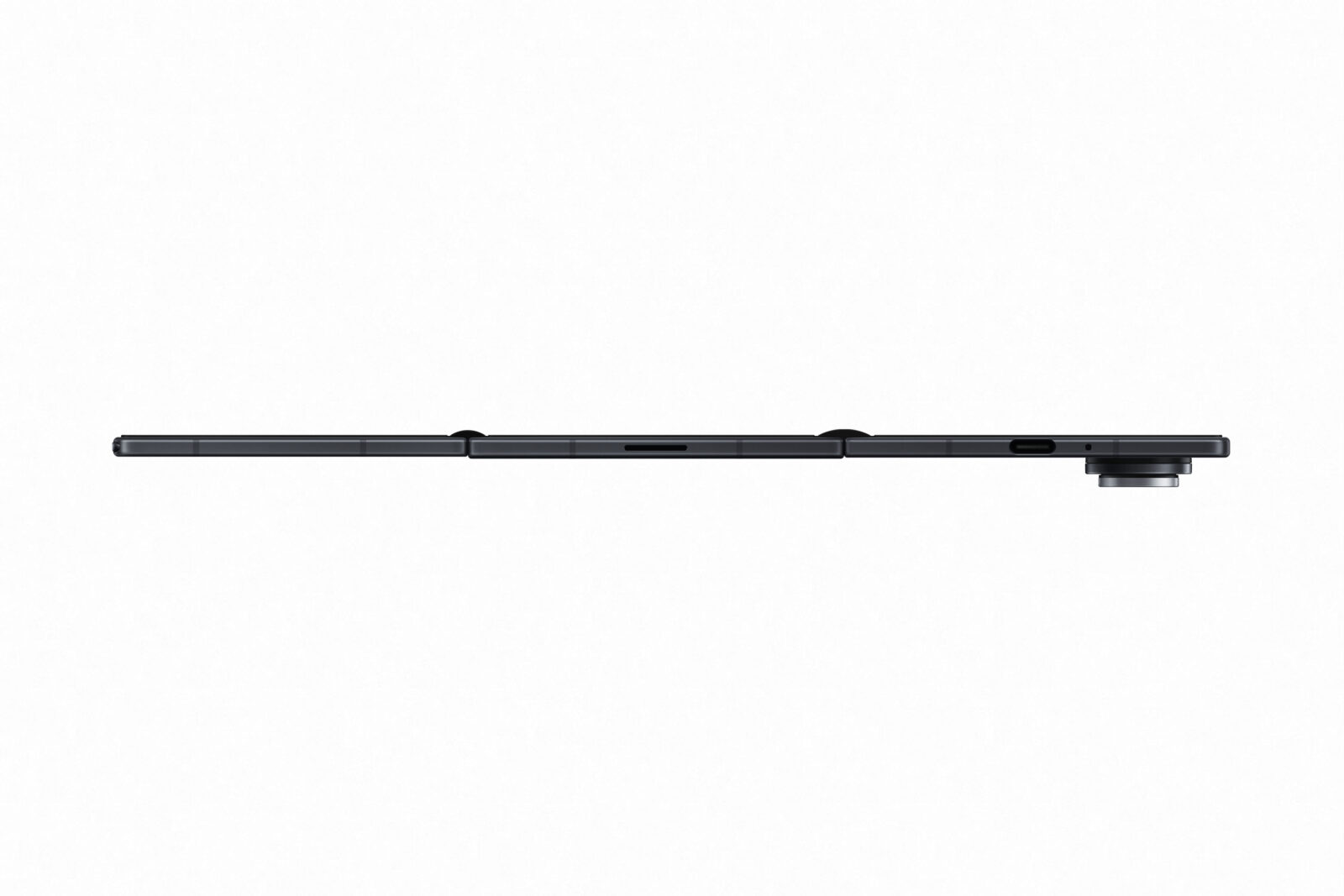
Engineering a slimmer profile
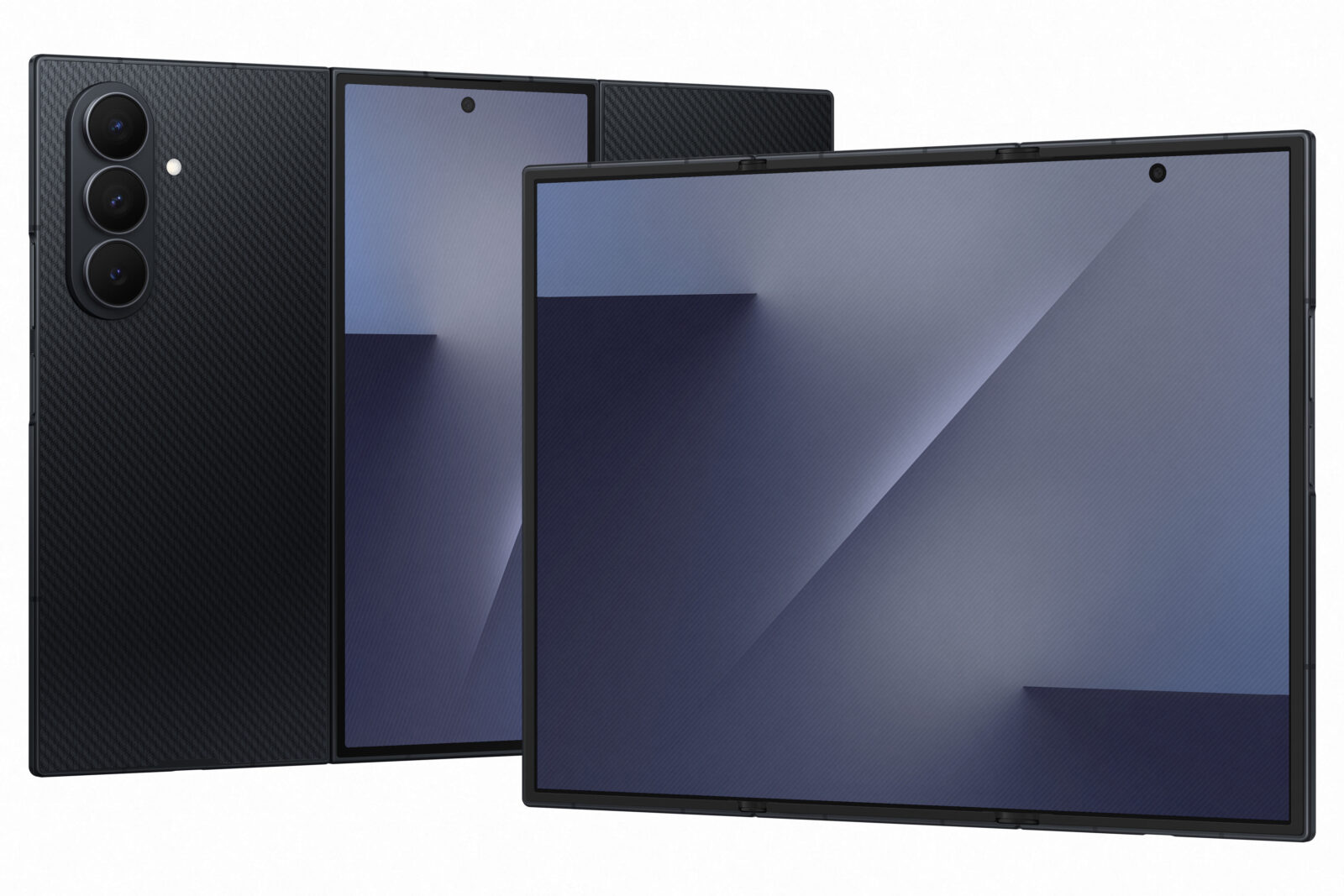
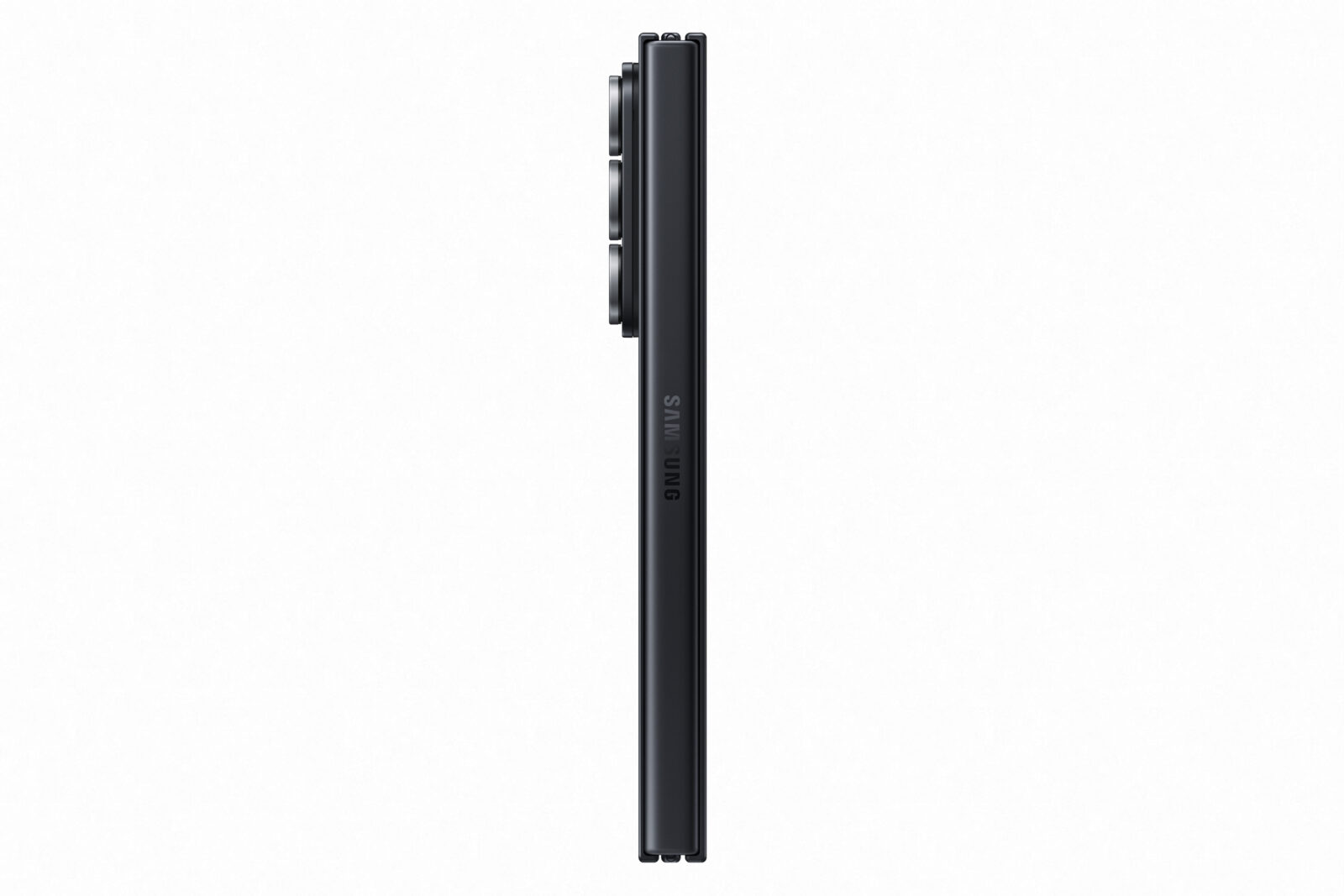
The immediate question with any folding device is bulk. How do you stack three screens on top of each other without creating a brick? Samsung’s answer lies in obsessive material science and structural engineering. At its thinnest point, the device measures just 3.9 mm. To achieve this, the design team moved away from standard materials, utilizing a titanium hinge housing. This thin piece of metal protects the delicate folding mechanism while resisting the wear and tear of daily use.
The frame itself is constructed from Advanced Armor Aluminum, a high-strength alloy chosen to add rigidity without weighing down your pocket. To keep the rear panel tough yet slim, they utilized a ceramic-glass fiber-reinforced polymer. It is a smart combination of materials that ensures the phone feels solid in the hand, not fragile. The folding action itself is controlled by a new dual-rail hinge structure. This allows the panels to move together smoothly, keeping the device stable whether it is fully open or partially folded.
The 10-inch canvas
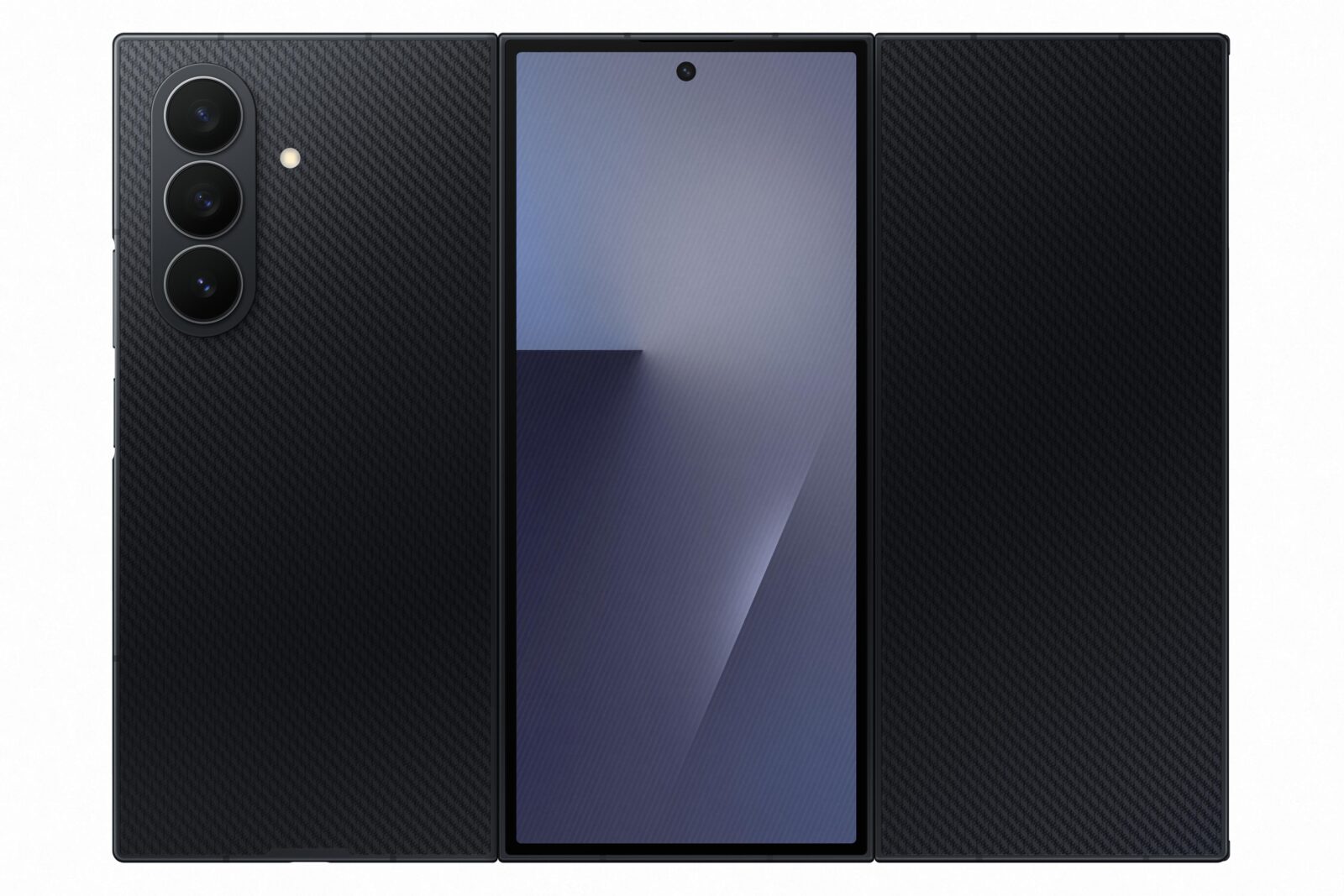
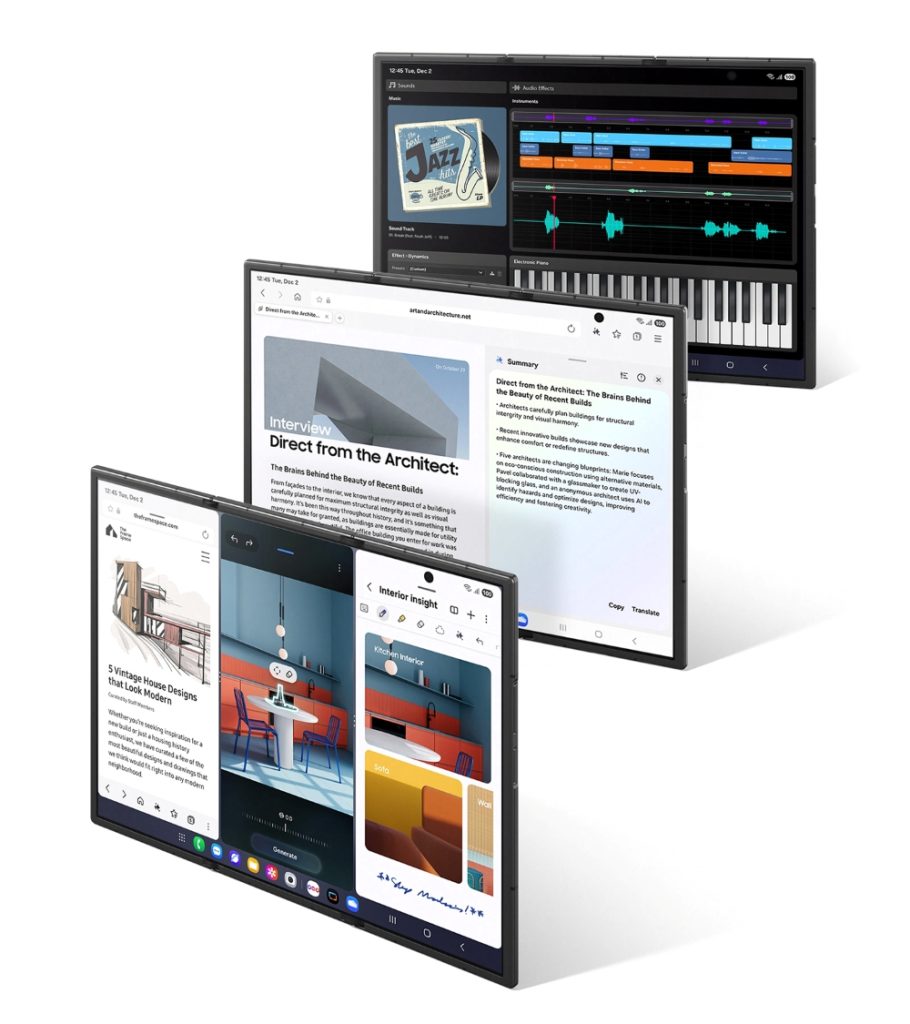
When you unfold the device twice, you are greeted by a massive 10-inch display. This is the largest screen ever put on a Galaxy phone, blurring the line between smartphone and tablet. The inward-folding design was a specific choice to keep the main display protected when the device is closed. Samsung also added a reinforced overcoat to the shock-absorbing layers of the screen, improving resistance against impacts.
For creatives, this screen real estate changes everything. You aren’t just looking at a larger version of an app; you have room to run three full-sized portrait apps side-by-side. An architect could review blueprints, draft a proposal, and calculate measurements all at once without switching windows. The visual experience is equally impressive, with the main screen hitting 1600 nits of brightness and the cover screen reaching 2600 nits, ensuring your work looks vivid even in bright sunlight.
Power hidden in the panels
Great design is about how the internals support the user experience. Samsung solved the power distribution problem by splitting the 5,600 mAh battery system across all three panels. This ensures the device remains balanced in your hand rather than top-heavy, while still providing all-day endurance.
Under the hood, the device runs on the Snapdragon 8 Elite Mobile Platform, capable of handling the heavy lifting required by the 200 MP camera and AI features. The software design takes full advantage of the hardware, offering a standalone Samsung DeX mode. This allows you to set up a full desktop environment anywhere, effectively turning the TriFold into a portable workstation that can connect to a mouse and keyboard.
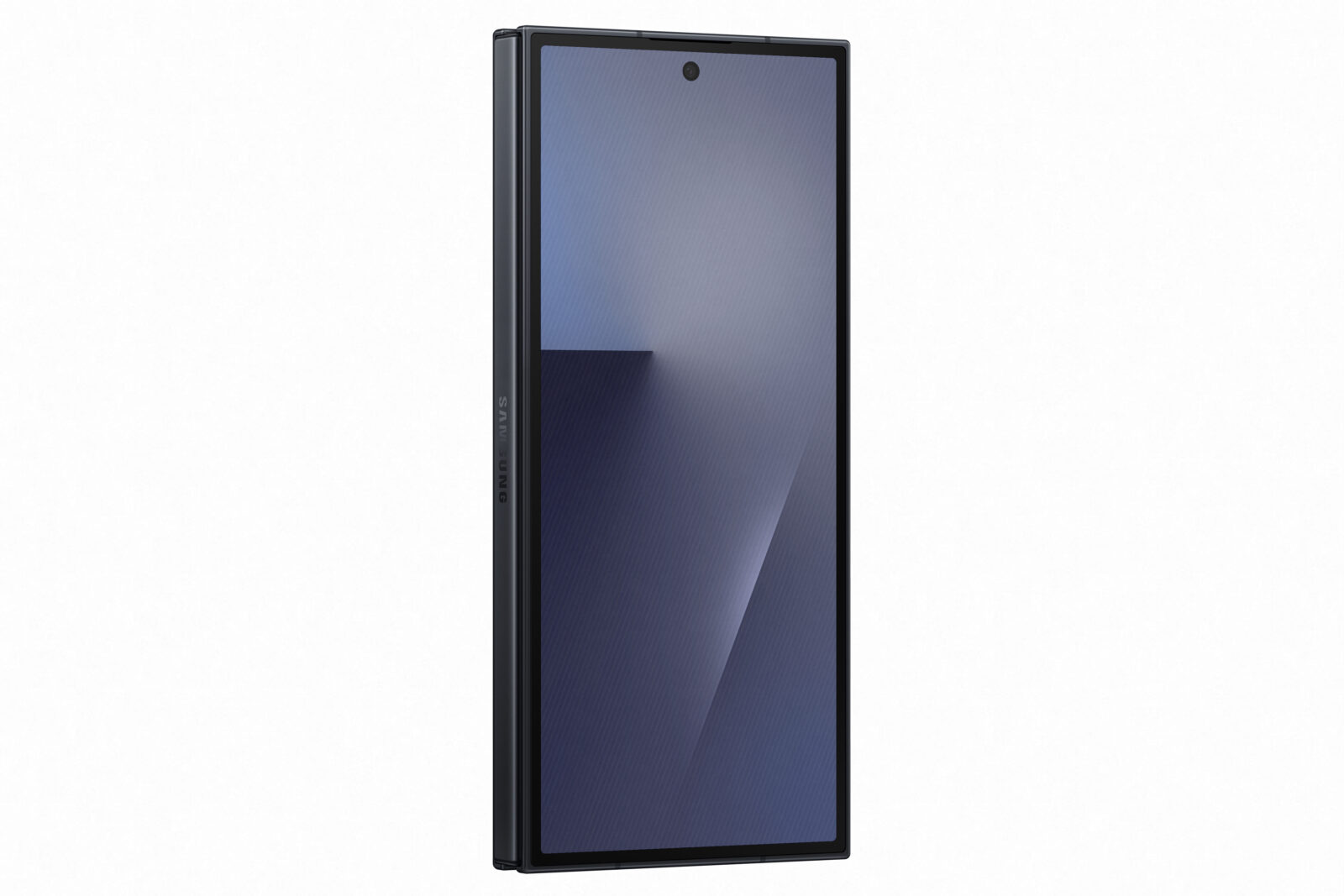
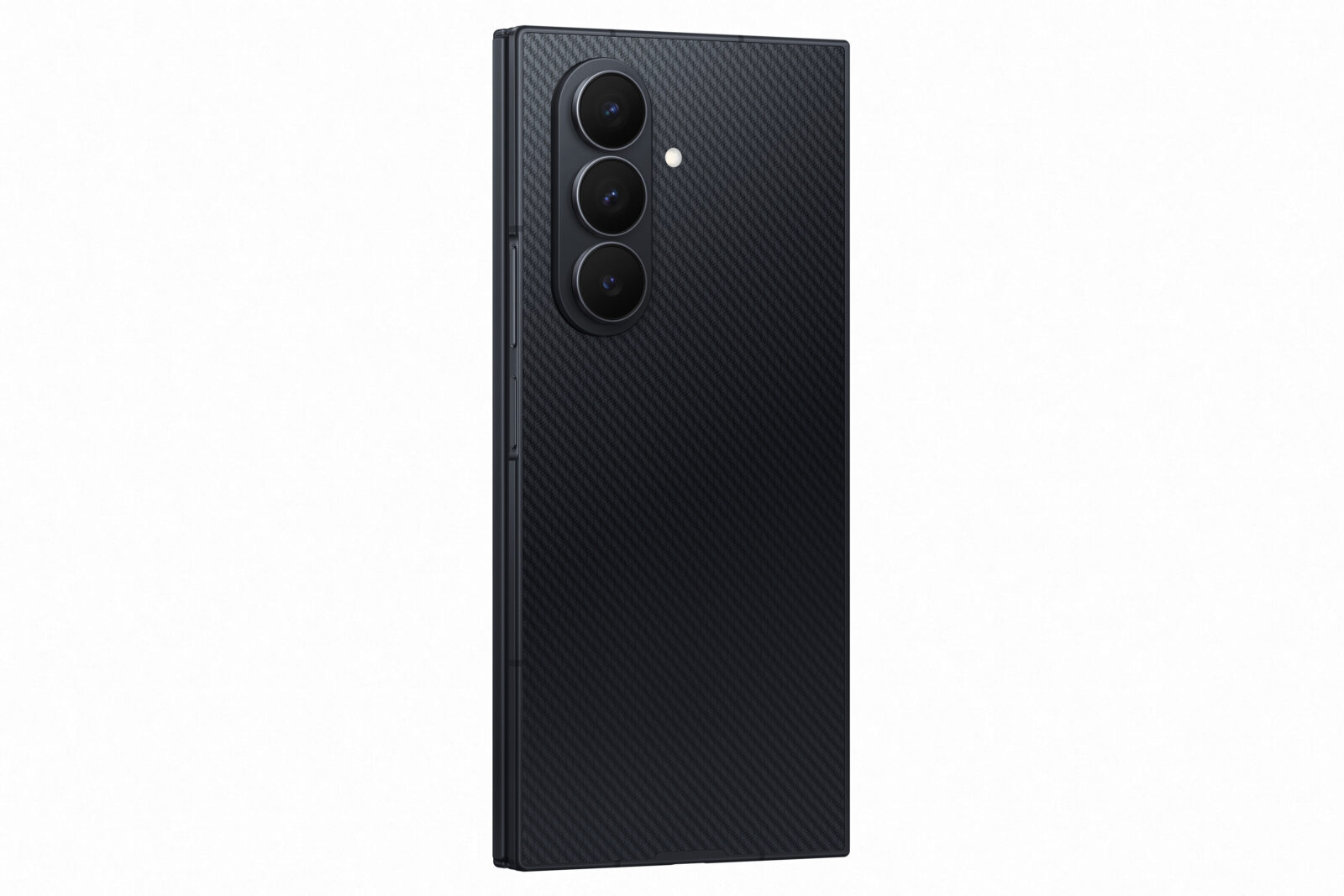
The Galaxy Z TriFold may seem just like a tech flex, but this is a serious tool for those who refuse to compromise between mobility and productivity. By combining high-end materials like titanium and ceramic-glass with a clever tri-fold architecture, Samsung has created a device that adapts to the user, rather than forcing the user to adapt to a small screen. As it rolled out in Korea this December and global markets shortly after, the TriFold offers a glimpse into a future where our phones are the only computer we need to carry.