



Header: Courtesy of Ceren Arslan
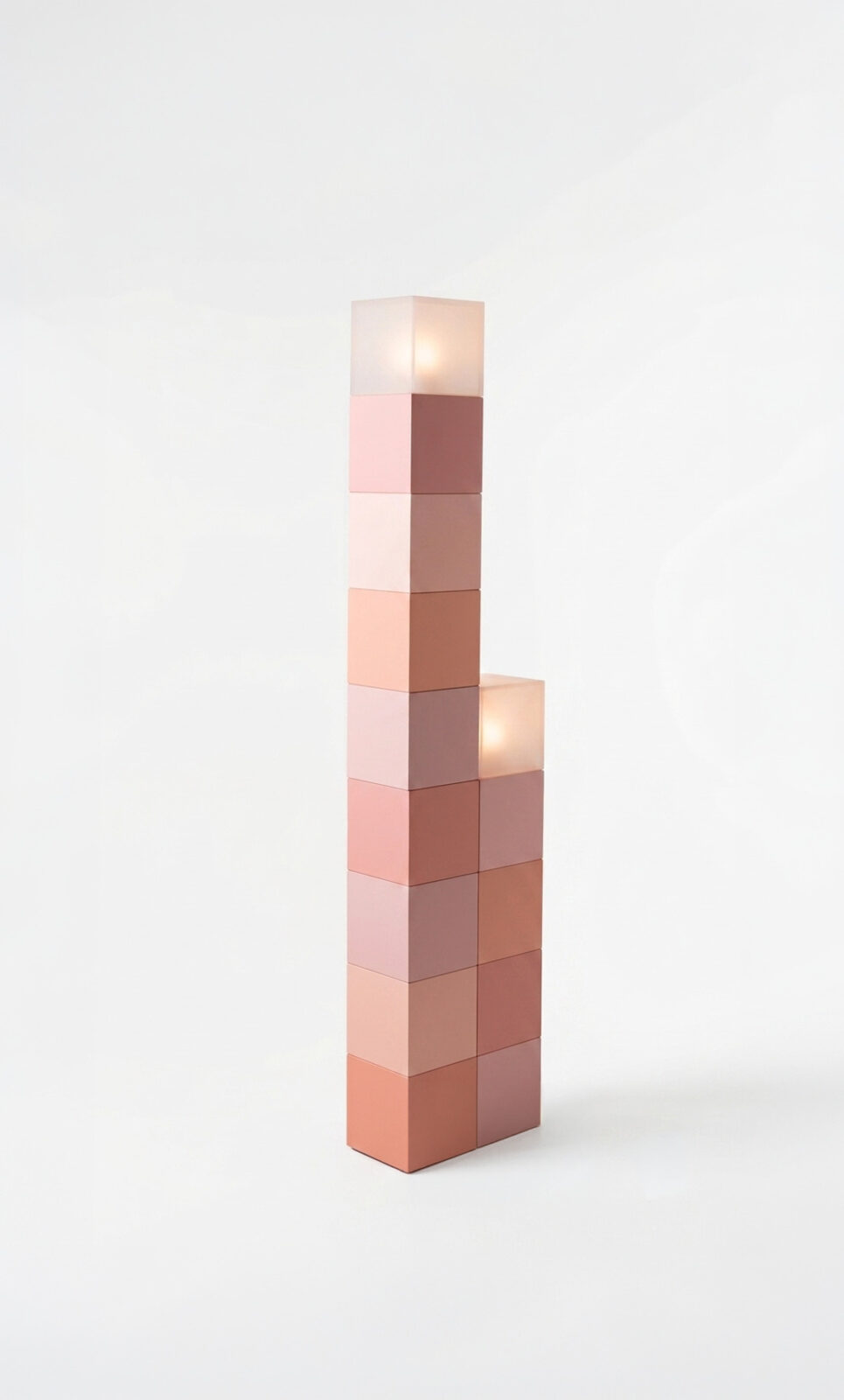
Pixel Theory is the debut furniture collection of Ceren Arslan, a spatial designer based in New York City who works under the studio name EXIT. First presented in September 2025 at IRL Gallery in Tribeca, the collection includes seating pieces, floor lamps, pendant lights, table lamps and side tables, all designed from a single starting point: the pixel, the smallest unit of any digital image.
From screen to room
Arslan spent years designing digital spaces before turning to physical objects, and the collection was born from that work’s experiences. The main reference is, then, the visuals of early video games, where whole worlds were built from simple repeating units in primary colours, moving along two axes.
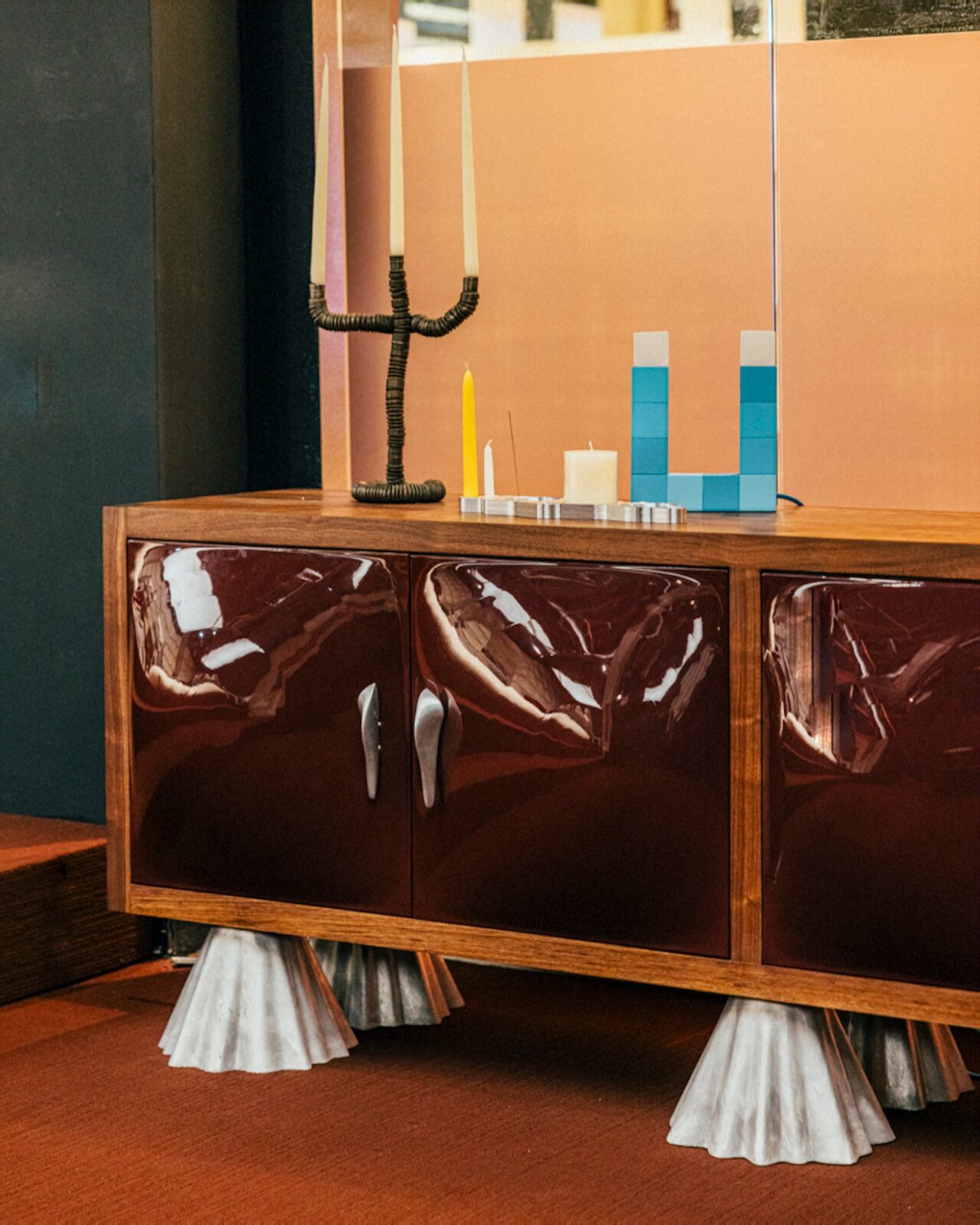
Instead of going for the perfection of high-resolution imagery, Pixel Theory returns to those same building blocks and puts the square in the centre of everything. Arslan has said the idea took shape while she was working with the Italian designer Pietro Franceschini on his Tetris collection, imagining that familiar two-dimensional game suddenly existing in three dimensions.
“The collection is intended as joyful souvenirs from the spaces I’ve been designing within EXIT. It’s about bringing that low-res nostalgia into the physical realm, where logic meets sentiment.”
Ceren Arslan
A system of three resolutions
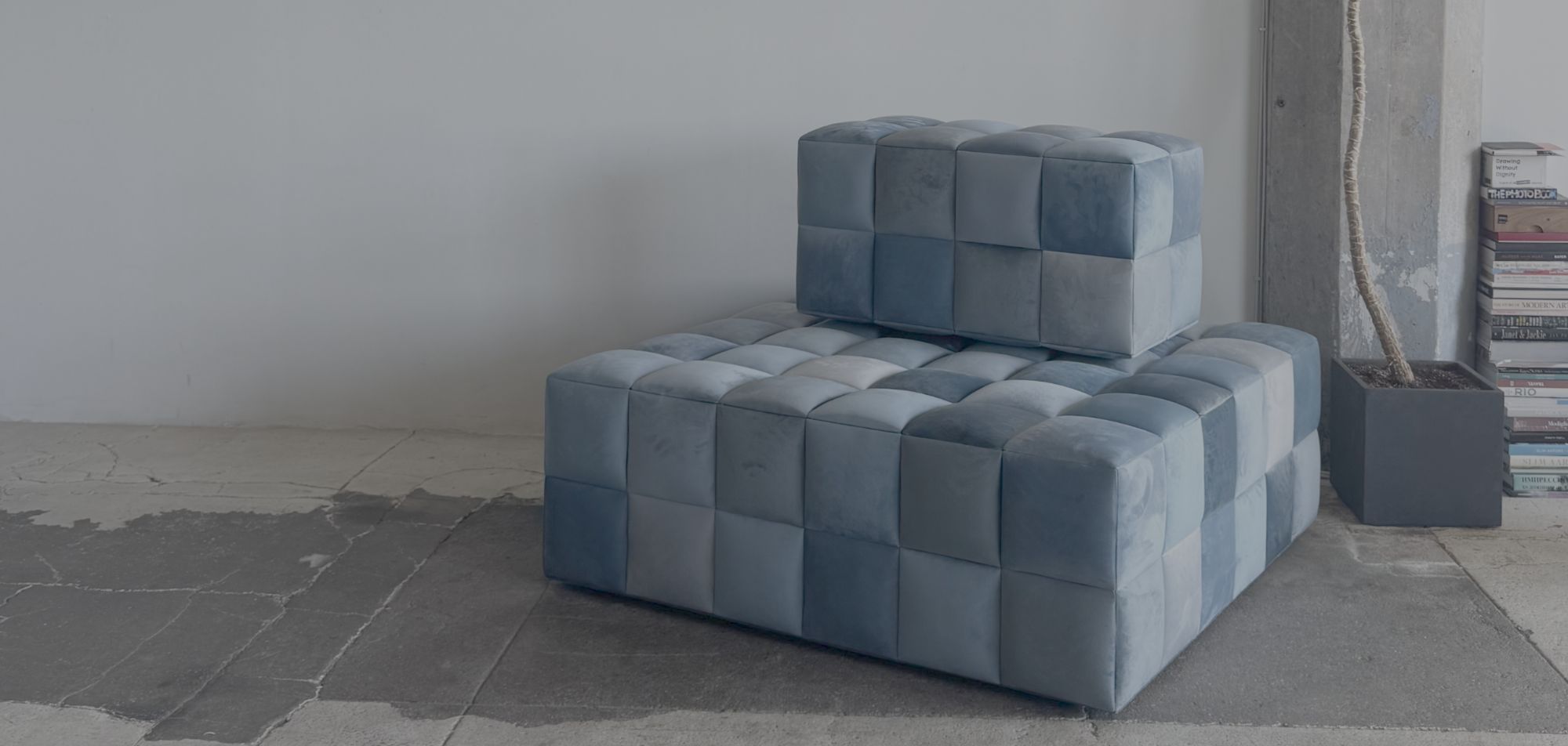
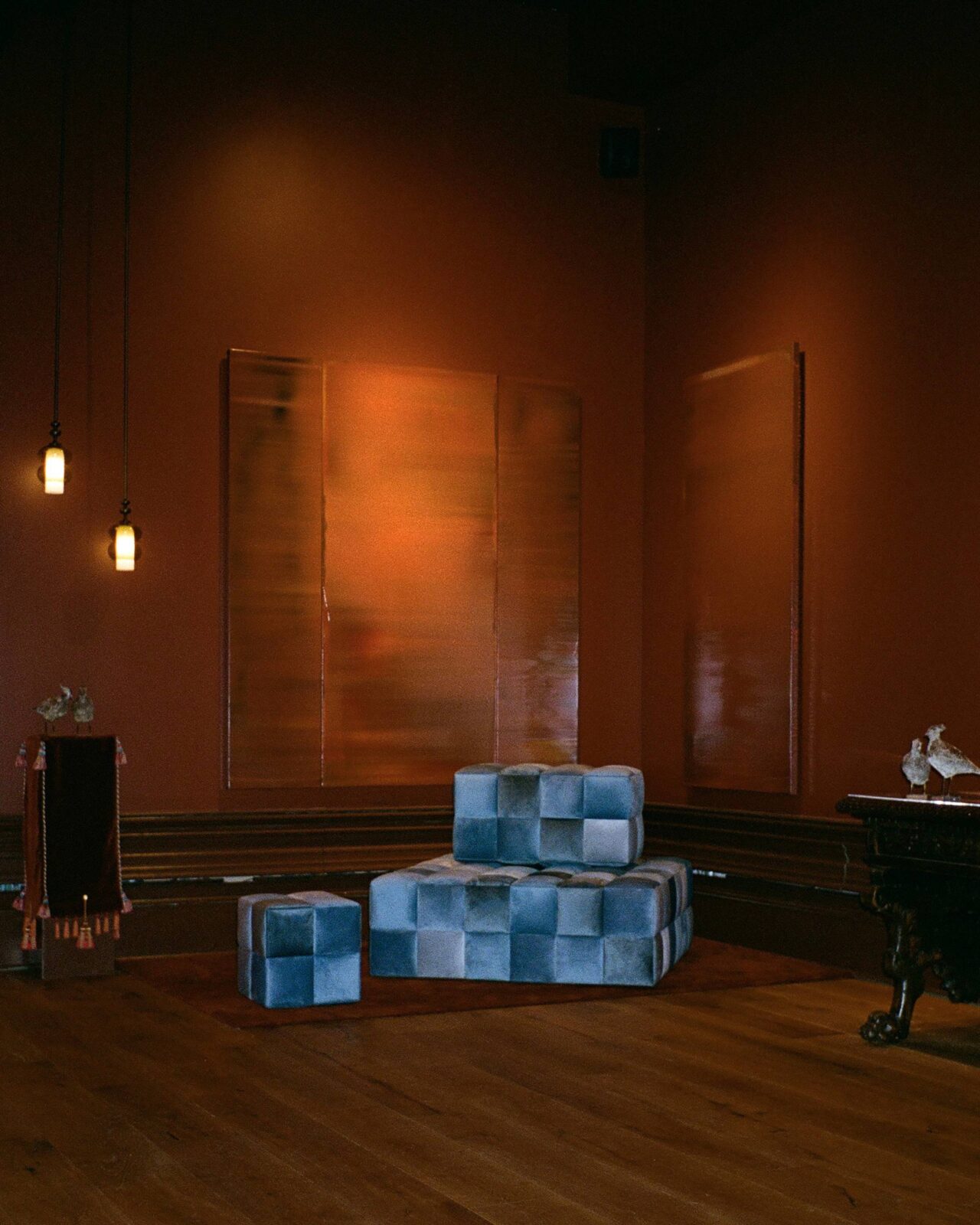
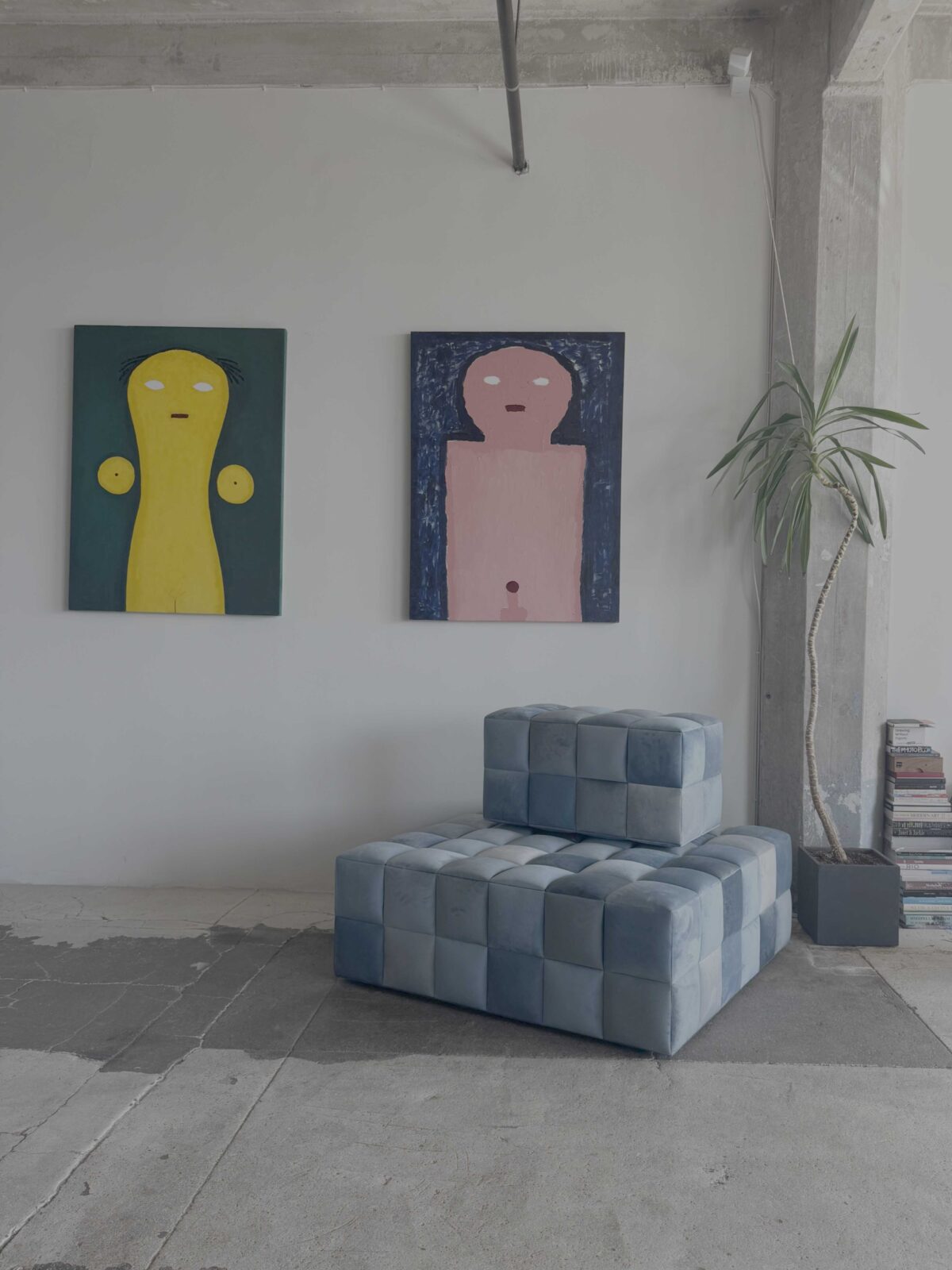
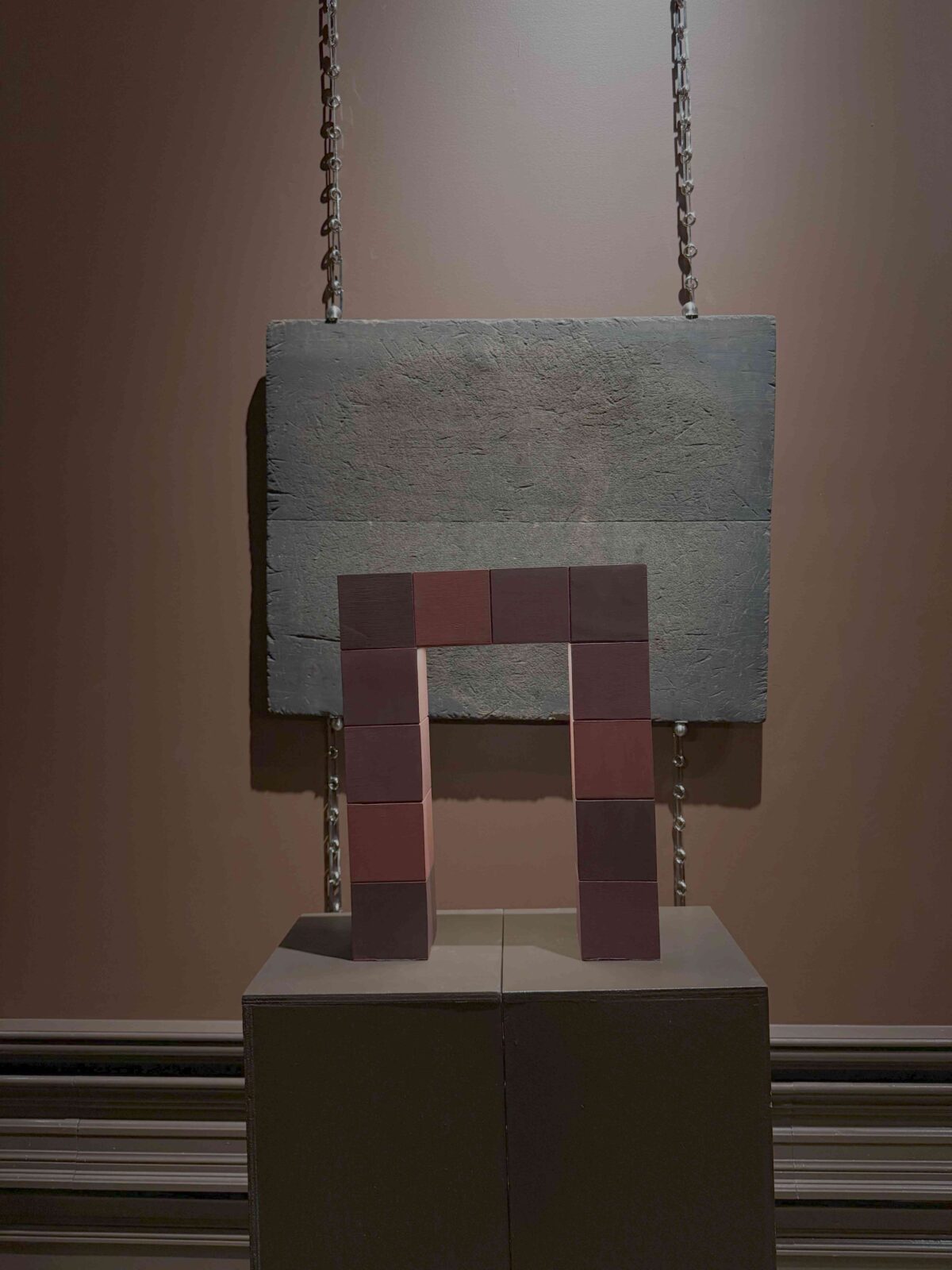
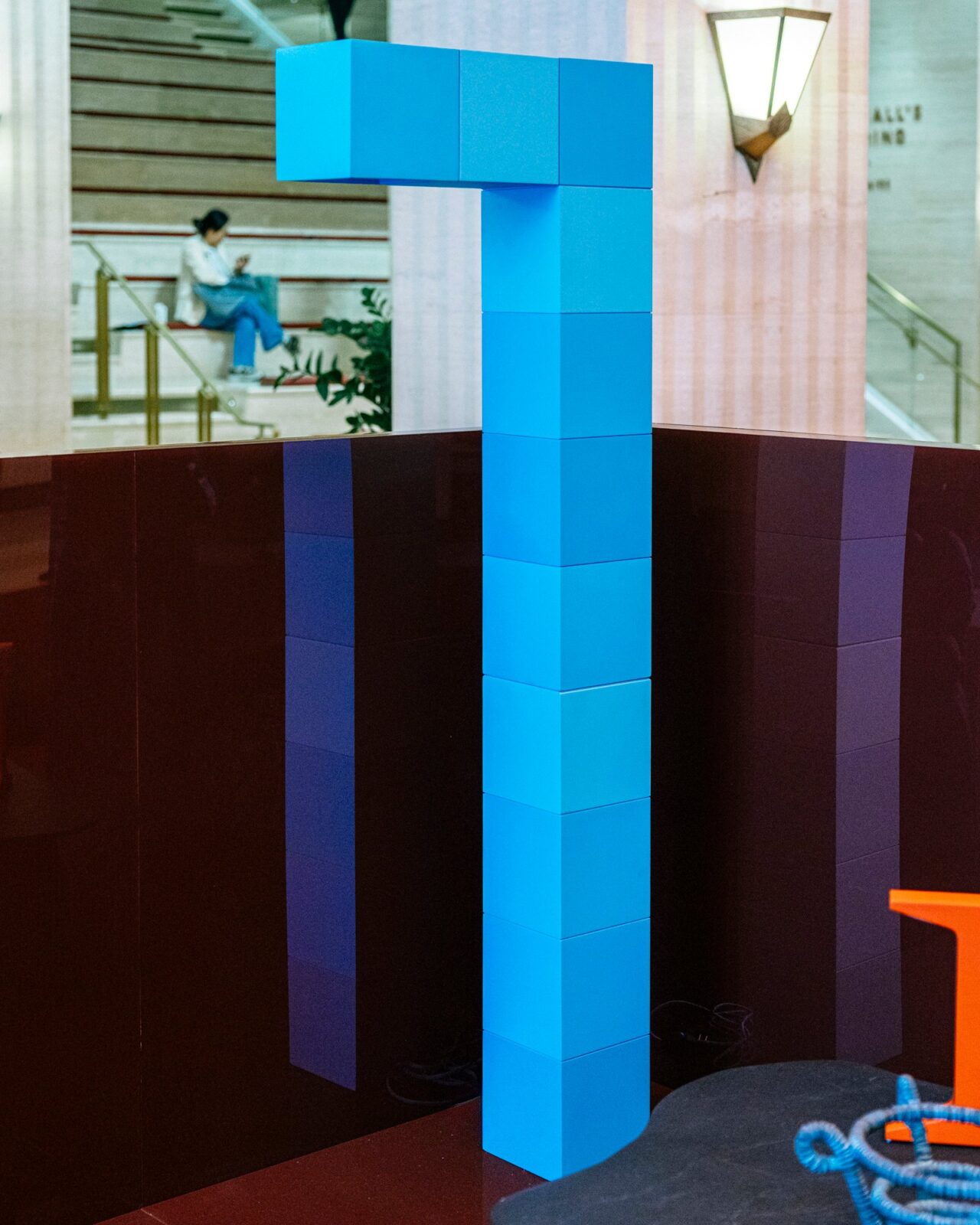
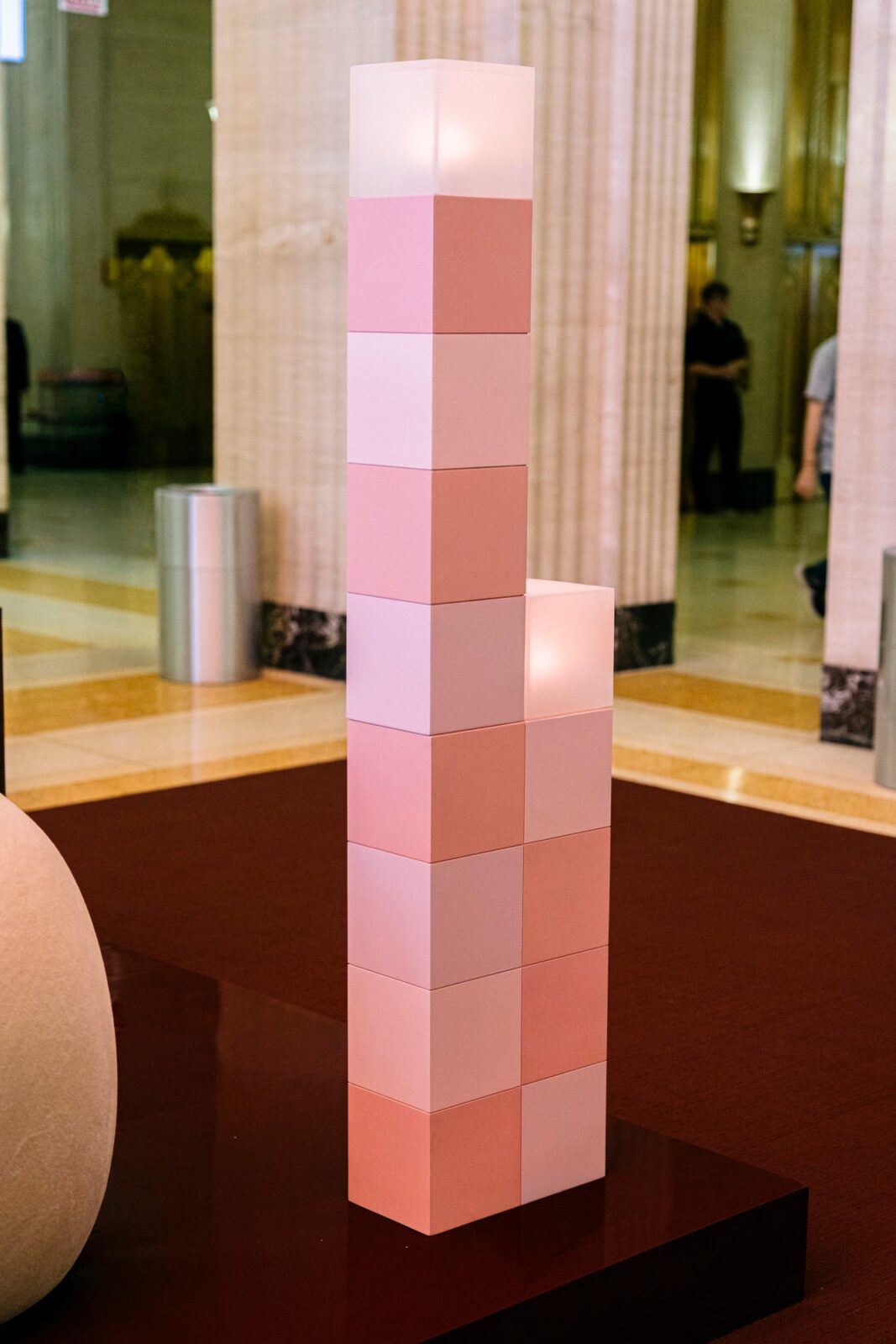
Every piece in the collection is assembled from cubes in three sizes, which Arslan calls a “tiered resolution system”. Cubes of 20 centimetres make up the seating, floor lamps and the large structural pieces, while 10-centimetre cubes produce tables and pendant lights. The smallest cube, the 5-centimetre one, is used to create the side tables and table lamps. Each cube is, therefore, a direct physical reference of a digital pixel. Because every object exists on a sort of grid, clients can configure the pieces to their own space and needs.
“Pixel Theory defies the idea of ‘finished’ furniture. Instead, these objects are proposals of collectible forms that embody an open-ended approach to design. By inviting collaboration and customisation, the collection remains infinite, mirroring the expansive possibilities of the digital environments that inspired it.”
EXIT
Velvet and stained wood
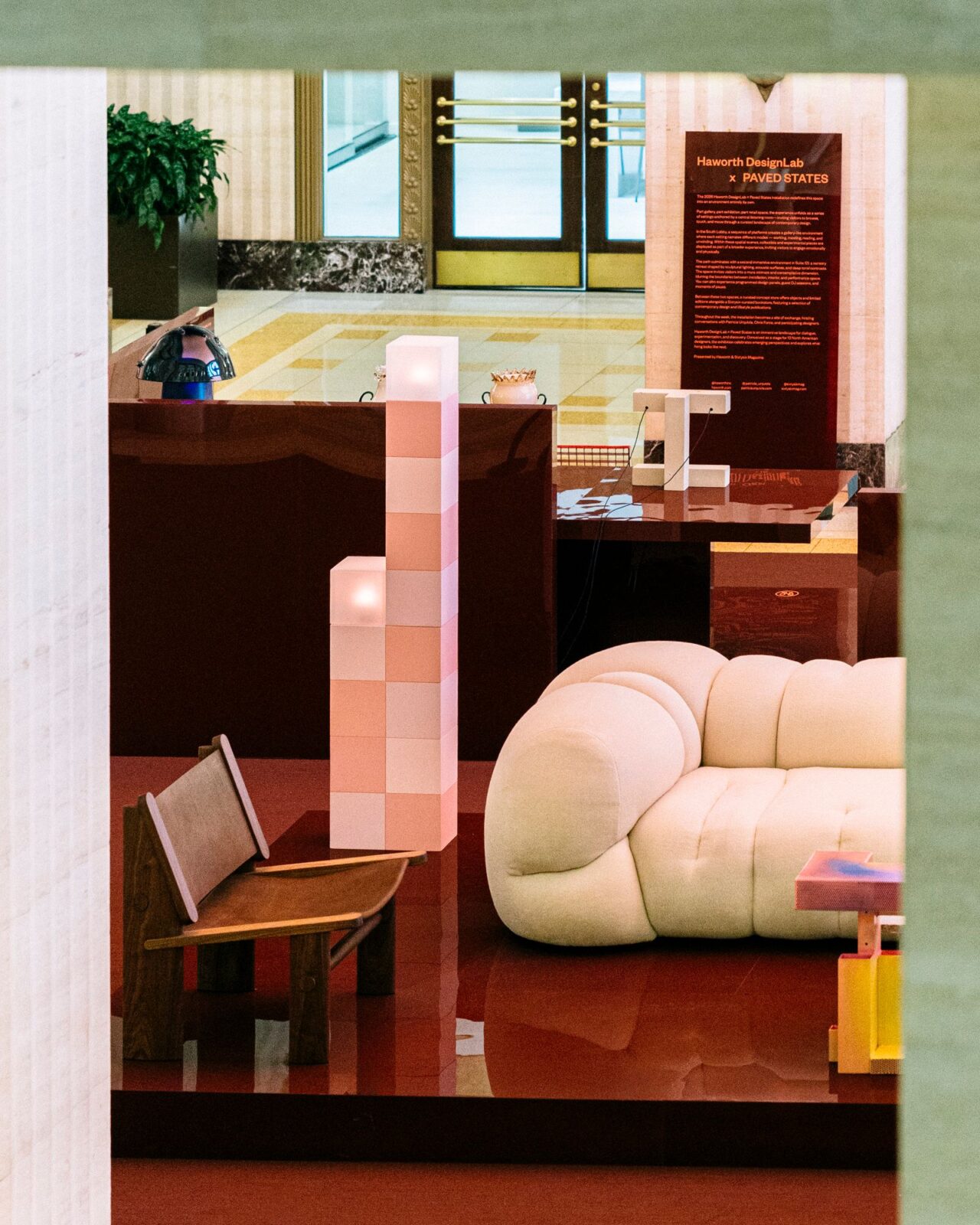
The pieces come in two materials: velvet and wood. The sofas are upholstered in velvet and offered in six colours: yellow, pink, red, green, blue and purple. The first of the six different sofas is made of a 40-centimetre cube made from two of the 20-centimetre units in each direction, with the remaining five building on the same blocks.
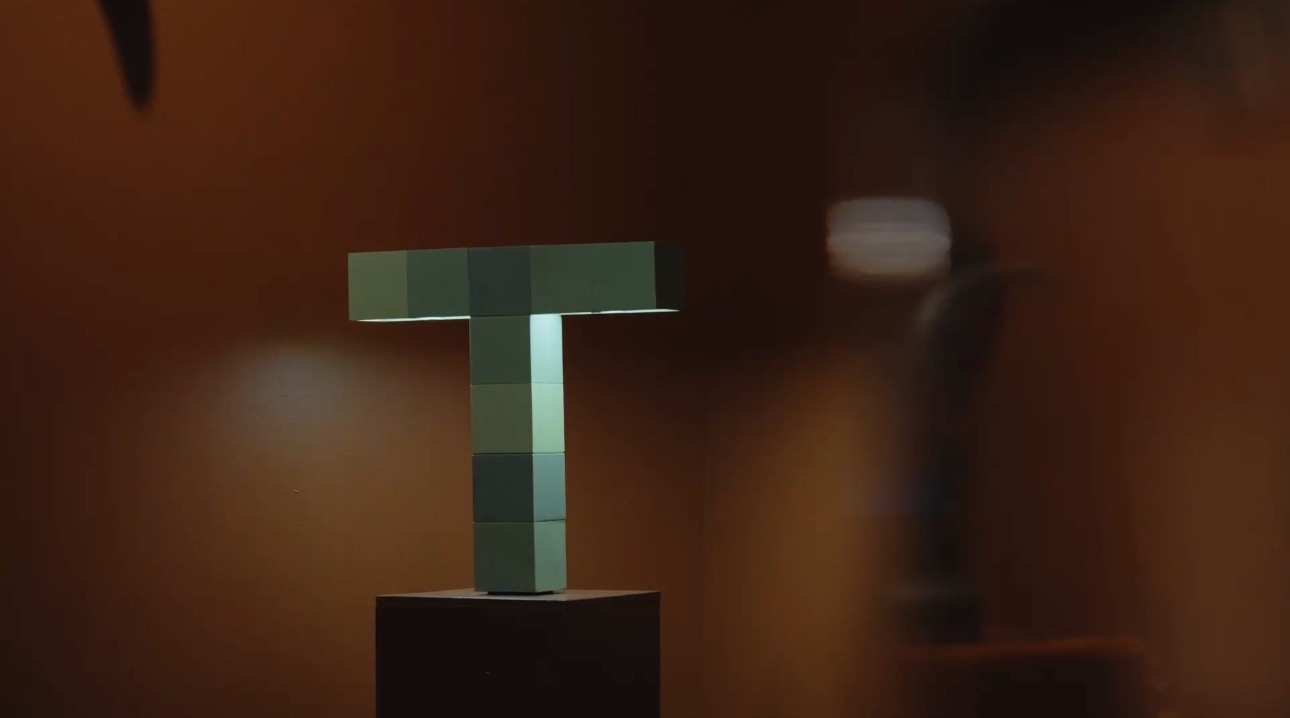
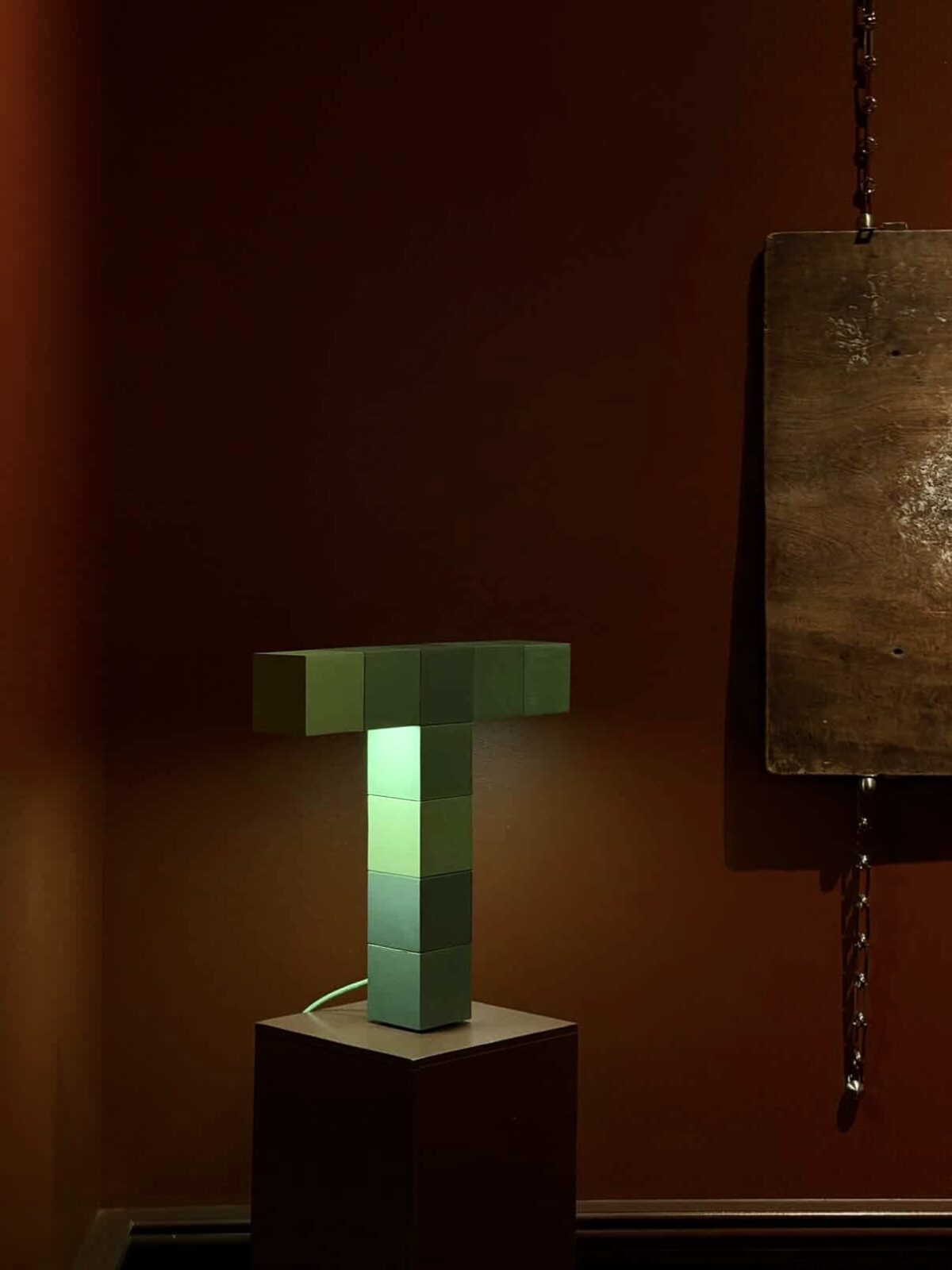
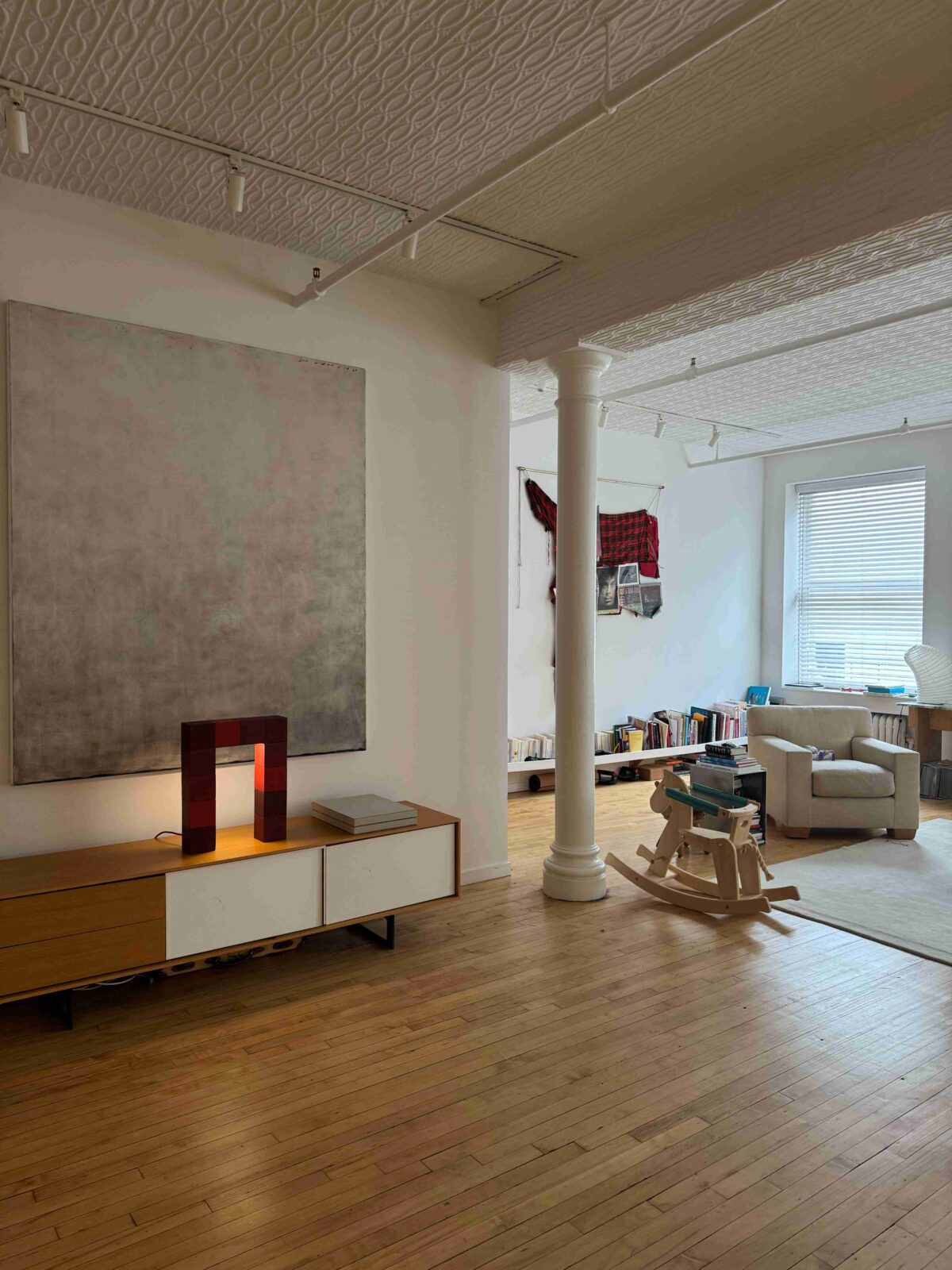
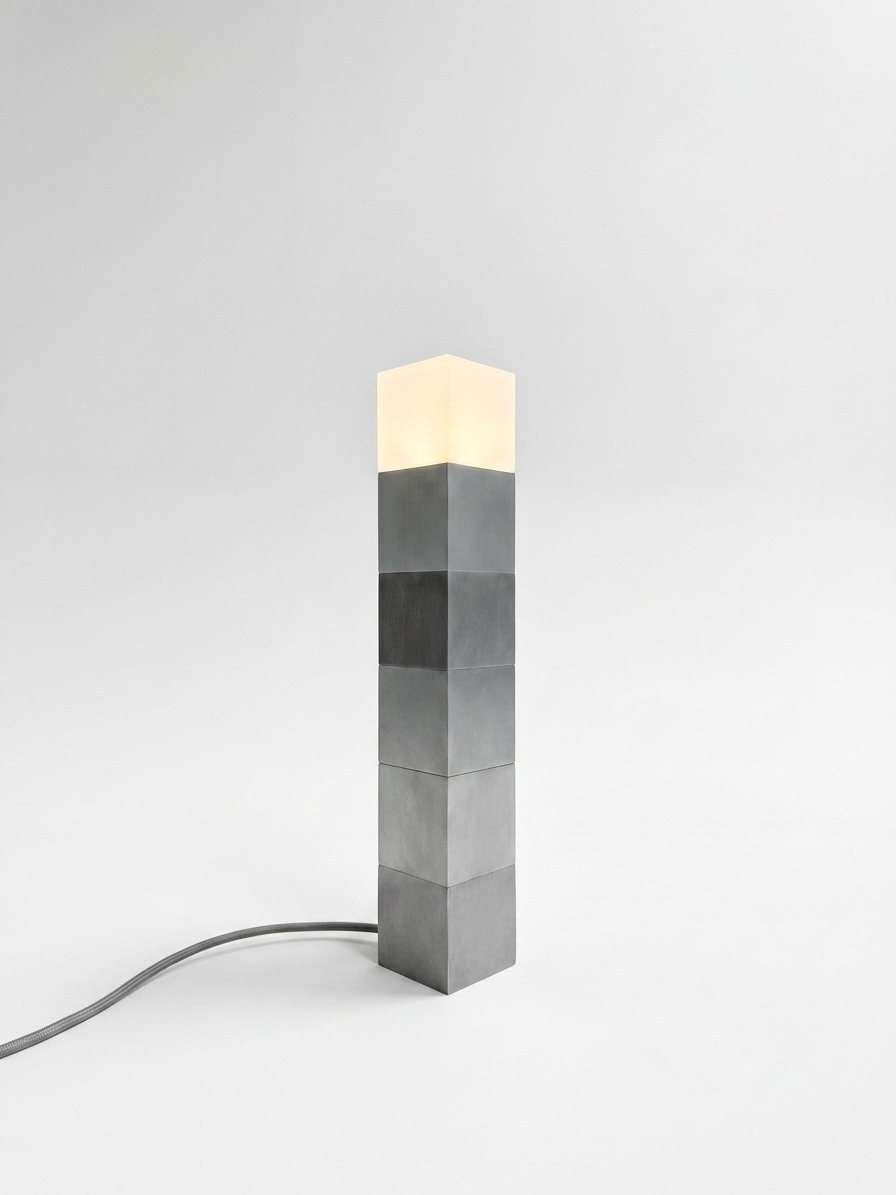
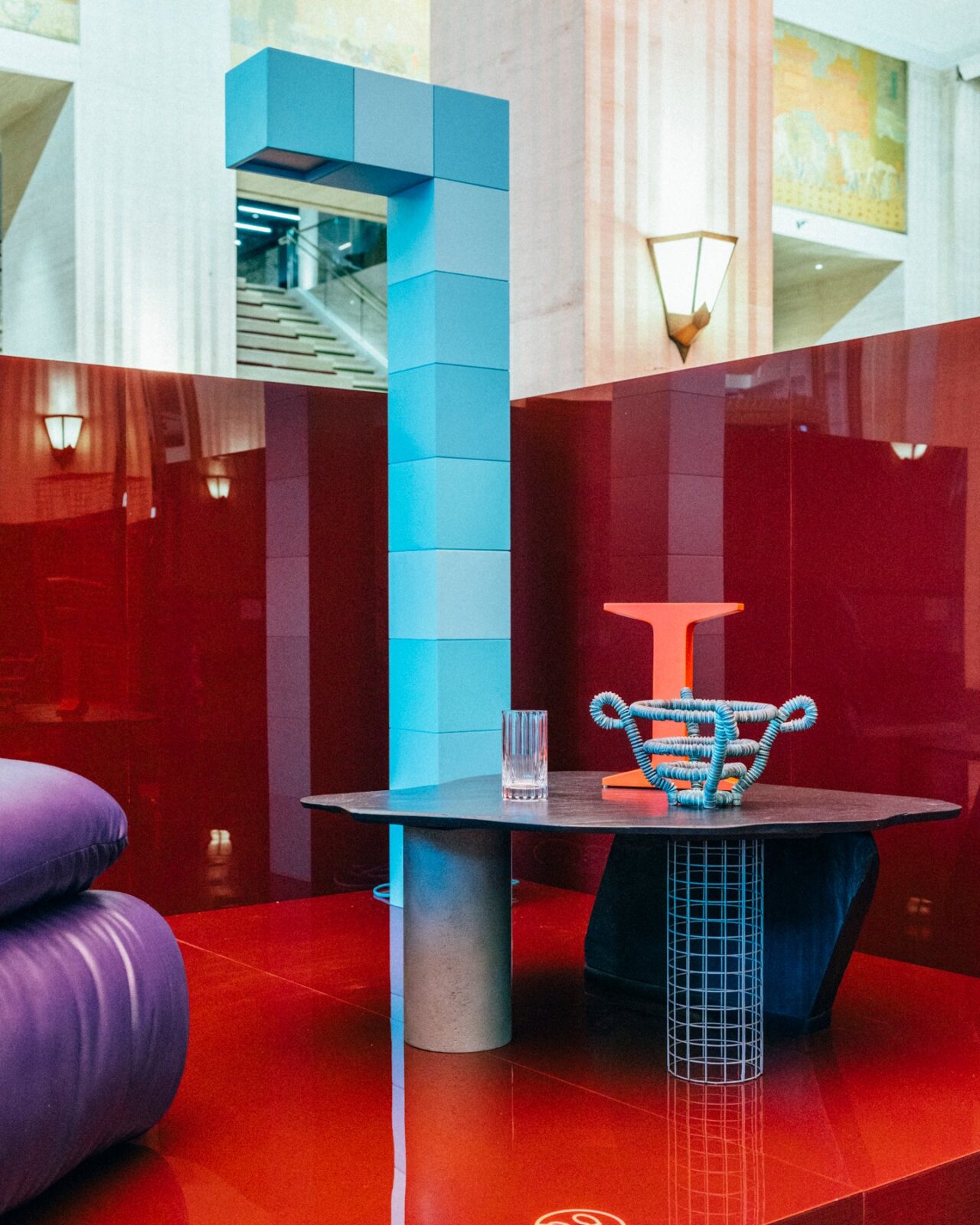
The lighting is made of stained wood, in up to seven colours, with silver joining the palette on several models. One floor lamp is a skinny column 120 centimetres tall on a 20-centimetre-square base, while another reaches 180 centimetres; the first pendant light is a 30-centimetre cube, and the table lamp stands 50 centimetres, with a mini version at exactly half that size.
Made on demand
Each object is produced to order in an effort to bring the pieces to life in response to genuine demand, a way of making that Arslan describes as intentional and resource-conscious.
Since its debut, Pixel Theory has appeared at a gathering at Host, on Howard in March 2026, and at the Haworth Design Lab x Paved States presentation during NeoCon, in June 2026. Furthermore, the collection was present in the Présences summer exhibition by Lythore x The Gallery on the French Riviera, running until September 2026.
Project information
Design Company: EXIT
Lead Designer: Ceren Arslan
Location: New York City
Date: 2025


