




Header: Taran Wilkhu
Almost 2 months into 2026, and the interior design styles that will define the year are already becoming clear. Interiors now seem to be moving away from strict minimalism and towards homes that feel more intimate, more layered and more lived-in. Finally, the aim isn’t perfection but personality.
A few things are influencing most of what we’re seeing: a stronger need for emotional comfort, more attention to environmental concerns and a growing ease with borrowing from the past, whether that shows up as retro references or older pieces that already come with wear and character. Instead of trying to make everything match, the focus is shifting to spaces that look collected over time, with room for imperfections and odd pairings as long as the overall setup still feels intentional.
Materials are also taking on a bigger role. Darker woods and strongly veined stone are being used to give weight to rooms, with natural finishes like linen, terracotta and plaster showing up more often alongside them. At the same time, colour has made a comeback, and not just as an accent but as something people commit to in walls, cabinets, tiles and woodwork. Furthermore, add in a renewed interest in handcraft (fringe, textiles, hand-painted tiles and texture), and you get a year when homes look warm, inviting and, most importantly, properly used.
Lived-in homes
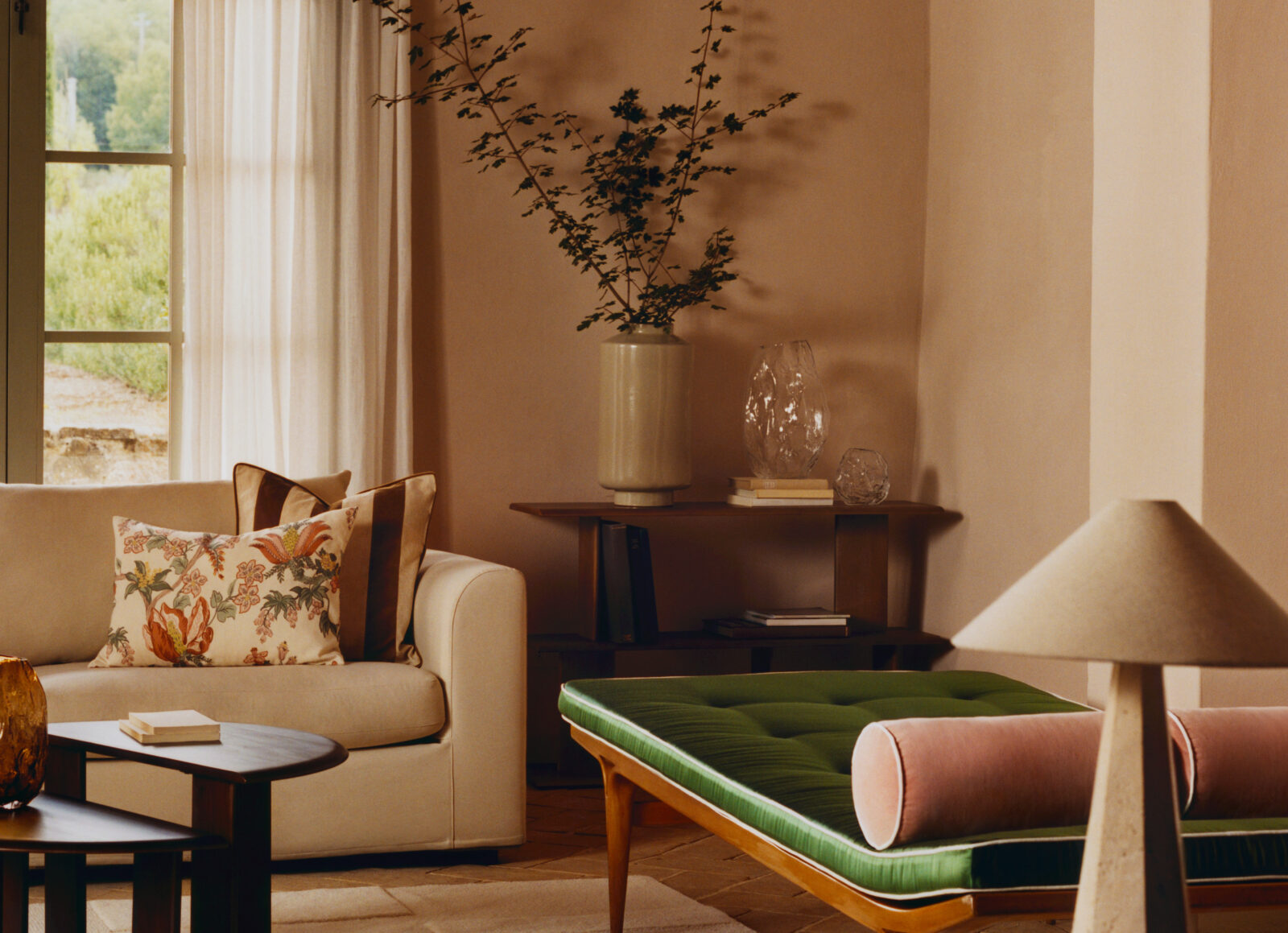
The first big trend that seems to be everywhere is lived-in, highly personal interior design. These are spaces that don’t look staged for photos, that aren’t trying to hide the fact that people actually live there. Imperfection is part of it, and so is accumulation: antiques, flea-market finds, restored pieces and layouts that don’t follow strict guidelines. In kitchens, this often means moving away from wall-to-wall fitted cabinets and treating the space more like a mix of separate pieces: vintage hardwood tables, mixed chairs, detailed and painted cupboards, and shelving displaying both functional and decorative pieces.
Examples of this style are sets of different couches, trinkets and art that seem to have been collected throughout the years, layered textiles, and mismatched combinations of items that give off that perfect imperfection feel found in nostalgic homes. One small detail that keeps popping up is the “occasional sofa”, meaning a smaller extra seating piece placed somewhere unexpected like a hallway, a kitchen or a bedroom. Finishes also lean into age, with worn wood, softened floral wallpapers, warm aged neutrals (such as cream and soft browns) and golden lighting often dressing the spaces.
Natural materials
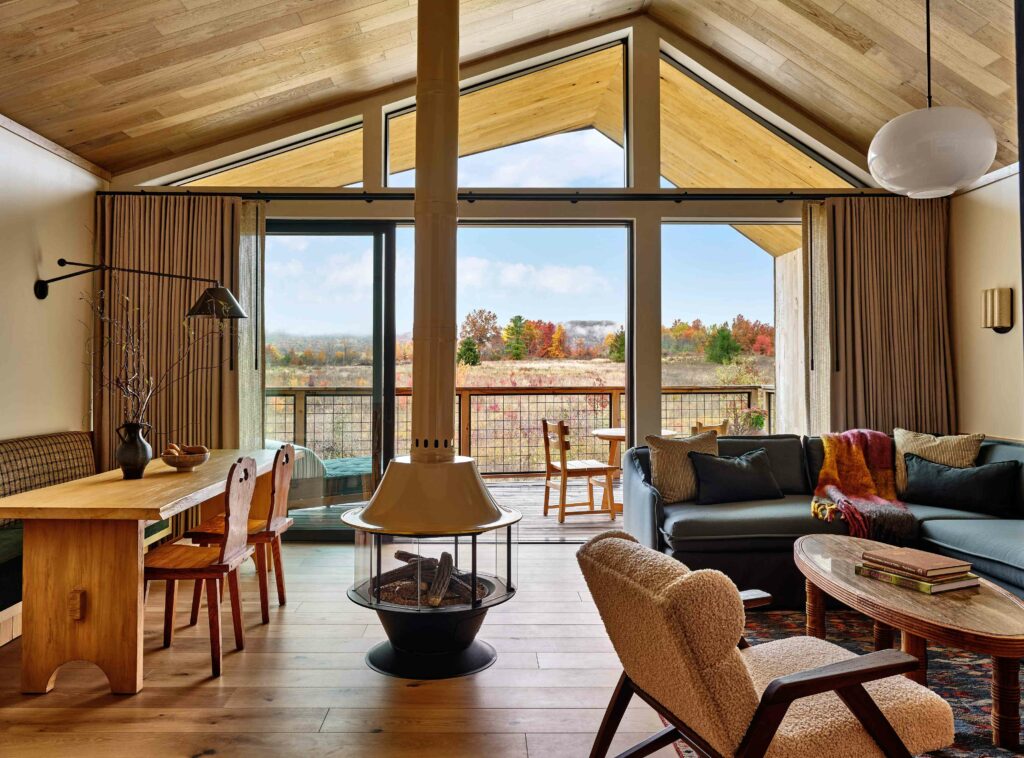
Another trend making a push for it is the use of natural woods and organic materials that can’t conceal their character. Pale timber had a long run, but in 2026 darker woods are taking the lead: walnut, aged oak, stained finishes and grain that’s meant to be noticed are all over social feeds and design magazines. Stone is also part of this trend, as it can be as expressive as wood due to its strongly veined surfaces and deeper tones. Going hand-in-hand with wood and stone are linen, terracotta, plaster and any other natural material (synthetics are forgotten when possible).
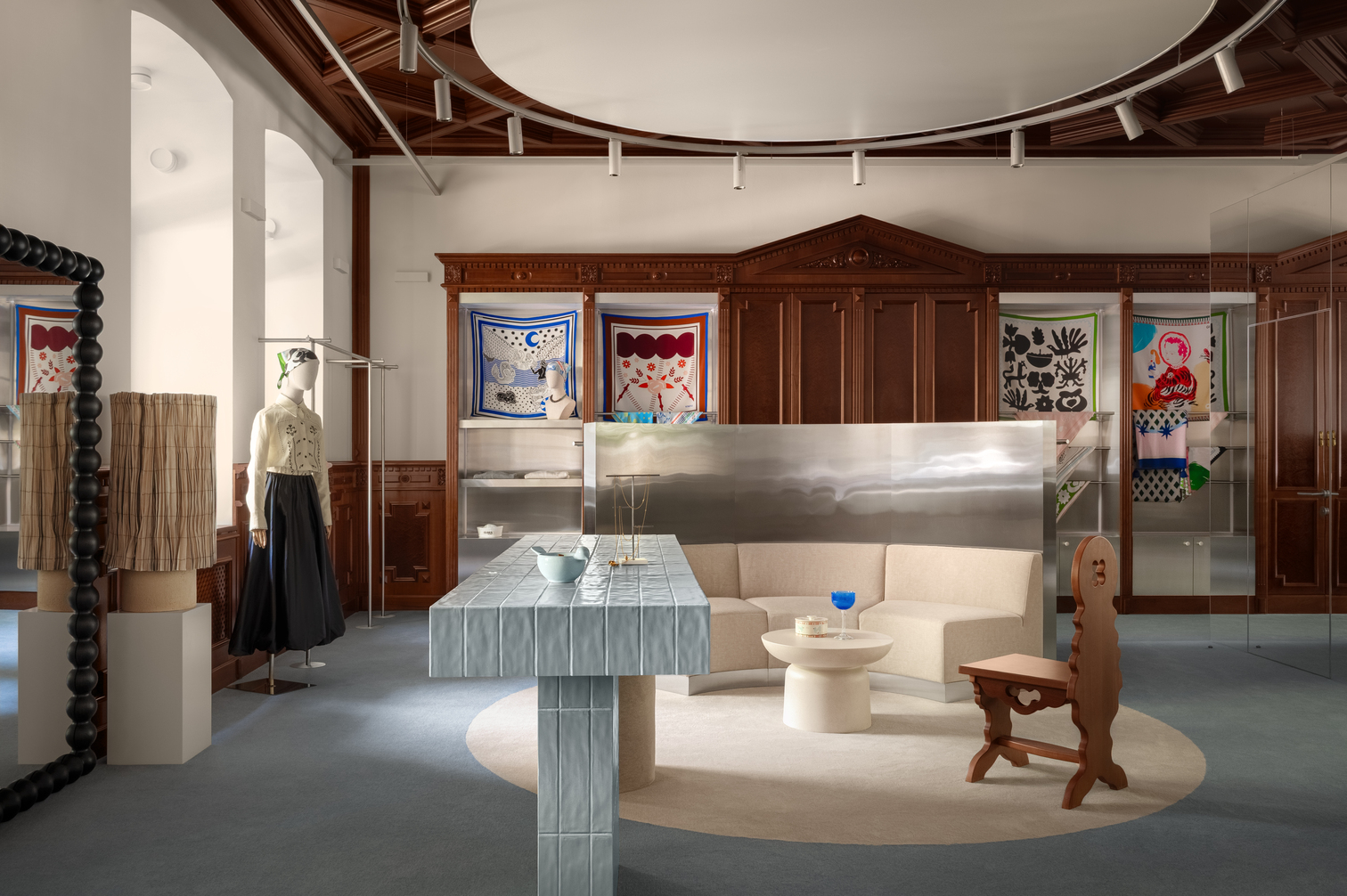
Kitchens and living rooms are the hotspots for this trend, as that’s where timber and stone can take up the most space. In kitchens, darker walnut tones are combined with standalone pieces, and worktops are made of expressive stones. In living rooms, everyday pieces get heavier and more tactile, often in darker finishes and with the grain still visible: oak dining tables, stone coffee tables, sideboards, and even the odd chair. Bathrooms drenched in travertine and decorated with elements in deep-coloured stones and burl wood furniture are telltale signs of this style.
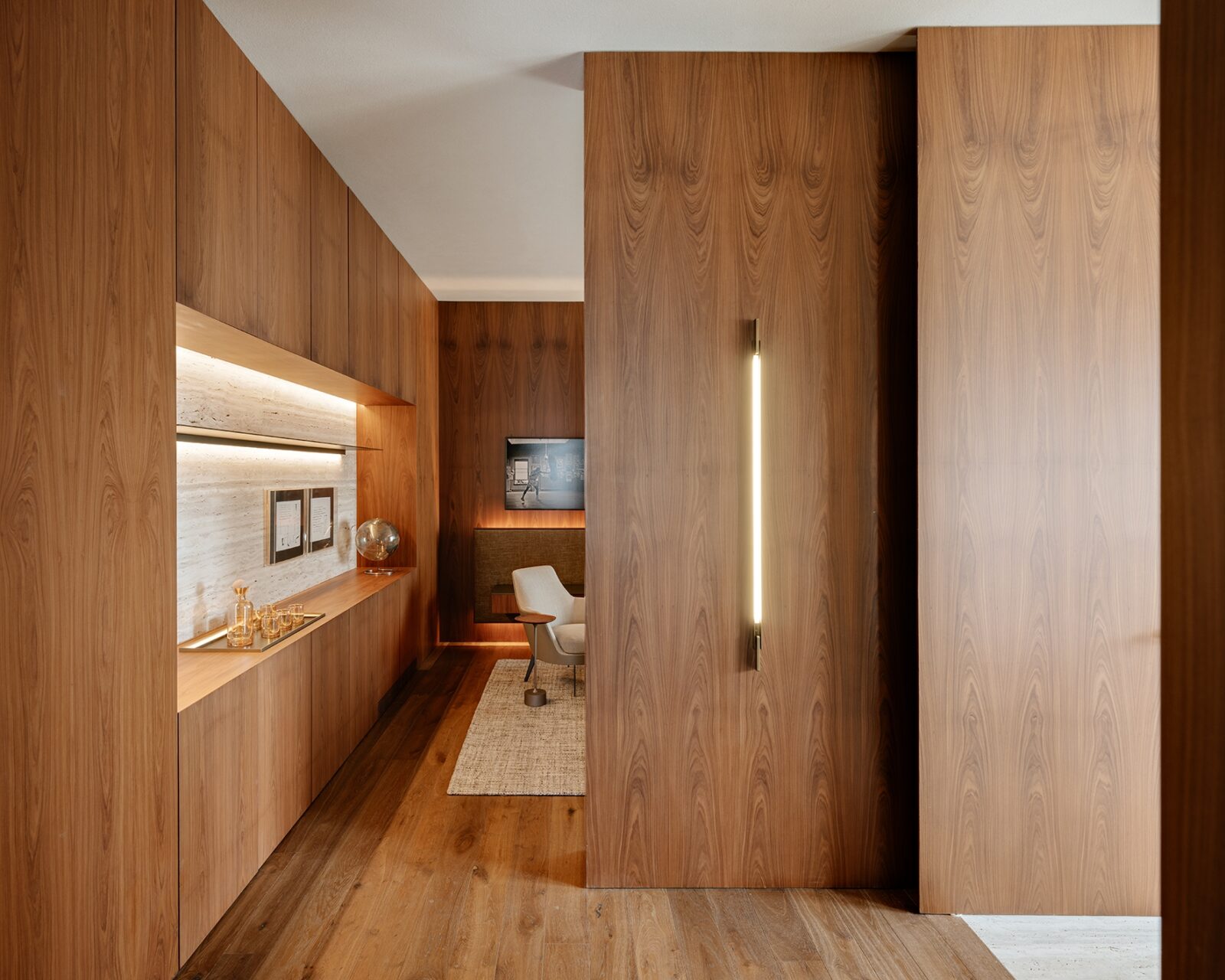
The colour palette that naturally fits with all of this revolves around mossy greens, deep browns and warm neutrals, which tend to make these materials pop while ensuring they don’t feel out of place.
Global Maximalism
If the first two trends are about nostalgia and longevity, Global Maximalism is all about bringing more personality while fully rejecting monochrome uniformity. In this trend, some styles deserve a spotlight: Neo-Deco, Afroboho, “FunHaus” and “Opera Aesthetic”.
Neo-Deco is basically Art Deco coming back in a newer form, so there are more brass or aged-gold finishes, mirrors with strong shapes, velvet in colours like emerald or mustard, and tiles with fun patterns. Afroboho, as the name suggests, introduces a mix of bohemian and African elements such as textiles and craft, combining a palette of terracotta, ivory, ochre browns and turquoise with indigo-dyed fabrics, woven baskets, rattan and bold motifs. FunHaus is the eccentric one, as it plays with old circus graphics and vintage kitsch – think stripes on ceilings, sculptural furniture, posters and odd details that look like they shouldn’t be there but somehow work wonders together. The “opera aesthetic” goes in a different direction, using richer materials like red velvet, crystal chandeliers and heavy drapery to define a space.
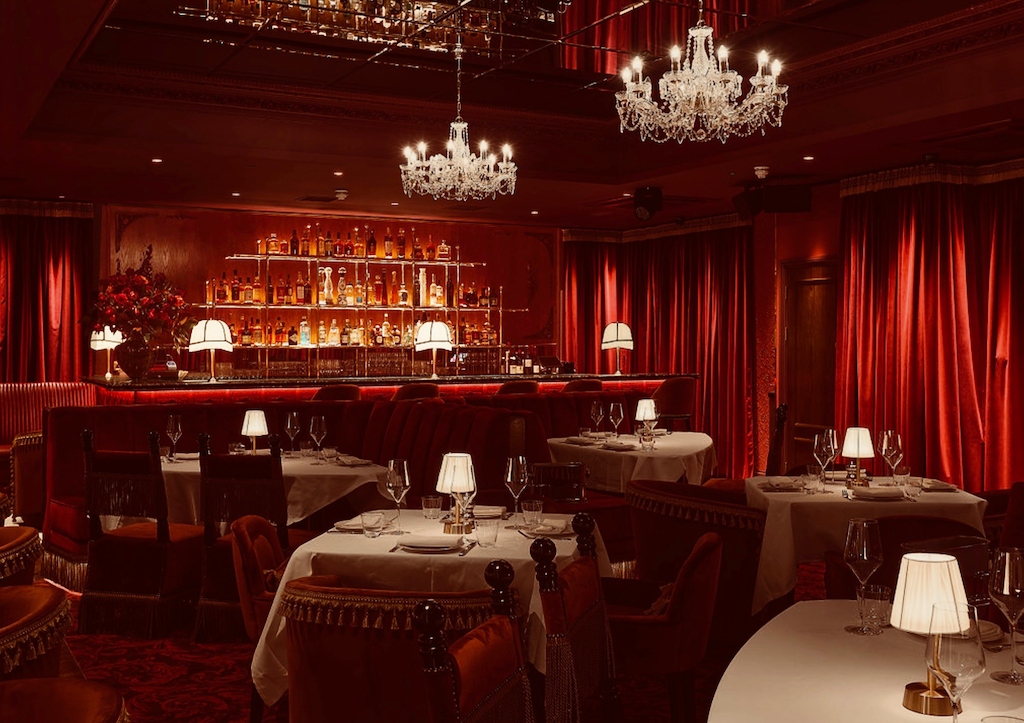
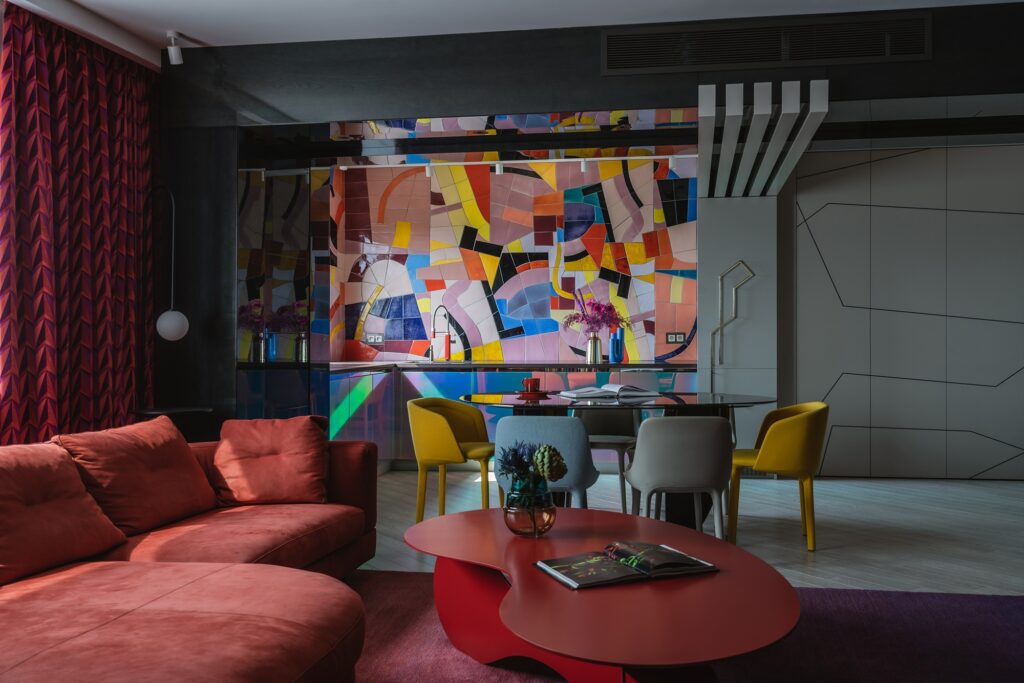
Photo credit: Robert Majkut Design
What links these seemingly random styles is that, even when they introduce elements that initially don’t look like they would work together, the room still feels intentional rather than cluttered. They rely on strong choices and structure to pull it off, sometimes even using AR and other visual tools to figure out colour and pattern combinations before anything is bought.
Handcrafts and tactile materials
In 2026 we are also set to notice the human hand pushed to the front: fringes and tassels on upholstery and curtains, tapestries and textile wall art, textile wallpapers, hand-painted ceramic tiles and hand-worked metals.
While these handicrafts aren’t made to be subtle, they aren’t meant to be applied everywhere either, with designers preferring to combine them with other elements whenever possible. Textile art shows up in wool, felt and mohair wall hangings, macramé pillows, and fringed bed valances and trims. Clean chequerboard tile backsplashes are replaced with more painterly, nostalgic styles. Metals gain new forms too, with brushed finishes, copper, patinas, hammered details and bronze chain chandeliers being considered important parts of the interior design. Furthermore, “pattern drenching” is one of the main elements of this trend, which refers to saturating a room with patterns so walls stop being a blank background and become a main surface.
Dramatic colours
Cool, pale neutrals have dominated interiors for a while, but in 2026, people are starting to use richer shades and apply them with more confidence. There are a few common ways this shows up: painting most of a room in one deep colour (walls, ceiling and sometimes even woodwork), leaning into earthy tones like oxblood, ochre, moss and carmine, or using strong contrasts on trims and joinery so the room truly pops.
Imagine a kitchen with dark olive or petrol-blue kitchen cabinets and matching deep-blue tiles (think Benjamin Moore’s “Admiral Blue”), living rooms in burgundy or oxblood contrasted with mustard, and bedrooms in muddy greens and caramel tones with baseboards in a contrasting shade. Another combination that seems to be quite popular is pairing dusty blues with warmer, earthier colours – for example, chocolate brown can work nicely with a pale, powdery blue.
Because these colours can look completely different depending on the light, lighting matters more than usual. That’s where smart lighting comes in, since it allows people to adjust the warmth or coolness of the room so colours don’t become weird at night.
After discovering the main trends of the year, it becomes apparent that what defines the interiors of 2026 is that homes look more personal and less like a showroom. People are keeping and using older pieces, choosing darker natural materials and giving new life to furniture through handcrafts and creativity. At the same time, there’s more confidence around colour and pattern and a bigger willingness to mix styles.
With this in mind, there isn’t one “right” look this year, as spaces only need a bit of texture, signs of life, and intentional choices to fit the main trend of 2026: charismatic interiors.


