Header: Agenda Brown
When footwear designer Charles Johnson sat down to create The Rowe, he did not just set out to make another comfortable clog. Instead, he looked at the sharp lines of a high-performance Japanese electric supercar and decided to bring an element of sharp posture and high style back to everyday footwear. That bold approach has paid off, earning the project the top spot as the Winner of the 2026 AIDA Award for Fashion Design of the Year, alongside wins in the Footwear and Sustainable Fashion categories. Manufactured by World Shoe Limited in a pioneering factory in Akosombo, Ghana, the project has already created 200 local jobs while funding vital regional health interventions through its sales profits.
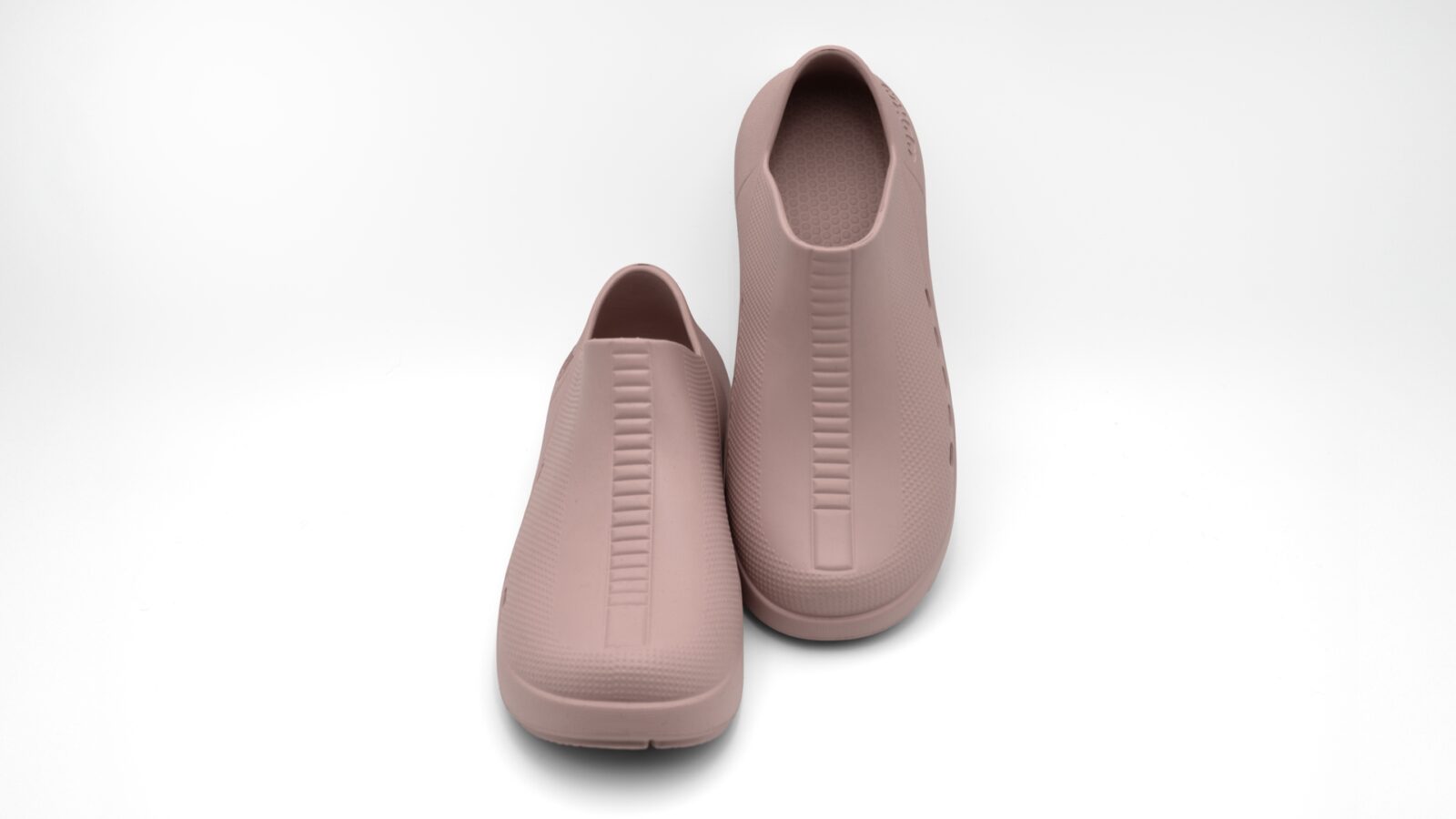
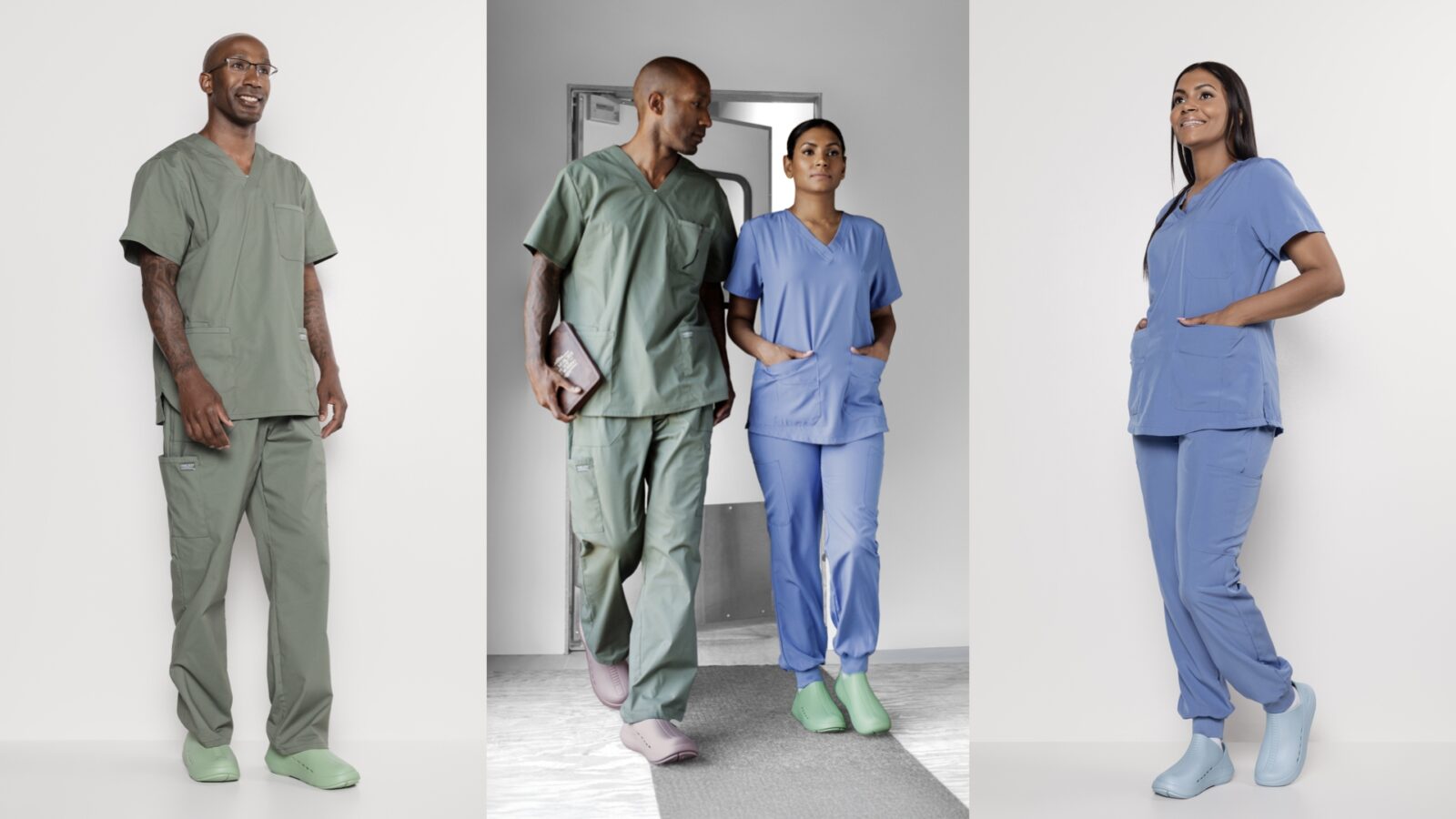
The shoe itself is an unexpected mixture of advanced material science and global style. Made from a unique compression-moulded foam that includes an organic additive to accelerate biodegradation in landfills, it also incorporates a natural powder extracted from discarded oyster shells to provide laboratory-tested antimicrobial properties. Originally briefed to handle the tough, practical demands of healthcare environments, Johnson’s final design moves past pure utility. By replacing the traditional open-backed clog with a sleek, modern interpretation, he has introduced a concept he calls “updressing” to the moulded footwear scene, offering a direct, stylish answer to the hyper-casual clothing trends that lingered after the pandemic.
In this interview, we talk about the unexpected automotive inspiration behind the shoe, how the brand built a manufacturing facility in Ghana in just twelve months, and what it means for the international design community when Africa sits on the judging panel.
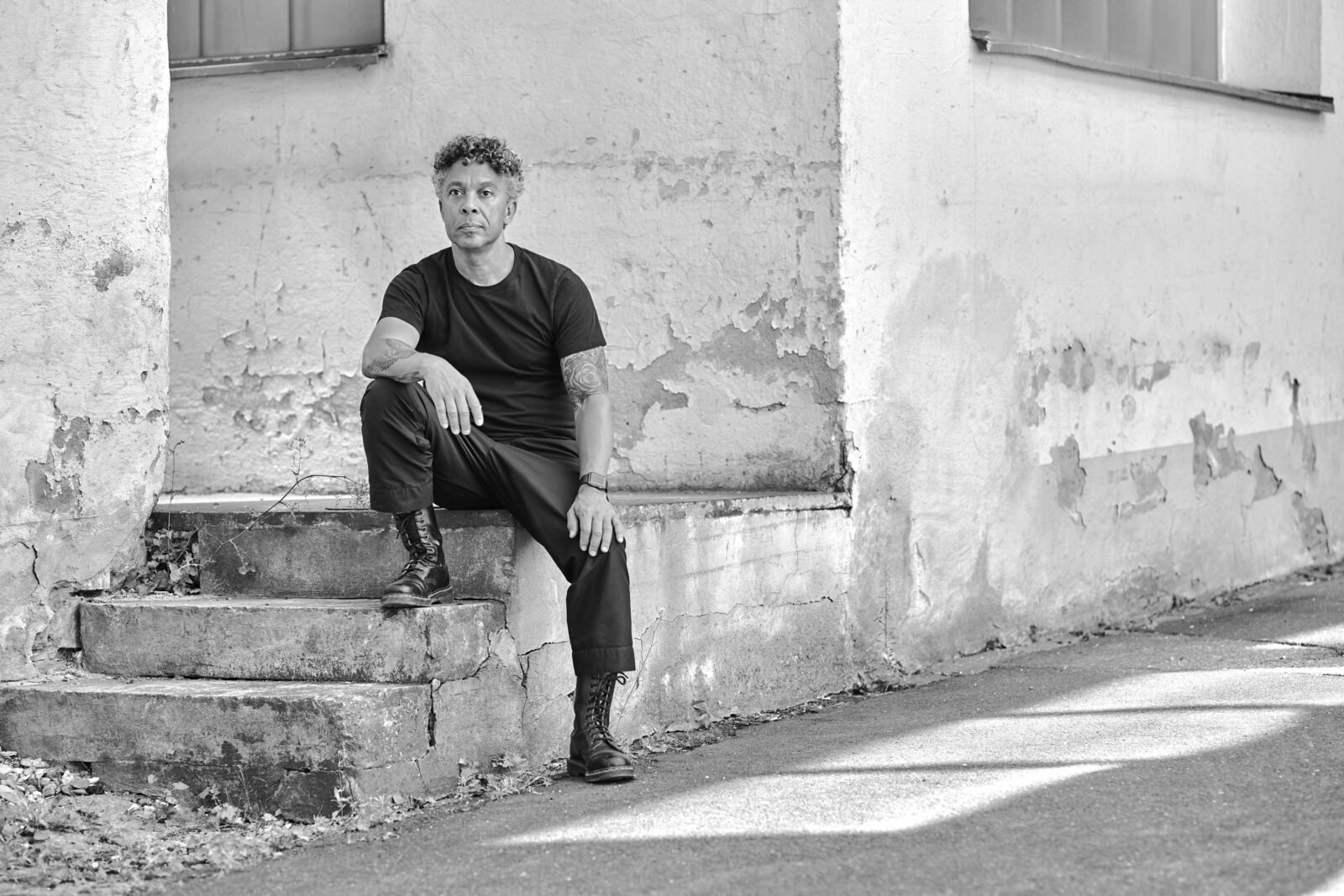
Tell us a bit about your background and how you started to explore design through footwear.
Becoming a footwear designer was somewhat accidental. That is to say, it was not planned. At Carnegie Mellon University, where I studied design, we were surrounded by cutting-edge technology – computer science, robotics, AI, before it was called AI. And so it was more likely that after school, I would have headed to Silicon Valley to design computer housings or printers. But I made my way to a design conference and showed my portfolio to the Design Director at Saucony. I always liked sports, and I really like sports equipment, so when he offered me a job, I took it. But even then, I didn’t really know I would have a career as a footwear designer. I just thought sports and design, I’m in!
What inspired the creation of The Rowe, and what influenced its design?
In the first World Shoe, I had designed a shoe that we loved internally, and by all measures, outsiders loved too. It was designed specifically for humanitarian purposes – to protect feet from disease – but I also designed it to embody important functional and stylistic cues from the sports industry and from sneaker culture. The idea was to take the design beyond a so-called “charity shoe” to one that would be attractive to young people – one that they would want to wear.
When it came to designing The Rowe, I had a different kind of freedom. As a brand, we decided that we could take a step towards a consumer who was interested in fashion and style. It’s true we wanted something that would be accepted in the healthcare space, where clogs were the standard. But even the choices for that consumer were not the most attractive choices; rather, they were practical ones. When I sat down to design the shoe, I drew from an experience I had two years prior when I was invited to Nissan Motors Headquarters in Yokohama, Japan, as part of a cadre of international designers from across the globe to take part in a review of new models, concept cars and interiors planned for upcoming release.
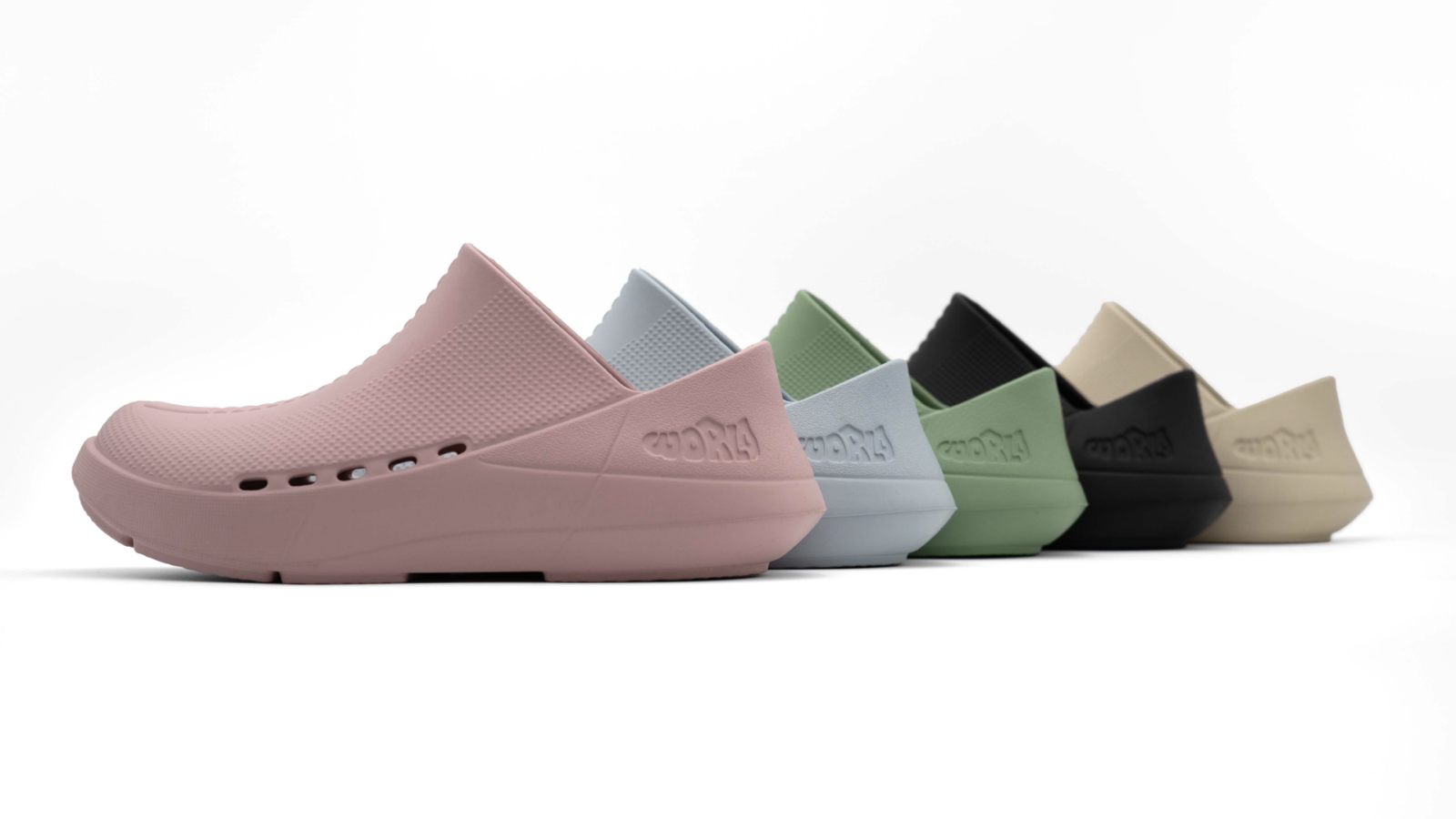
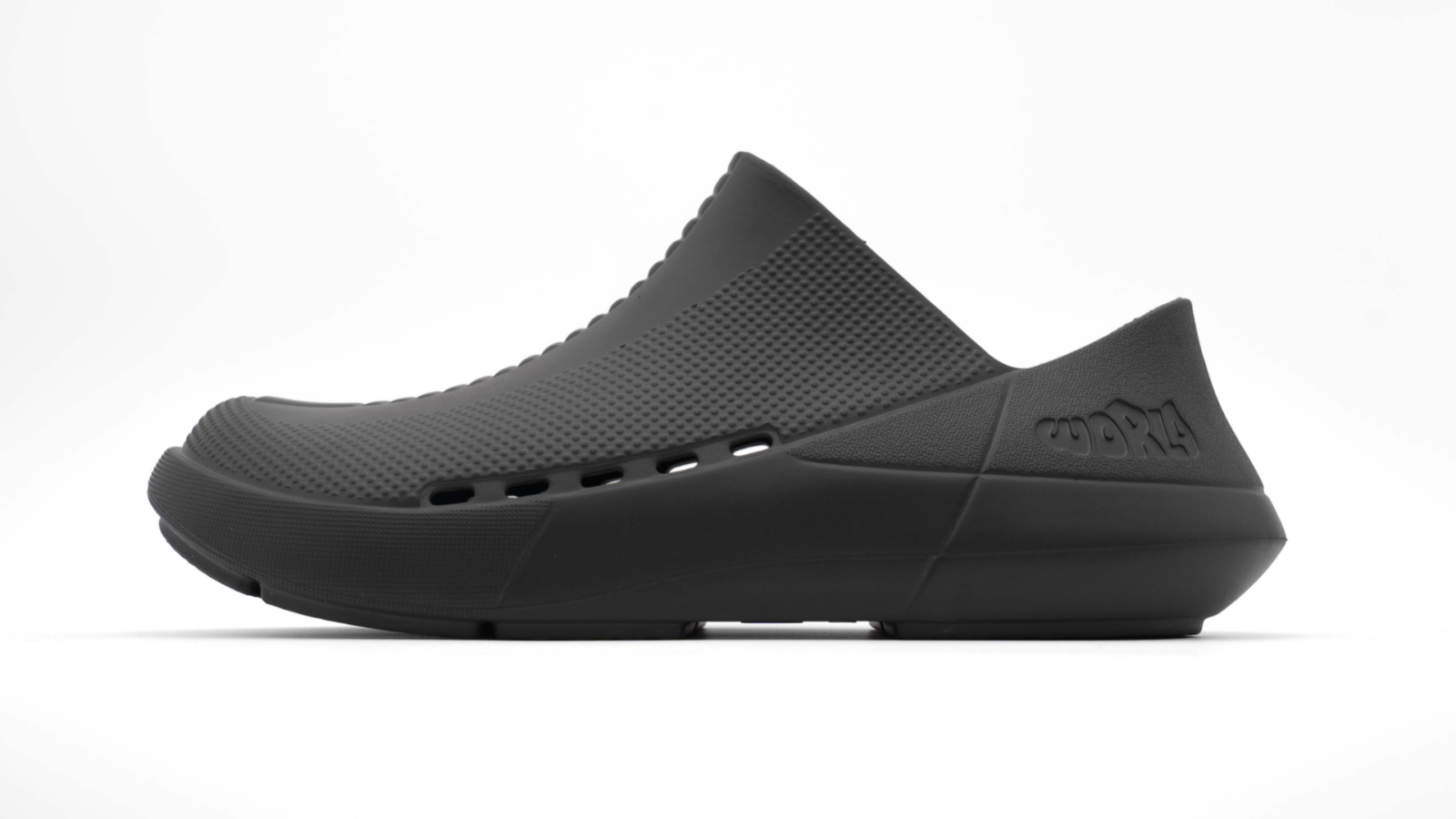
For starters, I have always admired Japanese design for its beautiful balance of traditional and the avant-garde and the attention given to detail. It is a deep source of inspiration. At the Nissan design review, there was one car that I was particularly struck by – The Hyperforce, an all-electric, high-performance supercar. What struck me was its aerodynamic profile and the surface changes that were defined by crisp, recessed channels. It was sporty and sophisticated at once. I felt it was the perfect formula to bring newness to the molded shoe world. I called it “updressing.”- a counter to the casual trend brought on by the pandemic, where comfort took precedence over style. The Rowe was designed not only to be extremely comfortable but also stylish, proving that a shoe can be both a retreat for the feet and a statement piece.
What were the most important qualities you wanted The Rowe to have?
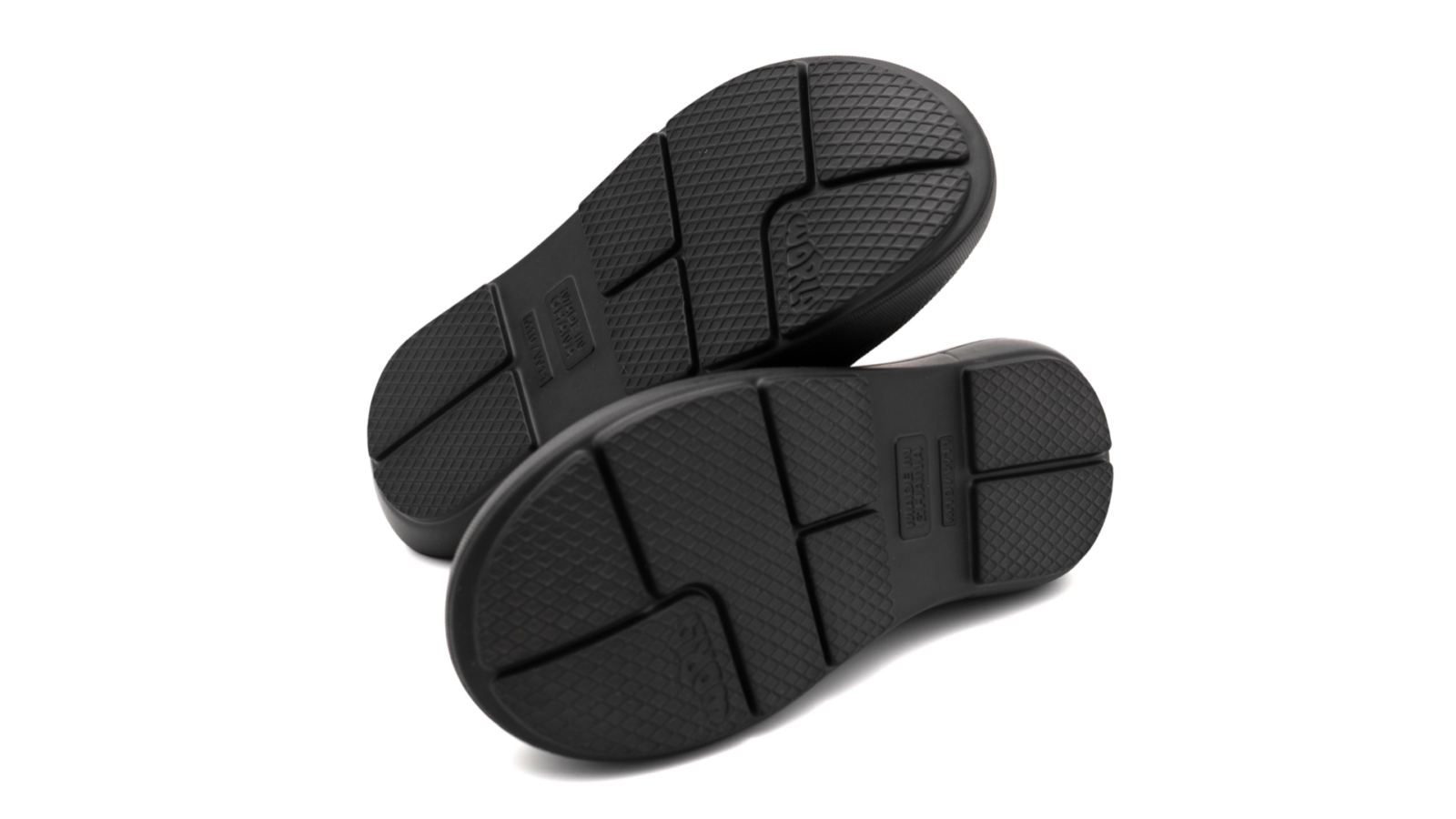
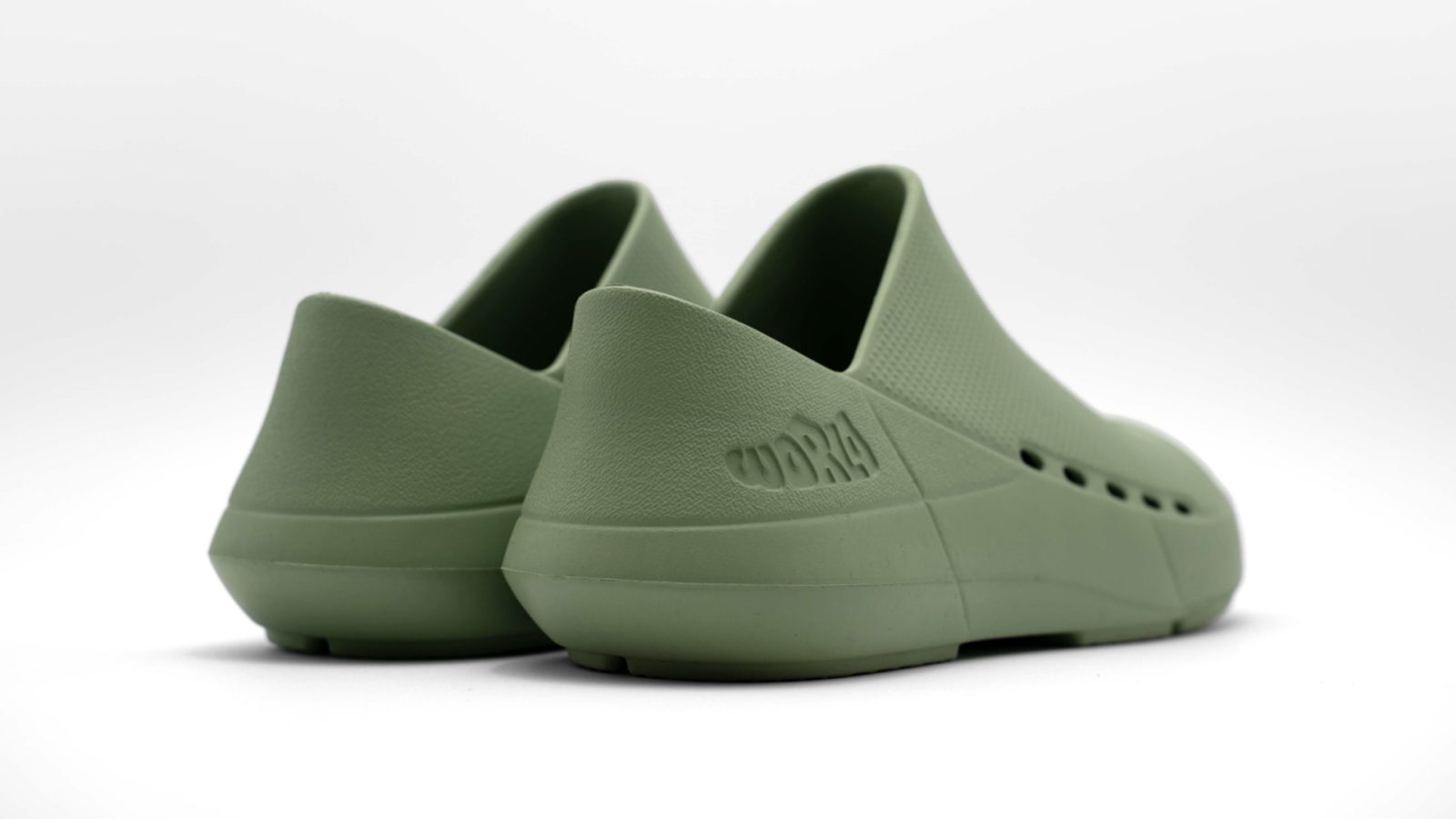
The qualities start with our patent-pending foam material, which includes an anti-microbial agent that fights infection and a biodegradation accelerant that makes microbes want to eat it faster. It was independently tested by a world-class laboratory, which determined it had all the important qualities that one would want in a shoe – great cushioning, durability, shape retention, flexibility – all of it. It tested above average. After that, I designed into it ventilation grooves and what I call a “hybrid heel” – a clog-like feel with a shoe-like heel.
How did the decision to produce The Rowe in Ghana connect to the wider purpose of the project?
That is a really important question because it gets at our “Why”. From the start, our mission was not only to break the cycle of poverty by making people healthy but also to create opportunities to continue their journey toward prosperity. Creating jobs, we decided, is the way to do that. The emergence of the World Shoe as a brand is, in fact, deeply rooted in Africa. Our founder is from Nigeria, and we have roots in Ghana. Manufacturing in-country was always a part of the plan. I remember being in Ghana scouting out potential factory locations. One year later, we opened the factory. The speed at which we achieved this important step is unheard of in the footwear industry!
How does it feel to be recognised by the AIDA Awards for a project that connects fashion, sustainability and social impact?
It is incredibly rewarding. Of all the things I imagined for myself as a designer, being recognized for work that is connected to the continent where I was born was not one of them. I grew up outside of Africa and away from African culture. But for me, this represents an important connection to my own roots. But what is especially profound to me – “what African design looks like when Africa does the judging.”
Why do you think a platform like AIDA Awards is important now for African fashion design and for projects that connect creativity with wider social change?
What I think is most important is delivering design that is rooted in Africa to the international stage and doing so on your terms. There is a stigma that is often attached to design grounded in Africa – that it is one-dimensional and often connected only to philanthropy. AIDA proves that design rooted in Africa can take on numerous challenges and can do so while being innovative at the same time. Fashion as innovation.
Looking ahead, how do you hope to keep developing footwear that is both desirable and purposeful?
The truth is, I am not hopeful, but rather I am confident. I see footwear as a flywheel that can do so much good beyond putting shoes on feet. Who would have thought that the design of a shoe could build a factory, teach people good hygiene, inspire young students to pursue a career in product design, engineering and manufacturing and seed the idea of a design academy? The World Shoe has inspired the development of all of these things. There is more to come!