


Header: Ag Partners Publicis Africa Group
Hann Bay in Dakar was once a true jewel of the African coastline. Today, severe urbanisation and poor waste disposal have turned it into one of the most polluted bays on the continent. To tackle this, the government and the European Union set up a massive clean-up project to build treatment plants and fix local infrastructure. However, the biggest hurdle was changing local habits and stopping littering before it starts. Standard, gentle public service announcements were no longer working, as local people had grown completely numb to them.
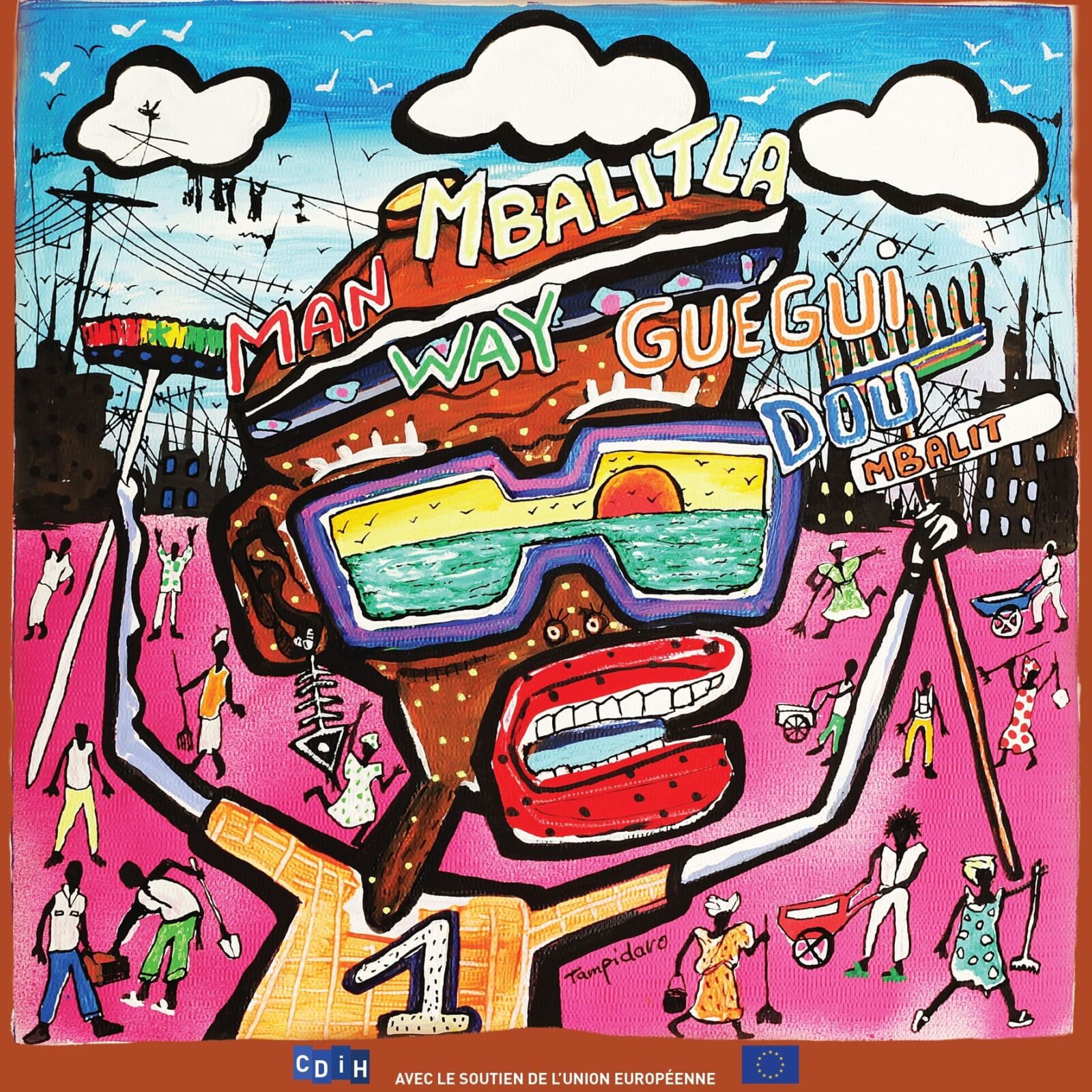
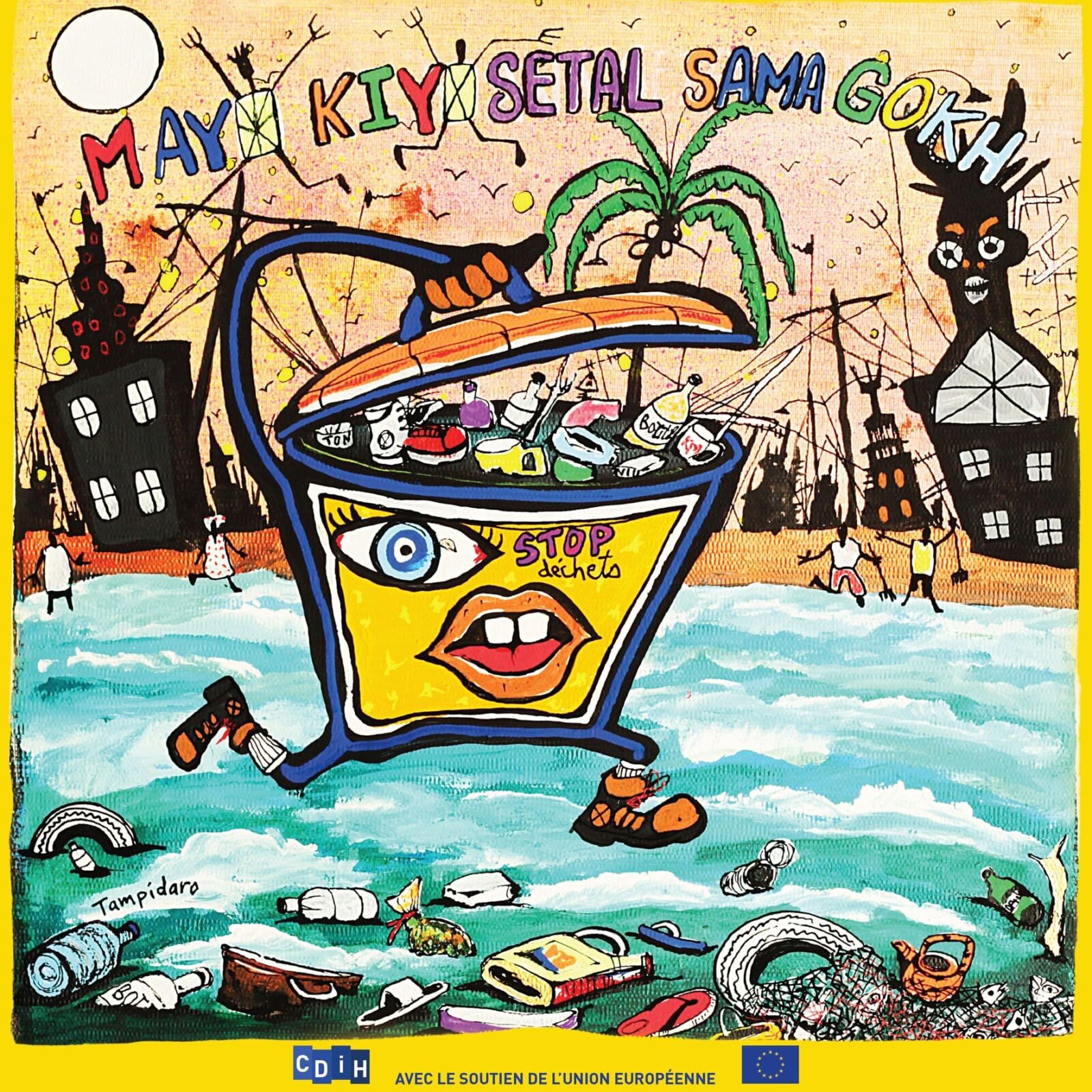
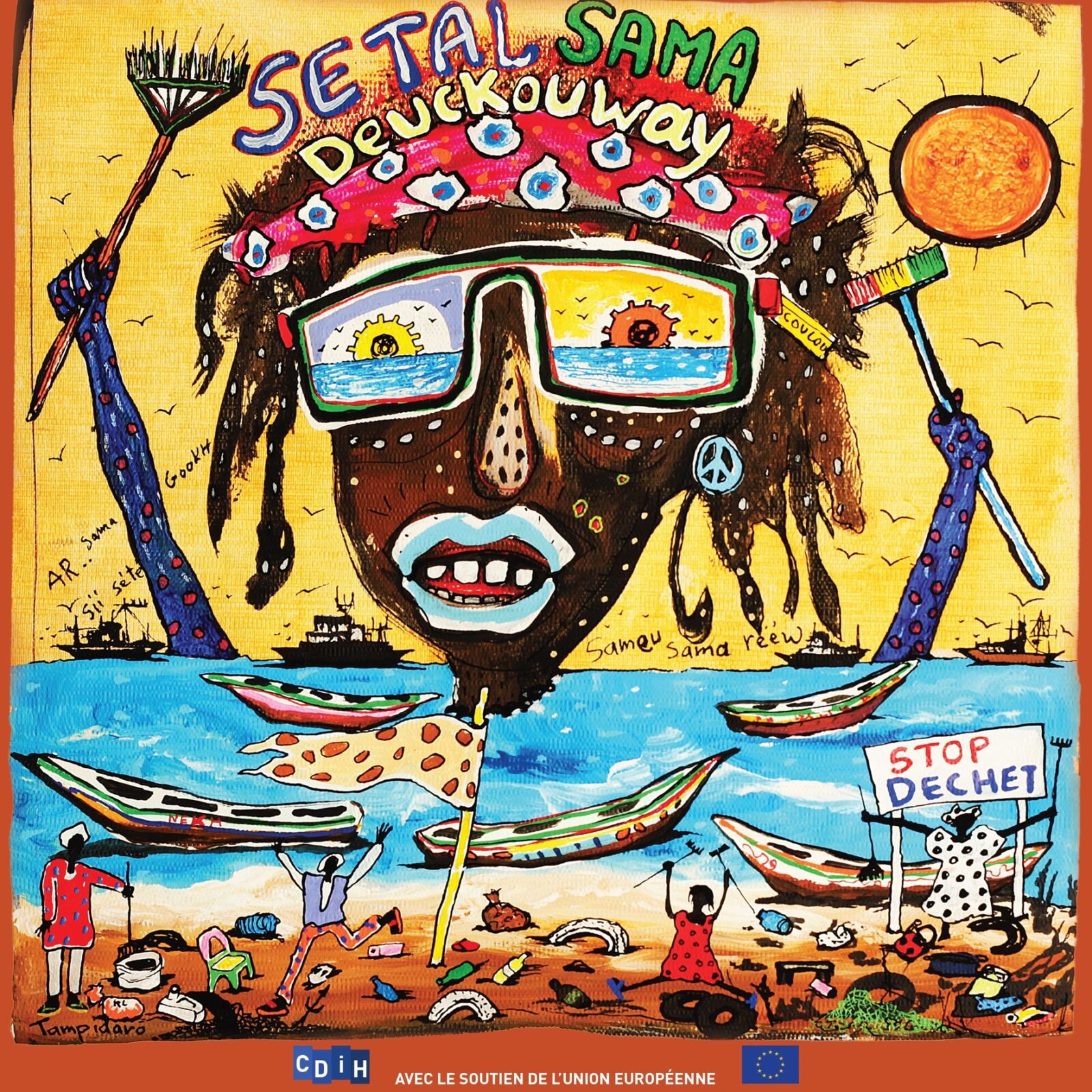
To break through this indifference, lead designer David Vallier and the team at Ag Partners Publicis Africa Group took a risky, hard-hitting approach. They teamed up with Tampidaro, a popular young urban painter from Dakar, to create gritty, eye-catching posters and stickers that spoke directly to the city’s youth. The strategy paid off massively, getting young people to care about their environment and earning the project the prestigious title of Communication Design of the Year at the 2026 AIDA Awards.
Below is our full conversation with David Vallier about how disruptive design can spark real dialogue and why African design needs its own international stage.
Can you tell us a bit about your background and how you came to connect communication design with public awareness?
Our group operates across the entire continent, where nearly every country and region has its own unique characteristics. Whether we’re working with brands or in social marketing, the challenge remains the same: getting a message across to the relevant audiences and establishing a genuine dialogue. As the old saying goes, “A picture is worth a thousand words.” And when it comes to awareness campaigns, we’ve heard it all so many times it’s become tedious…
What drew the team to Hann Bay, and what did you most want people to understand about the situation there?
When the European Union entrusted us with the campaign, it became clear that, given the extent of pollution in this area, the public believed the problem was beyond their control. The challenge was to convey the message that it is everyone’s responsibility. The primary target audience, naturally, was young people. It would be wrong to assume that young residents are indifferent to this pollution problem; however, they have long since stopped responding to the awareness messages that have been used. We therefore needed to change our approach, our angle, and, of course, our tone.
How did you find the right visuals for a subject that is both environmental and deeply connected to everyday urban life in Dakar?
We had already worked with Tampidaro in a different context, and we had noticed from comments on social media that his work and his style resonated deeply with urban youth. The choice was an obvious one.
What role did Tampidaro’s artistic perspective play in shaping the identity and impact of the campaign?
Tampidaro’s artistic perspective was central to the campaign. His distinctive visual style transformed a familiar environmental issue into something fresh, engaging, and culturally relevant. By using imagery that reflected the codes and aesthetics of urban youth culture, he helped make the campaign instantly recognizable and more likely to spark conversation. Because of its relatability, style, and alignment with their values, young people embraced the message and also felt valued and heard by this disruptive approach.
What does it mean to receive AIDA Awards recognition for a campaign that uses design to address such a visible environmental issue?
This campaign has already won awards in other competitions (EPICA, African Cristal Festival), but the AIDA Awards’ strong focus on design seemed to us to be a good fit for the creative direction we had chosen. That is why we entered the competition, and it is for the same reason that we are particularly honored to have won.
Why do you think a platform like AIDA Awards is important now for communication design and socially engaged creativity in Africa?
By its very definition. The AIDA Awards is the first international program celebrating creativity and forward-thinking design across the African continent. It fills an important gap by giving greater visibility to African design excellence and socially engaged creativity, while providing a platform where African voices, perspectives, and solutions can be recognized and celebrated.
Looking ahead, how do you hope to continue using design to create awareness, dialogue or behavioural change?
We’ve done it before and will continue to do so because we firmly believe that “disruptive,” “generous,” “visual,” “empowering,” and tailored communication is the most effective way to raise awareness and, above all, to establish a genuine dialogue. This is, in fact, the same approach we applied to another campaign we ran on behalf of the European Union in Senegal: “Dajé and Gagné” (meet, collaborate, win), which received a tremendous response and achieved unprecedented levels of engagement and impact.