



Header: Courtesy of Ruize Design
In the heart of Datong, a city with ancient walls and the rugged beauty of the northern Chinese plateau, a new kind of retreat has emerged from the dust of history. Ruize Design has taken a traditional Siheyuan, a classic two-courtyard residence, and turned it into the Cloudspa Sanctuary, a project that recently scooped the prestigious LIV Hospitality Design Award for Interior Design of the Year. By ignoring the typical urge to fill old spaces with shiny, modern finishes, the team instead looked to the earth, using local basalt stone and weathered timber to create a place that feels as though it was carved directly out of the landscape.
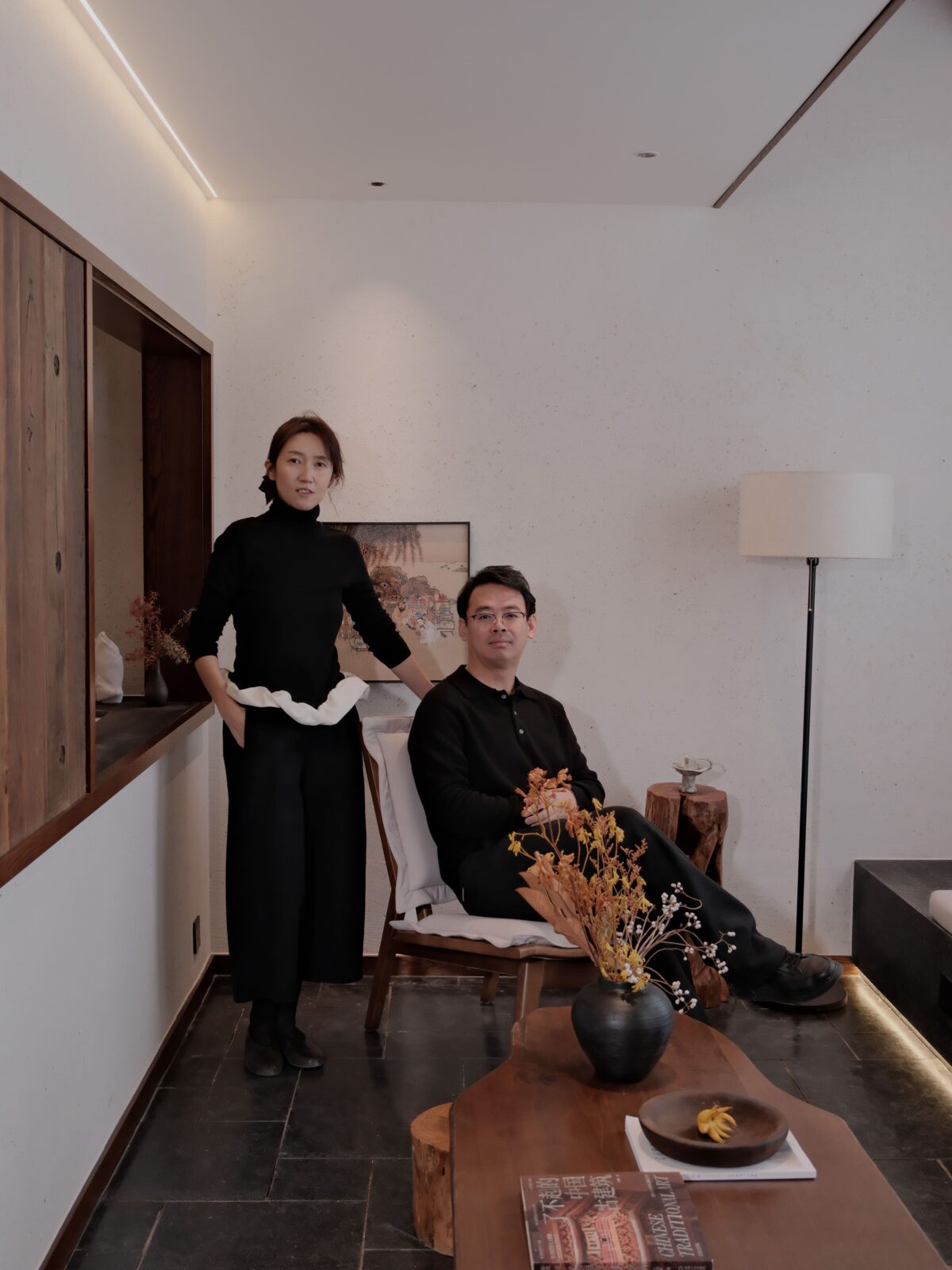
What makes this project stand out is not only the clever layout or the private hot springs tucked into secret corners, but the way it handles the weight of the past. Lead designer Wenyuan Guo and his team moved away from the cramped, dark feel often found in historic courtyards by treating the old timber frames as a shell for a new, airy way of living. The result is a getaway that not only looks back at history but invites guests to touch it, feel it, and soak in it. We talked with the team about their “Frontier Lodge” style, the clever use of local basalt to ground the soul, how they broke the “dim and divided” rules of traditional courtyards, and why the best high-tech features are the ones you never actually see.
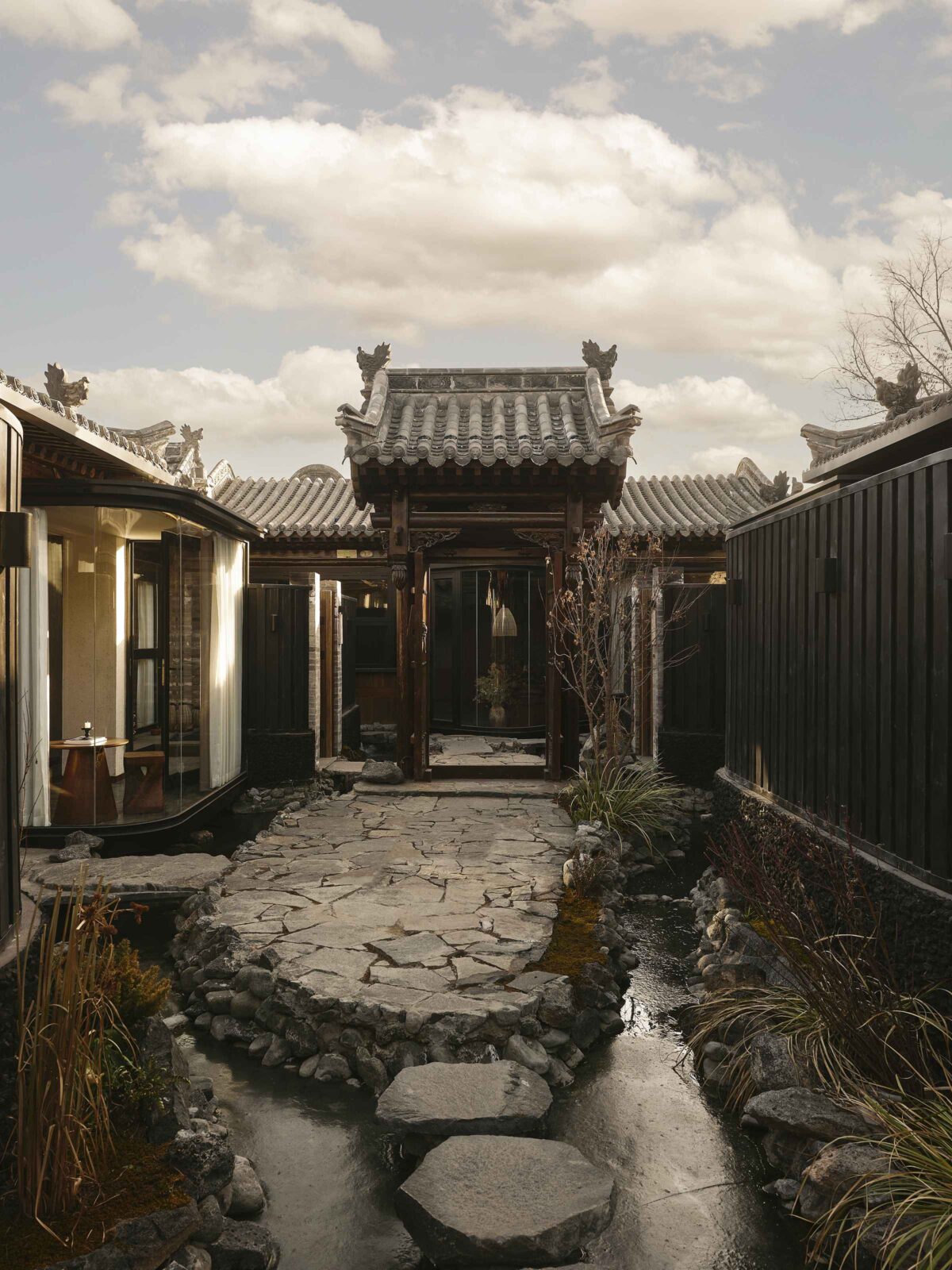
Datong is a city with a staggering amount of history. How did the feel of this ancient location dictate the colours and textures you chose for the Cloudspa Sanctuary?
Datong didn’t just give us a feel; it gave us the very ground we built on. We chose to work within a traditional Siheyuan because that layout is the DNA of Chinese living. Our job wasn’t to invent something new from scratch, but to read the “text” already written on the site. We pulled our colours straight from the surroundings: the yellow-grey of the city walls, the dark tones of old roof tiles, and the blue of the plateau sky.
The most important choice was using local basalt. This stone comes from the nearby volcanic plains and brings a sense of the ancient earth right into the room. We wanted guests to wander through the busy city streets and then step into our courtyard in a way that feels like a quiet ritual. By using natural wood and stone, the history of the city becomes something you can actually walk through and touch, rather than just a view from a window.
Traditional courtyards are often known for being dark and cramped. How did you manage to turn these low-ceilinged rooms into flowing, airy suites?
It’s true, these old buildings are often dim because the wooden beams limit how big the rooms can be. Our “aha!” moment happened when we decided to stop letting the old walls tell us where the rooms had to start and end. We asked ourselves: if the hot spring and the courtyard are the most important parts, why let a wall get in the way?
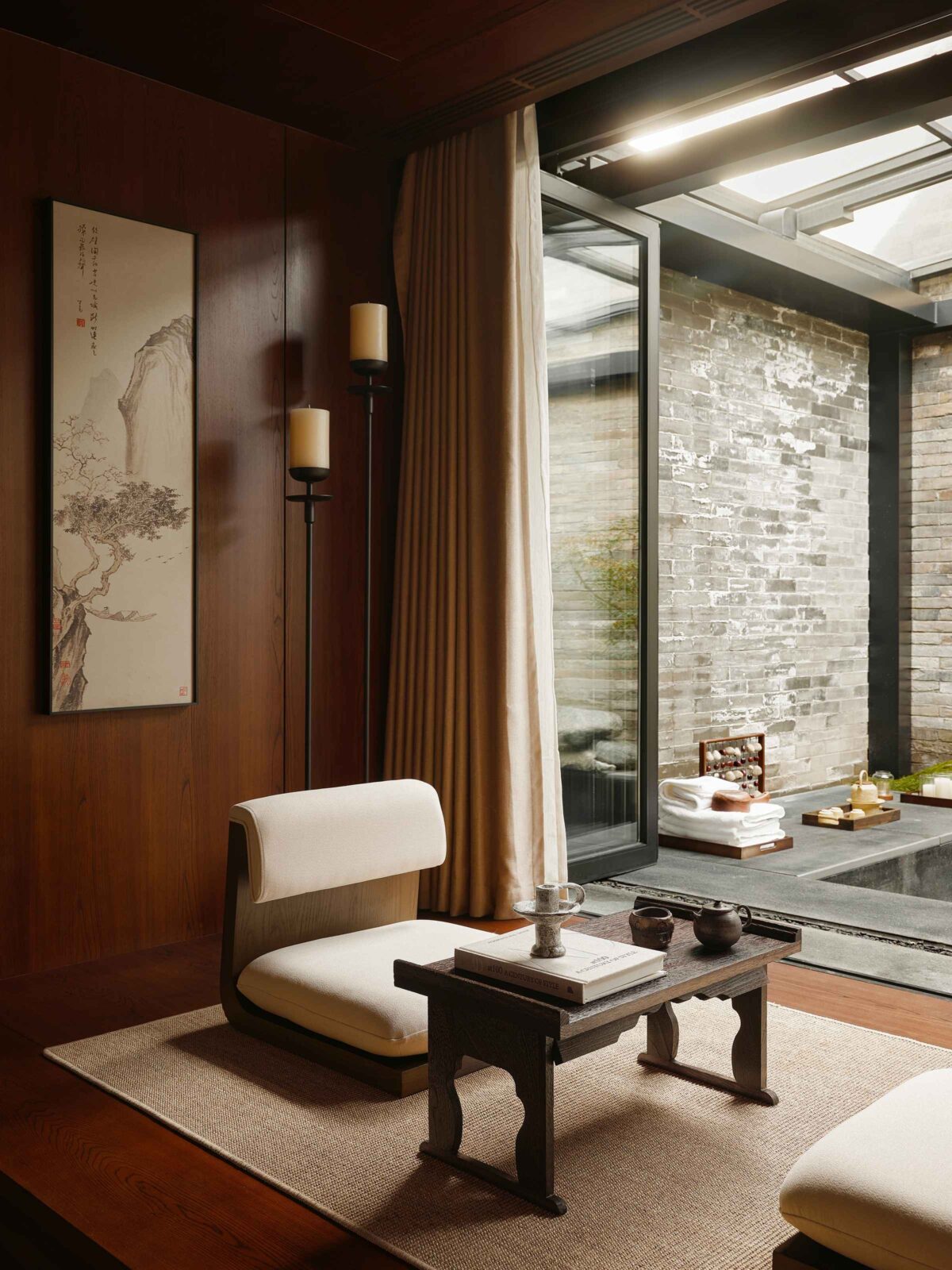
We treated the original columns and roof as a historic frame, but we didn’t let them act as hard boundaries. We moved the hot spring pools into the heart of the space and used large glass panels and slim modern frames to bring in the light. By breaking down those old divisions, we turned a “dim and divided” house into a stage for light and shadow.
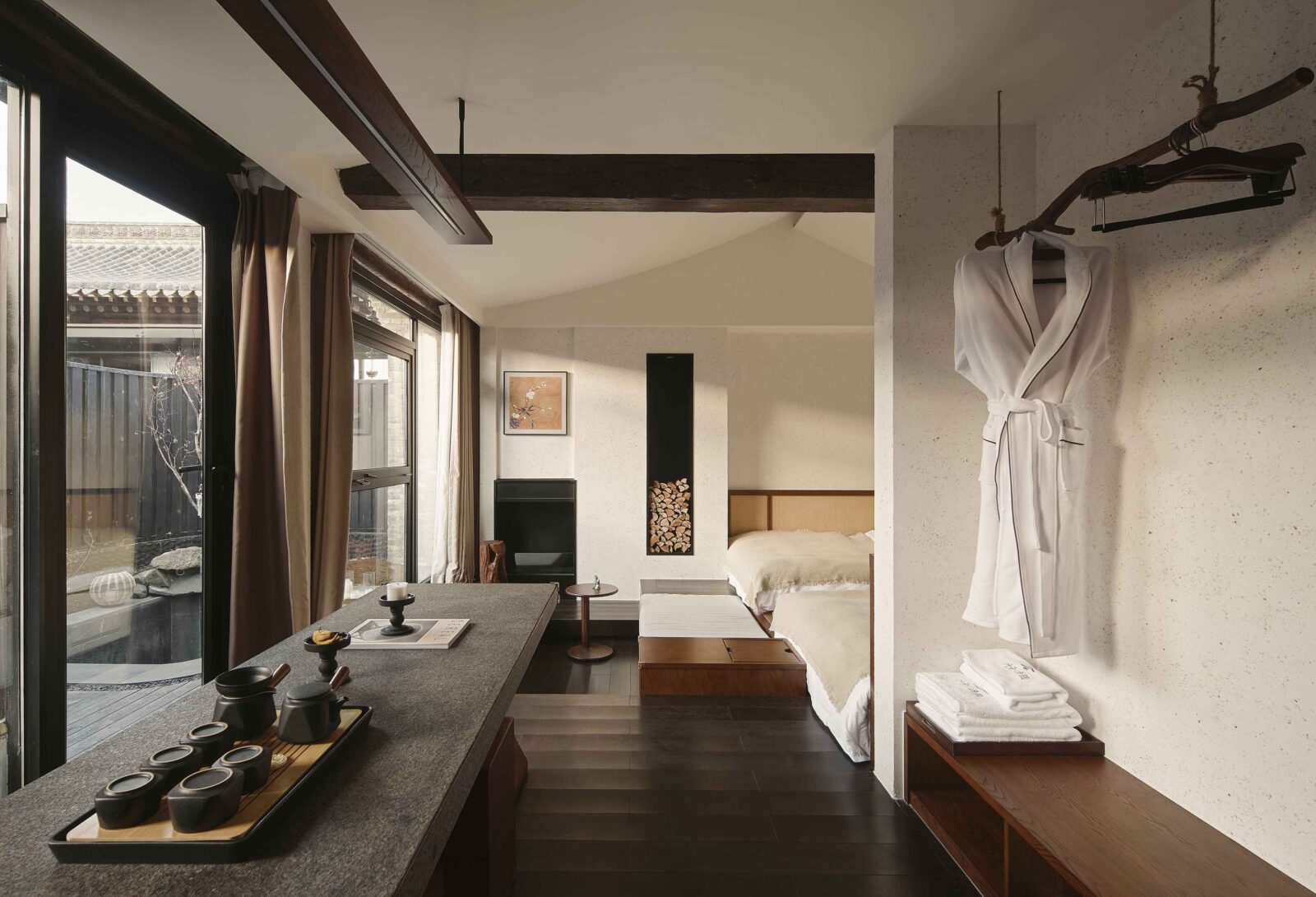
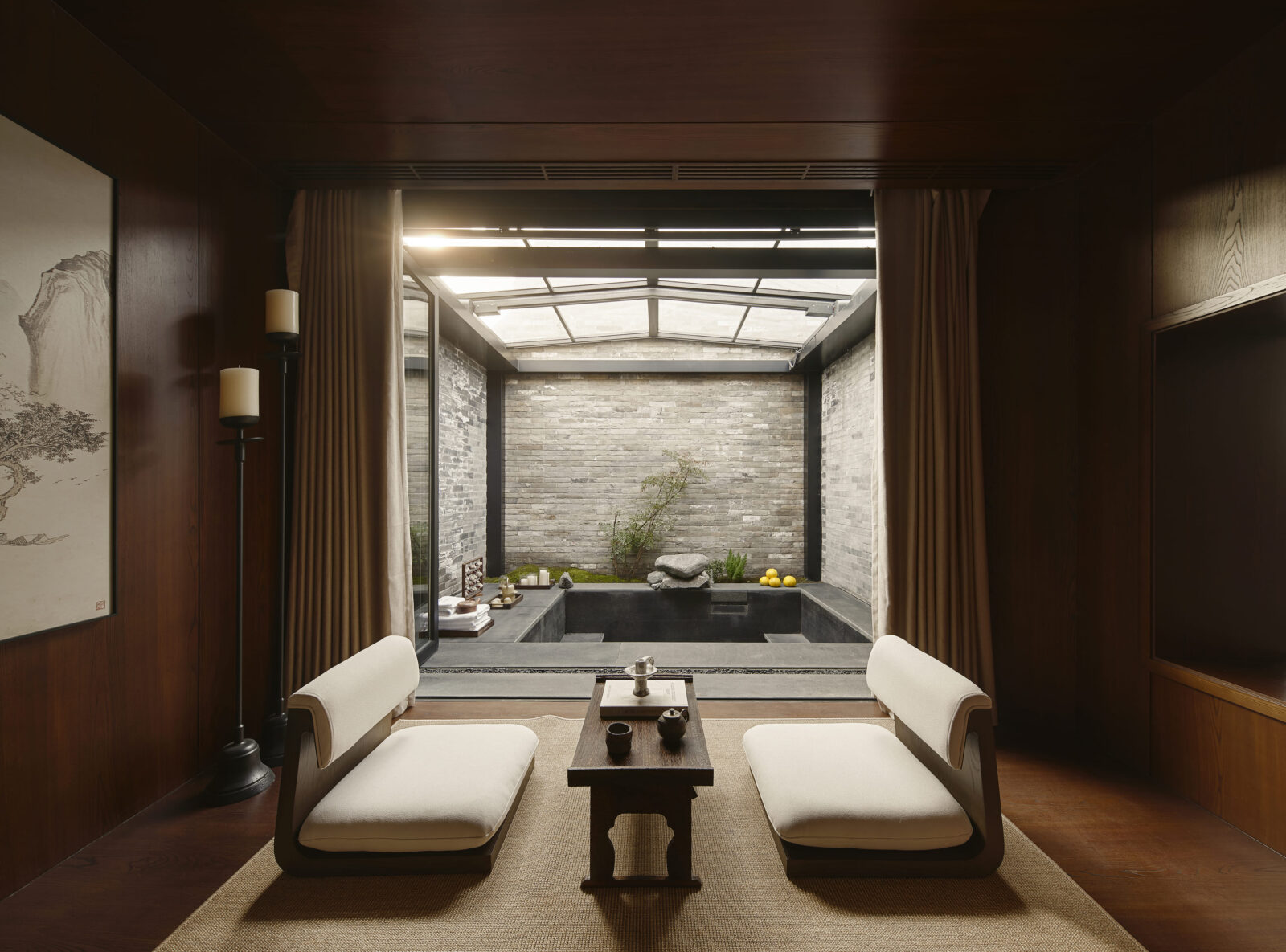
You chose local basalt stone from the volcanic plateau. Why was it important for guests to touch this stone, and how does it change a hot-spring bath?
We believe humans need to be close to nature to feel right. In a world full of plastic and mass-produced items, we’ve lost that link. We wanted guests at Cloudspa to “disconnect” from the modern world. Basalt is the key to that. Unlike standard marble or tiles, which feel cold and artificial, basalt is “alive.” It’s rugged, warm, and millions of years old.
When you are in the hot spring, your hands and feet touch the raw, porous stone. It gives you a sense of being grounded and solid. Polished materials make you feel like you are being “serviced” in a hotel, but raw stone starts a conversation with the earth. It reminds you exactly where you are—on a volcanic plateau in northern China. That connection is what helps the mind heal, not just the body.
Water is everywhere in this project. What is it about the presence of water that completes the “healing” experience?
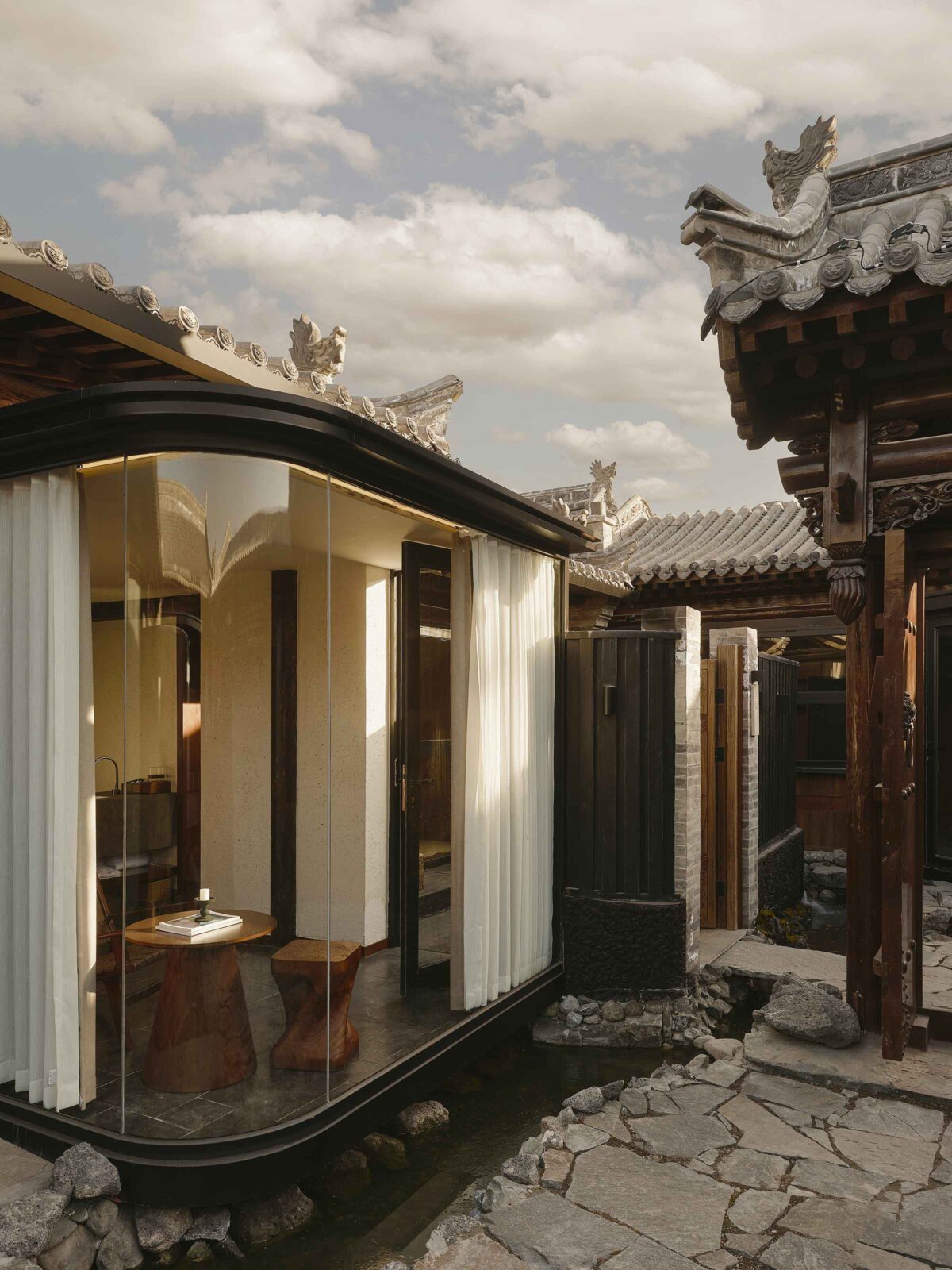
Water is the ultimate source of life. We used it in three ways to create a total sanctuary. First, there is the physical side—the warm minerals of the private springs that relax the body. Second, we built small streams throughout the grounds. The constant, gentle sound of flowing water acts like a silent background hum that recharges the spirit as you walk to breakfast.
Third, we designed balconies that hang right over the pools. This creates a “suspended” feeling where you feel supported by the water even if you aren’t in it. It’s about being surrounded by a calm energy that makes the whole world feel still.
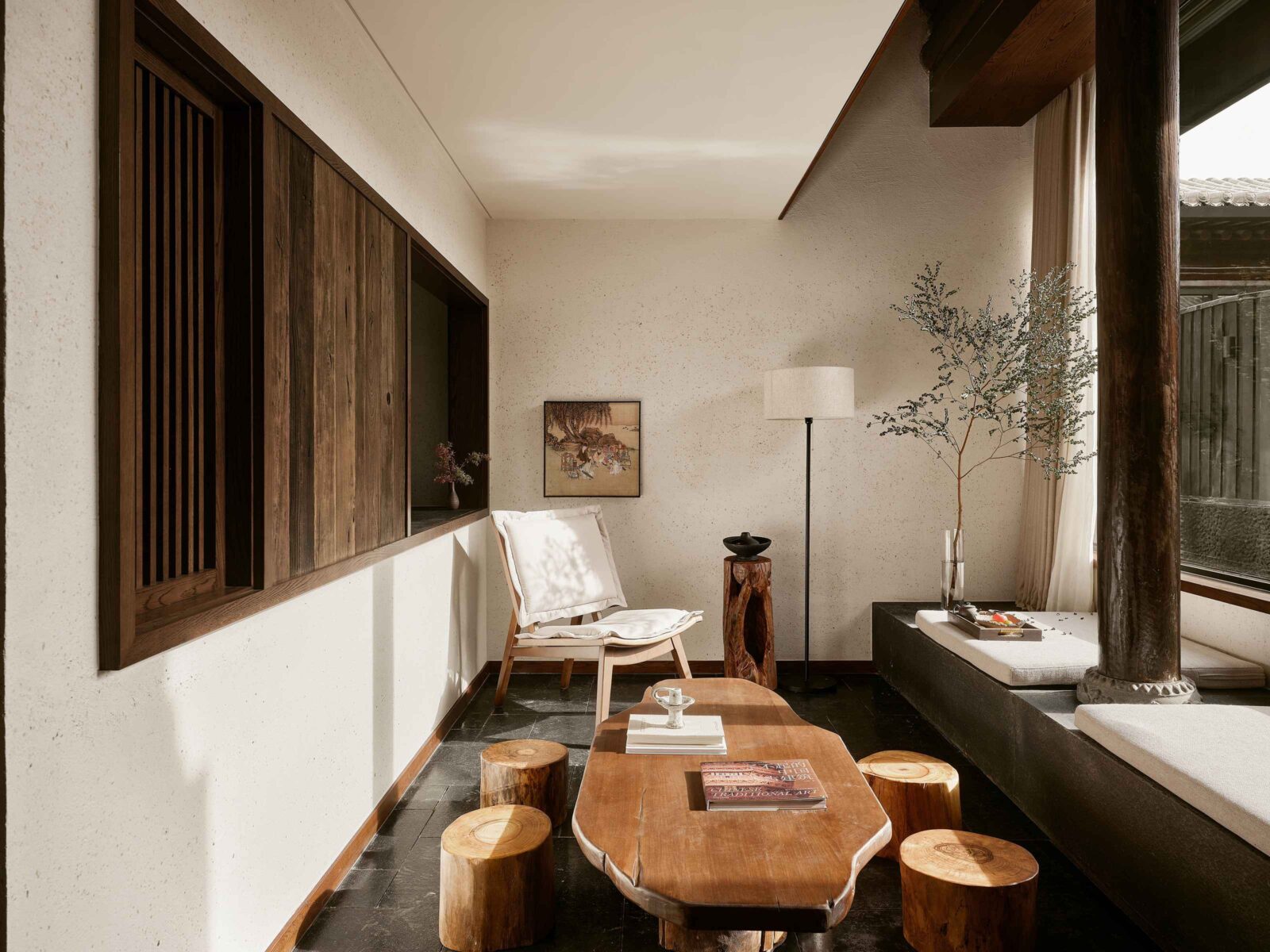
You’ve called the interior style a “Frontier Lodge.” How would you describe that look, and why does it work for an old Chinese courtyard?
Datong isn’t a soft, poetic city like those in the south; it’s a frontier stronghold. Its history is full of soldiers, trade, and survival. We didn’t want a “pretty” style; we wanted something that felt honest. The “Frontier Lodge” look uses heavy timber, textures that look like the rammed earth of the Great Wall, and thick wool fabrics.
These materials tell a story of wind and sand. It’s not a look you could find just anywhere. By using these rugged materials, the space feels like it has deep roots in the soil of Datong. It’s a mix of frontier toughness and modern comfort.
The sanctuary looks ancient, yet it has smart systems for light and heat. How do you hide the tech so it doesn’t ruin the mood?
We think technology should be like a ghost—it should do its job perfectly without ever being seen. To make this work, we had to throw away all the “off-the-shelf” kits. Standard air vents and switches look terrible against old wood and stone.
We redesigned every single system from scratch to fit inside the gaps of the old timber frame. We hid the underfloor heating and the air systems so well that all a guest feels is the warmth and the breeze. If you can see a plastic vent, the magic of the thousand-year-old environment is broken. We made the tech adapt to the building, not the other way around.
Many people think “green” design means solar panels, but you focused on “adaptive reuse.” How does saving an old building help the planet?
Genuine sustainability isn’t just about adding new gadgets; it’s about using less in the first place. When you keep an old building, you save all the energy that was used to build it hundreds of years ago. You aren’t creating piles of waste from demolition, and you aren’t using huge amounts of new concrete and steel.
Old buildings also have “local wisdom” built-in. They were designed to stay cool or warm using thick walls and natural breezes. We just used modern tools to make those old tricks work better. It’s a partnership with the past. Instead of asking “how can we consume more efficiently?” we ask “do we need to consume this much at all?”
Winning the LIV Hospitality Design Award is a massive win. What does this global nod mean to the team?
We were so excited when we heard. We wanted our work to be judged against the best in the world, but winning “Best of the Year” was more than we hoped for. To me, it proves that our philosophy—respecting old buildings and using the “frontier spirit”—actually works. It shows that people from all over the world can connect with the stories we are trying to tell in Datong. It’s fuel for us to keep going and stay creative.
What is your next dream project, and what advice would you give to a young designer who wants to win an award like this?
The next dream project is always an unknown, which is the exciting part! For young designers, my advice is simple: don’t focus too much on “designing.” Instead, focus on living.
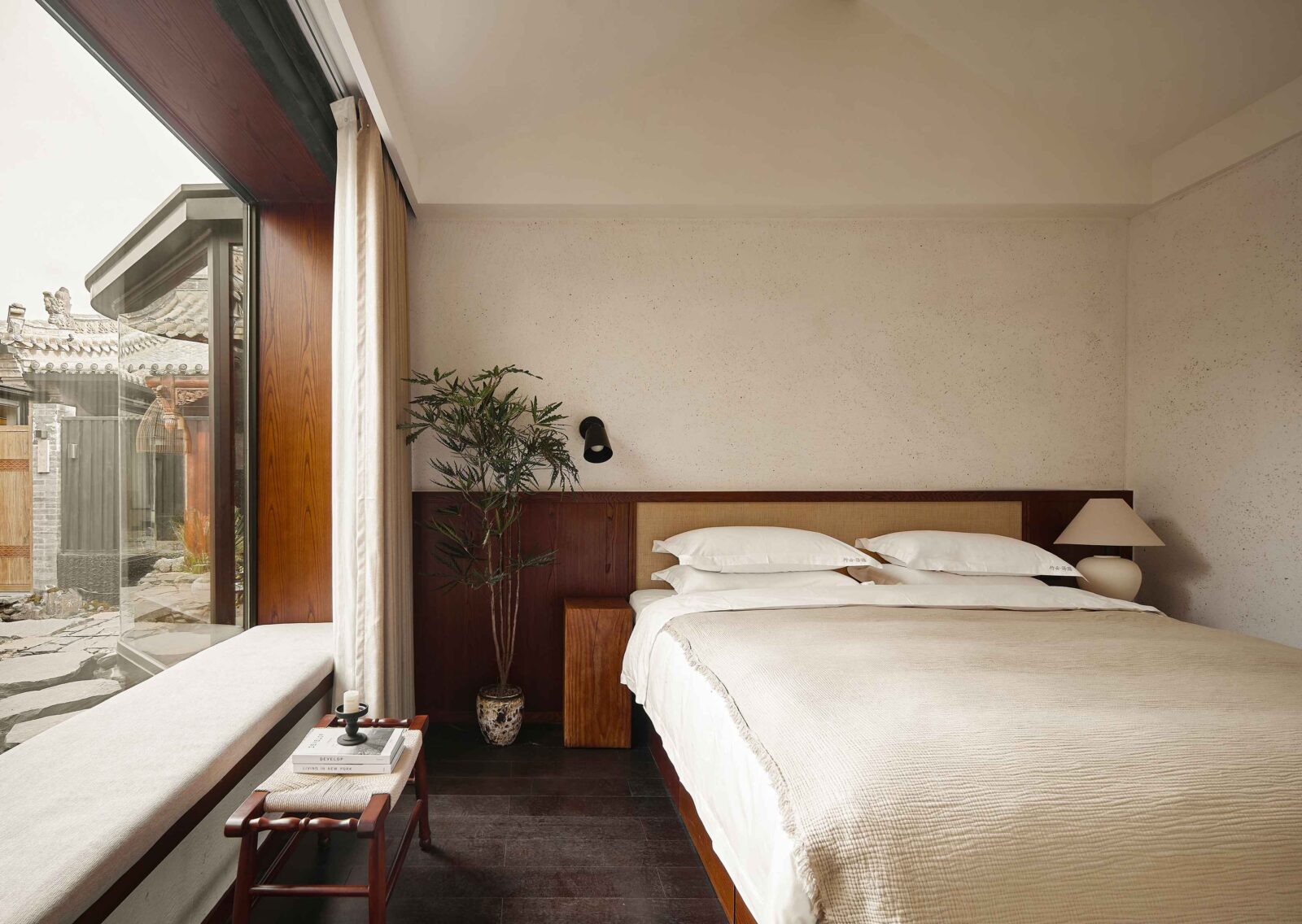
The best ideas don’t come from looking at pictures of other people’s work; they come from your own life—your travels, your failures, and how you feel when you stand in nature. Cloudspa Sanctuary happened because we designed a place where we actually wanted to live. If you fill your life with experiences, your work will naturally have a soul. The awards will follow, but the work has to come from a real place first.


