



Header: Amir Hosseini
Architecture seems to be evolving in ways the industry has never seen before, and all because of three main pressures felt virtually everywhere in the world: the climate burden of buildings, the sheer amount of city growth we are yet to see and the fact that digital design tools have stopped being niche and become normal working gadgets.
UNEP’s 2024/2025 global buildings report puts buildings at 32% of global energy use and 34% of global CO₂ emissions, pointing out as well that cement and steel on their own account for 18% of global emissions. UN DESA’s 2025 urbanisation update adds another pressure: urbanisation is still accelerating through 2050, with big expansions in urban population and city systems set to happen in the future. Then there’s the IEA’s operational read: efficiency gains are being eroded by rising appliance ownership and more extreme weather, even as floor area keeps growing. If that’s where things are heading, incremental upgrades won’t be enough, and the sector needs solutions that can keep performance stable under those pressures.
That’s why the trends shaping the next decade aren’t really style trends, even if some of them show up like that, but actually responses to constraints: carbon budgets, heat stress, infrastructure limits, construction productivity problems, and the fact that we can now model, measure and share building data in ways that didn’t exist for most of the industry’s history.
Climate-responsive architecture as a base
The first trend is sustainable, climate-responsive architecture moving from being a “good practice” to becoming a building baseline, going beyond the older focus on cutting operational energy. Sustainability is now more fully understood, covering embodied carbon, life-cycle performance and biodiversity, and therefore can apply more pressure on early design decisions.
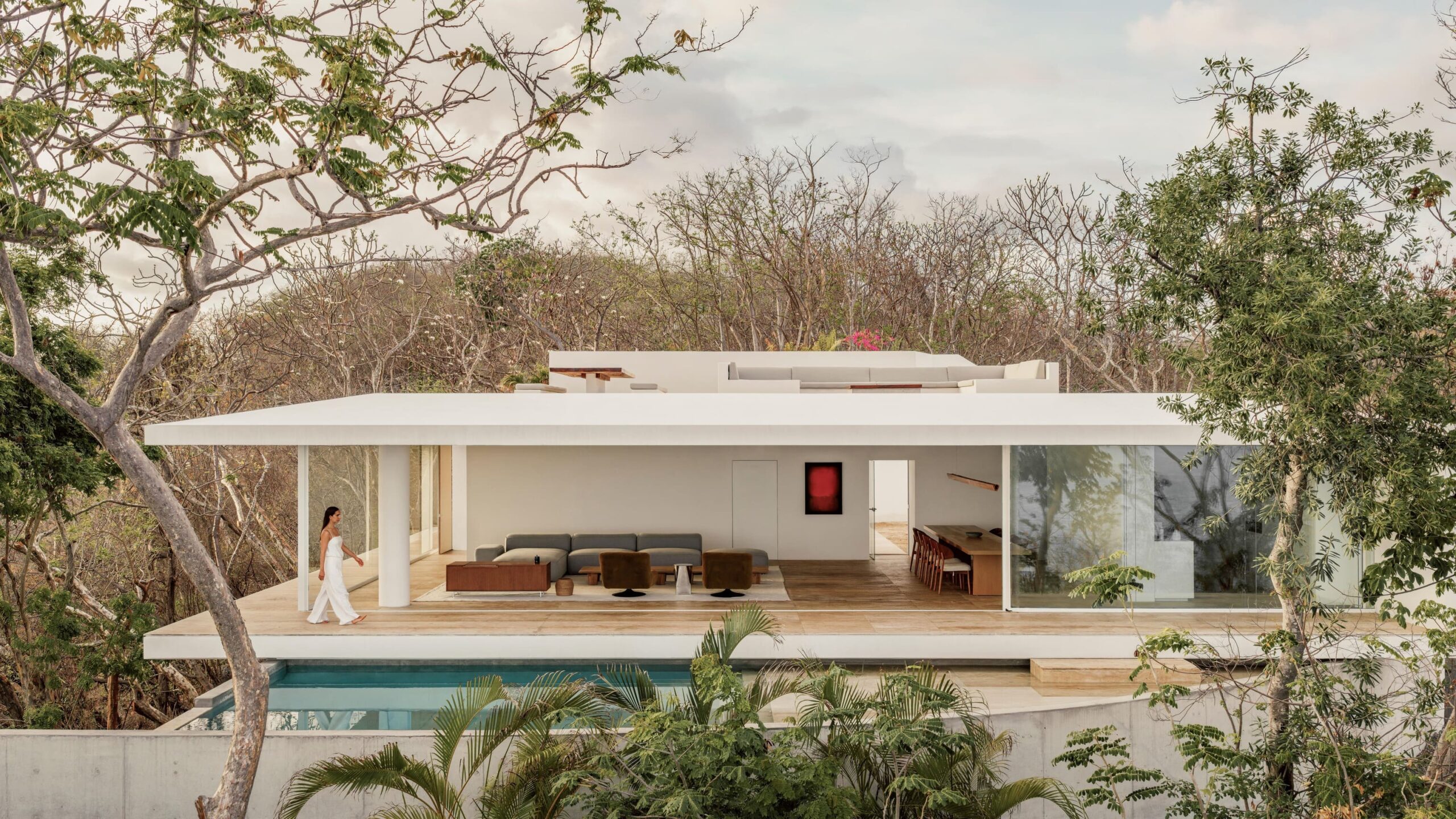
If extreme weather is already affecting efficiency gains, buildings designed around outdated climate assumptions become a performance risk. As a solution, the industry has started to adopt passive design, which accounts for orientation, shading, envelope design, glazing ratios, thermal mass, natural ventilation and passive cooling in the earlier stages of an architectural project. The reason why this forethought is important is so designers can understand how much the building can rely on its base before any mechanical systems are added.
Embodied carbon and low-impact materials
A second trend is how low-impact materials and embodied carbon accounting are becoming part of everyday design work, not something handed off to a specialist at the end. UNEP is clear about the scale of the issue: cement and steel are major emission sources. If those are still the main materials in construction, architects can’t assume the supply chain will sort it out quickly enough on its own. The quickest lever they actually control is what gets specified, and that shifts material decisions from a finishing move to an early design driver.
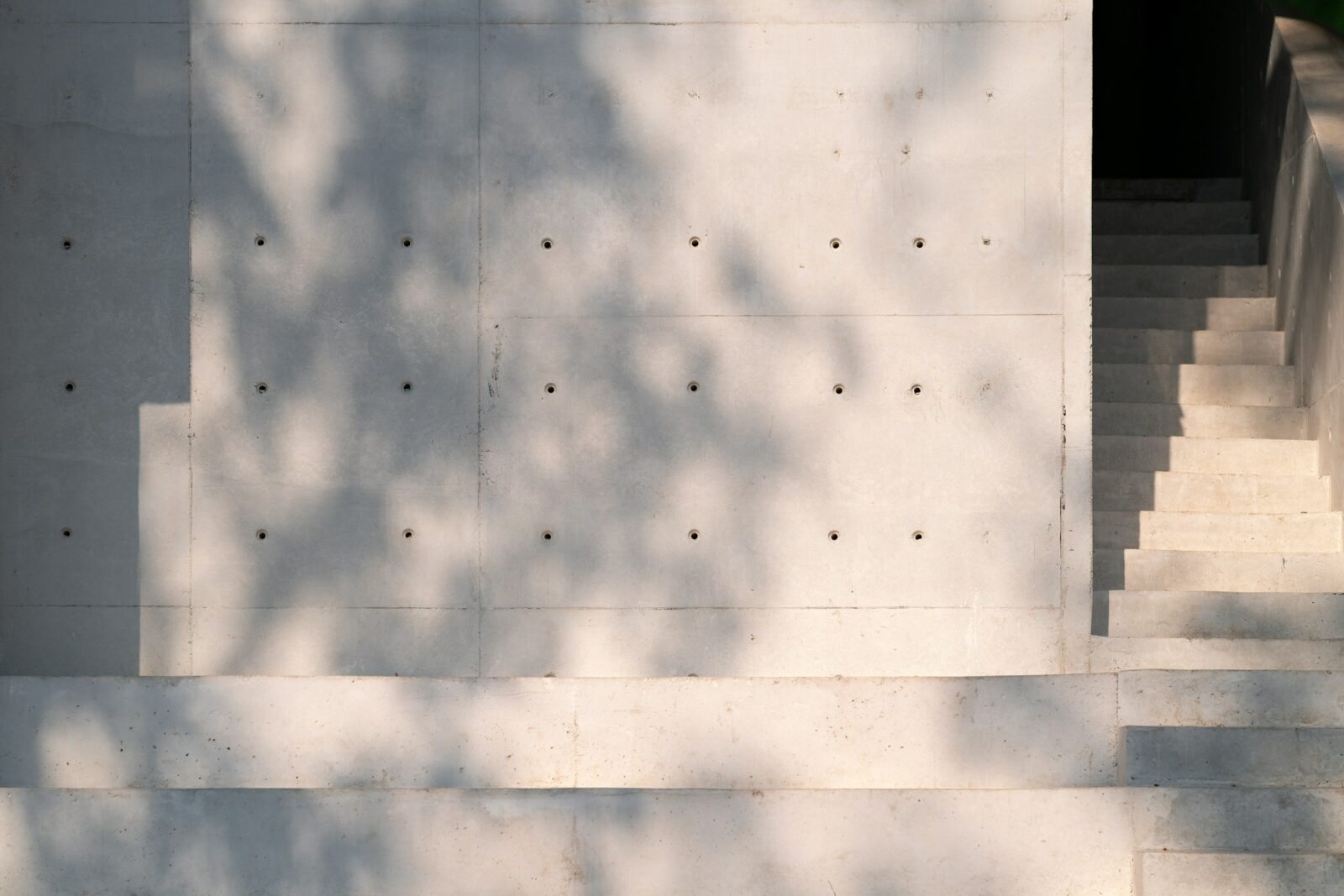
That’s part of why timber and rammed earth are making a strong comeback: they can be aesthetically sound, and in many projects they end up shaping the whole direction, but their main strength is a low-carbon performance. However, this route only works with a thoughtful structure and respect for building codes, which can come up in fire strategy, moisture control and details that make it possible to repair elements or swap and reuse materials later.
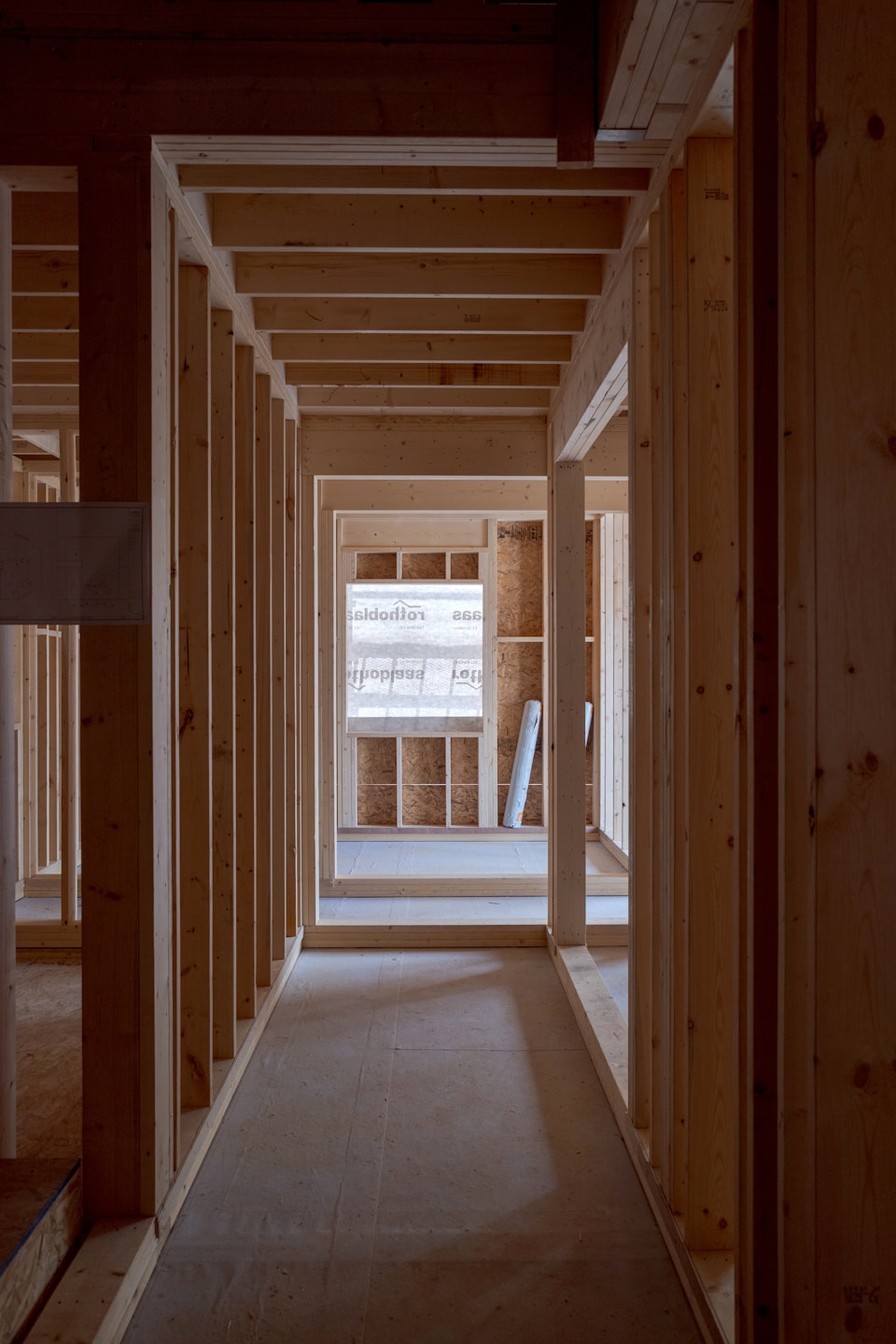
This is also changing how design teams talk about materials. Instead of defending a finish on taste alone, designers are increasingly expected to show what it does across the building’s full life. Frameworks like the European Commission’s Level(s) push that thinking by keeping the focus on whole-life impacts (carbon, materials, water, health, comfort, and wider climate effects) rather than treating them as an afterthought.
BIM and data as the backbone of design
A third trend that can be noticed in the background is BIM and interoperability becoming the normal way projects are run. BIM (Building Information Modelling) is a shared digital building model that holds both geometry and information. There, walls, doors, slabs, ducts and structural elements are objects with data attached (materials, dimensions, performance requirements, quantities and sometimes even maintenance info). To put it simply, instead of everyone working from disconnected drawings and spreadsheets, the team works around a common source of information.
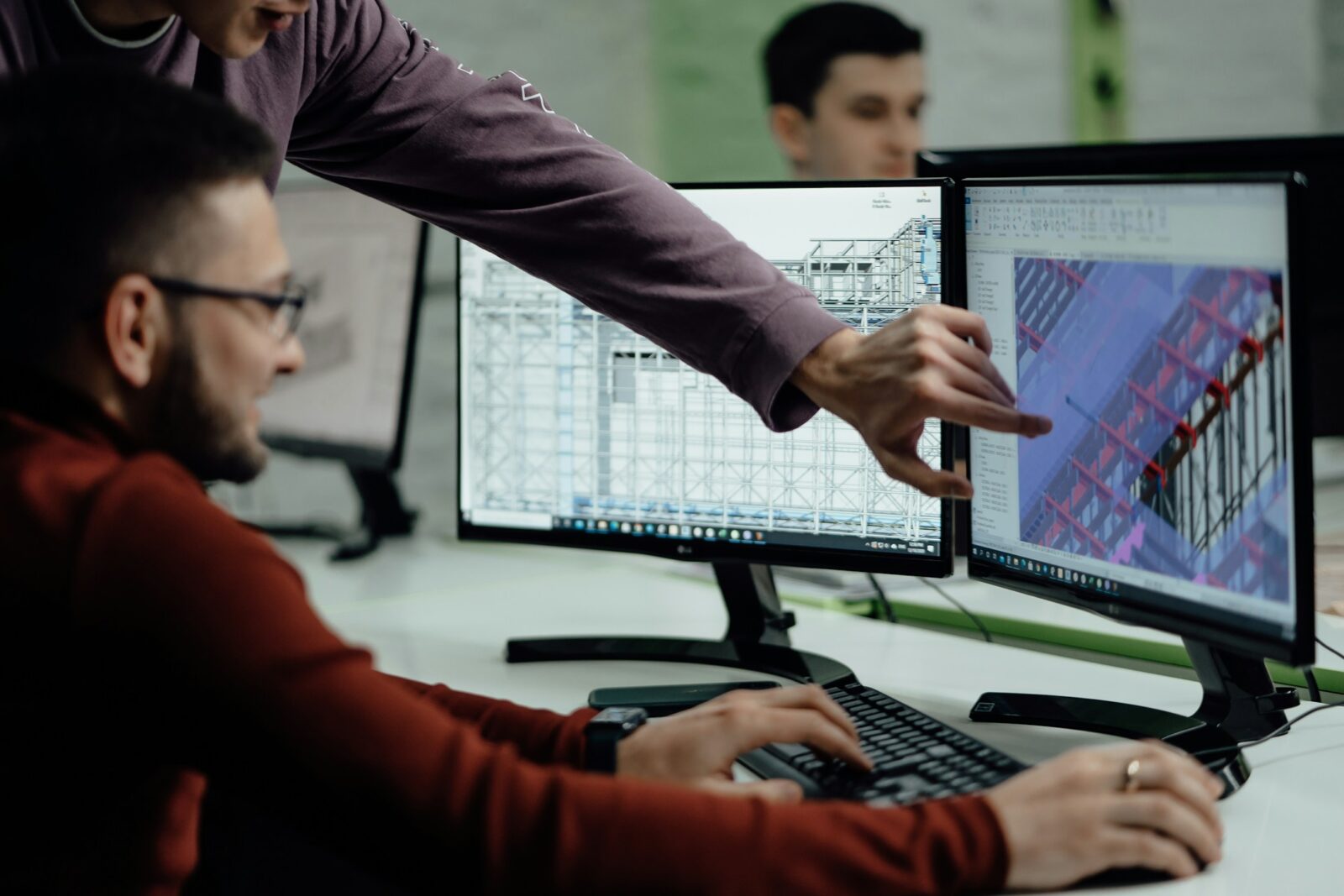
Interoperability is what makes BIM actually useful. On most jobs, not everyone uses the same software, and the building doesn’t stop changing once planning is done. Interoperability means the model’s information can move between architects, engineers, contractors and facilities without getting mangled, lost or retyped.
The reason this trend is a big deal is that many expensive problems aren’t “design problems” in the artistic sense but actually information problems. Things go wrong when drawings don’t match models, when one industry is working off an old version, when key attributes are missing, or when the handover to construction and operations is incomplete.
Parametric design and AI-assisted architecture
Another trend is how parametric and generative design are starting to work side by side with AI-assisted work. Parametric and generative workflows are basically rule-based design: the designer sets up the details (constraints like site limits, daylight targets, structural grids, circulation widths, and planning rules) and tells the system what it’s allowed to change. The tool then produces variations that meet those rules or at least shows where the trade-offs land. AI comes in from a different angle. It’s often used to speed up repetitive tasks, support analysis, organise information, and generate quick explanations for texts or images. Used properly, it can help teams move faster through bureaucratic and document-heavy parts of the work, allowing designers to have more time to test and come up with ideas.
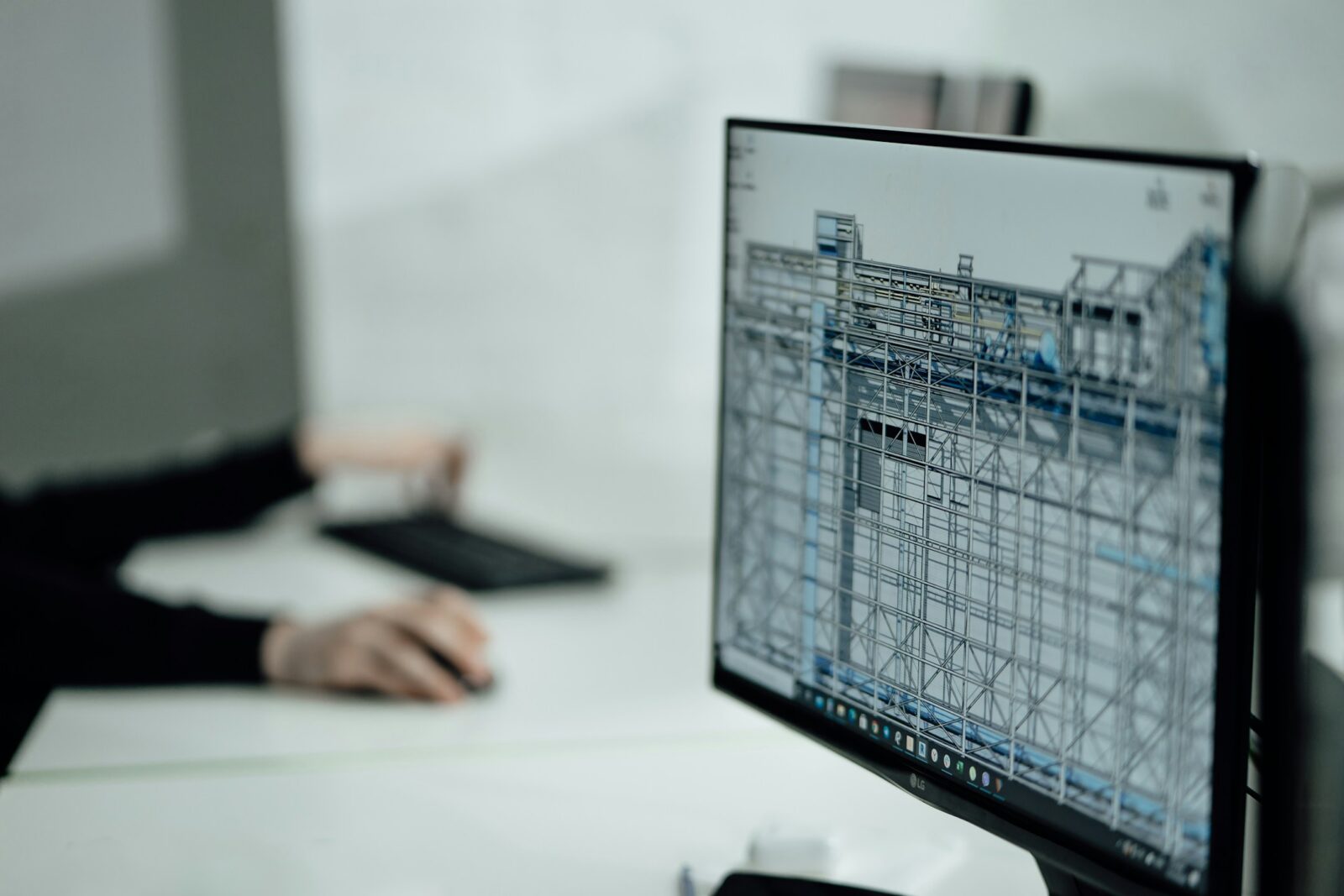
Basically, the parametric system gives structure and consistency, AI gives speed, and the designer makes the calls, ensuring that everything is correct and can be effectively translated into reality. The role of the architect is the most important in this system, because architecture has consequences: a convincing rendering or a well-written summary can hide bad assumptions, code issues or details that won’t work in real life. So, as these tools become more common, accountability needs to be at the forefront, pushing offices to have clear rules for checking outputs, tracking what came from where, and making sure human review is always part of the process.
Digital twins and smart-building operations
The fifth trend we are set to see in the future is the creation of digital twins and the use of smart-building operations, both things already in use but will take on new roles over time. A digital twin is, as the name suggests, a model that’s kept up to date with real building data, typically through sensors, so it can provide support to operations and maintenance rather than just to design projects. An obvious consequence of this is that design and operations are starting to overlap: the model produced during design is expected to stay useful during occupancy, retrofit and even deconstruction.
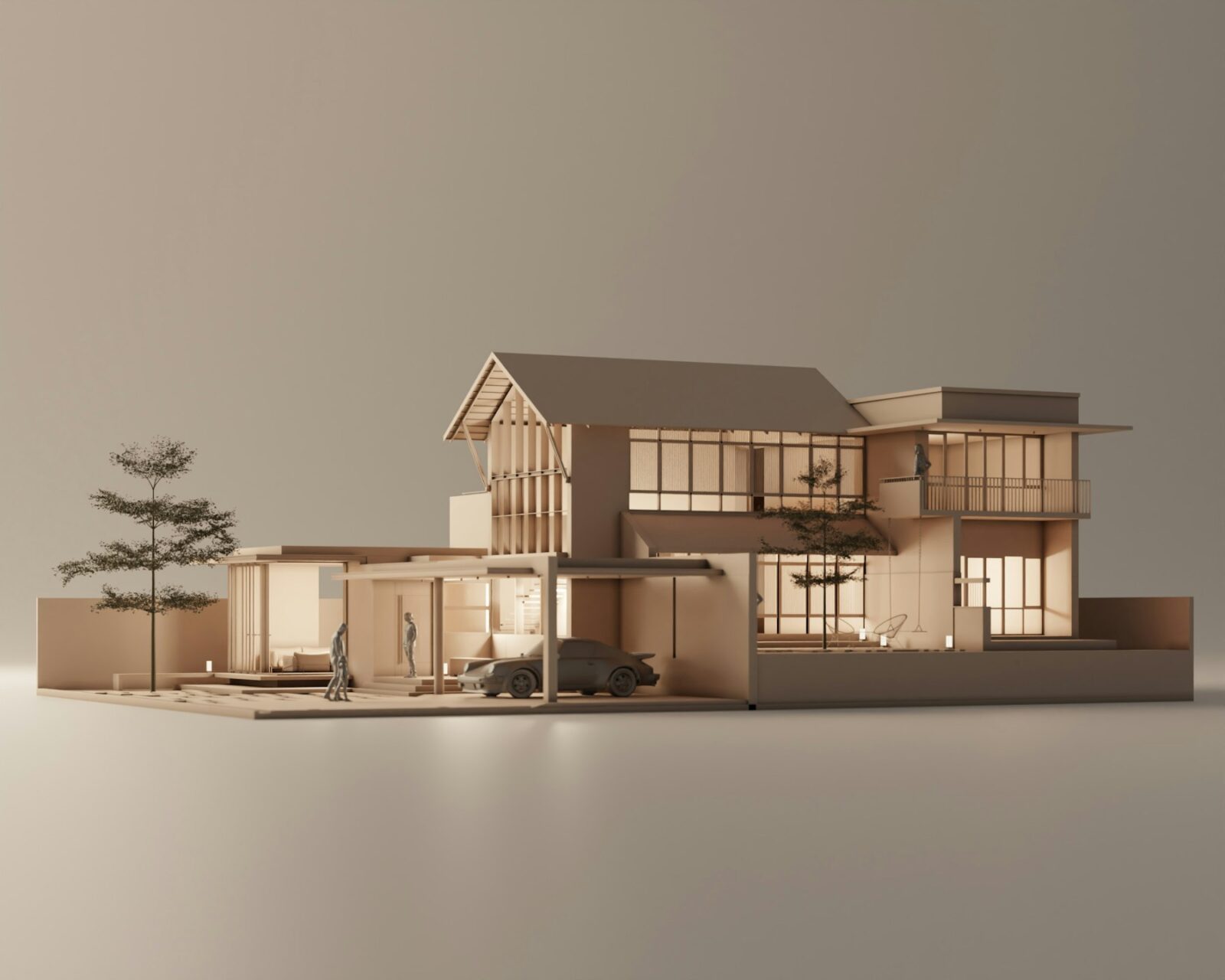
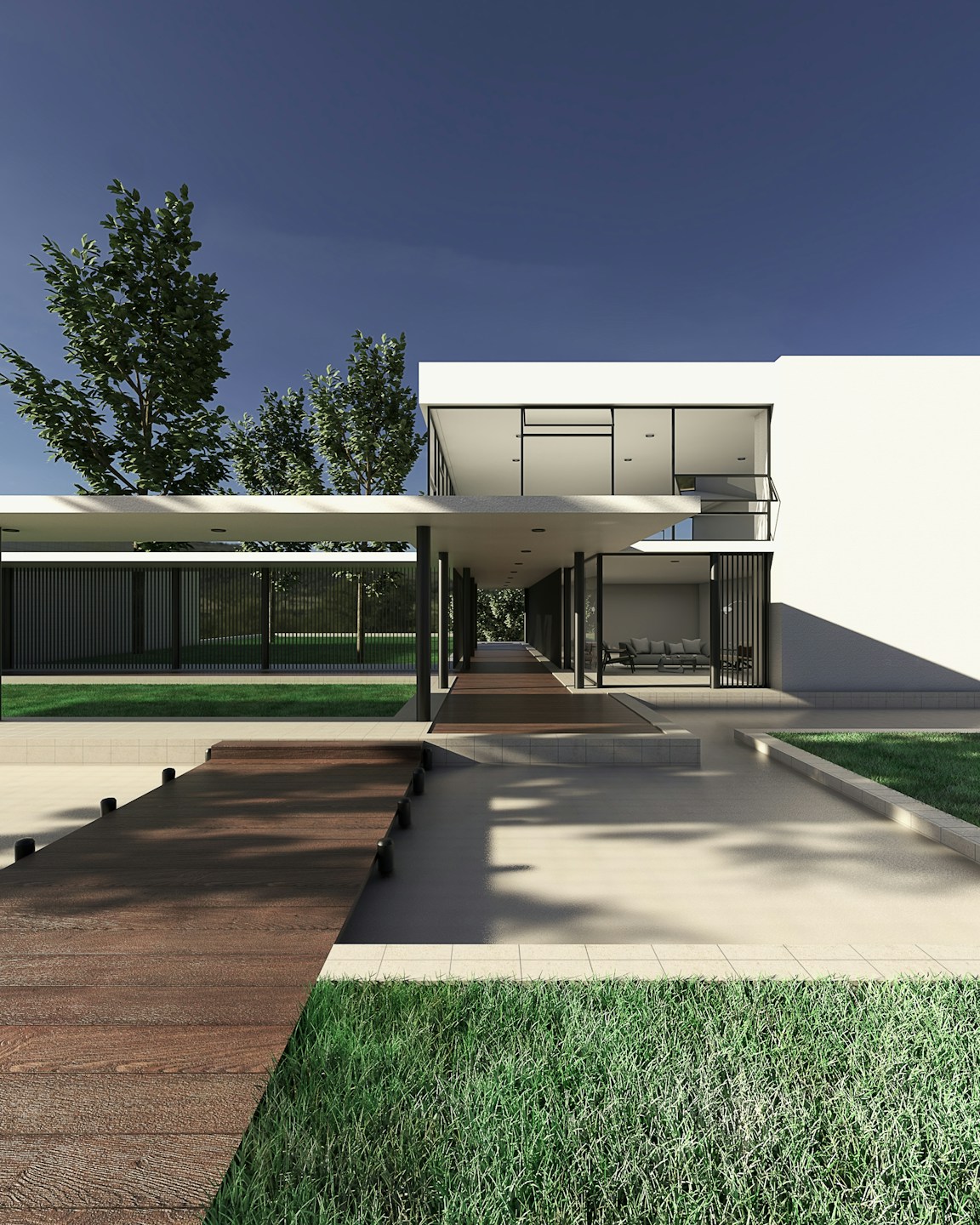
That only works if the model data is structured properly and the building systems can exchange information. This is where standards like BACnet come into play, as they provide a common communication layer across systems such as HVAC (heating, ventilation and air conditioning), lighting, access and controls. The U.S. Department of Energy’s programmes on sensors, controls and autonomous energy management are also quite relevant in this digital future, as they provide a glimpse into how smart controls can be treated as part of the engineering project, not as later additions.
But this trend isn’t without risk, because as buildings become more connected, they start behaving like operational-technology systems. This means that clients and designers alike gain a whole new dimension to worry about, such as cyber-physical security, making NIST’s OT security guidance part of the same conversation as performance.
Human-centred architecture: health, comfort and inclusion
The sixth trend is human-centred architecture getting more concrete. For a long time, “wellbeing” in design could mean almost anything, making it easy for designers to add the label to projects for minimum details. Now, this practice is starting to disappear due to specific specifications that can’t be easily bent: indoor air quality, ventilation, thermal comfort, daylight, acoustics and accessibility.
Architecture is, therefore, set to start to overlap with public health. The WHO Housing and Health Guidelines, for example, connect housing conditions to real health burdens, pointing out practical issues like indoor temperatures, crowding, injury risks and accessibility for people with functional impairments. On the technical side, standards like ASHRAE 62.1/62.2 and ASHRAE 55 set baselines for ventilation, indoor air quality and thermal comfort. These guidelines and others, like the WELL v2, give “wellbeing” an almost palpable body, as they break it down into a checklist of what to design, what to measure and what to defend.
Adaptive reuse and the circular building economy
Adaptive reuse is becoming a default option in architecture and can be considered as one of the most consequential trends in this list. Reuse can preserve capital, cut demolition waste and even sometimes deliver faster urban revitalisation than building from scratch. The World Economic Forum positions adaptive reuse as a response to urbanisation, climate change and social inclusion, and ULI’s 2025 report makes the business case by describing a feedback loop where reuse can trigger revitalisation, which improves market conditions and increases asset value, making further investment more viable.
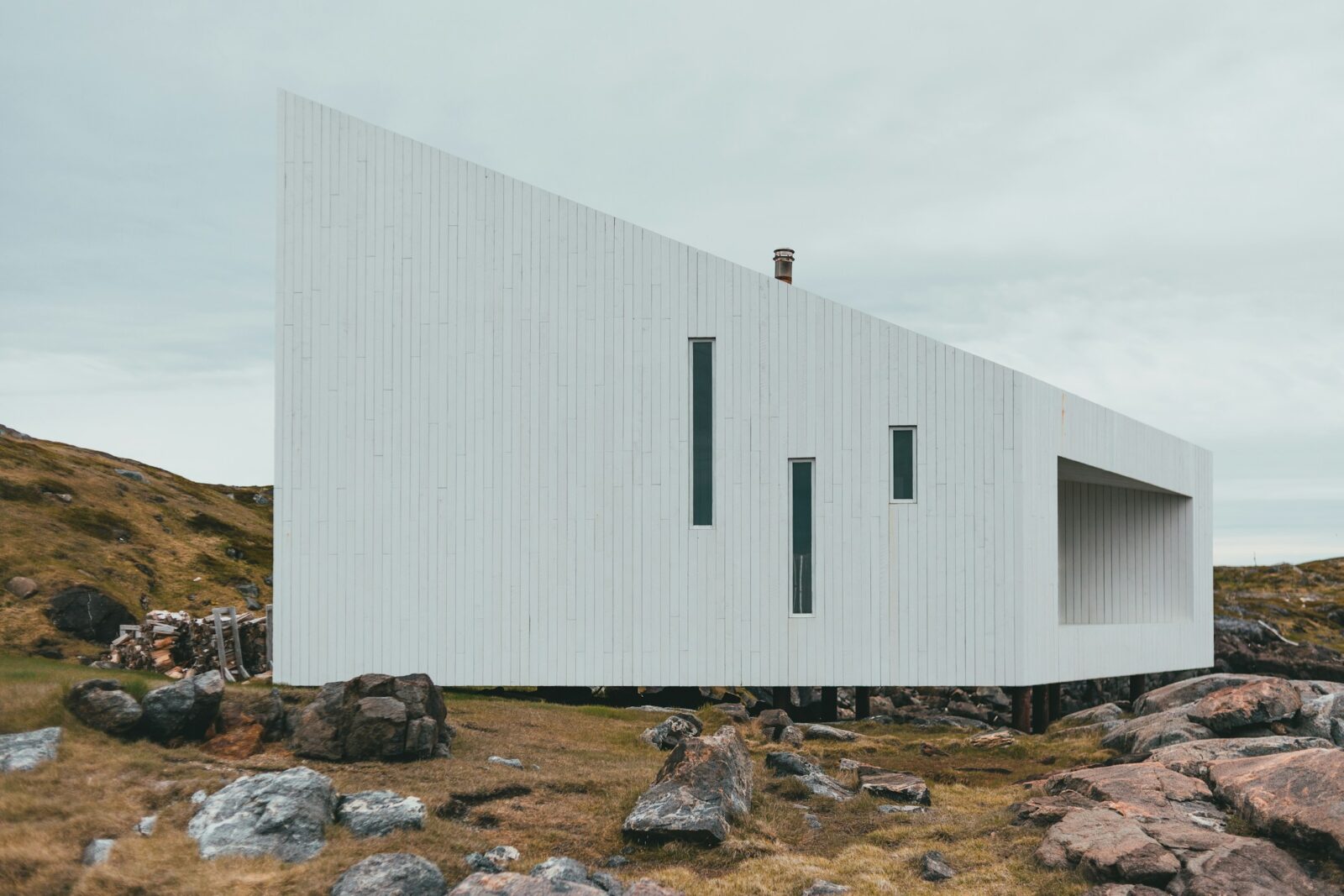
Regarding the wider sphere of design, adaptive reuse fosters ideas like design-for-disassembly, material passports, reuse of components and better information flows, which turns “end of life” into a materials inventory for whatever comes next.
Urban intensification: mixed-use and vertical living
Looking at urban design, mixed-use density, vertical living and intensification led by the public realm seem to be the key innovations the future awaits. It’s the urban version of everything happening at the building level, because even the best-performing building struggles to compensate for a city that keeps growing, houses mostly single-use structures and is built around long car trips.
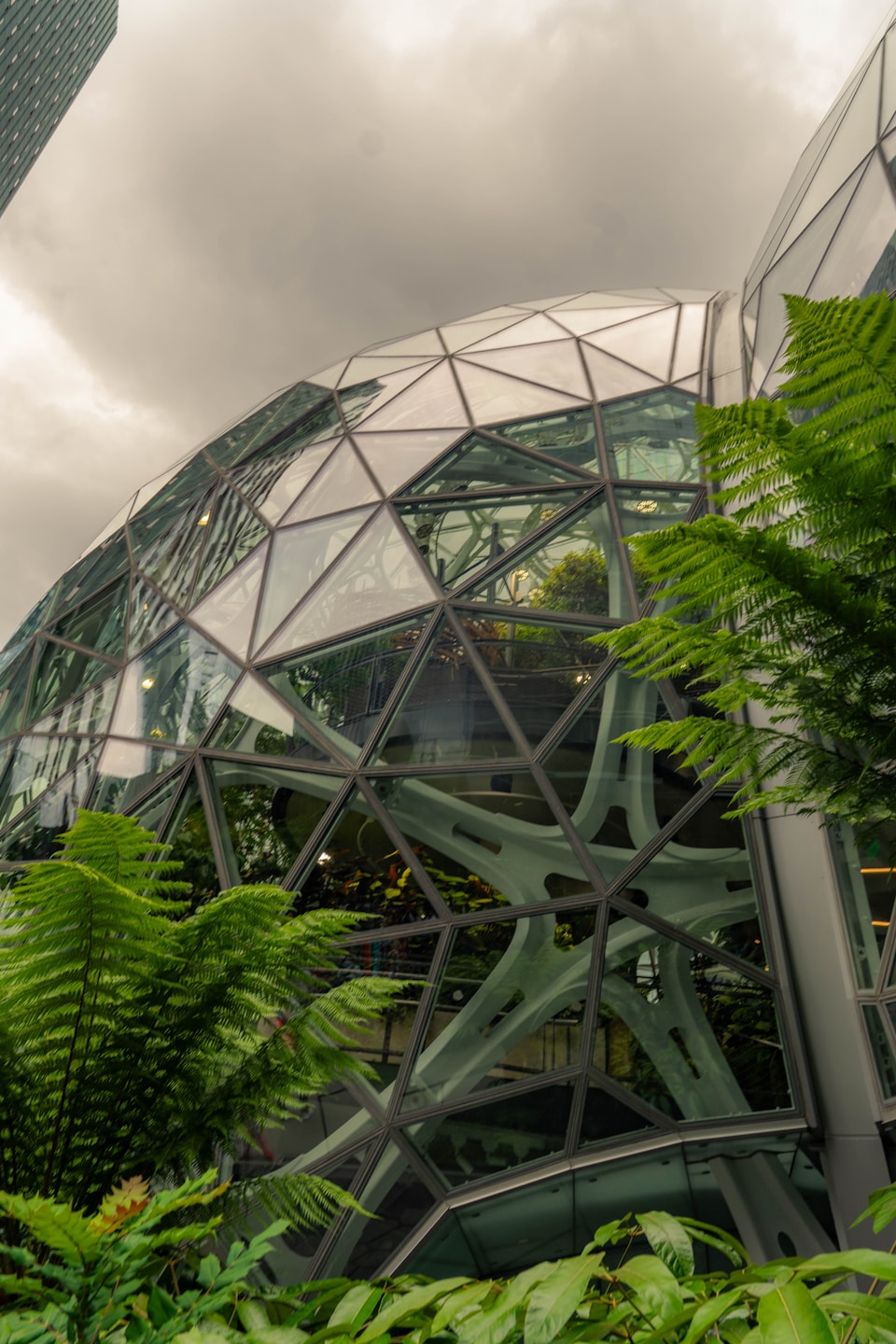
UN DESA’s 2025 update says urbanisation is still accelerating through 2050, and the IEA notes that most floor area growth by 2050 is expected in developing economies, where building and energy codes are often less robust. Put together, that means the next wave of growth can’t follow the old model of low-density expansion without creating bigger problems around emissions, infrastructure strain and basic liveability.
This is where compact urban form comes back. In the IPCC “Urban Systems and Other Settlements” framing, density, infrastructure efficiency and emissions outcomes are linked, and mixed-use, transit-oriented development helps reduce demand by shortening trips and concentrating services. That means more buildings that combine housing, work and everyday amenities, and more neighbourhoods where walking, cycling and public transport are part of a realistic daily life.
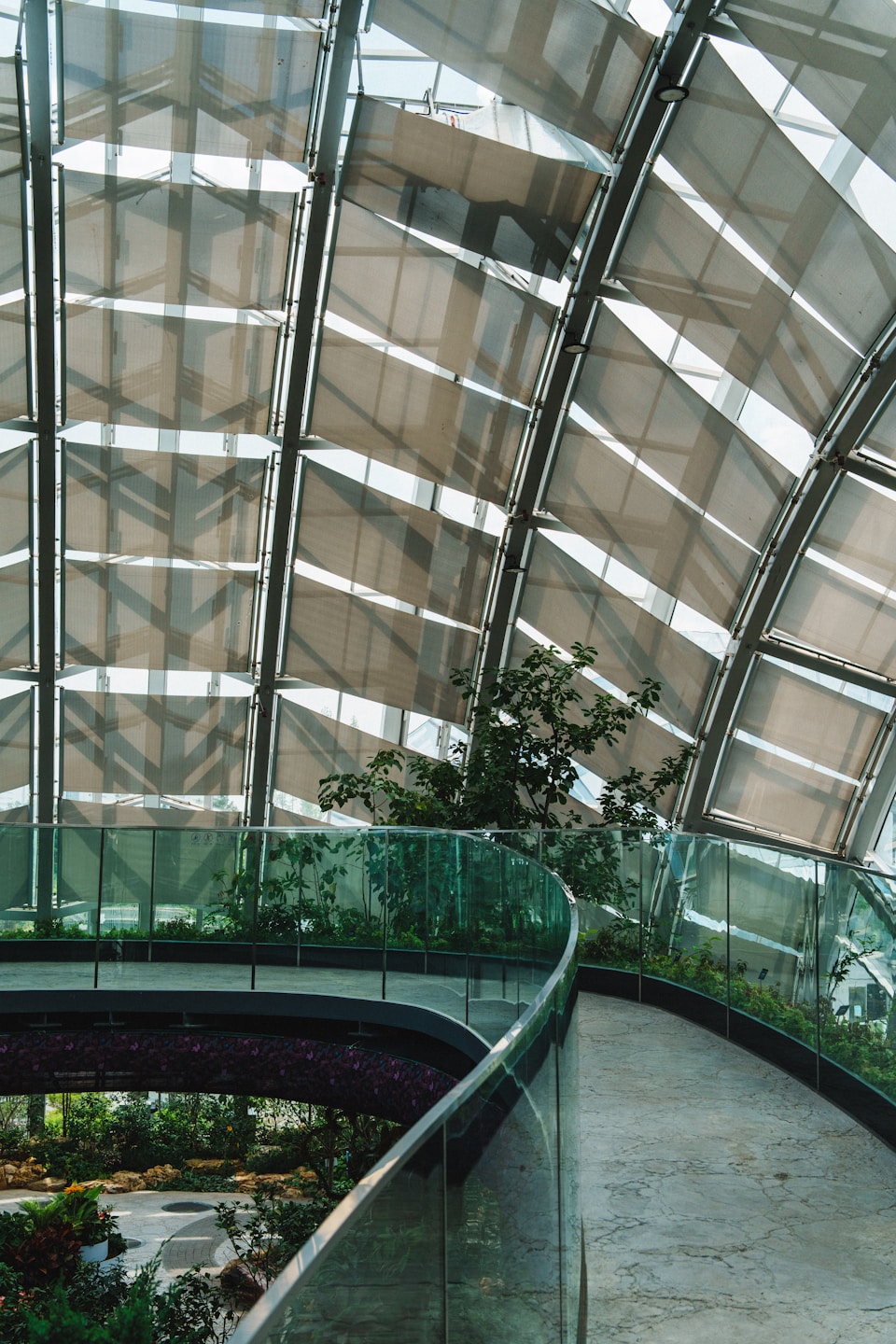
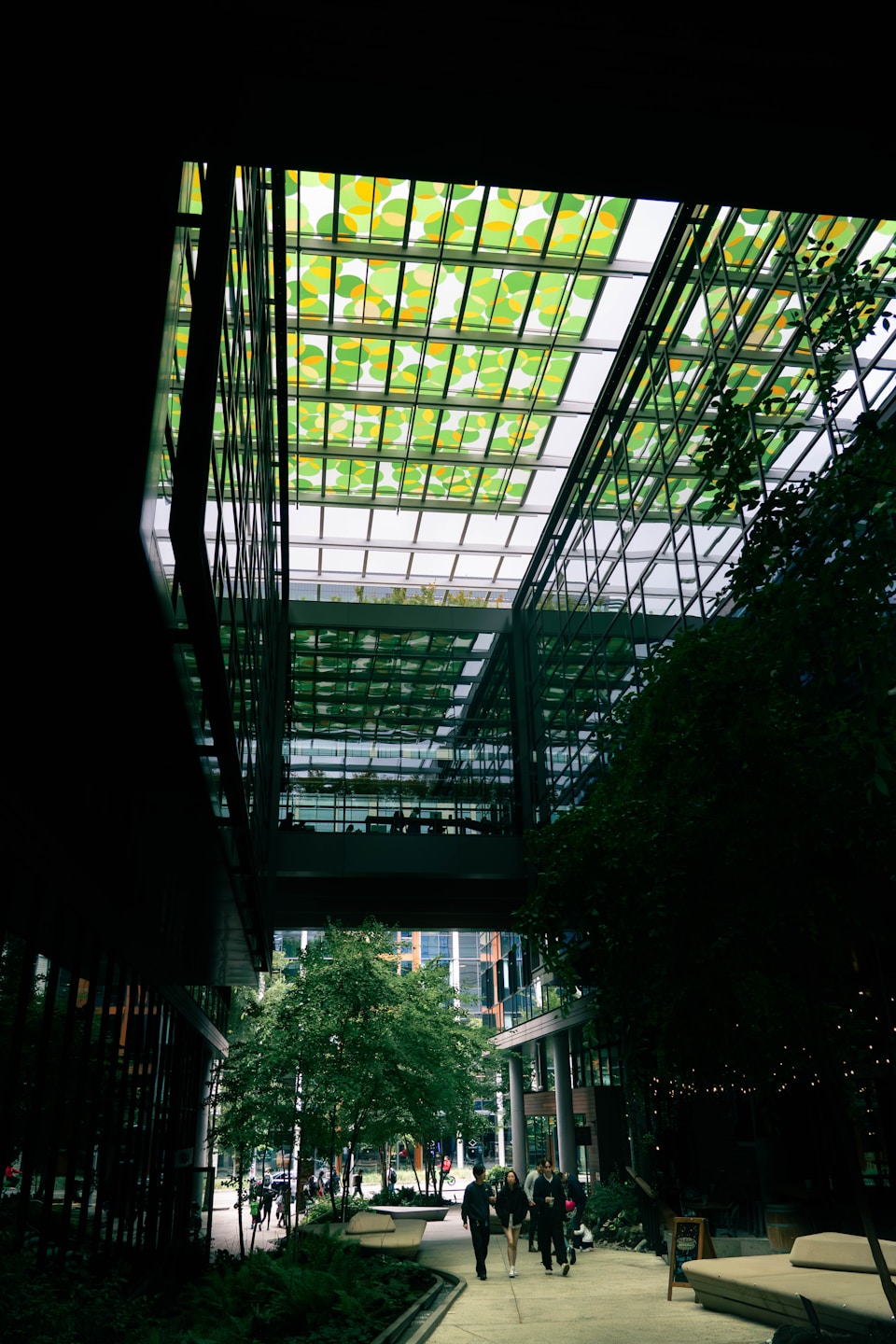
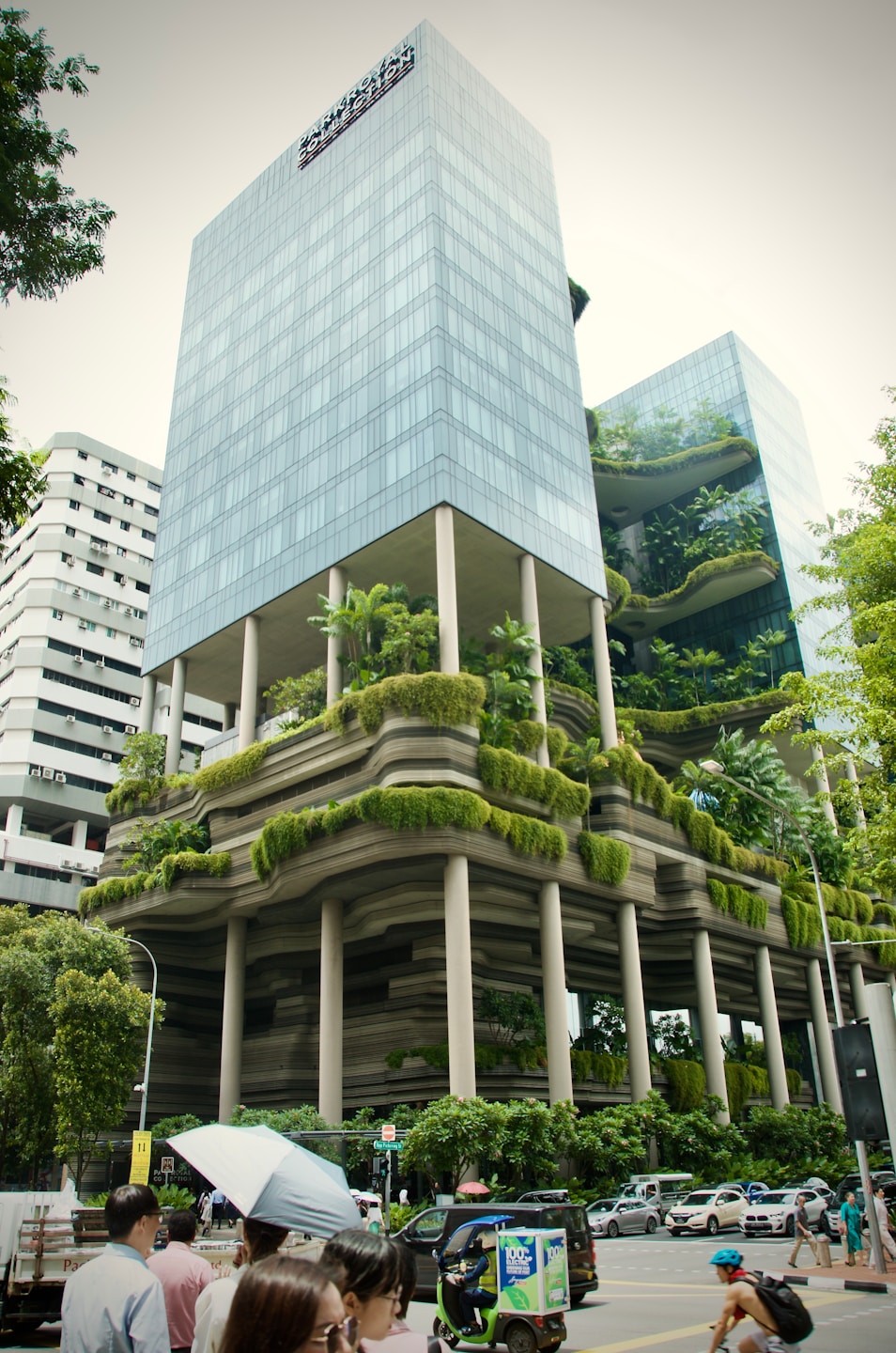
Vertical living is part of this shift, but taller, denser housing only works when the shared parts of the building are designed to support the day-to-day experience: spacious circulation, high acoustic and ventilation standards, thermal comfort that doesn’t depend on constant mechanical correction, and good access to streets, open space and daily services.
These trends change how we live and move through cities because they push architecture towards ongoing performance, where carbon, comfort, and long-term use are part of the conversation from the start. It’s fair to say that the future will bring us buildings that are more than just a pretty sight, as they will be able to handle heat, use less energy, rely less on high-emissions materials, support public life, and adapt over time rather than being torn to pieces after a few years.


