Header: Courtesy of Genesis
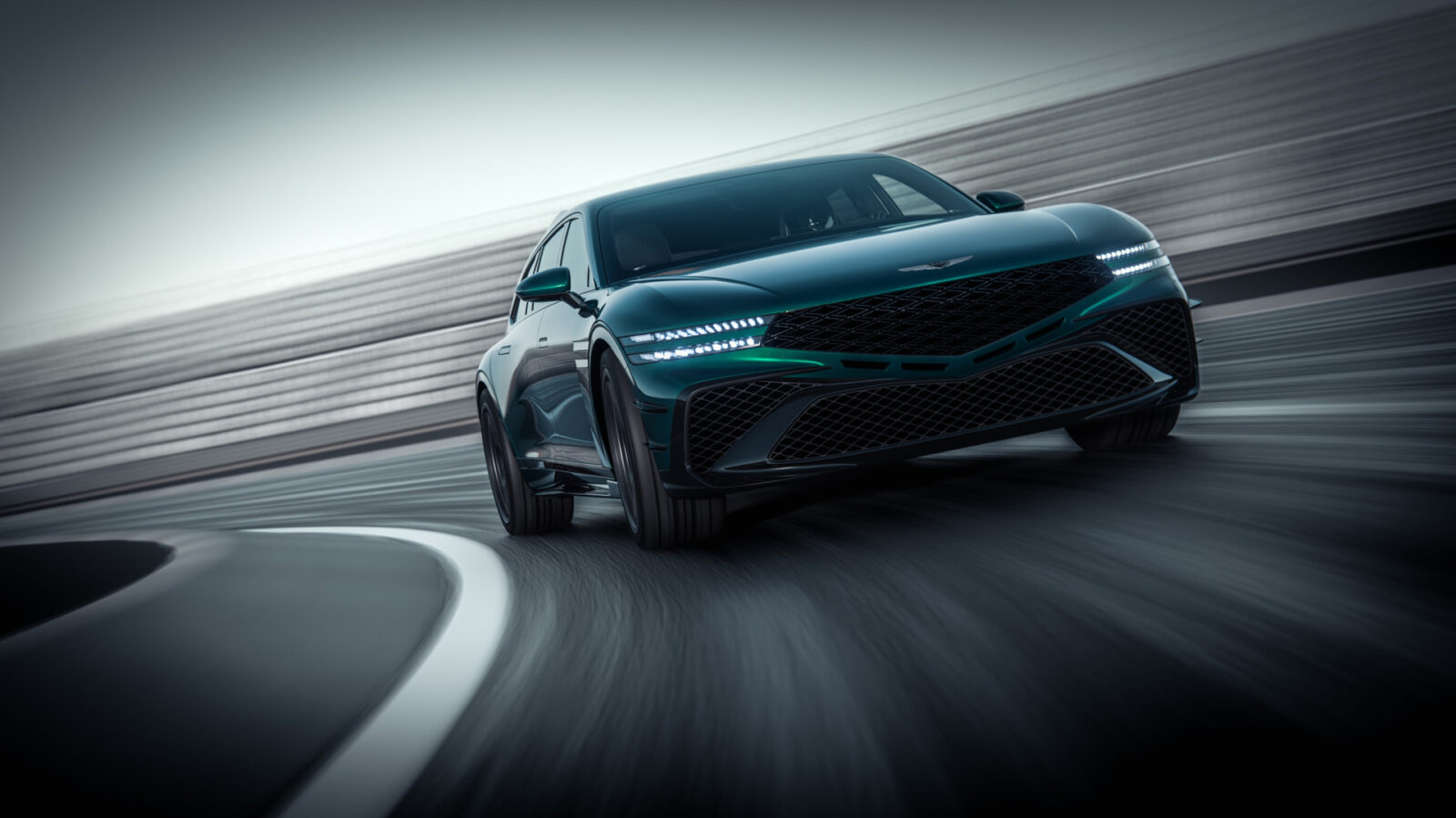
The Genesis G90 Wingback Concept was recently unveiled to the public during the brand’s tenth anniversary, having been presented alongside the GV60 Magma, the first production model of Genesis’ Magma performance programme. Unlike the GV60, the Wingback is not intended for production, it simply functions as a design study on how the Magma approach can be applied beyond regular car or SUV formats and how it might intersect with Genesis’ One of One programme. As Luc Donckerwolke, Chief Creative Officer, described it, the car acts as a “bridge between Magma and the One of One bespoke program.”
The concept
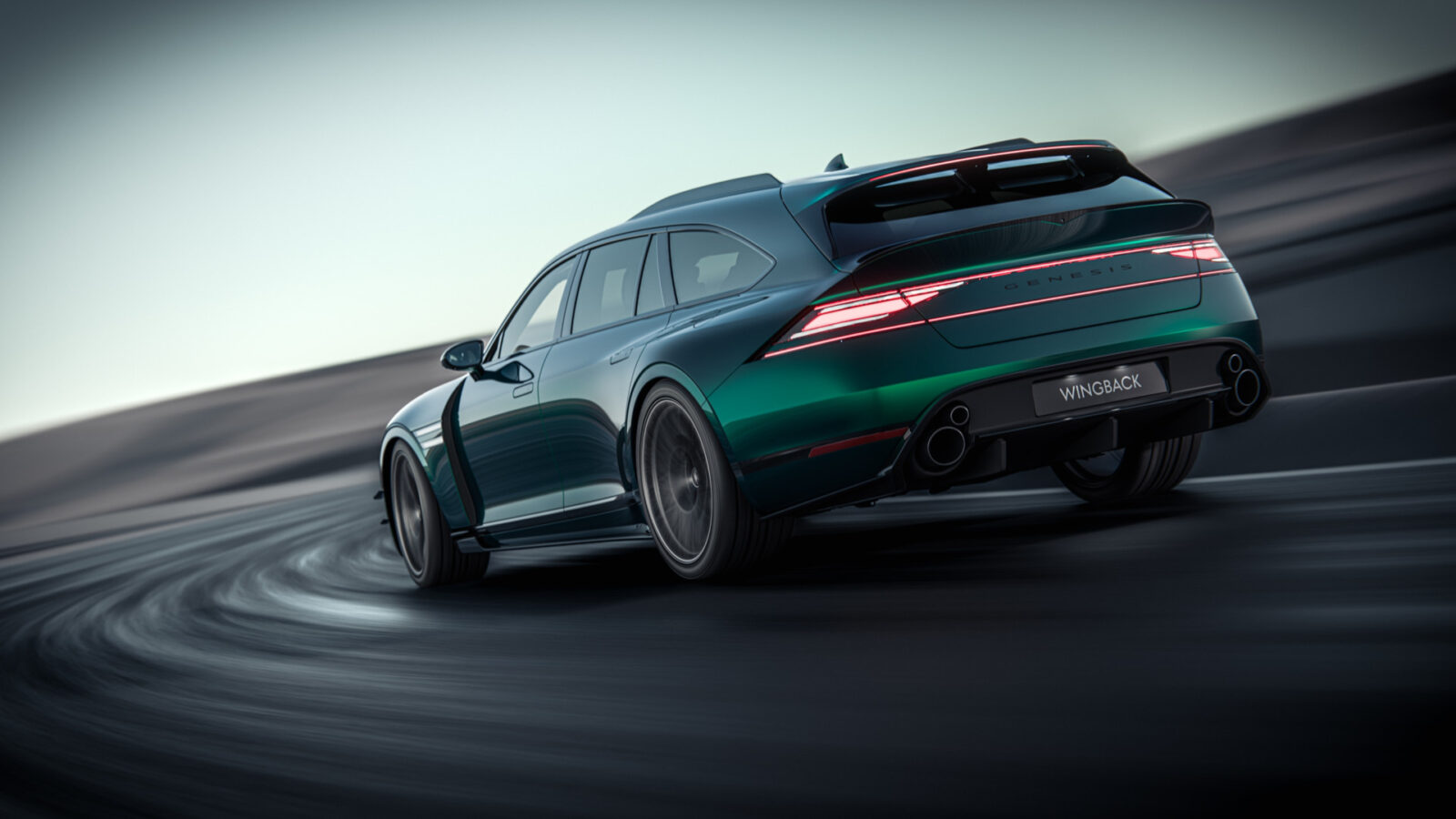
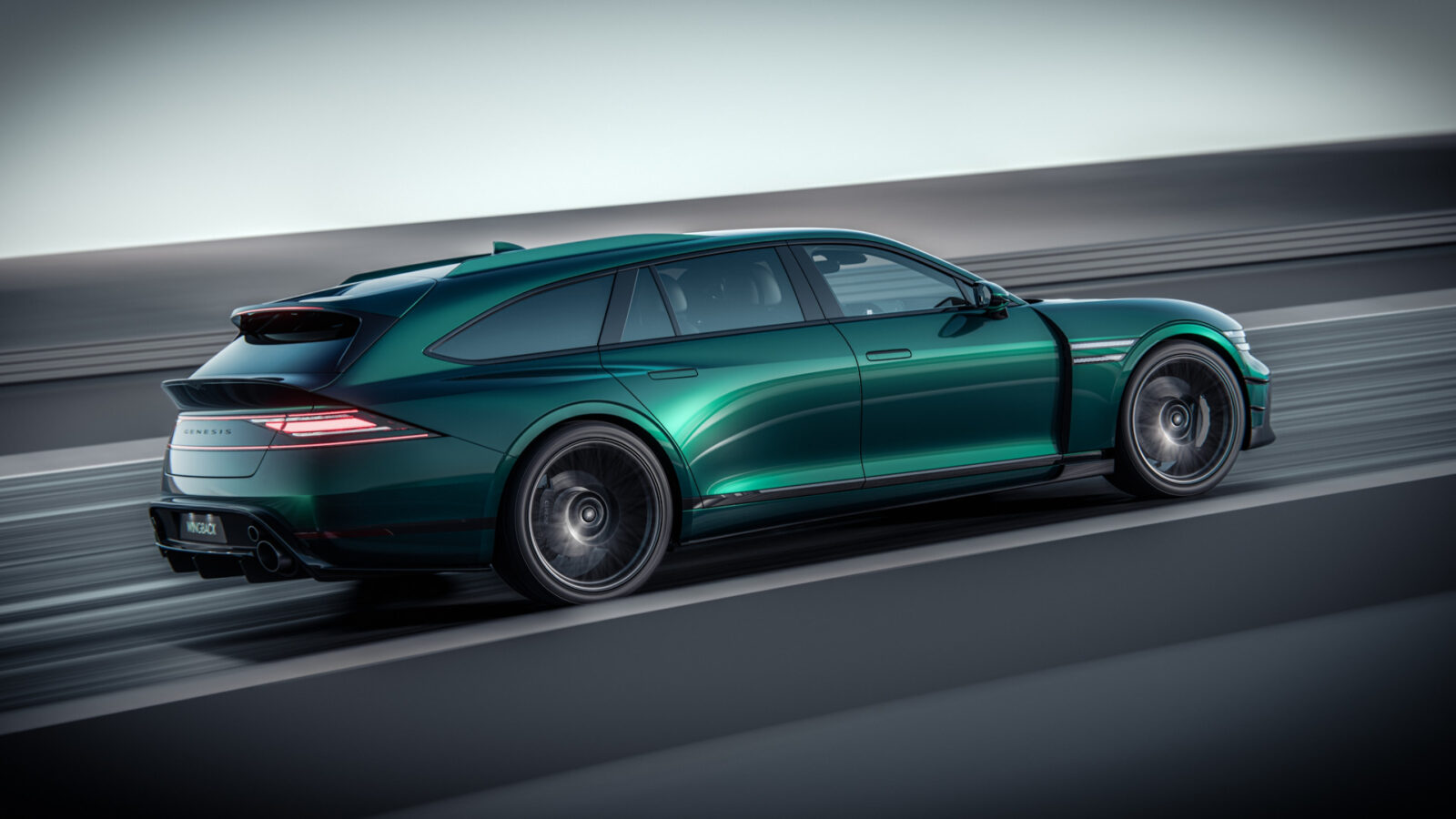
The Wingback Concept is closely tied to the standard G90, as it uses the same platform, characterised by a wheelbase of 3.2 metres and a length of 5.1 metres. Rather than altering the base, the project focuses on proportion and bodywork, using the familiar structure to test a different vehicle type. Here, the G90’s sedan body is replaced by a longer roof that runs all the way to the rear, where it ends in a tailgate rather than a separate boot. This gives the car the proportions and function of a grand tourer waggon, often described as a shooting brake.
This change in body style did not come out of nowhere, with Donckerwolke pointing out that “At the moment there is, let’s say, a multiplication of SUVs. And this fast growth will create a saturation.” He continued, “This is when other typologies of cars are going to become attractive again. This is why I strongly believe in not having a typology monoculture.”
A dynamic exterior
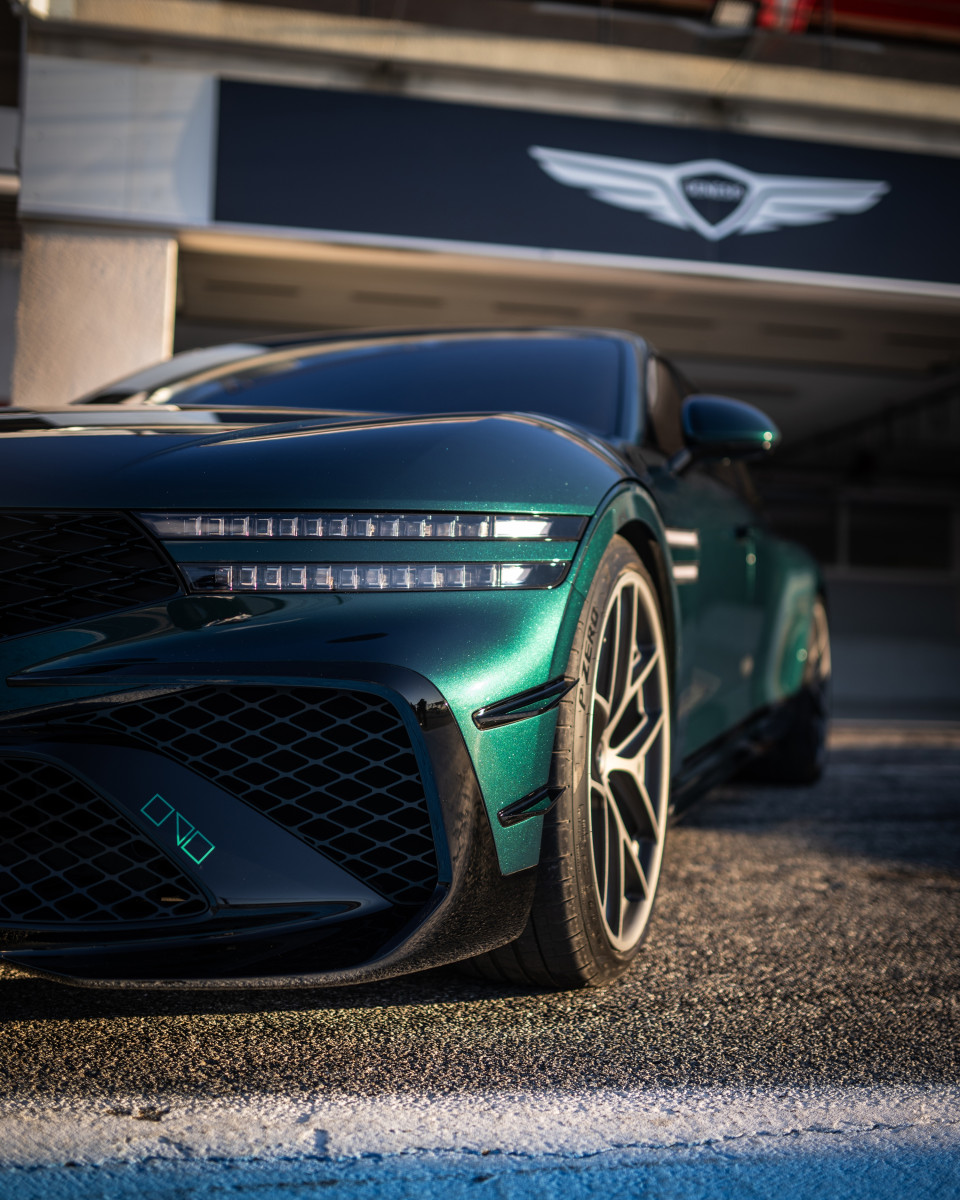
From the front, the car still resembles a typical Genesis, with the Crest Grille having been reworked to fit the Magma look. What changes is the lower part of the nose: the bumper is more shaped than on the standard G90, and it adds bigger openings for air, a Magma badge, and small wing-like pieces at the outer corners (canards). Together, these details make the car appear lower and wider, even though the main proportions stay the same. The wheel arches are also pushed out, and they frame custom 22-inch wheels on thin, low-profile tyres.
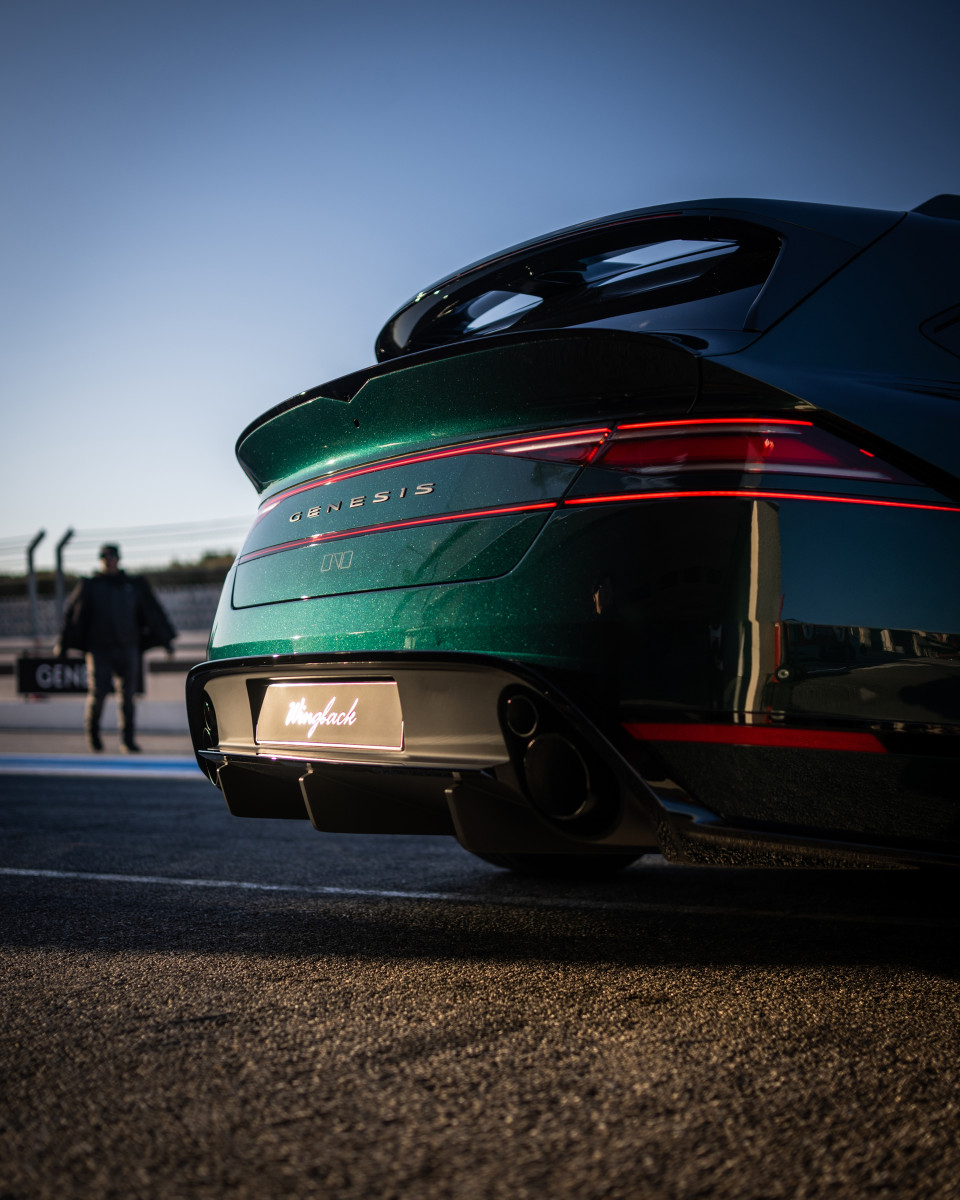
From the side, the new car keeps one of the G90’s famous design lines, the Parabolic Line, which helps it stay linked to the original look and draws attention to its long wheelbase. At the back, the separate boot of the G90 sedan was replaced by a single tailgate that includes the rear window, as you would find on a station wagon. Below, an extra panel was added to the rear bumper to make the car look lower and more firmly set on the road when seen from behind.
The Wingback Concept was given a deep green exterior colour, not the Magma Orange normally used by the brand. As Donckerwolke explained, “Magma is much more than a colour. Magma does not shout, it invites. Where most chase aggression and extremes, we seek balance. Magma is designed to be rewarding, not challenging; to complement the driver, not to intimidate them.“
Comfort and luxury
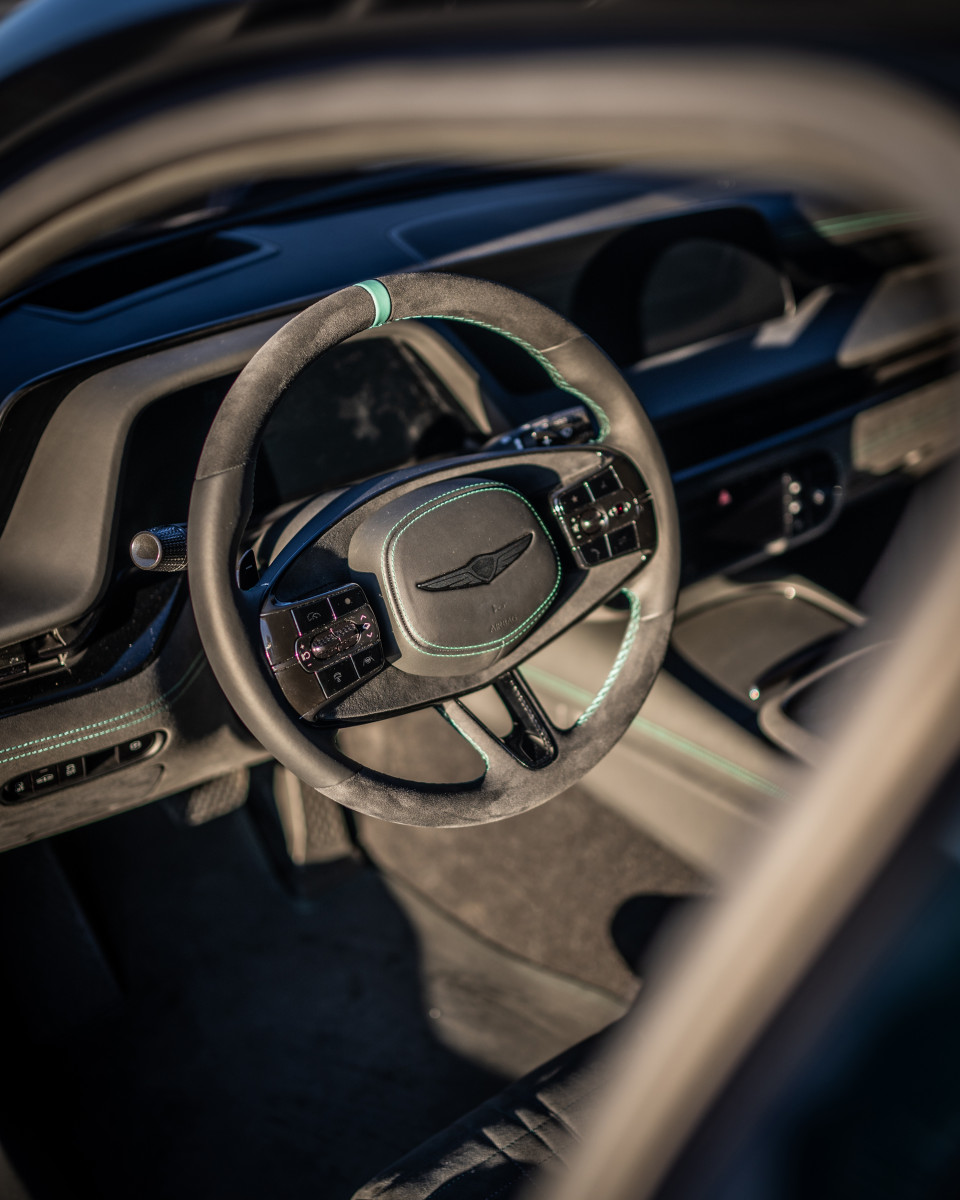
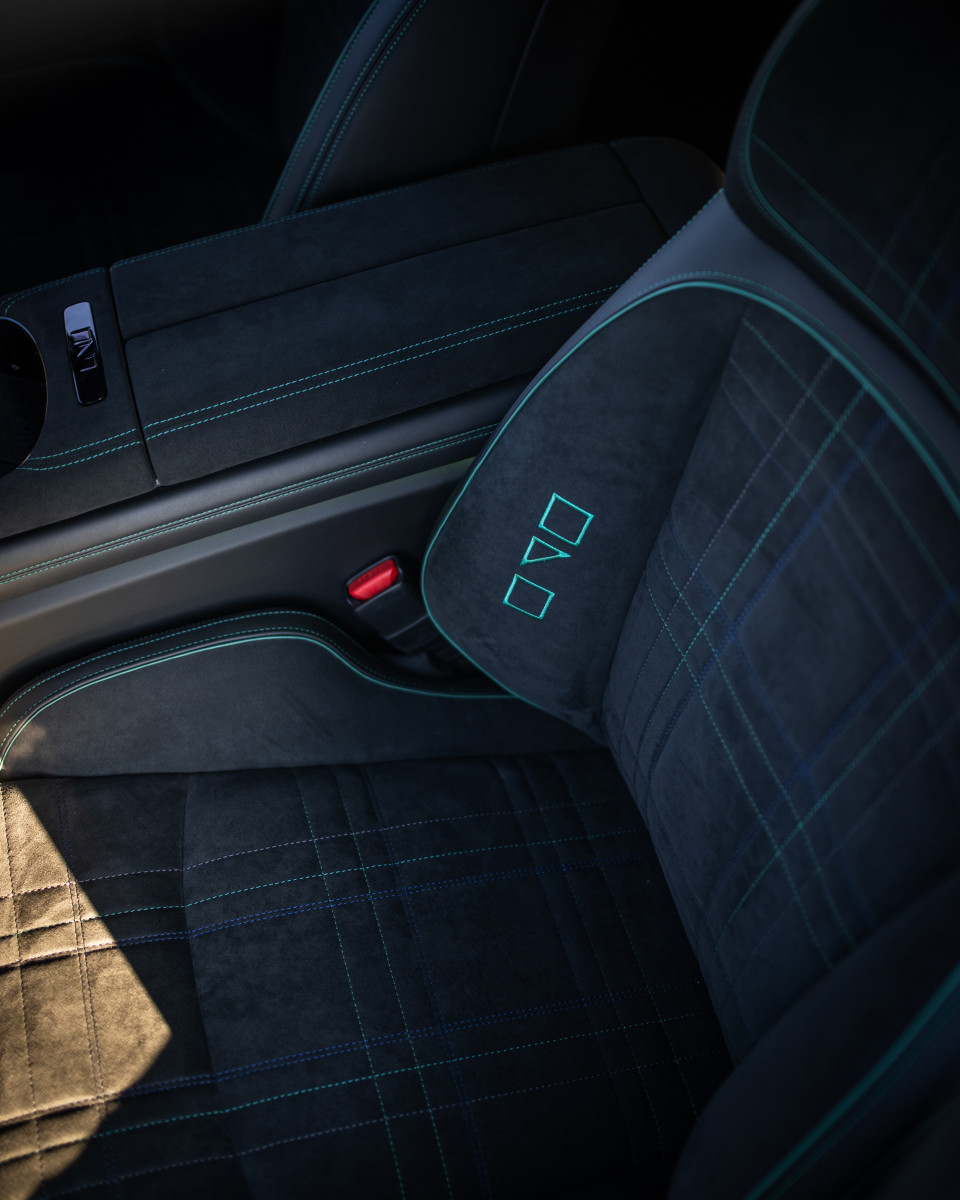
Inside, the cabin takes on a sportier direction. The seats and door panels are trimmed in Chamude, a suede-like material, and the seats are quilted. Green stitching and small Magma logos were added to the seats, and the same green accents show up again on the steering wheel, the dashboard, and the centre console.
Beyond the car itself, the Wingback Concept is being used to show how wide the Magma programme could become. Genesis has said Magma is meant to cover different kinds of cars, including sports cars, coupés, and convertibles, as well as other shapes that have not been announced yet. Seen that way, the Wingback is not a preview of one specific future model but a way of exploring how performance and luxury options might work together in a less typical style.