

Header: Sen-Yung Liu
The SHANLAN and HAIFENG tourist trains for Taiwan Railways were completed in 2024 and have already received a LIT Lighting Design Award for their lighting design. Developed by CosmoC Lighting, the trains apply light very deliberately, using it as a way to guide how passengers experience the views outside.
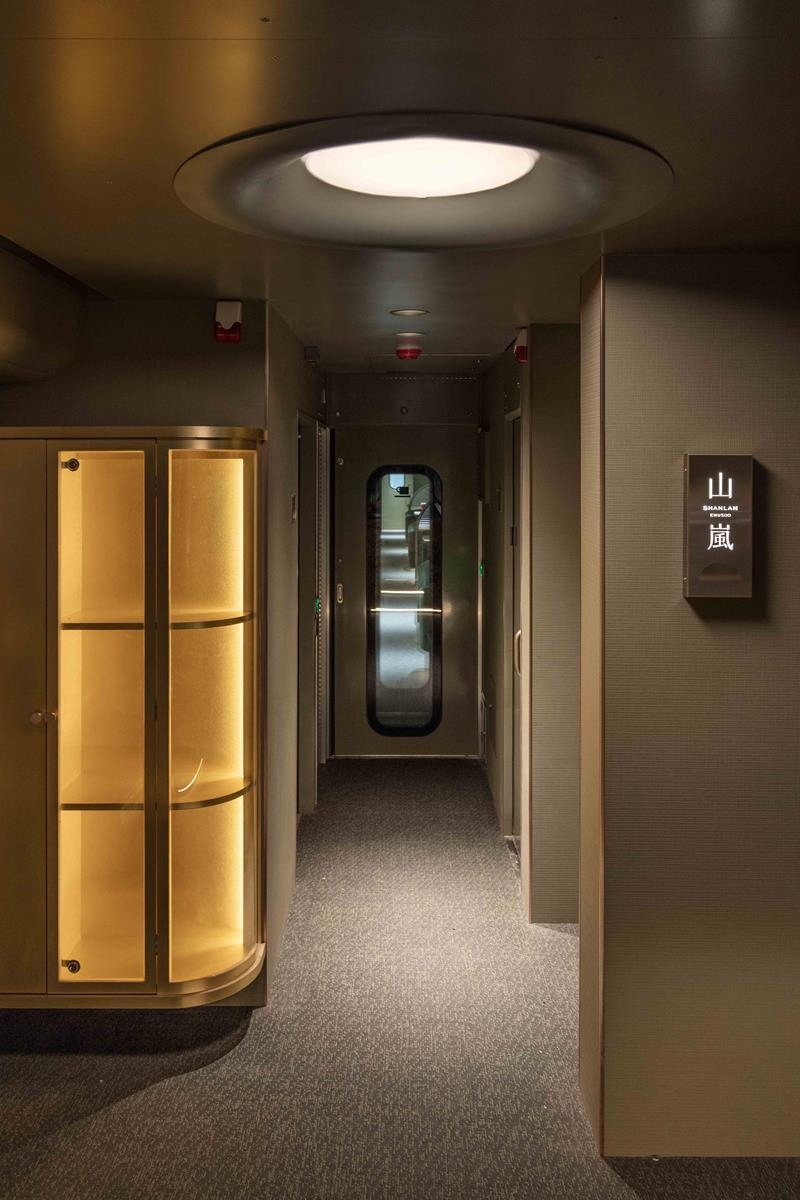
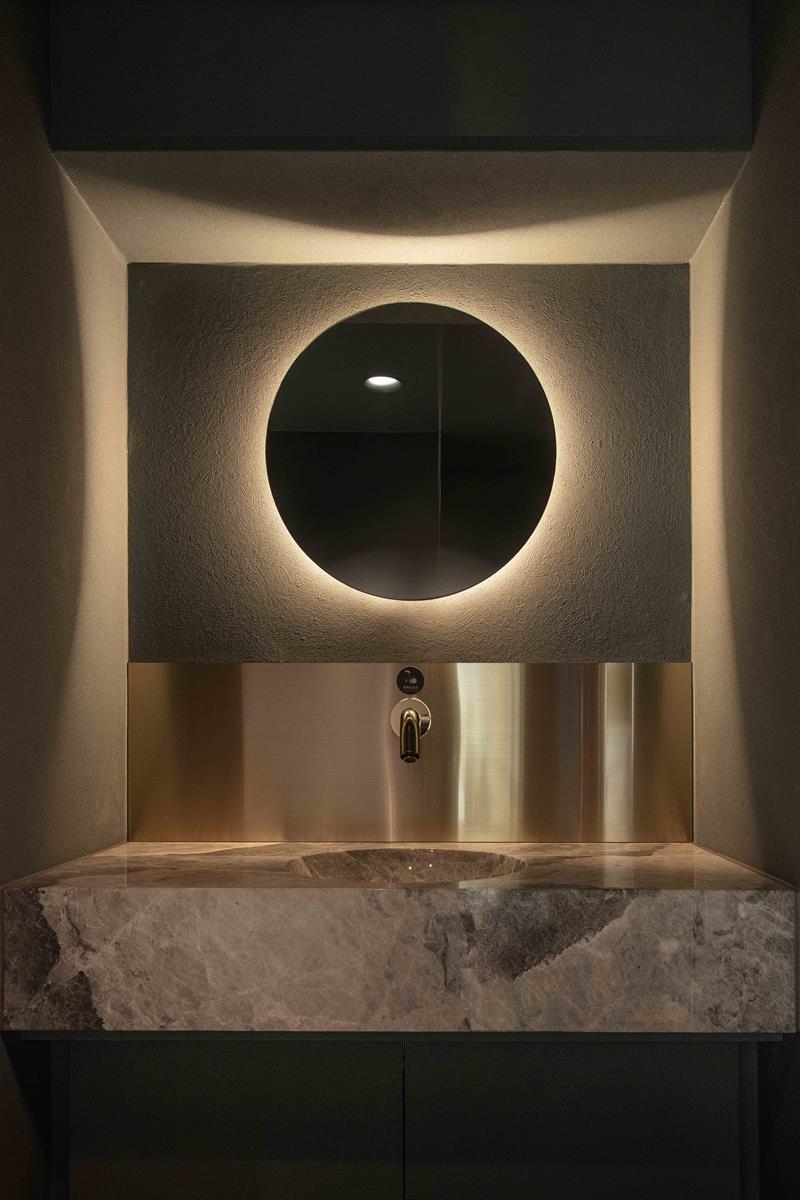
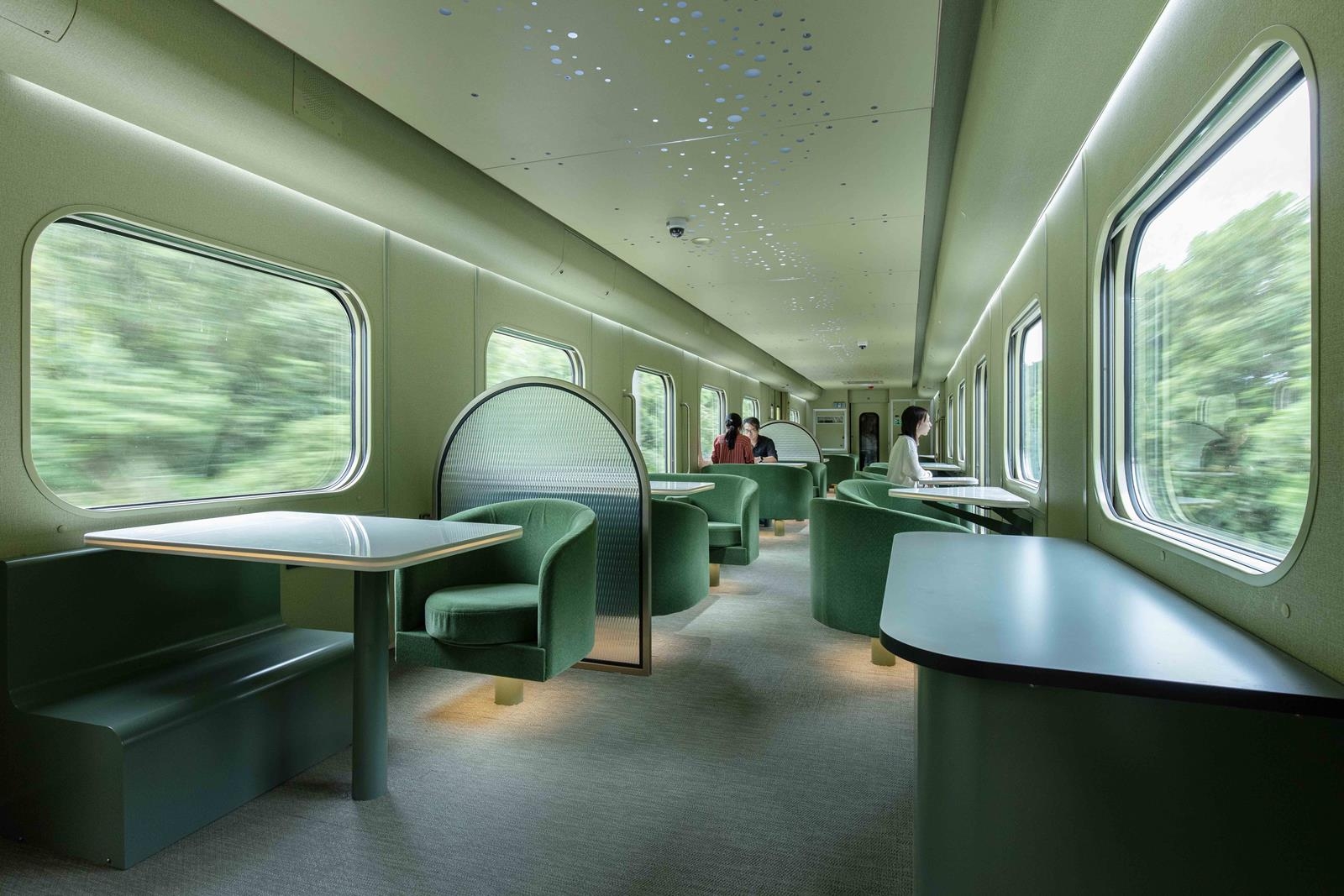
There are two trains, “Mountain Mist” and “Sea Breeze”, and each one is tied to a specific part of Taiwan. The interior, designed by archicake, wasn’t treated as a separate, closed-off world, but rather connected to the scenery through light itself. Passengers can sit comfortably in their carriages and enjoy the Taiwanese landscapes, so the train feels like part of the route rather than just a vehicle moving through it. The idea is simple: light should support looking out, set the tone inside, and stay comfortable over the length of the journey.
“Mountain Mist” runs through the mountains and was designed as a quieter, more introspective space. The lighting is warm, using a colour temperature around 2700K, which means the light has a soft, yellowish tone similar to the one we use at home. It is mostly indirect, aimed towards surfaces rather than directly into the eyes, so attention is naturally drawn to the view outside. Furthermore, accent lighting can be found throughout the carriages, as designers used their high colour accuracy on wood and textiles to make the materials look more natural and clear.
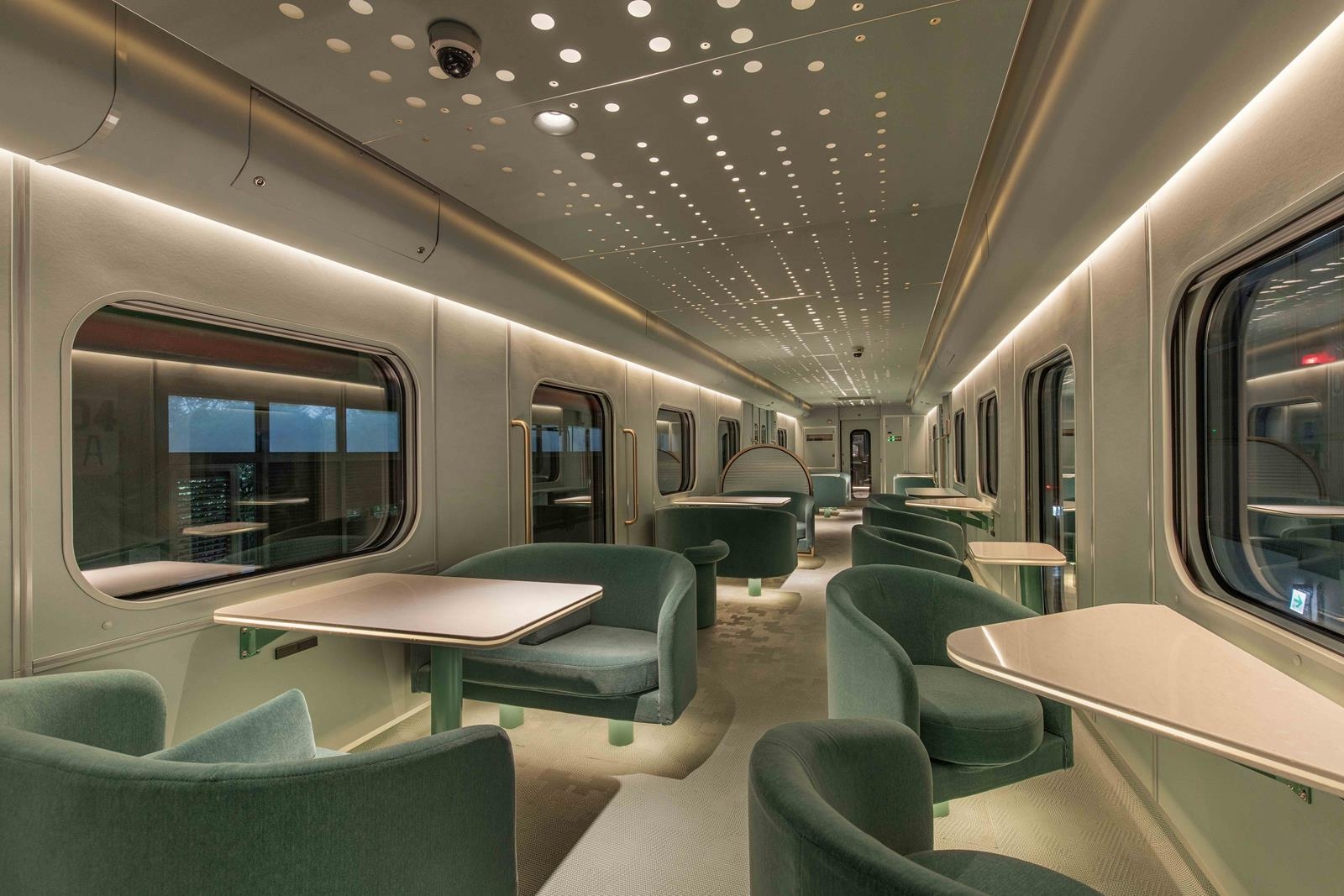
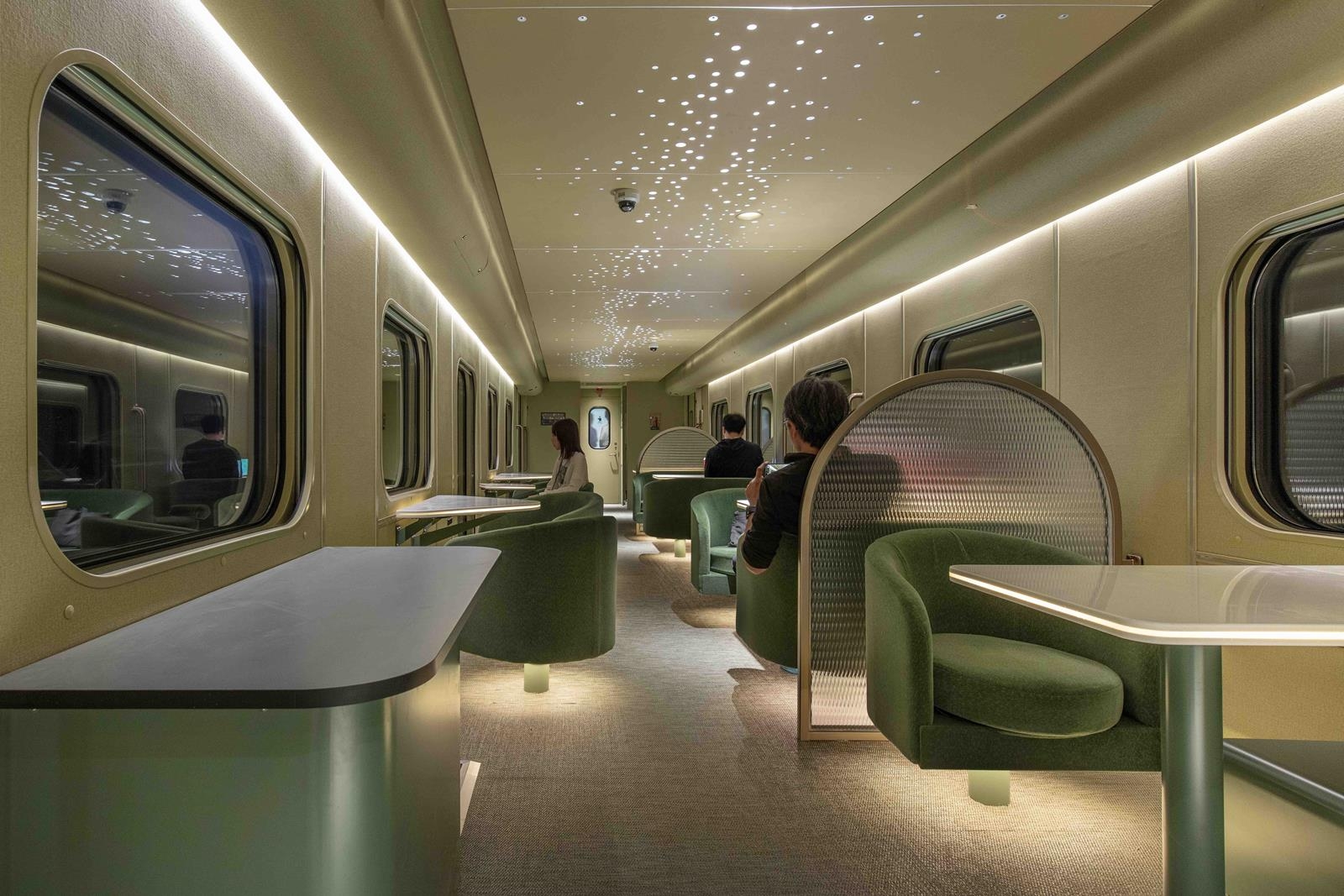
“Sea Breeze” runs along the Pacific coast and has a more energetic aesthetic and vibe. Here, the light is crisp and clear, so the colours of the ocean and the sky stay vivid and accurate when seen from inside the train. A main feature of the design is a kinetic system that links the light to the train’s speed: as the train moves faster or slower, the lighting follows in intensity. It does not flash or change colour; it purely suffers a slight change that passengers may not even notice. The result is a sensation that the interior of the train is actually responding to movement and the passing landscape.
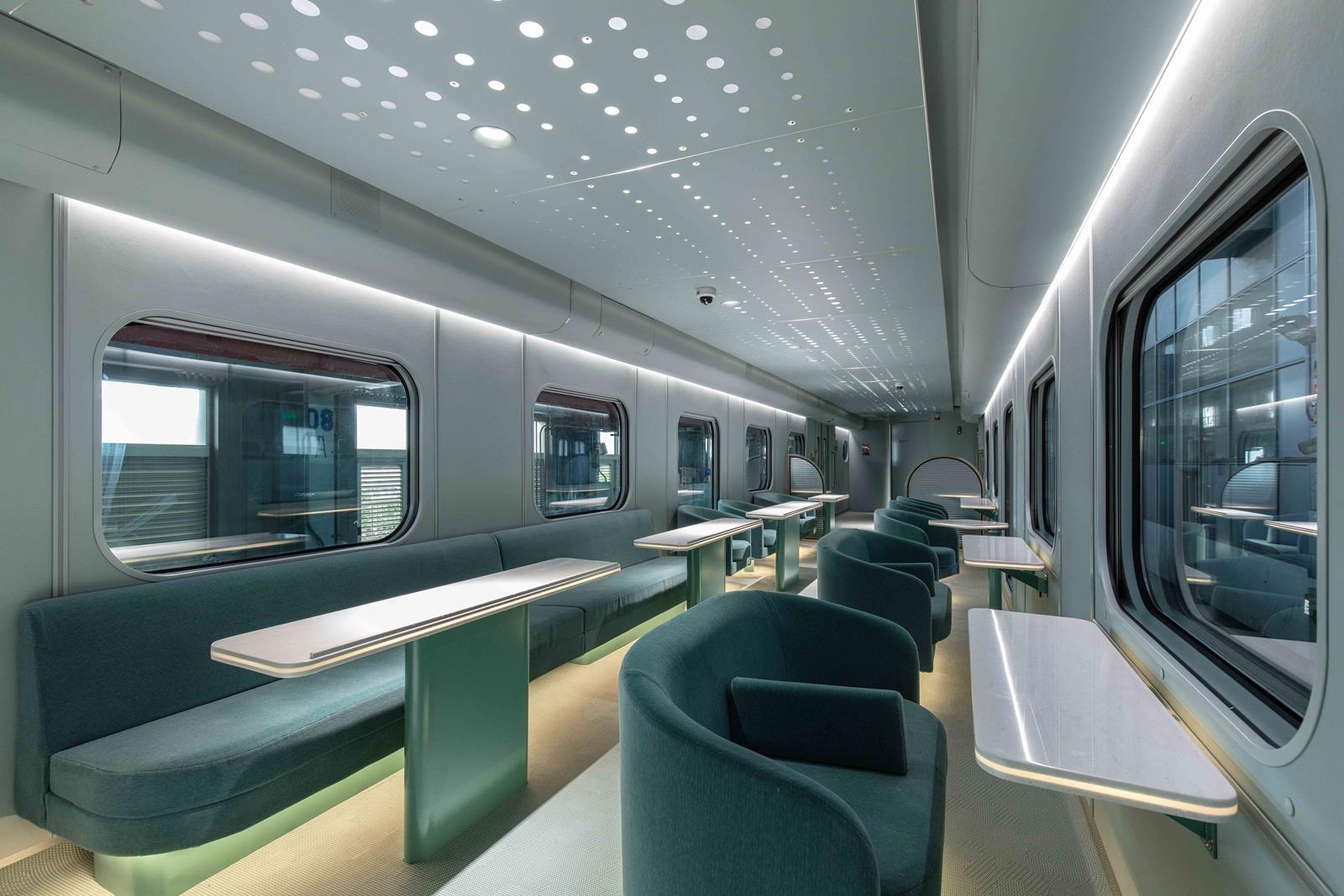
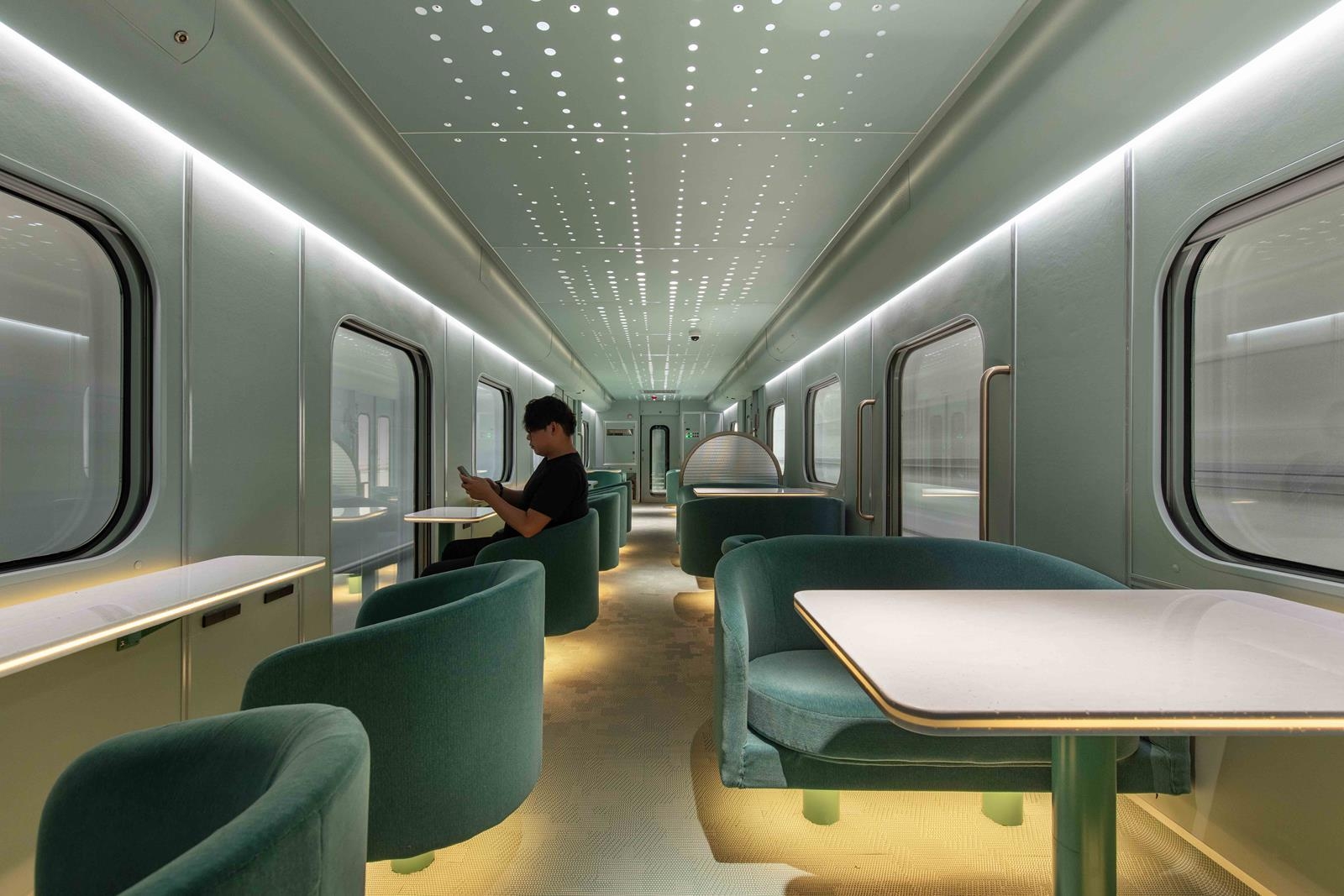
Behind the designs was a carefully thought-out sustainability strategy. All fixtures are high-efficiency LEDs that help reduce the load on cooling systems, as they use less electricity and generate less heat. They were also specifically chosen for their robustness, which prevents the need for frequent replacements. Finally, a programmable control system manages dimming and different lighting scenes for day, dining, and evening, so the train only ever uses the specific amount of light needed by the passengers.
It’s easy to see why the outcome is an award-winning design: by tailoring each train’s lighting to its route, the studio turned a standard journey into an enjoyable way of experiencing Taiwan’s mountains and coast.