



Header: Studio-E
Who says restaurant interiors have to be understated? Away from clean forms and minimalist designs favoured by many designers and clients, there’s a whole world of playful, mind-blowing restaurant designs waiting to be explored. From magical Mediterranean gardens and neon lighting to playful forms, bold patterns and nostalgic references, these five restaurants challenge conventional design approaches.
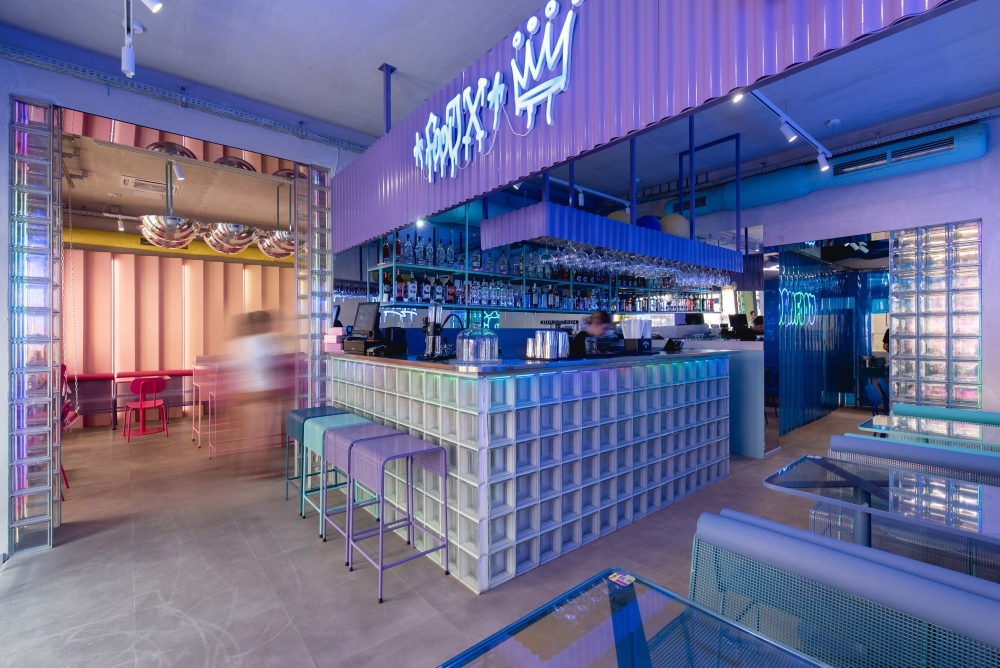
FoodX Poznan by mode:lina
FoodX Poznan by mode:lina combines street art and the aesthetic of 90s videos to create a futuristic restaurant in Poznan. The design of the venue complements its menu, which can be described as “real Street Art on a plate”. The restaurant’s trademark bright and vivid branding palette was used throughout, illuminated by an array of nostalgic neon lights.
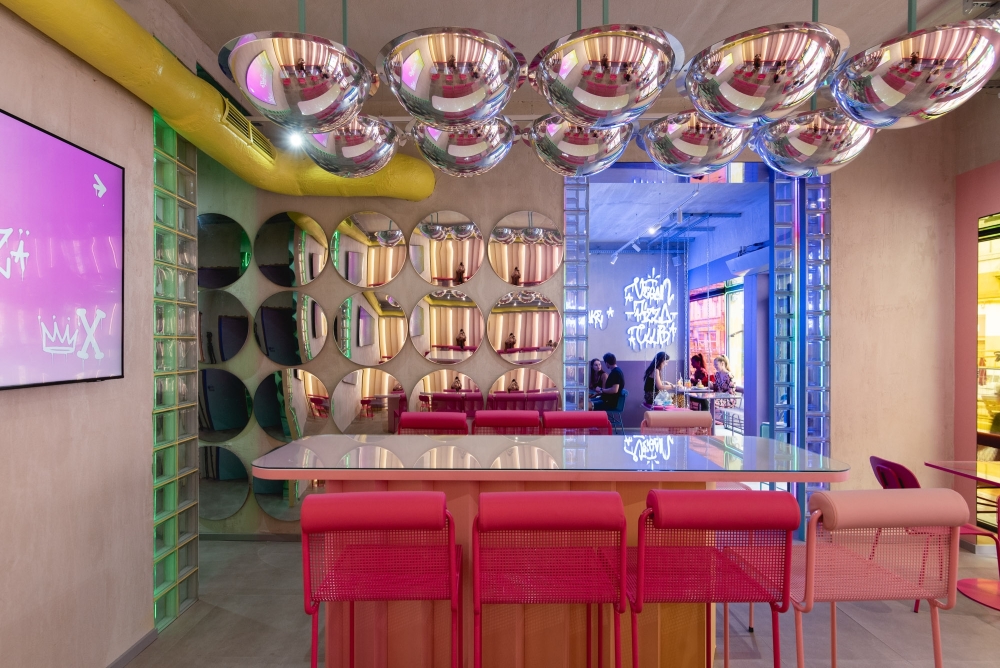
The colour palette draws on 1980s and 1990s aesthetics, inspired by pop music videos, giving the space a very street-style feel. The gradient of pastel colours runs through the walls and furniture, while chameleon-like foil on the external windows grabs attention and draws passers-by into the crazy world of the 90s.
Hero by Built Inc
Hero restaurant in Phoenix blends whimsical design and nostalgia. The playful design and curvilinear forms define the venue inside the new Mario Kart-themed apartment concept. The ceiling appears to be punched open, while numerous golden lights illuminate the serpentine booth. Curved bars dominate the space, softening the design while mushroom lamps and illuminated glass block walls revive the spirit of the popular video game.
The bathroom features a colourful palette of alternating red, blue and yellow tiles reminiscent of Mondrian paintings. The mixture of influences, ranging from famous painter Piet Mondrian and Postmodernism to Japanese Pop Art, results in an energising and eclectic colour palette, while the reflective bronze mirror and chrome details add a futuristic note to the interior. The thoughtful design of Hero restaurant turns childhood memories into an adult drinks and restaurant ambience.
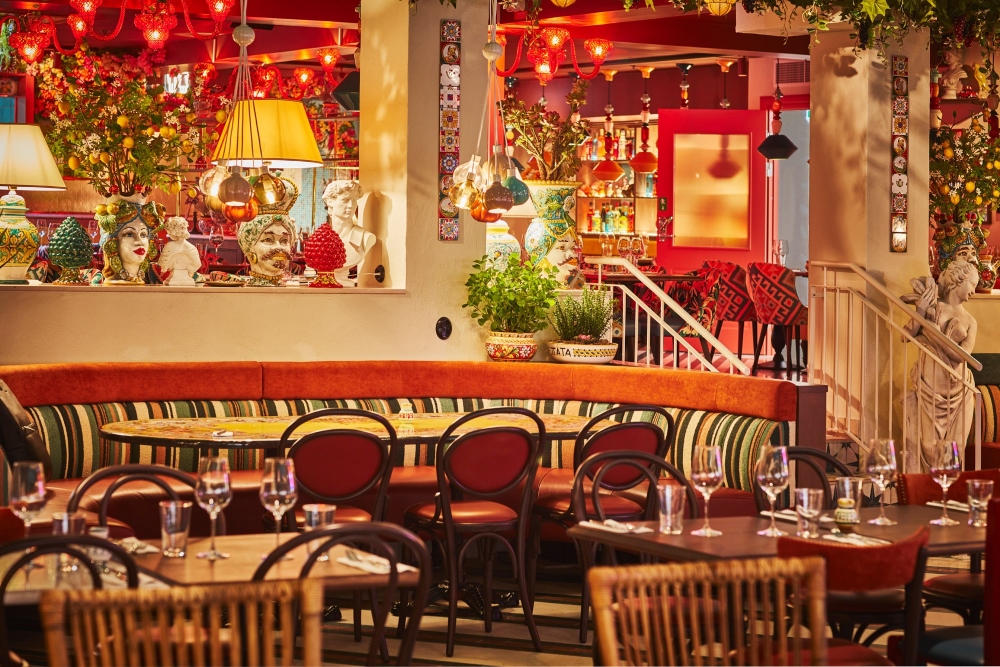
Belmondo by Zesty Interior
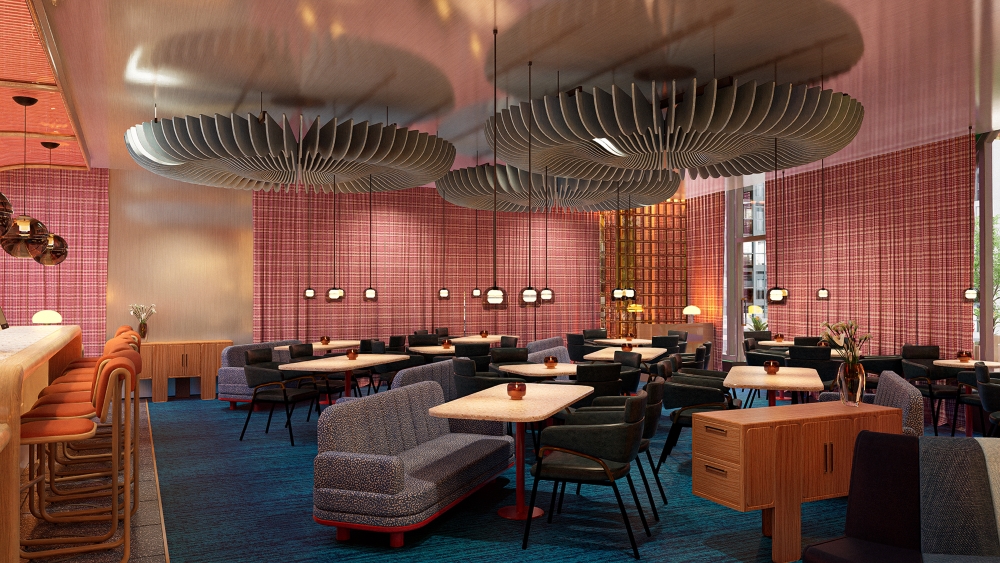
Belmondo, an Italian restaurant in Sweden, is modelled after an Italian living room. The design aims to recreate the summery feeling of the 1970s Amalfi coast. Zesty Interior Studio decided on an honest material palette consisting of marble, stone and porcelain. The main material, marble, was imported from Verona, while porcelain and stoneware were handpicked from Sicily. The intricate luminaires are handmade in Venice.
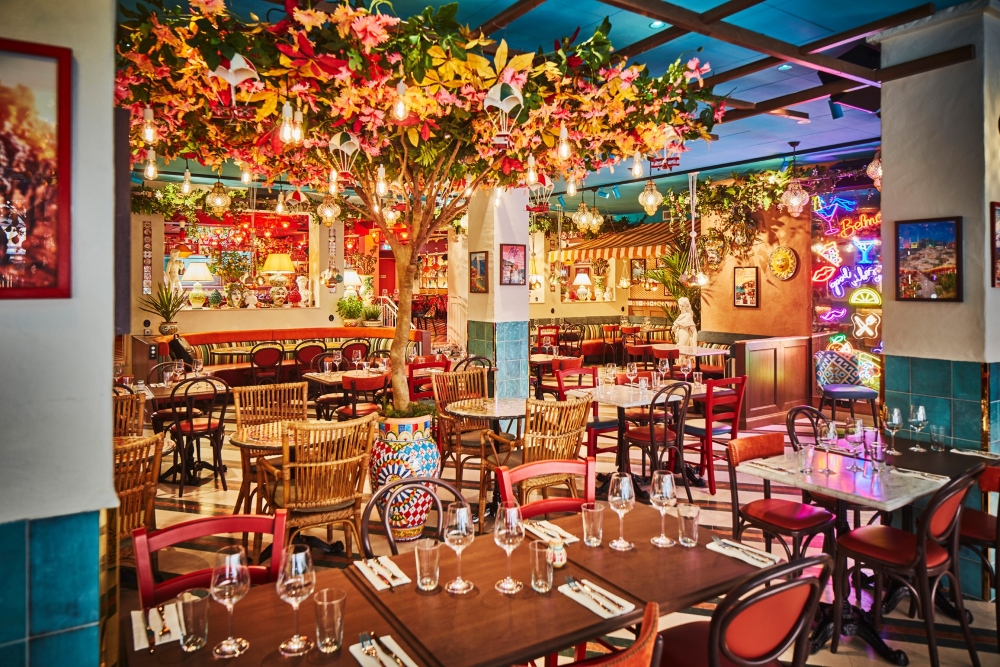
The outdoor area features a bar clad in Sienna marble and forms one of the restaurant’s three main sections, alongside the dining room and kitchen. The vibrant red bookshelf frames the open kitchen, while the open-plan layout mirrors the openness and sensibility of the Italian cuisine. The bookshelves, painted in vibrant red hues and topped with Van Gogh Onice slabs, host numerous elements that reinforce Belmondo’s decorative theme, as implied by the venue’s name.
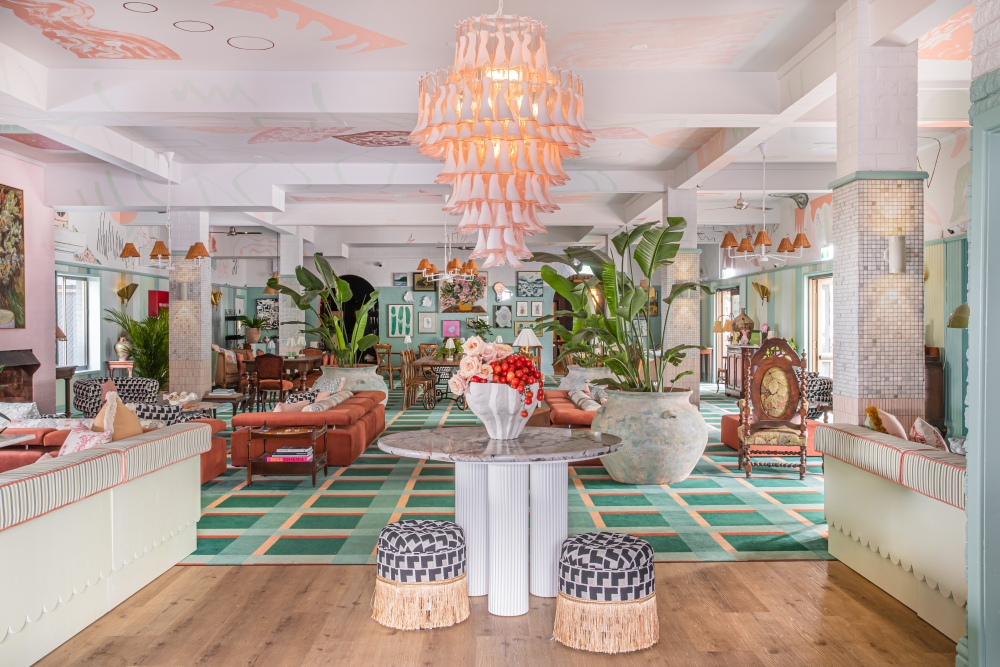
Lulu’s Restaurant & Garden, The Lodge by Studio BARBARA
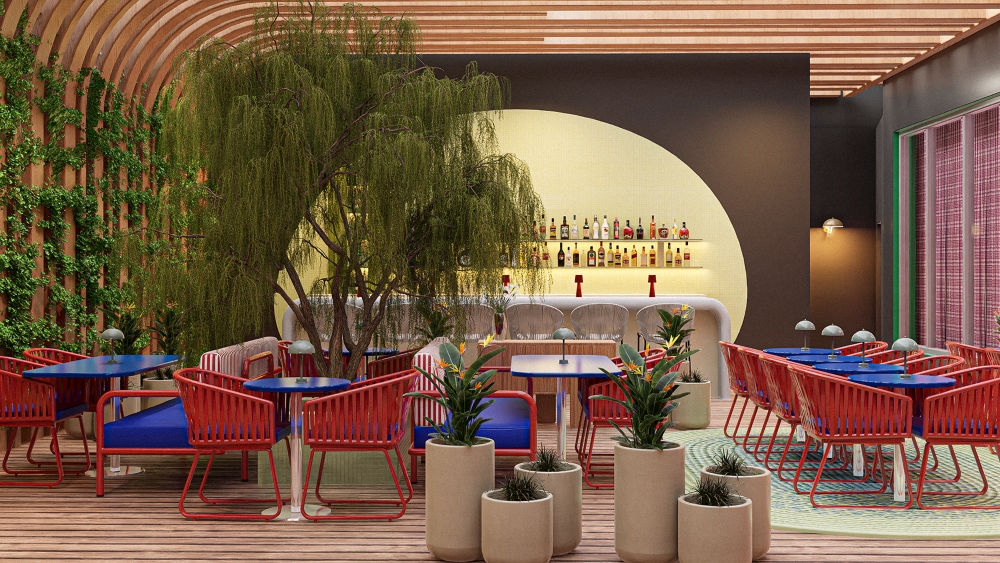
Colourful Lulu Restaurant and Garden is nestled among the pine trees of the Lodge Resort in Australia. The design aimed to make guests feel at home with an outburst of fun, energetic colours and layers. Studio BARBARA combined French Mediterranean vibes with lively hues, patterns and textures. The eclectic pieces further animate the space, providing it with an unexpected, eccentric character.
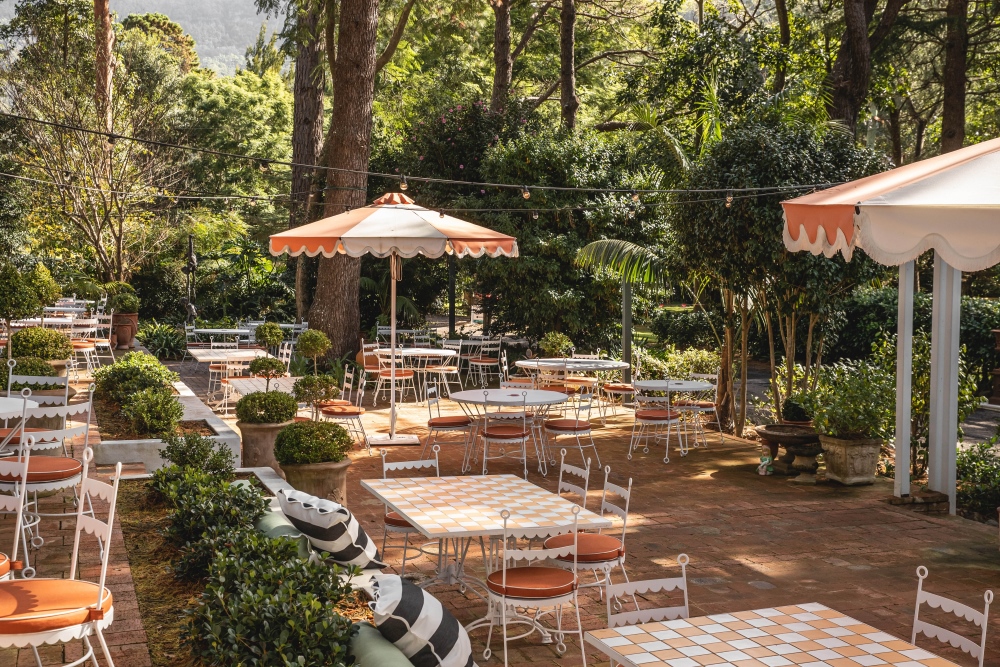
The restaurant, complete with an accompanying garden, is designed to immerse visitors in a magical world, transporting them to a charming French town on the Mediterranean coast. Colours, patterns and textures evoke the carefree feeling of a summer holiday, with carefully curated objects and memorabilia recalling souvenirs collected over many summers. More than a restaurant, the Lulu’s represent a collection of influences, evoking the sense of nostalgia while at the same time creating new memories.
Masti Dubai 2.0
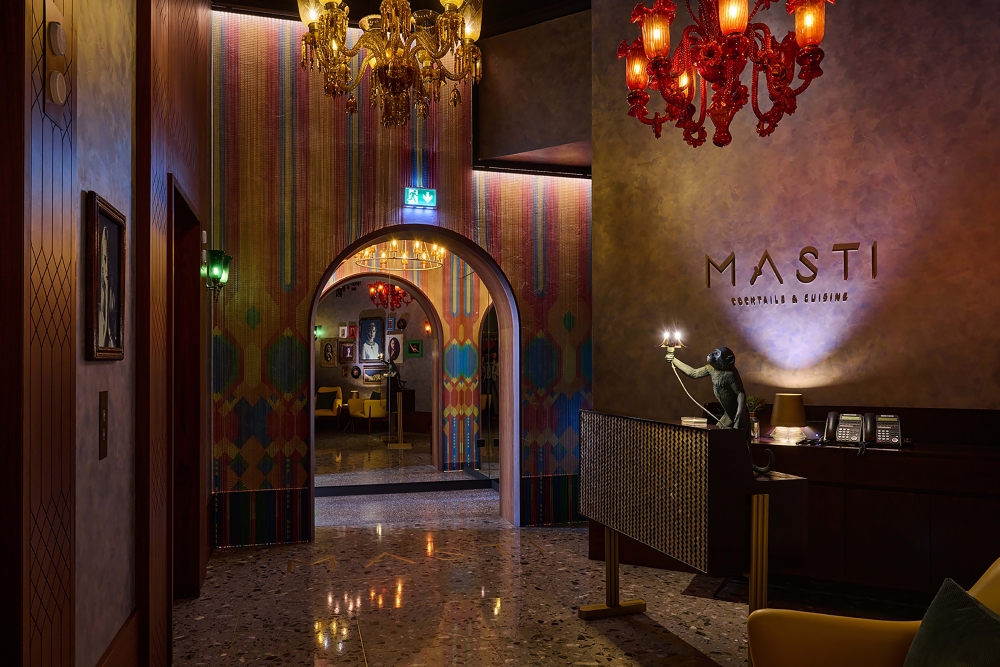
Circularity and repurposing are not words that frequently come to mind when we talk about restaurant design. But the design of Masti Dubai 2.0 shows that repurposed old elements can be compatible with a premium dining experience. Masti Cocktails & Cuisine in La Mer, Dubai, one of the best-known Indian cuisine restaurants in the world, has moved to the Dubai Edition Hotel. Based on the original Masti, the design of Masti Dubai 2.0 is a combination of the old and the new. Studio Lotus used the original venue as a blueprint but added new colourful elements for the enhanced drama and delight of the dining atmosphere.
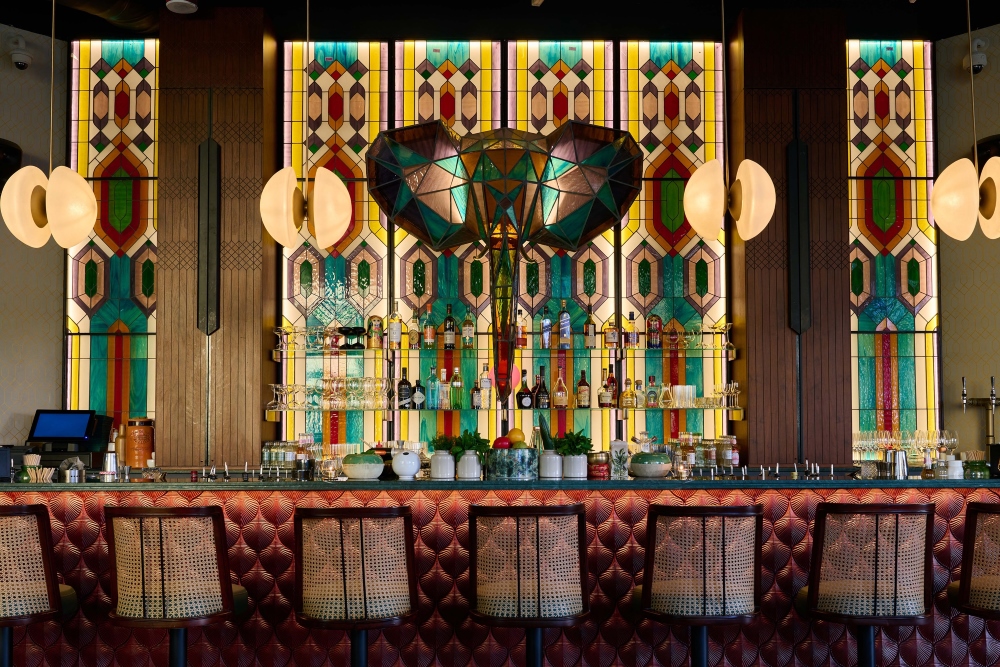
The repurposed gin screen leads visitors to the bar decorated with a recognisable stained glass elephant. Its materiality, consisting of stained glass, wood and green quartzite, determines all other elements of the space, including the flora and fauna spin-offs in different media. The identity of the original is maintained through element reuse, while the existing floors, bar backdrop and furniture are polished, repaired and re-upholstered. The final result exudes charm, skilfully combining repurposed features with the new design elements to create a highly prestigious hospitality concept the brand is known for.
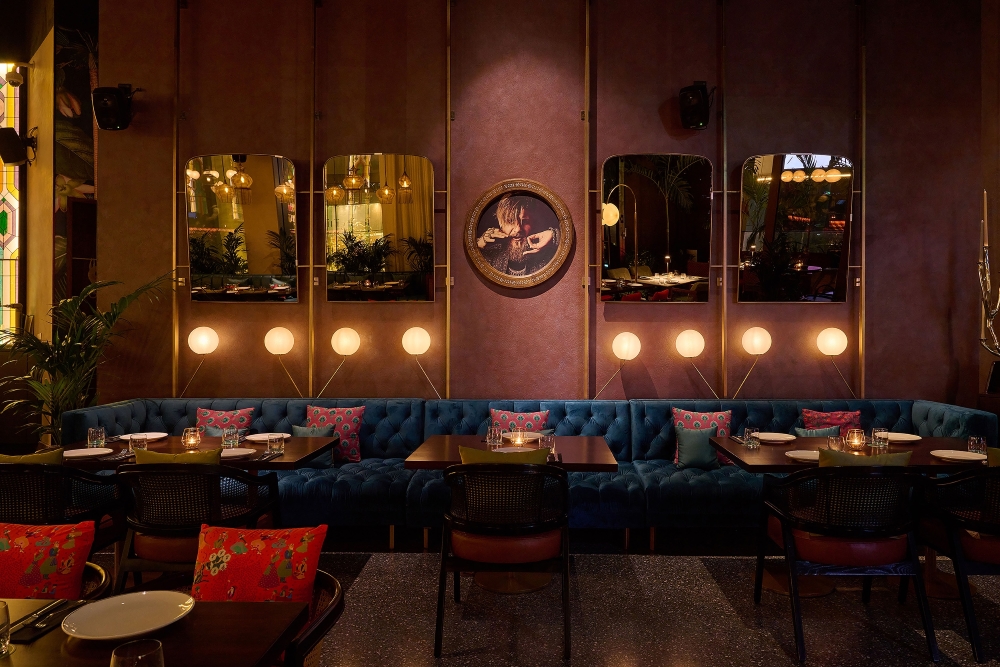
When it comes to restaurant design, many studios like to keep it simple, afraid that adding too much colour and decoration can overwhelm the space and ruin the dining experience. However, some designers aren’t afraid to bring bold colours, unexpected furnishings, and fun ornaments into the dining venues. Through unexpected combinations of materials, furniture, artwork and decorative details, designers create distinctive restaurant interiors where colour and imagination take centre stage, turning the experience into something as memorable as the food itself.


