Header: Courtesy of Samsung
The Galaxy Z series is Samsung’s famous family of folding phones, and this year it arrives as three separate models: the Galaxy Z Fold8, the Galaxy Z Fold8 Ultra and the Galaxy Z Flip8. Two of them fold open like a book, while the third folds shut like a compact. Samsung has been making folding phones for seven generations now, and the decision to split the line into three distinct shapes rather than repeating the original two shows the tech giant still has some innovation up its sleeve.
The reasoning for having threefold shapes is that different kinds of uses ask for different kinds of phones: a small tablet suits one kind of need, a phone that folds down to half its height suits another, and the gap between a large book-fold and a very large one is wide enough to ask for a third model.
TM Roh, Chief Executive Officer, President and Head of the Device eXperience Division at Samsung Electronics, showed that the launch was focused on software as much as on hardware: “As AI becomes more agentic, mobile devices will become the most personal entry point to experiences that understand and adapt to each user,” he said. “By setting a new standard for foldables, we are once again advancing the premium mobile experience and opening the next era of intelligence to more people.”
The titanium layer under the screen
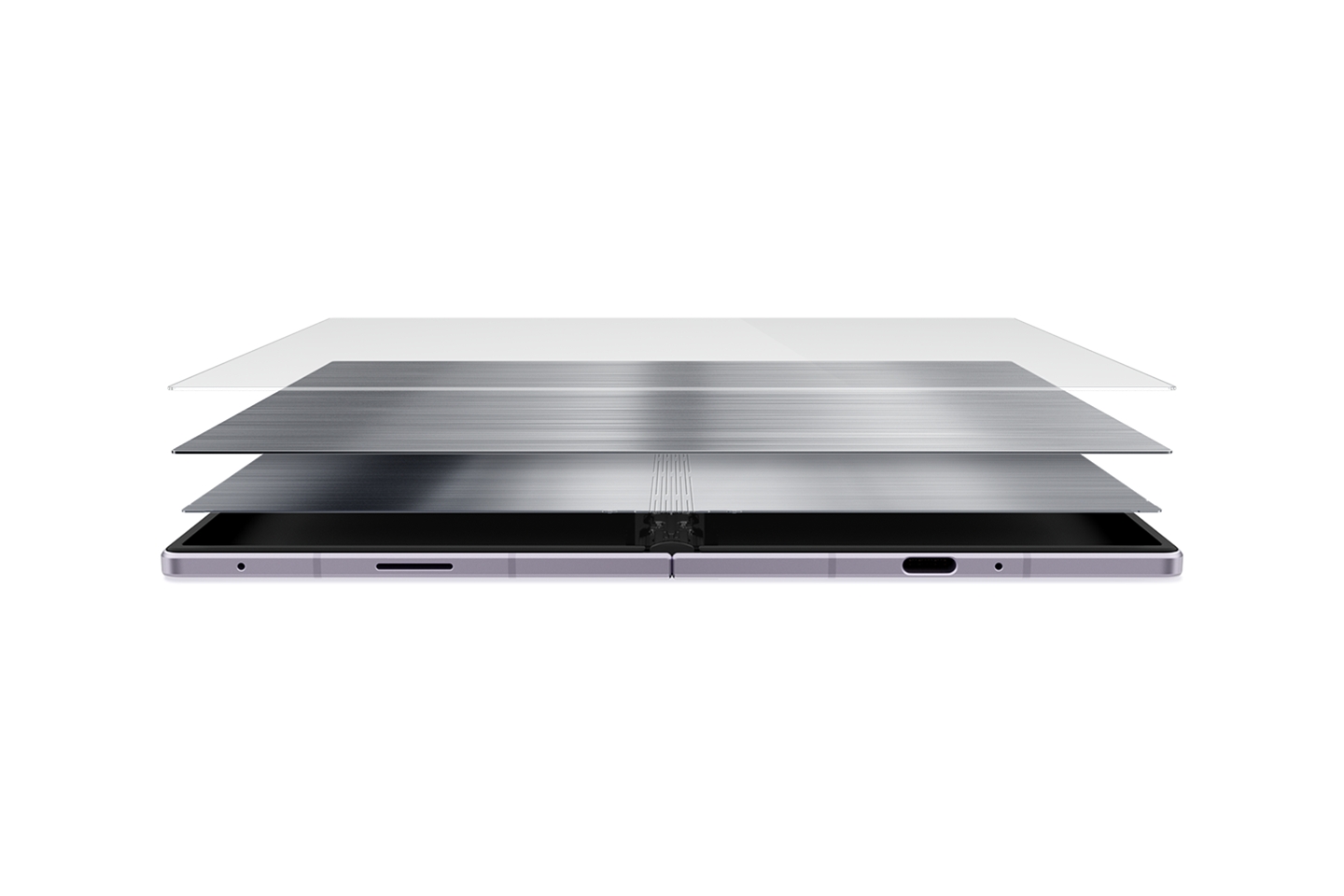
Every folding phone has the same structural problem: the screen has to bend thousands of times without cracking, and the layers that support it have to be strong enough to resist a thumb pressed into the middle of the display while remaining thin enough to fold flat.
Samsung’s answer this year is called “Flex Titanium“, a support structure located beneath the flexible screen. It pairs a titanium-alloy film with a reinforced titanium plate, and it does three jobs at once: it strengthens the display’s backing, it absorbs pressure and impact, and it keeps the crease at the fold from becoming more visible as the phone ages. To incorporate the structure, Samsung has balanced the hinge mechanics, the tension in the display and the strength of the magnets holding the two halves shut, so the motion of unfolding feels lighter and requires less effort.
Galaxy Z Fold8
The Galaxy Z Fold8 weighs only 201 grams, which makes it the lightest Galaxy Z Fold Samsung has built. Even with this weight, inside it there is a 4,800 mAh battery and the Snapdragon 8 Elite Gen 5 mobile platform for Galaxy.
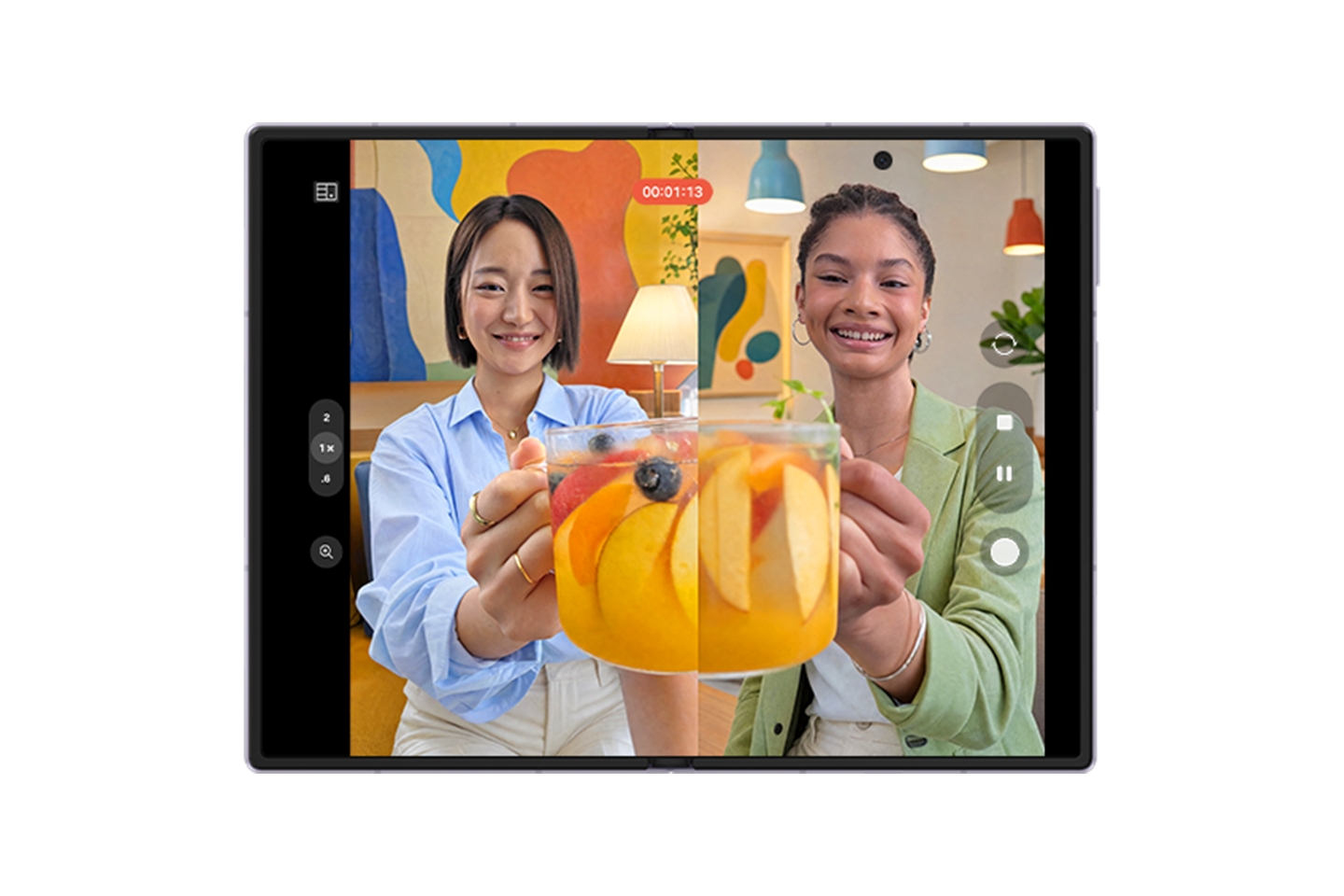
The most interesting design choice on the Fold8 is the proportions of its two screens. Closed, the cover screen has a 10:16 ratio, which is similar to that of an ordinary phone and, therefore, suits the short interactions people return to constantly: messages, social feeds, a quick look at a browser and a short video. Opened, however, the main display becomes 4:3, a squarer shape borrowed from the world of tablets and older television sets.
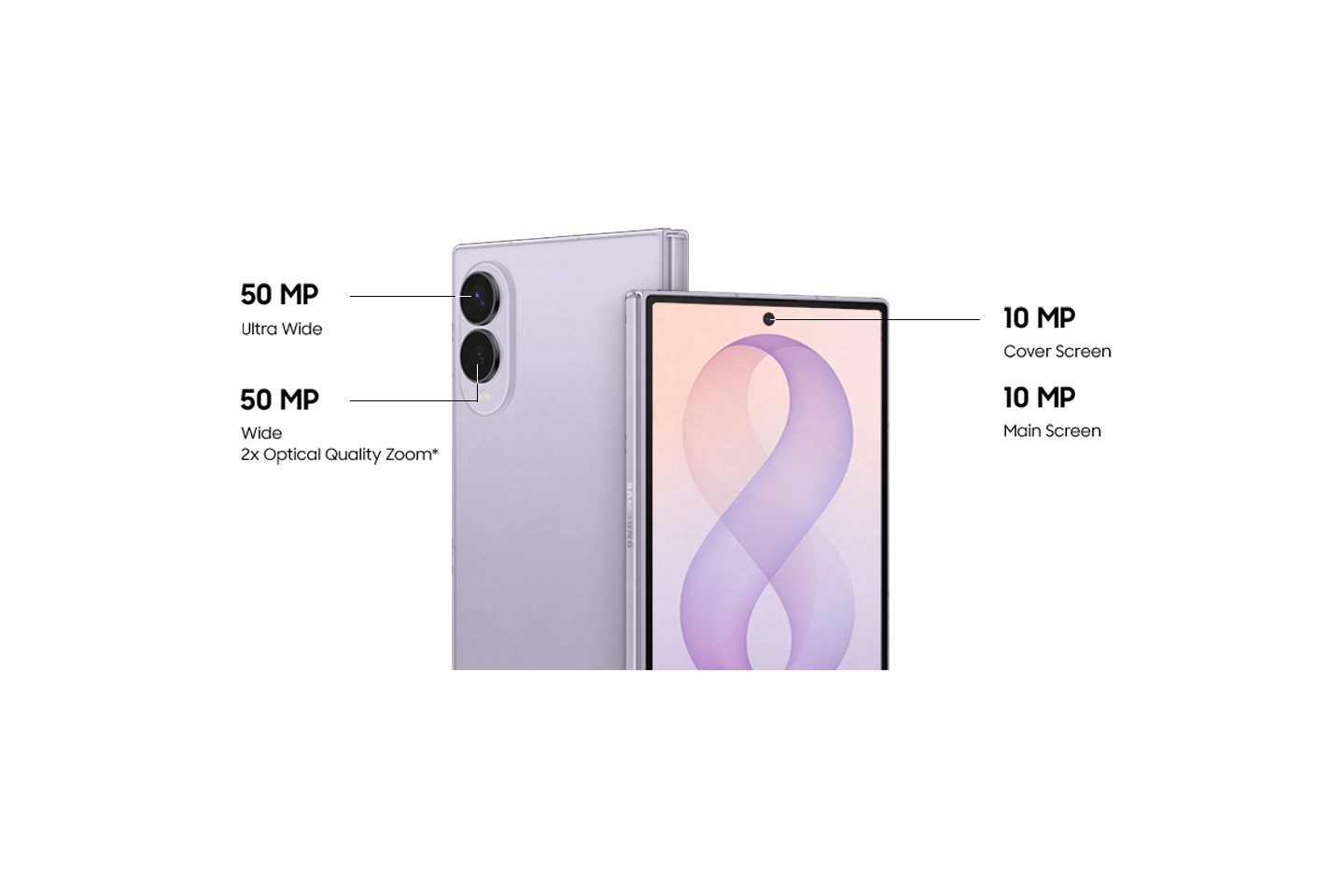
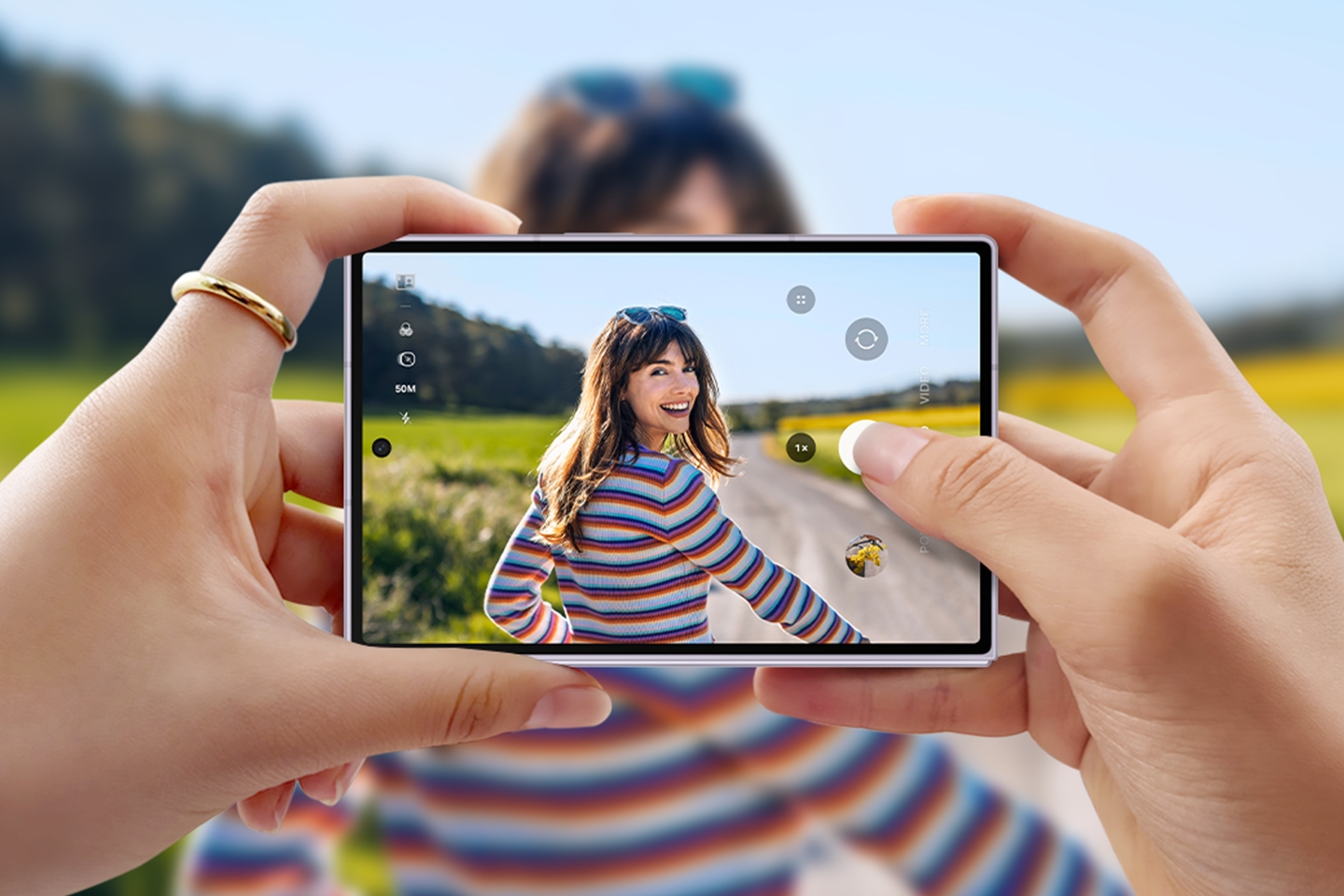
The screen reaches 3,000 nits of brightness at its peak and has a low-reflection finish along with Vision Booster, Samsung’s system for adjusting contrast in bright conditions. This means that the Galaxy Z Fold8’s display stays legible outdoors in direct sun, which is where most folding phones struggle. Furthermore, two 50-megapixel cameras, one wide and one ultra-wide, allow image quality to hold steady when switching between the two.
Galaxy Z Fold8 Ultra
The Galaxy Z Fold8 Ultra measures 4.1 millimetres thick when open and weighs 215 grams. To put the thickness in context, that is roughly the depth of two stacked credit cards, but imagine them holding an 8-inch display and a full camera system. That 8-inch screen is the selling point of the model, as it gives enough room to run several applications side by side with each one still usable, which is the practical difference between a large folding phone and a very large one.
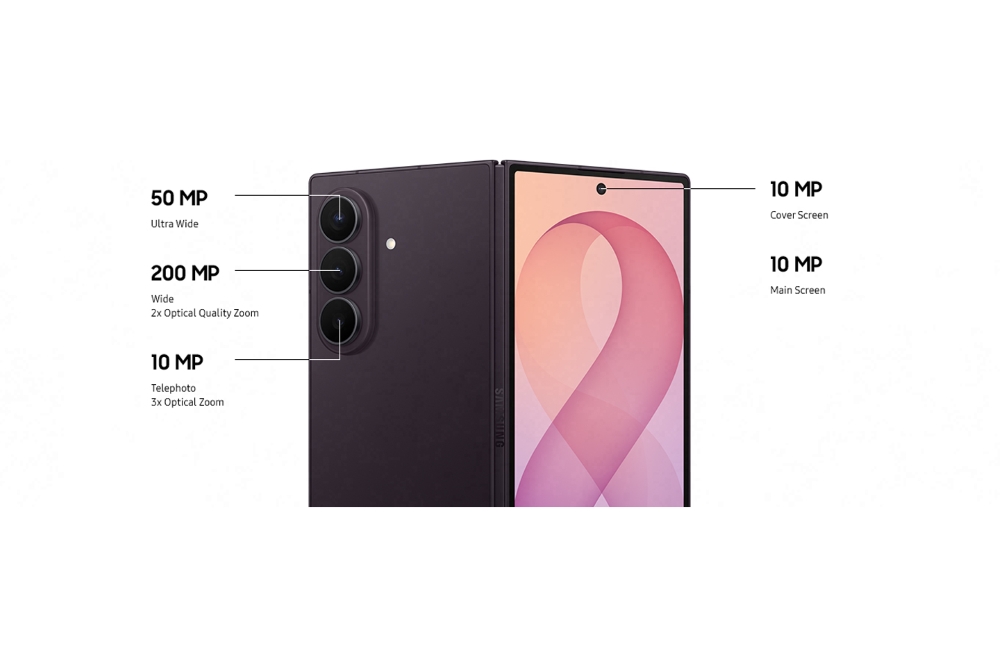
The camera system is where Ultra earns its name: a 200-megapixel main camera now handles high dynamic range at full resolution, meaning bright skies and dark shadows can hold detail in the same frame without dropping to a lower megapixel count. A new 50-megapixel ultra-wide camera covers landscapes, interiors, group shots and macro work, and improved Nightography handles low light.
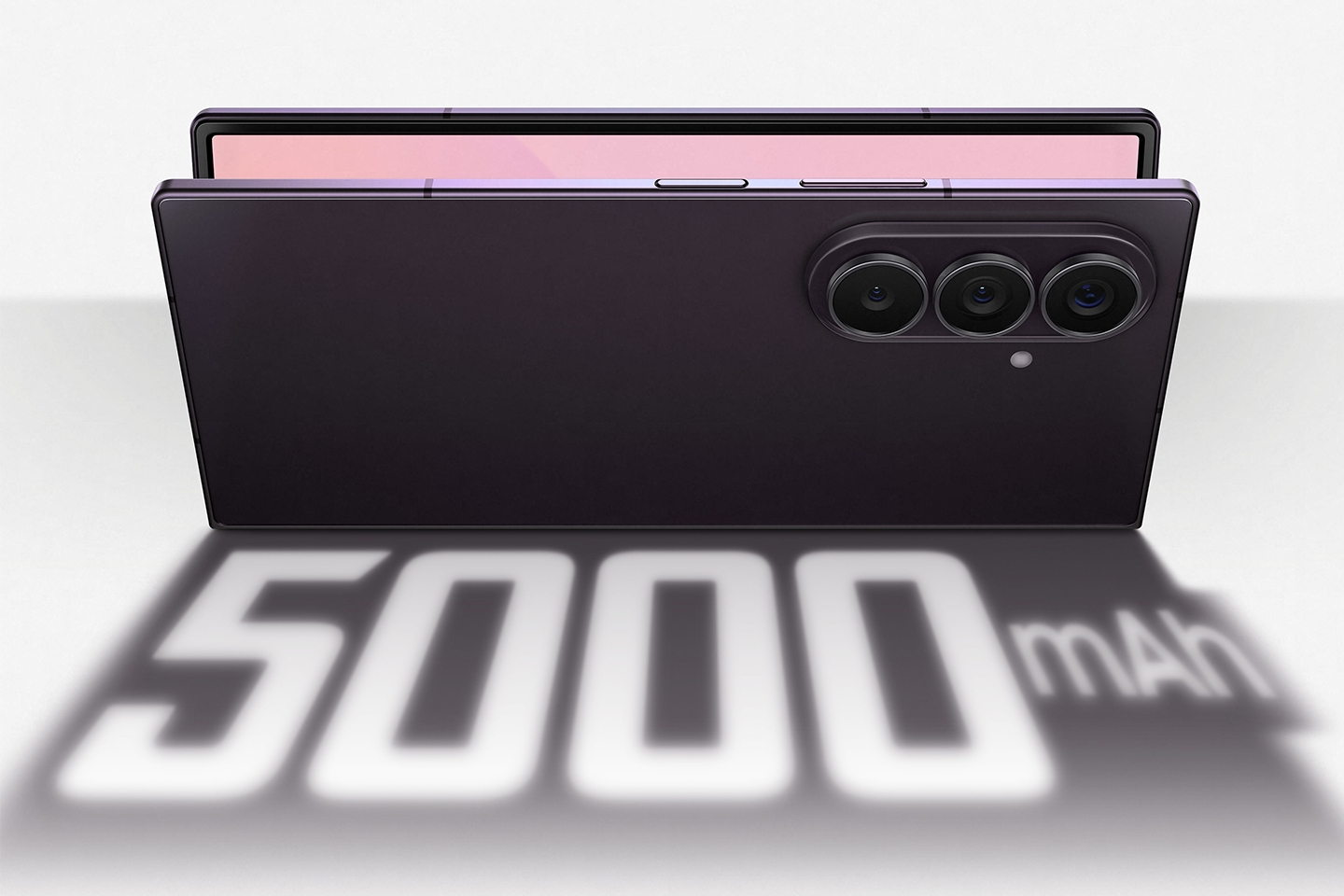
For people who edit what they shoot, the Ultra records 8K video through a new codec called APV, which keeps more quality intact through a production workflow. Cine LUT applies film-style colour grading on the phone itself. A 5,000 mAh battery supports the longer working sessions this camera system invites.
Galaxy Z Flip8
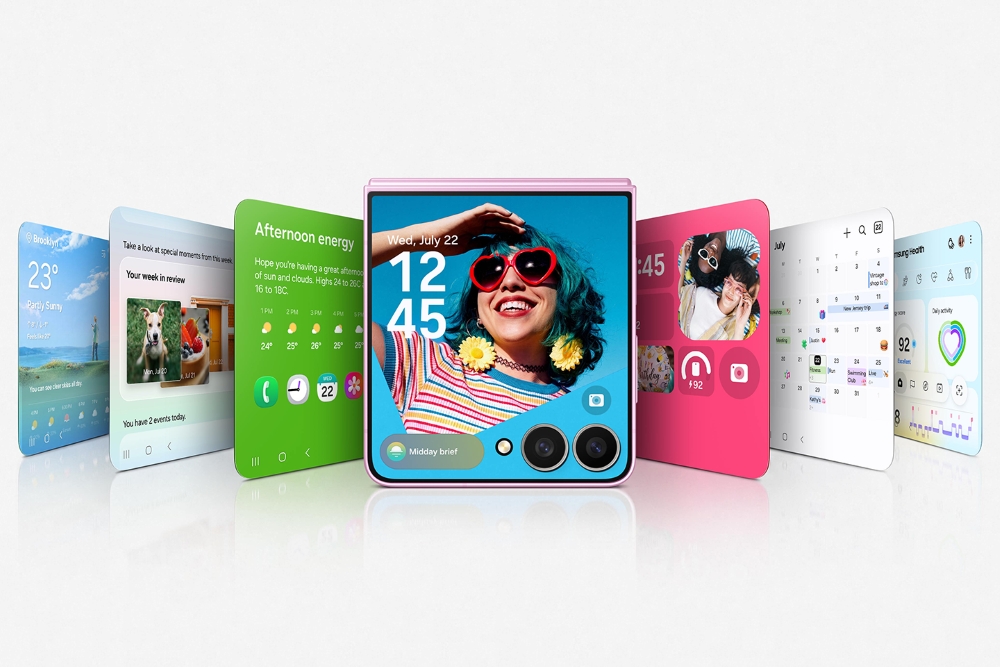
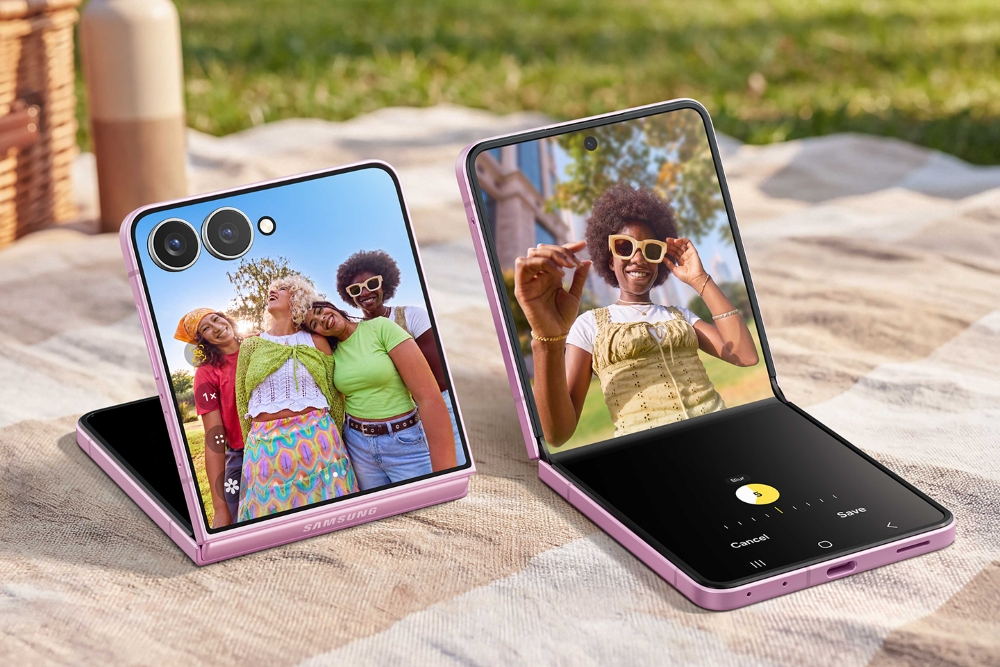
The Galaxy Z Flip8 folds in half vertically, with Samsung describing it as the sleekest version it has ever made. It is built around the screen on the outside of the closed phone, which Samsung calls the FlexWindow. This surface now runs applications directly, along with Now Brief on its home screen, which presents timely information and the next action that follows from it. Gemini Intelligence can be triggered from the same screen through the side key or by voice, which means a good deal of the phone’s daily use happens without opening it at all.
The camera makes use of the hinge in ways a rigid phone cannot: Flex Mode holds the phone half-open at a chosen angle, turning it into its own tripod for hands-free shooting. A 50-megapixel camera running Samsung’s ProVisual Engine offers high-quality portraits, with attention paid to skin tones and background blur.
Colours available
All three models come in Graphite and Cream, but each has a colour of its own: Violet Shadow for the Fold8 Ultra, Lavender for the Fold8 and Pink for the Flip8. Three further colours are sold only online, one per model: Green Shadow belongs to the Fold8 Ultra, Pistachio to the Fold8 and Mint to the Flip8.
The futuristic software
Galaxy AI has been tuned to each of the three shapes. On the two book-folds, the large open display lets a conversation with the assistant sit beside whatever prompted it, while on the Flip8, the FlexWindow keeps the same tools available on a closed phone.
As extras: Now Brief assembles personalised information around a user’s routines and now includes security and privacy alerts; Now Nudge picks up plans forming in a conversation and offers the next step; Gemini Intelligence extends application automation across more than forty apps and services.
Underneath it all is Samsung Knox, which protects the device from the chip upwards. Knox Vault adds a physically tamper-resistant layer for sensitive data, and One UI 9 introduces an AI Assistant Activity dashboard where every automation running on a user’s behalf can be reviewed in one place.