Header: Nike
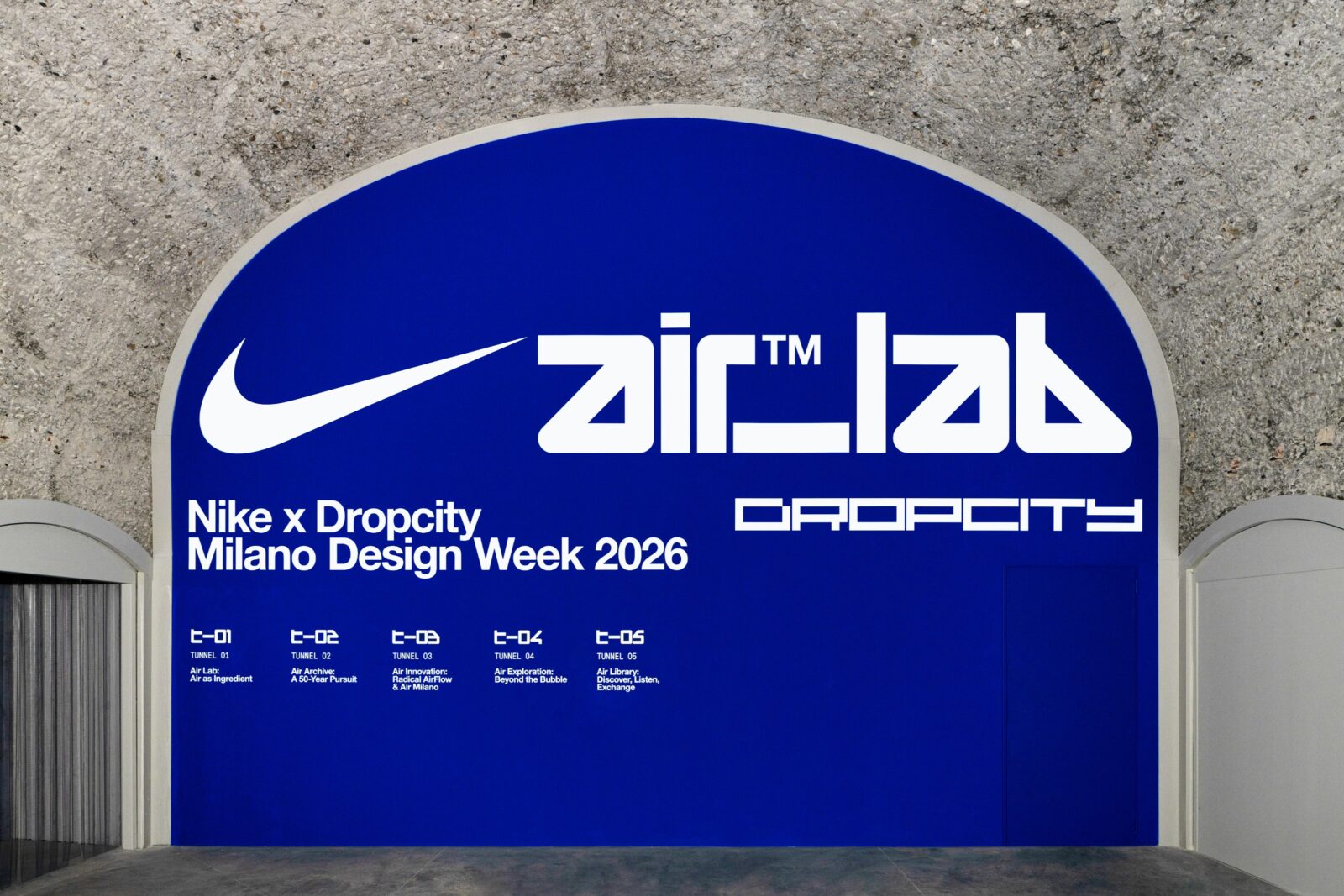
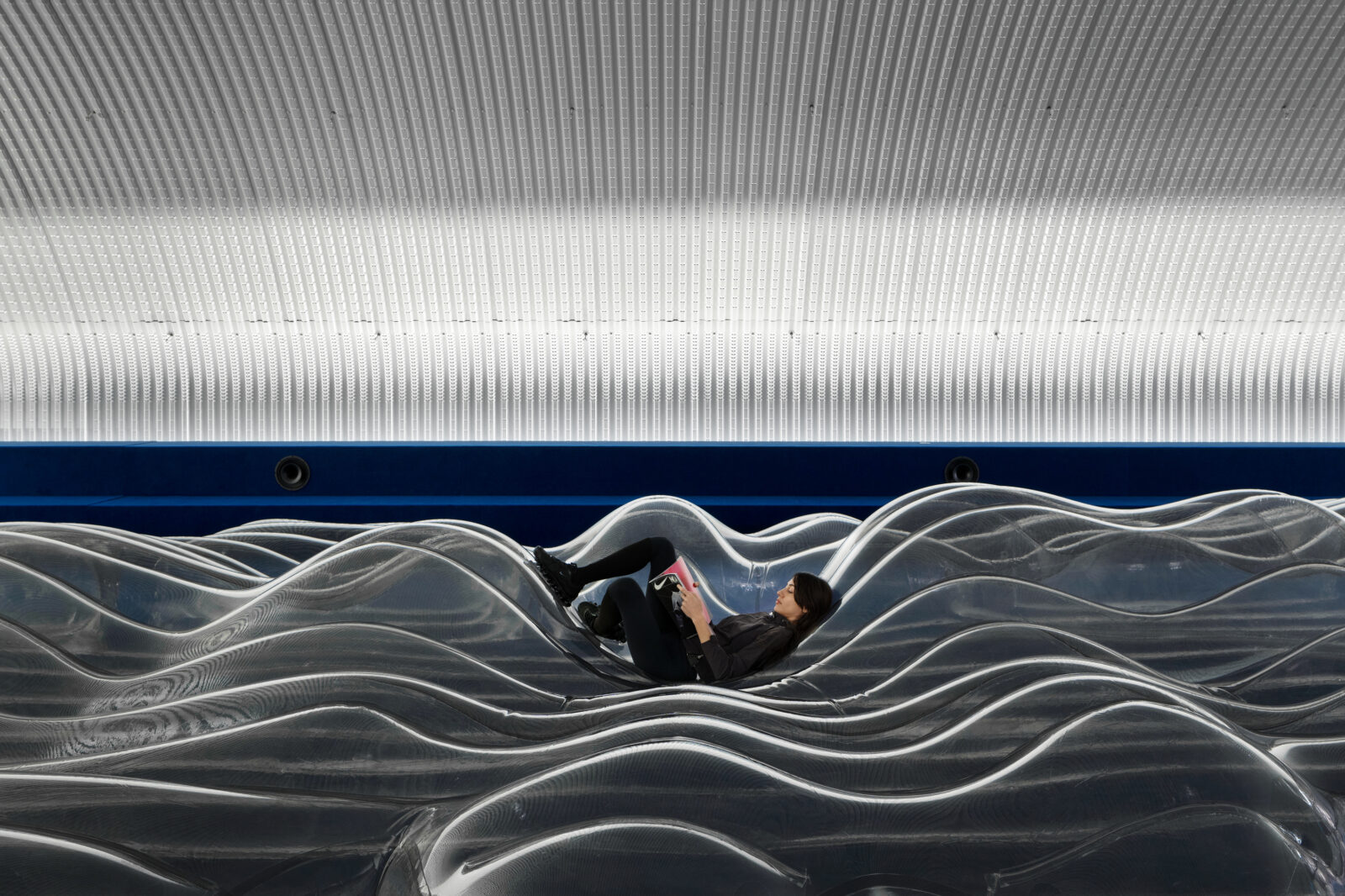
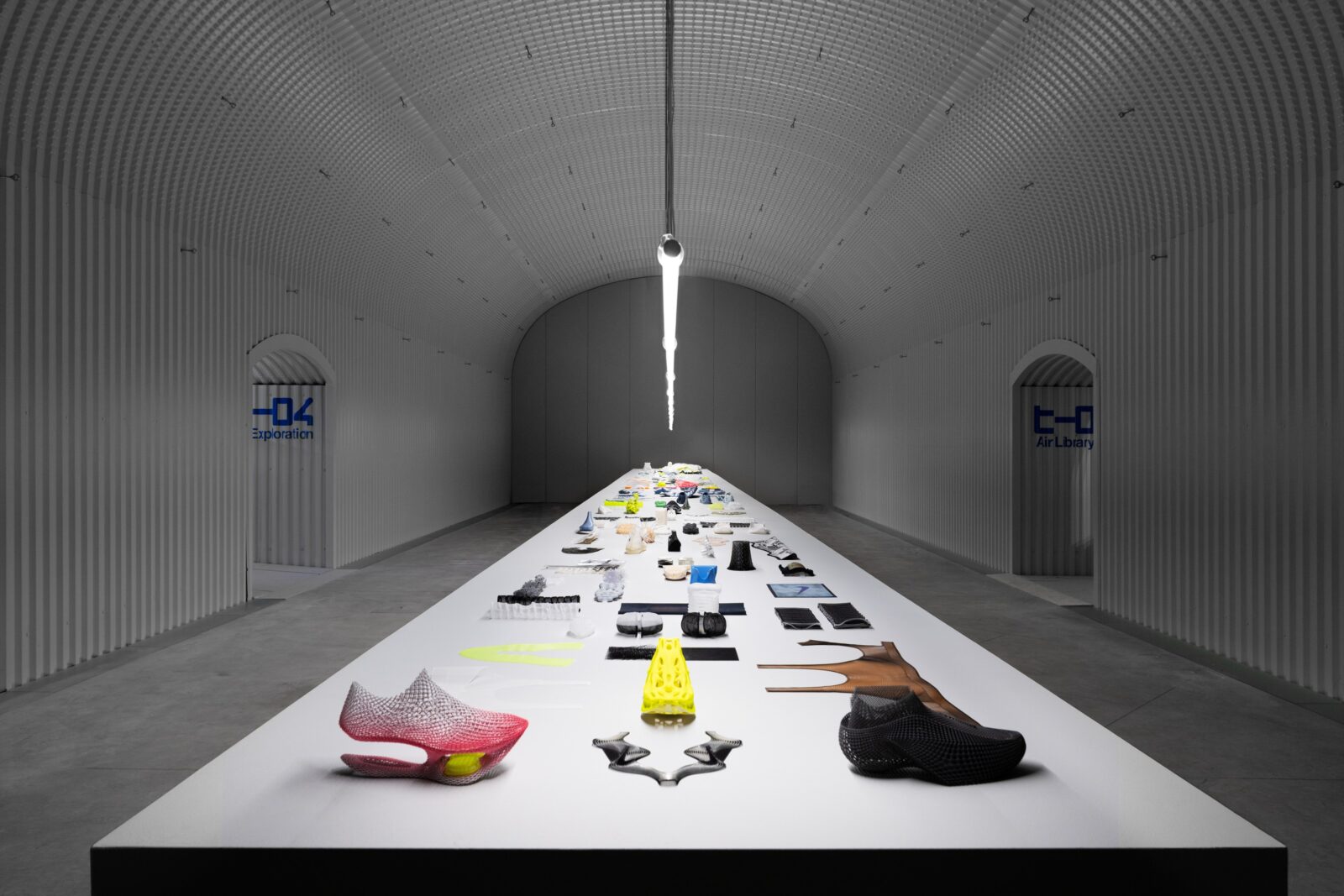
Milan Design Week 2026 has a new heavyweight contender located behind the Milano Centrale railway station. Nike has teamed up with Dropcity, the city’s rising hub for architecture and design, to pull back the curtain on its most famous technology. The NikeAir_Lab is not your typical fancy display; it is a working, breathing space where the public can finally see how air moves from a concept into a shoe.
A peek into the Air archives
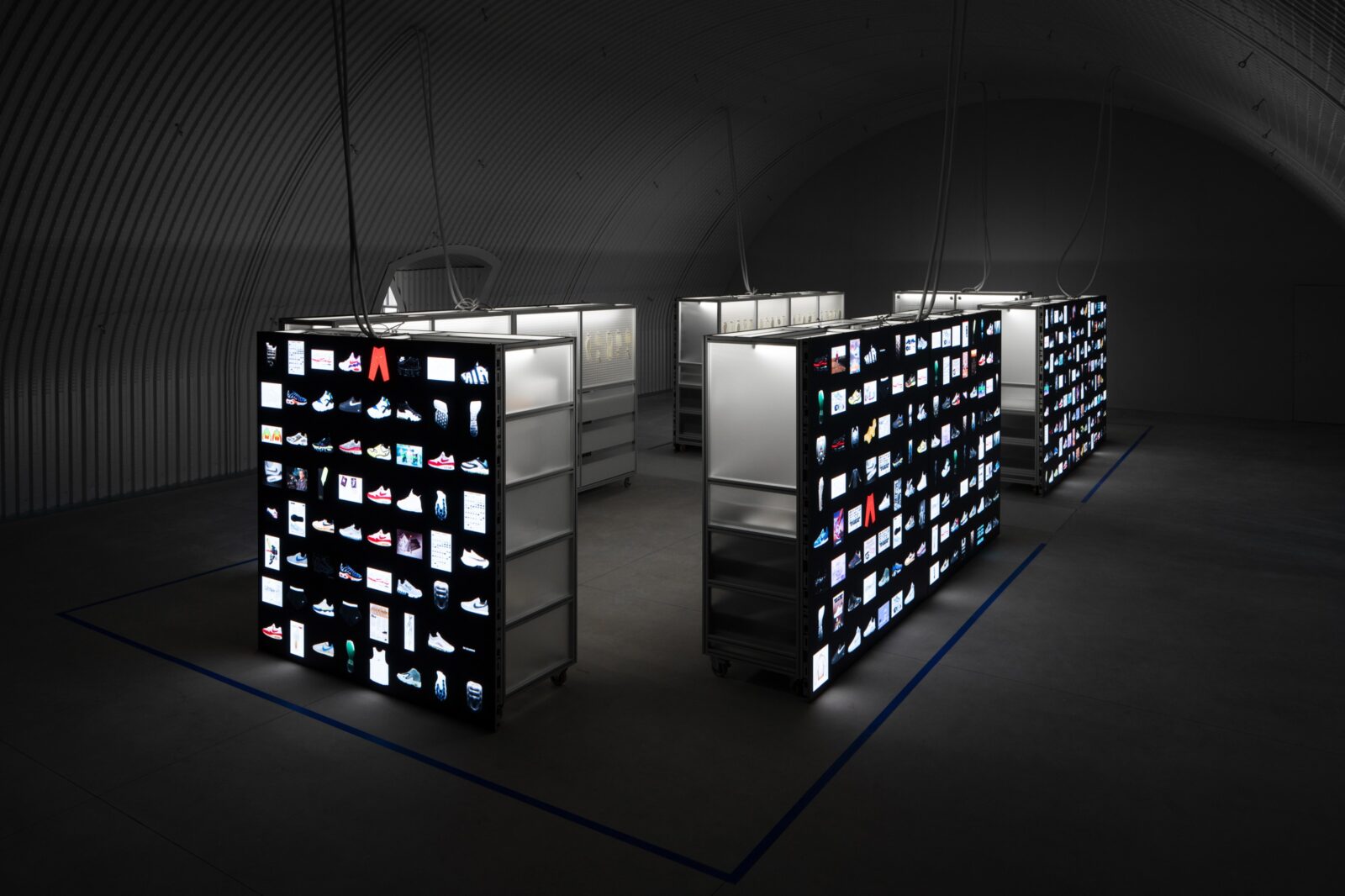
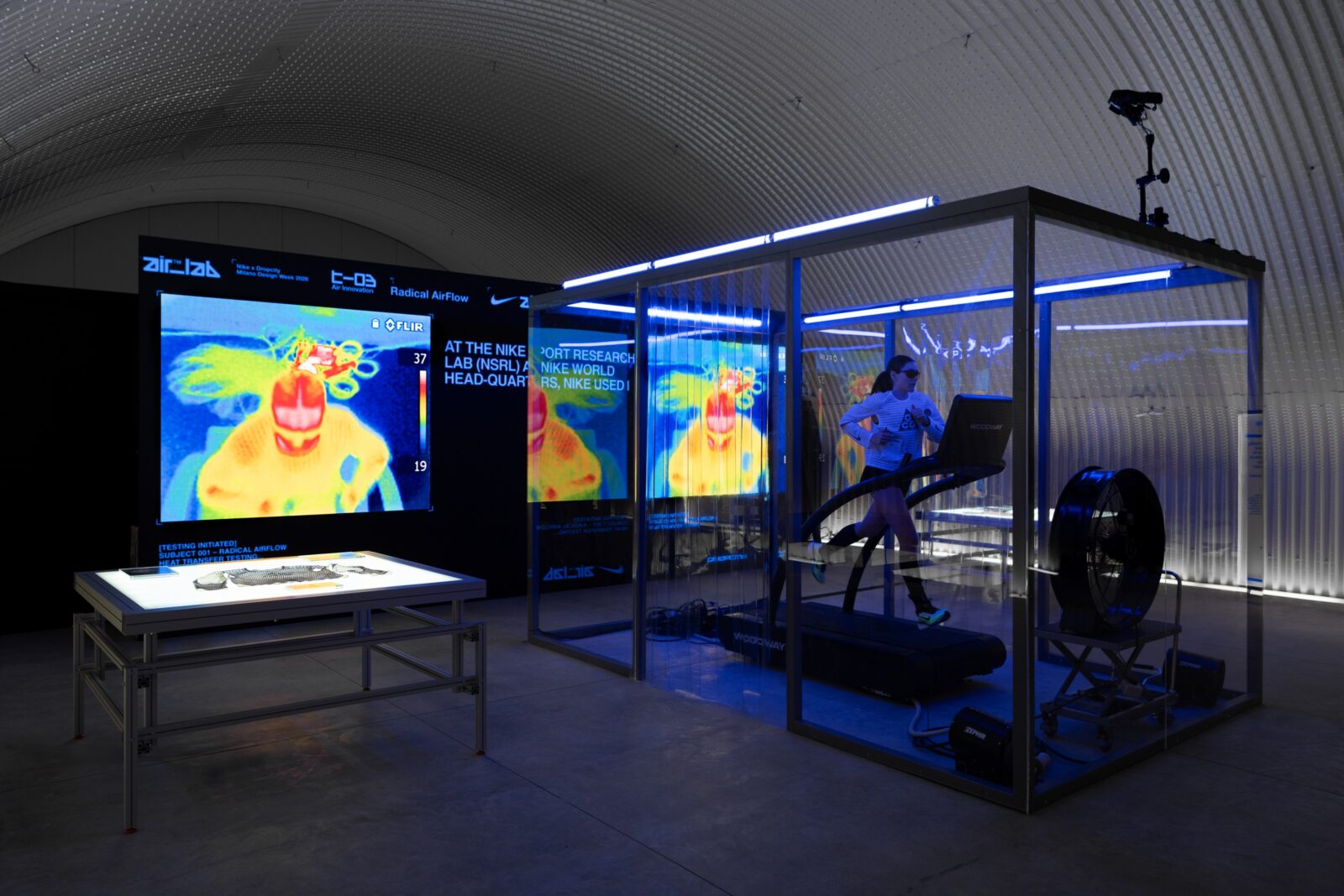
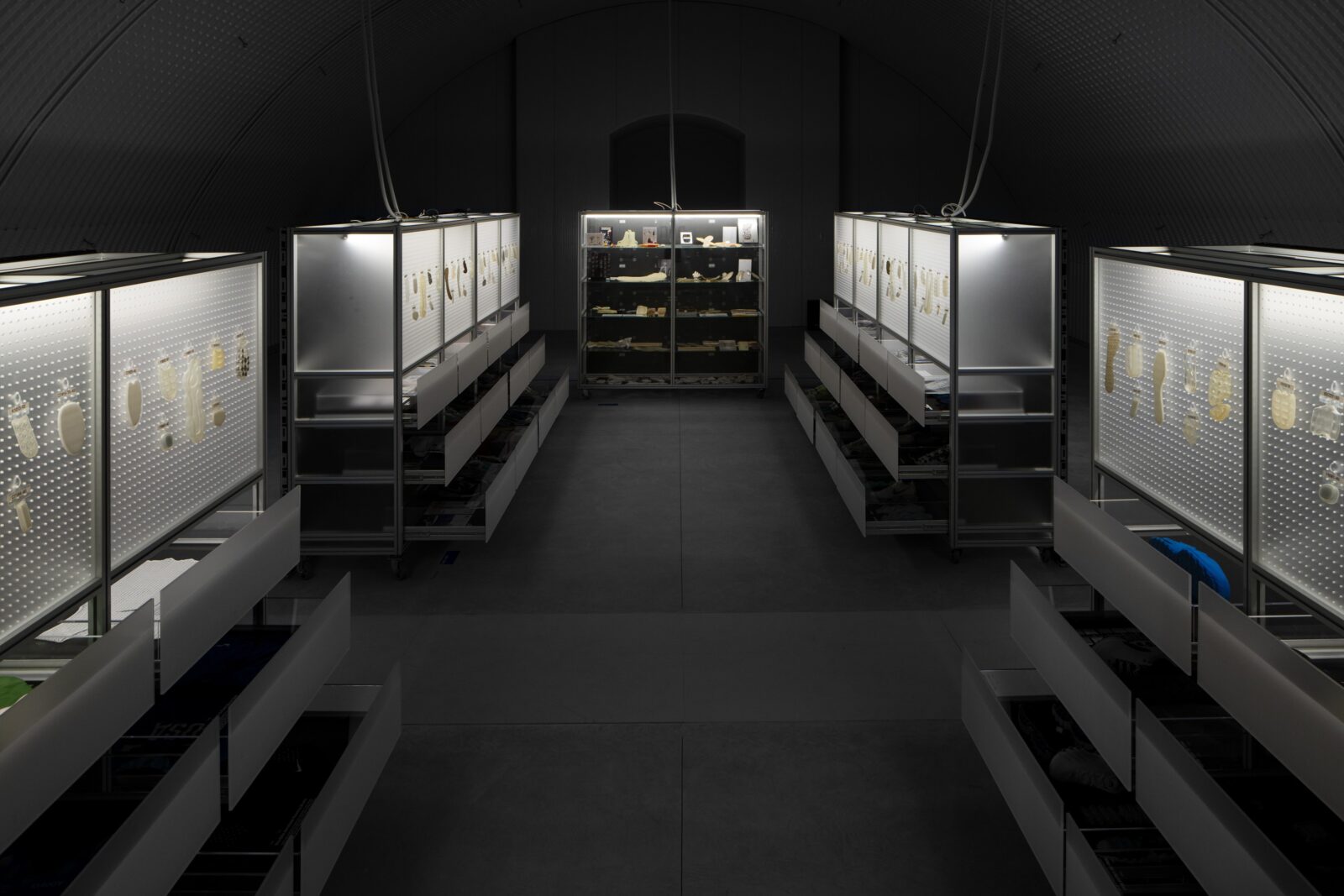
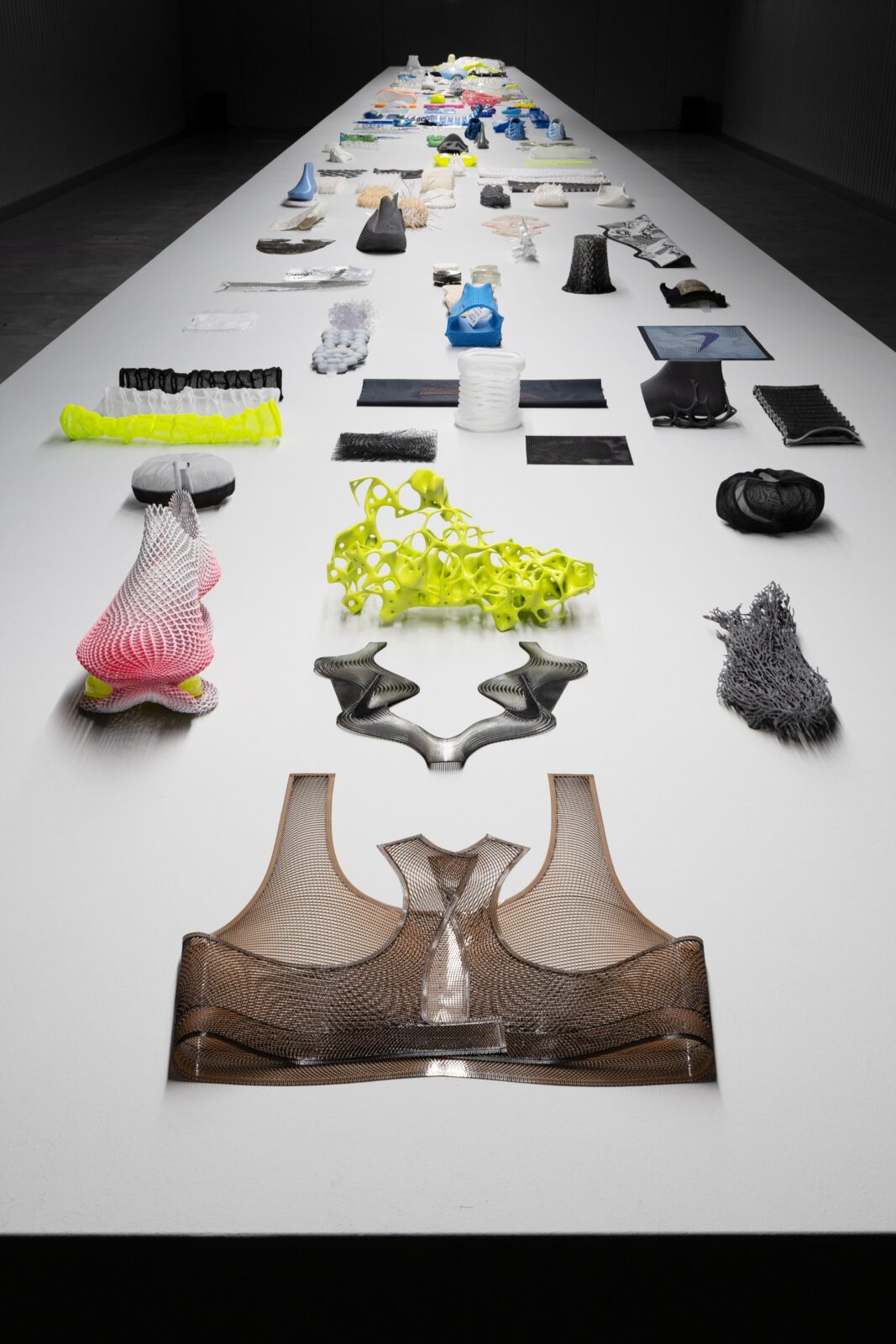
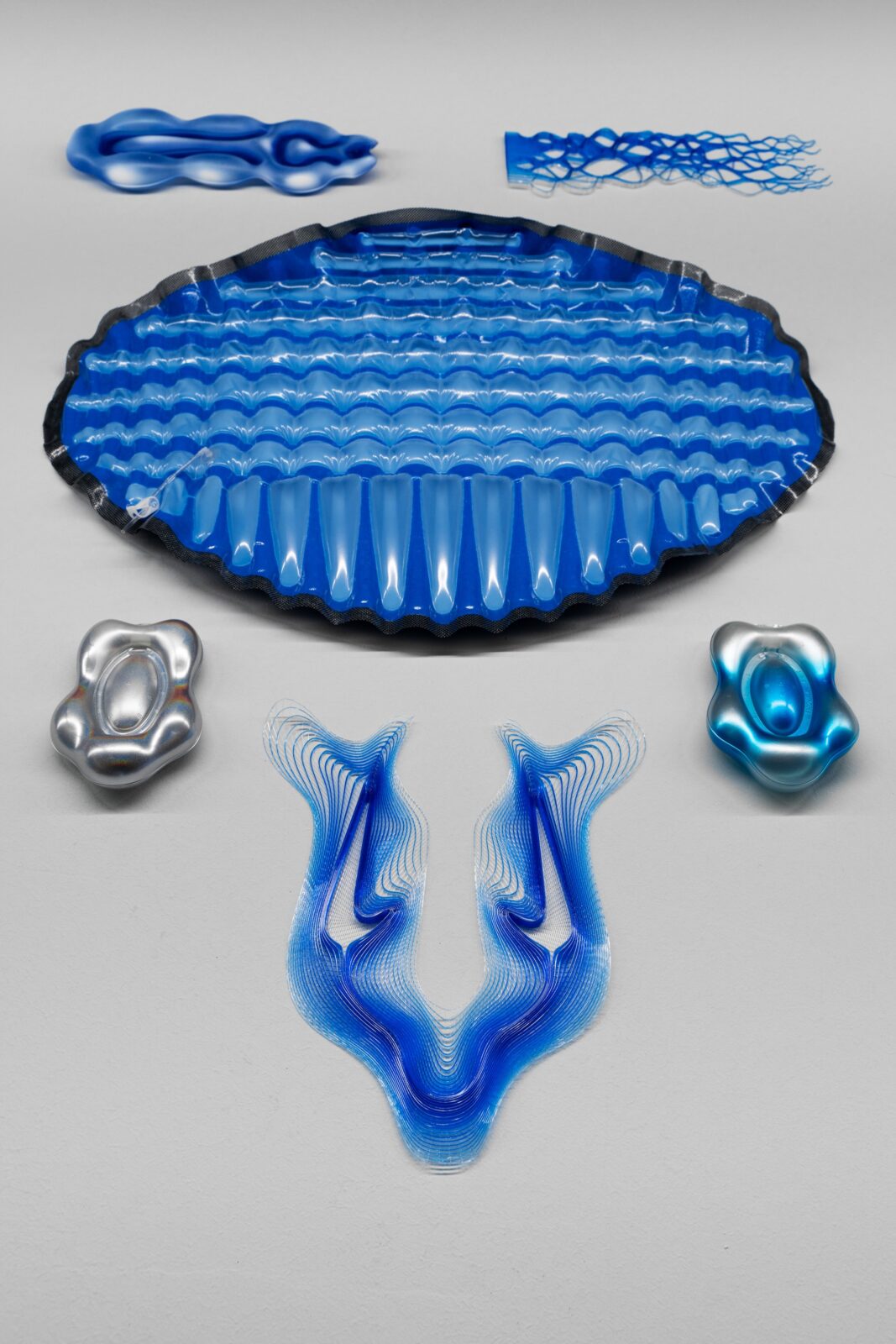
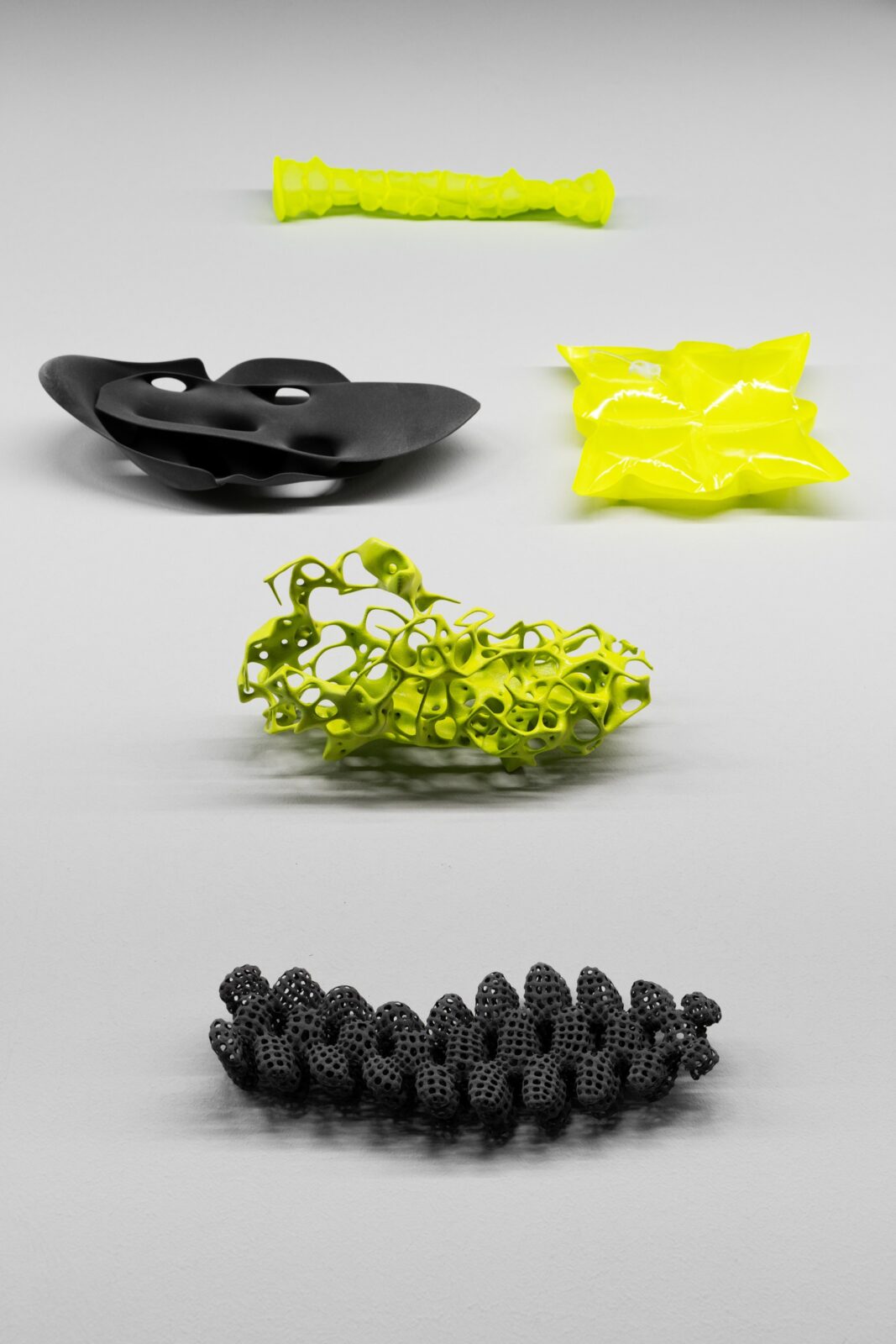
For one week only, the lab is giving the design community a look at the history and future of Nike Air. Spread across five tunnels, visitors can find samples and swatches that show the birth of new tech like Air Liquid Max and FlyWeb. It’s a rare chance to see the gritty details of Radical AirFlow and Therma-FIT Air Milano.
The Air Archives section is a particular highlight, featuring early experiments from the original inventor, Frank Rudy. You can also get a close look at the initial versions of the Alphafly NEXT% and the specialised speed suit worn by Faith Kipyegon.
“Nike has always had an experimental, hands-on culture of making, so on our first visit to Dropcity a year ago, it immediately felt both familiar and energizing. Prototyping is a daily practice — an instinct to make, test and refine in real time, where ideas are meant to be worn, experienced and challenged through doing.”
Golnaz Armin, VP, Design Studio Excellence
Hands-on with robotic design
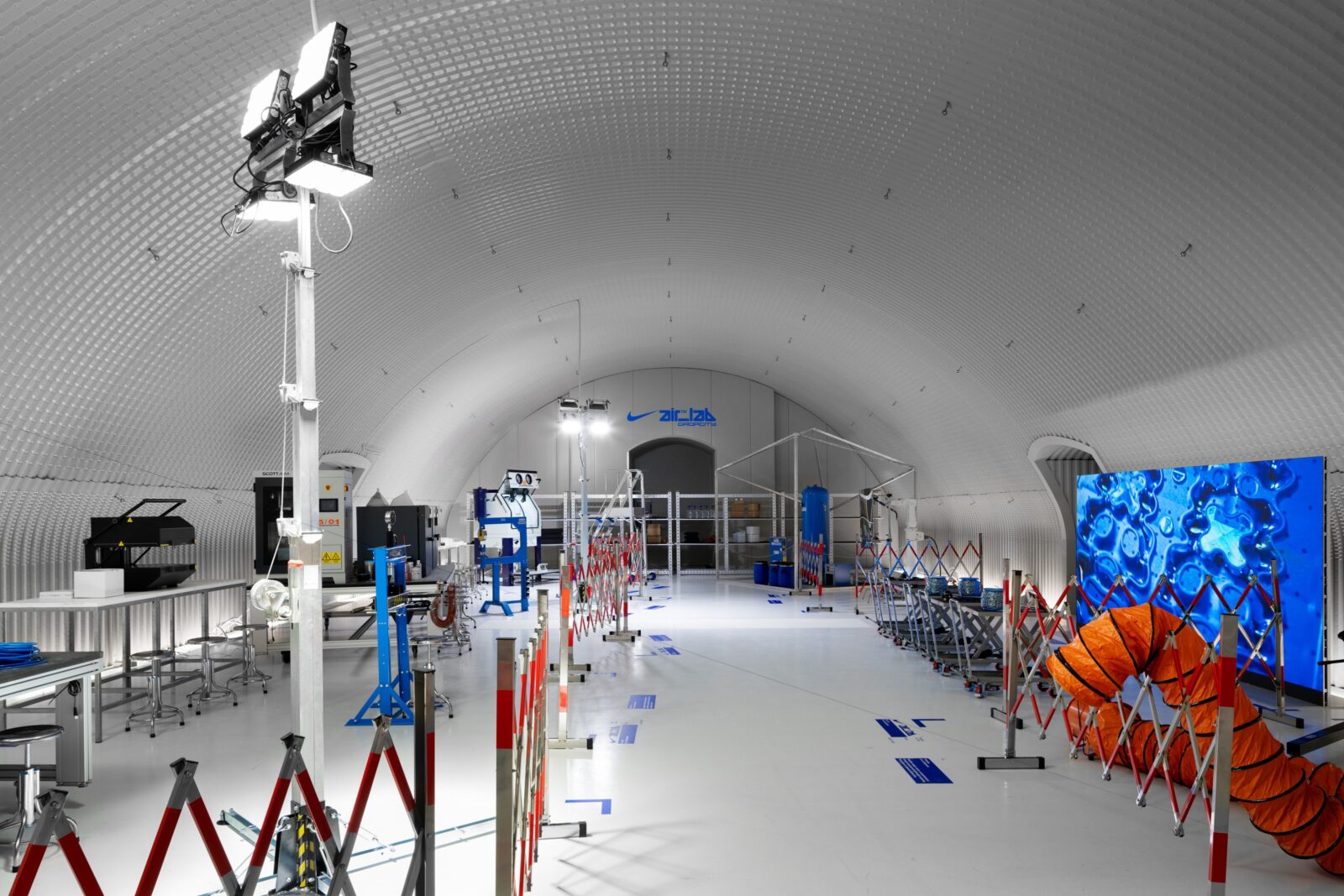
The core of the experience is the collection of eight tool stations. This is where the heavy lifting happens. Each station uses different machines, including robotic arms and pneumatic cylinder kits, to mess around with air in various ways. Designers use these tools to visualise, pump, suck, cool, and blast air to see how it changes the materials it touches.
Registering for the event allows visitors to join workshops led by Nike designers and the Dropcity team. These sessions focus on the actual craft of making things, moving away from just looking at screens and getting back to physical trial and error.
“As much as we embrace the latest digital capabilities, the craft of creating physical product through an iterative process remains essential,” Armin explains.
A permanent legacy for Milan
While the NikeAir_Lab is the star of the show this week, its impact won’t disappear when Design Week ends. This collaboration is part of a 20-year plan for Dropcity to become one of the biggest architecture centres in Europe. The machinery from the lab will eventually move into permanent production sites for 3D-printing, textiles, and recycling.
“The lab will be operated by Dropcity as a civic facility, accessible to the public. This initiative represents a concrete and forward-looking commitment — one that establishes a new model of collaboration between companies and research centers.”
Andrea Caputo, architect and founder of Dropcity
With over 10,000 square metres of space and 300 workstations, Dropcity is aiming to give the next generation of designers a place to actually work without the massive costs usually found in a city like Milan.
Work in progress
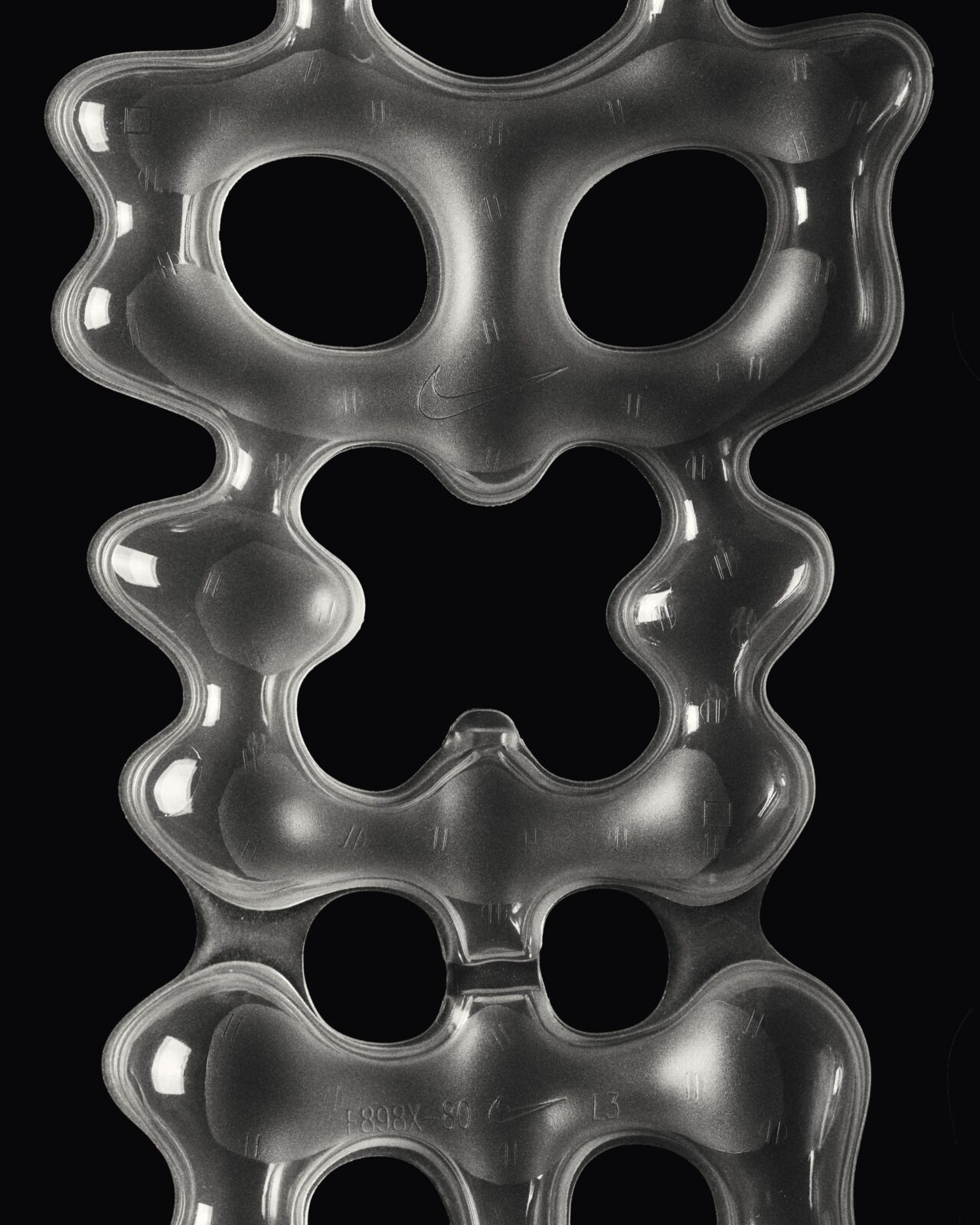
While most brand pop-ups are just pretty boxes for taking photos, NikeAir_Lab feels like a messy, working garage rather than a museum or a pop-up that showcases their best pieces. The coolest part isn’t the finished shoes – it’s the “Air as Void” and “Air as Force” stations. Seeing a robotic arm try to squash or suction a piece of plastic into a specific shape tells you more about design than a glossy poster ever could.
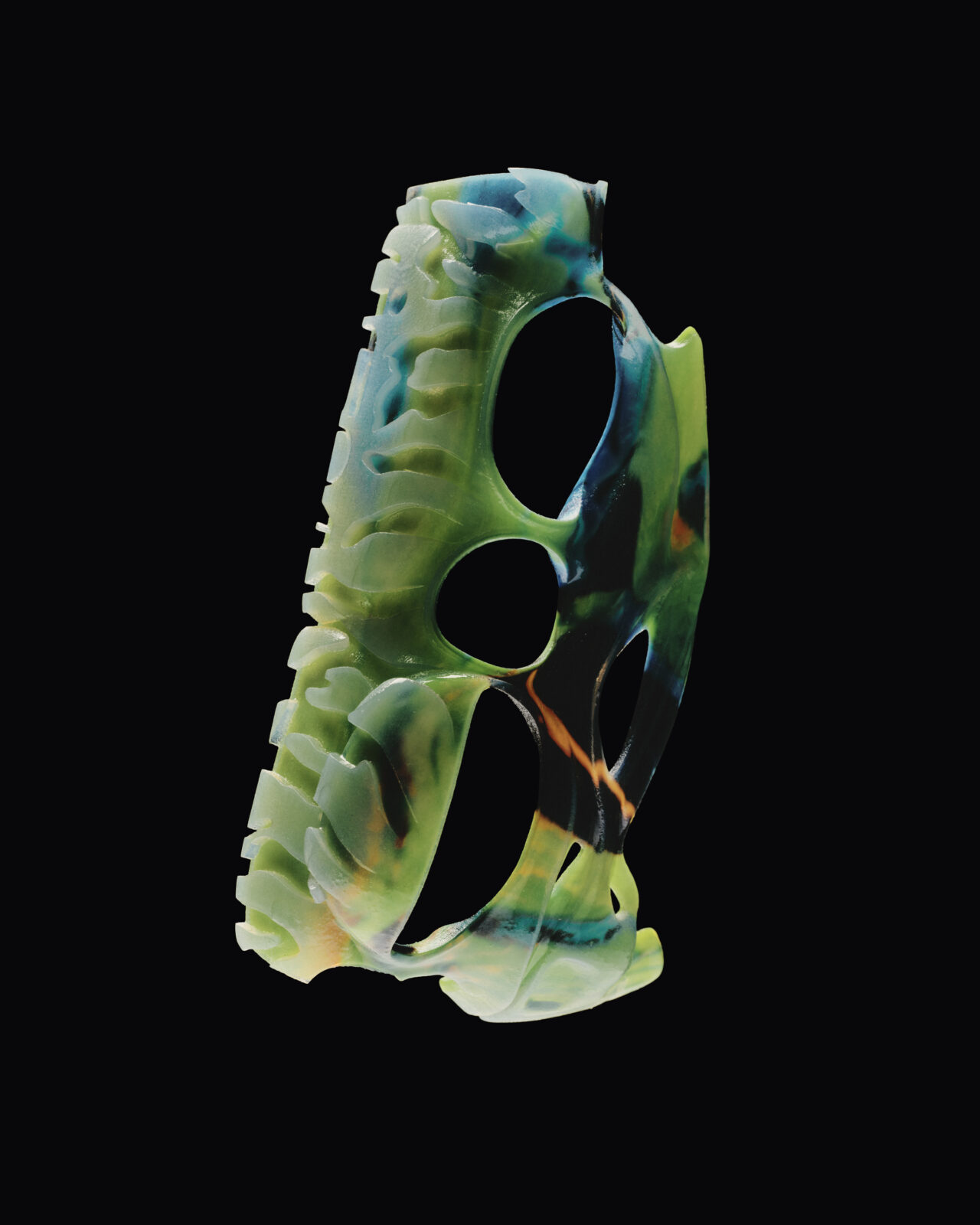
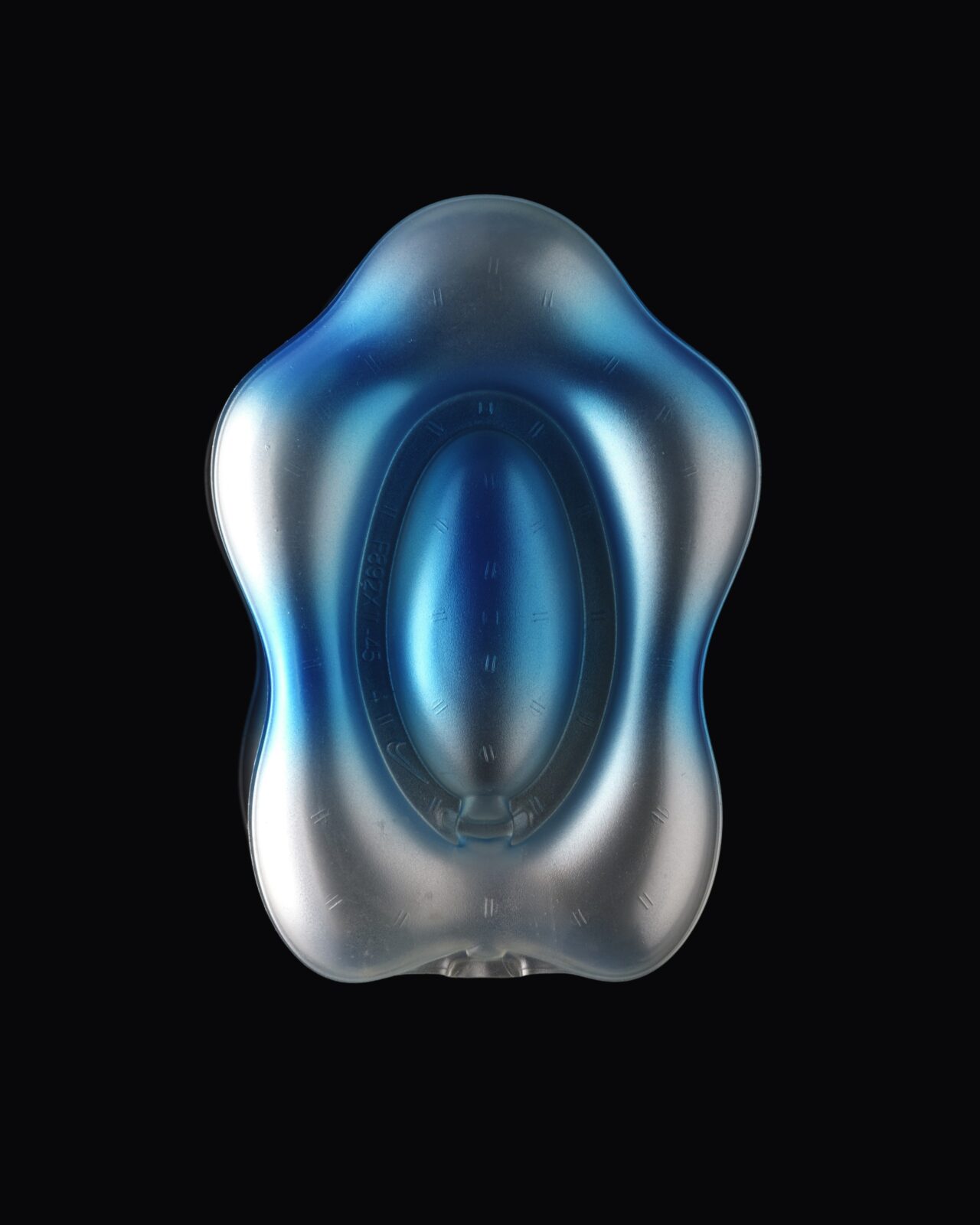
The fact that they included nearly 100 prototypes that usually never leave the Oregon headquarters just shows that for every great sneaker, there are dozens of weird, failed versions that didn’t quite make it. It makes the whole process feel human. If you’re in Milan, go poke around the tunnels at Via Sammartini 72; it’s a rare look at the guts of a giant brand.