

Header: Li Zhou, Wenjia Zhou
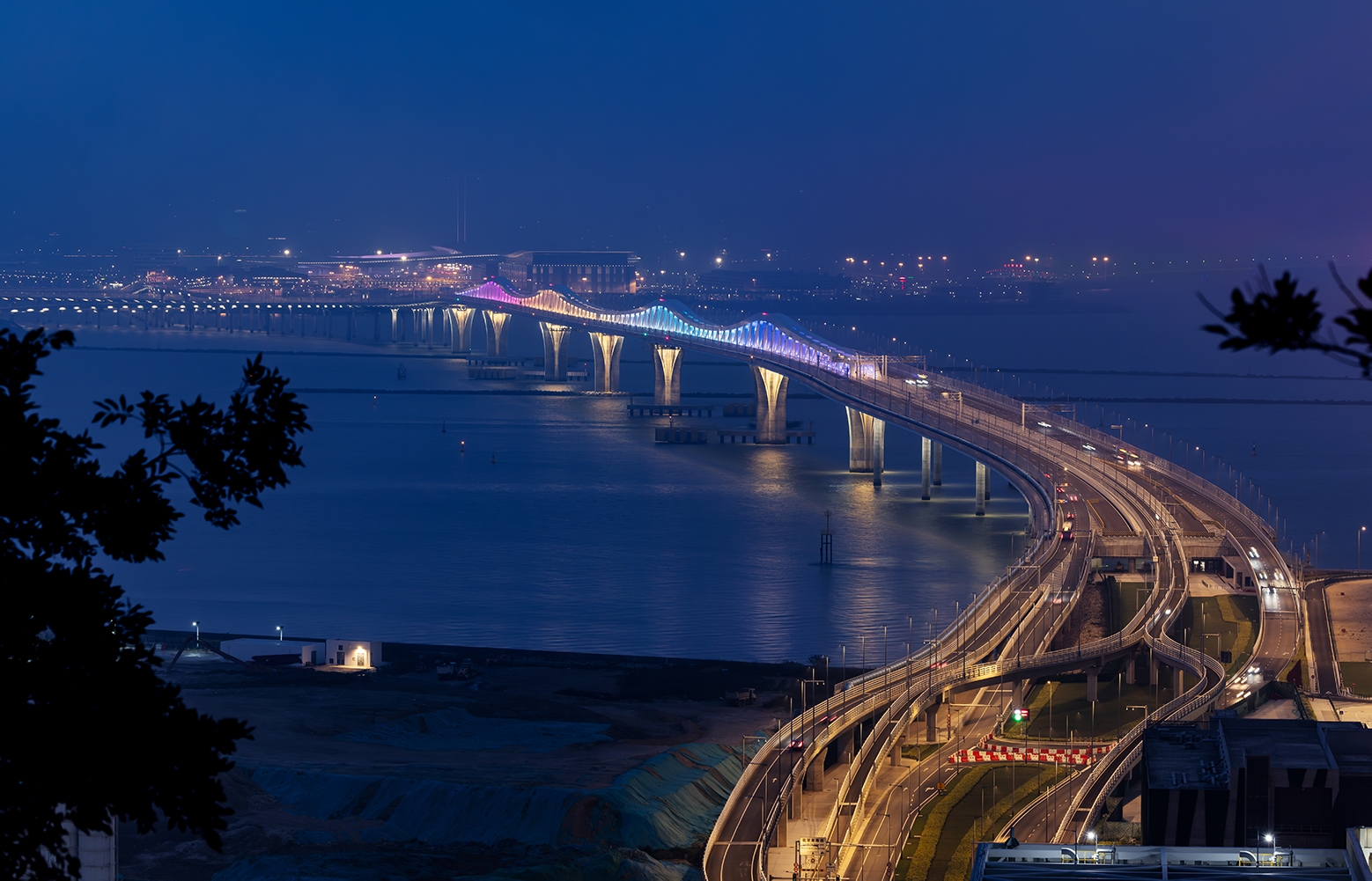
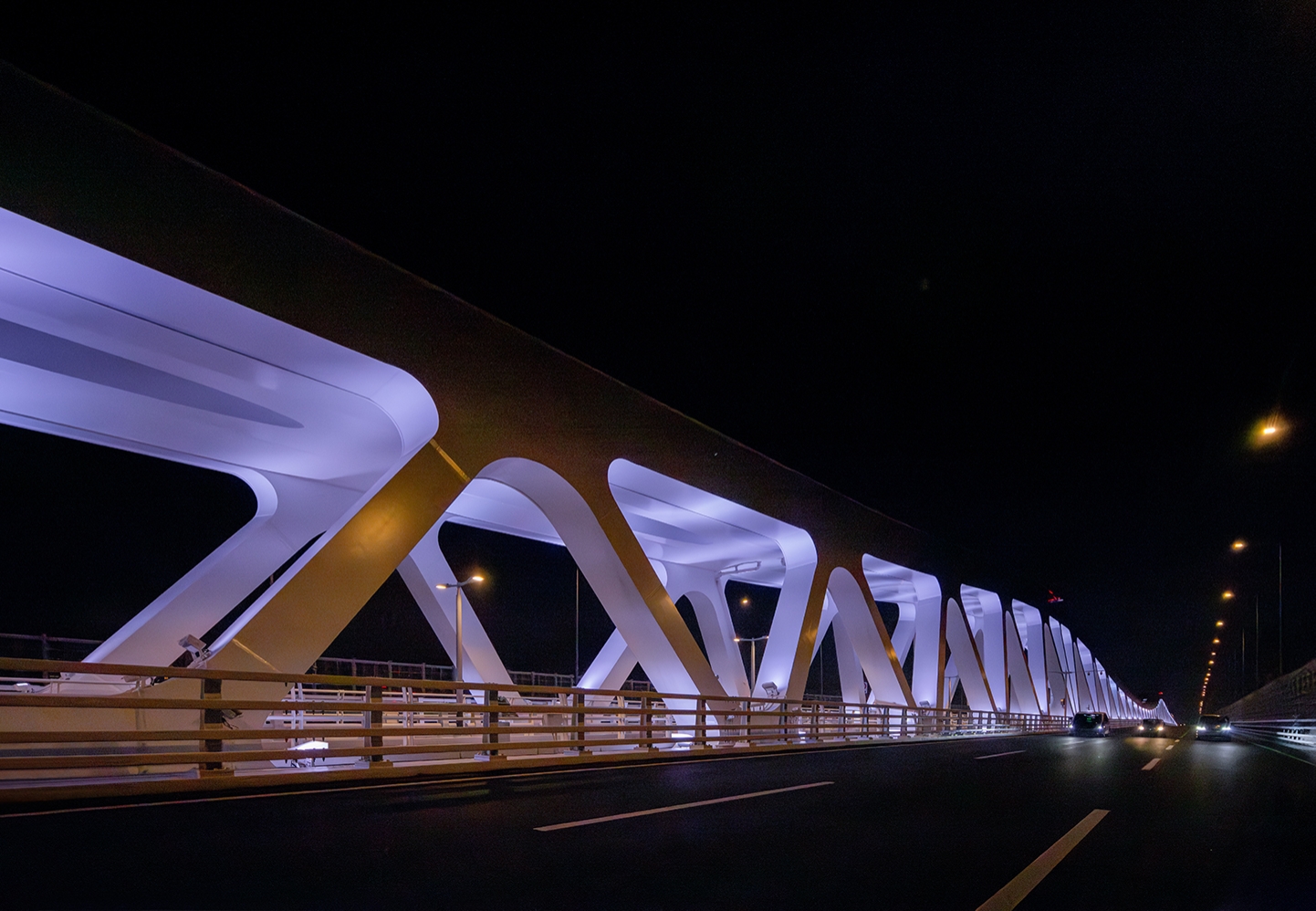
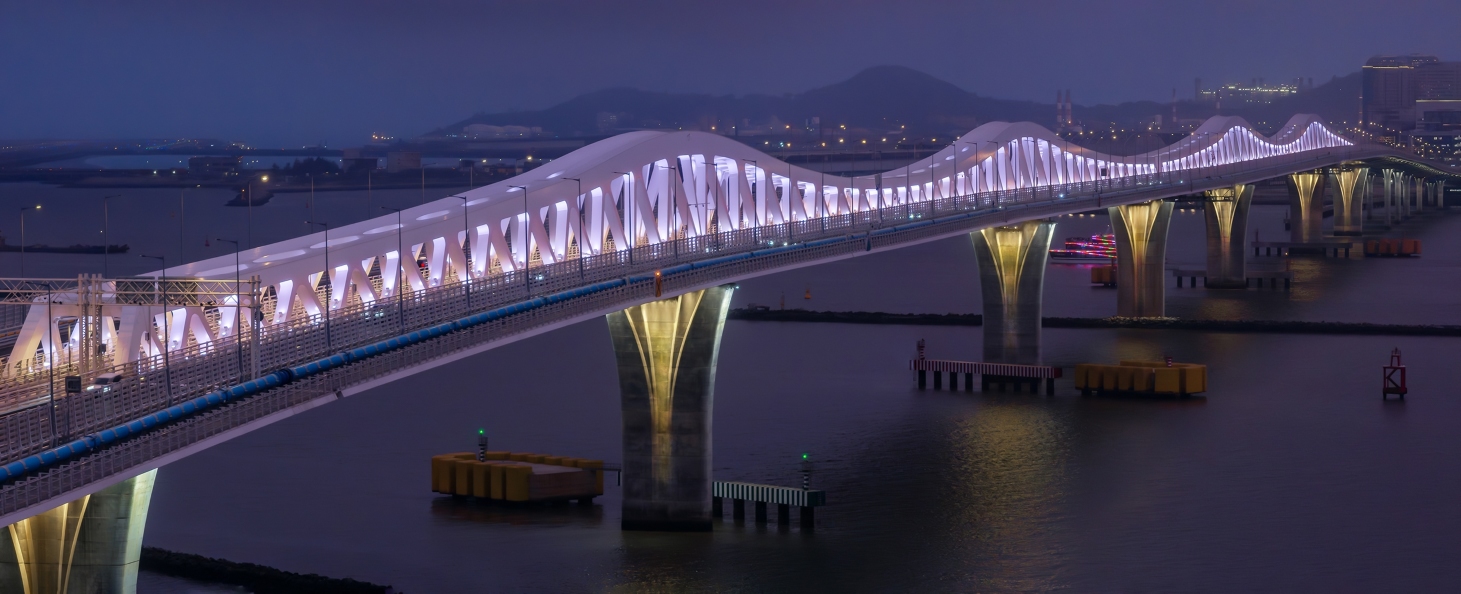
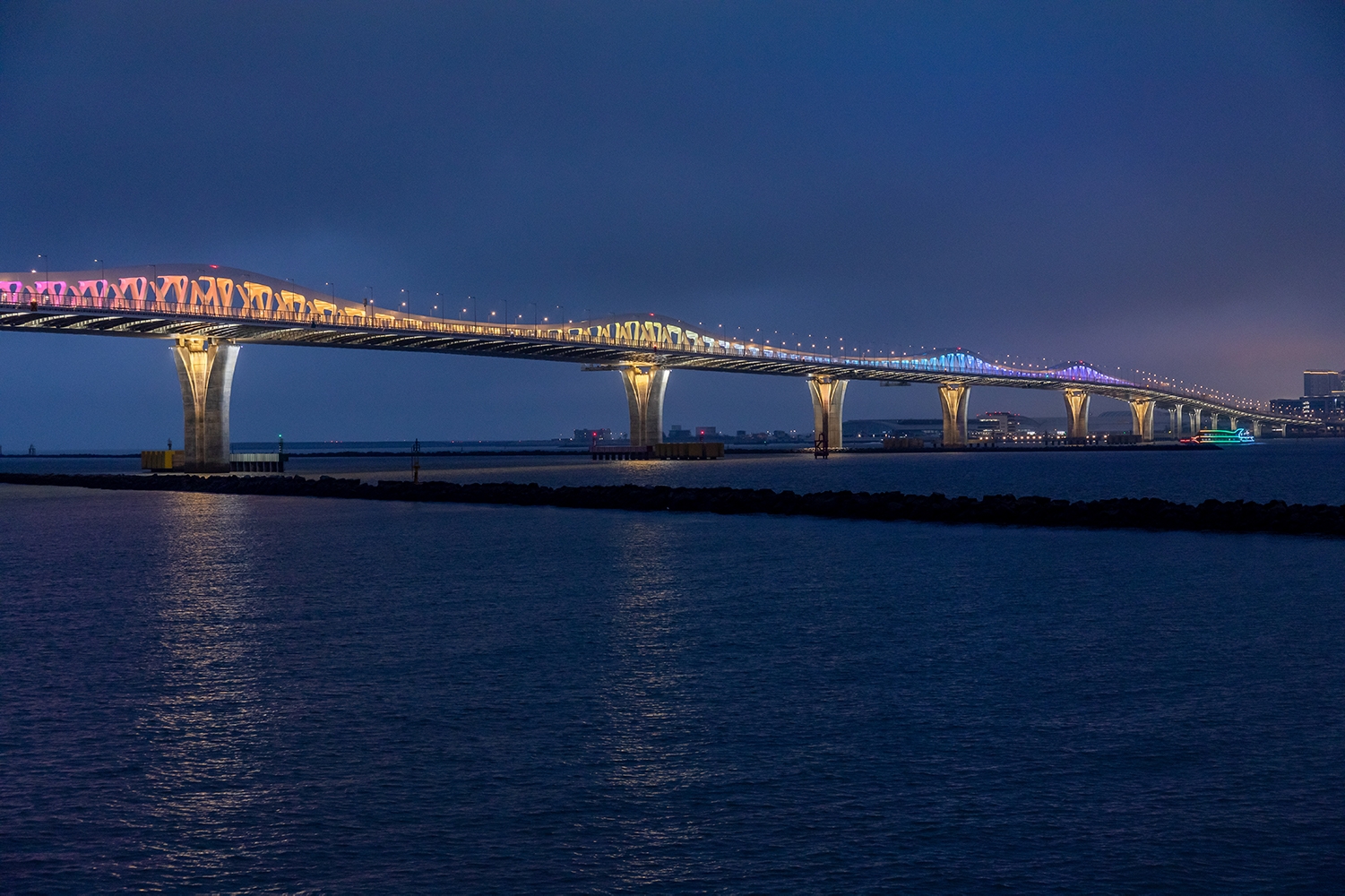
The city of Macau, one of the largest gambling hubs in the world, is also home to the longest inclined steel truss-steel box composite continuous beam bridge in the world. Inspired by the bay that Macau gazes upon, the bridge features a sleek, wavy white surface spanning exactly 3.085 kilometres.
Symbol of compassion and serenity
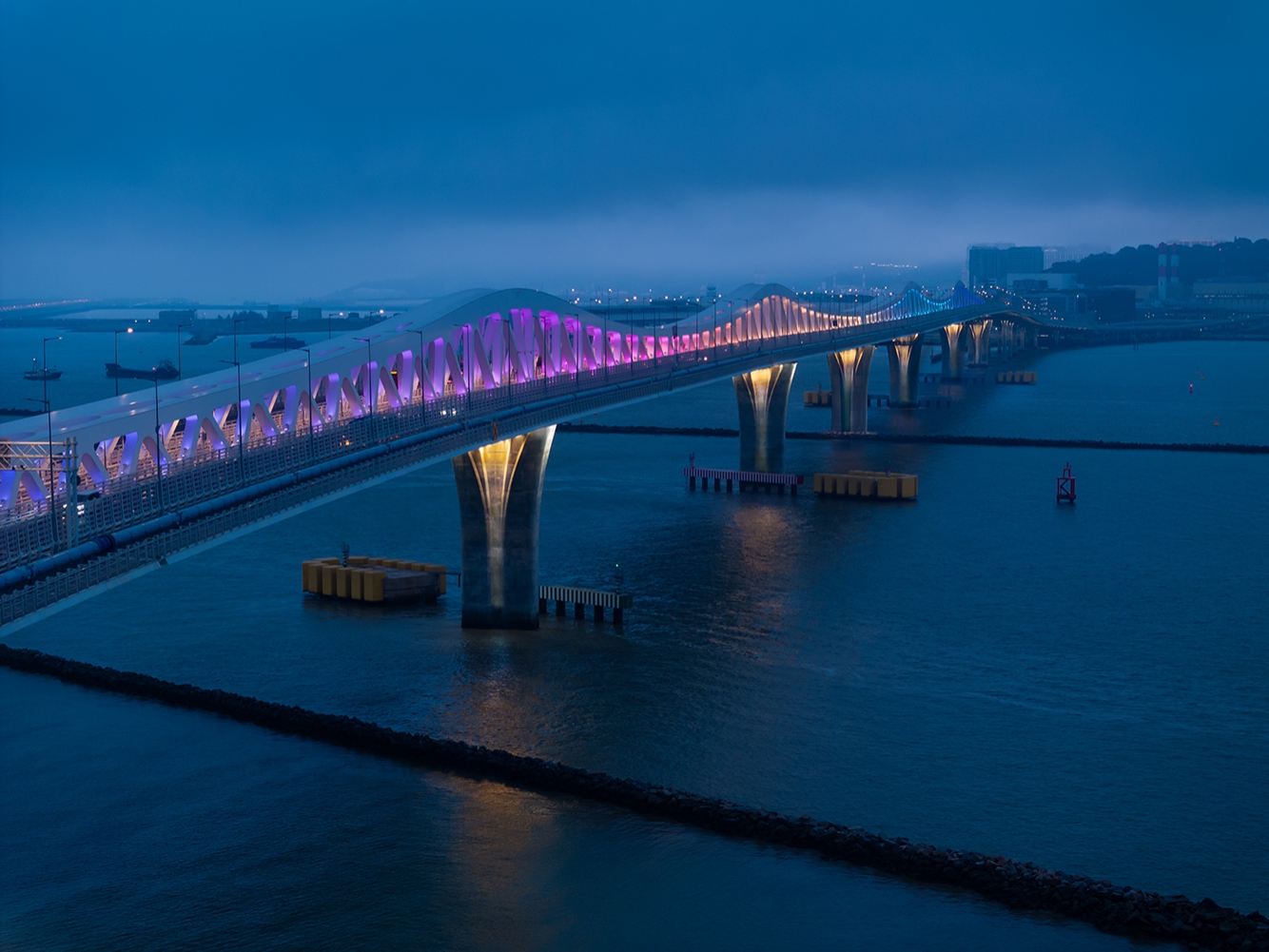
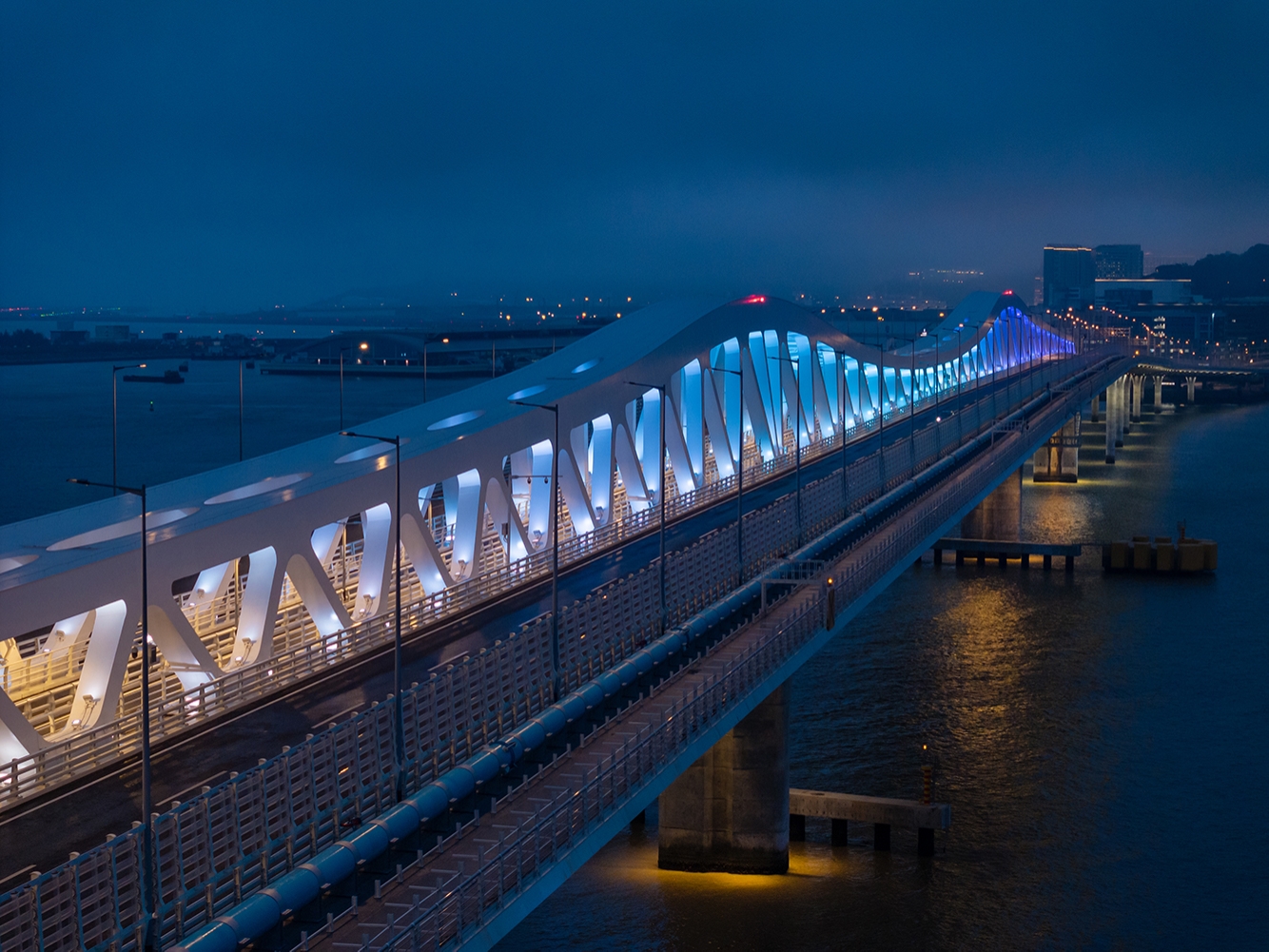
The illumination of the Macau Bridge was entrusted to lead designer Yonghong Yan, from Chongqing University, who blended the lighting design with nature. By adding a touch of care and social responsibility, the designer transformed the structure into a symbol of compassion, connecting not just shores but also the hearts of those who surround it. The lighting changes to mimic the rhythm of the tides, embodying the flow of life, thus creating a serene atmosphere comparable to a moonlit sea.
To ensure visibility even to those with visual impairments, the designers tested the light colour to ensure it is compatible with various types of colour perception. The distinctive purple hue, for instance, will appear as a gentle blue to many with colourblindness, thus embodying the spirit of diversity and inclusivity. The distinctive shade has turned into a defining backdrop for the iconic lighting design.
Light pollution and restrictions
Situated within air traffic control and shipping routes, the city of Macao has restrictions on light use. The restrictions encompass light intensity, direction, and glare, which the designer had to follow. The result is an emotional design that creates a perfect balance between visual impact, safety, and energy efficiency. Additionally, very strict energy-saving and environmental standards had to be followed as well. Nightscape lighting design for Macau bridge used modular prefabrication and overhead hoisting to mitigate the ecosystems and the water area destruction.
An integrated disaster warning system
Eye-tracking data analysis led to a reduction of 2,508 fixtures, which in turn resulted in a power consumption reduction by 32%. The energy-efficient mode in six lighting models uses 35kW, while the major holiday mode uses 339.1kW. Final design includes a total of 15 types of fixtures with 2,491 units. In the case of a disaster, the bridge’s triangular trusses will activate a disaster warning system in conjunction with the lighting harmony. Therefore, the lighting system design surpasses its original function, expanding further to incorporate night lighting into the wider public safety measures.

The award-winning design
Nightscape lighting design for Macao bridge won the LIT Lighting Design Award, in the Bridges and Public infrastructures Lighting category. LIT Lighting Design Awards celebrate talented professional and student lighting designers. The awards include the Lighting Product Design Awards, Entertainment Lighting Design, Architectural Lighting Design, and Special Prizes (the Spotlight Prize and the Lifetime Achievement Award), with dozens of subcategorisations. Entries can be submitted as completed projects, conceptual designs, and work in progress as long as they are no older than 5 years old.
Winners will receive the LIT Awards Trophy and gain international visibility through the LIT Awards platform, including a feature in the annual Book of Design and dedicated winner interviews. The winning lighting design will also benefit from year-round website exposure, promotion to a global network of over 100,000 industry professionals, and recognition from an esteemed jury. Additional benefits include inclusion in the official media campaign, a profile in the online directory, and a digital certificate and badge.
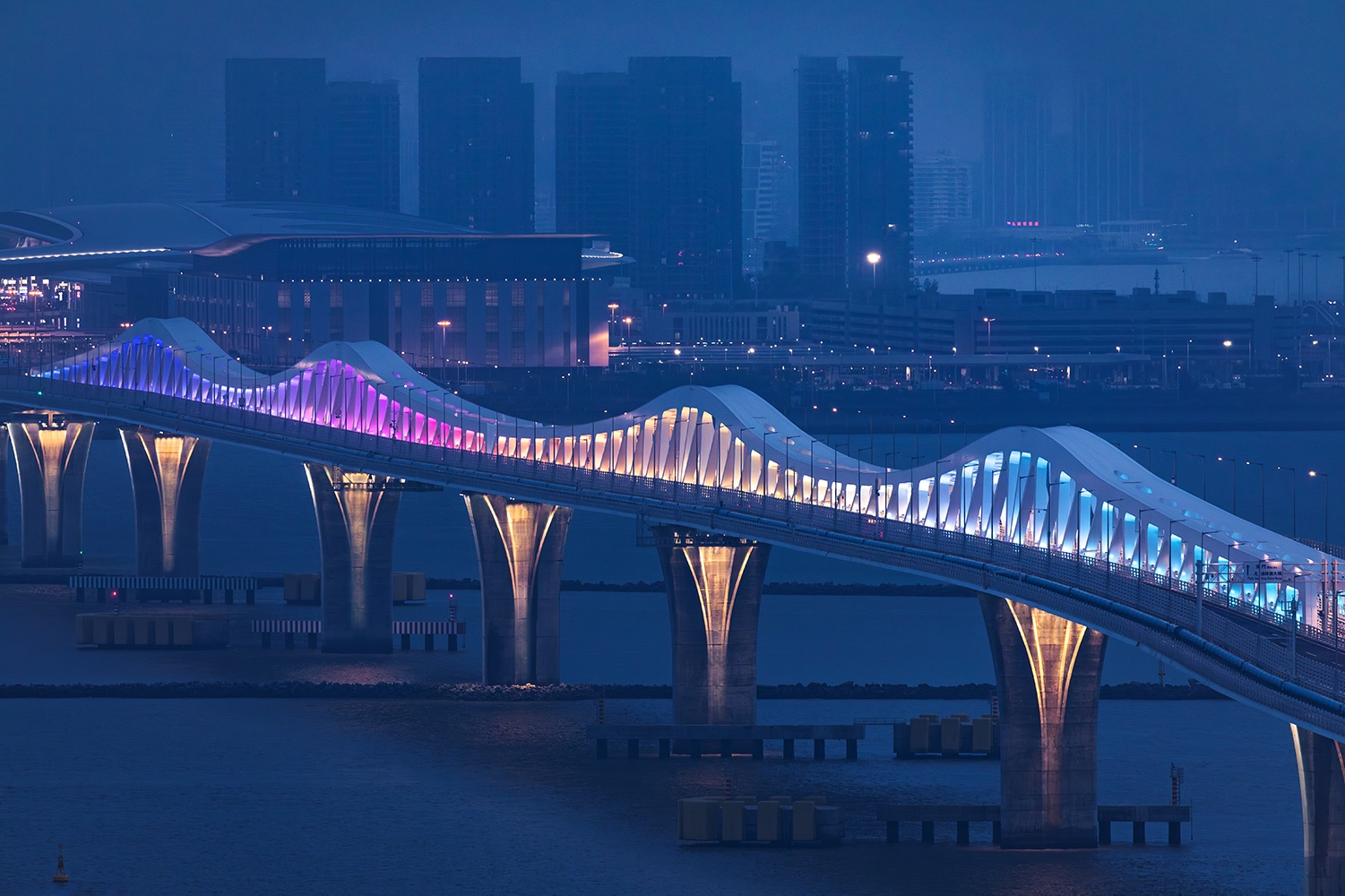
More than just illuminating a bridge, lighting fixtures that span from the Macau Peninsula to Taipa Island also serve as a touching, inclusive, and safe structure.
Project info
Lighting Design/Product Company: Chongqing University, Chongqing Zhubo Lighting Engineering Design Co., Ltd.
Lead Designers: Yonghong Yan
Other Designer’s names: Siqi Fu, Xin Li, Bohan Zhang, Na Li, Tong Lin, Zhiyong Zhang, Yan Wei, Huifang Zhai
Architecture Company: T.Y. Lin International Engineering Consulting (China) Co., Ltd
Client: Public Works Bureau of the Macao Special Administrative Region
Photo Credits: Li Zhou, Wenjia Zhou