Header: Beersnielsen, Fenix museum, Lukas Palik
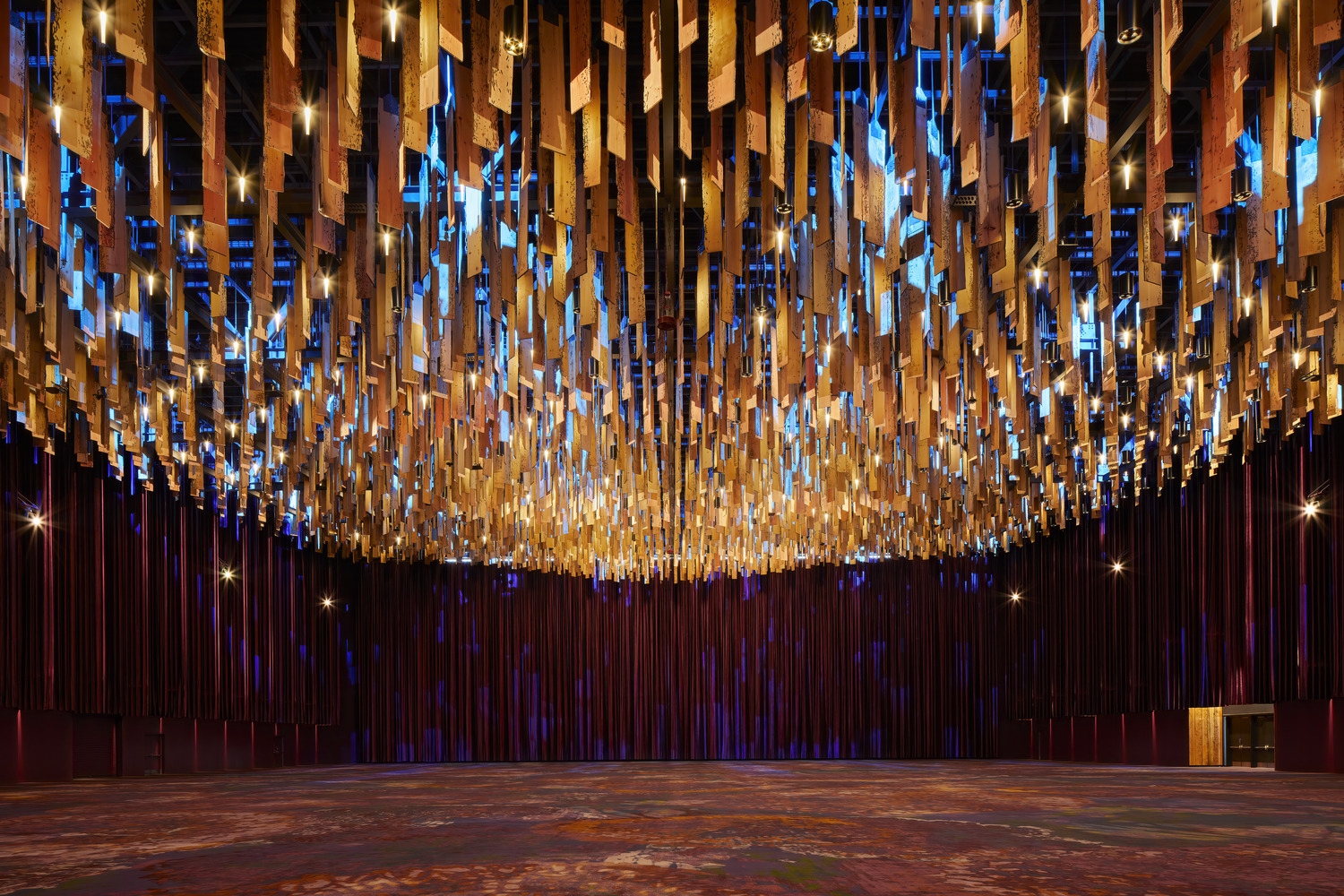
The Fenix Museum for Migration in Rotterdam, located in the early-twentieth-century warehouse of the former Holland America Line, has recently received recognition at the prestigious LIT Lighting Design Award for its lighting design. The studio responsible, Beersnielsen Lichtontwerpers, with Juliette Nielsen as the project’s lead designer, started working on the project back in 2019, when the spatial design by MAD Architects, EGM, and interior designer Roland Buschmann had not yet been finished. This allowed the lighting design to grow alongside the museum and gave the designers the insights necessary to ensure the site’s industrial character was kept intact.

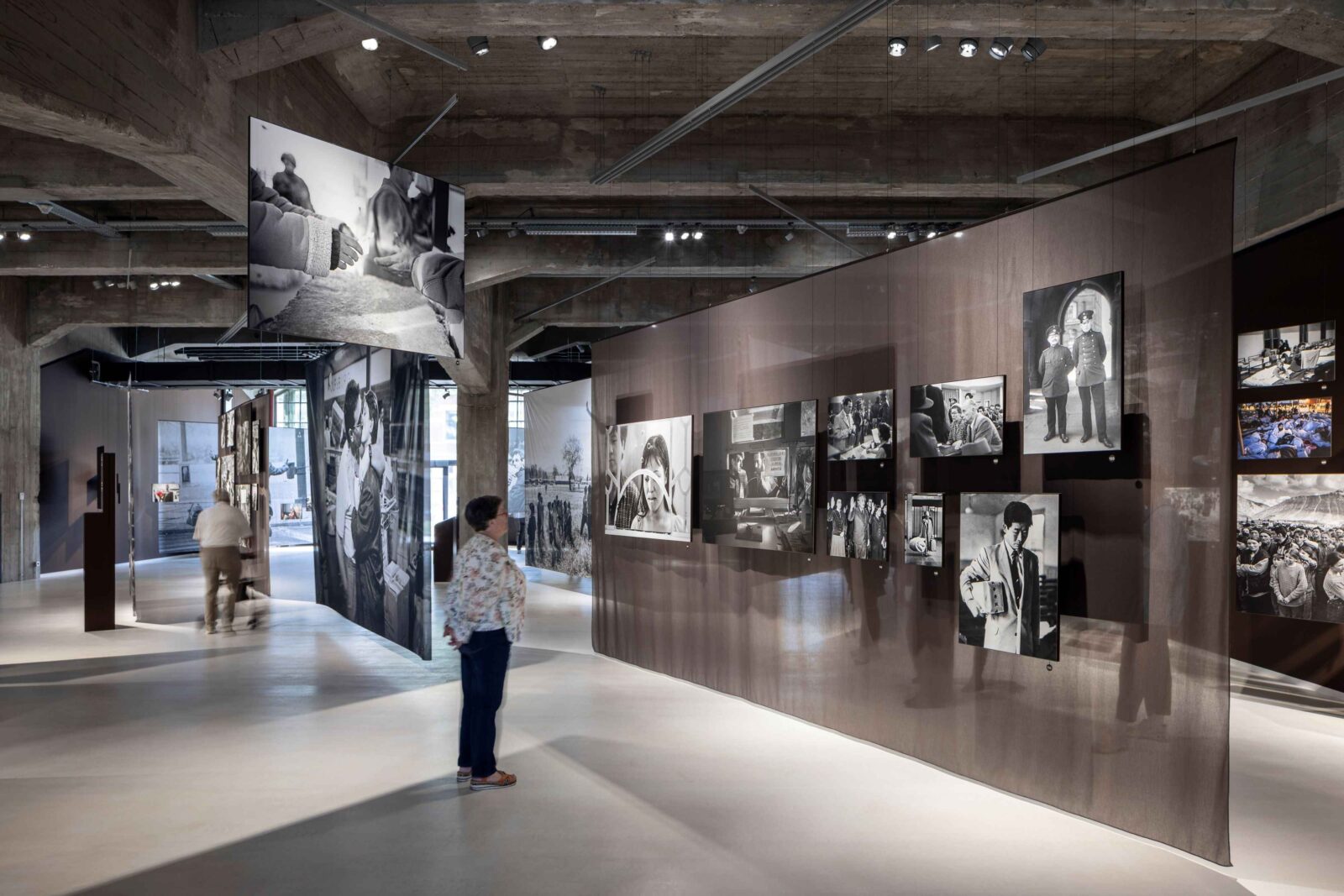
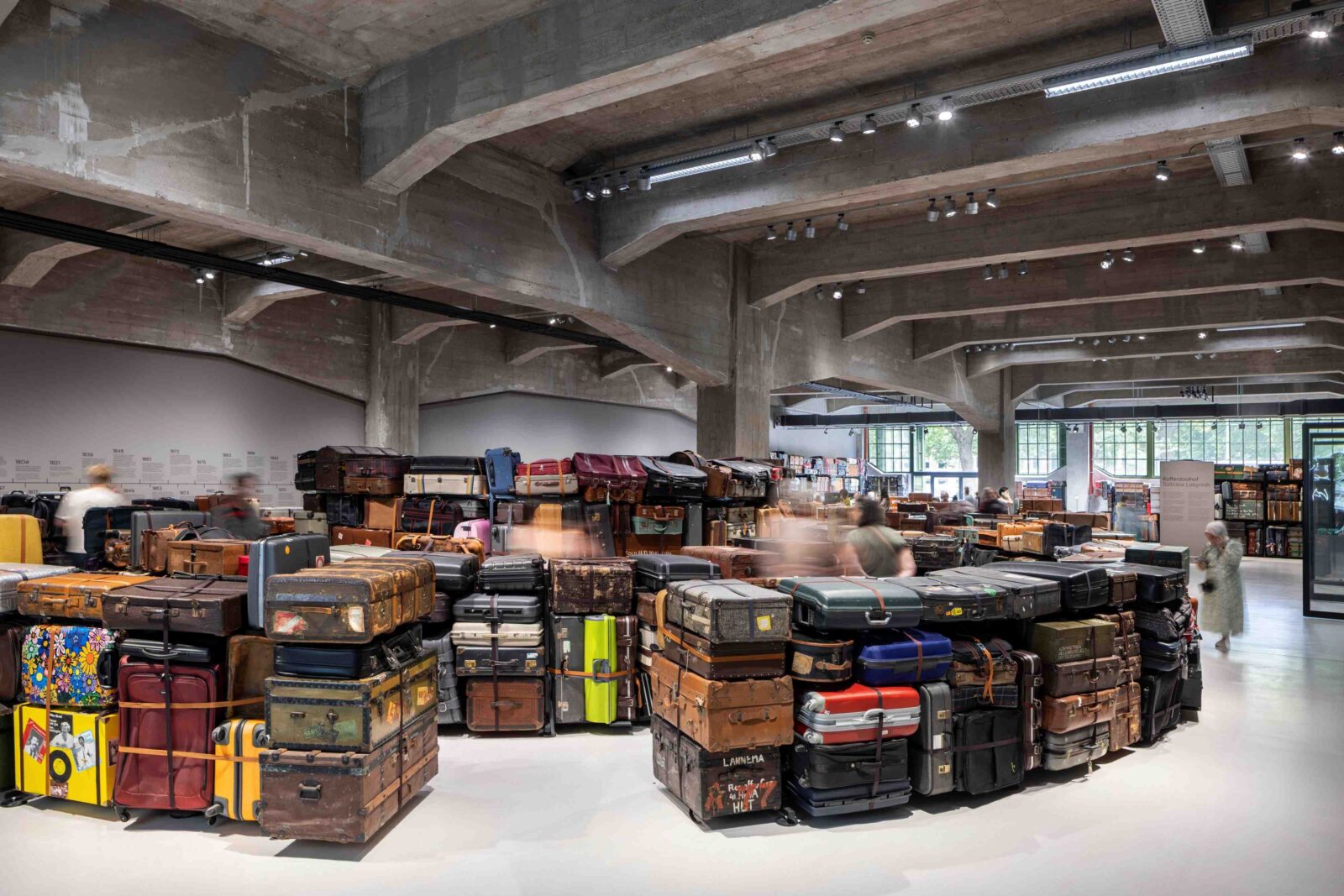
The sheer scale of the warehouse (172 metres in length with 16,000 square metres of interior area) immediately set the tone for the intended design. Rather than rely on one type of illumination, the team introduced two layers: diffuse lighting that establishes the base and accent lighting that brings focus where needed.
The diffuse layer uses tunable white light, which simply means the colour temperature can shift throughout the day, moving with daylight so the museum never feels disconnected from its surroundings. To achieve this, the lighting team chose to add industrial fixtures mounted on cable ducts, which brings about the added flavour of keeping that industrial character alive.
For the accent layer, the team added adjustable spotlights that can be aimed and calibrated without much effort, as they were placed on tracks. Both the beam and the light levels can be modified, which is especially useful in a museum that will continue to change as exhibitions move in and out.
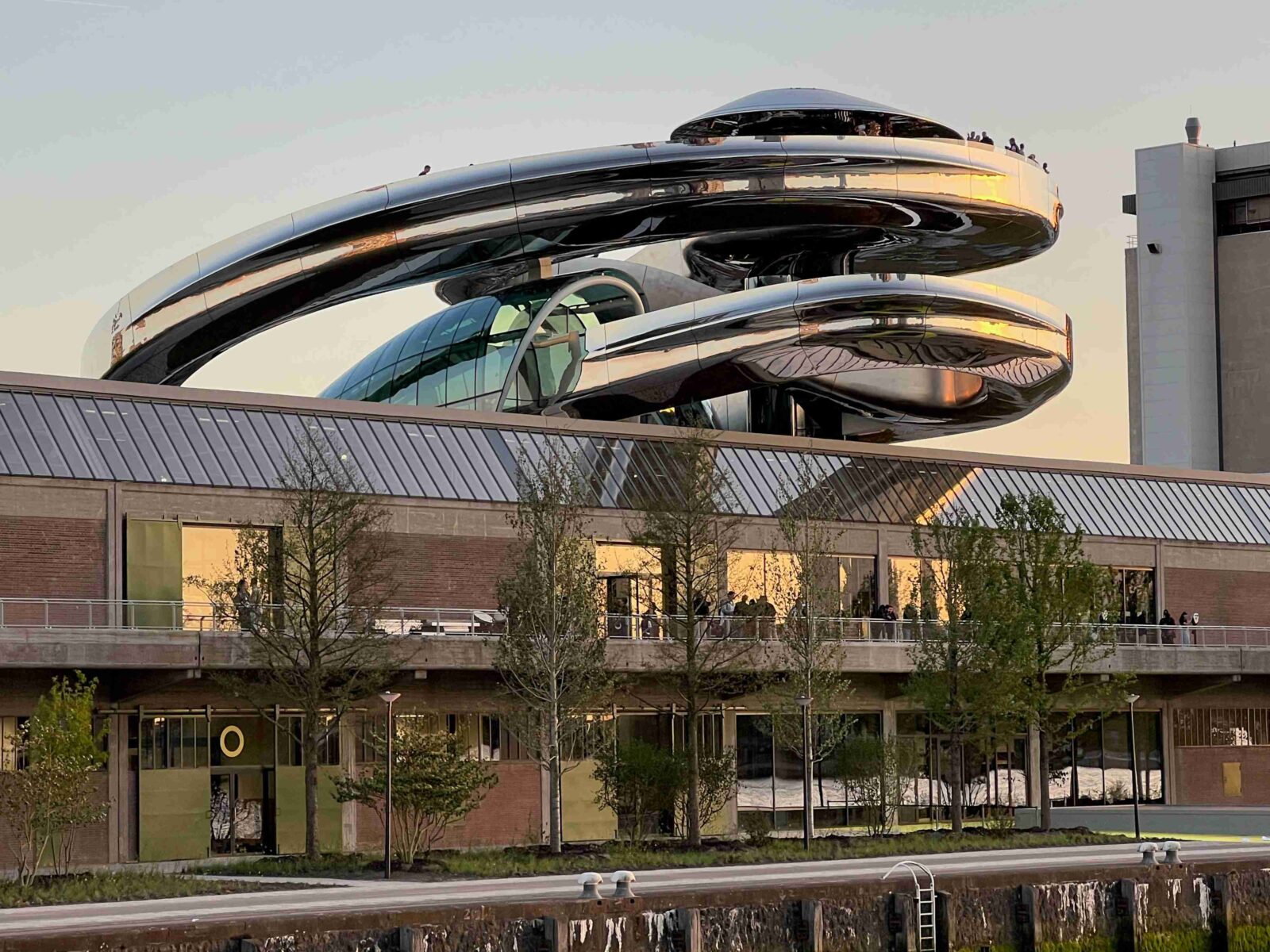
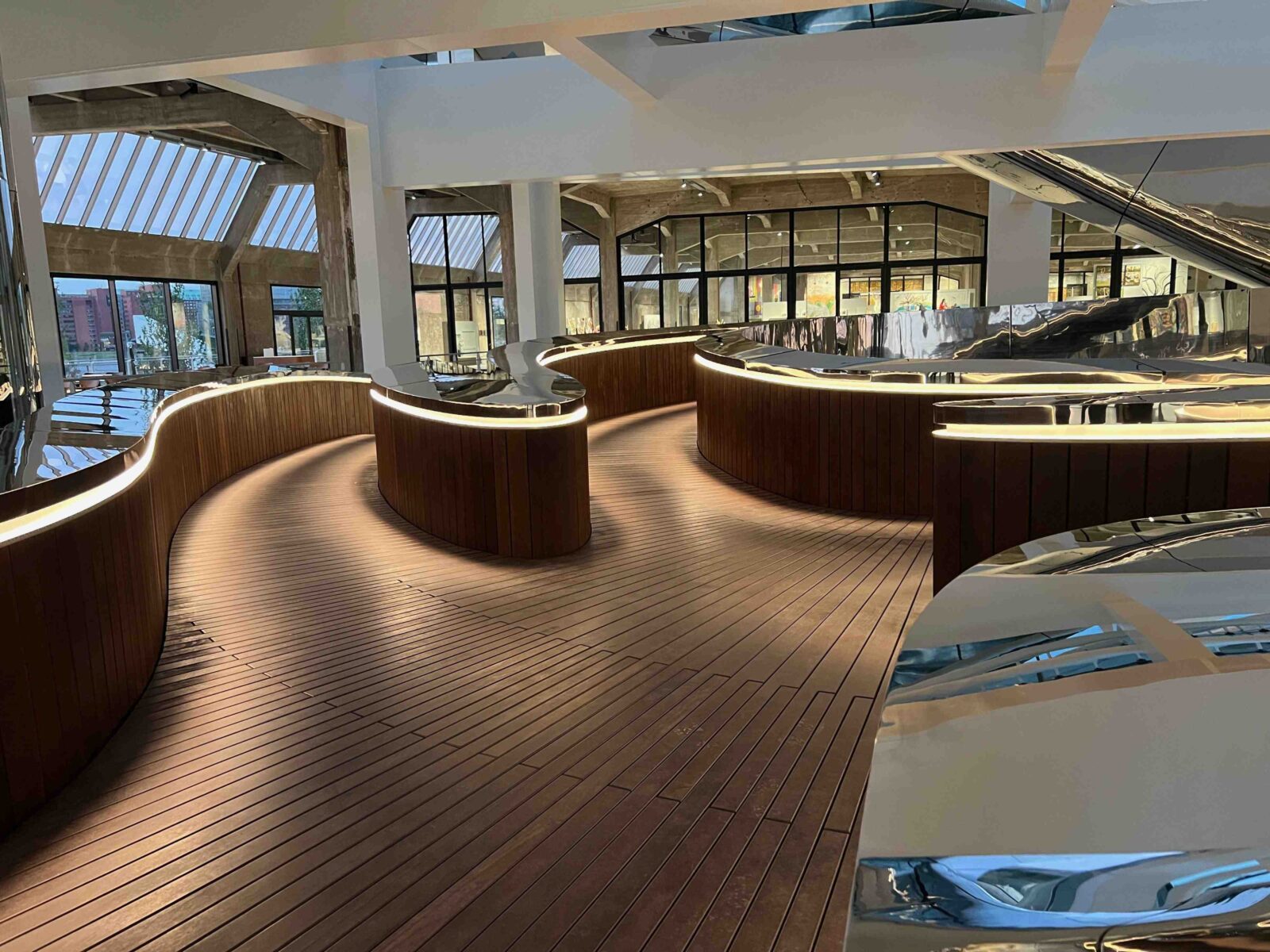
At the centre of the museum, the Tornado staircase is a double spiral staircase that rises above the roof onto a viewing platform. Its curves are accentuated by thin, bendable light lines integrated into the handrail, and because the light sits in the structure rather than around it, the whole structure appears to be a continuous form, even as it twists and opens.

Sustainability shaped many of the practical decisions, with flexibility having been the starting point. Most fixtures sit on tracks that can be reused and repositioned, and when the luminaires eventually reach the end of their lifespan, they can be updated with new LEDs and power supplies rather than replaced entirely. Early lighting tests on site helped determine the necessary output for each fixture, avoiding unnecessary power from the beginning. Furthermore, different lighting scenarios were defined for various times of day, reducing energy use by ensuring the museum only relies on the light it genuinely needs.