Header: César Bejar
The Japanese have a long-standing belief that the spirit of a home lives in its empty spaces rather than its structure. When Rogelio Vallejo Bores, the founder of HW Studio, set out to build his own home in Morelia, he didn’t look for luxury materials or grand displays. Instead, he looked for the “void.” The result is the Kehai House, a 95-square-metre building that values quietness over noise and meaning over money.
Turning constraints into clarity
Building a house for oneself is often the hardest task an architect faces. For this project, the budget was tight, roughly 82,000 USD. This financial limit made every decision vital. There was no room for decoration for the sake of it. Instead, the design grew from the architect’s personal journey toward Zen and the Dharma.
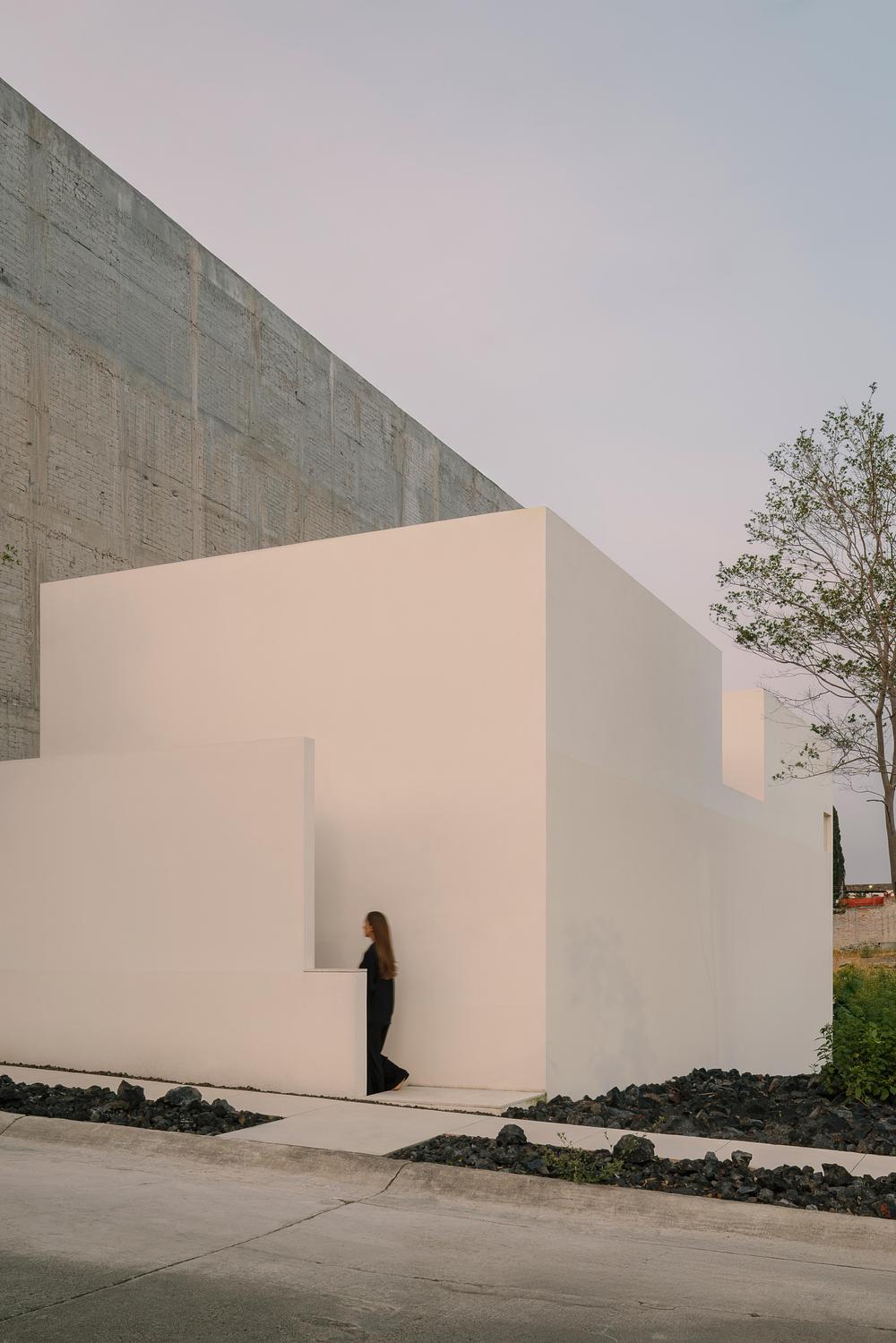
From the street, the house is a simple, closed box. It looks like a heavy stone dropped into the city. It doesn’t shout for attention. But once you step inside, that solid exterior reveals itself as a protective shell for something much softer. The entrance itself is a deliberate act of humility; rather than climbing up into a grand foyer, you step down into the home, a gesture that mimics bowing before entering a sacred space.
A garden that dictates the flow
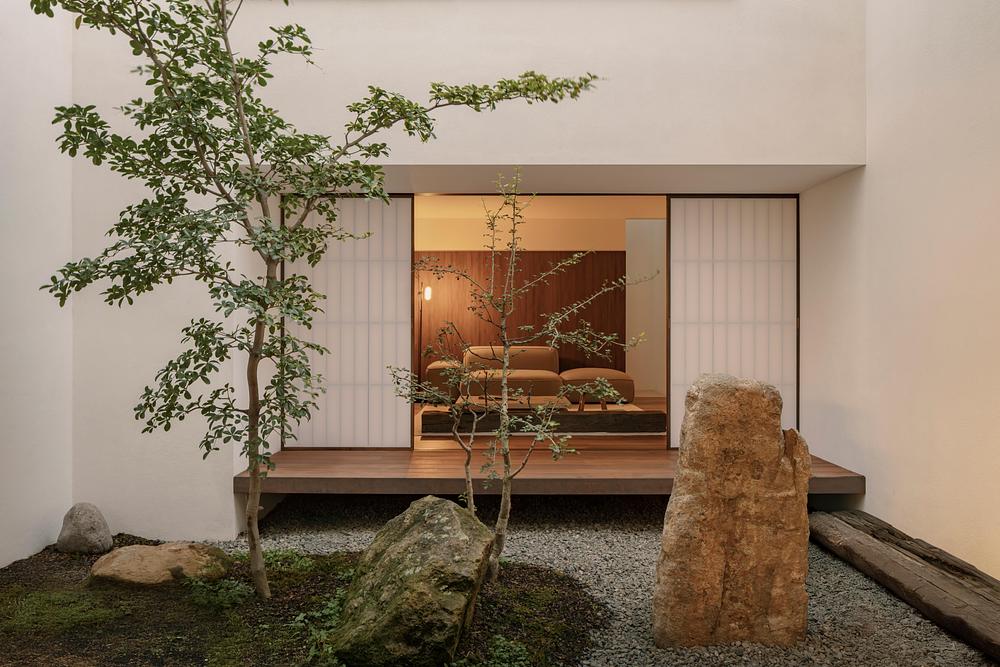
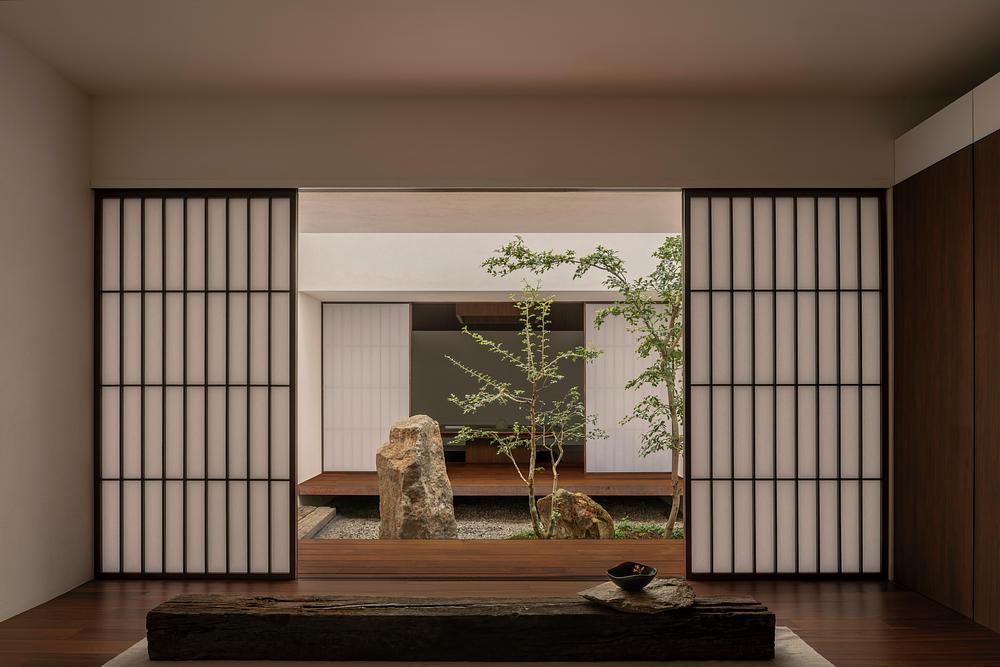
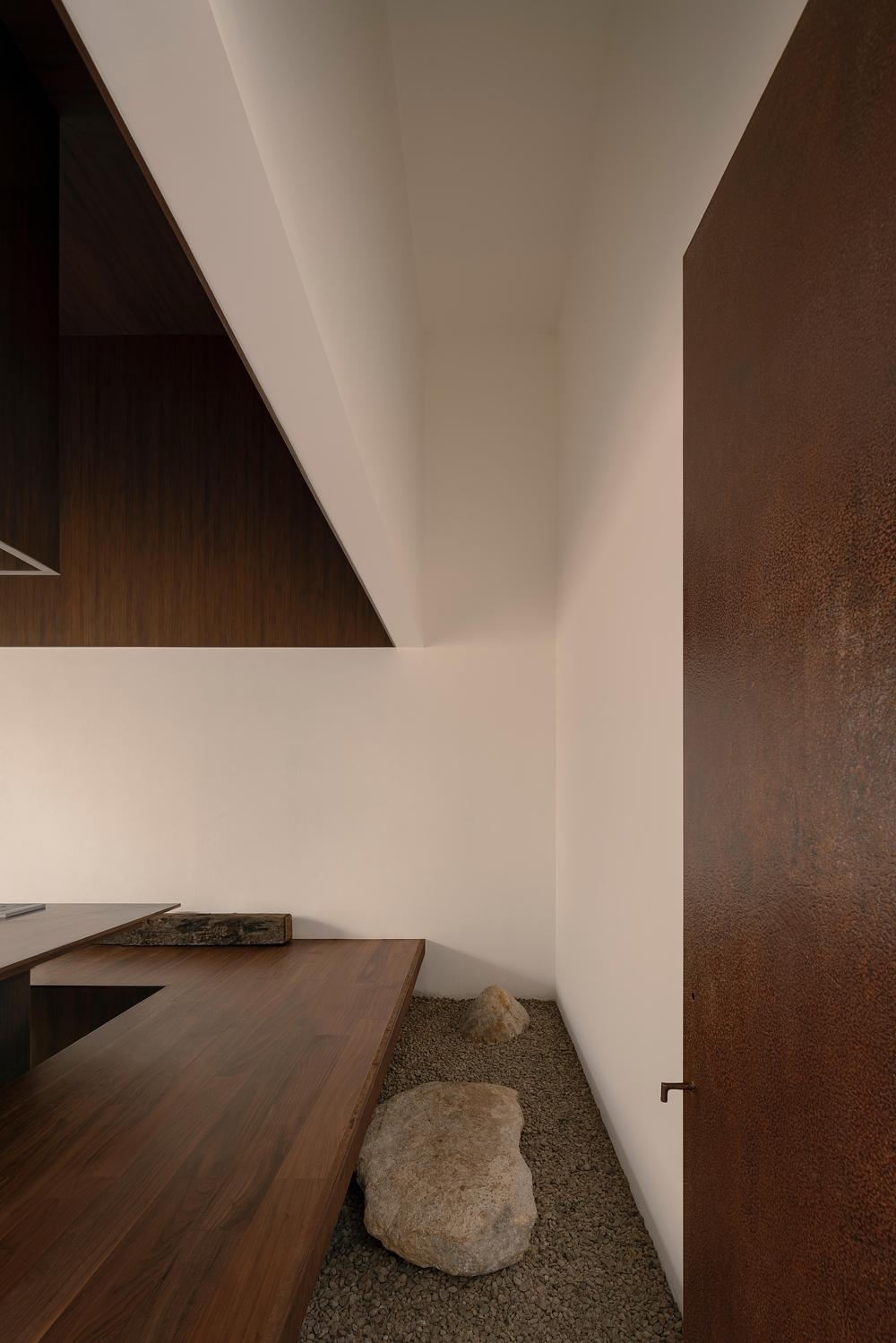
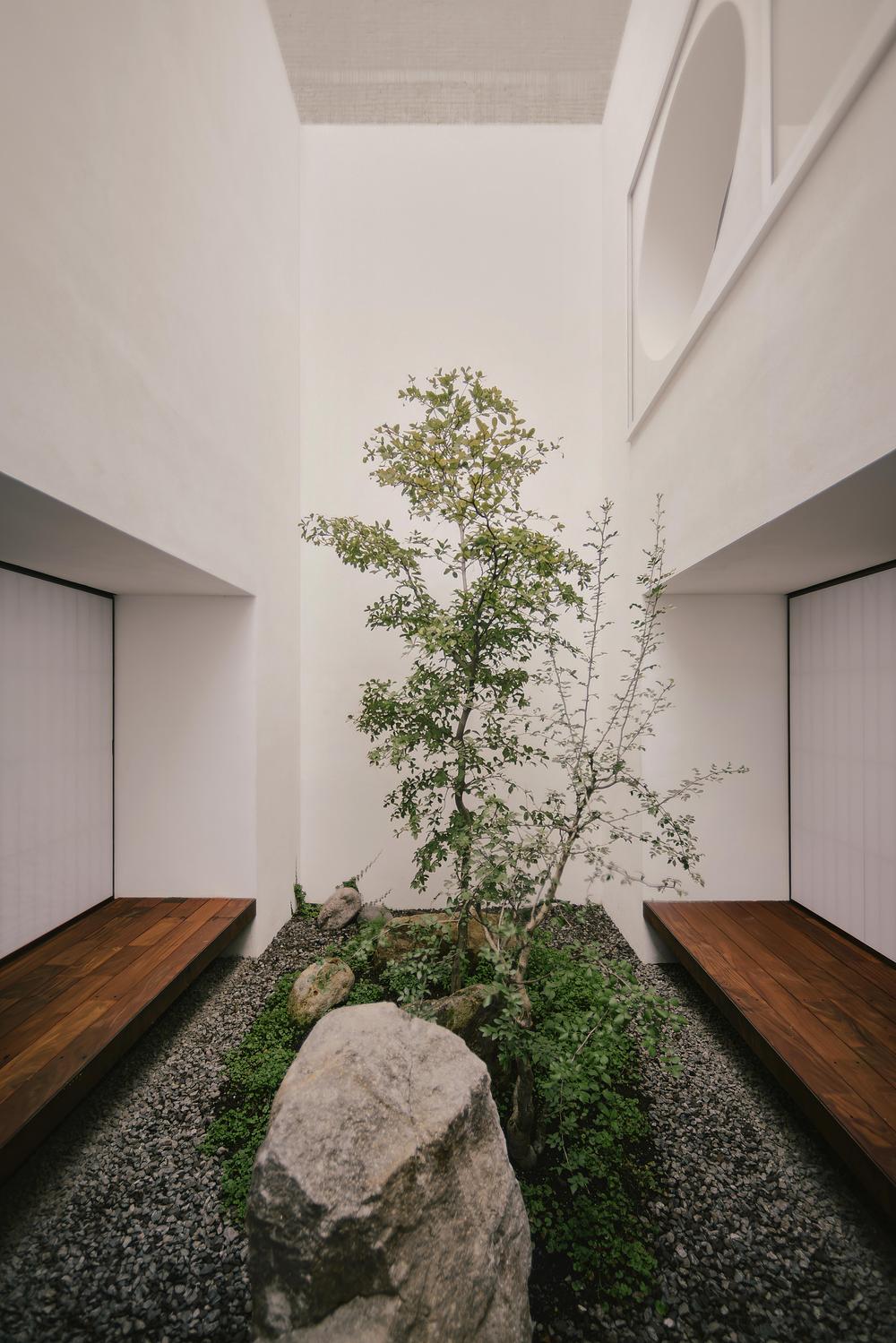
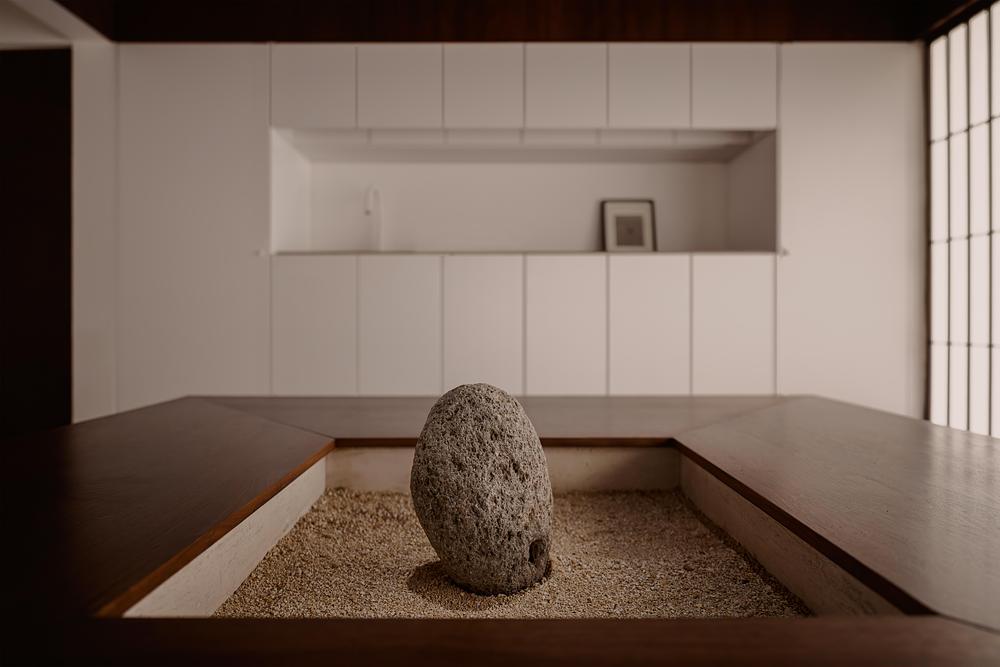
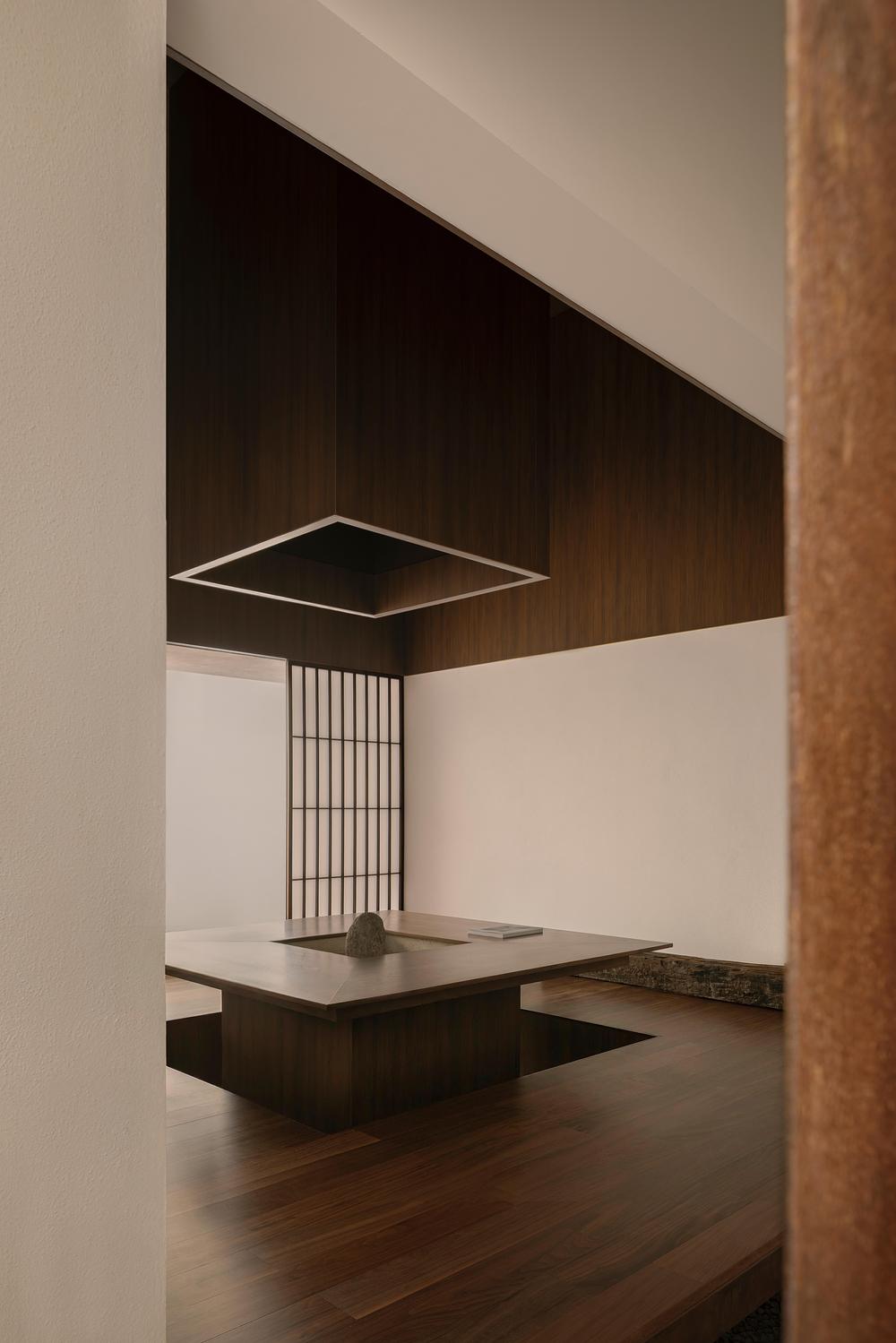
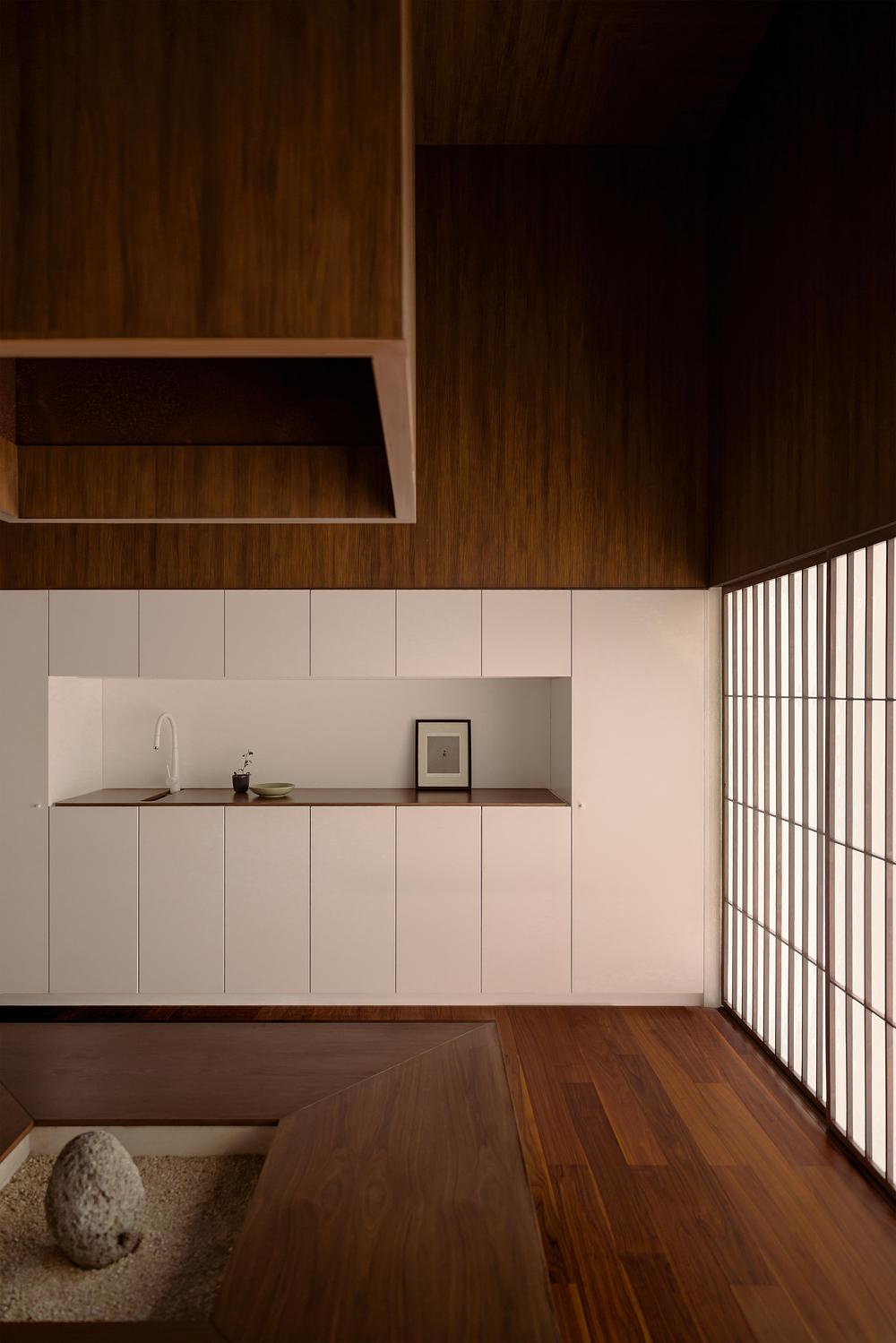
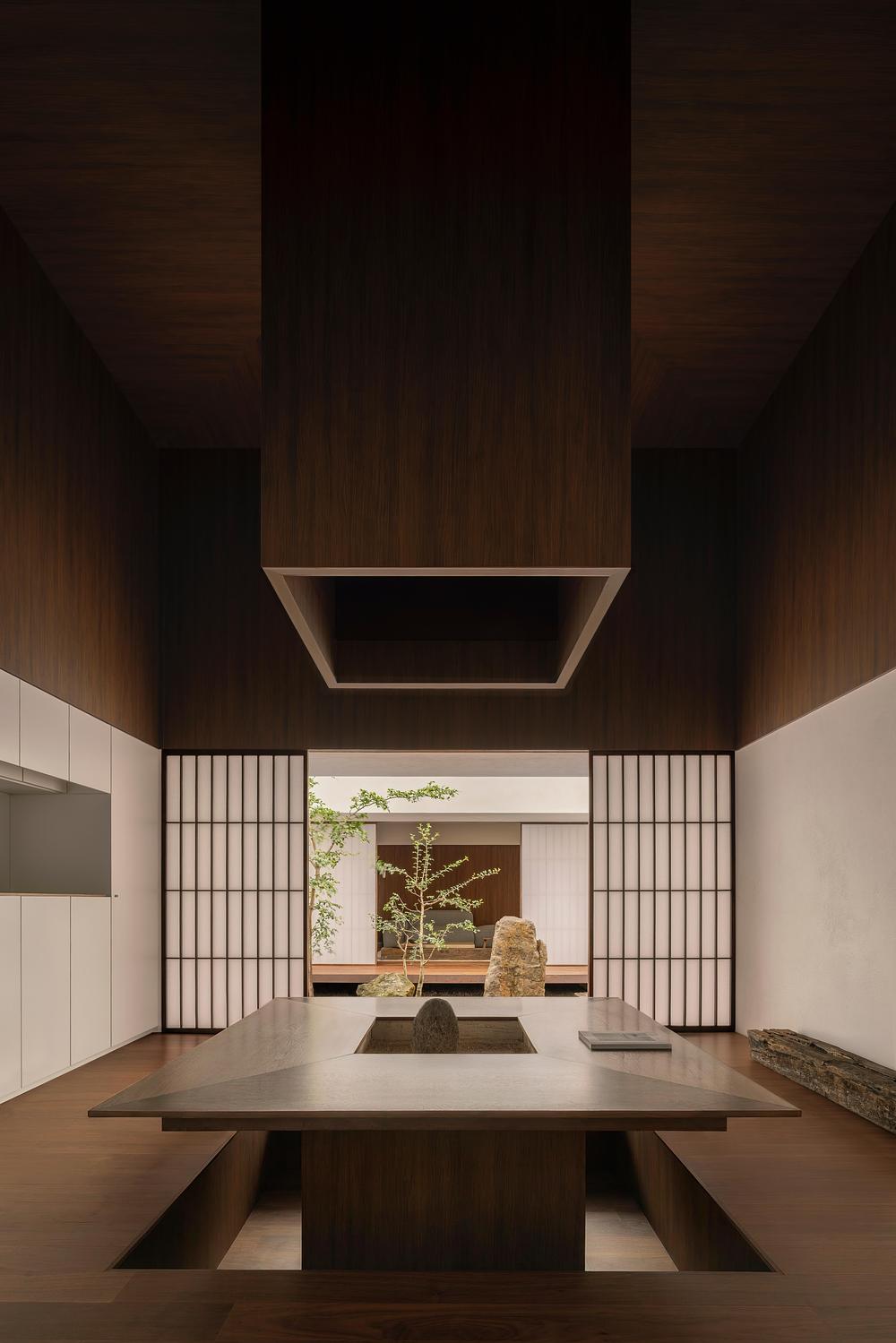
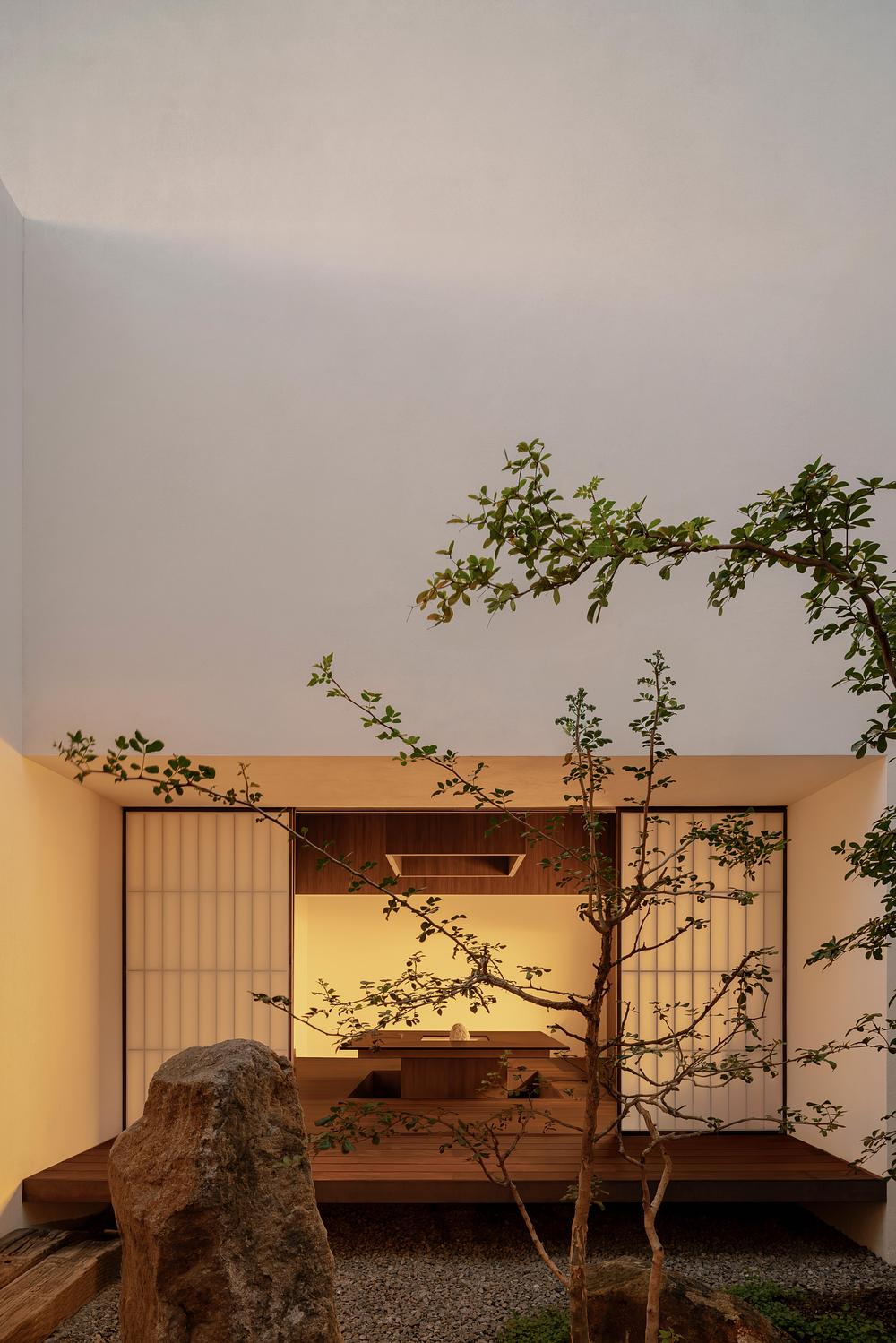
At the heart of the Kehai House is a stone garden inspired by the temples of Kyoto. It’s not a place to walk, but a place to look at. Two wooden platforms float over a bed of grey gravel, serving as pauses in the daily routine. The garden is the engine of the house, and the rooms move around it like satellites.
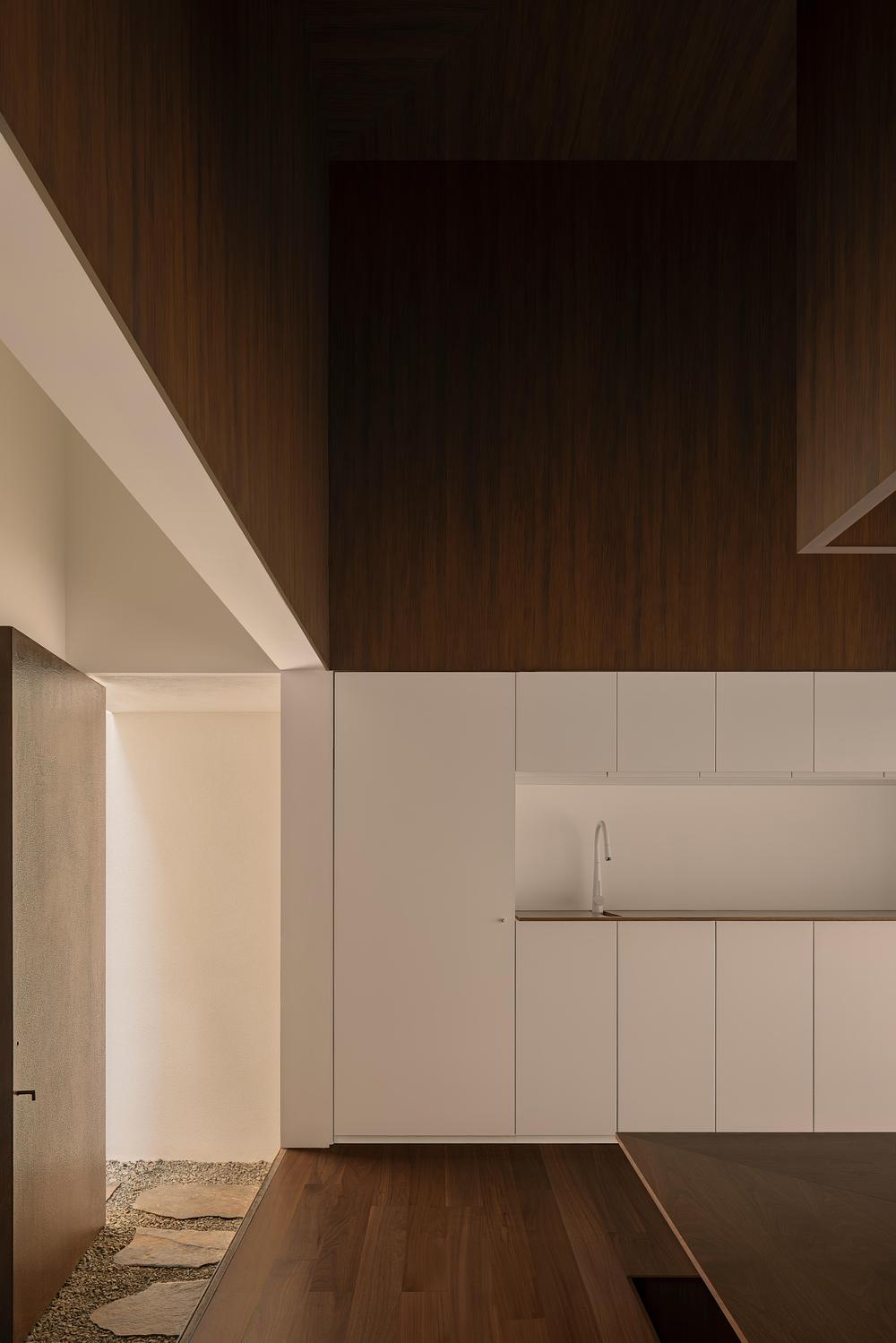
Interestingly, the architect chose to leave the path between the kitchen and the living room open to the elements. There is no roofed walkway connecting the two. Bores explains the reasoning behind this choice:
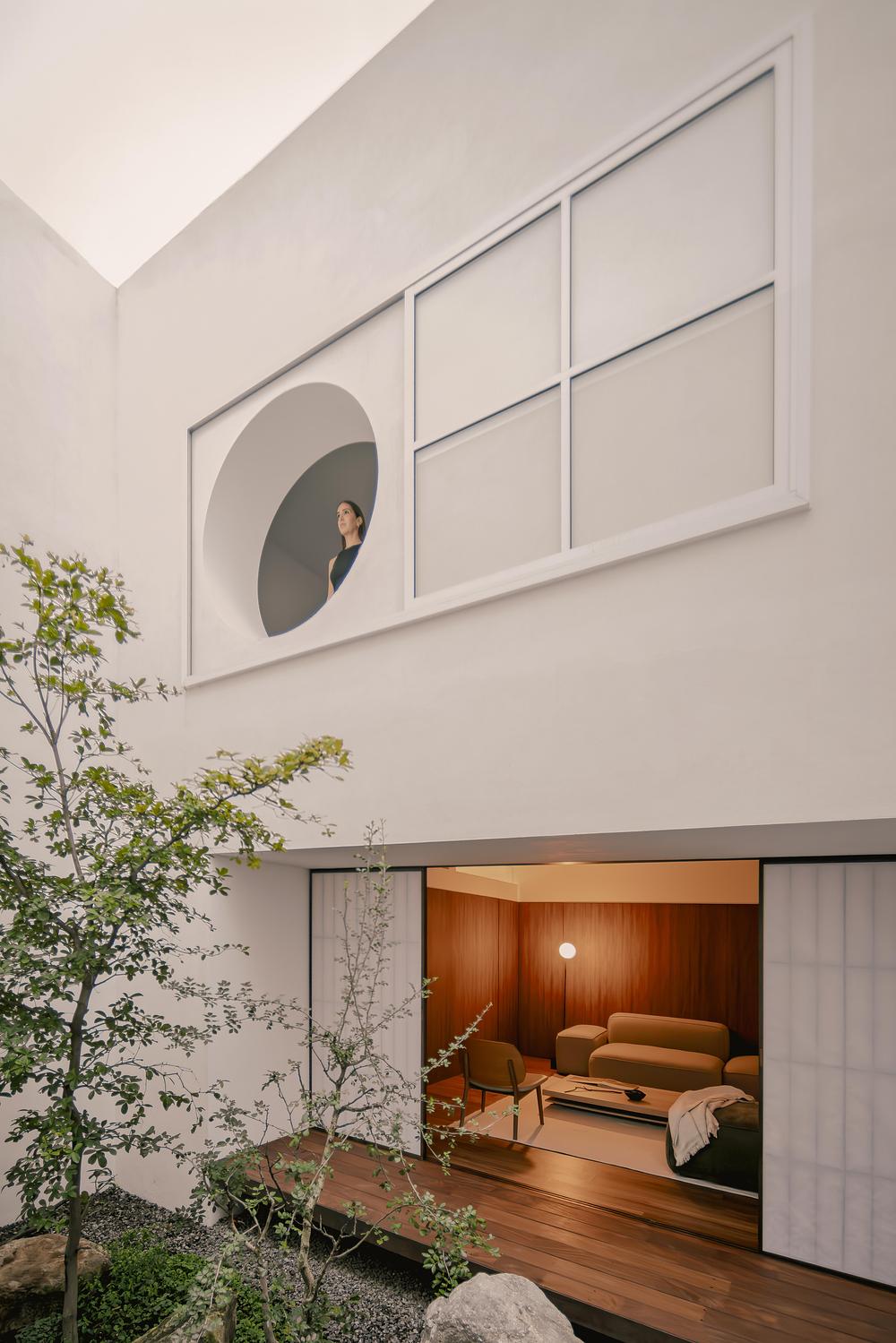
“To go from the living room to the dining area—if it’s raining—you get wet… or you wait for the rain to stop. Architecture here does not protect from the world: it reconciles you with it.”
This connection to the weather is a core part of the design. The house doesn’t try to hide the outside world; it asks the person living there to notice it.
Lighting and the absence of glass
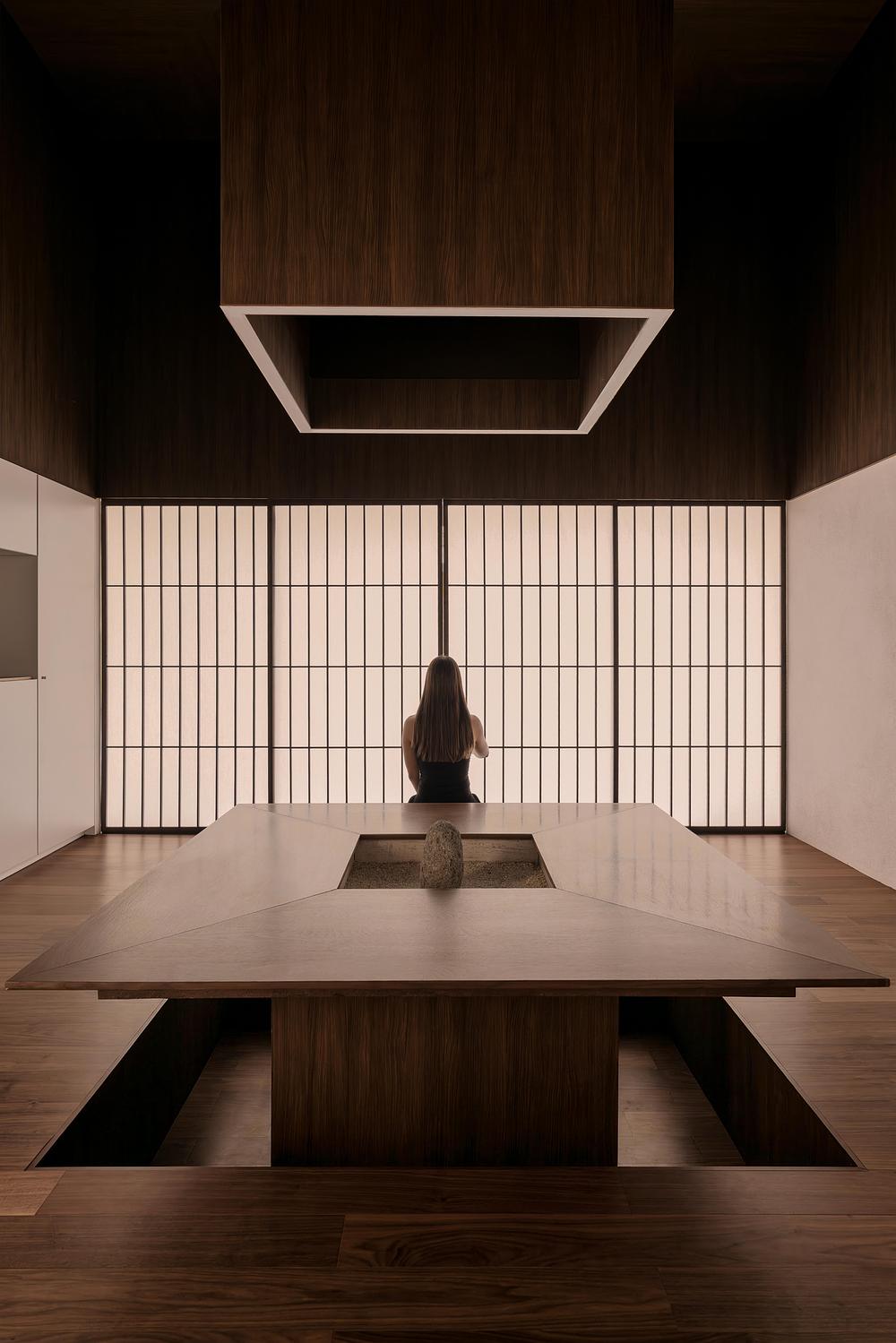
While most modern homes use large glass walls to connect with the outdoors, the Kehai House is almost entirely without glass. Instead, it uses shōji doors made of rice paper. These traditional Japanese screens act as a filter, turning harsh daylight into a soft, slow glow. In this house, shadows are treated with as much respect as light.
The layout is stripped back to the basics. On one side sits a double-height kitchen and dining area. A large volume hangs above the cooking space to catch smoke, a practical addition for a future where city utilities might not be guaranteed. On the other side is the living room, designed for sitting and thinking.
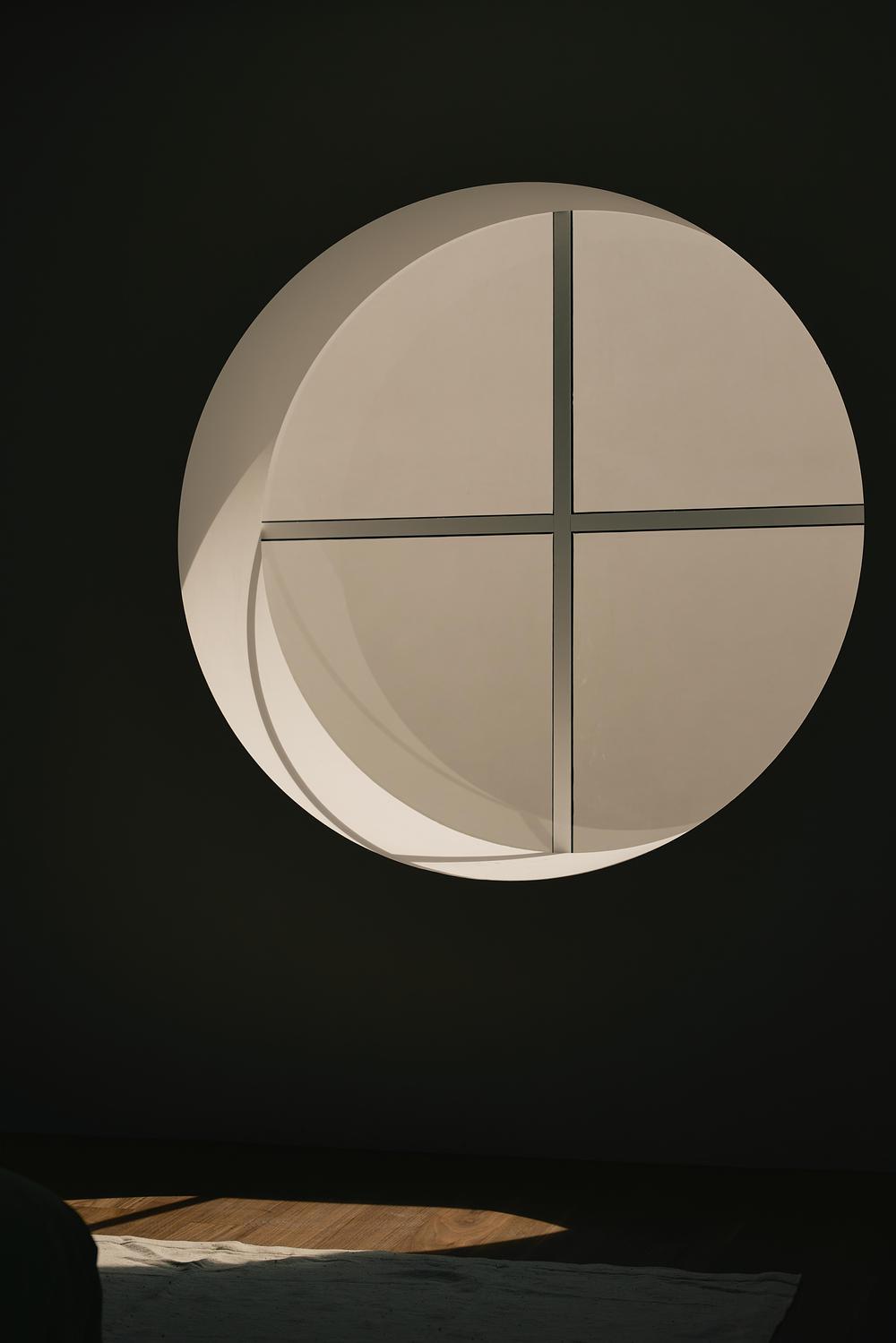
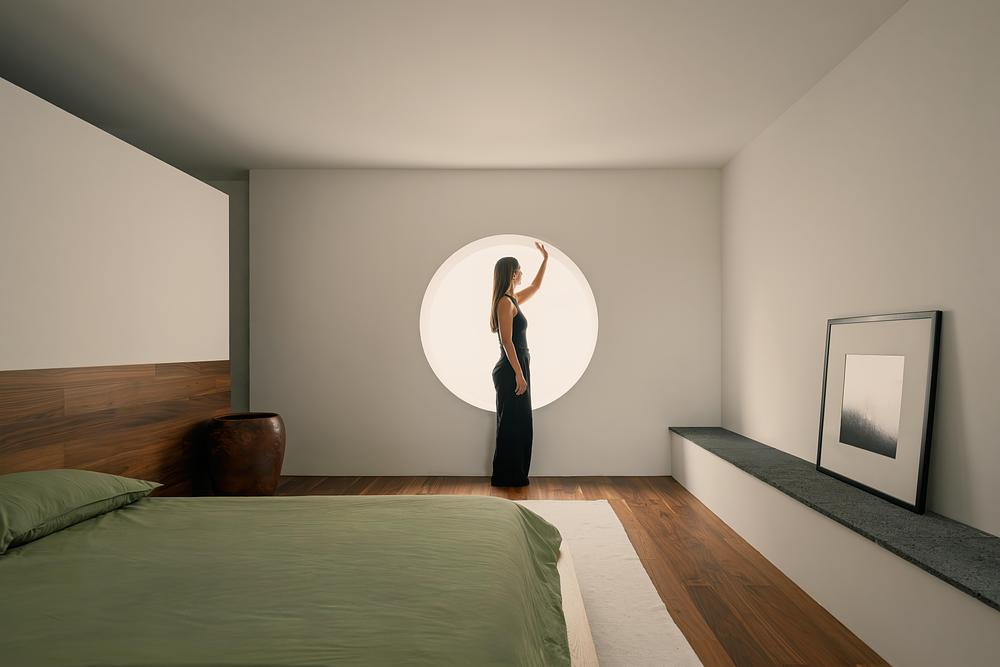
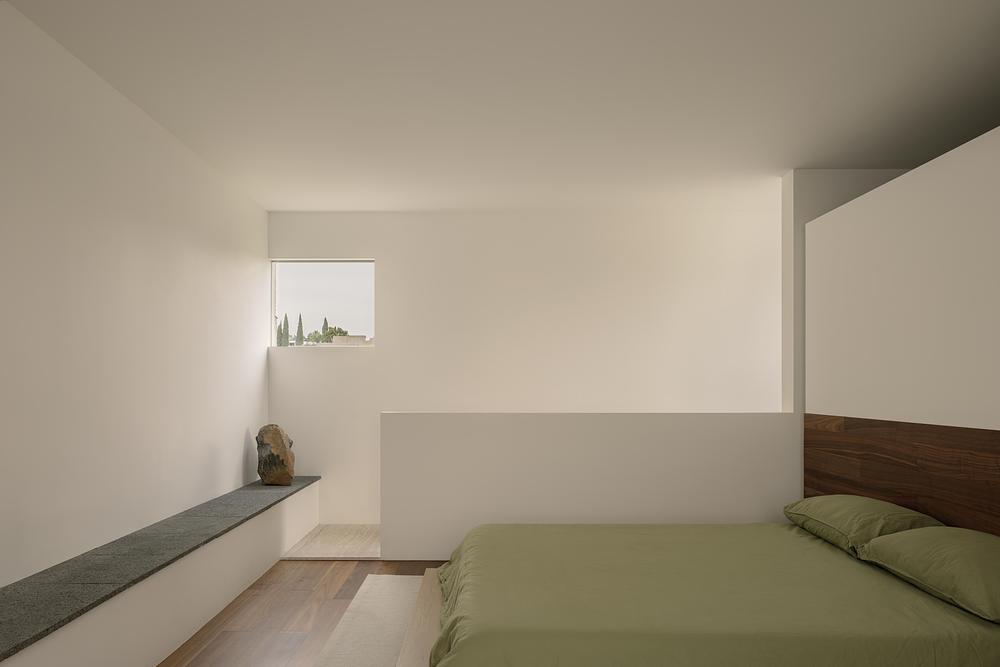
The private quarters are tucked away above the main floor. The bedroom is a tiny, quiet space with only one circular window. This window looks out onto the leaves of a single tree planted in the centre of the garden, acting as a focused eye on the only bit of nature that truly matters in that moment.
Finding beauty in the imperfect
The Kehai House ignores the usual architectural goals of being “timeless” or “perfect.” It embraces the Japanese idea that beauty is found in things that are unfinished or about to fade away. By using simple materials and avoiding unnecessary corridors, the house feels honest. It was built to stand in silence and carry the weight of a simple life.
The Kehai House shows that good design doesn’t require a massive budget or complex technology. HW Studio has created a home that feels like a sanctuary, asking its inhabitants to slow down, to get wet in the rain, and to find value in the empty spaces. It is a brave piece of architecture that proves sometimes, the less you have, the more you see.
Project info
Architects: HW STUDIO
Location: Morelia, Michoacán, México
Leads Architects: Rogelio Vallejo Bores
Architects: Oscar Didier Ascencio Castro & Nik Zaret Cervantes Ordaz
Structural Engineer: Abdiel Nuñez Gaona
Construction company: Alberto Gallegos Negrete (Grupo GAPSE)
Photography: César Béjar, Gustavo Quiroz
Source: v2com newswire