



Header: MDF25, Courtesy of Madrid Design Festival and La Fábrica
The ninth edition of Madrid Design Festival, organised by La Fábrica, will once again turn the city into a major international stage for design between 5 February and mid-March 2026. The festival reaffirms its vocation as a platform that promotes design as an essential tool for transforming processes, systems, and ways of life, with a broad outlook that encompasses industry, craft, innovation, the economy, and everyday life.
Under the theme “Redesigning the World”, the MDF26 programme is structured around four dimensions that define the value of design:
- Responsibility, as the capacity to address real needs and respond to contemporary challenges.
- Transcendence, which allows each design decision to leave a lasting mark on how we inhabit the world.
- Impact, which shows how design transforms environments, economies and social structures.
- Transmission, which underlines the link between generations and the continuity of knowledge.
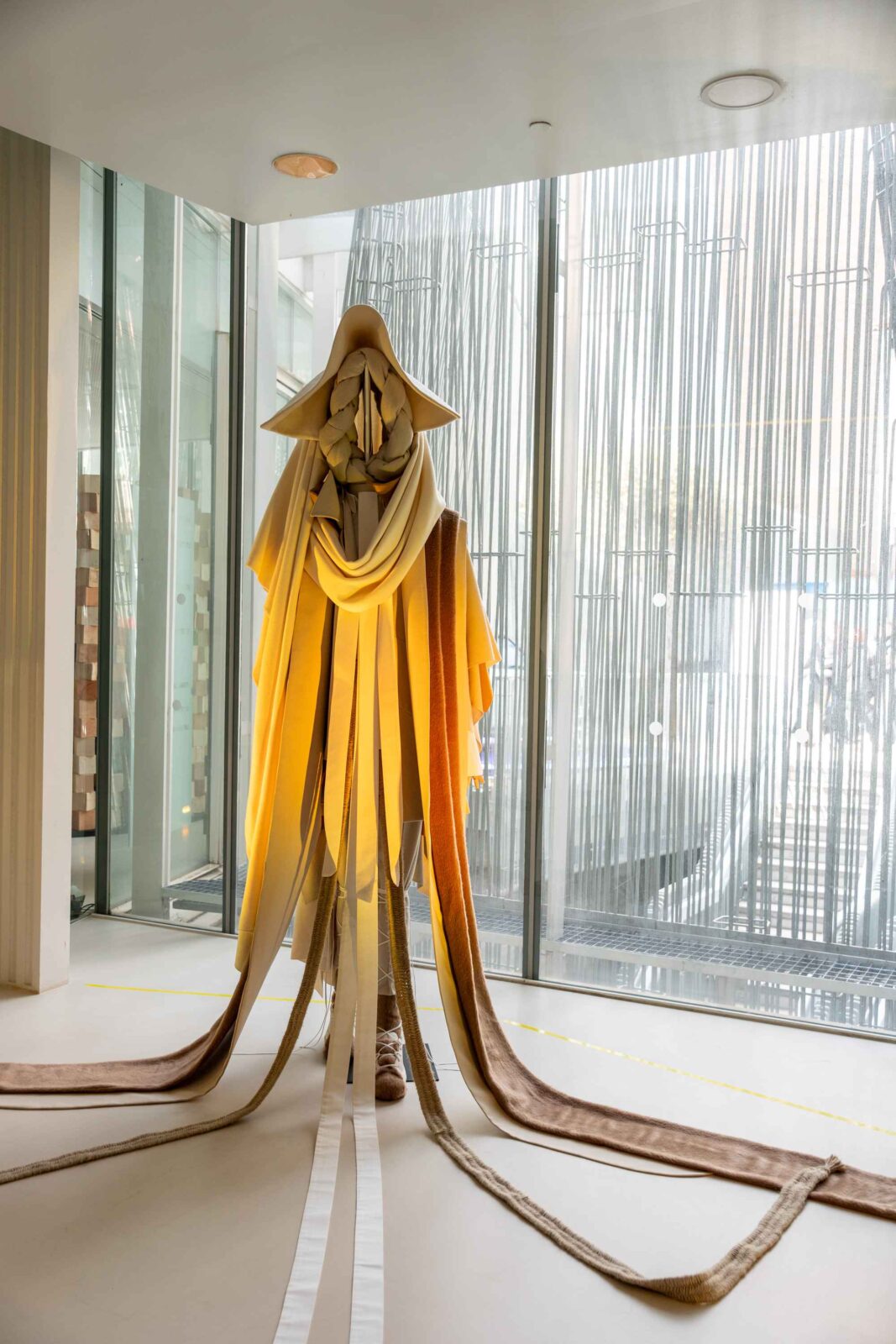
Photo credit: Courtesy of Madrid Design Festival and La Fábrica
Photo credit: Courtesy of Madrid Design Festival and La Fábrica
The MDF26 programme will address bio-design and biotechnology, traceability and new-generation alternative materials, circular economy and mobility, as well as how this discipline contributes to improving our models of relationship. The social and community dimension will also have its place, along with craft understood as a territory where identity, culture and material heritage are interwoven, showcasing exemplary practices both inside and outside Spain.
This edition of the Madrid Design Festival will feature names such as Patricia Urquiola, Enorme Studio, and Héctor Serrano (National Design Award 2025), plus designers such as Pau Aleikum and Petra Janssen, references in social and community design.
“Design is much more than a hallmark of Madrid. It is part of its nature. Over the years, at Madrid Design Festival we have devoted ourselves to showcasing the best of international design, to asserting the place of our city and our country on the map, and to projecting the richness of a unique creative ecosystem that is continuously redesigning, from multiple perspectives, a formidable city.”
Álvaro Matías, Director of Madrid Design Festival
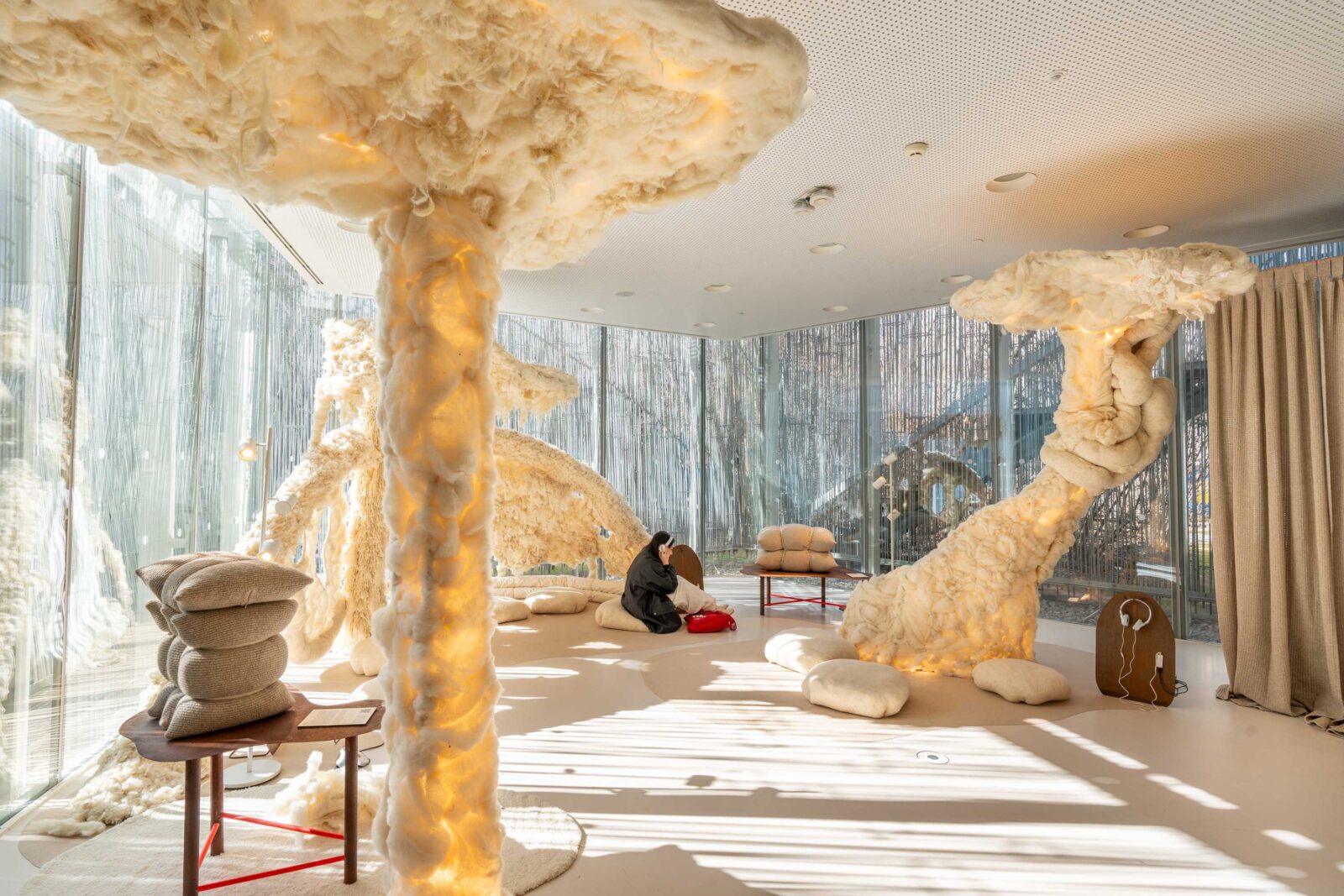
Photo credit: Courtesy of Madrid Design Festival and La Fábrica
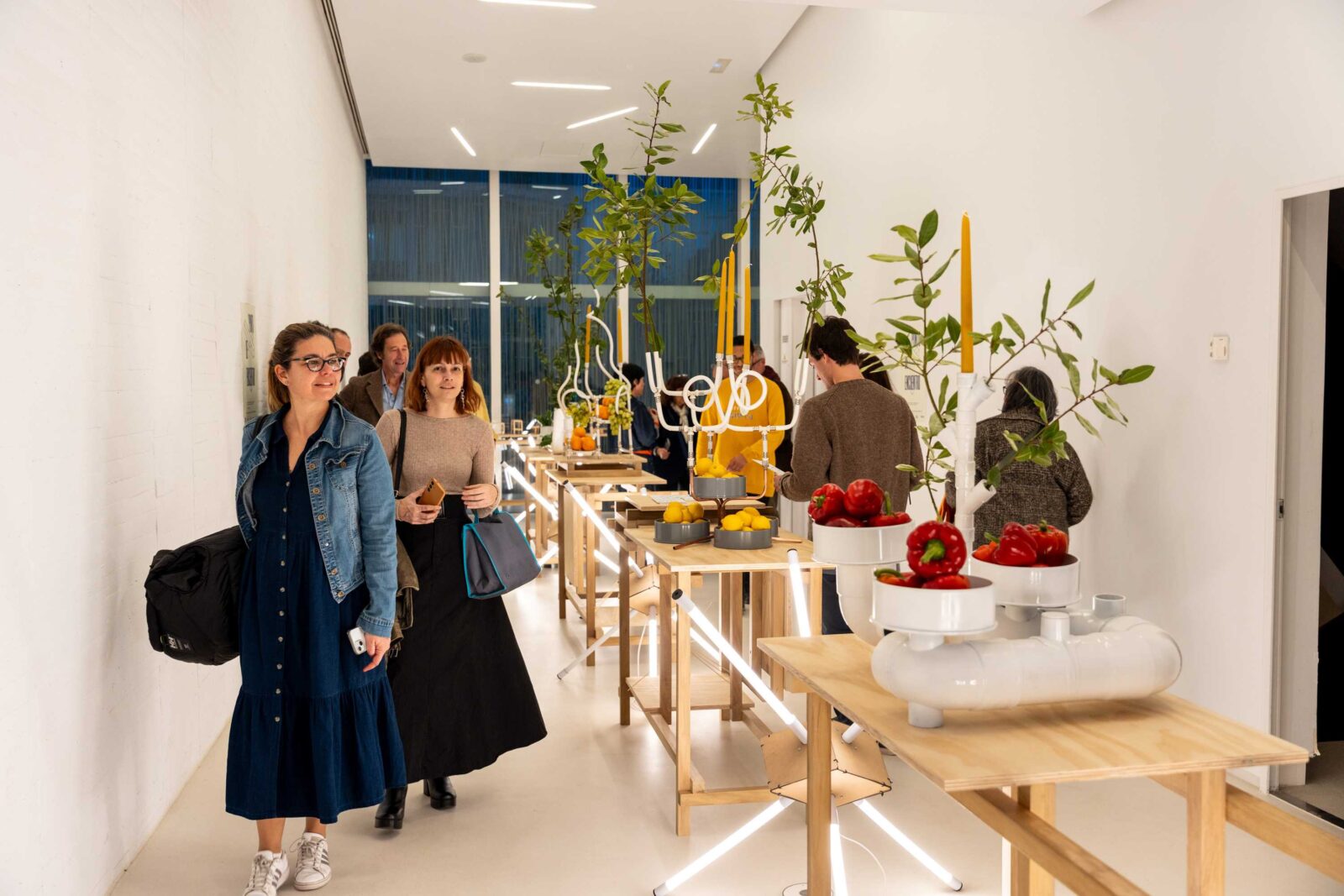
Photo credit: Courtesy of Madrid Design Festival and La Fábrica
The new feature of this edition: FORMA Design Fair
This year, Madrid Design Festival presents FORMA Design Fair, the first Spanish fair devoted to collectible design. It will be held from 4 to 8 March and will open up a professional space aimed at strengthening the sector’s economic value, generating opportunities for designers, studios, brands and galleries, and consolidating Madrid as a key destination for contemporary design.
The fair, curated by Antonio Luna and Emerio Arena, will bring together a carefully selected group of agents in collectible design and feature a professional programme called (Per)FORMA. Furthermore, the first edition of FORMA will host a curated selection of studios, galleries, brands, designers, and publishers representing some of the most stimulating voices in contemporary collectible design.
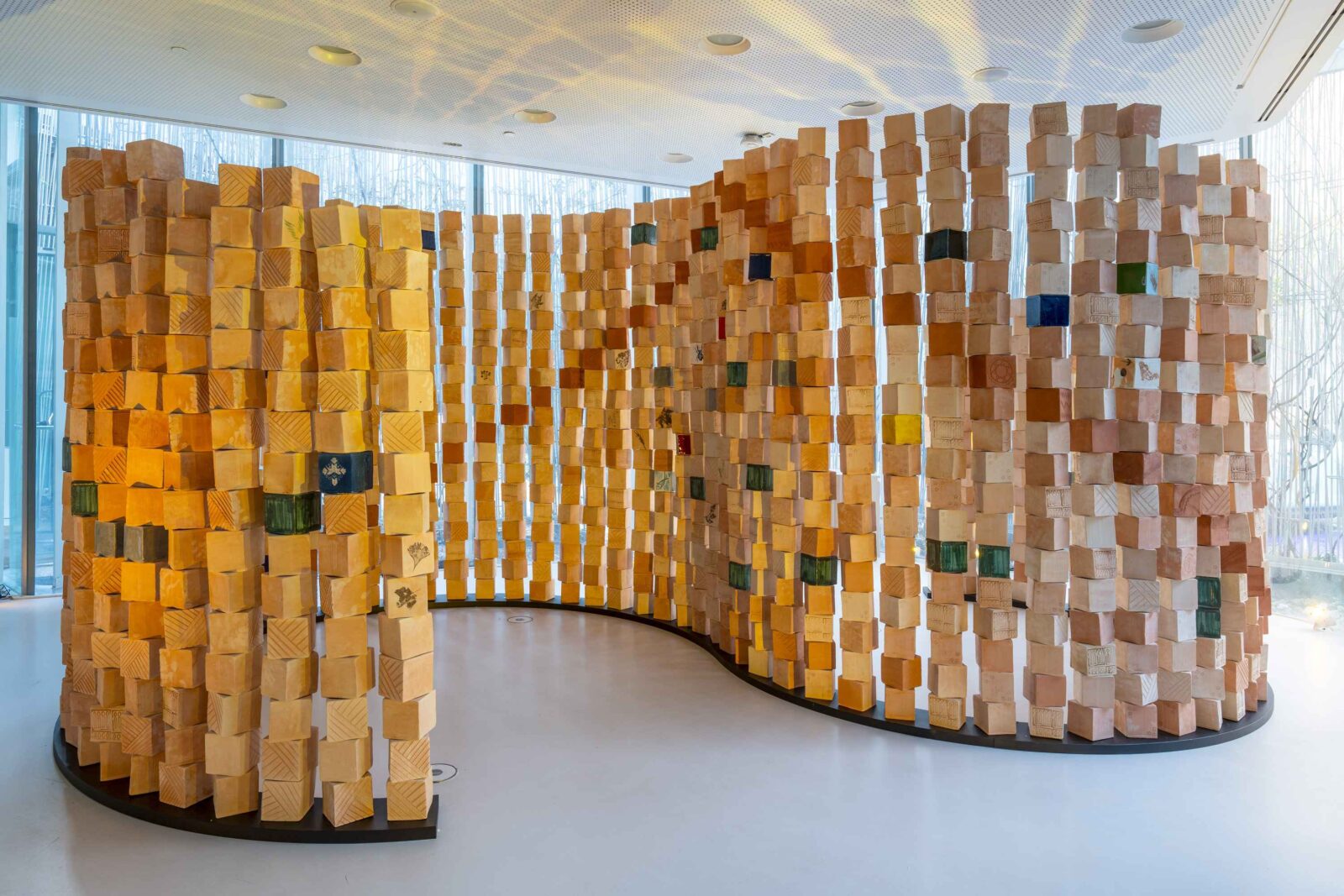
Photo credit: Courtesy of Madrid Design Festival and La Fábrica
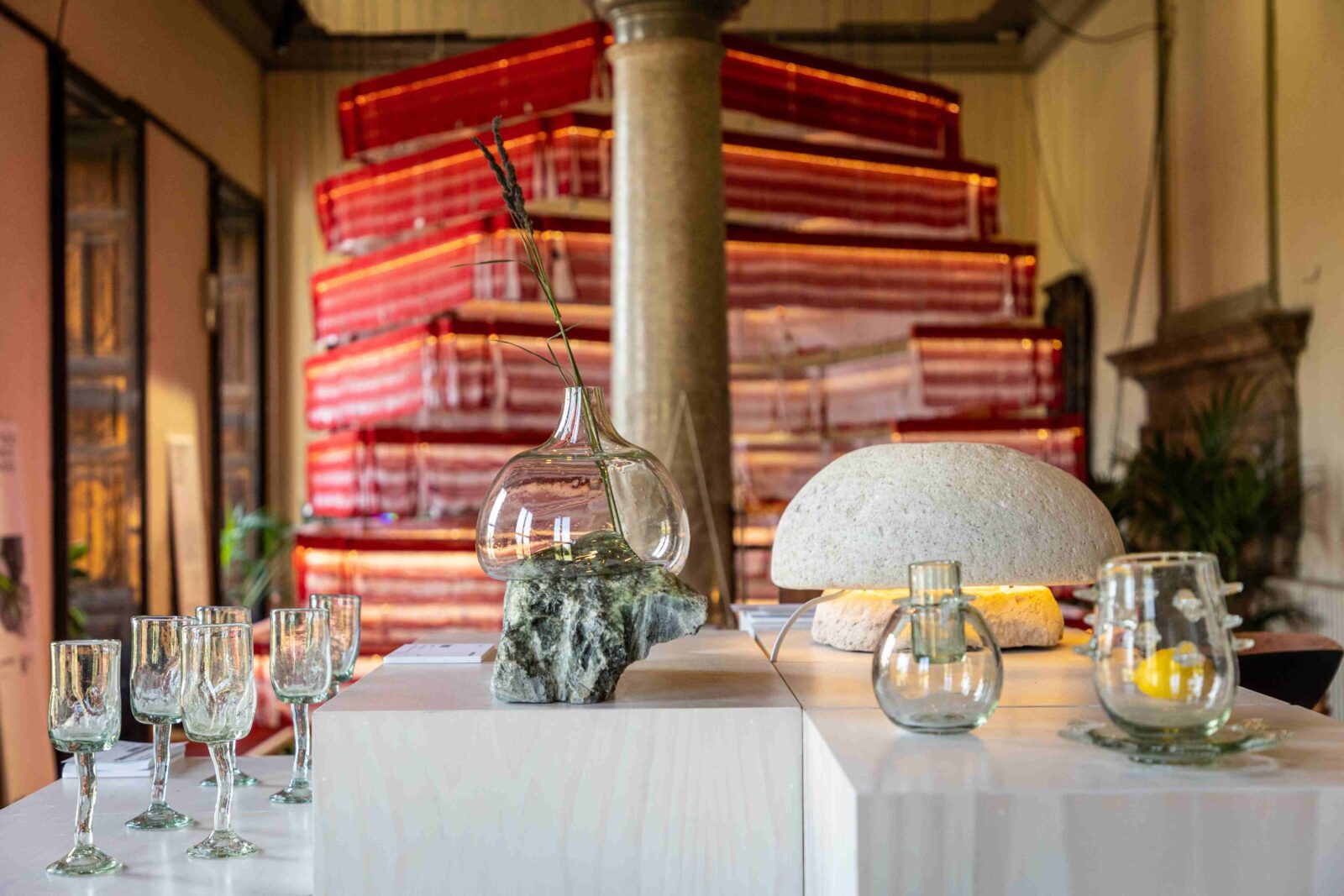
Photo credit: Courtesy of Madrid Design Festival and La Fábrica
Exhibition programme: André Ricard, Mediterranean design, and Guatemala in the spotlight
This edition’s exhibition programme again focuses on some of the leading figures in the history of design in Spain, with three exhibitions that can be visited from 5 February to 3 May at Teatro Fernán Gómez. Centro Cultural de la Villa.
The retrospective “André Ricard. Design in Use” is curated by Marian Povedano and Arnau Pascual and produced by La Fábrica and Disseny Hub Barcelona, in collaboration with FAD and with the support of AC Marca and Tatay. The exhibition covers more than six decades of work by André Ricard, a key figure in industrial design in Spain and winner of the 2025 Madrid Design Award, through his most emblematic pieces, his thought processes and his influence on the evolution of Spanish design.
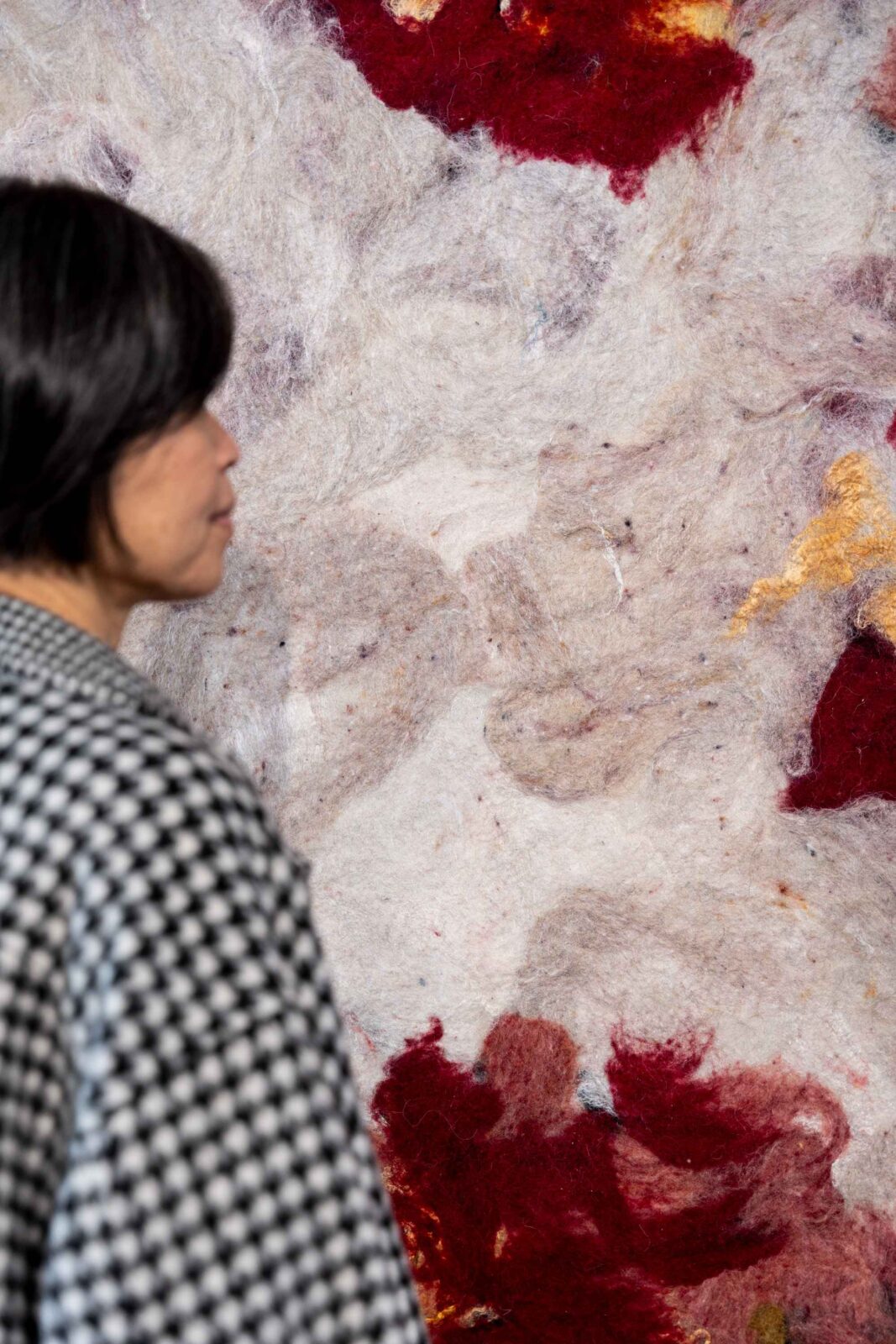
Photo credit: Courtesy of Madrid Design Festival and La Fábrica
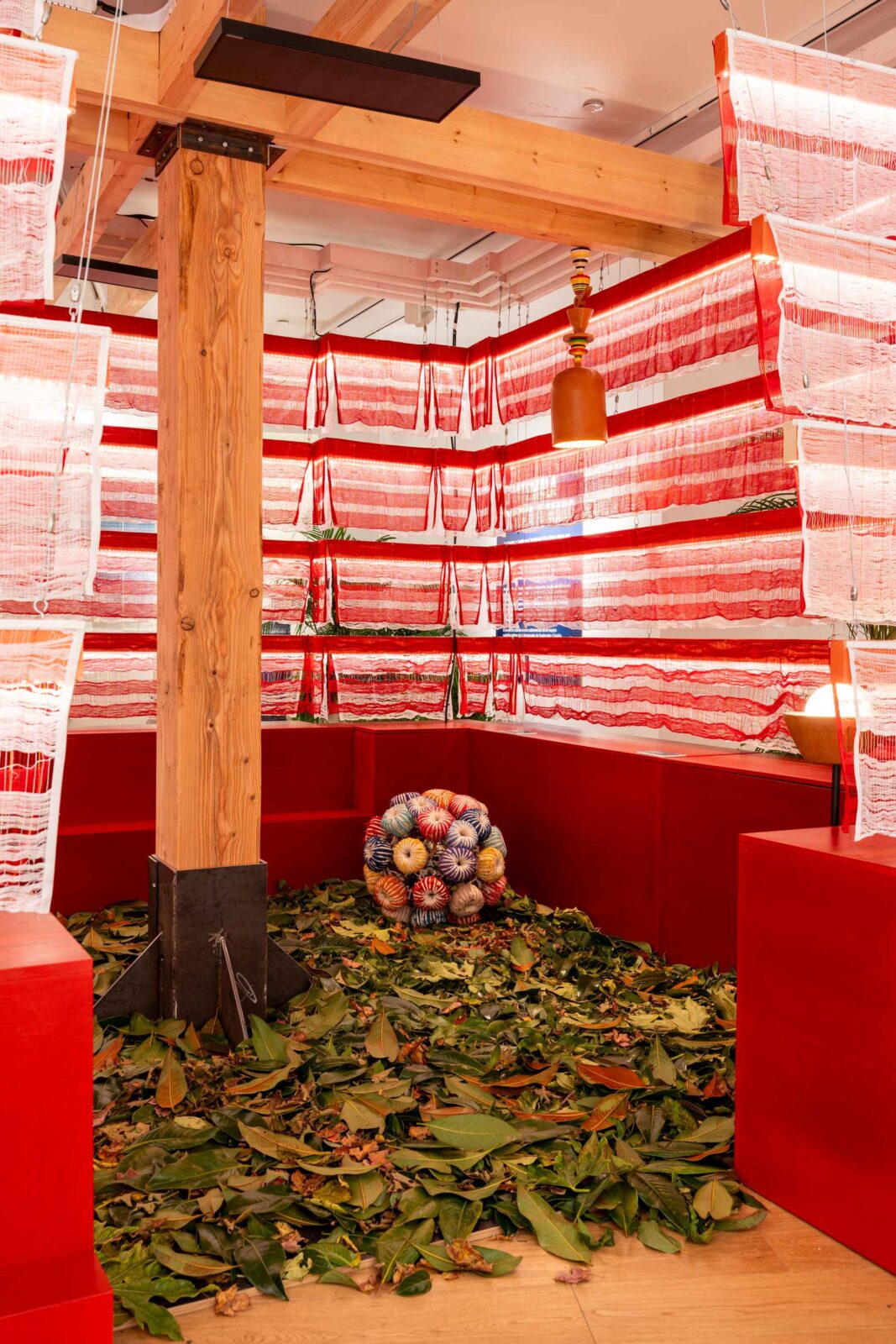
Photo credit: Courtesy of Madrid Design Festival and La Fábrica
Mariona Rubio is the curator of the collective exhibition “Mediterranean Manifesto”, co-produced by Madrid Design Festival and Cosentino. The exhibition brings together more than thirty artists and designers to trace a journey through the cultural, material and environmental memory of the Mediterranean. There, the Mediterranean heritage will be reinterpreted and projected towards more conscious and sustainable ways of life. At the same time, it underlines the current fragility of the sea, threatened by pollution, mass tourism and industrial pressure, and issues a call for its protection.
Guatemala is this edition’s guest country and will present an exhibition entirely dedicated to the country’s contemporary textile design. Conceived by Idonika, with architecture by Amarillo Studio and curated by Emiliano Valdés for the Guatemalan Tourism Institute (INGUAT), the exhibition brings together a selection of pieces created using traditional techniques that reveal the extraordinary technical, symbolic, and aesthetic diversity of Mayan textiles.
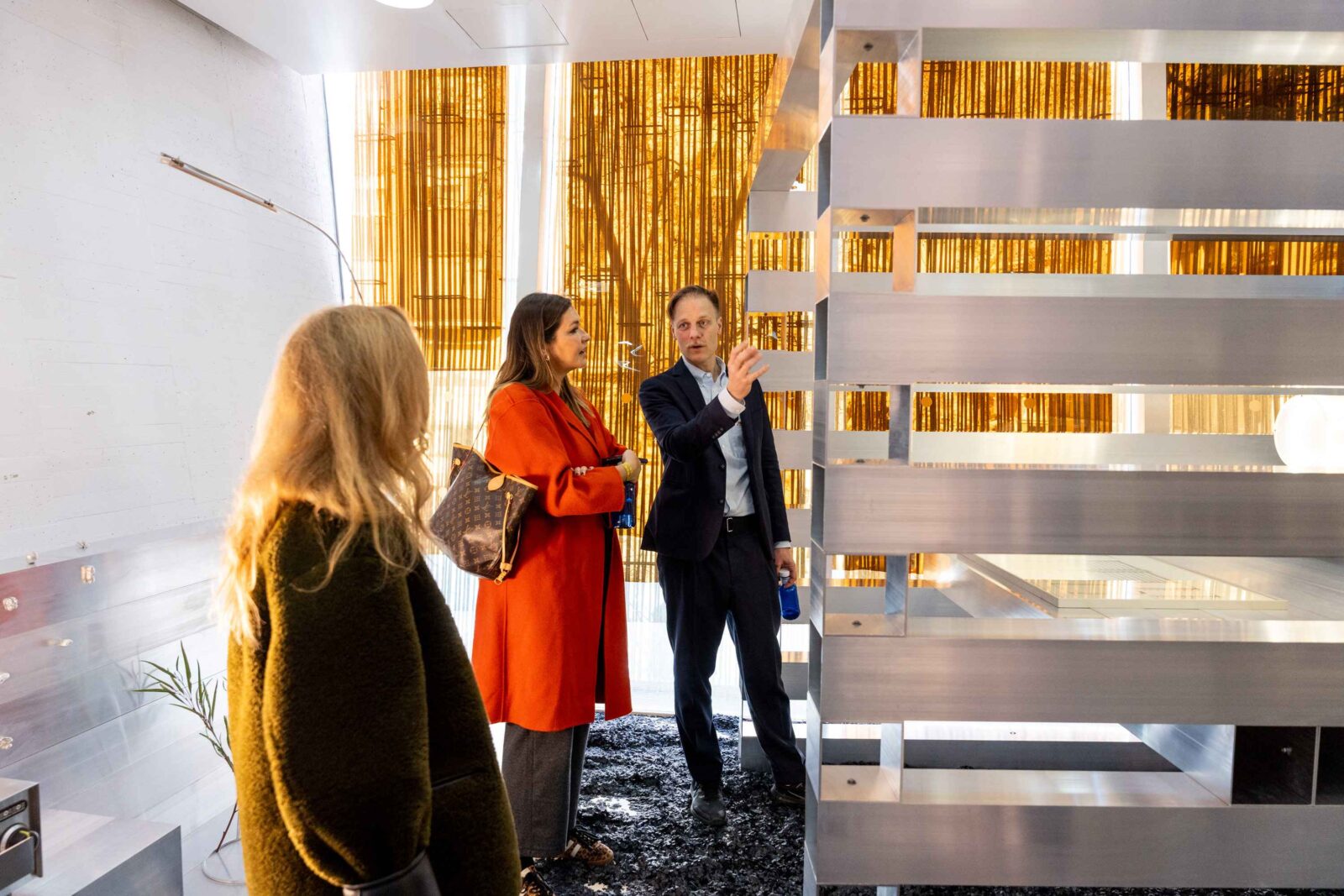
Photo credit: Courtesy of Madrid Design Festival and La Fábrica
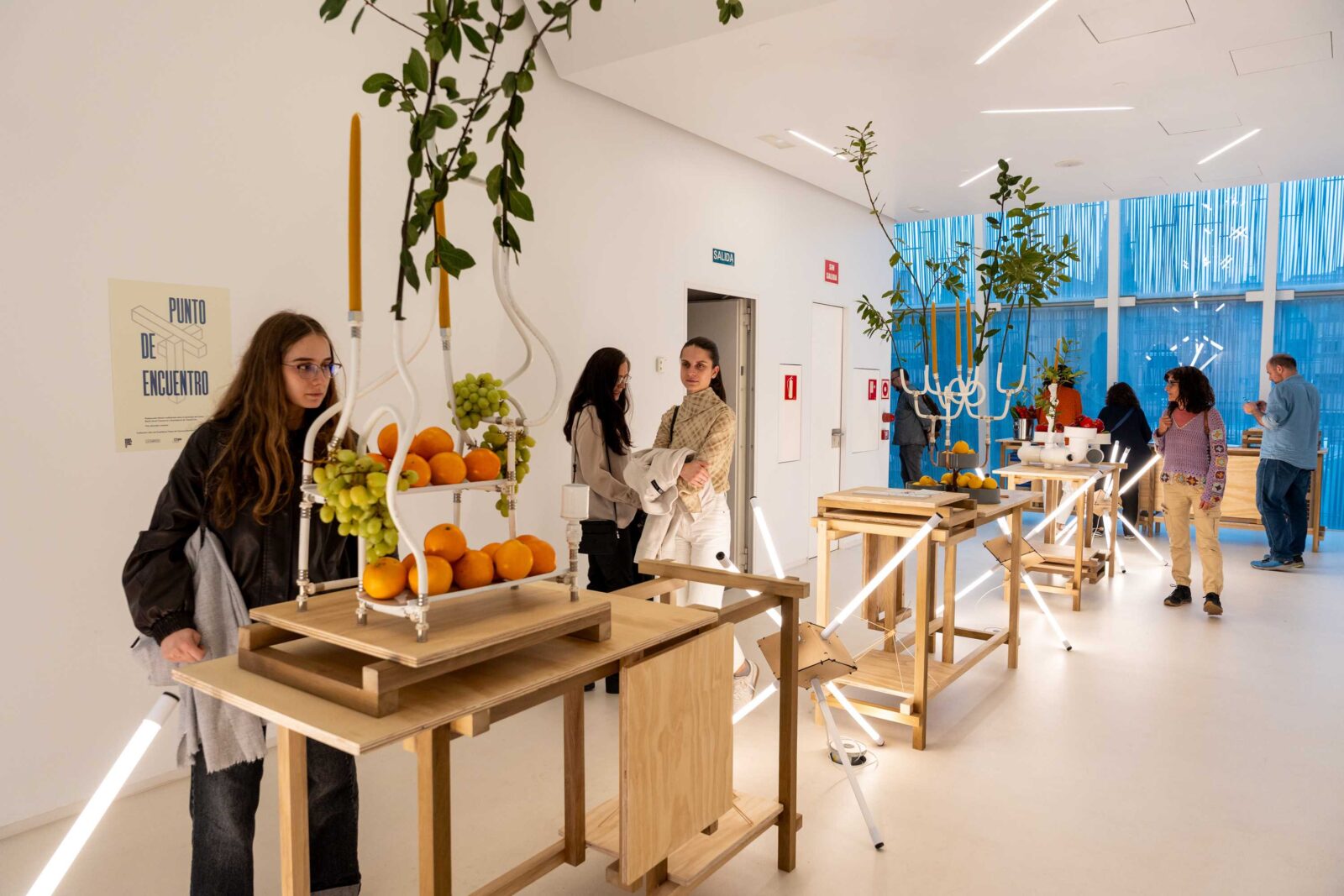
Photo credit: Courtesy of Madrid Design Festival and La Fábrica
Fiesta Design, the most participatory axis of the festival
Fiesta Design is an open space where design is experienced directly throughinstallations, workshops, and presentations. From 12 to 22 February, the Institución Libre de Enseñanza (ILE) will bring together projects that showcase the breadth of contemporary design and its capacity to connect creativity, research, and everyday life.
Some of this edition’s key exhibitions, among others, are:
- Generational Relay, presented by Amazon and directed by Kavita Parmar, which focuses on the transmission of knowledge between generations and the continuity of crafts as living heritage.
- Castilla–La Mancha‘s intervention devoted to tinplate as part of the Expanded Matter project, designed by Tomás Alía, which reclaims this material as a symbol of identity and cultural legacy.
- Signus‘s, together with Gianluca Pugliese, show that transforms tyre noise into a space of silence and reflection on the life cycle of materials.
- Finsa‘s Forest Bath intervention by Enorme Studio and Álex Fenollar, an ephemeral garden that turns the archetype of the forest into a sensory space for rest.
Furthermore, design schools will enjoy a prominent presence, so visitors will be able to discover projects from IED Madrid, CEU Universities, and UDIT.
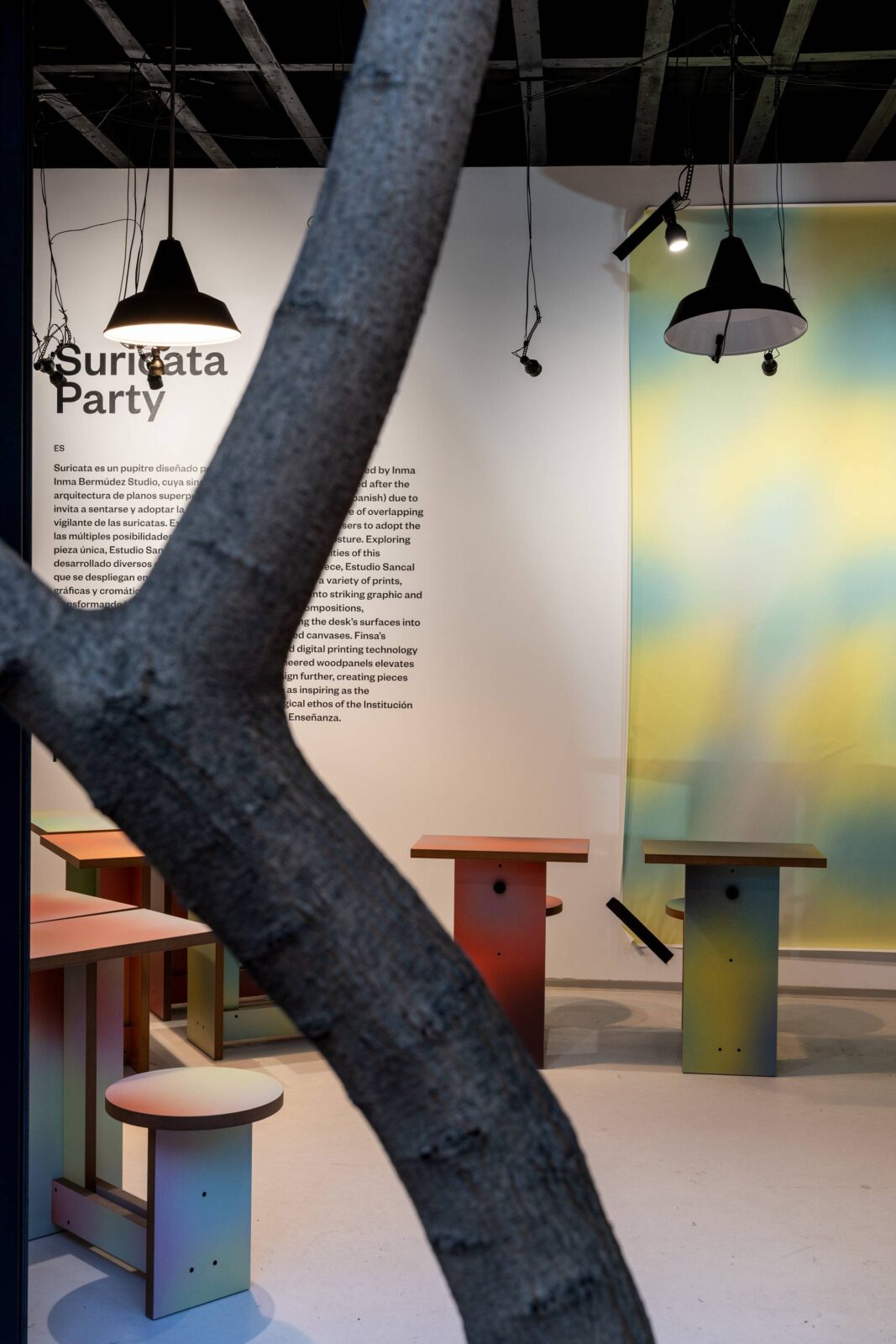
Photo credit: Courtesy of Madrid Design Festival and La Fábrica
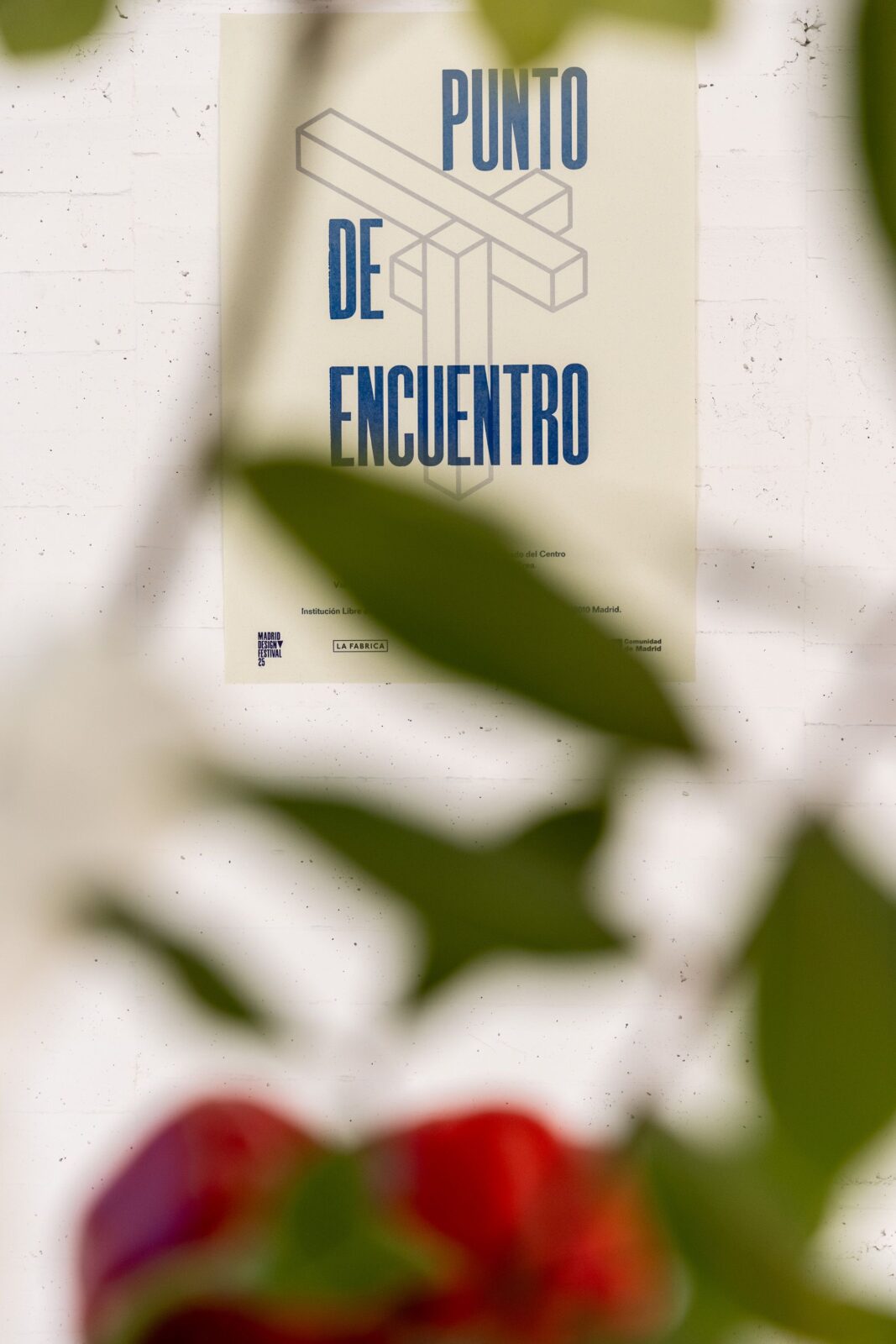
Photo credit: Courtesy of Madrid Design Festival and La Fábrica
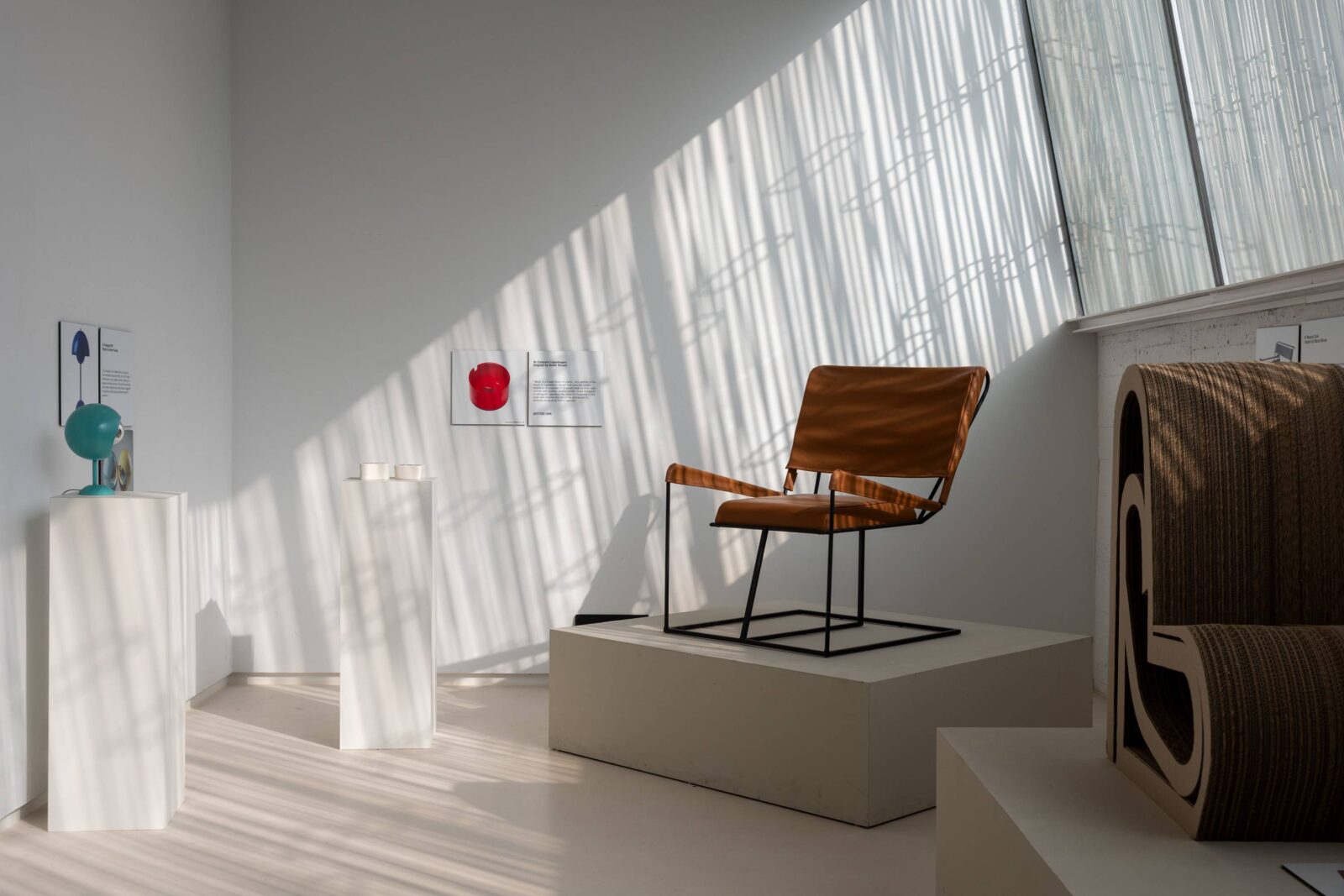
Photo credit: Courtesy of Madrid Design Festival and La Fábrica
Madrid Design PRO
The Madrid Design PRO programme will once again bring together national and international professionals to share knowledge, methodologies, and case studies that strengthen the professional network. These sessions provide a contemporary vision of design practice and the challenges faced by companies, institutions and designers when addressing issues such as social design, circular design, and bio-design, among others.
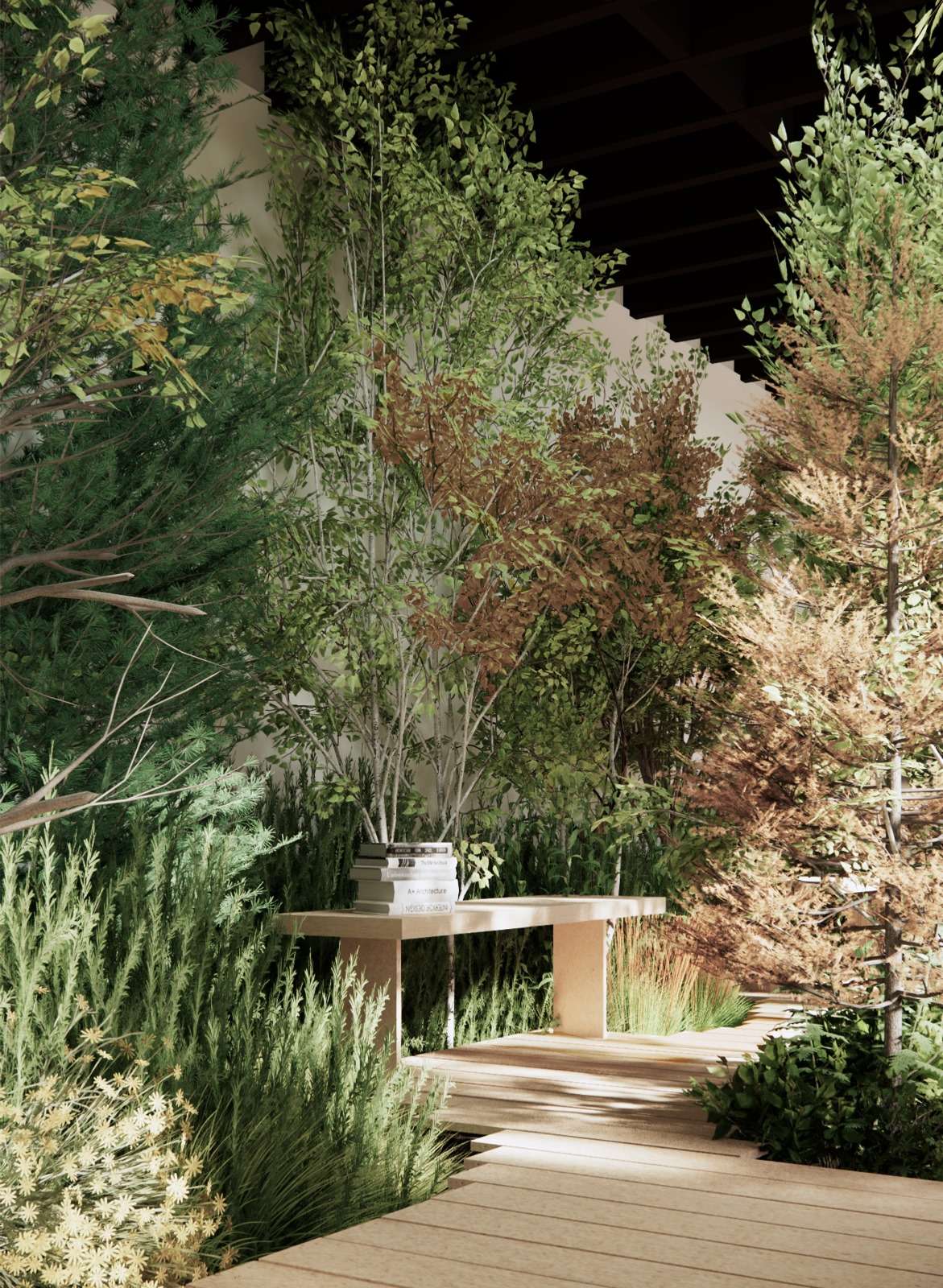
Photo credit: Courtesy of Madrid Design Festival and La Fábrica
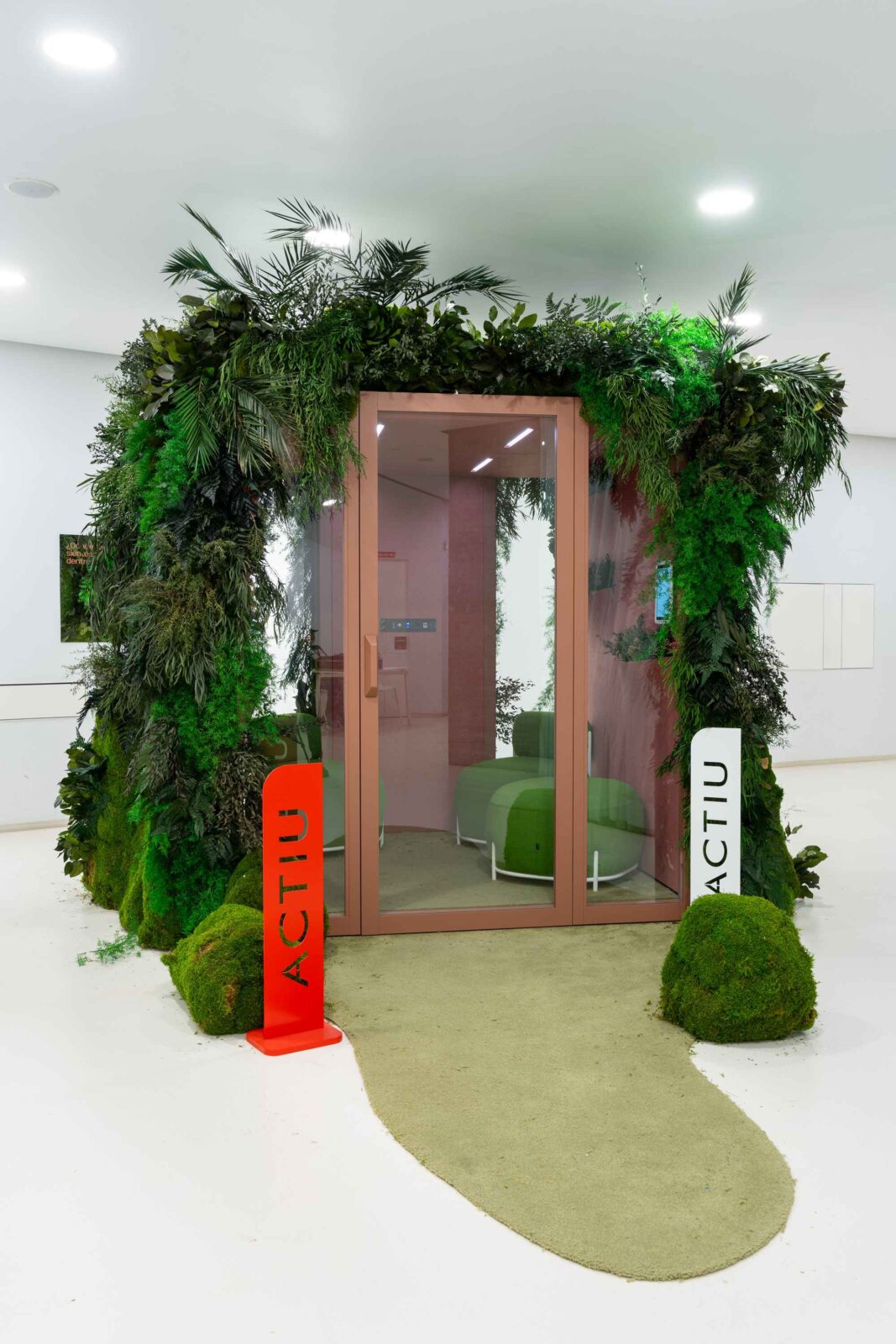
Photo credit: Courtesy of Madrid Design Festival and La Fábrica
MDF Awards
The Madrid Design Festival Awards celebrate creative excellence and the international impact of design every year, recognising figures whose careers have transformed the discipline from innovative, cultural and social perspectives.
This year’s awardees are Rossana Orlandi, Konstantin Grcic, and Juli Capella. Orlandi stands out for her role as curator and gallerist and as one of the great driving forces behind European design. Konstantin Grcic, for his part, has built a body of work that combines technical precision, critical thinking, and a very particular sensitivity to form. Finally, the festival recognises Juli Capella, an architect, critic, and key figure in design culture in Spain, whose work has forged essential bridges between industry, institutions and citizens.
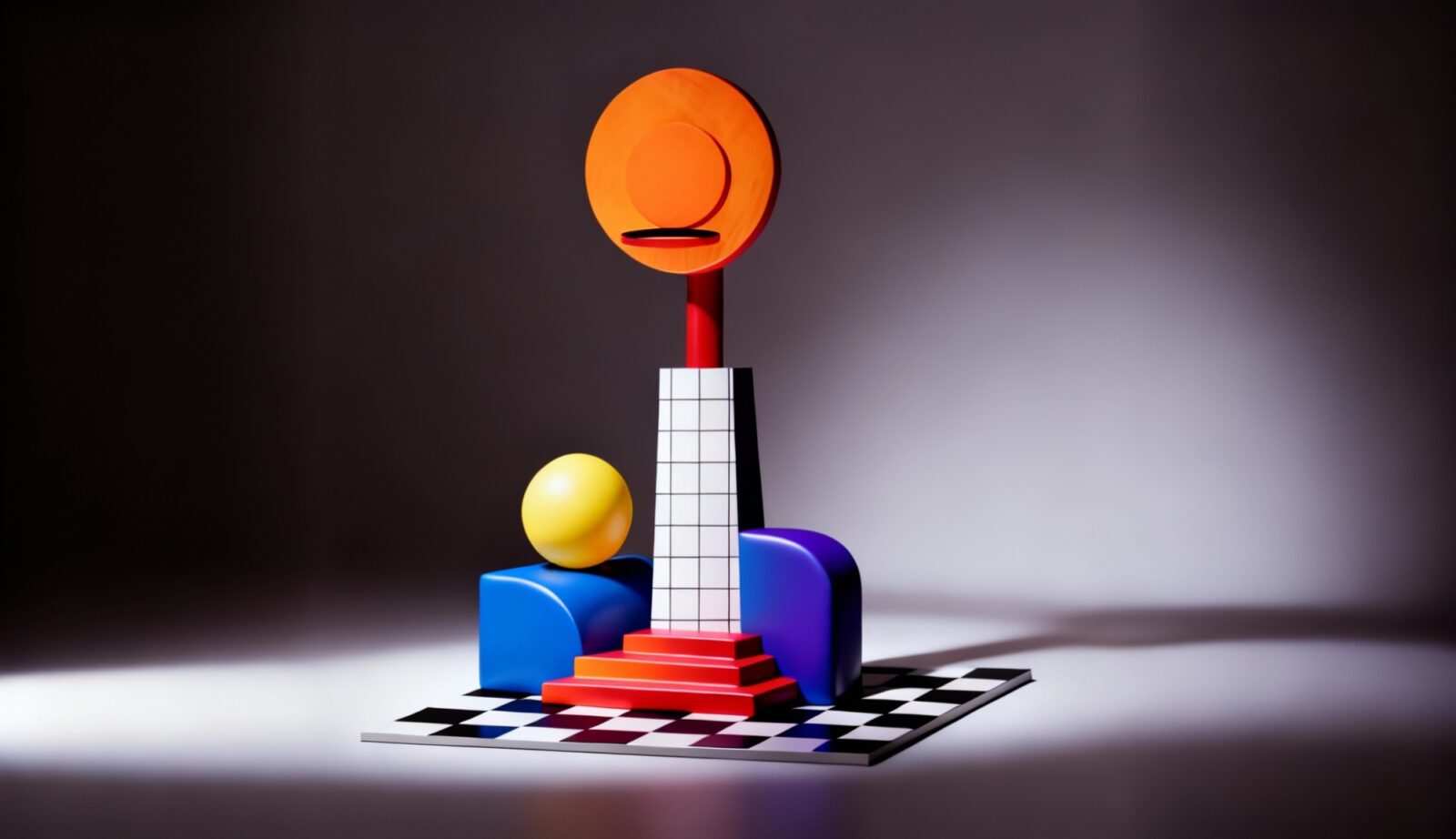
Photo credit: Courtesy of Madrid Design Festival and La Fábrica
Diseñoesfera and the economic dimension of design
Diseñoesfera is the strategic pillar of Madrid Design Festival dedicated to structuring collaboration between institutions, companies and designers, acting as an active bridge between creative talent and the agents driving innovation in the city.
The programme is structured around three key initiatives:
- The first is Design à Trois, a day of meetings between companies, designers, and students where ideas are shared, opportunities are generated, and potential joint projects are set in motion.
- The second initiative is Viveros, a programme that promotes trades (such as carpentry and electrical work, for example) among young people at a social disadvantage.
- The third axis is Rediseña Madrid Industrial, a call addressed to design studios and professionals to activate and revalue industrial estates in the Community of Madrid as more accessible, connected and sustainable productive spaces.
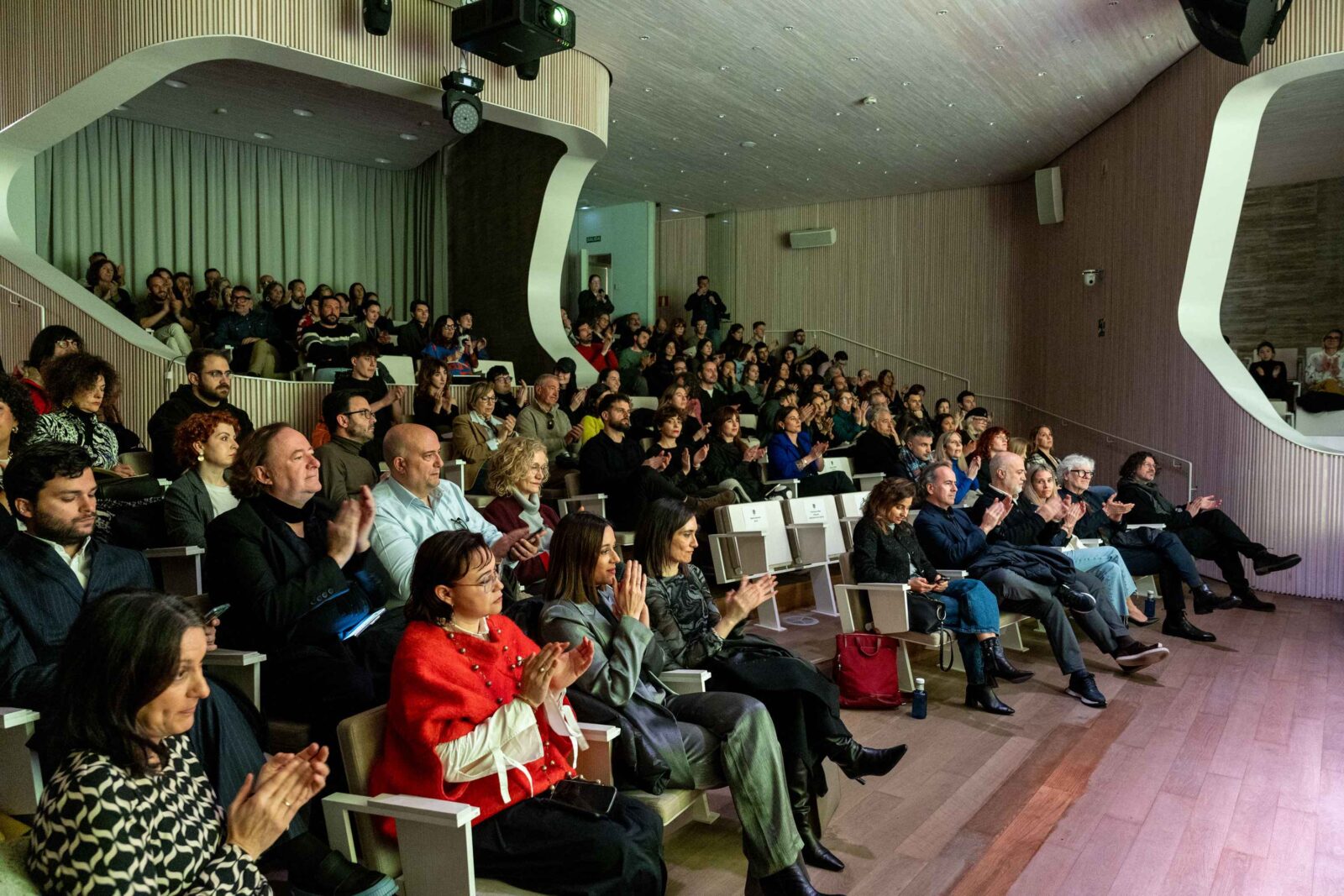
Photo credit: Courtesy of Madrid Design Festival and La Fábrica
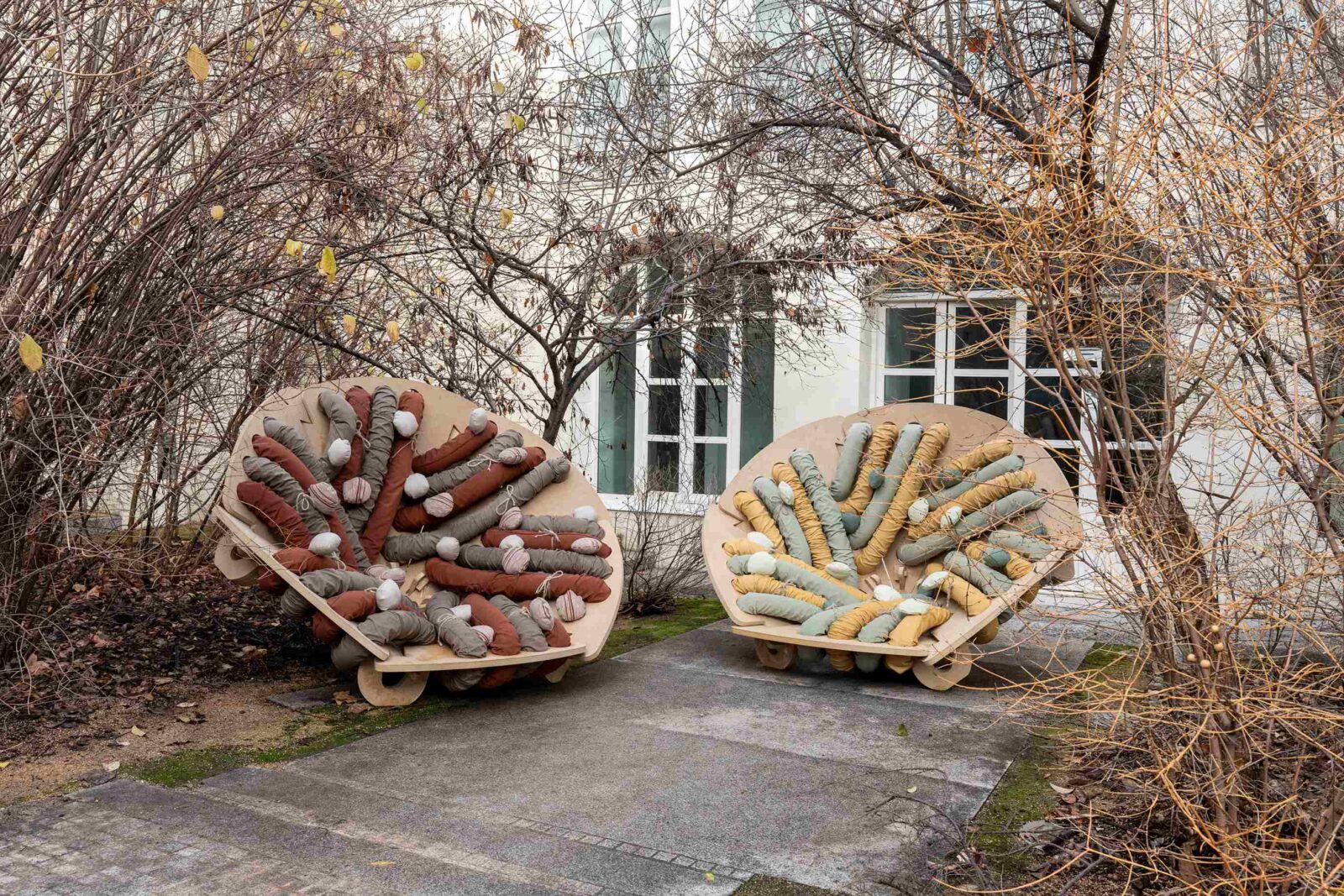
Photo credit: Courtesy of Madrid Design Festival and La Fábrica
Alliance for Wool
For the second consecutive year, Madrid Design Festival dedicates a complete strand of its programme to wool. Under the umbrella of the Alliance for Wool, the festival brings together installations, talks, research, and projects that explore wool from multiple dimensions: as a living cultural resource, as an ecological agent, as a laboratory for new design processes, and as a driver of social transformation.
Throughout this edition, the public will discover how wool structures contemporary discourses around memory, the future, materials, education, circularity, and landscape.
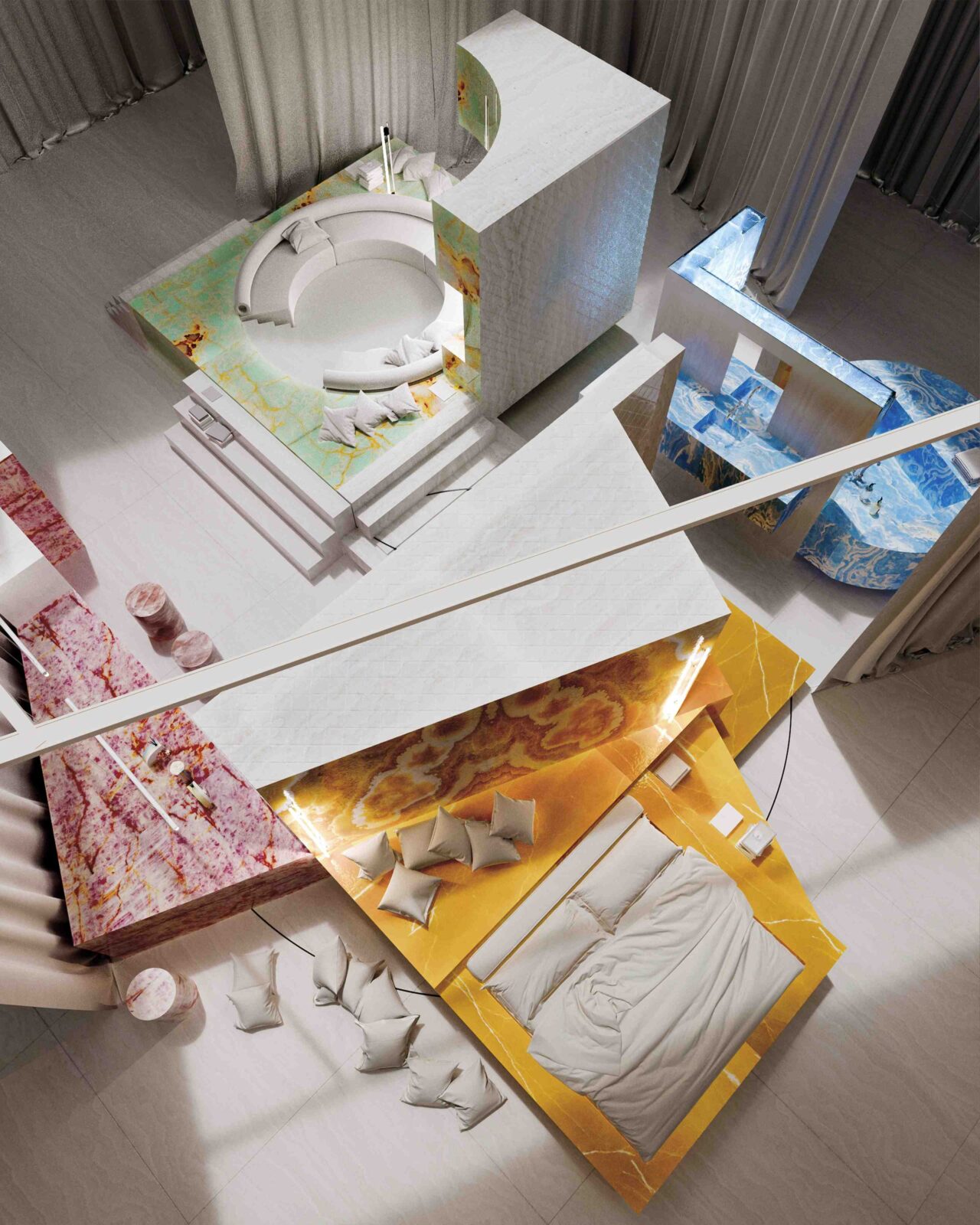
Photo credit: Courtesy of Madrid Design Festival and La Fábrica
MINI Design Awards
The MINI Design Award once again takes a prominent place in the festival’s programme as a leading platform for imagining new ways of inhabiting the city. Over its six editions, the award has promoted projects that rethink mobility, shared spaces and urban sustainability, becoming a privileged observatory of innovation applied to the urban environment. The winning project will be announced on 19 February during the festival’s official ceremony.
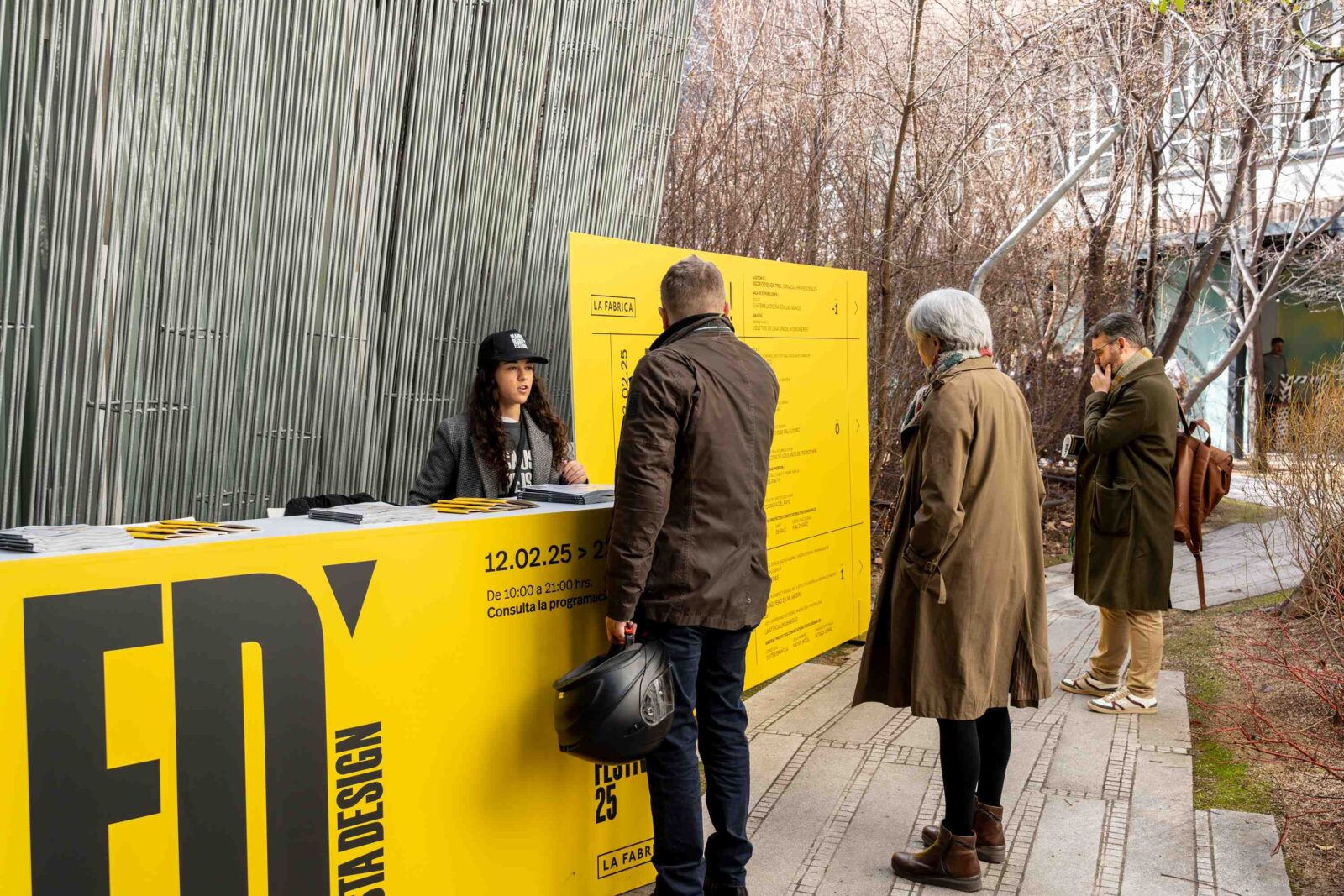
Photo credit: Courtesy of Madrid Design Festival and La Fábrica
Nike. Design in Motion
La Fábrica presents the exhibition “Nike. Design in Motion”, the largest exhibition ever created about Nike. This is the fascinating story of the legacy of innovation, design and culture that has turned Nike into a global icon. The exhibition presents some of the most valuable objects from its archive: prototypes of legendary models such as the Air Jordan, machines that revolutionised movement measurement, and personal items belonging to legends such as Nadal or Gasol.
Madrid Diseña
Madrid Diseña is the festival’s major creative map, a programme that turns the city into an active territory where design is lived, experienced, and shared from multiple perspectives. This urban strand structures a network of nearly three hundred spaces participating in the festival through exhibitions, presentations, installations, routes, workshops, open studios, showrooms, and encounters with designers. Its mission is clear: to strengthen the design ecosystem in the city, boost its productive and creative fabric, and activate emerging urban economies linked to innovation and cultural industries.
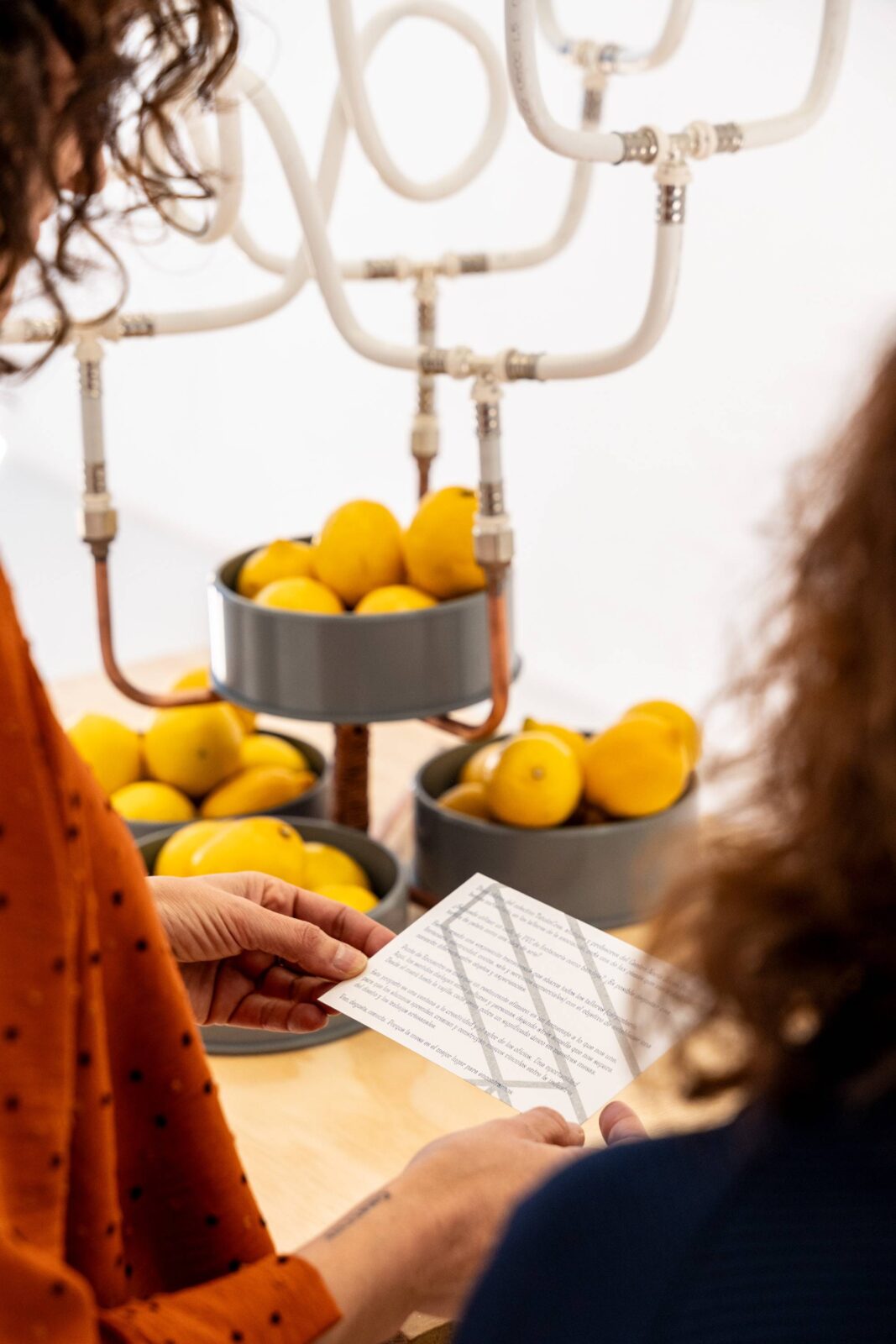
Photo credit: Courtesy of Madrid Design Festival and La Fábrica
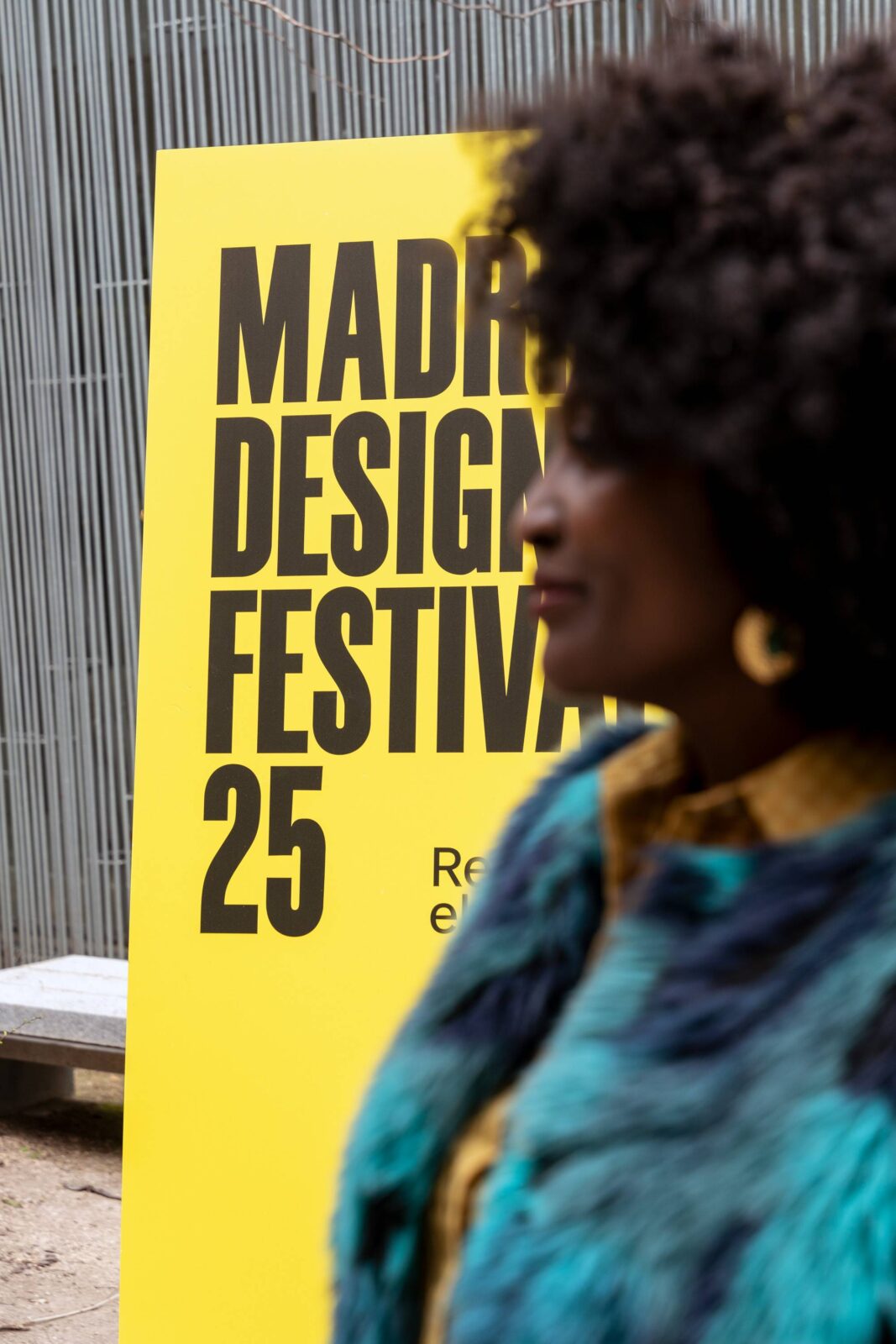
Photo credit: Courtesy of Madrid Design Festival and La Fábrica
This edition’s programme includes significant innovations. One of them is the opening of Infinito Delicias, which, only during the event, will be hosting activities that bring design into dialogue with health, sustainability, responsible production, and food culture. In addition, the presence of Kutrix Gallery with the exhibition enLANA2, curated by Teresa Herrero, explores the contemporary use of wool and reclaims materials with deep cultural resonances.
The route is further expanded with a series of other proposals. Peso y Presencia at 2B Space To Be, for example, is curated by Yaiza Camacho to bring together architects and designers around the relationship between materiality and perception. Gancedo, on the other hand, will present “In Constant Motion”, a show developed together with Koral Antolín and Studio fi, accompanied by the installation “Hilanderas” by Atelier Mel.
Many other spaces will present special events, guided tours, screenings, meetings with authors, and educational activities under the framework of Madrid Diseña, making exploring the city while taking in all of the most recents innovations in design a very interesting experience.
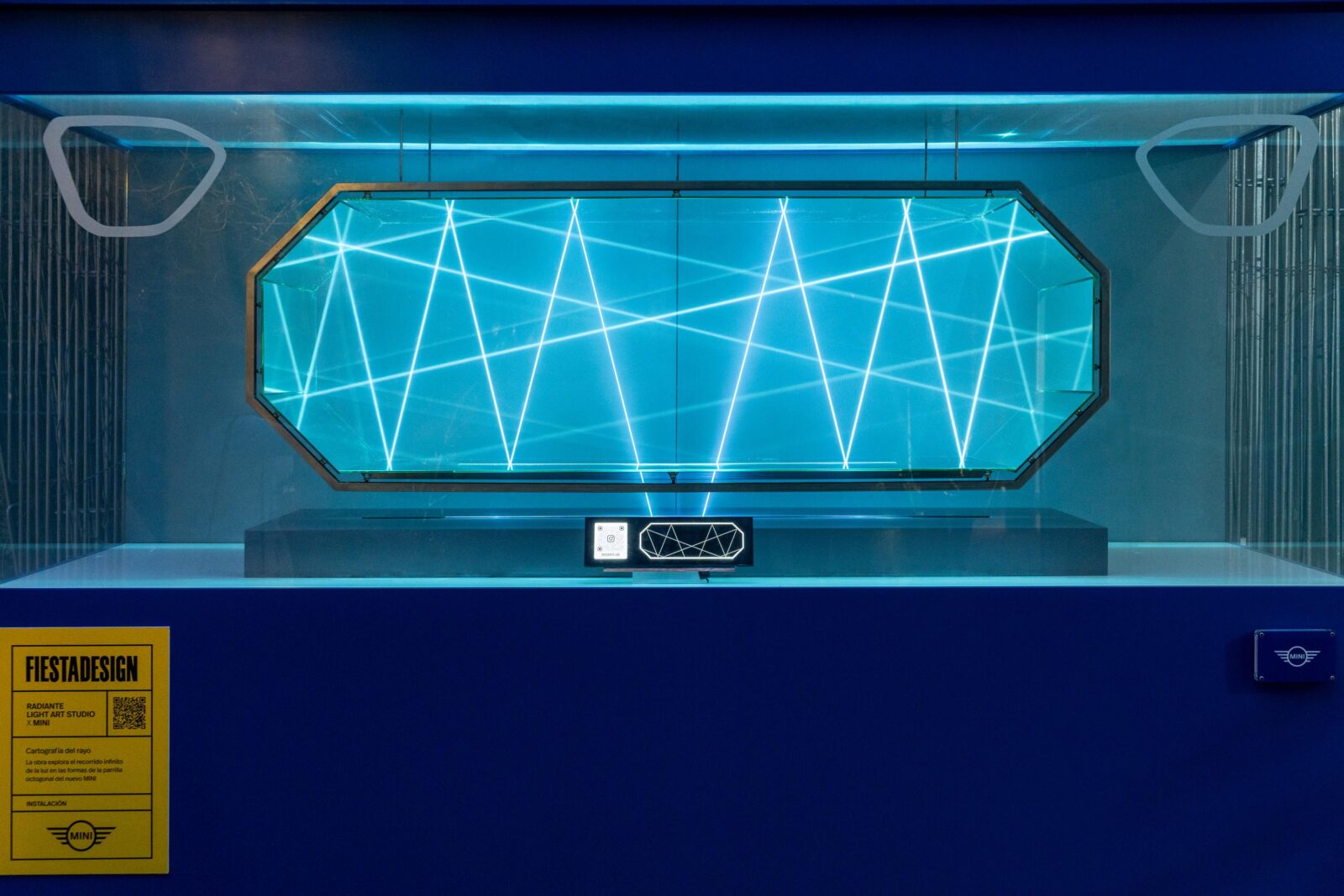
Photo credit: Courtesy of Madrid Design Festival and La Fábrica
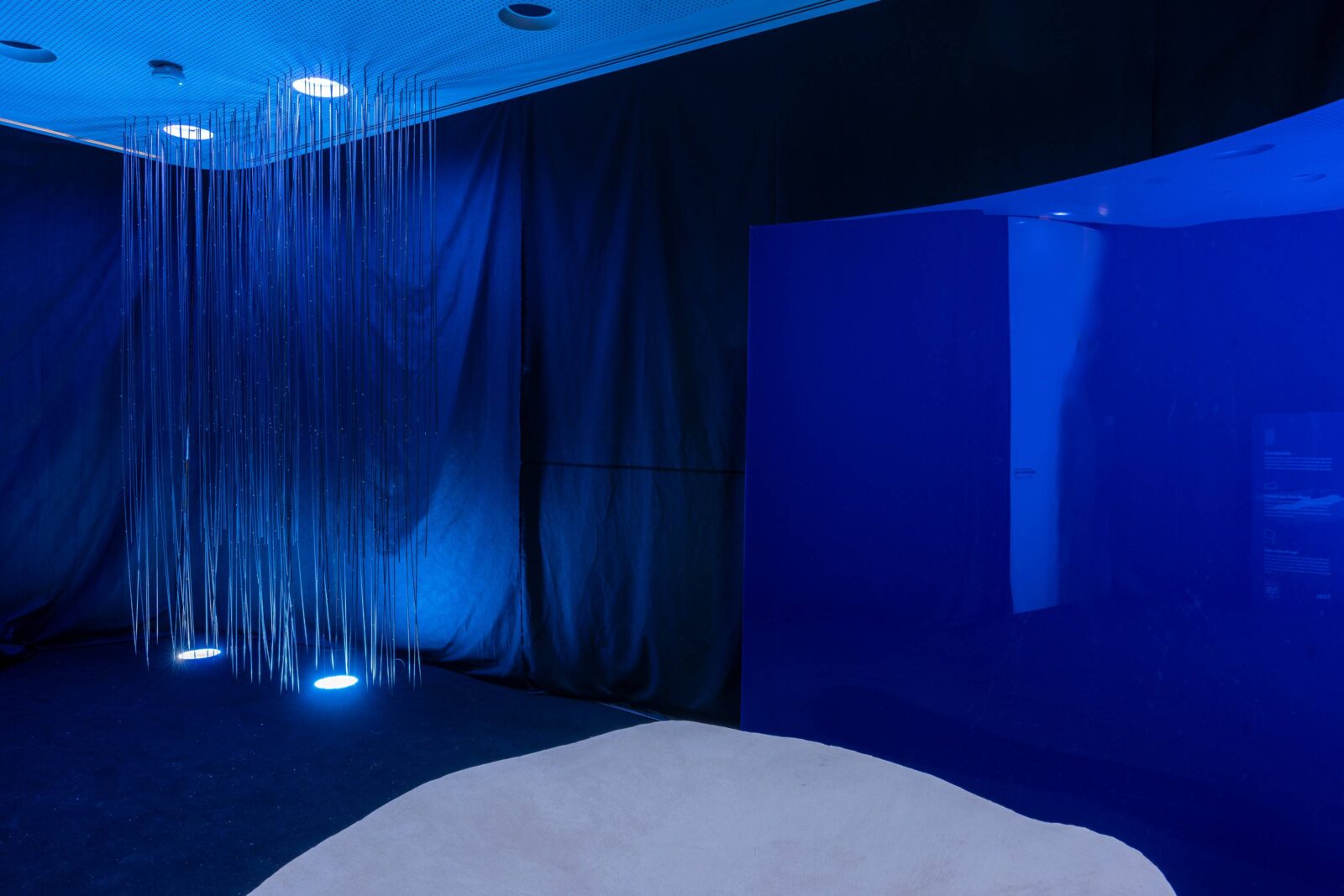
Photo credit: Courtesy of Madrid Design Festival and La Fábrica
With a programme bringing together 59 institutions and brands, 55 exhibitions and installations, 162 activities, and 813 professionals, Madrid Design Festival 2026 reaffirms its mission to place design at the heart of the city’s cultural, social, and economic life. The 2026 edition confirms that “redesigning the world” is not just a slogan but a shared commitment by the institutions, creators and citizens that bring this festival to life.
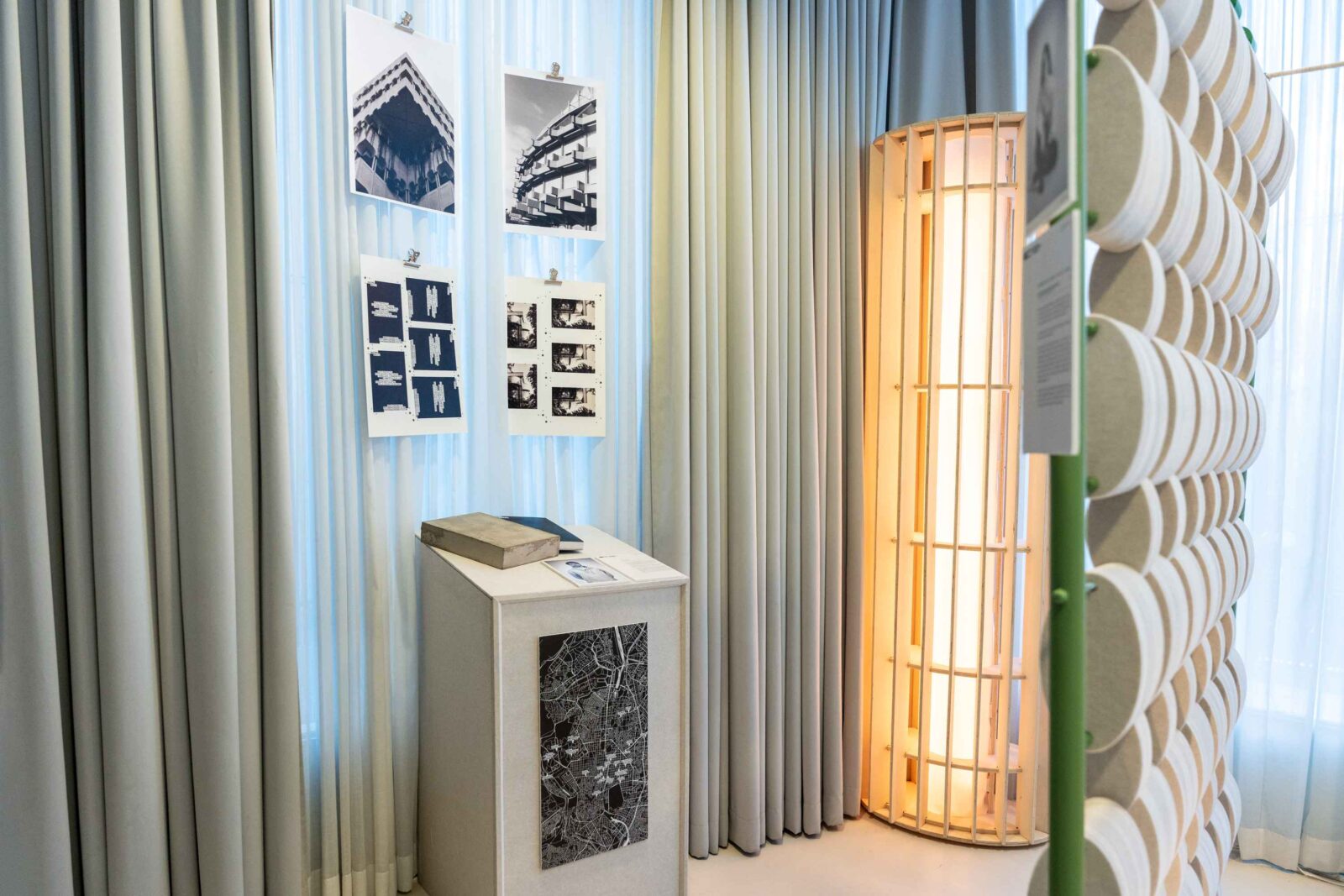
Photo credit: Courtesy of Madrid Design Festival and La Fábrica


