



Toward the end of a project, someone usually says, “We should enter this for an award.” Everyone agrees, but by the time the subject comes up again, the Early Bird deadline has passed and the photographer still has the photographs.
A little planning helps, particularly if you have several projects to submit and a tight marketing budget. The 3C Awards portfolio includes seven programmes covering architecture, interiors, furniture, lighting, sports products, footwear and design across Africa and its diaspora. These are the BLT Built Design Awards, LIV Hospitality Design Awards, LIT Lighting Design Awards, SIT Furniture Design Awards, FIT Sport Design Awards, Global Footwear Awards and Africa International Design Awards.
For anyone putting together a design awards calendar for 2027, several submission schedules are already available. Others are still to be announced, and one programme’s 2026 edition accepts entries into January 2027.
Which design award should you enter?
Think about the part of the project you want the jury to assess. A hotel may be suitable for an architecture award, a hospitality design award and a lighting award, but each entry needs to explain the relevant contribution. The lighting designer’s submission will have a different story to tell from the architect’s.
| Awards programme | Main areas of focus |
|---|---|
| BLT Built Design Awards | Architecture, interior design, landscape architecture and construction products |
| LIV Hospitality Design Awards | Architecture and interior design for living and eating spaces |
| LIT Lighting Design Awards | Architectural lighting, lighting products and entertainment lighting |
| SIT Furniture Design Award | Furniture design and interiors in which furniture plays a significant role |
| FIT Sport Design Awards | Sports equipment, gear and apparel |
| Global Footwear Awards | Footwear design, including creativity, innovation, sustainability and social impact |
| Africa International Design Awards | Spatial, product, communication and fashion design connected to Africa |
BLT Built Design Awards
The BLT Built Design Awards cover Architecture, Interior Design, Landscape Architecture and Construction Products, giving practices and manufacturers several ways to promote their work. Its published benefits include certificates, digital badges, an online project presence and promotional opportunities, with different benefits attached to different recognition levels.
For architects, this is an opportunity to explain the project beyond the finished elevation. The site restrictions, decisions about circulation and response to the surrounding buildings may be the most interesting parts of the work, even if they need a drawing or a few sentences to become apparent. The same goes for construction products. Help the jury understand where the product belongs, what it does and why its development matters to the people specifying or using it.
The 2027 entry dates have yet to be confirmed, but keep the BLT Built Design Awards website on your list when planning next year’s submissions.


LIV Hospitality Design Awards
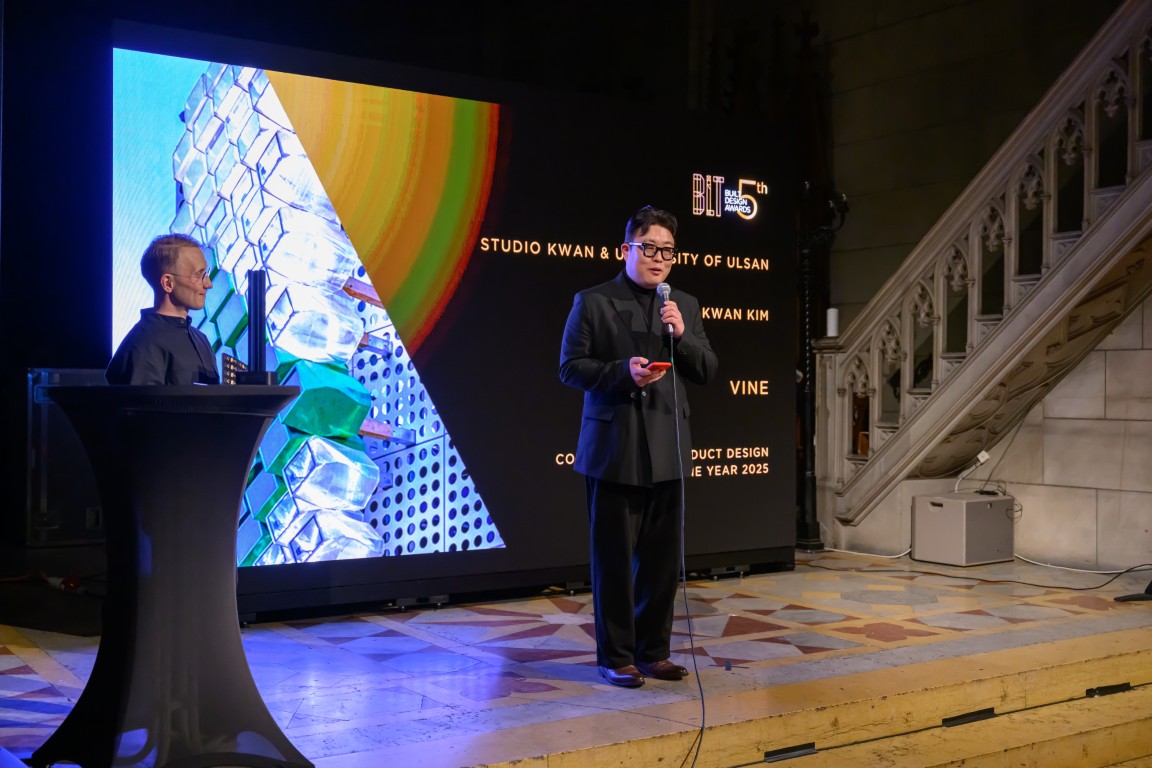
A restaurant can look wonderful even before it opens, but the biggest moment comes when the tables are occupied. Hospitality designers have to think through all of this, and the LIV Hospitality Design Awards allow them to explain it. The programme covers architecture and interiors within Living and Eating spaces, including hotels, restaurants, co-living, short-term residences and pop-up bars. Both professional work and emerging talent are considered.
A submission could examine how a hotel provides privacy on a busy site, how a restaurant manages movement through a small footprint or how materials contribute to the atmosphere. These are all great details for a jury trying to understand how the space works once the photographer has left.
The current LIV Hospitality Design Awards 2026 edition continues into 2027 as the programme closes on 31 January 2027.

LIT Lighting Design Awards
Lighting is often described through the atmosphere it creates, while the work required to achieve it receives much less space. A finished photograph can show the effect but it will not explain the technical decisions or restrictions behind it. The LIT Lighting Design Awards focus on Architectural Lighting Design, Lighting Product Design and Entertainment Lighting Design.
An architectural lighting entry can explain how the scheme responds to different activities, directs attention or works with the building’s materials. A product submission can look more closely at the fitting itself, including its construction and the way someone uses it. Choose the supporting material accordingly because a dramatic overview can introduce the project but a detail photograph or drawing makes the design easier to understand.


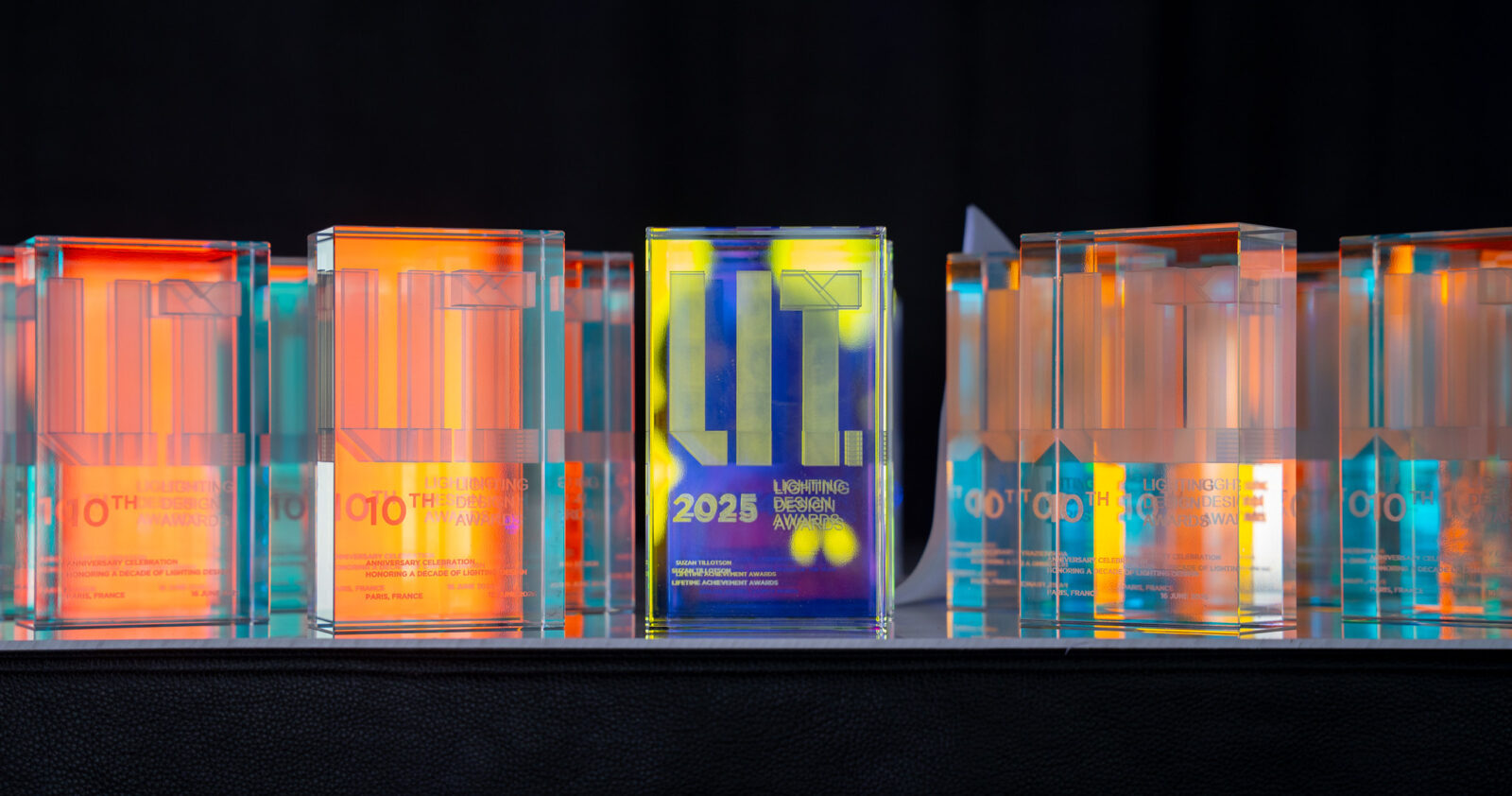
The annual LIT Lighting Design Awards Book of Design publishes winning lighting projects and products alongside the special-prize recipients. A digital edition is available to download free through the awards website, with printed copies available to purchase. For a chance to win big and join the next awards ceremony, check the LIT Lighting Design Awards website for the 2027 submission schedule.
SIT Furniture Design Award
Furniture gives designers plenty to talk about how it is made, how it supports the body and how it behaves after repeated use. The SIT Furniture Design Award recognises furniture designers and interior designers who use furniture within their projects and its assessment criteria include aesthetics, functionality, ergonomics, durability, impact and ecological compatibility.
For a furniture submission, show the decisions that might otherwise be missed: a joint, an adjustment mechanism or the way two materials meet. For an interior, explain how the furniture contributes to the space and its use.


The SIT Furniture Design Award 2027 schedule includes:
- 10 January 2027: Regular deadline.
- 7 March 2027: Final deadline.
- 11 April 2027: Programme closes, with a 10% late fee.
The SIT Furniture Design Award website has the category descriptions and submission requirements.
FIT Sport Design Awards
Sports products usually meet users who are too occupied to admire the design. They are running, training or trying to adjust something with cold hands, which is when a well-considered detail becomes important.
The FIT Sport Design Awards cover sports equipment and apparel, with entry routes for companies and brands, independent designers, and students. Concepts, prototypes and commercially available products can be submitted. That range gives designers space to present work at different stages, provided the submission makes its status clear. Explain the intended activity and the choices made around it, using supporting material to show how the product works. Performance claims are more convincing when accompanied by relevant testing.


For the FIT Sport Design Awards 2027, the dates are:
- 14 March 2027: Final deadline before the late-entry period.
- 25 April 2027: Programme closes, with a 10% late fee applying after 14 March.
Visit the FIT Sport Design Awards website to find the relevant category.
Global Footwear Awards
Footwear brings together fashion, material development and product design with room for a strong visual idea, but also a lot happening beneath it.
The Global Footwear Awards recognises creativity, innovation, sustainability and social impact in footwear, with opportunities for emerging designers and established businesses.

For an entry, give the jury a clear view of the design and the use you intend it for. Explain a material choice or construction method where it contributes something specific, and use images to show details that disappear in a side profile. Make sure to check the Global Footwear Awards website for the next edition.
Africa International Design Awards
The Africa International Design Awards cover Spatial Design, Product Design, Communication Design and Fashion Design, recognising African designers and international designers whose work is rooted in Africa.
Architects and interior designers can enter through Spatial Design, while the other disciplines accept work ranging from products to visual communication and fashion.
Here, the explanation of the project’s context deserves particular care, so make sure to give the jury enough information to understand its relationship with its location and the people it was made for. If local materials or production methods shaped the design, describe how they influenced the result.


The Africa International Design Awards 2027 dates are:
- 31 January 2027: Regular deadline.
- 21 February 2027: Final deadline.
- 14 March 2027: Programme closes.
Applicants must be 18 or over. Those living outside Africa should either be of African origin or submit projects developed or realised in Africa. Regionally adapted pricing is available, so check the fee structure for your location and entry type on the Africa International Design Awards website.
What happens after a design award?
A completed project often has more to give after the opening announcement went out and an award can bring it back into the spotlight, introduce the studio to a wider audience and give the team a great reason to celebrate work that may have taken years to complete.
The BLT Built Design Awards offer an exclusive event for the winners, certificates, digital badges, online exposure and promotional opportunities, while the LIV Hospitality Design Awards supports the promotion of winning work to design professionals and potential clients. Benefits are different depending on the programme and recognition level, so take a look at what is available and think about how you could use it in your studio’s communications.
Start with your website. Add the full award name, year and category to the project page, credit the team and link to the winning entry. Prospective clients often arrive at individual projects through search or shared links, so the recognition should be visible where they are already looking.
Share the news with the people involved, too. A client may want to announce the result through their own channels, while a manufacturer or collaborator can introduce the project to another professional audience. Send them approved images, accurate credits and a link they can use. A little coordination helps everyone share the achievement properly.
For journalists, the award gives you a great reason to revisit the project. The pitch should still reflect what their publication covers: an architecture editor may be interested in the response to a difficult site, while a product design title might want to know about the manufacturing process. Explain that part of the story and include the recognition. If someone has already covered the project, send them a short personal update rather than introducing the whole thing again.
Give the jury something useful to read
A good submission helps someone unfamiliar with the project understand why its design decisions matter. Begin with the brief and explain what the team needed to resolve. A restricted site or an unusual user requirement gives the jury context for the choices that follow.
You know which detail took six months to get right, so include it if it helps explain the result, because the jury will only know what you show them. A plan might reveal how the layout improves access; a close-up could explain how a component can be replaced without discarding the whole product.
Be precise with environmental claims, so if you have figures for recycled content, include them and identify the components concerned. Make sure to explain how the design supports repair or reduces material use where relevant, as these details give the jury something to assess and make the description more interesting to read.
Choose the images with the same care. The cover photograph should introduce the work, while the supporting ones explain it. For an interior, a plan may be more useful than another photograph of the same room, while for furniture you could show the construction or mechanism if it is important for the design.
Before submitting, ask someone outside the project team to read the entry to find out what they understood and where they wanted more information. It is a useful check, particularly when you have spent so long with a project that its most important qualities seem obvious.
If a finished project has already come to mind while reading this, start gathering the material. Choose the relevant programme, save the deadline and ask for anything missing. Much of the work may already be sitting in your project folders, ready for an audience beyond the people who commissioned it.


