Header: Courtesy of Tesla, Inc.
Tesla finally revealed its flying car on October 15 at SpaceX’s rocket test site in McGregor, Texas. The second-generation Roadster comes nine years after the prototype was shown. It is a low, wedge-shaped electric sports car offered in three versions, the most extreme of which, the Rocket, uses jets of compressed air to lift itself off the ground. Production, according to Elon Musk, will begin in 2028.
Nine years of delays
The Roadster was first unveiled as a surprise at the end of the Tesla Semi presentation in November of 2017, with the brand having promised its release for 2020. Initially, it had a starting price of $200,000, a 0 to 60 mph (about 97 km/h) time of 1.9 seconds and a range of around 1,000 kilometres.
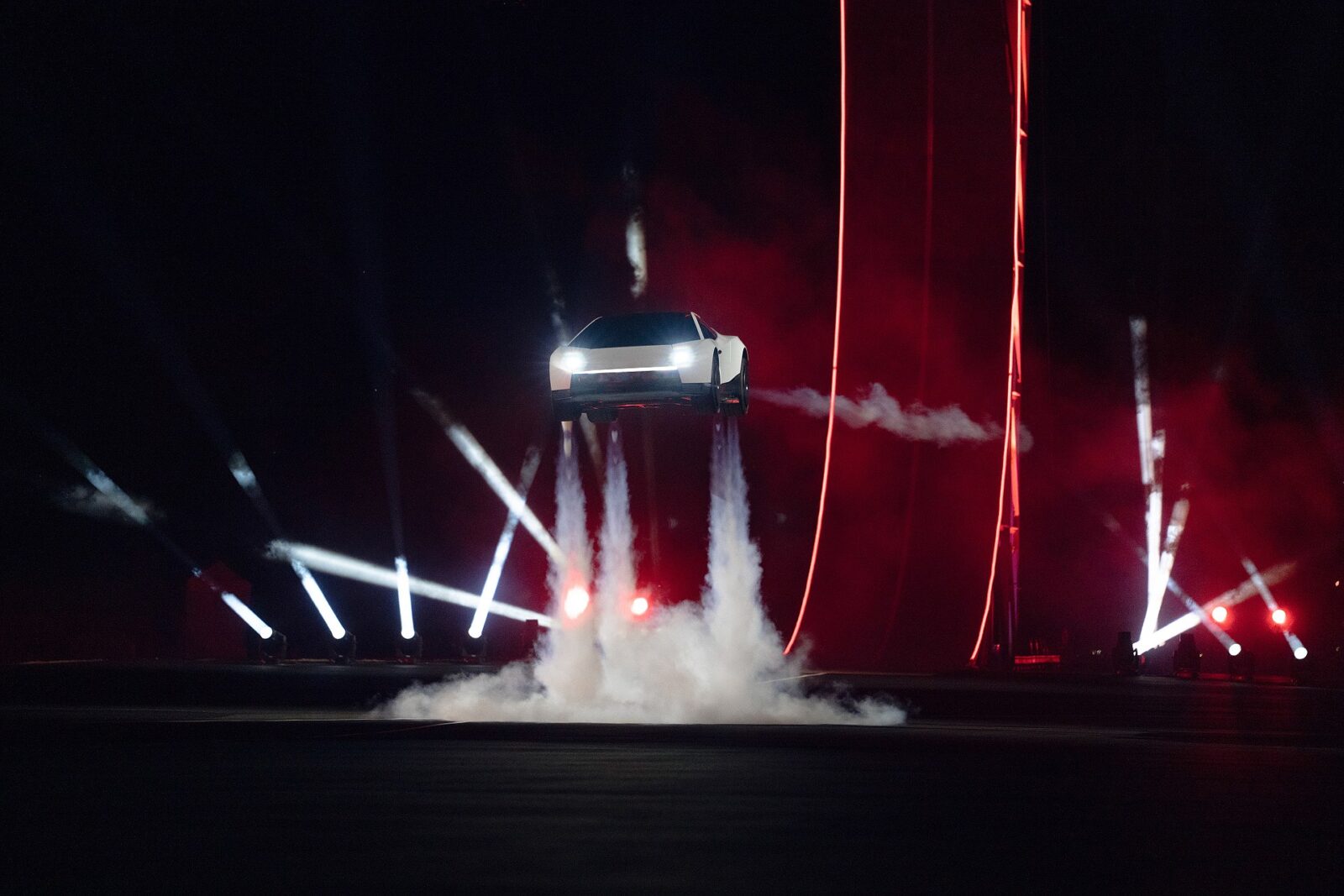
In June of 2018, Musk added the idea of a “SpaceX option package”, with small thrusters fed by tanks of compressed air in place of the rear seats. The launch date then moved almost every year, to 2022, 2023, 2024 and 2025, and even the reveal was postponed by two weeks, from the 1st of October, because of the weather.
Three versions
The Roadster comes in three versions. The Performance is a two-seat car for the road, reserved with a $50,000 deposit, while the Thrust, also with two seats, adds thrusters at the rear and requires a $250,000 deposit. The Rocket has a single seat and thrusters around the whole car, can only be bought by invitation and, as Tesla’s own website notes, is not approved for use on public roads.
Tesla claims a top speed of more than 370 km/h and a range of over 480 kilometres, with the Thrust reaching 60 mph in under one second. No purchase price has been announced for any of them.
Fans and thrusters
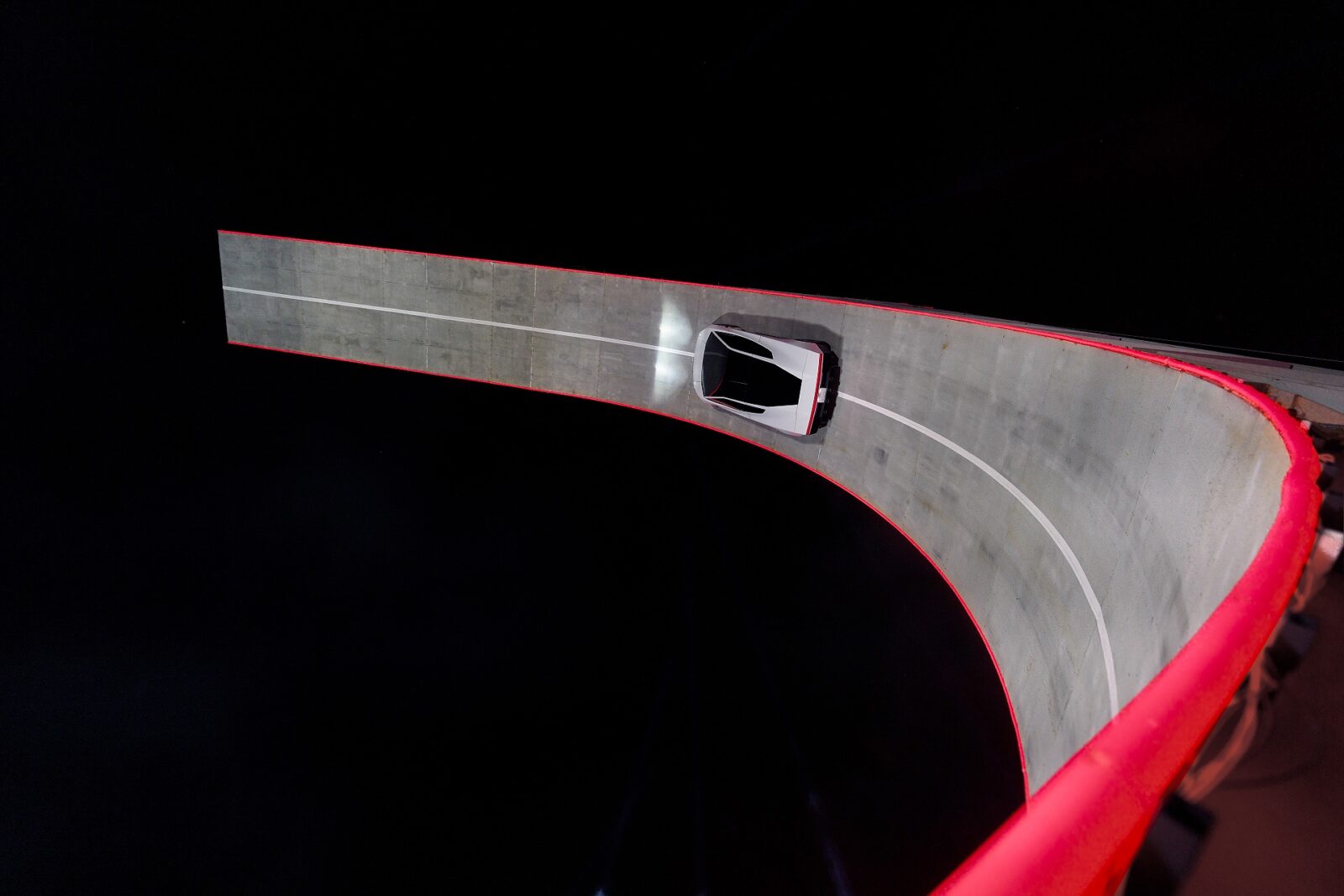
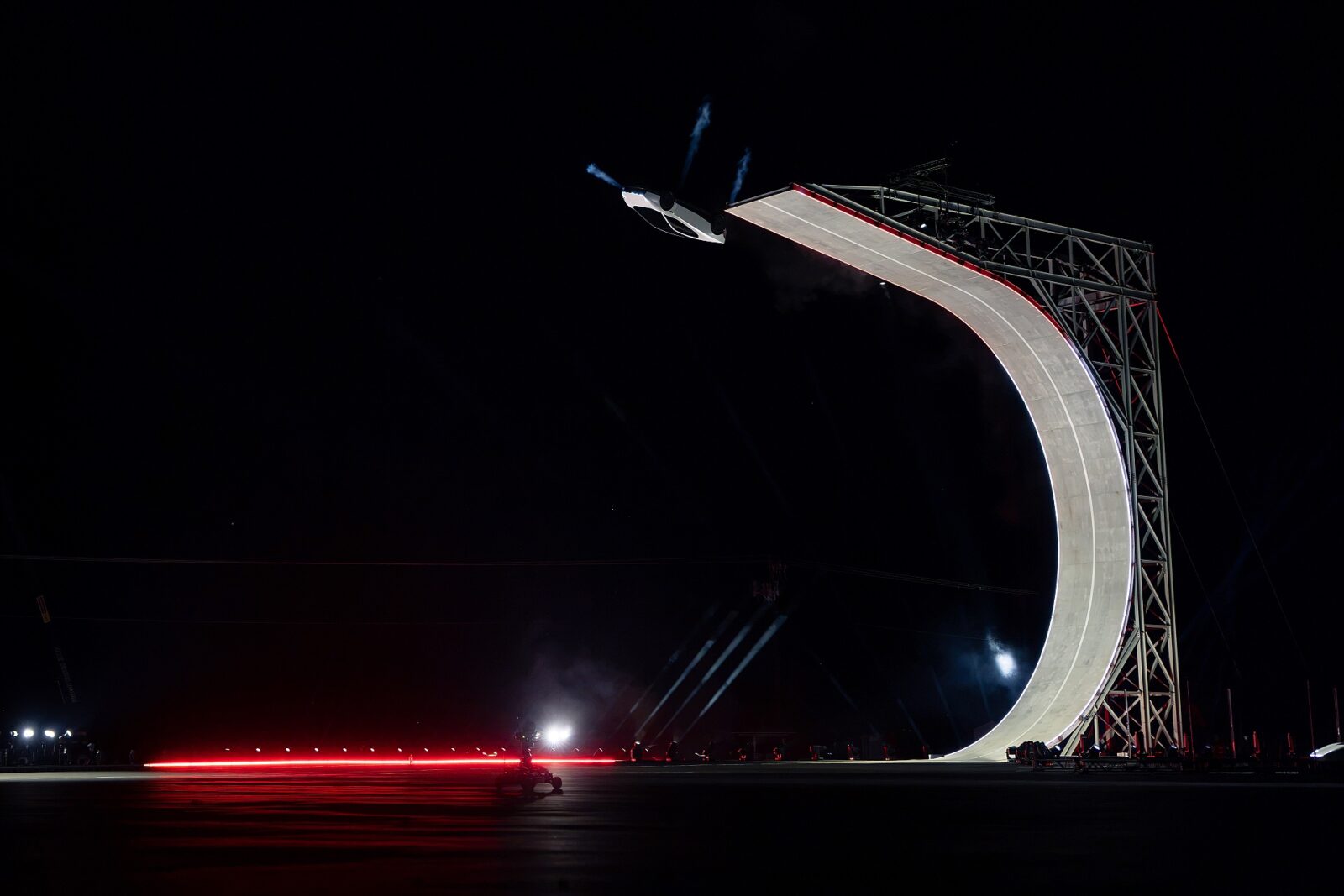
Every version has what Tesla calls a “multi-mode suction system”, in which fans pull the air out from under the car while skirts seal the gap with the ground, pressing it down onto the road. Tesla says the suction is strong enough to hold the Roadster upside down, even when it is standing still. At the reveal, a car without passengers (not even a driver) drove up a ramp that turned upside down, spun around and landed back on the tarmac.
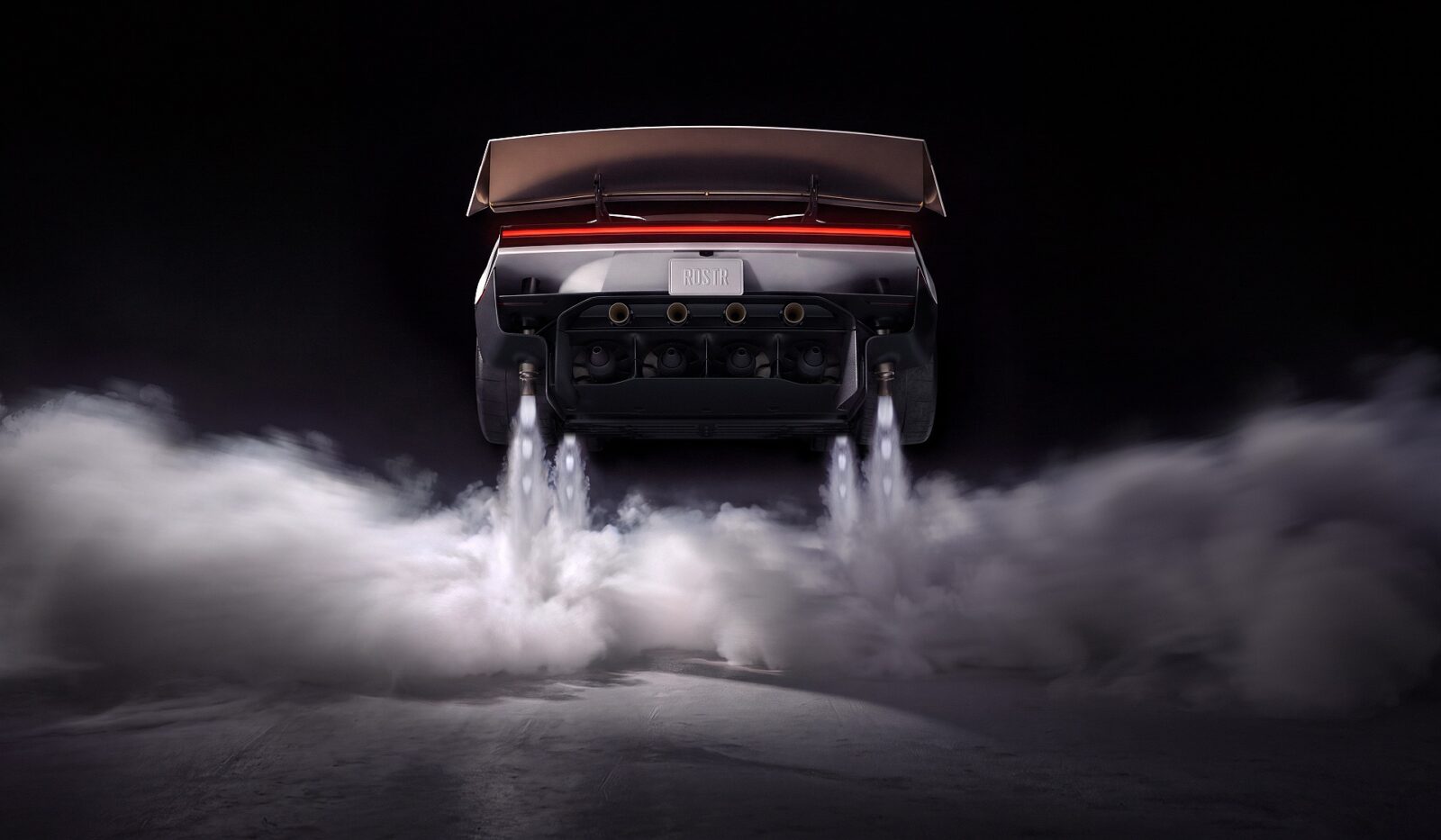
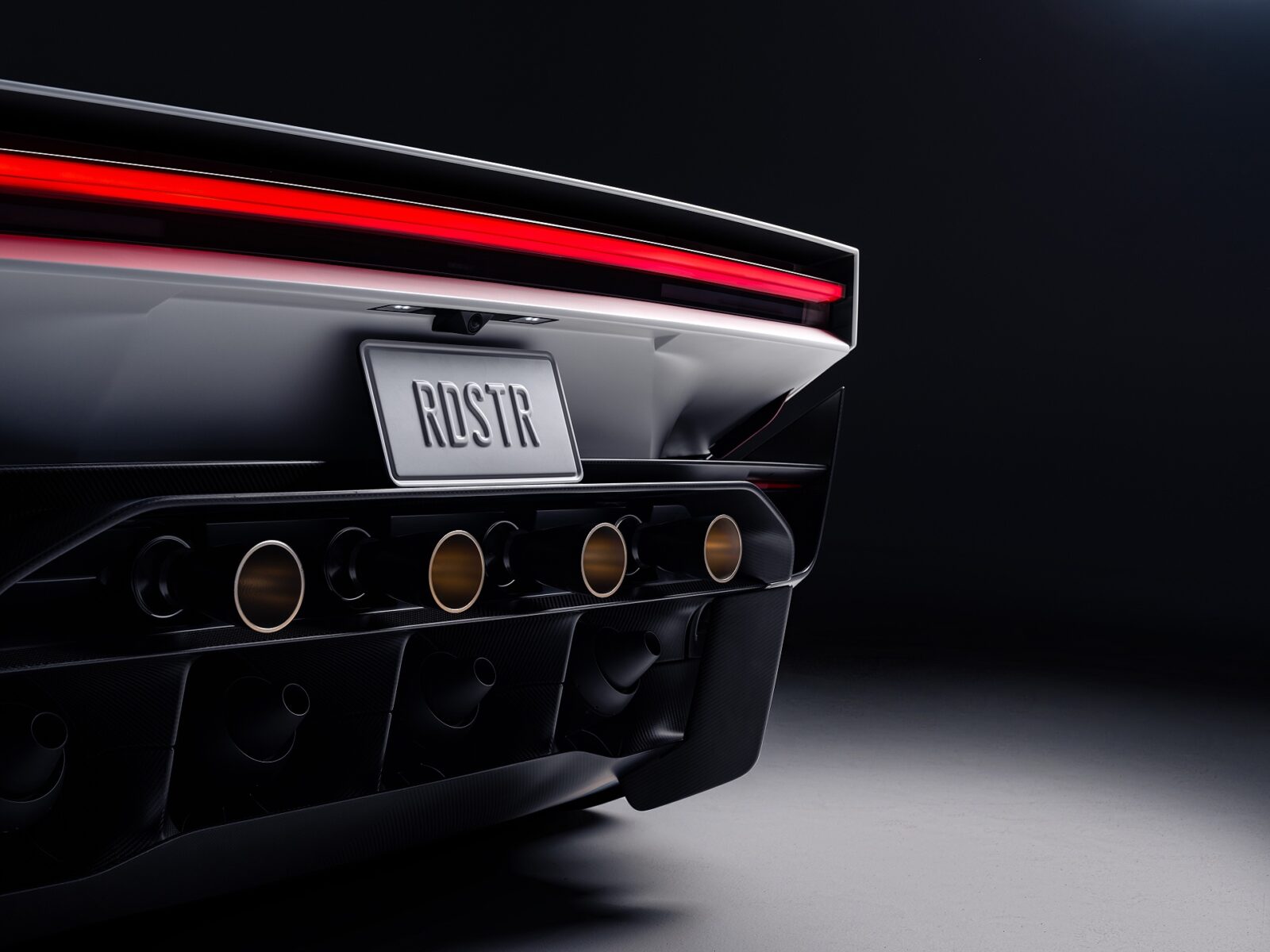
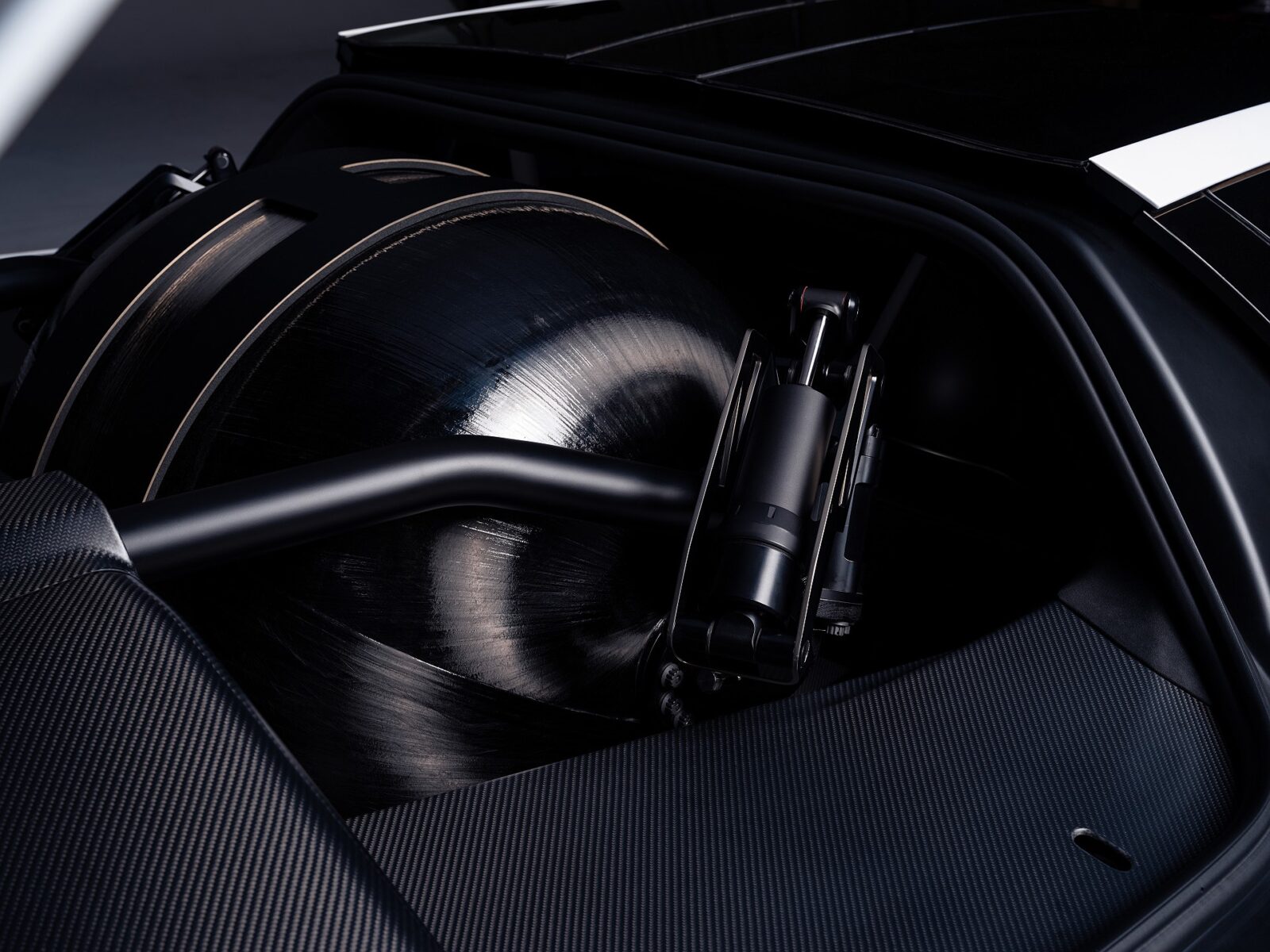
The thrusters work on cold gas, which means they push the car with compressed air, with no fuel being burnt. The air is stored in carbon-fibre-wrapped tanks of the kind SpaceX uses on its rockets, and the Rocket version has ten nozzles connected to 600 litres of air.
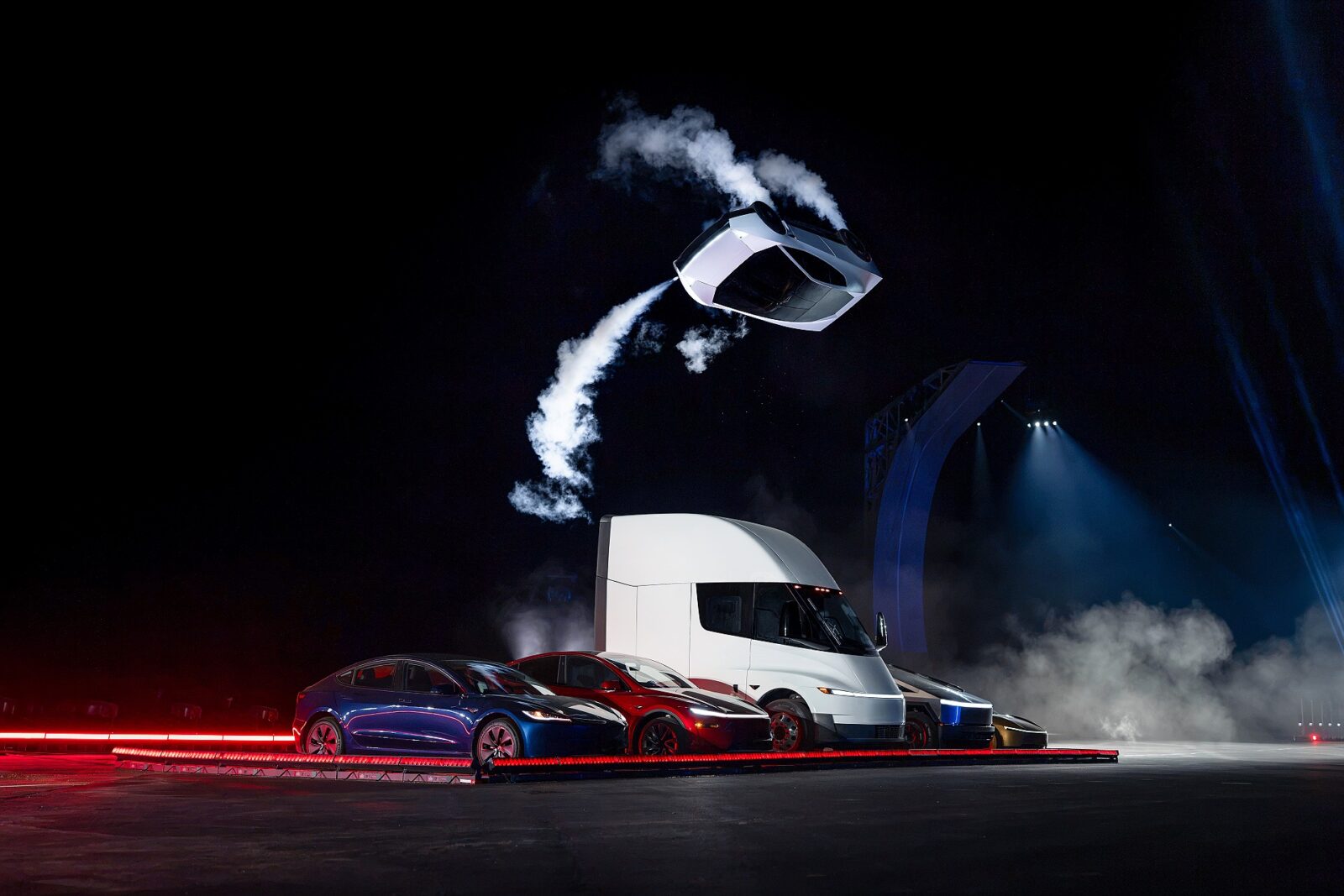
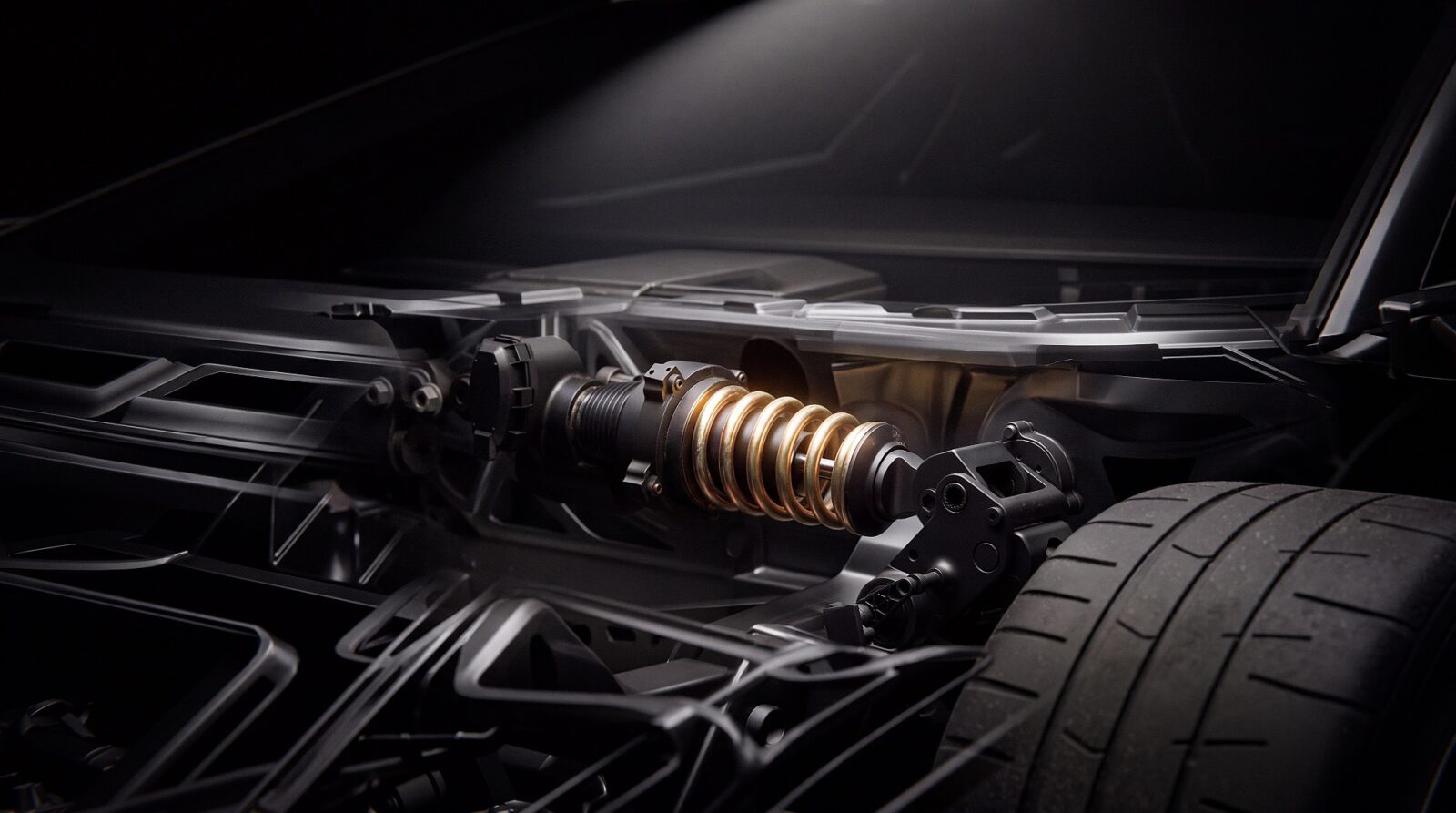
The thrusters are controlled by electric actuators, making small corrections within a fraction of a second to steady the car in the air. At the event, a Roadster lifted itself over a Cybercab, a Cybertruck, a Semi, a Model Y and a Model 3.
The exterior
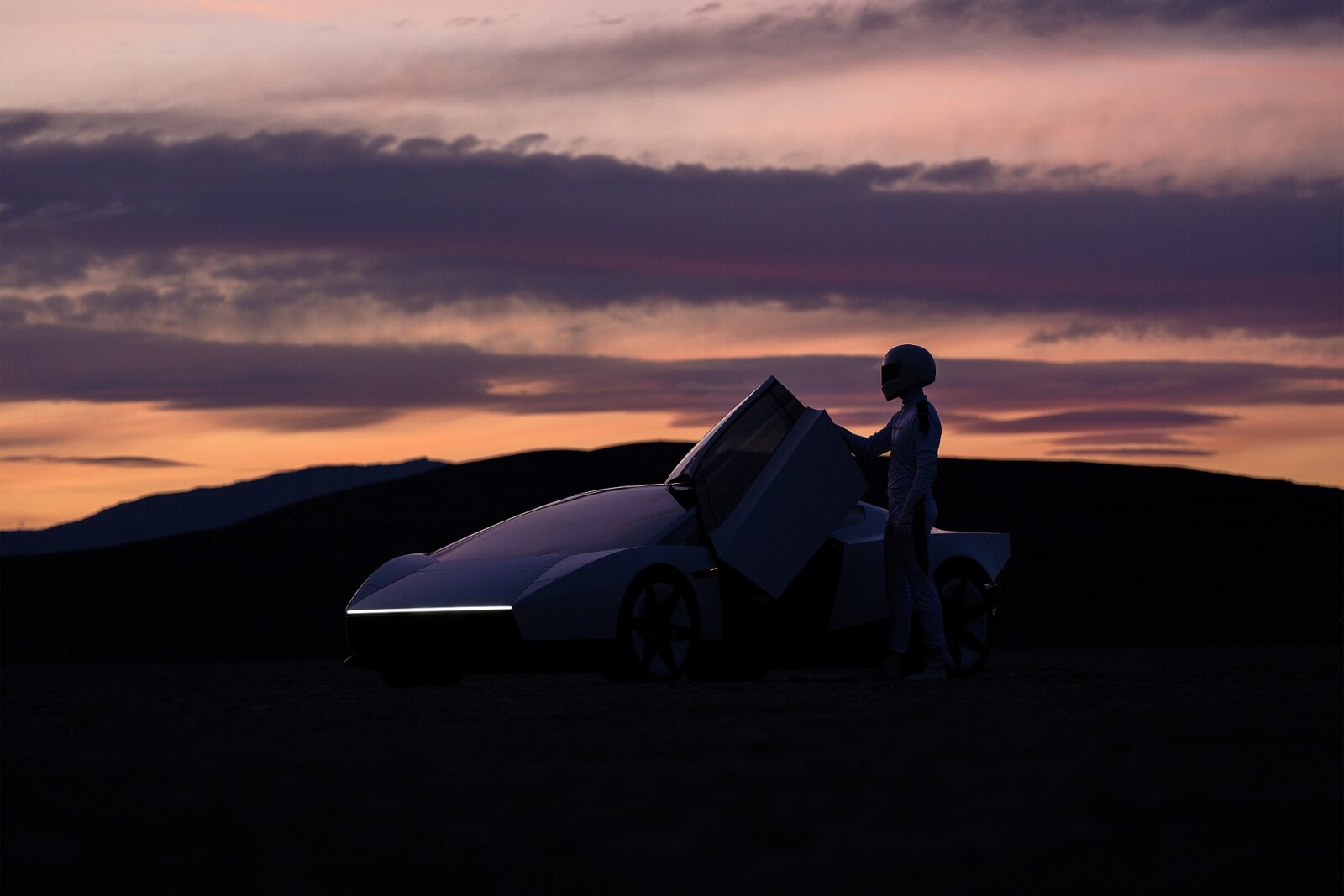
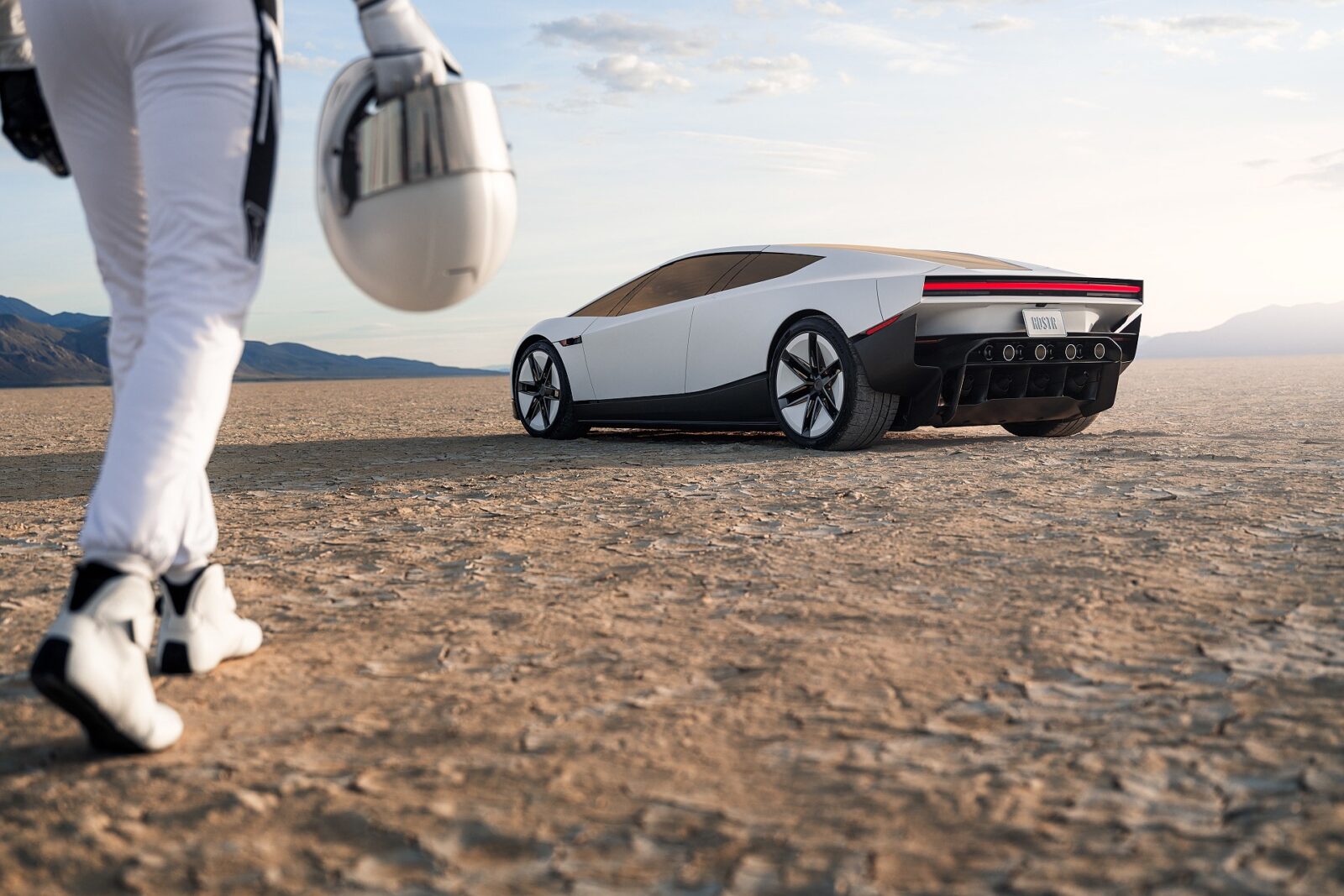
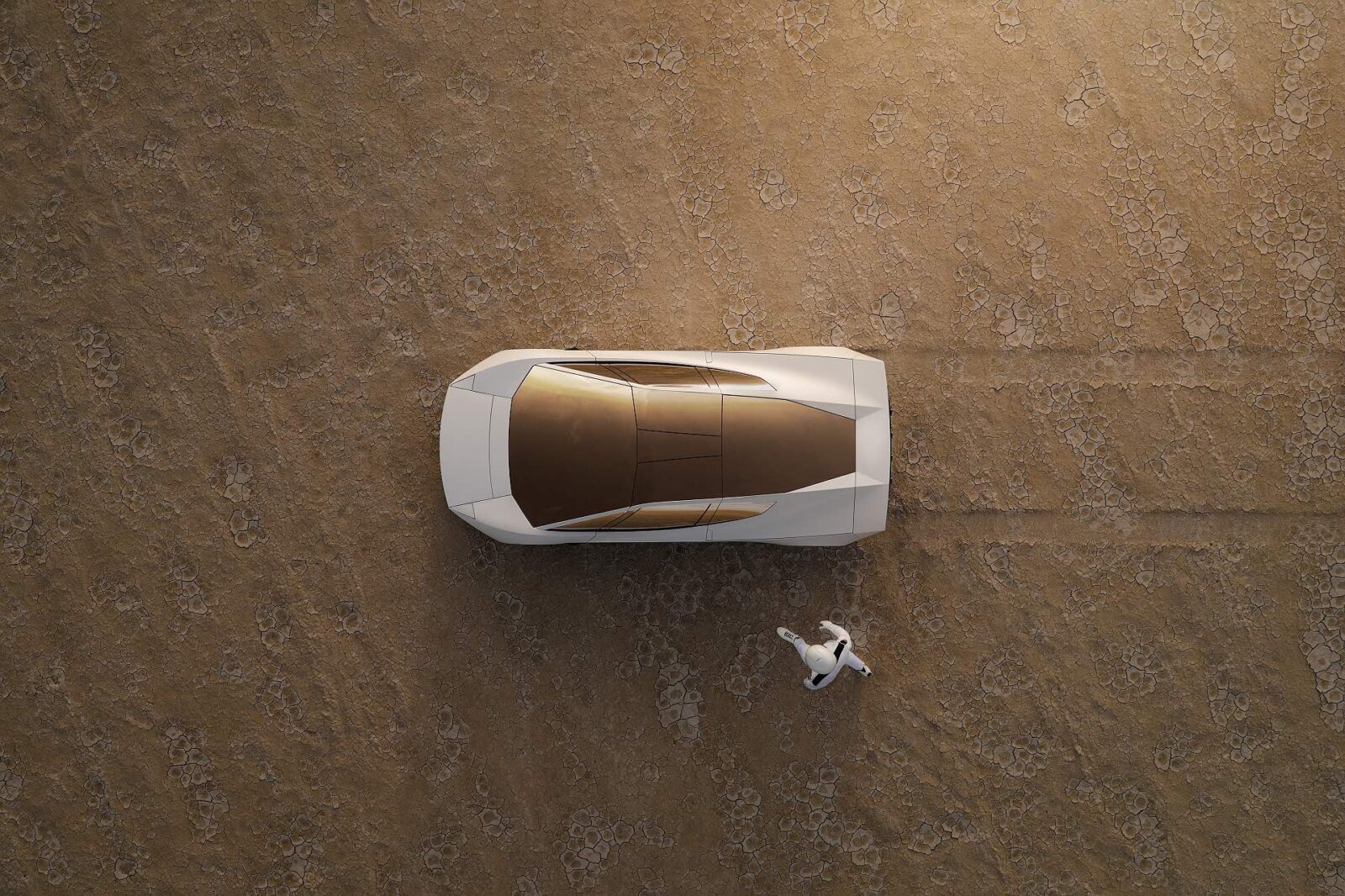
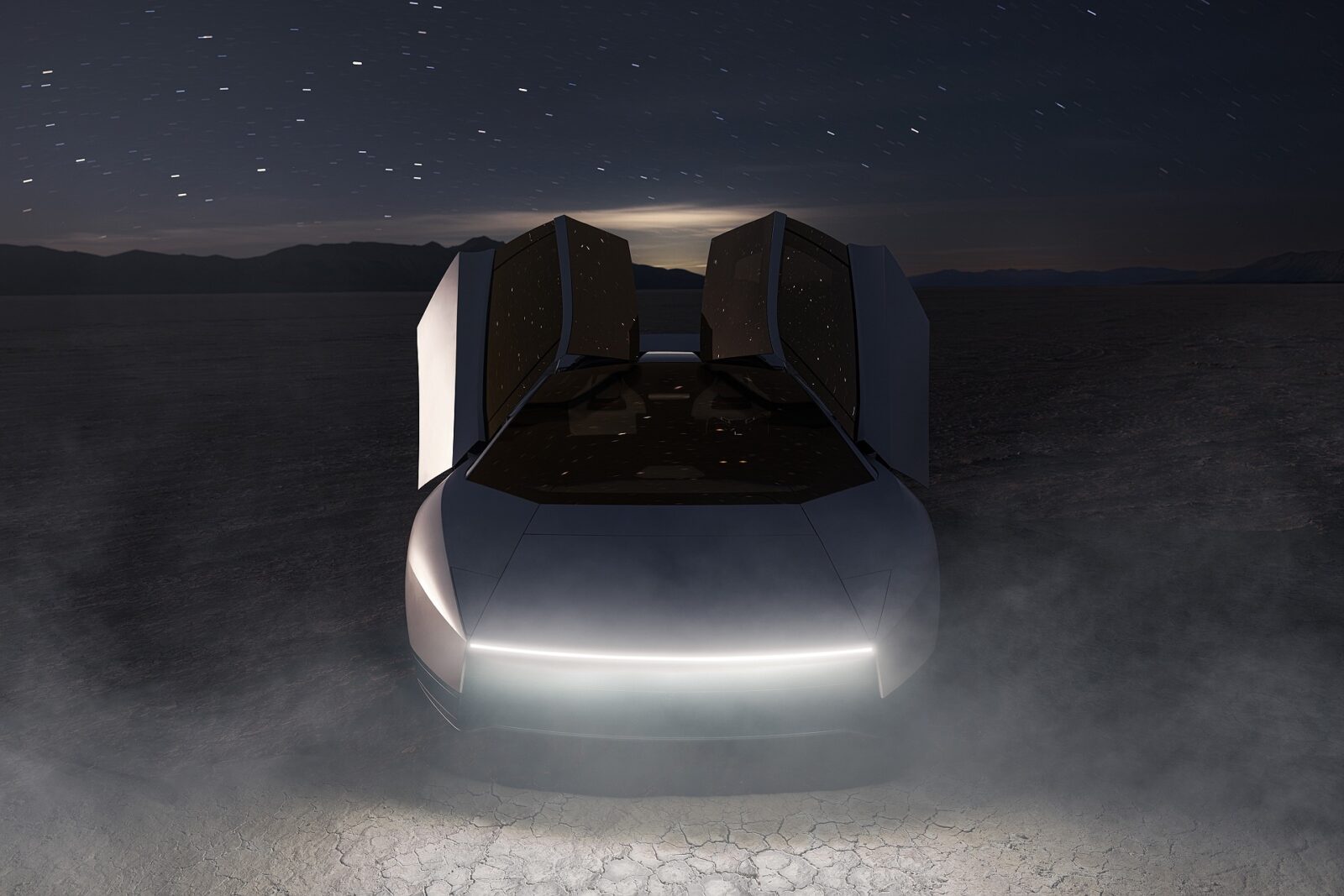
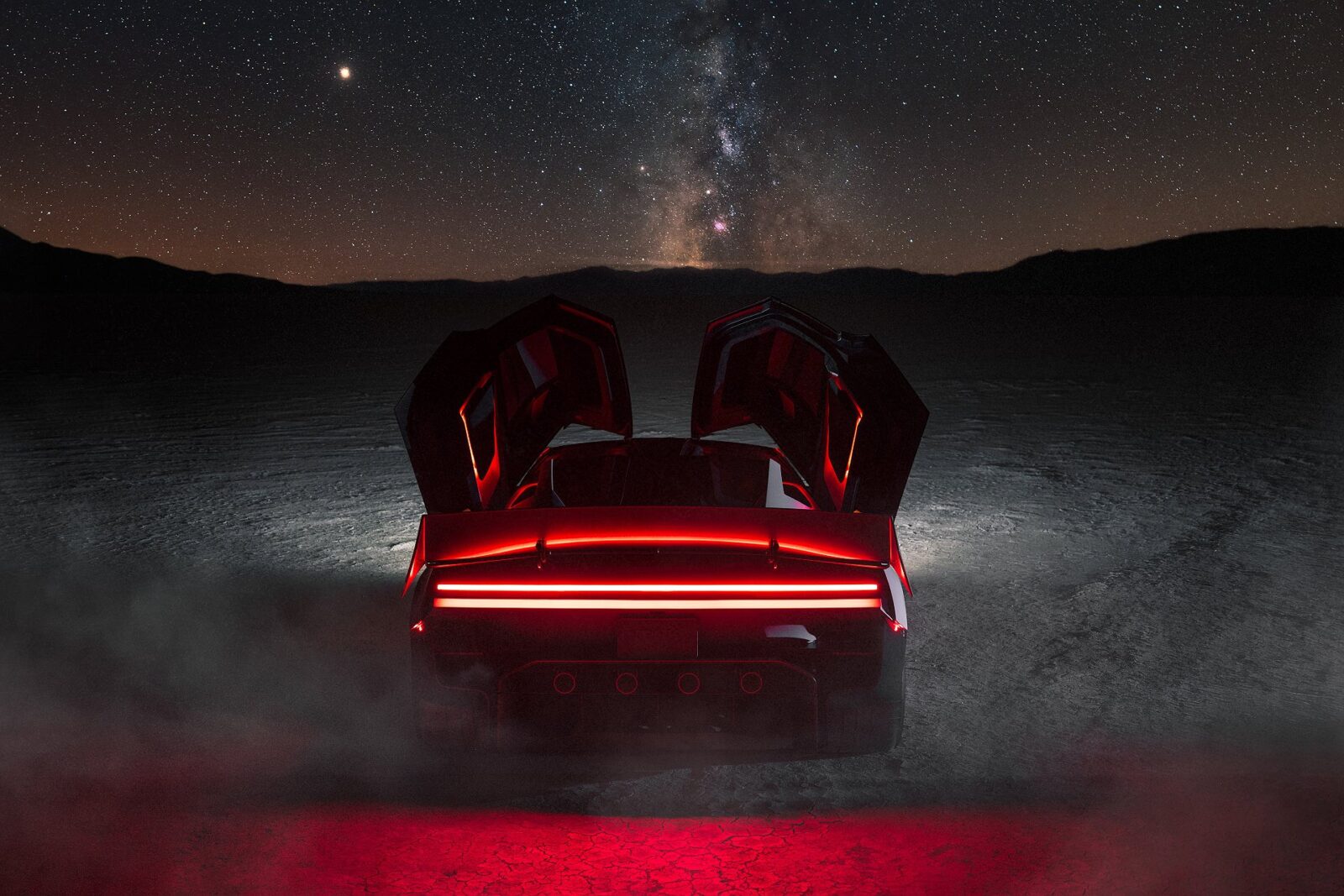
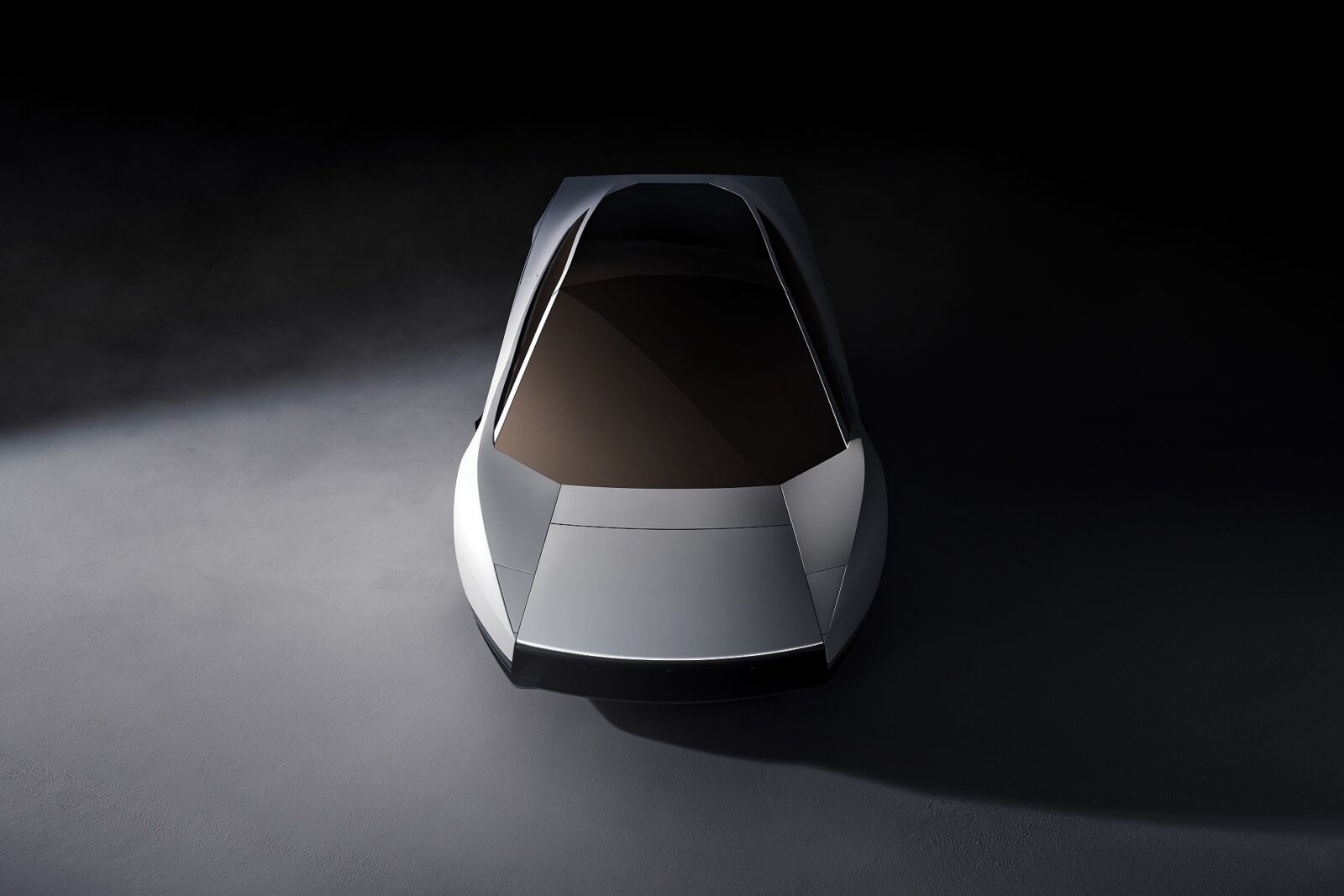
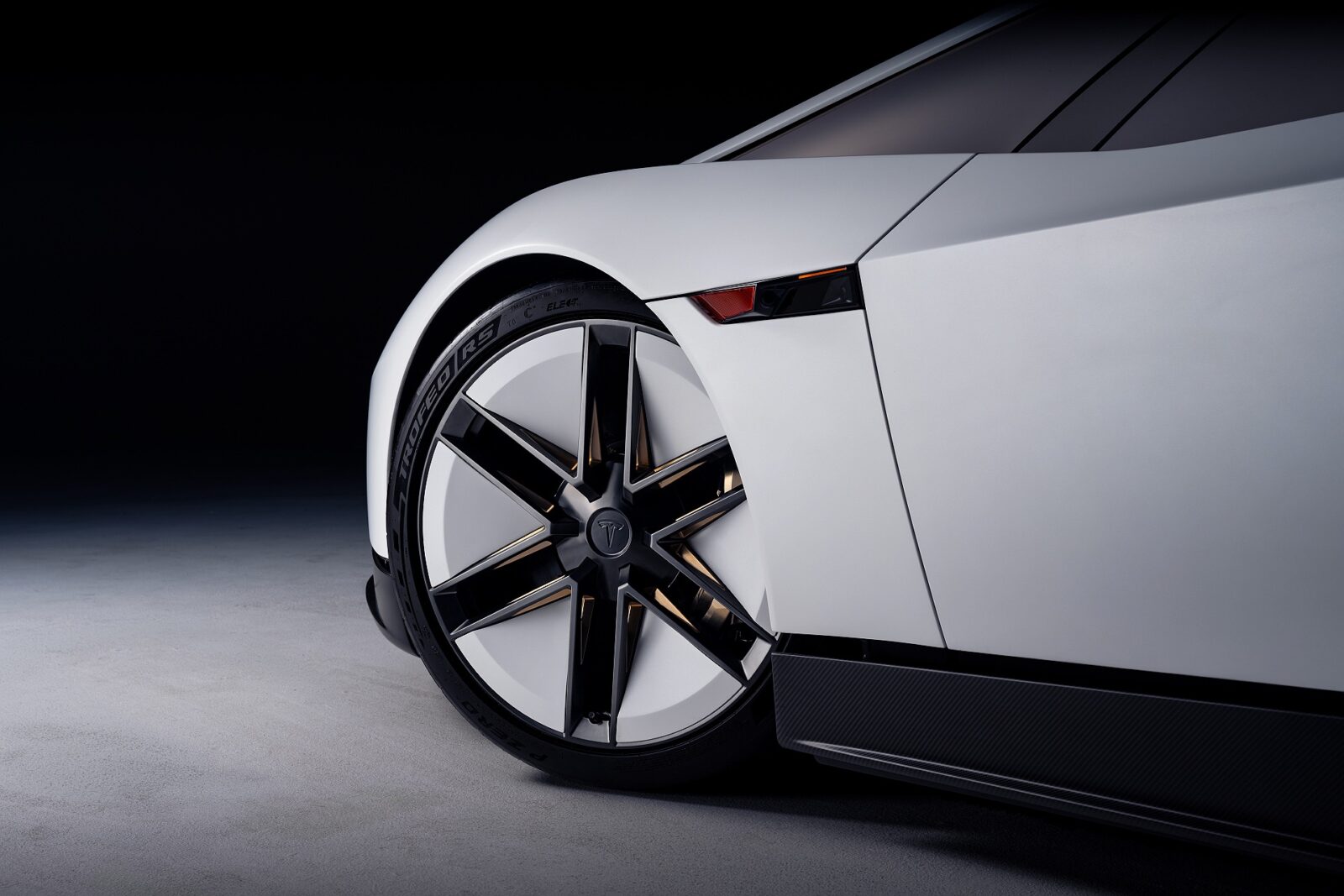
Tesla said the angular body was inspired by the SR-71 spy plane and the F-35 fighter jet. Following that same look, the headlights were hidden away, and the aerodynamic parts were built into the body so that nothing sticks out, with a single taillight stretched along the full length of the rear. The wheels, on the other hand, were given very thin spokes to keep them as light as possible.
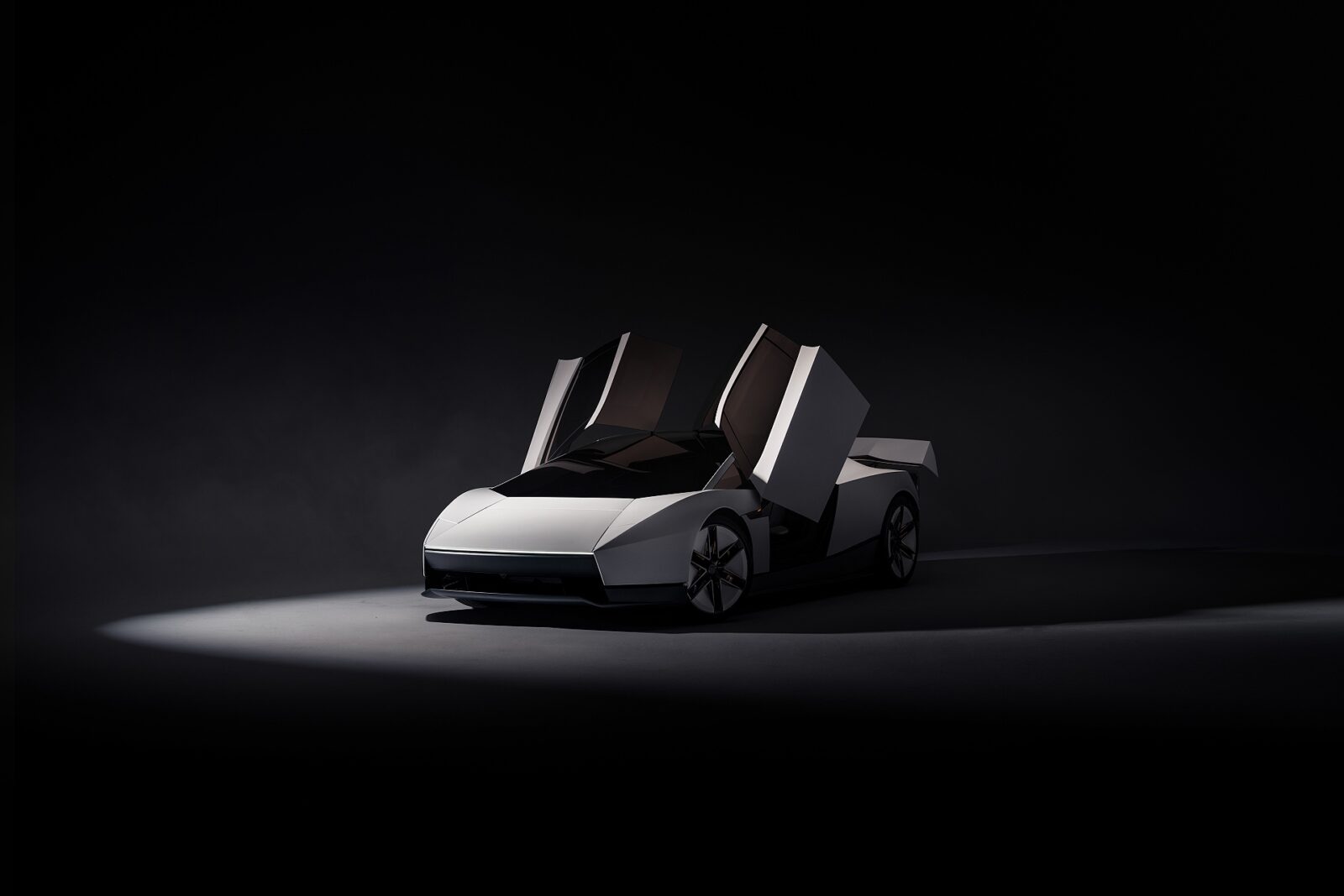
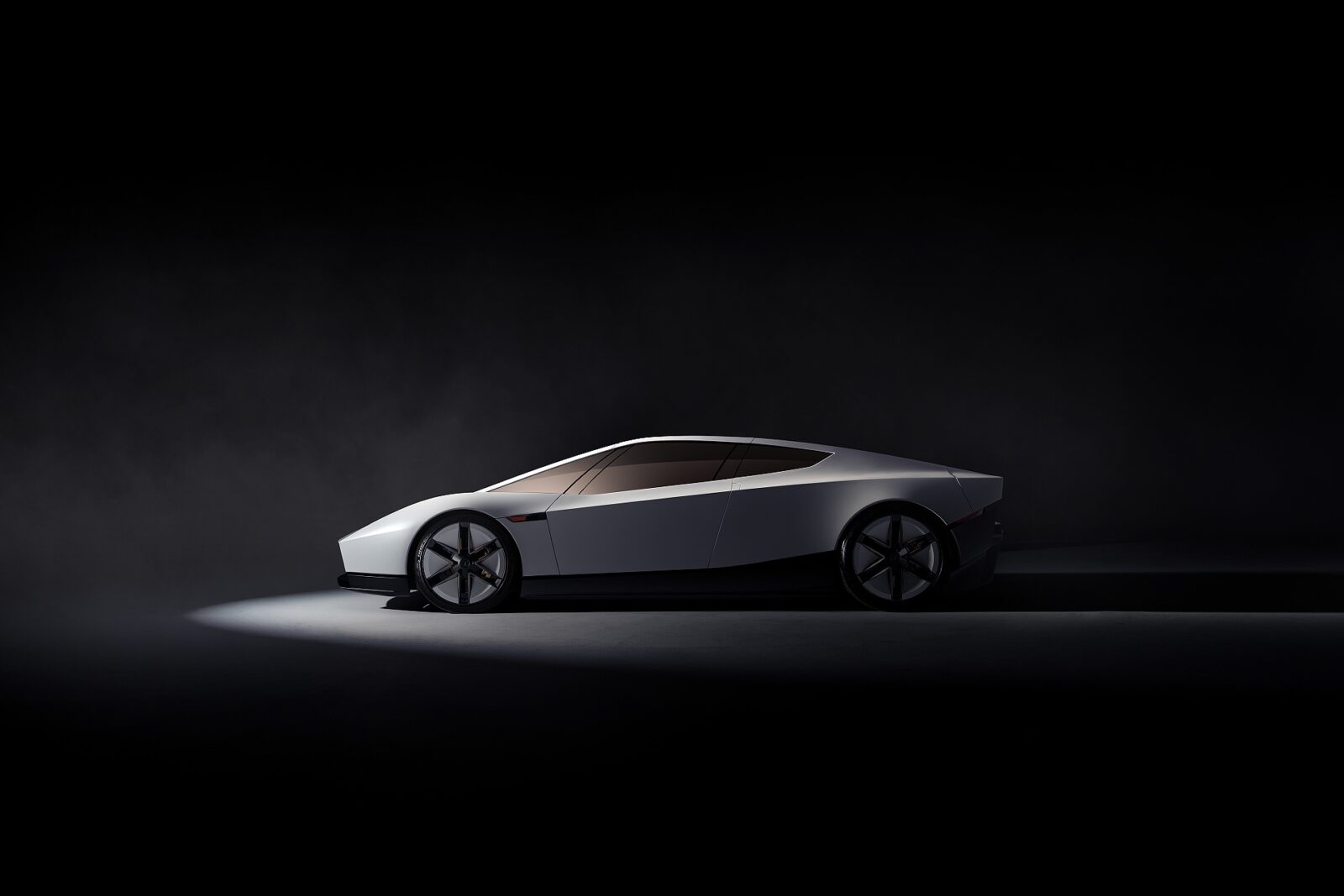
The white paint, called Ano White, is based on coatings used on rockets, which protect them from sunlight, extreme cold and corrosion. The windows, meanwhile, are tinted gold to look like the visor of a spacesuit, and small titanium details are scattered around the car.
The interior
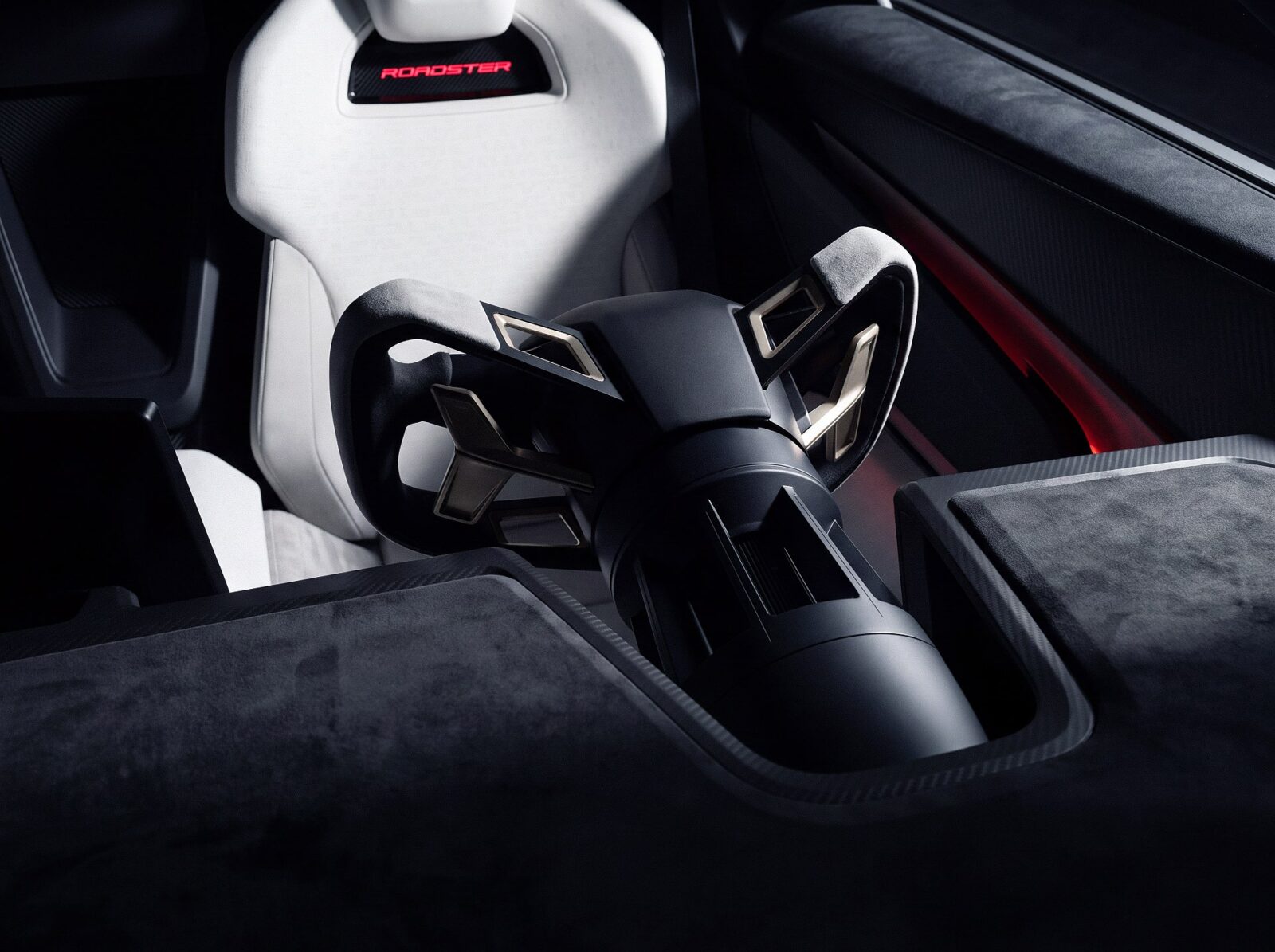
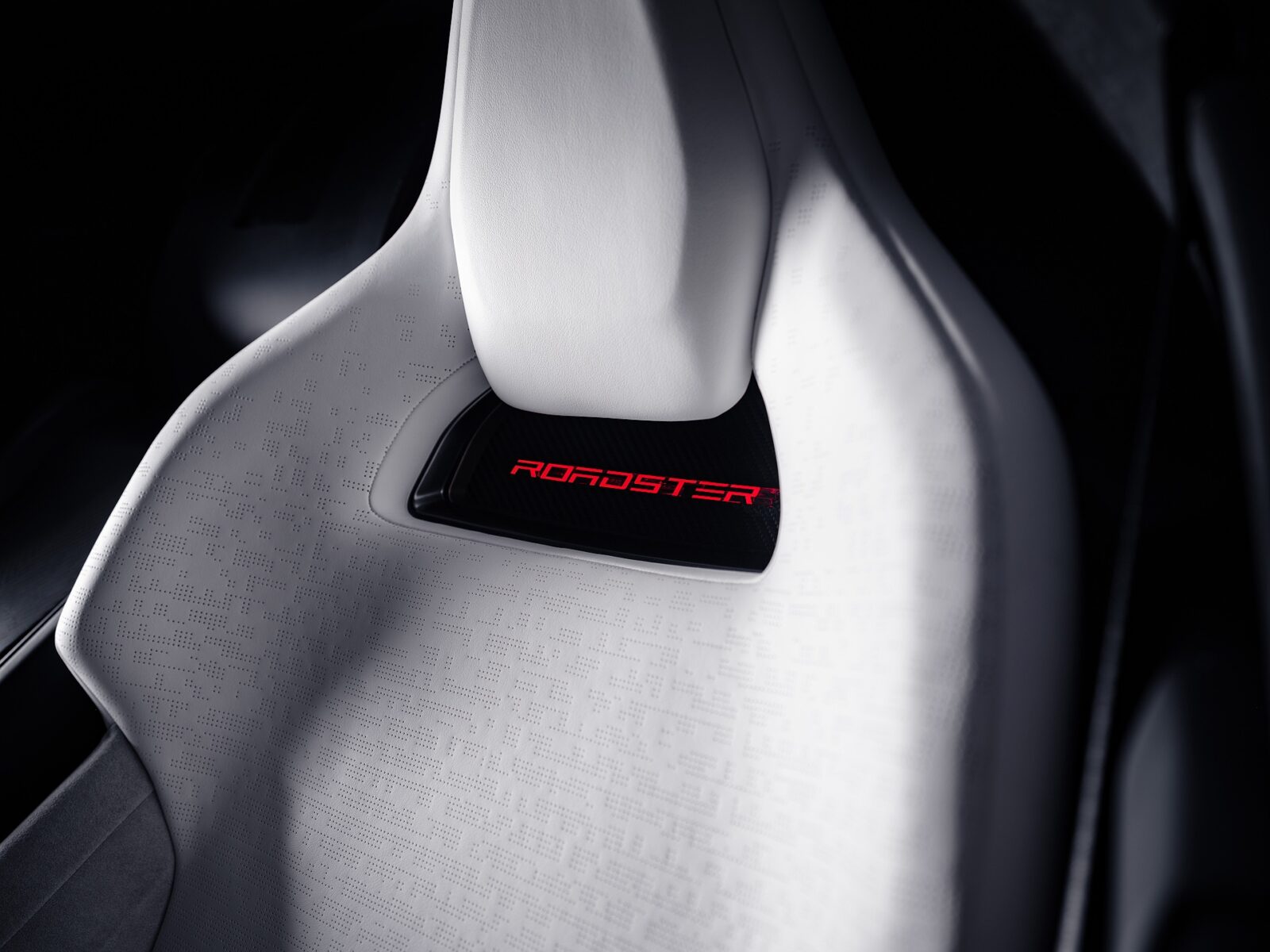
Inside, the cabin is white with grey microsuede, a soft, suede-like fabric, which also covers the sides of the seats for extra grip. The car is driven with a yoke, a rectangular steering wheel cut off at the top, which is connected to the wheels electronically with no mechanical link. The driver also has a central touchscreen and two smaller displays facing forward.
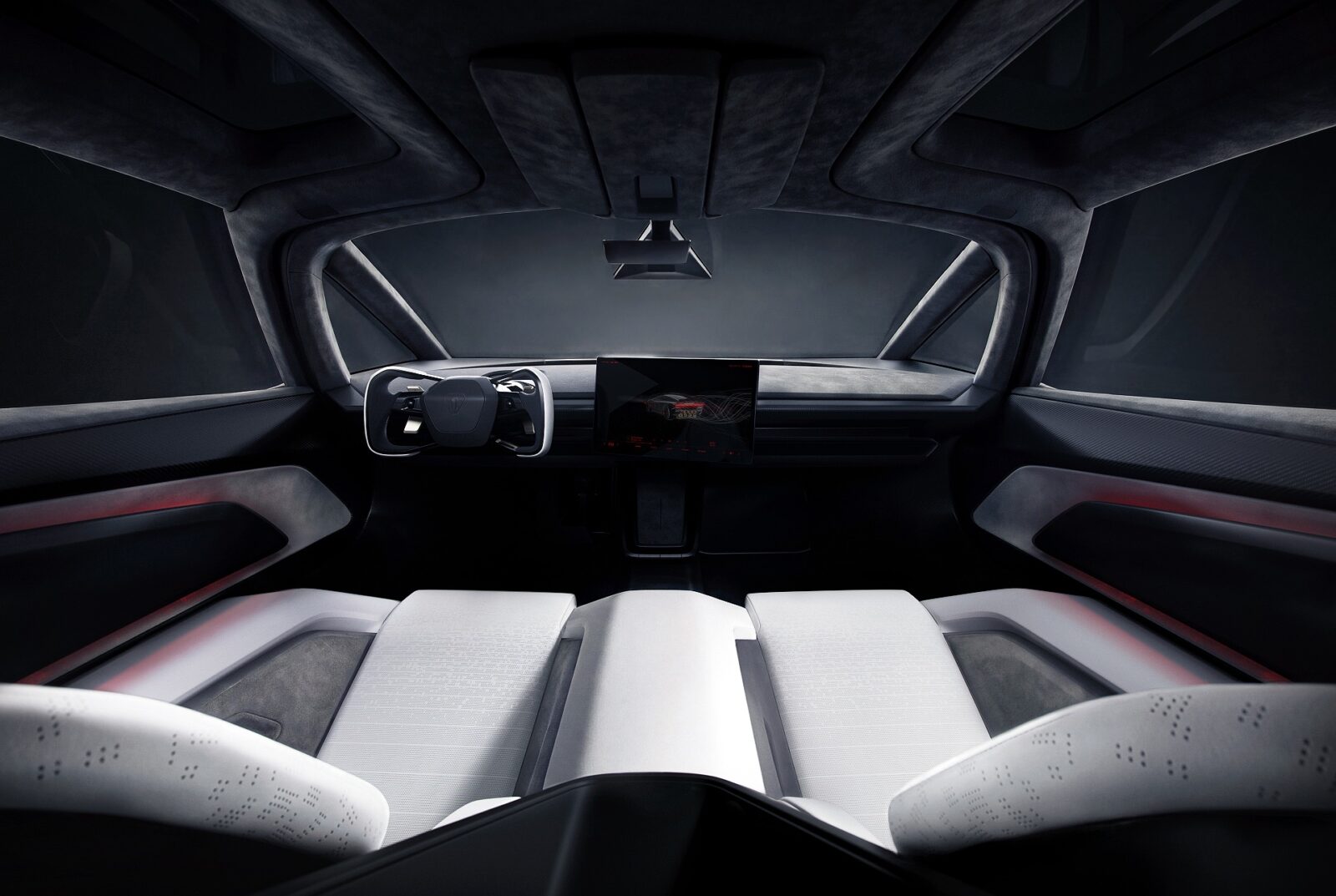
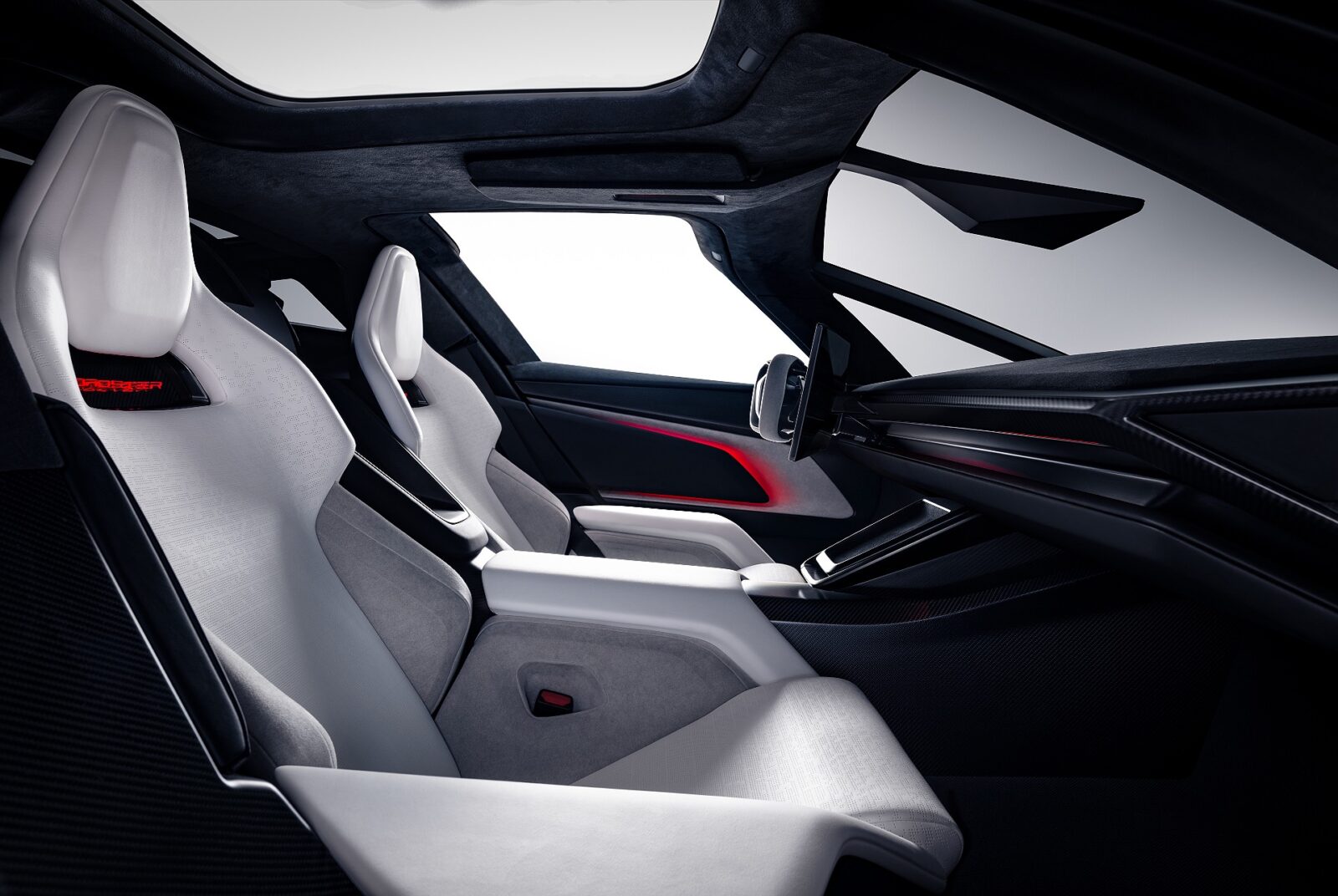
To keep the car as light as possible, the seats were bolted straight onto the car, doing away with the rails and motors needed to adjust them. Furthermore, several controls were made manual, while lightweight materials such as magnesium, titanium and carbon fibre helped achieve Tesla’s target for the whole car to be under 1,700 kilograms.
During the livestream, Musk himself admitted that the Roadster “is not necessarily a safety-optimised car”. With no price announced and no approval for the flying version, it remains to be seen how much of what was shown will reach the cars delivered in 2028.