





Header: Matteo Ercole
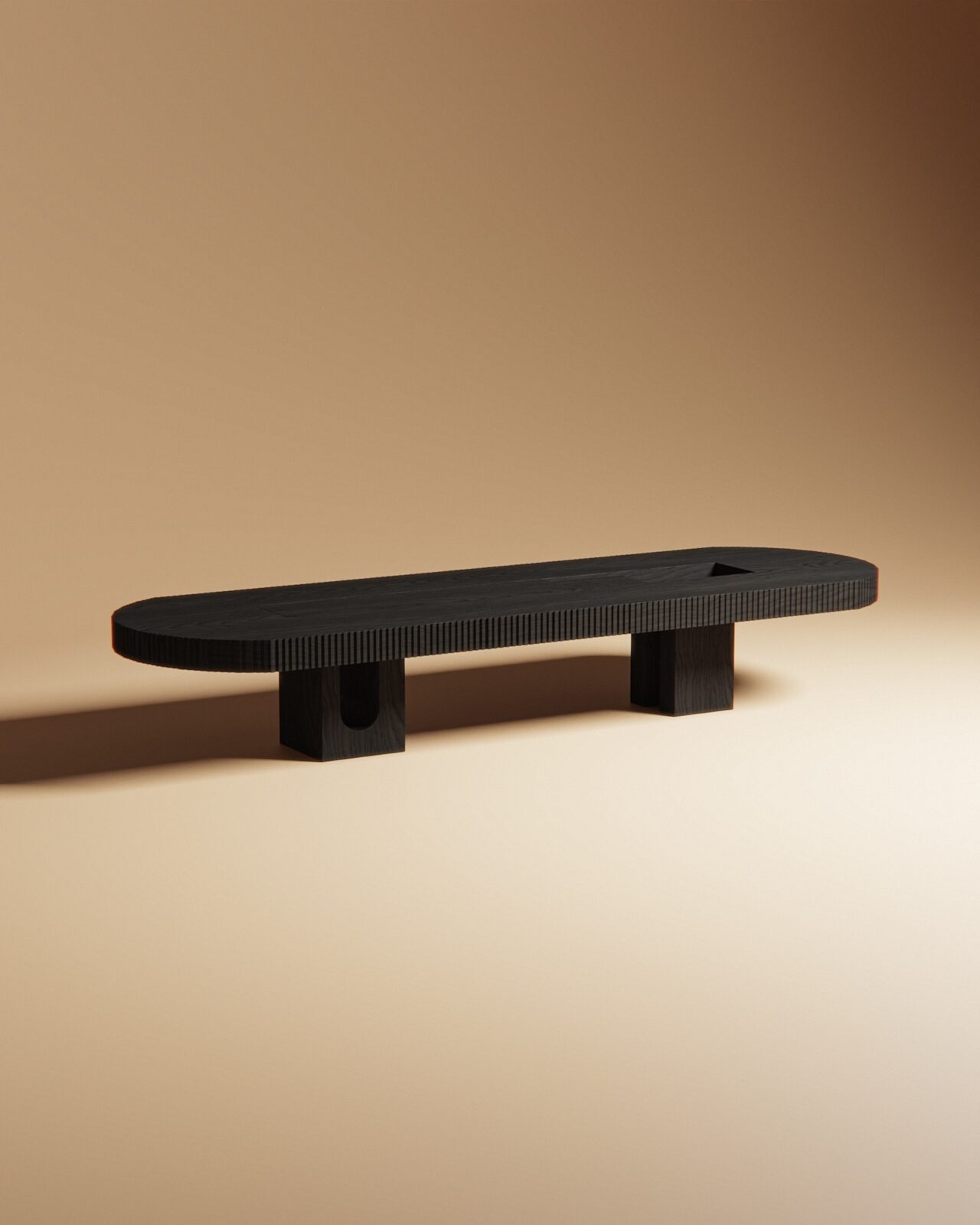
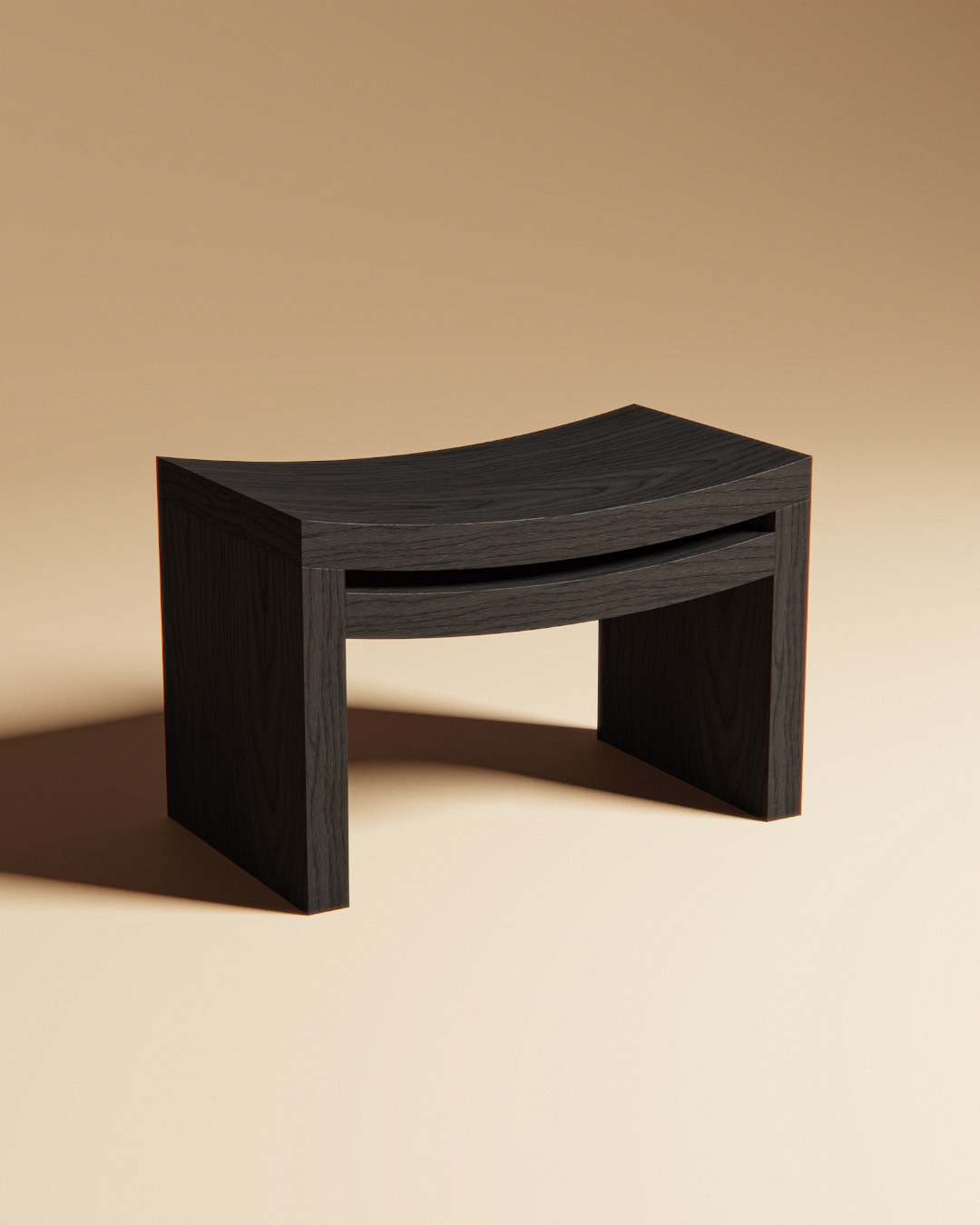
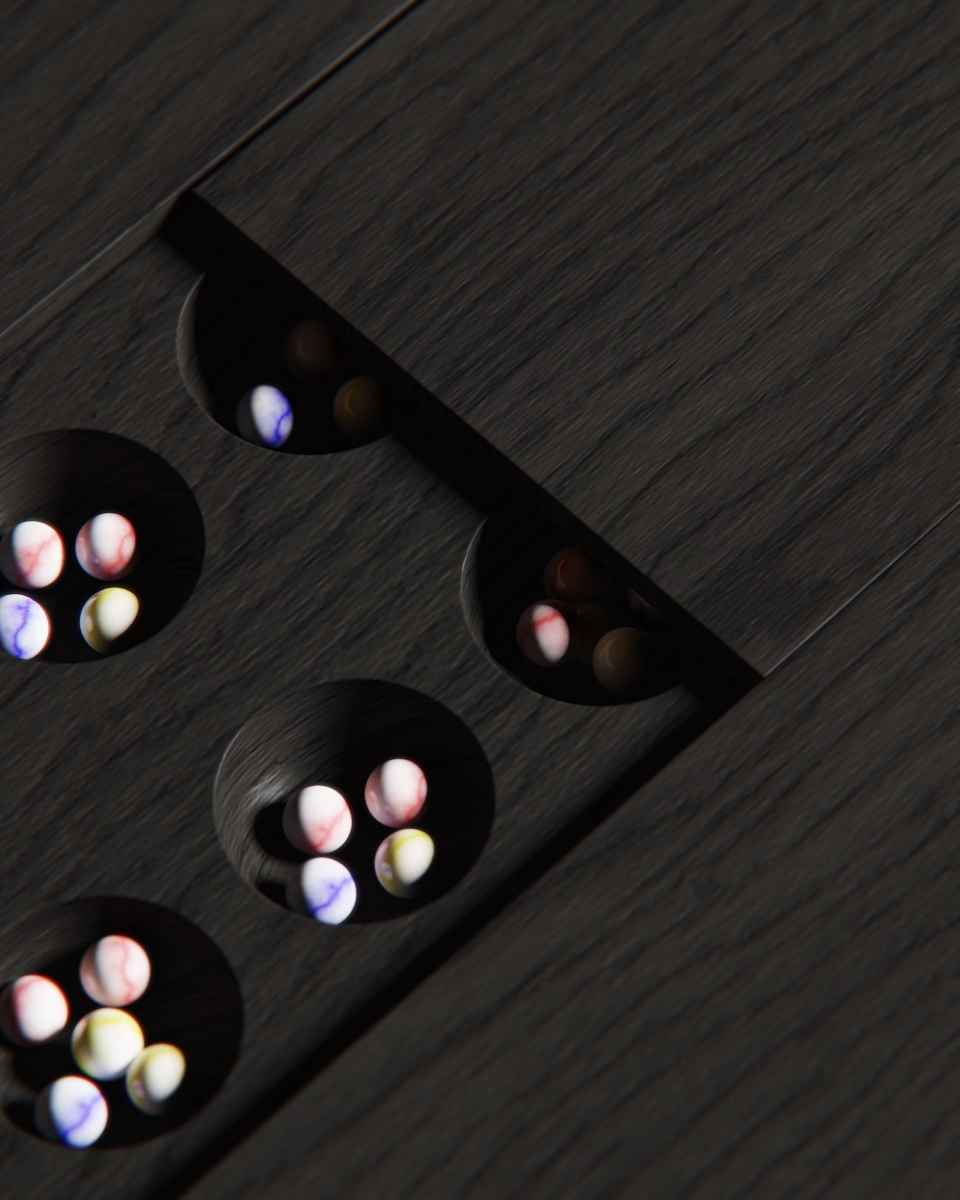
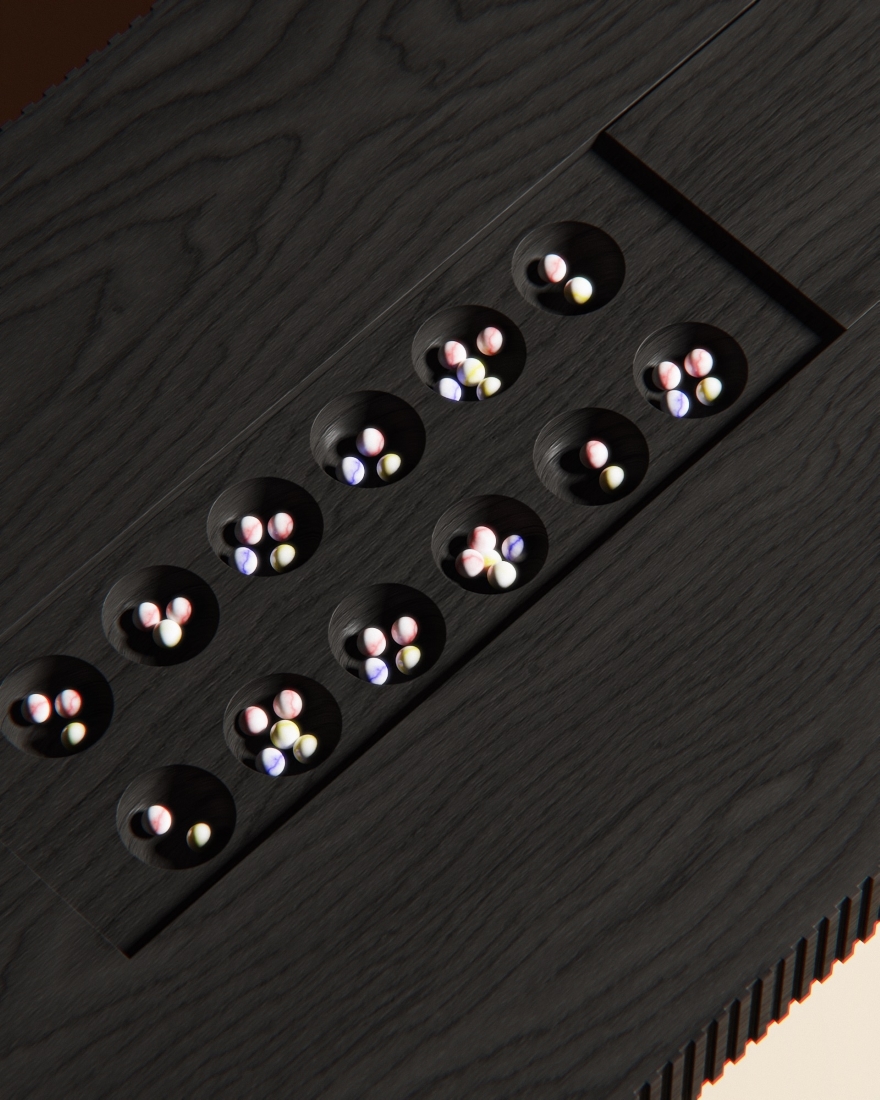
Milan-based designer Terry Aidoo is redefining how we look at contemporary furniture by putting human connection back at the centre of the home. His latest work, the Kabila Collection, recently won Product Design of the Year 2026 at the African International Design Awards (AIDA) in the People-Centric Design category. Created alongside Festival Divercity, this striking prototype series challenges the solitary nature of modern furniture. By looking to the traditional African courtyard for inspiration, Aidoo has crafted a sculptural coffee table and a single, symbolic stool that encourage people to slow down, sit together, and share stories.
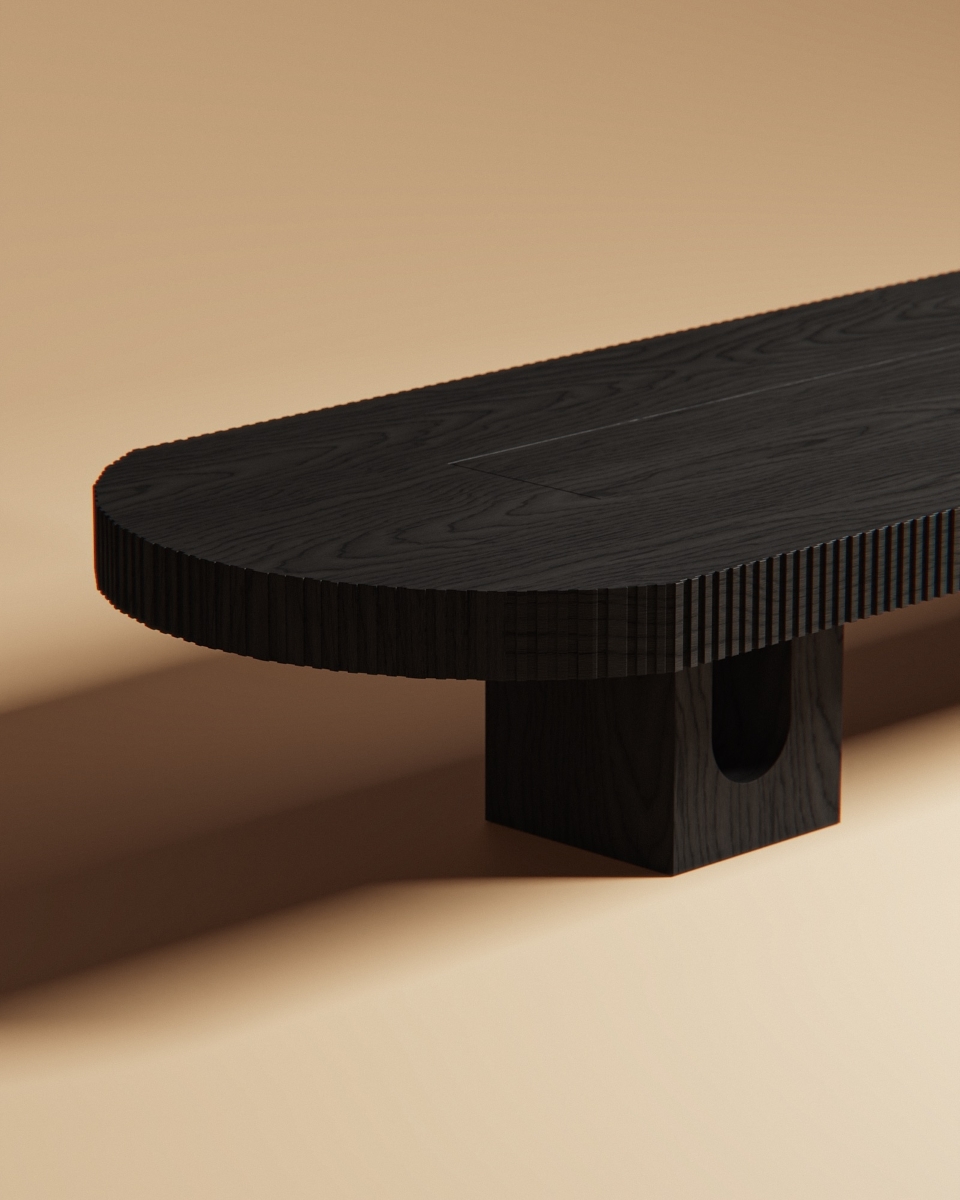
The project brings together responsible sourcing and expert craftsmanship, utilising rich sapele wood from Nigeria, which is shaped with digital cutting machines before being finished entirely by hand in Italy. The result is a set of heavy, grounded pieces that feel as though they were carved from a single block of timber, inviting people to touch the surfaces and gather around them.
In this interview, Aidoo opens up about his multicultural upbringing, the deep cultural memory behind his designs, and what it means to have his community-focused philosophy celebrated on a global stage.

Can you tell us a bit about your background and how it has shaped your approach to design?
I’d say my approach to design has been shaped by both my cultural background and my education. Growing up between Ghanaian, Nigerian, and Italian cultures gave me an appreciation for different ways of living, gathering, and building community. I also studied Social Health Services in high school, and that experience had a profound impact on how I see design. It taught me to always put people at the center of every project and to think about how the spaces we inhabit and the objects we use influence our wellbeing, our relationships, and even the stories we tell about ourselves. Because of that, I’ve never approached design as something purely aesthetic. For me, design is first and foremost about people.
What inspired you to create a collection around the idea of community and the African courtyard?
As a designer, I’ve always been fascinated by the meanings that certain spaces carry beyond their physical form. The traditional African courtyard is one of those spaces. Historically, it has been a place of gathering, storytelling, celebration, and everyday life: the social heart of the home and the community.
Having grown up in Italy, while being raised in an African household, I’ve often noticed a strong emphasis on individuality in Western society. In contrast, I was raised with a sense of collective identity, where community, family, and shared experiences play a central role. Kabila was born from that reflection. Festival Divercity and I wanted to explore how design could celebrate those values and translate the spirit of togetherness into contemporary furniture.
How did you turn the feeling of gathering into a furniture collection?
Honestly, it wasn’t easy. Translating a feeling into a physical object is always one of the biggest challenges in design. The process began with observation. I spent a lot of time thinking about how people interact, how conversations form, how we gather around objects, and how certain spaces naturally encourage connection. Rather than designing furniture as individual pieces, I approached the collection as a system that could create moments of encounter and exchange.
Can you tell us about the materials and manufacturing process behind the collection?
Kabila is crafted from solid Sapele wood, a material I chose for its strength, durability, and beautiful natural grain. It’s one of my favorite woods to work with because it has a warmth and richness that felt perfectly aligned with the spirit of the collection.
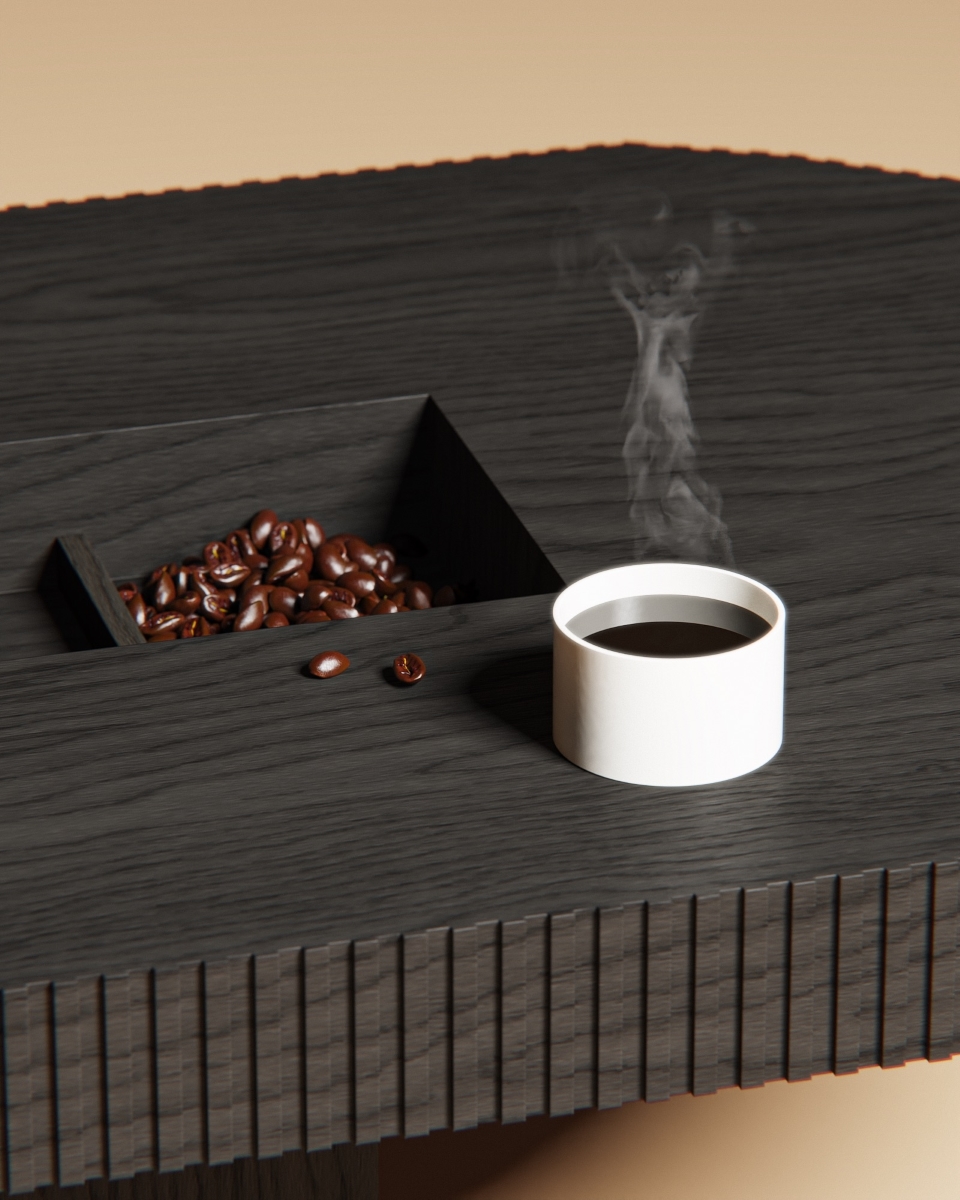
The manufacturing process combines digital precision with traditional craftsmanship. Each piece is first CNC-machined to achieve structural accuracy, then carefully hand-assembled, sculpted, and finished by skilled artisans. The final matte finish protects the wood while preserving its natural texture and character, allowing the material itself to remain an essential part of the story.
How does it feel to be recognised by the AIDA Awards for a project inspired by African cultural memory?
It means a great deal to me. Beyond the recognition itself, it feels particularly meaningful as someone from the African diaspora to see a project rooted in African cultural memory resonate on an international stage.
What makes it even more special is that Kabila received recognition in the People-Centric Design category. Throughout my work, people have always been at the center of the design process, so having those values acknowledged by such a respected jury is incredibly rewarding.
Why do you think a platform like AIDA is important now for African product design?
I believe African product and furniture design is playing an increasingly important role in shaping global design conversations. Designers across the continent and throughout the diaspora are bringing forward perspectives, histories, and cultural narratives that have often been underrepresented.
Platforms like AIDA are important because they create space for those stories to be seen, understood, and celebrated. When projects are evaluated by people who genuinely understand the cultural context behind them, the conversation becomes richer and more meaningful.
Looking ahead, how do you hope to keep exploring the relationship between furniture, memory and shared experience?
I see Kabila as the beginning of a broader exploration into how furniture can carry memory, ritual, and human connection. Moving forward, I want to continue translating elements of African heritage and cultural traditions into contemporary design, creating pieces that encourage gathering, storytelling, and a sense of belonging. In fact, this research is already evolving into a new collection that explores different aspects of African material culture and craftsmanship. It’s still taking shape, but I’m excited to share more soon.


