Header: Courtesy of Ferrari
Ferrari has presented the Luce at the Vela di Calatrava – Città dello Sport in Rome, having chosen the ancient city for their shared history: it was there that the Prancing Horse won its first race, when the 125 S, driven by Franco Cortese, took victory at the Gran Premio di Roma on the Baths of Caracalla circuit in 1947. Seventy-nine years later, the company has returned to Rome with a car that opens another part of its engineering programme.
The Luce is the result of the multi-energy strategy Ferrari outlined at its 2022 Capital Markets Day. It does not replace the combustion engine in Ferrari’s range; instead, it expands the company’s position in the technological neutrality market.
“Rome, the symbolic location of our first victory, becomes the starting point for a Ferrari that lights up the future and opens new horizons.”
John Elkann, President of Ferrari
Conquering a new front
Ferrari presents the car as more than an electric version of an existing idea. The name Luce refers to light, clarity and direction, but the car itself is described as a complete Ferrari, with its own character. The electric engines, battery pack and main systems have been engineered, developed and made in-house, in Maranello. More than 60 new patents are linked to the car, and Ferrari says future support will cover all electric components, including batteries, under the Ferrari Forever approach.
“This model is the result of more than 60 of our new patents and lies at the heart of an ecosystem of collaborations with outstanding technology partners. We have created a car that combines unique driving emotions with extraordinary performance, driving pleasure, and comfort for the Ferraristi of today and tomorrow.”
Benedetto Vigna, CEO of Ferrari
Ultra-aerodynamic body
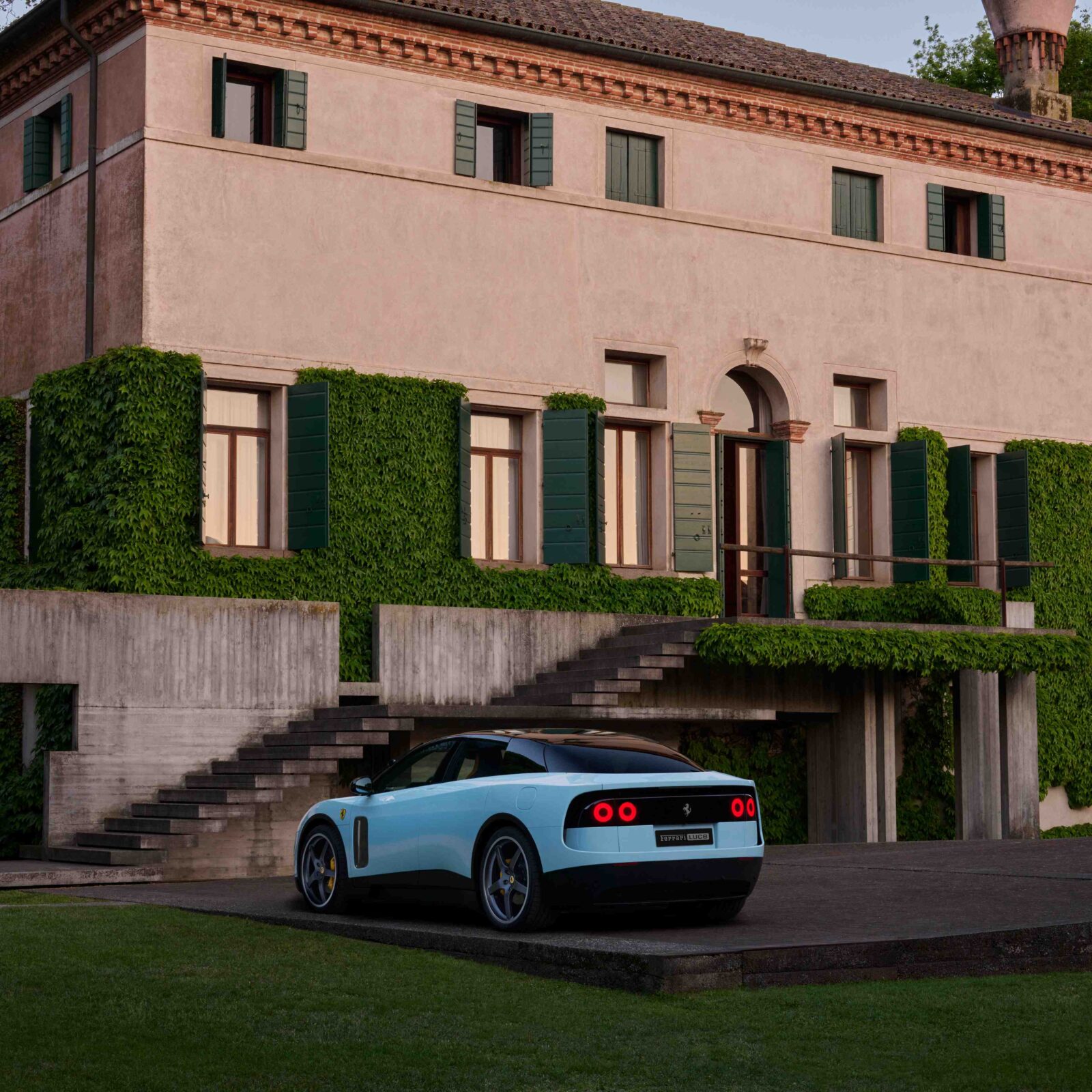
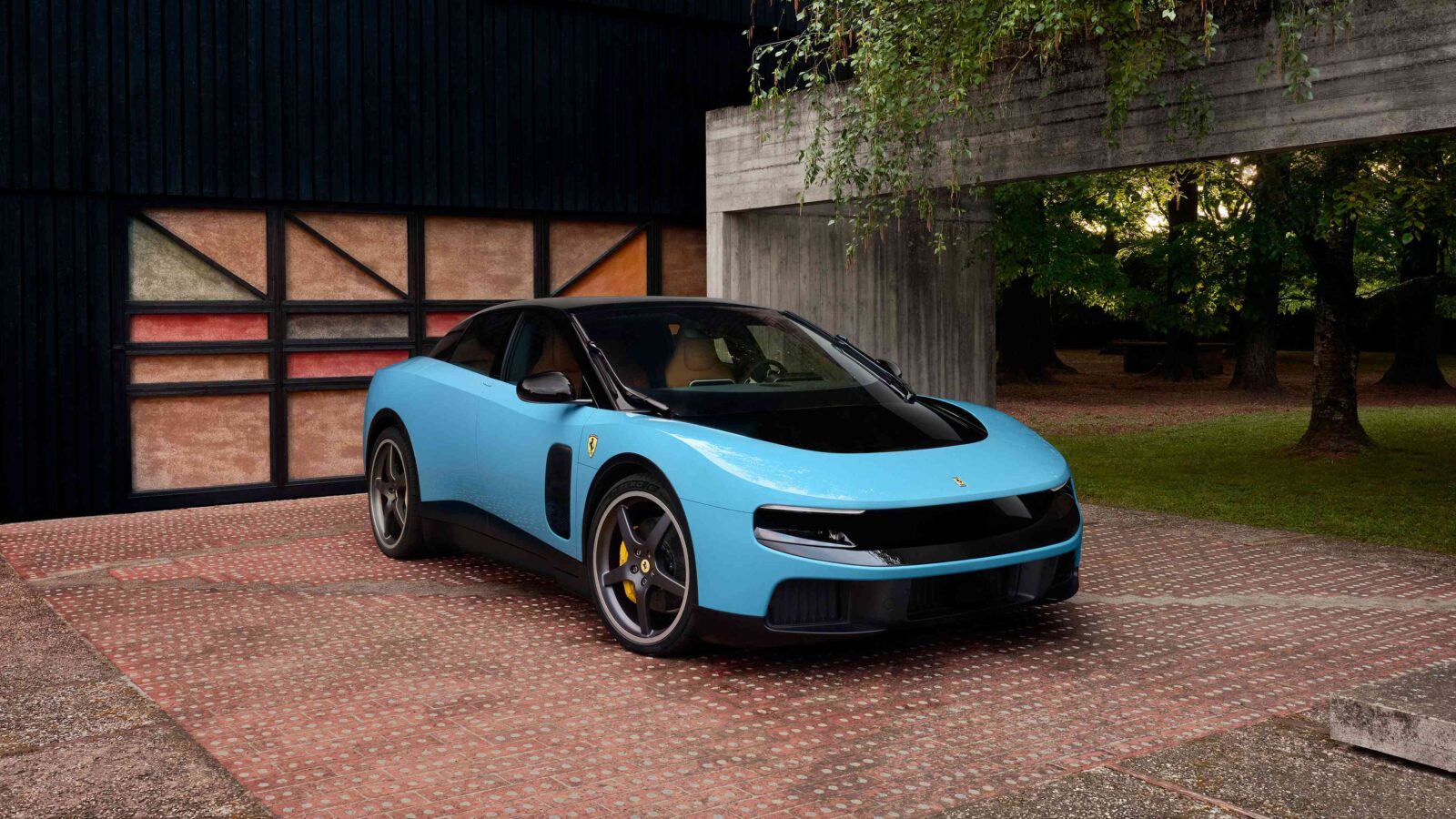
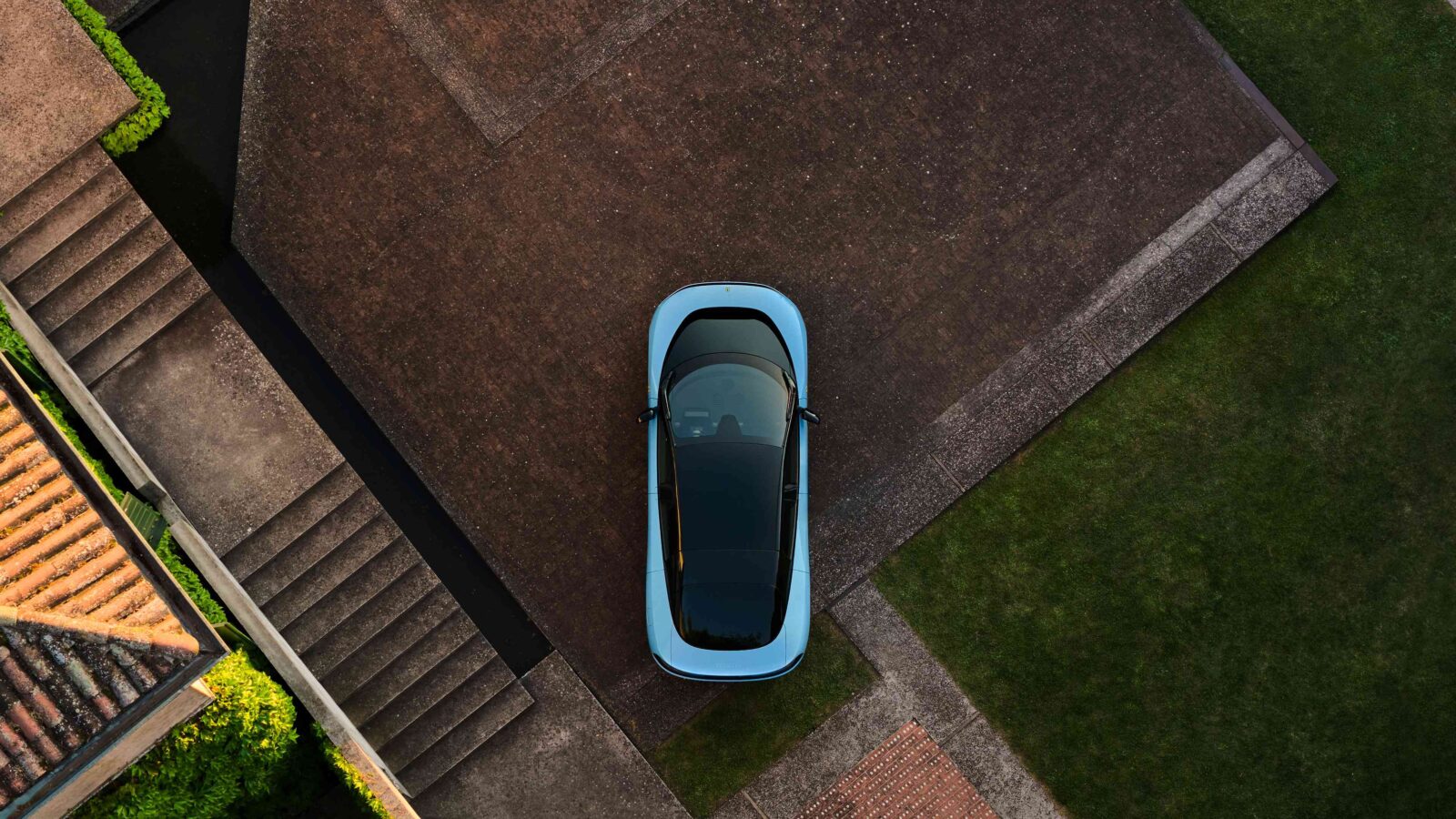
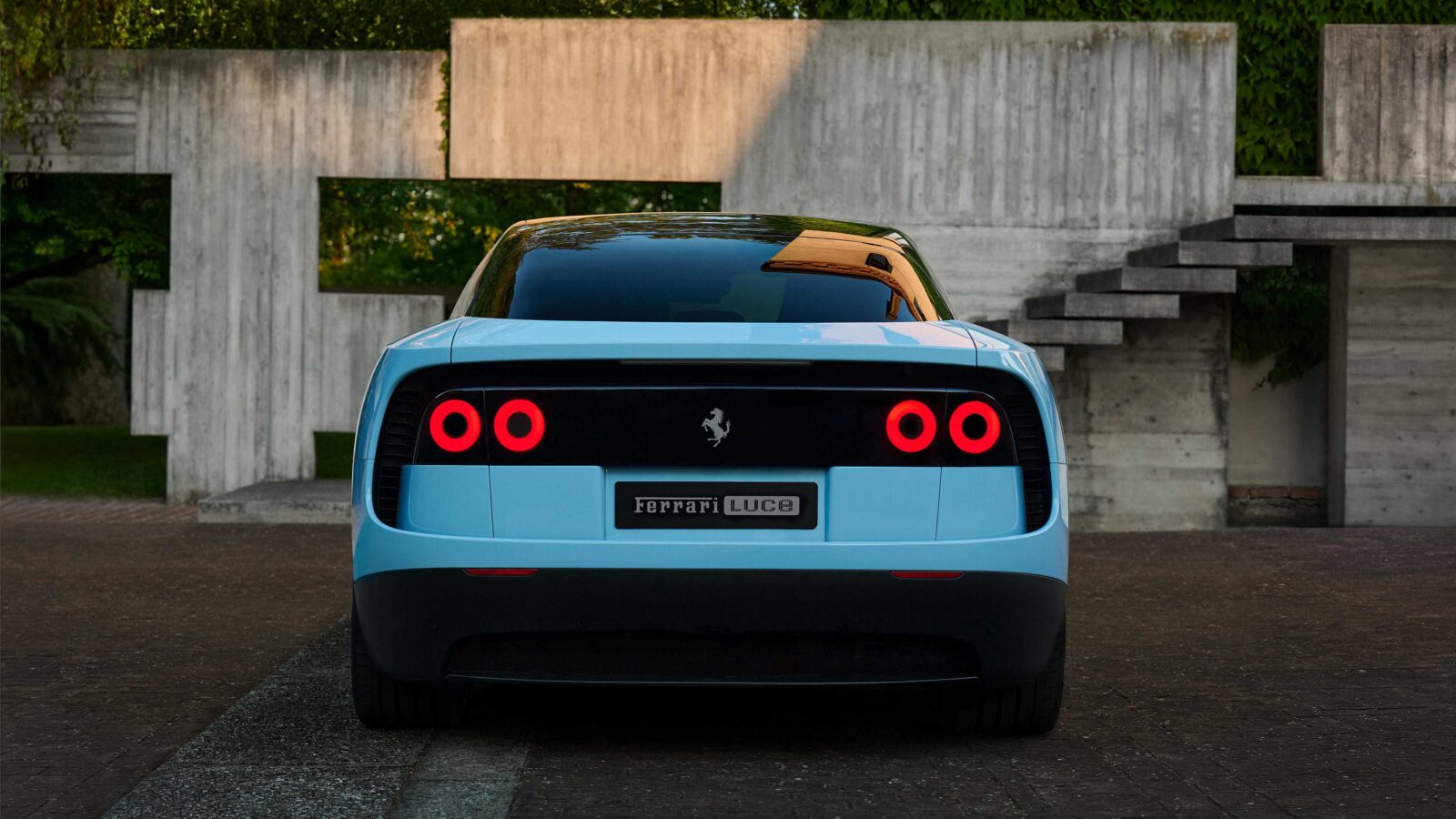
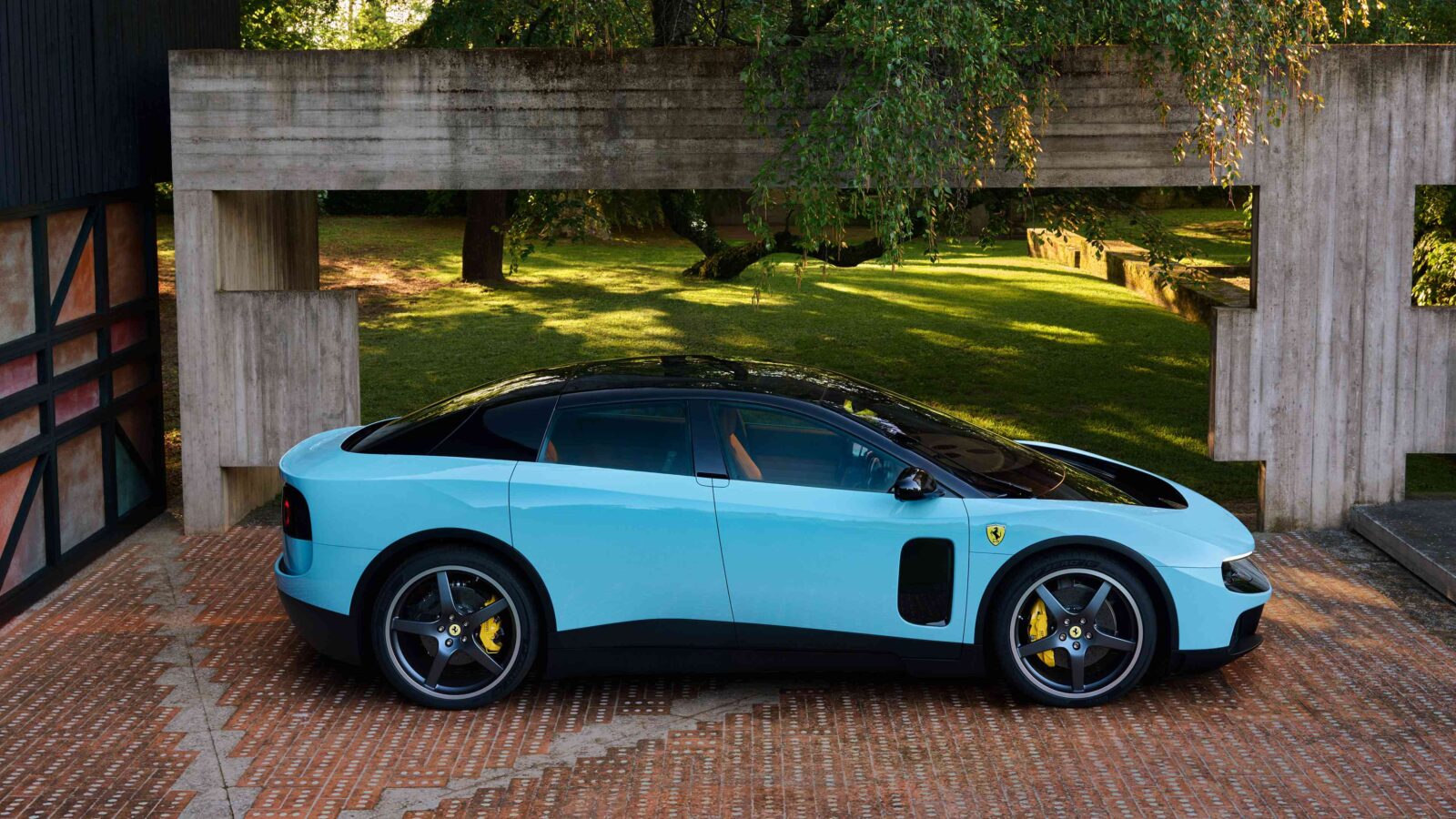
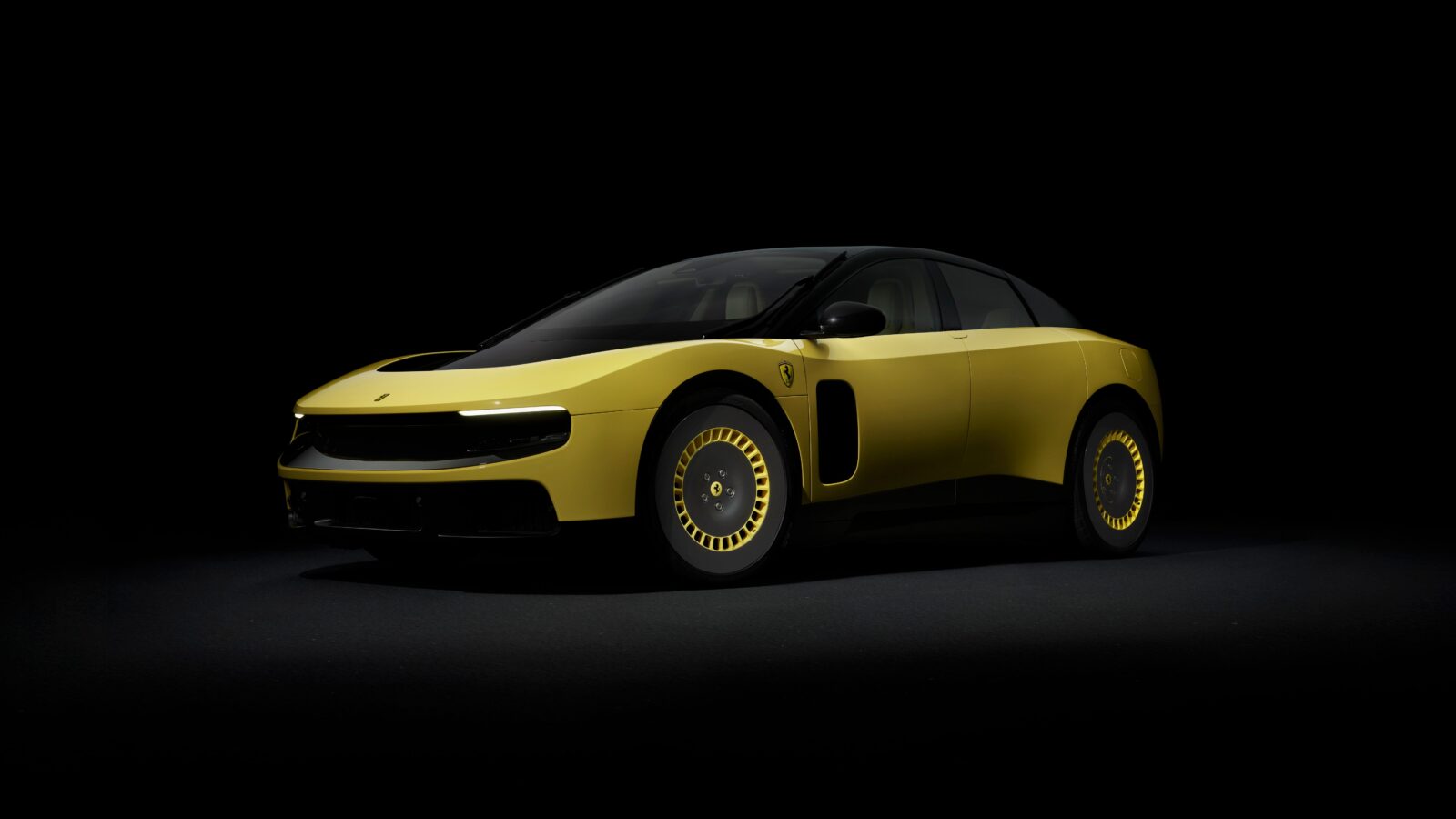
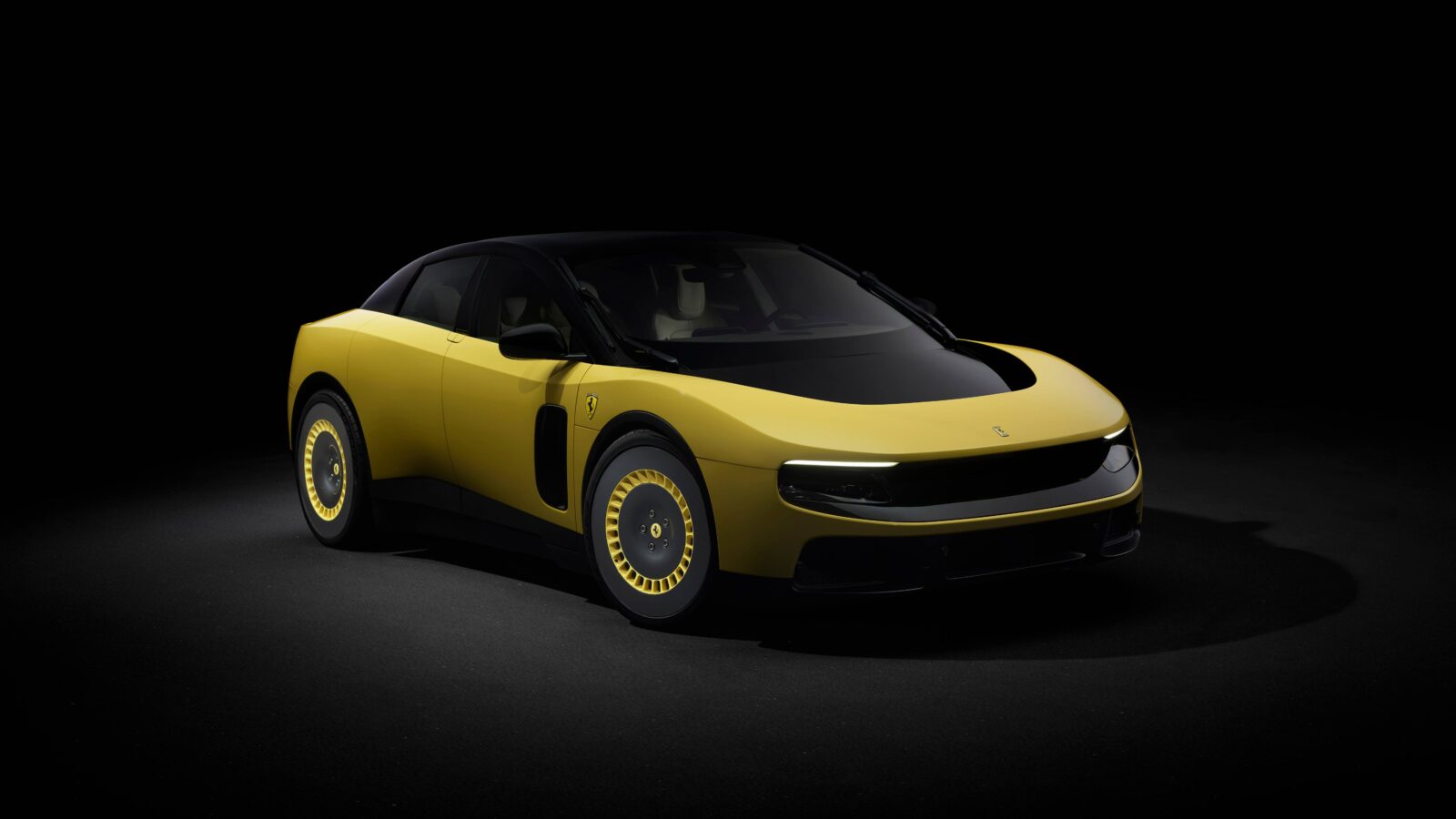
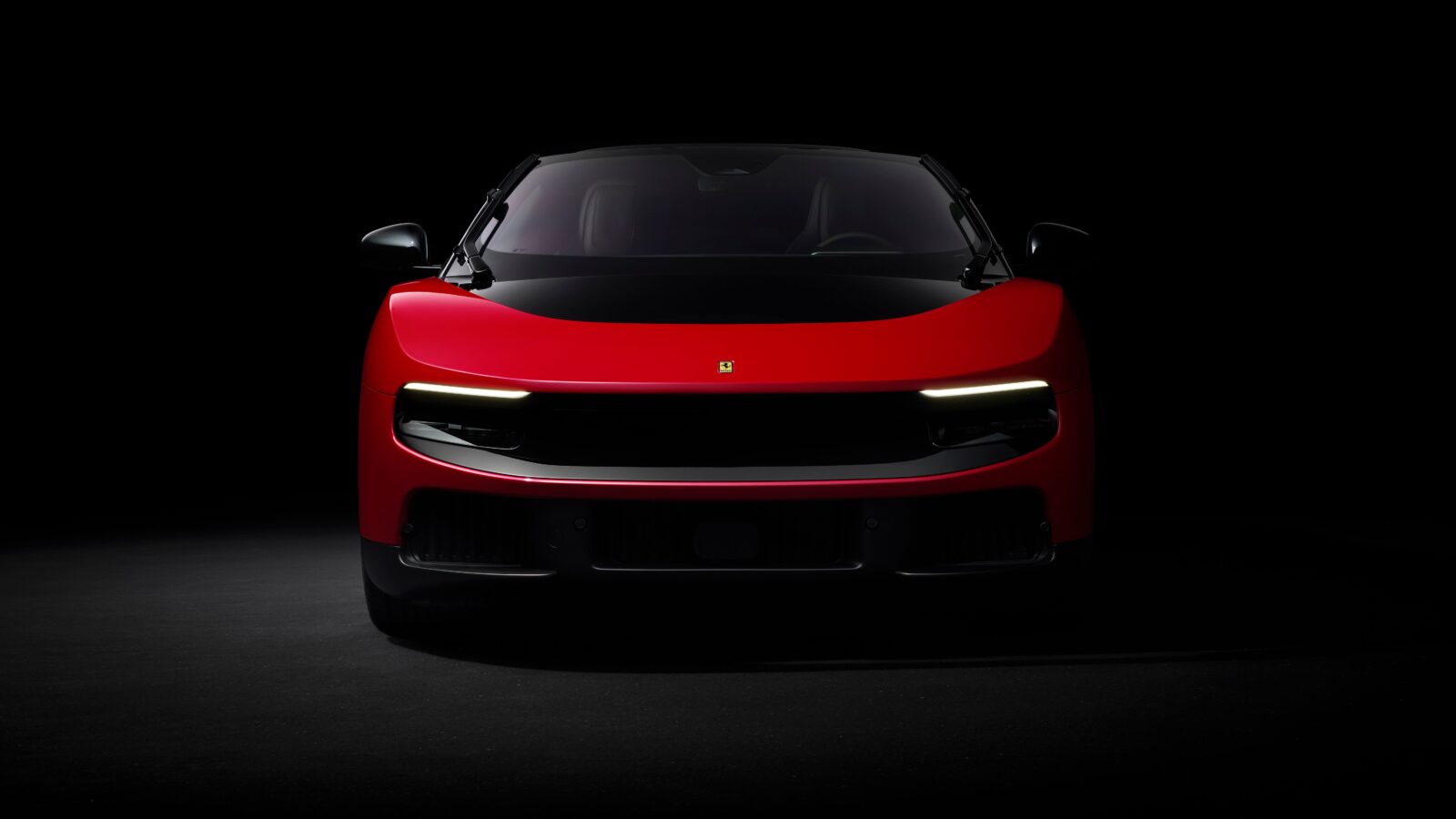
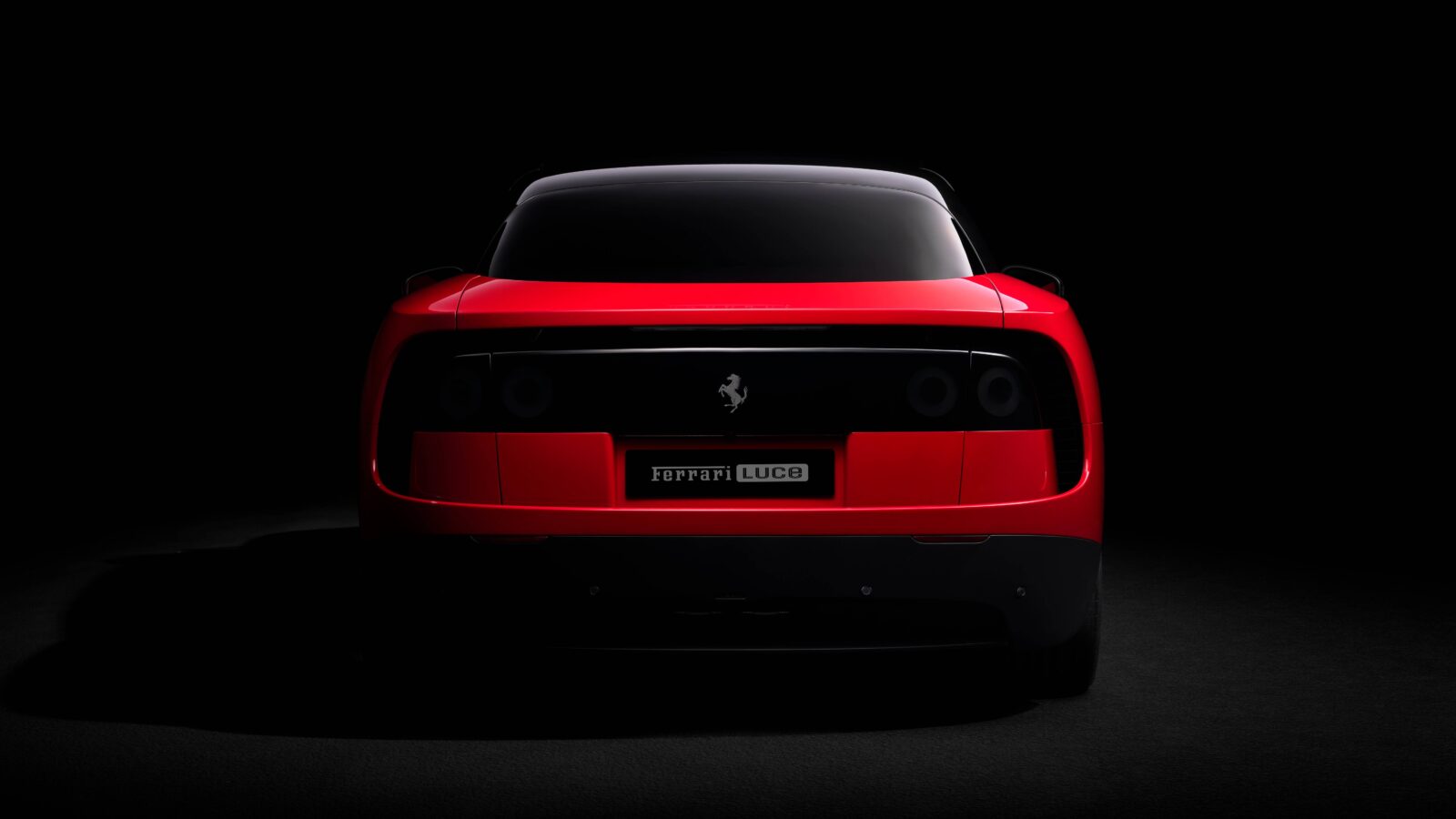
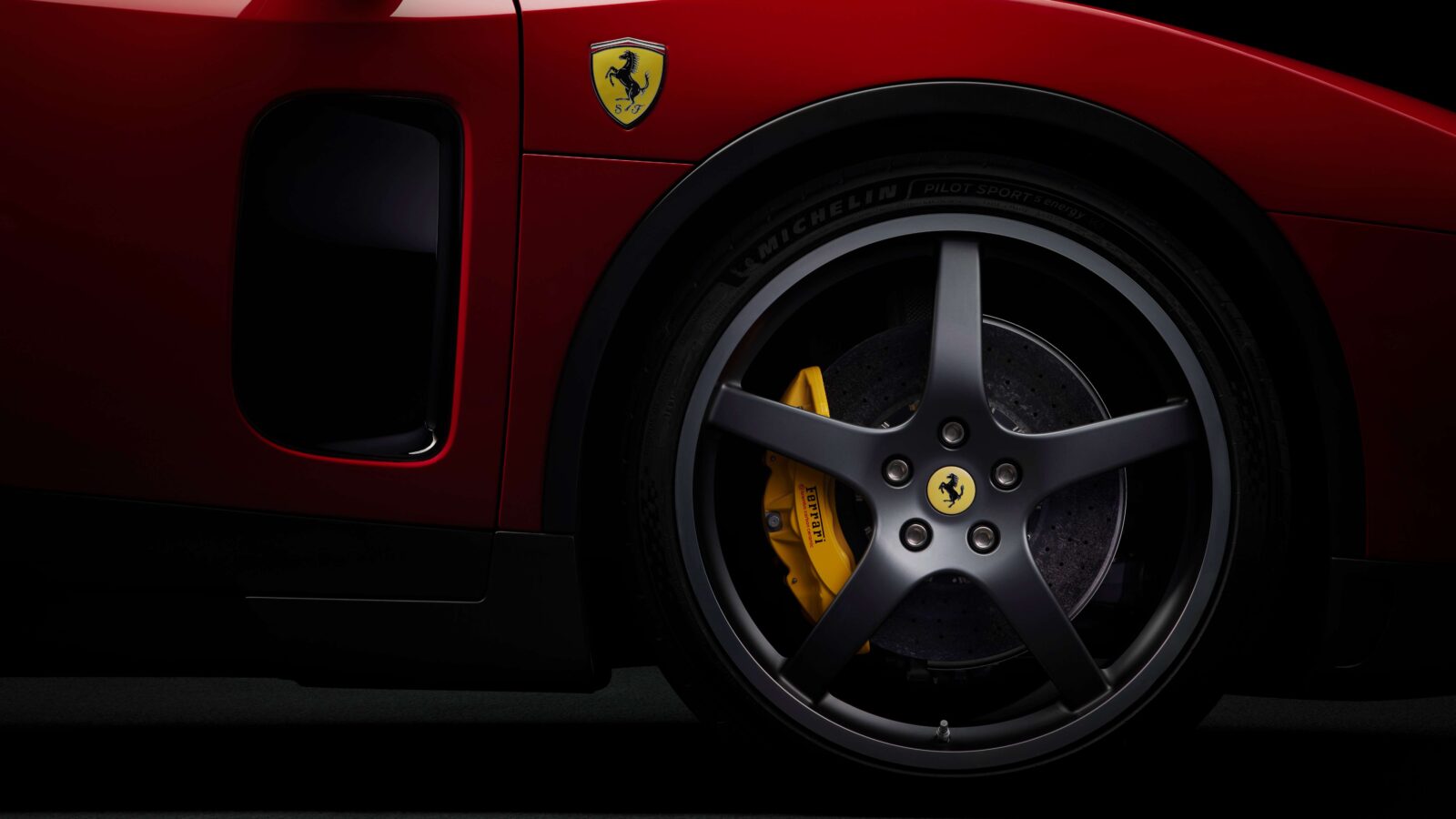
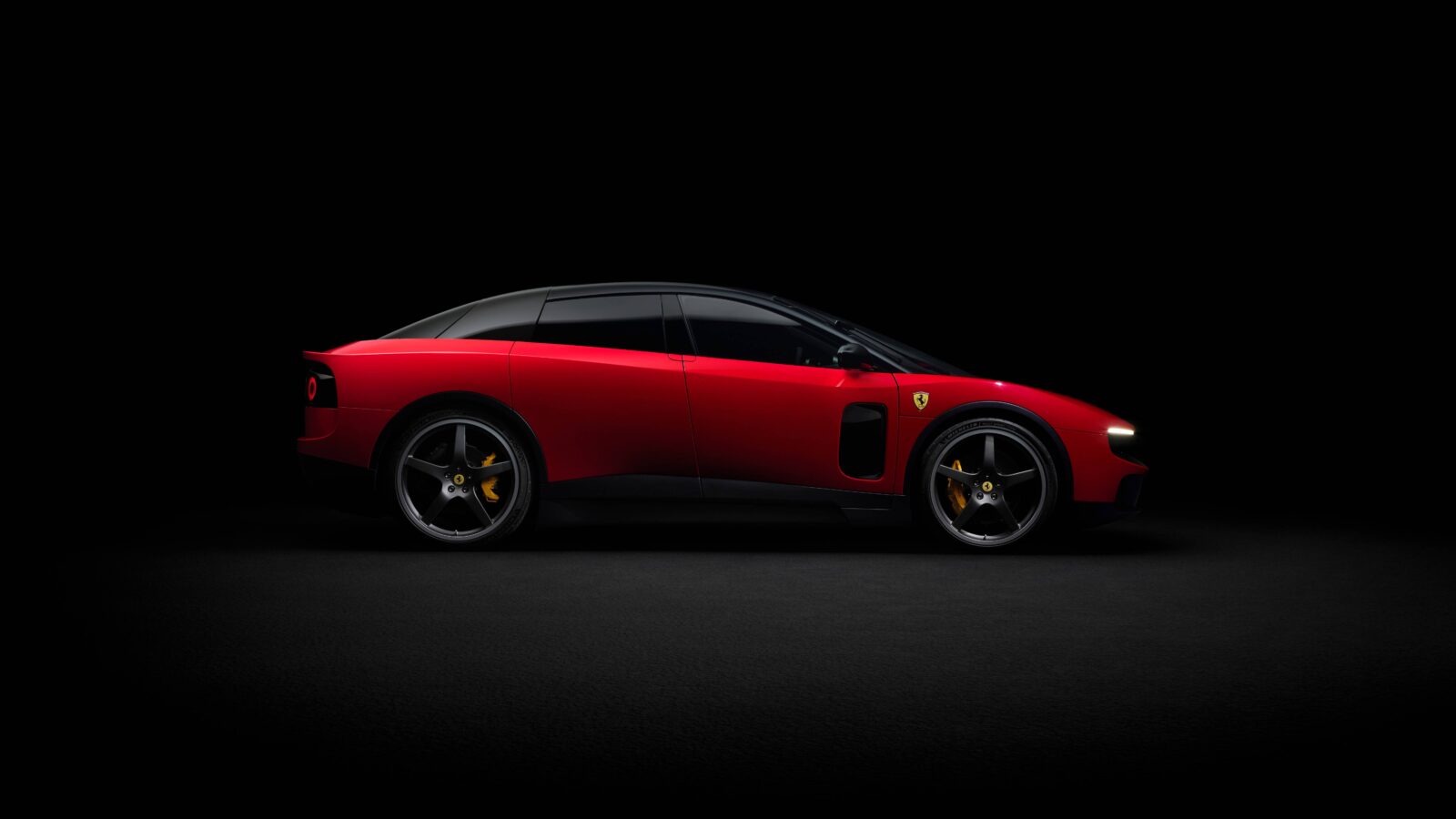
Luce’s look is defined by the glass house, an uncompromised, shell-like form that drops below the belt line towards the outer edges of the body. The front and rear aerodynamic wings sit above and around this glazed area, allowing the bodywork to convey a sort of futuristic simplicity. The front and rear light panels are transparent and built directly into the bodywork, becoming less visible when switched off, while the rear halo tail lights refer to the 360 Modena and 458 Italia. Ferrari developed custom wheels for the Luce, with the largest staggered diameters yet used on a series-production Ferrari road car: 23 inches at the front and 24 inches at the rear.
Aerodynamics were given special attention here, with Ferrari saying the Luce has by far the lowest drag coefficient of any Maranello road car, while also offering more interior space than previous models in its range. The surfaces are smooth and continuous to improve airflow and wake control; active aerodynamic grilles are used for the first time on a Ferrari, regulating air through the heat exchangers according to cooling demand; and at speed, the active ride-height system can lower the front of the car by 10 mm to improve efficiency while keeping comfort and performance.
An interior to match
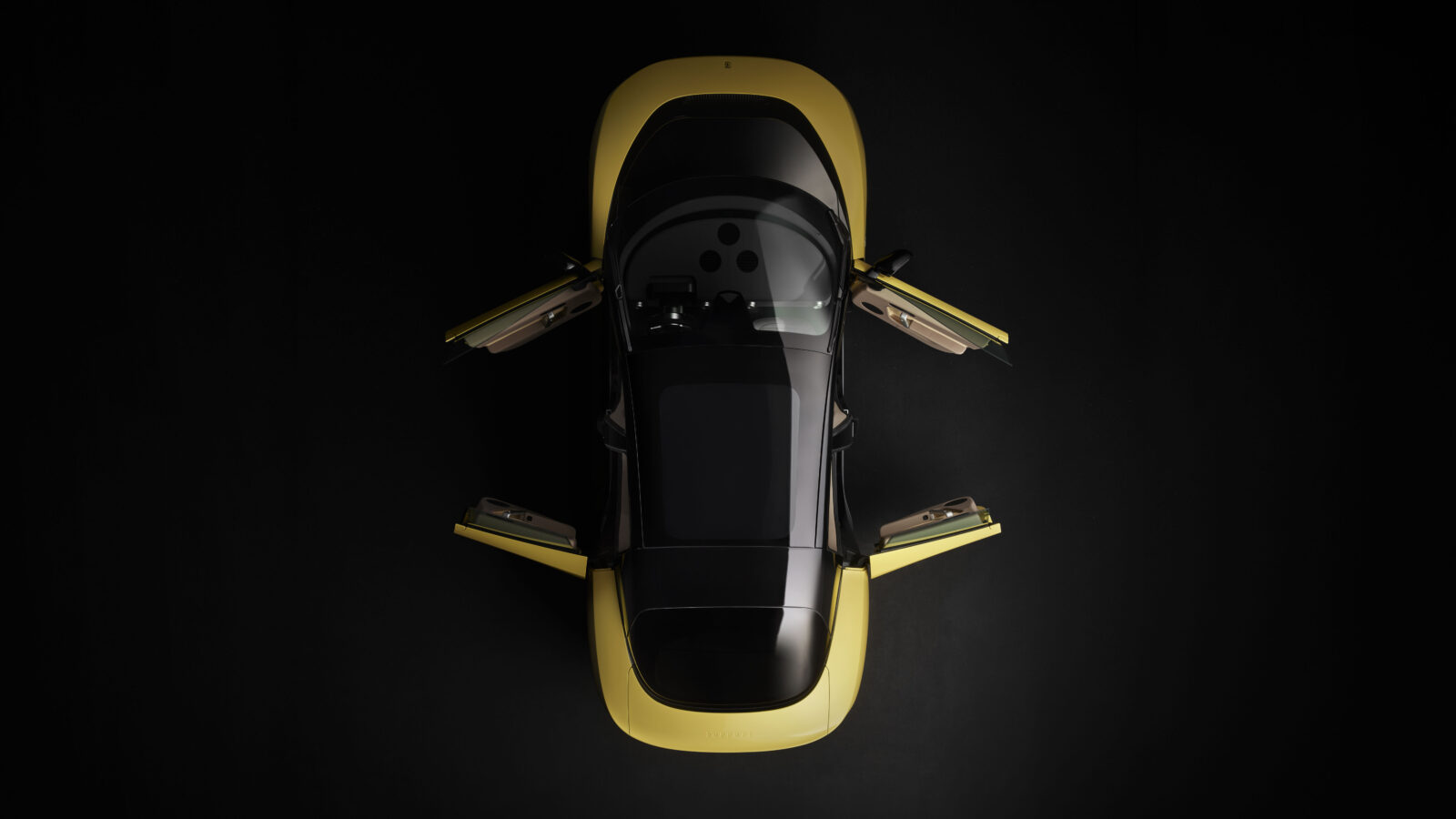
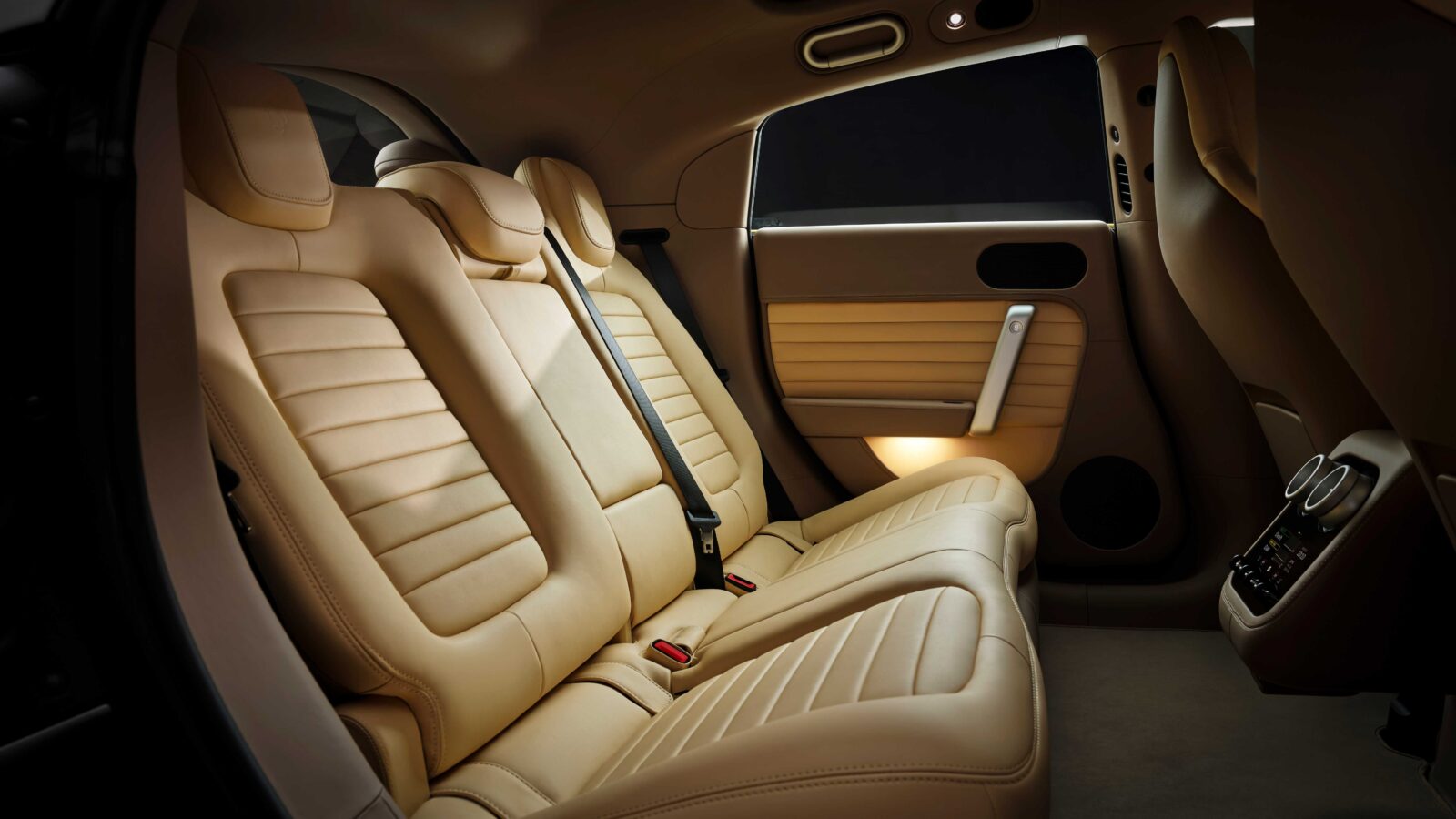
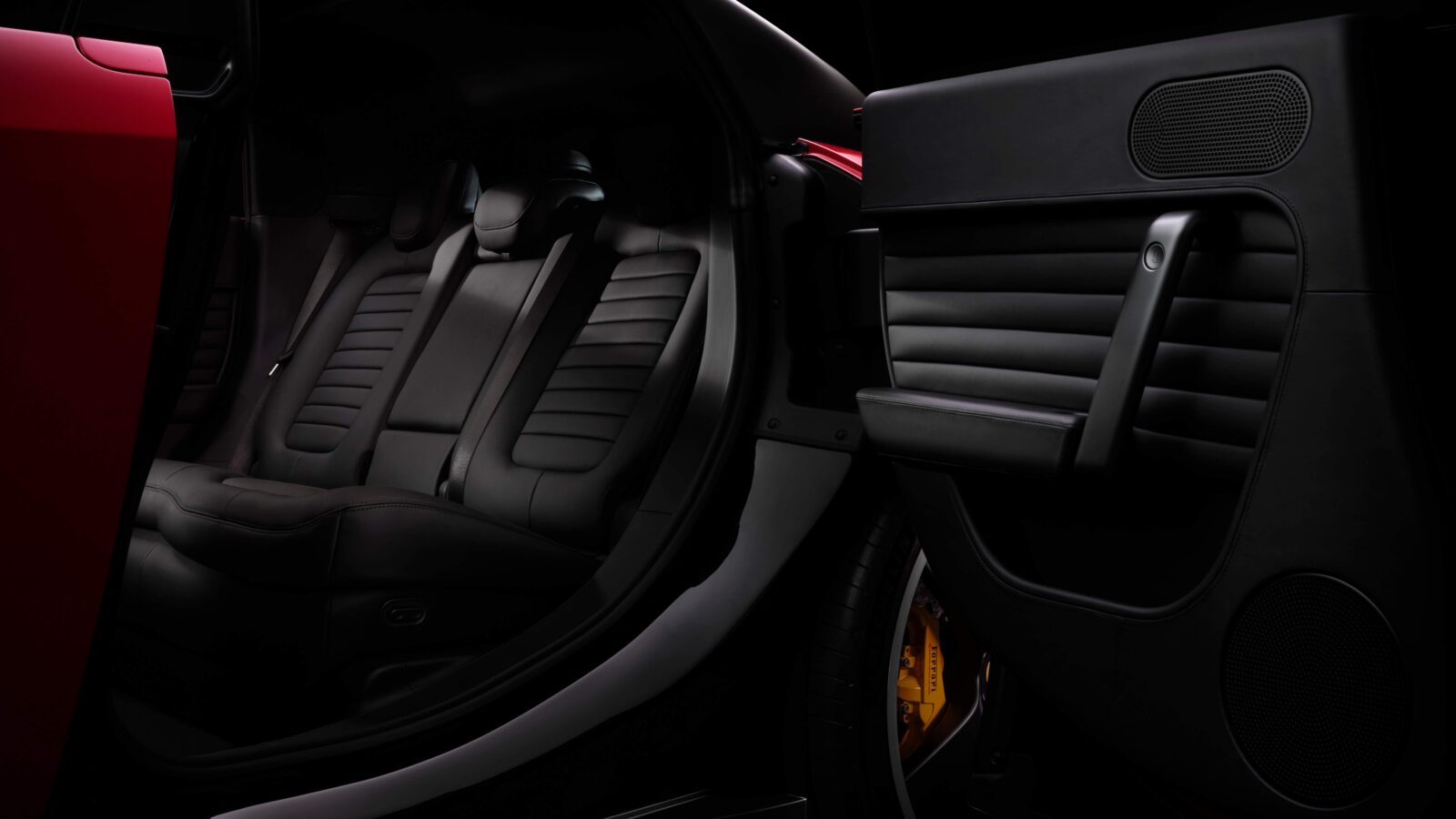
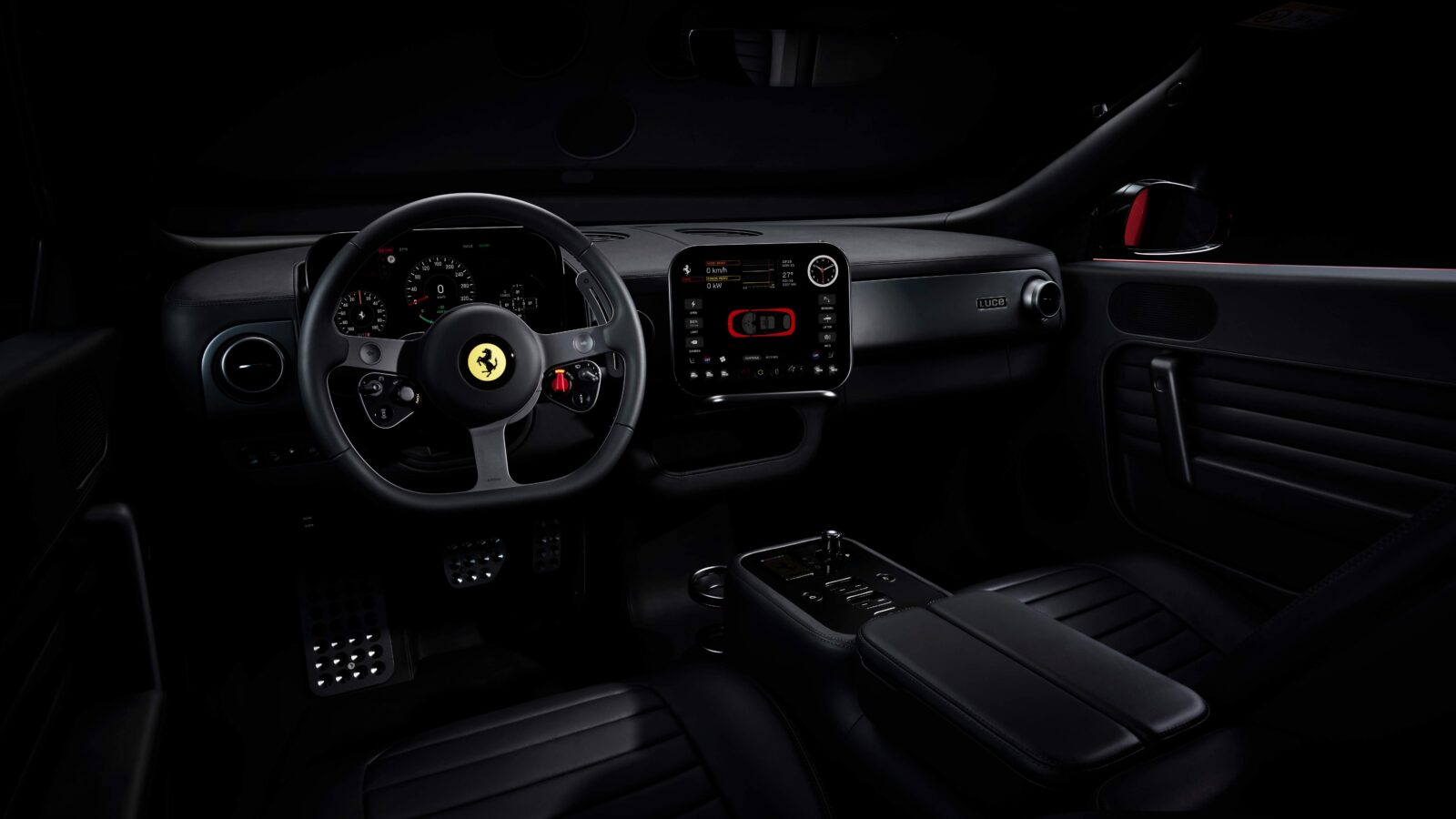
The Luce has four doors and five seats, a first for Ferrari, with the brand saying this was made possible by the electric layout, as its usual transaxle arrangement leaves no room for a fifth seat. By placing the battery under the floor and rear seats in the Luce, the central tunnel is removed, giving the cabin a more open plan. Ferrari describes the interior as being made from hundreds of separate objects, each designed as an individual part but arranged to complement each other inside the cabin.
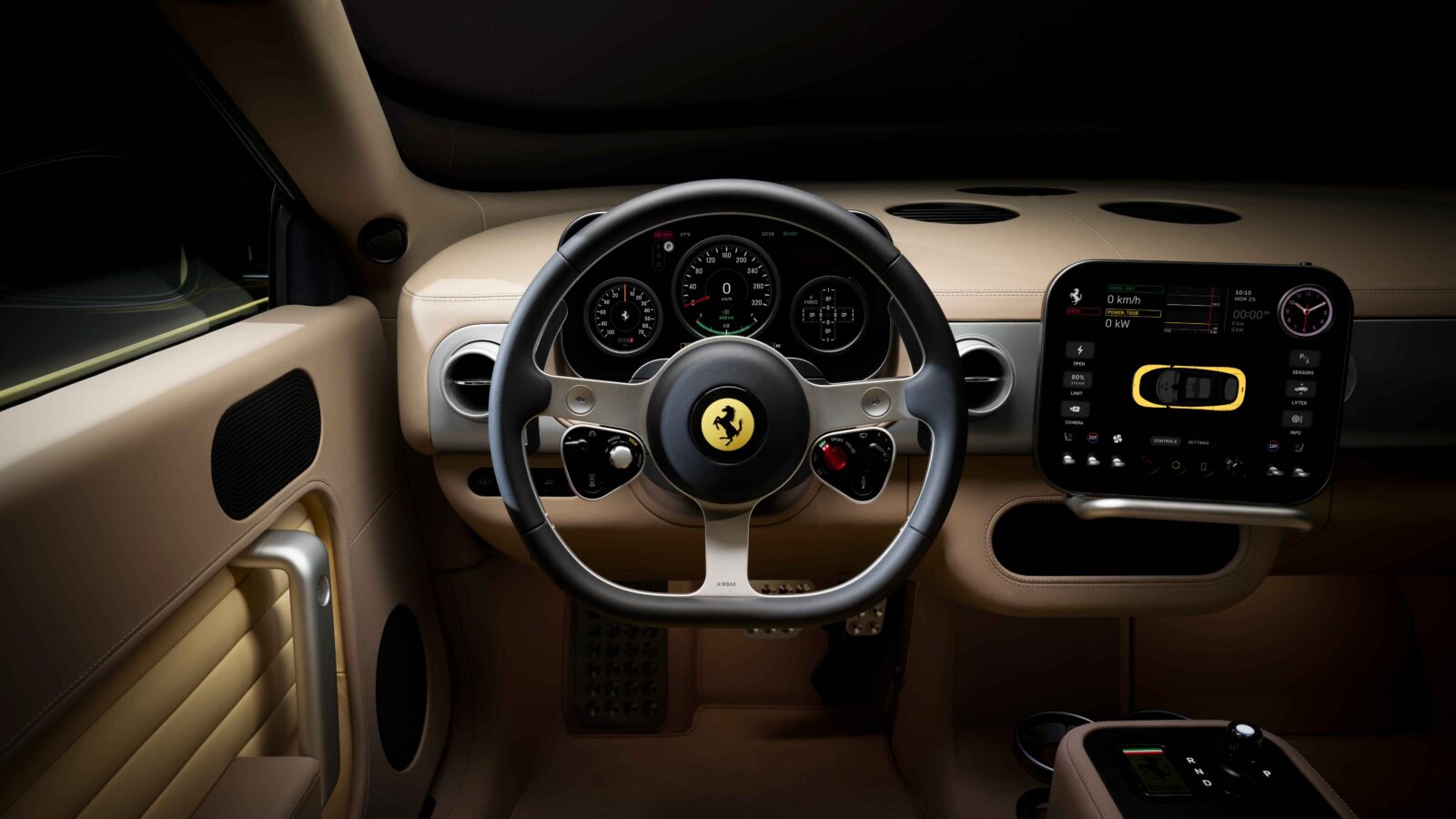
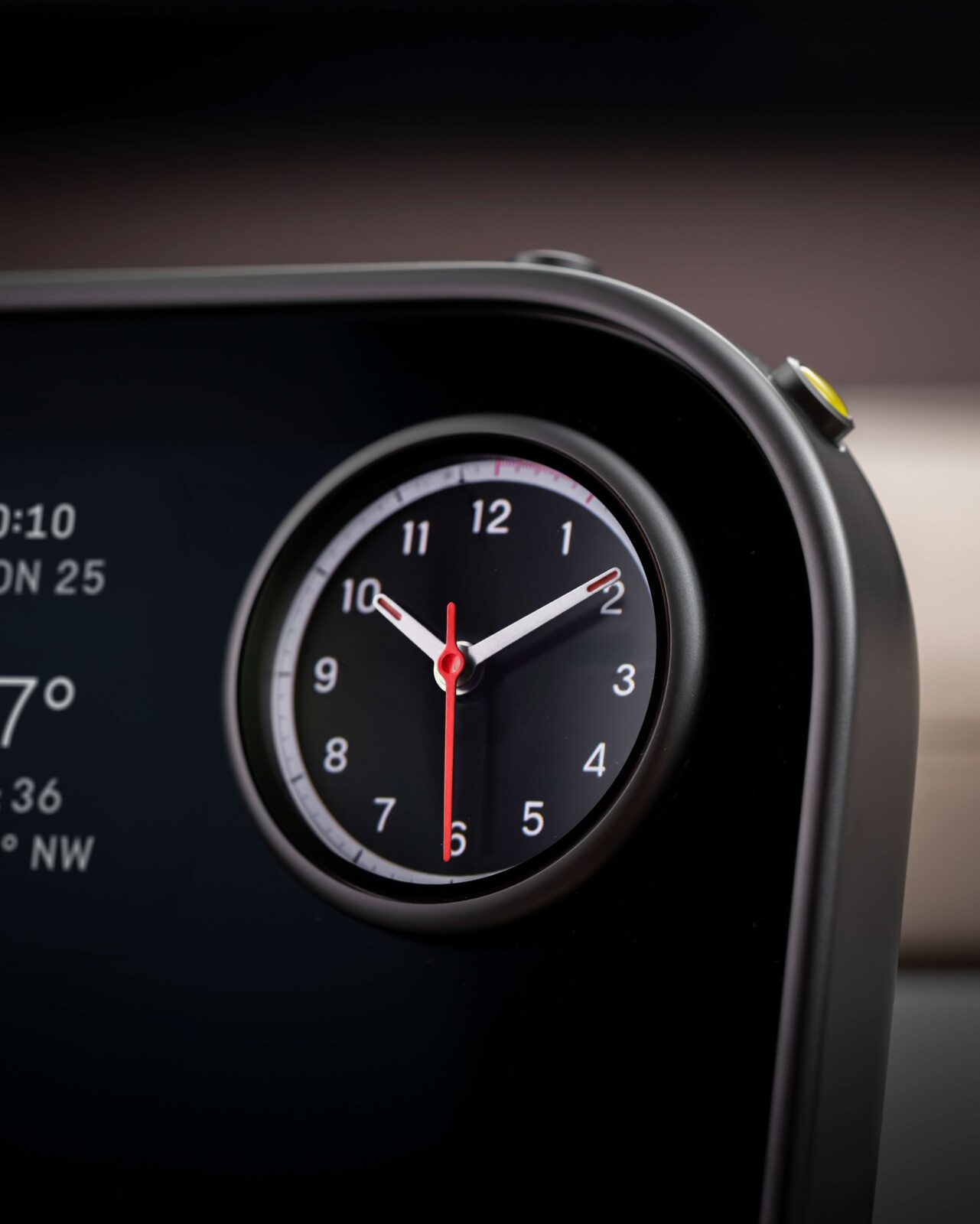
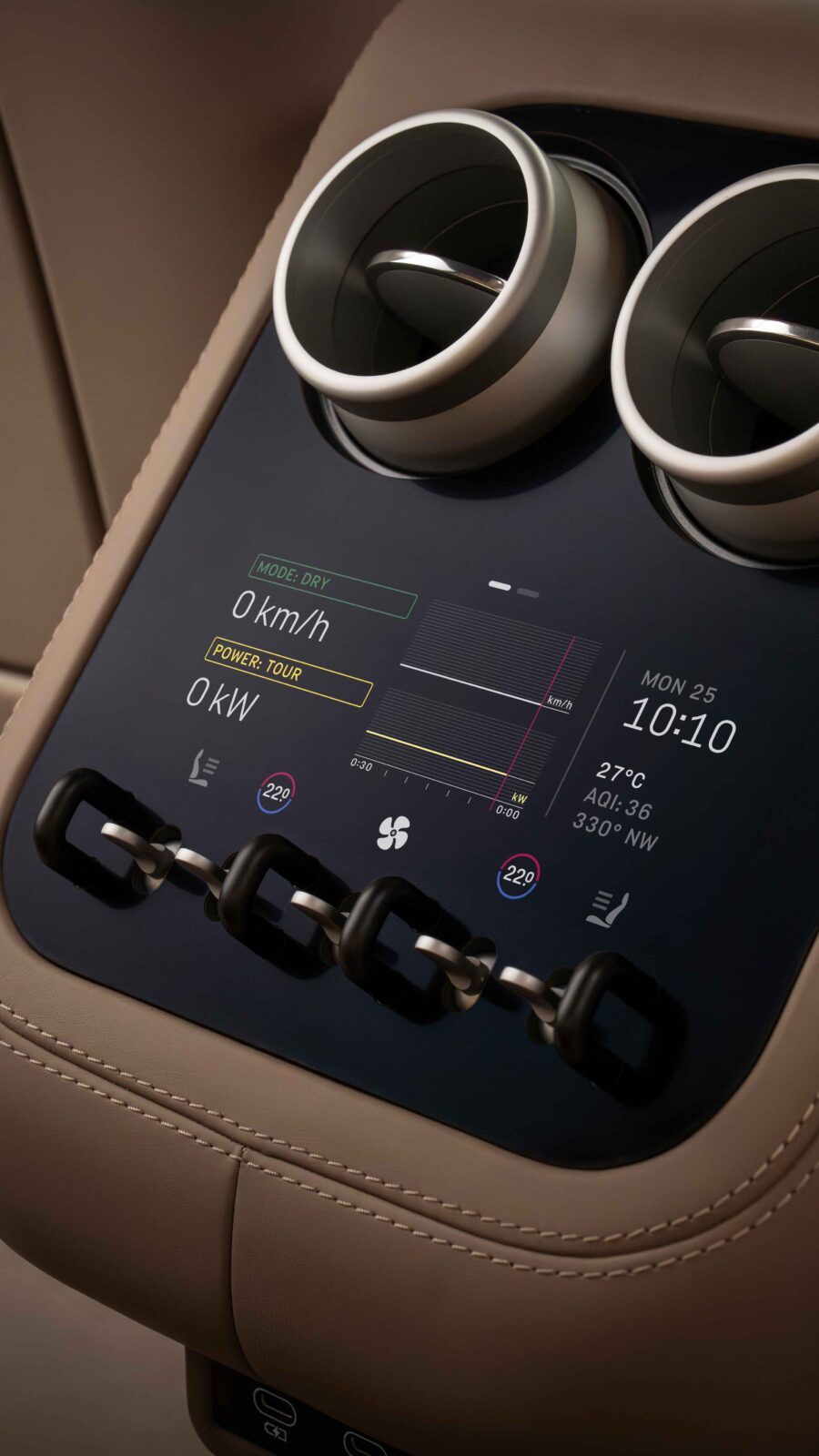
Main commands and information were placed directly ahead of the driver, while mechanical buttons, dials, toggles and switches are used alongside multifunction digital displays developed with Samsung Display©. The cabin materials include recycled anodised aluminium, Corning® Gorilla® Glass and premium leather.
A powerful electric drivetrain
The Luce is built on an electric platform and chassis: Ferrari lists its kerb weight at 2260 kg, with claimed figures of 0–100 km/h in 2.5 seconds, 0-200 km/h in 6.8 seconds, a top speed above 310 km/h, a maximum output of 1050 cv and a range of more than 530 km. The chassis combines hollow castings, extrusions and aluminium, while the body uses aluminium extrusions and sheet metal. The battery housing increases stiffness, with Ferrari claiming more than 25% higher bending rigidity and 35% higher torsional rigidity compared with its previous four-door models.
The powertrain uses four electric motors, one for each wheel. These are permanent magnet synchronous units with radial flux, derived from the F80, that can reach 30,000 rpm at the front and 25,500 rpm at the rear, while the whole system runs on an 800 V architecture with technology taken from motorsport.
Each wheel is controlled in three ways: one actuator manages traction and regeneration, another controls the steering angle and a third manages vertical movement. Torque can also be adjusted in real time according to the road and the selected performance level: the right-hand steering-wheel paddle lets the driver increase available torque without making acceleration feel abrupt, while the left paddle increases energy recovery and the feeling of deceleration. This works with the suspension to support the car’s direction changes and general ease of use, which uses a semi-virtual double wishbone layout with a high-mounted upper arm. The Luce also uses active suspension derived from the F80, an independently steering rear axle, optimised CCM brakes and friction-reduction measures across the chassis. The rear subframe is elastically mounted, combining handling targets with higher comfort.
The high-voltage battery pack was designed, validated and built in Maranello, using 210 cells in series to provide 122 kWh and support fast charging at up to 350 kW. The battery is also part of the car’s structure, with Ferrari saying the combined body-in-white and battery housing is among the lightest in its class for a vehicle with this specification.
The driver can adjust power and traction through the e-Manettino, while the five-position Manettino remains for changing the car’s driving settings according to grip. The Luce also introduces Ferrari’s Vehicle Control Unit, a central system that links the powertrain and chassis controls, updates them 200 times per second, works with Side Slip Control X and manages efficiency.
Some extras for comfort
The Luce includes a 21-speaker audio system with 24-channel, 3000 W amplification, which Ferrari calls the Ferrari Audio Signature, with presets, individual listening optimisation and dynamic compensation functions. The car also has a separate driving sound system, developed and patented in-house: a precision accelerometer placed at the centre of the axle that reads vibration. The signal is then filtered, equalised and amplified, with the sound level changing according to the e-Manettino setting and paddle use. External speakers make the sound audible outside the car, while the internal system brings it into the cabin.
Noise, vibration and harshness were also part of the development, with Ferrari saying the Luce is its most comfortable car to date, with road noise reduced through the elastically mounted subframe, active suspension and work on weight, stiffness and sound insulation. The cooling system is managed through an integrated software and can be used for a long time by balancing energy use, warm-up strategy, fast-charging management, and battery and cabin preconditioning. These preconditioning functions can also be operated remotely.
“With Ferrari Luce, we are once again redefining the limits of what is possible. Today, we are not simply unveiling a new car, we are inaugurating a chapter that turns our vision into reality, strengthening Ferrari’s tradition of anticipating and shaping the future.”
John Elkann
The Ferrari Luce marks a new chapter, yet one that continues its long history of uncompromising innovation, driving performance, and an engineering culture that seeks to redefine the limits of what is possible.