Header: Courtesy of Josh Gaylor
Josh Gaylor’s journey into the world of footwear began with a postcard of an illustration. Picked up at an exhibition in Manchester during his student days, that small piece of paper representing an adidas Y-3 collaboration changed everything. It transformed shoes from simple consumer products into a canvas for storytelling. Today, as a Lead Designer at Jordan and a juror for the Global Footwear Design Awards, Gaylor uses that same sense of wonder to navigate the complexities of high-performance design and streetwear culture.
What makes Gaylor’s perspective stand out is his roots in skateboarding and engineering. He understands that a shoe is only as good as its weakest point, having spent years identifying exactly where materials fail under the pressure of the street. He advocates for a return to the workshop, urging designers to step away from their screens and get hands-on with manual knitting machines and pattern cutting. For Gaylor, the future of the industry is about “passionate curiosity” and creating products that last and not about chasing the latest fleeting trend. In this conversation, he shares his thoughts on the power of authenticity and why the best designs always start with a clear answer to the word “why.”


You’ve worked across a wide spectrum of the industry, from innovation labs to high-performance running. As a juror for this year’s Global Footwear Design Awards, what is the single most important quality you are looking for in a winning submission?
I think for me the biggest thing is to have a clear insight as to why you’re pitching the project. All decisions revolve around the why? Provide context. Whether it’s a design tweak to improve an issue or a consumer insight to ground the development of a project. Even better if you can draw from either your own or another person or user group’s insights to inform the decision-making process. For a winner, I think if you’re able to problem solve efficiently and evoke the emotions you are trying to portray, you’ve put yourself in a great position to be selected.
With the footwear industry becoming increasingly crowded, how do you distinguish between a trend-chaser and a designer who is actually pushing the industry forward? What acts as that “tie-breaker” for you when judging?
Typically, authenticity shines through, and I think that’s felt even at the brand level that stories that are told by the people who were there at the grassroots and built the scenes carry far more weight than designers and brands following trends. People who have a knock-on effect on the wider industry usually are carving their own niche through exploration, continual refinement and exploring new spaces. In a tie-break situation, self-reflection about improvements and what worked and what didn’t would show me that you’re likely to take on board the learnings into a future project.
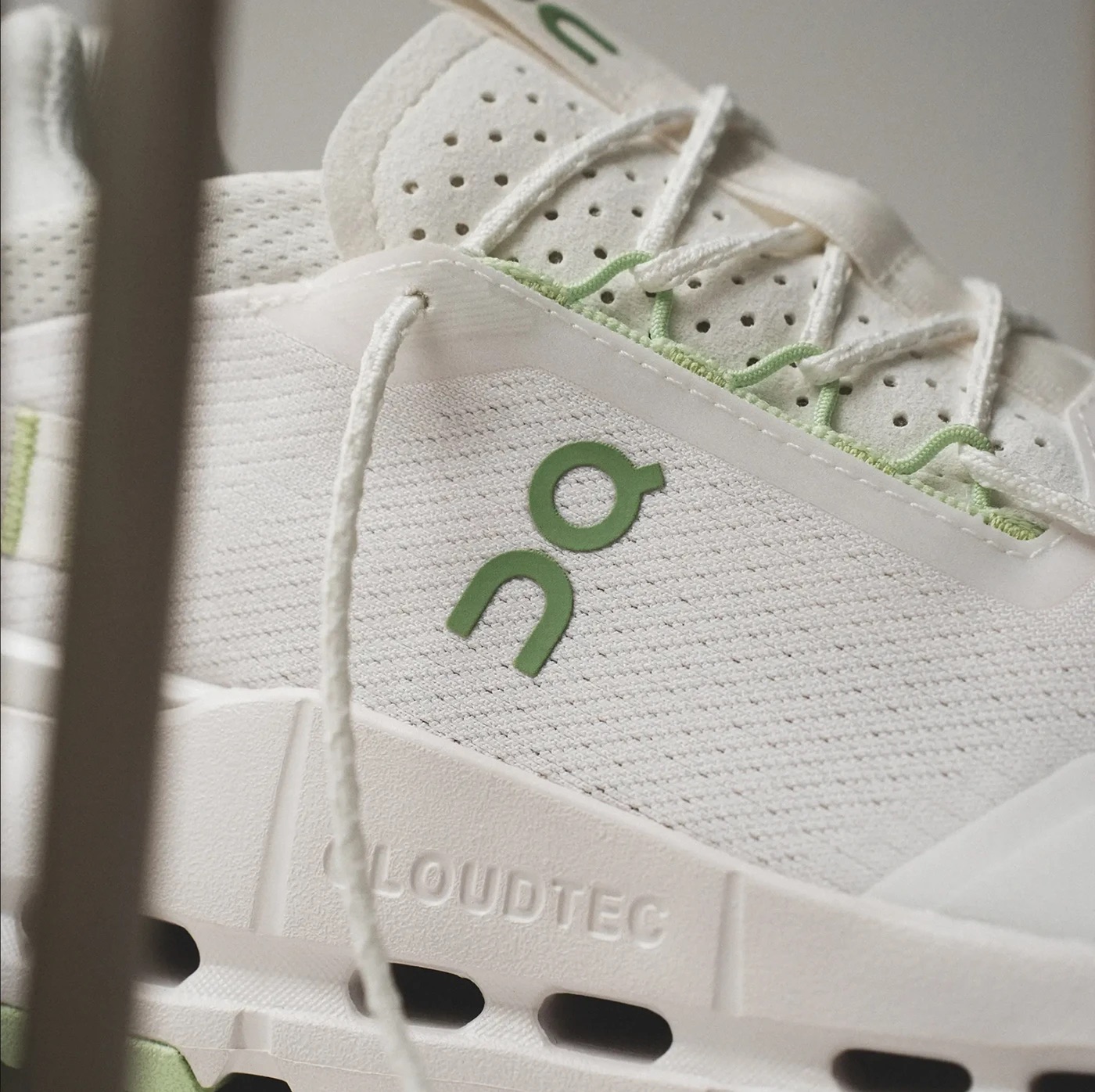
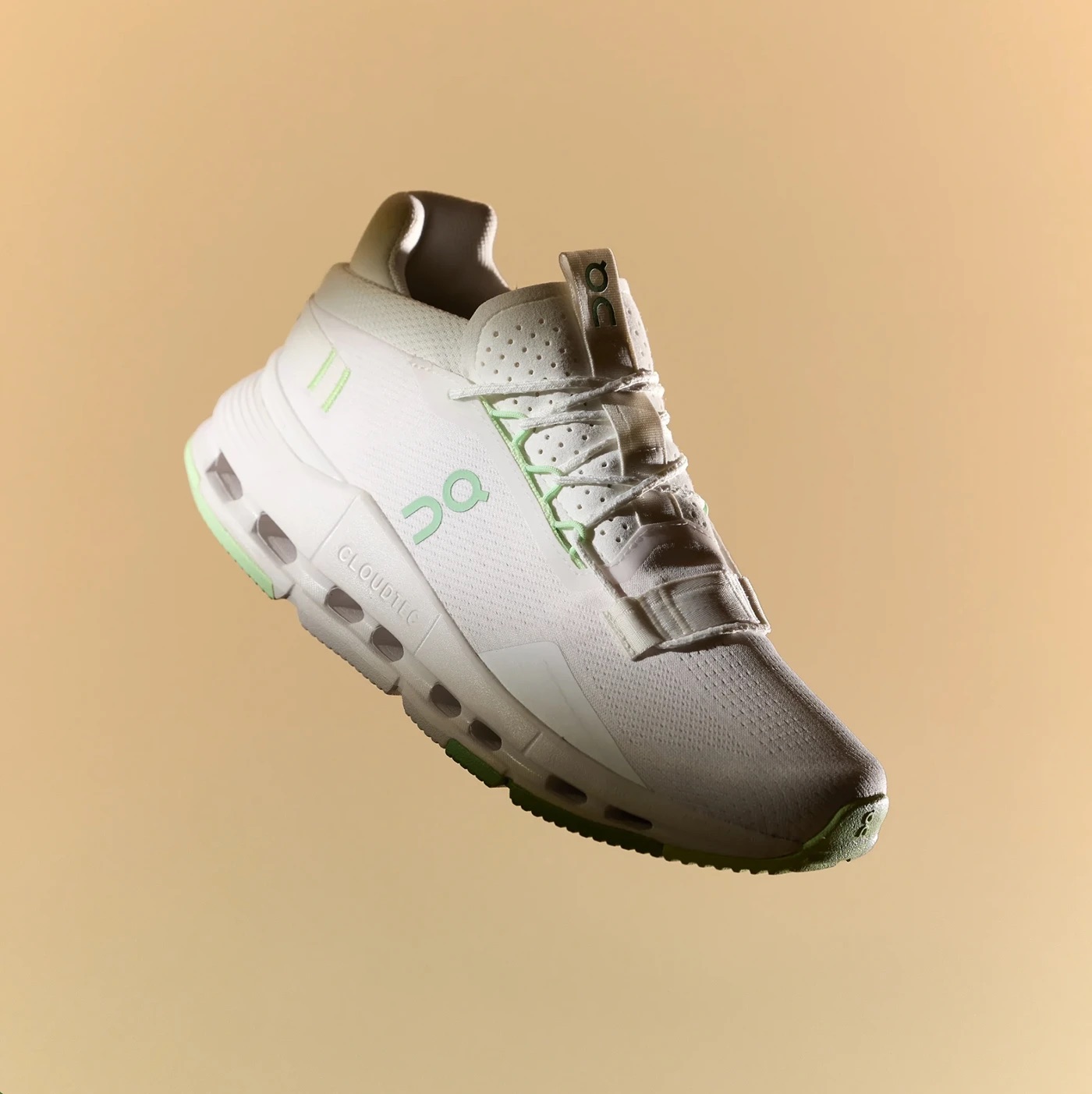
You’ve shared a story about keeping a Y-3 postcard above your desk that sparked your career. Looking back, what was it about that specific visual that convinced you that footwear was a medium for storytelling?
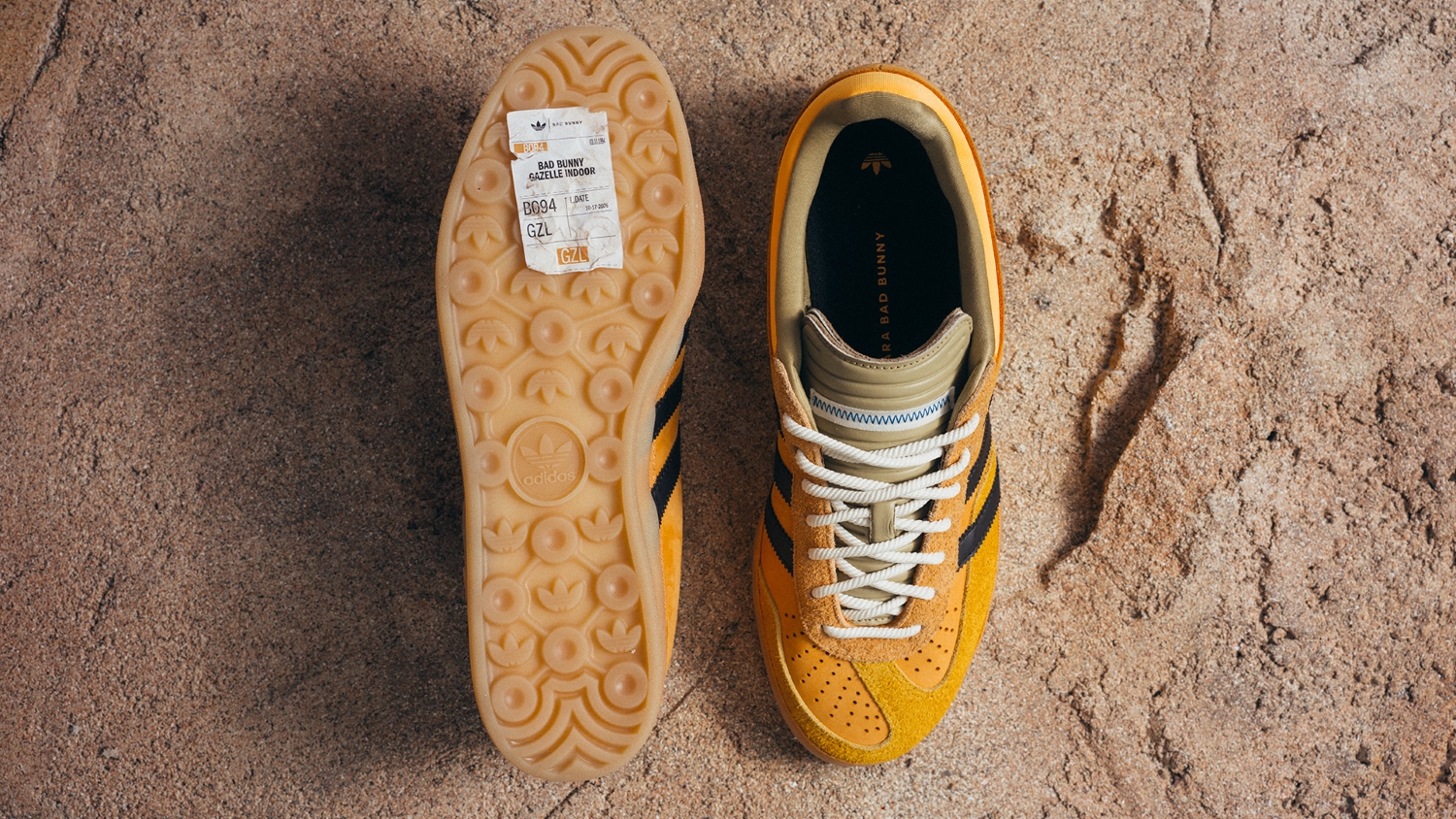
For context, I was looking to apply to university degree courses, and I was at an exhibition for Hacienda nightclub showcasing Peter Saville and his work for Factory Records in Manchester. They had an adidas Y-3 x Fac23 collaboration, and as a small takeaway from the exhibition was an illustration of the shoe. Holding the postcard with the shoe illustration on, it felt like it was tangible for me to have been the one who made it—to say I could see myself. The lore around coveted footwear, specifically the early Nike SB years, really opened my eyes to the potential to work with communities and tell their stories. It’s a way to give back in that sense, meet people, listen and tell their stories to people outside their sphere.
You have a background in engineering and a deep history in skate culture. How does the “skater’s mindset”—the experience of destroying shoes—inform the way you build products today?
From a practical standpoint, in skateboarding you’re subjecting your shoes to a constant abrasion test; the repetitive nature of the movements creates hot spots and weaknesses which you’d never experience with normal wear. Over the years, you develop a feel for the different types of materials and how they interact with different surfaces. These pairings of materials create an experience and value to the touch points. From an aesthetic standpoint, there is a style element to pair shoes with an outfit and your skating style. Creating a product which speaks to both is an art in and of itself. I take this specifically into the streetwear spaces, as street skateboarding and streetwear go hand in hand in my opinion.
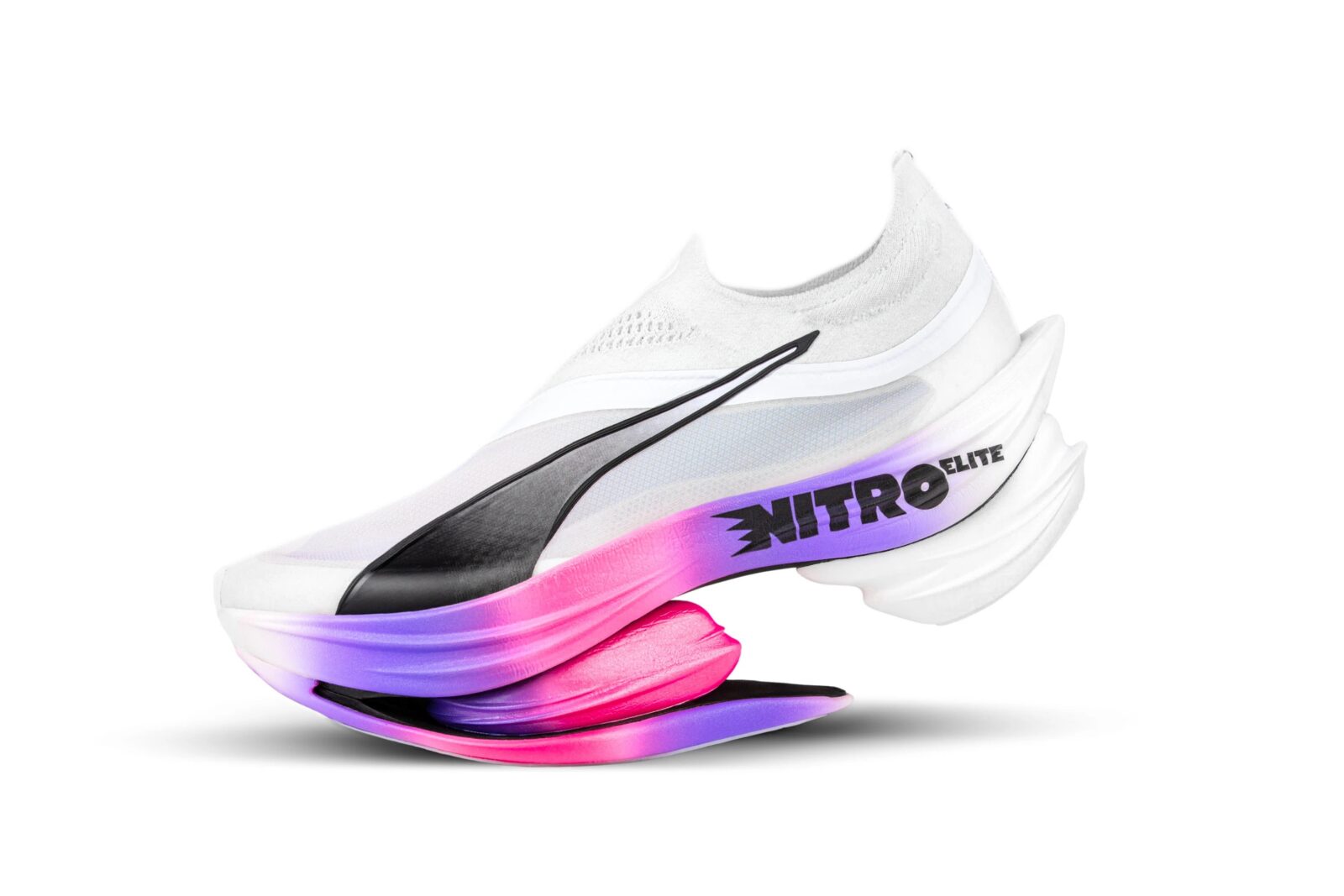
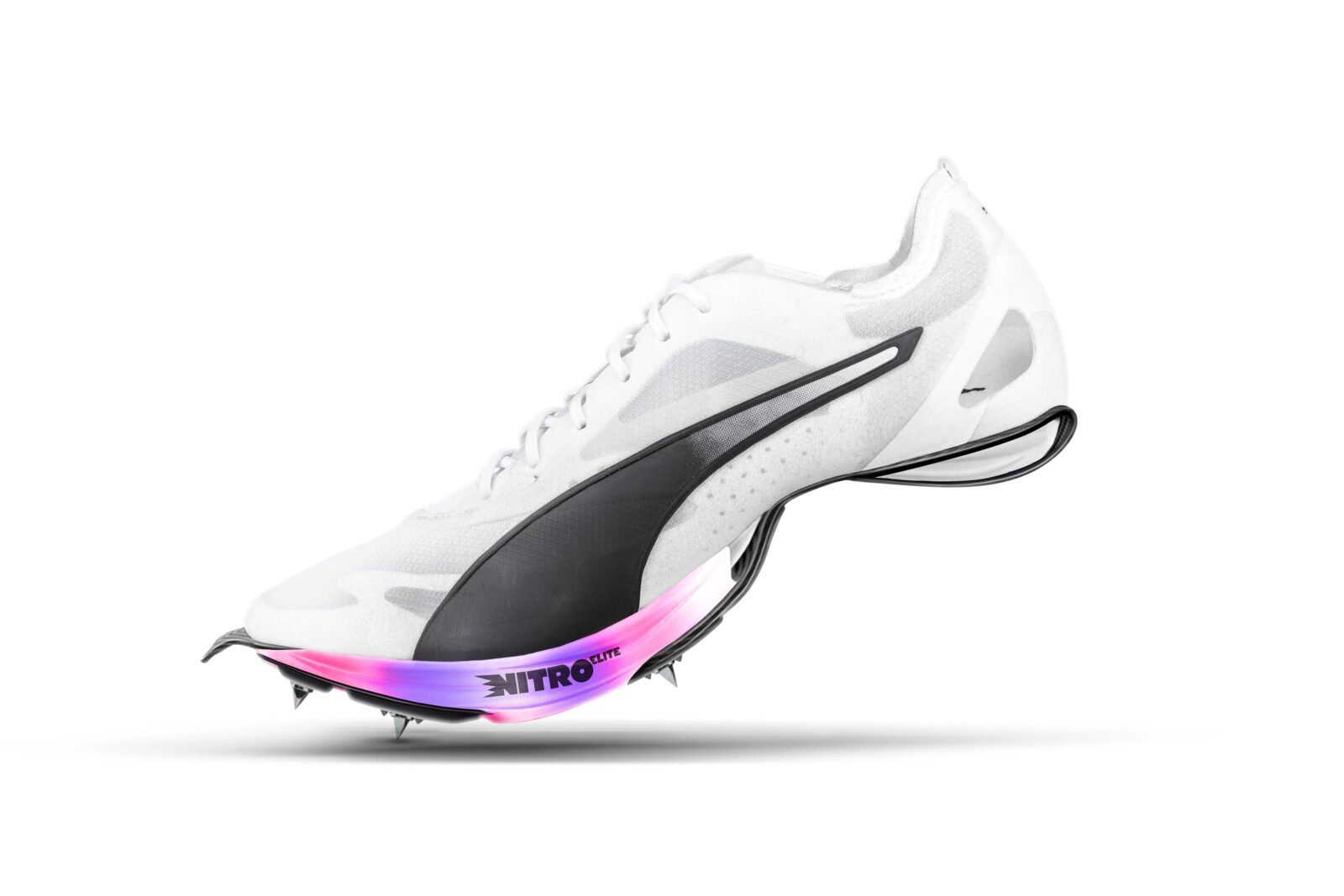
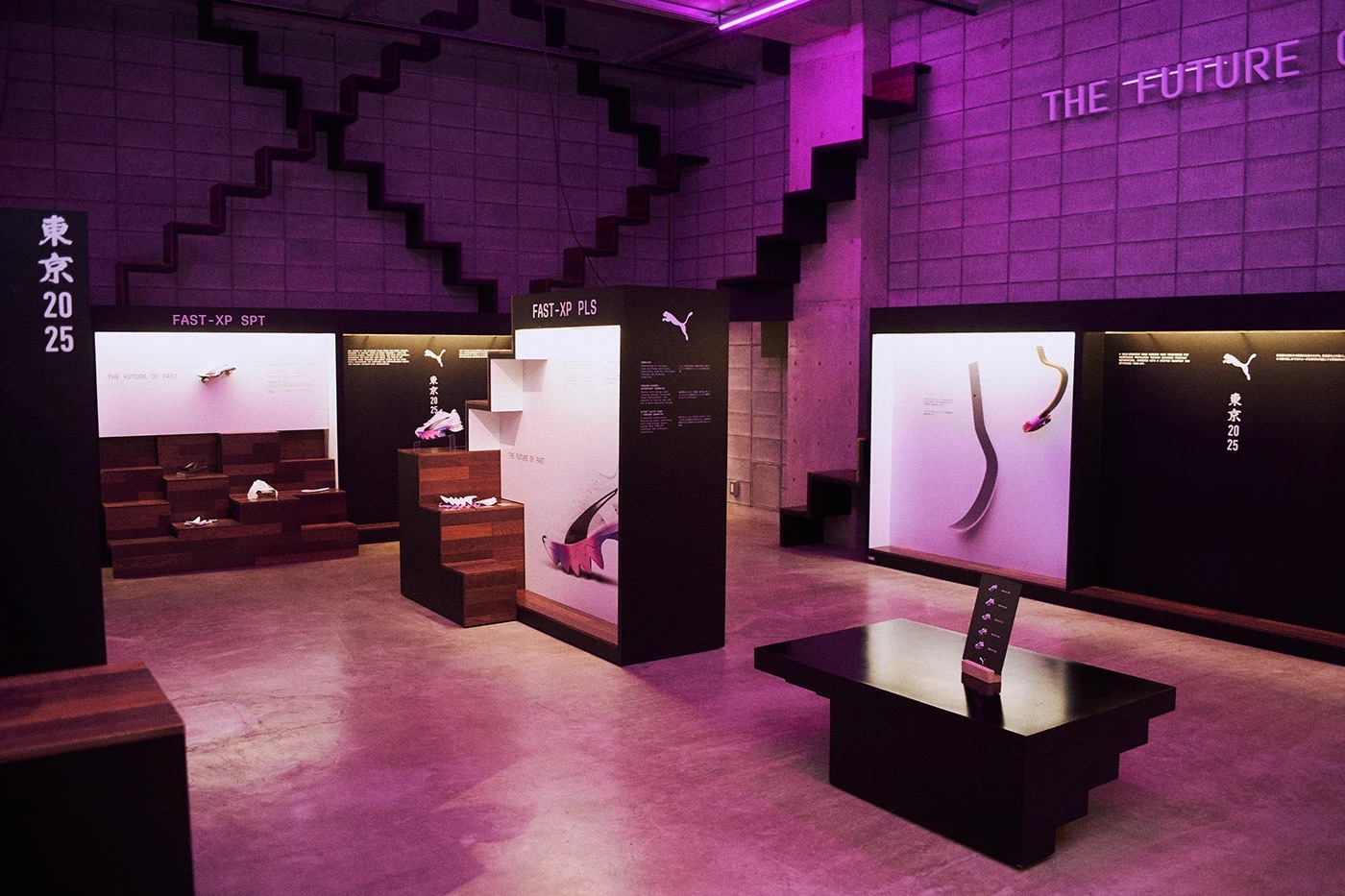
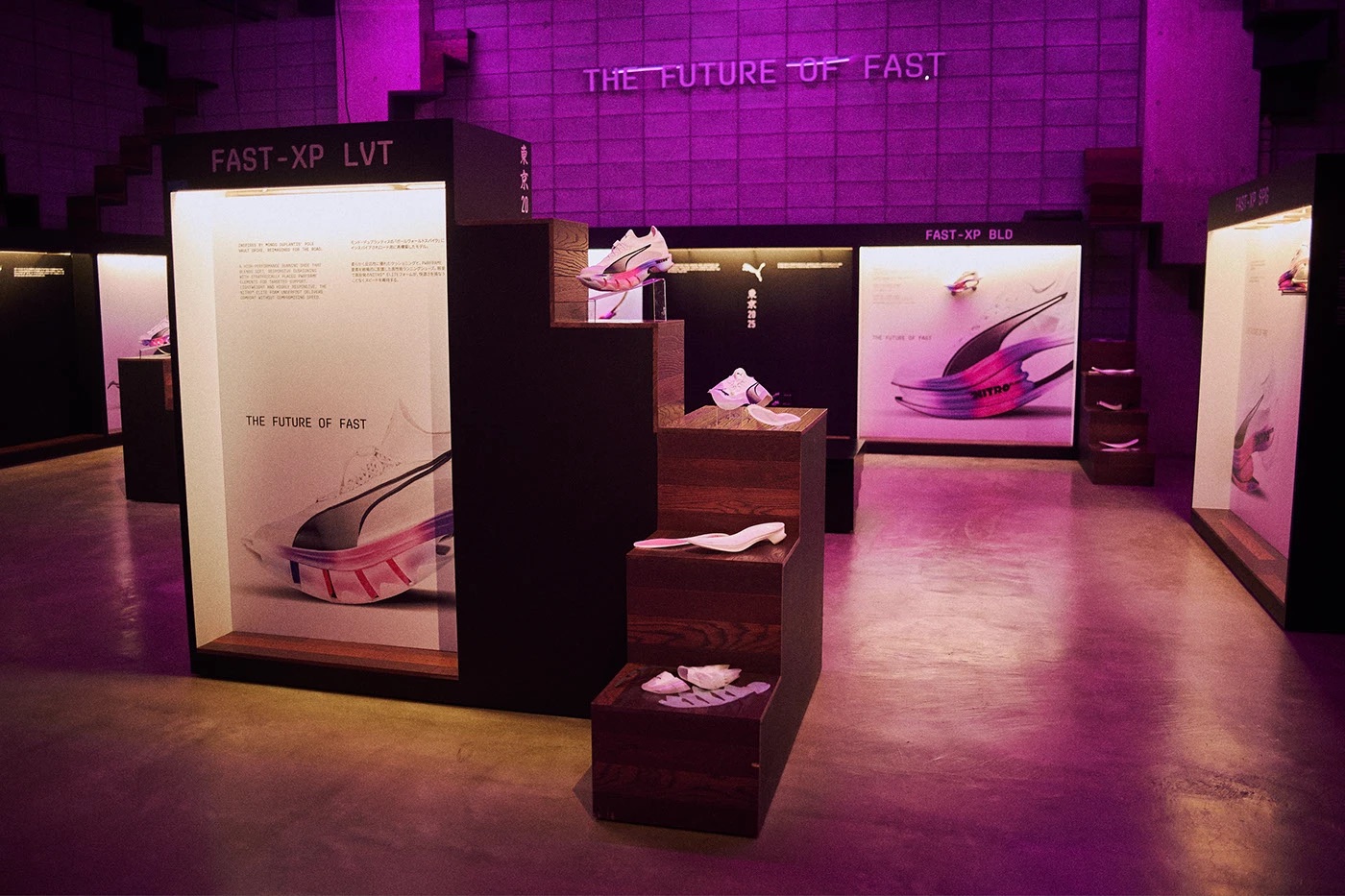
You’ve moved from graphic design into specialised material design, even working on manual flat knitting machines. Why is it important for a modern designer to get their hands dirty with manufacturing equipment?
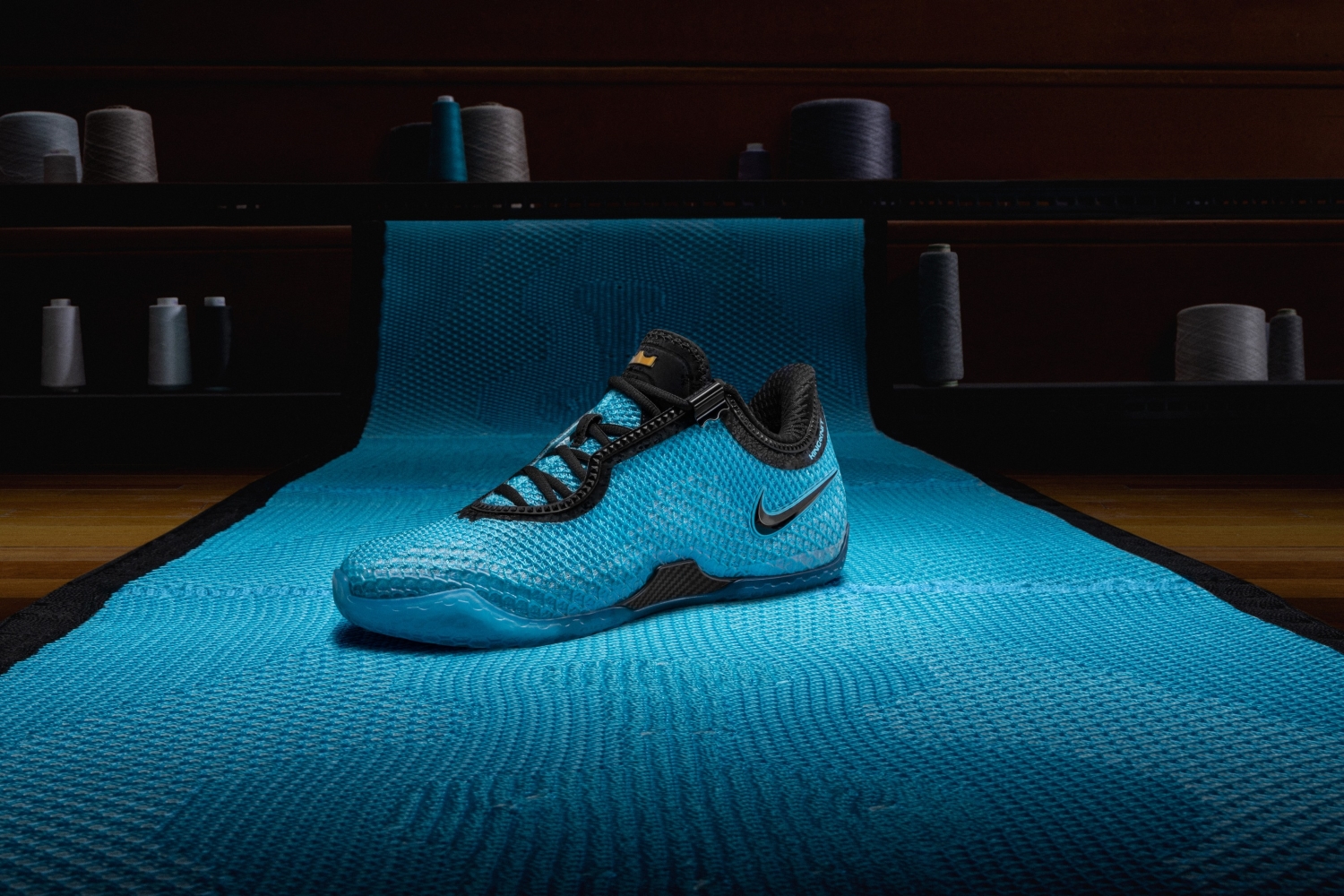
I feel that getting hands-on is very important to learn through failures. Building patterns, cutting, assembly and wear testing are all crucial aspects to developing as a footwear designer. Through the problem-solving aspect of figuring out a design physically, you’ll often be faced with decisions that’ll change the look of the design. There are digital tools which have further disconnected designers from physical making, and whilst they’re a great tool for exploration, getting hands-on enables you to gain a feel that’s not possible otherwise. Specifically to the textile space, building textiles from scratch provides insights as to why certain techniques get the looks they do and can inform a design expression entirely.
How do you translate a narrative like a brand’s history into physical materials on a shoe without the design feeling like a costume?
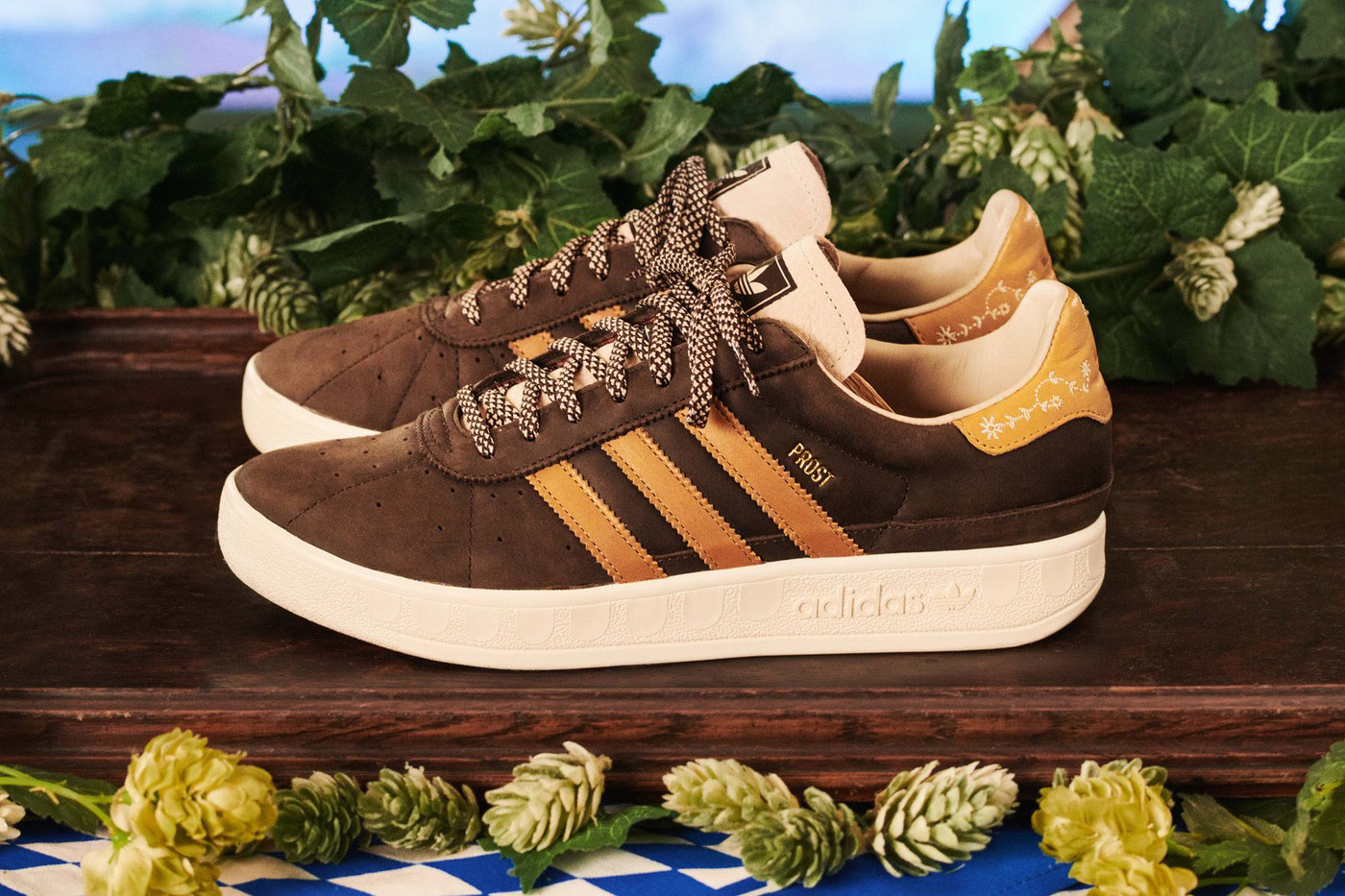
This is a bit of a paradox as the community aspect of both style and design speaks to both ends of the spectrum of commerciality, and both ends can’t live without one another. There are levels to the commerce spaces to which we speak. On the upper end of taste levels, it is about finding a balance of referencing and remixing elements and offering a “if you know you know” aspect, where details can often be overlooked. The more literal “costume” is as much about being a part of something bigger than ourselves and the shared identities. These cultural moments are expressed along a variety of different taste levels to speak to the same topic through multiple expressions.
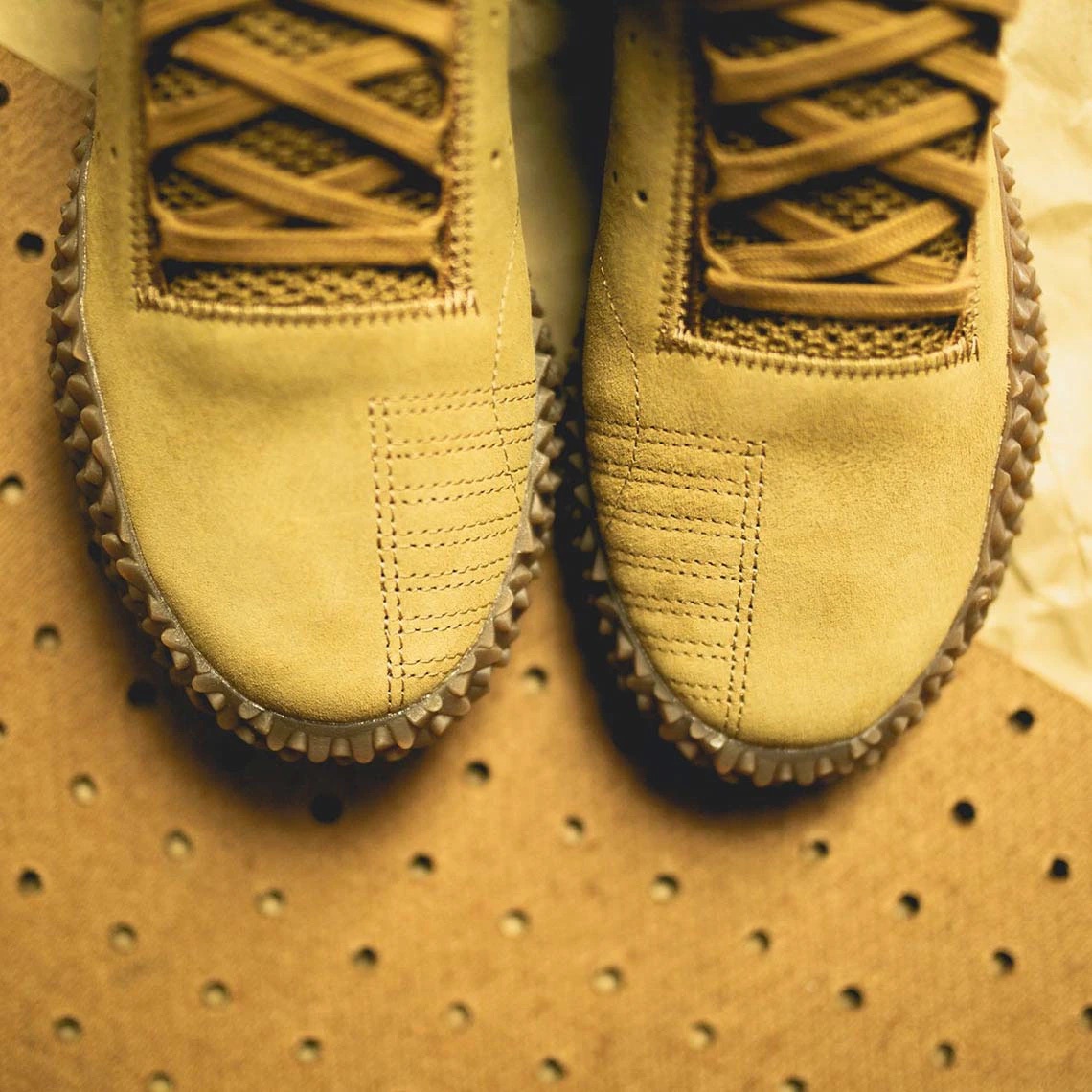
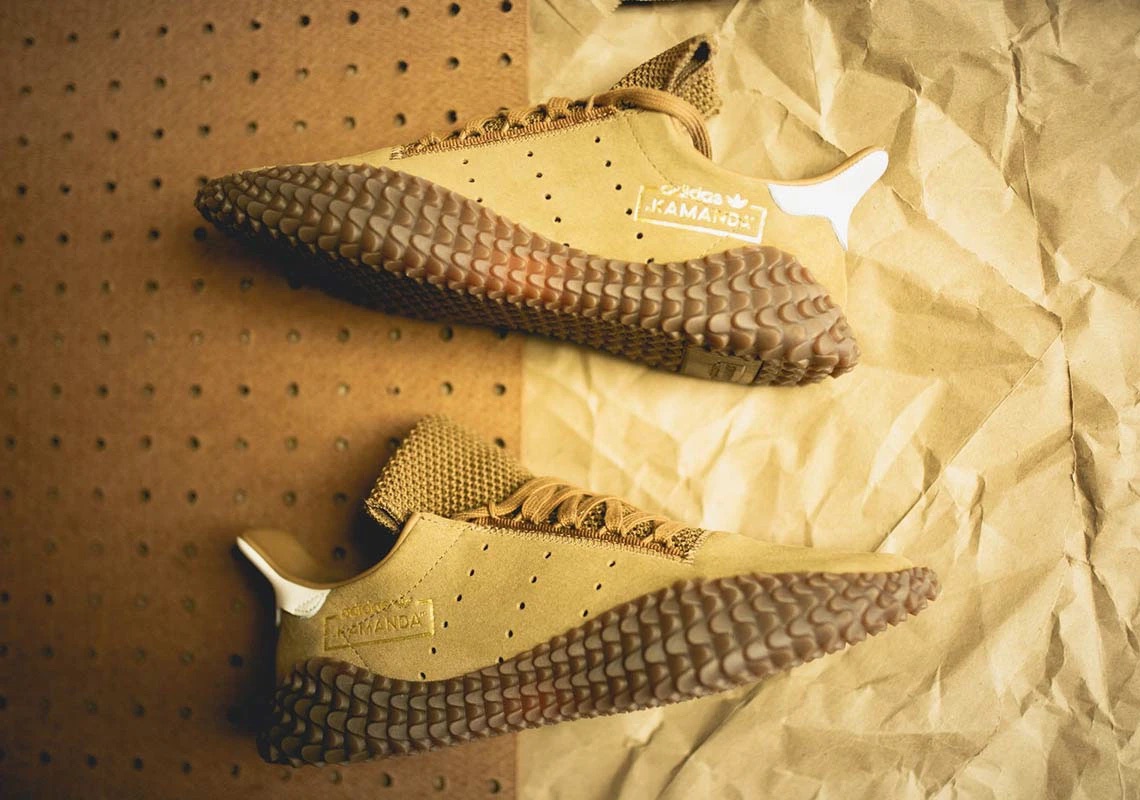
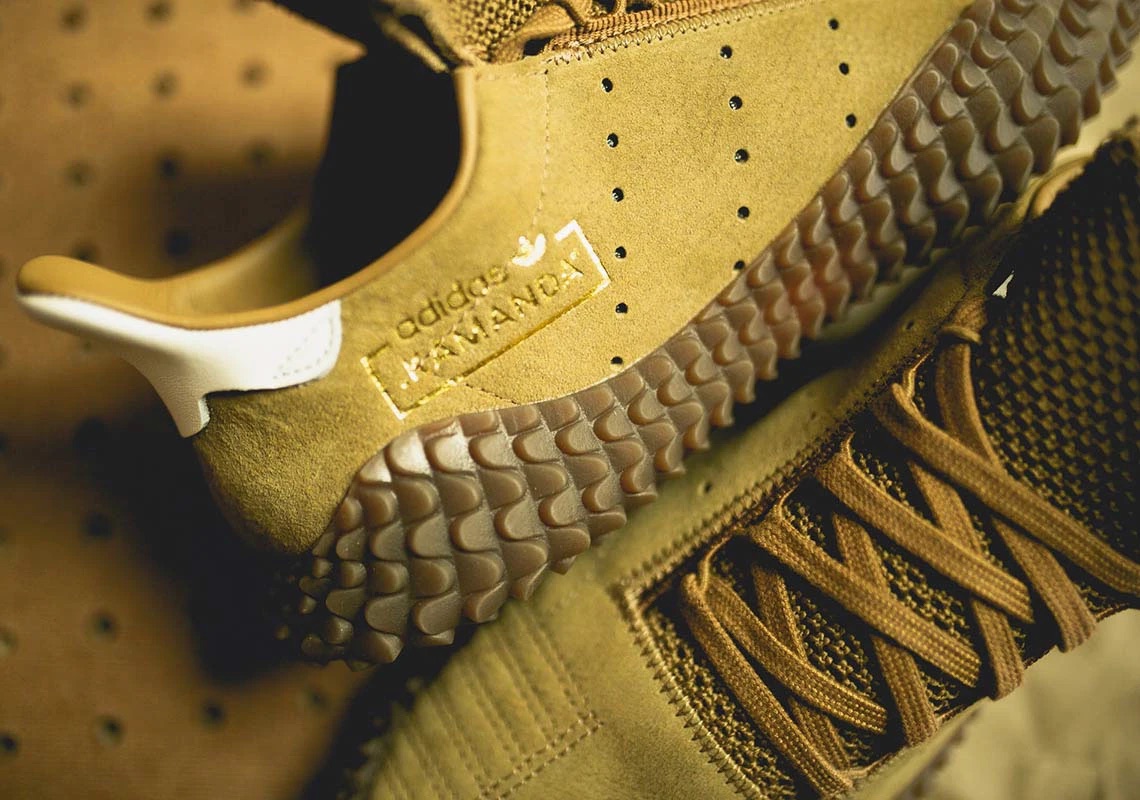
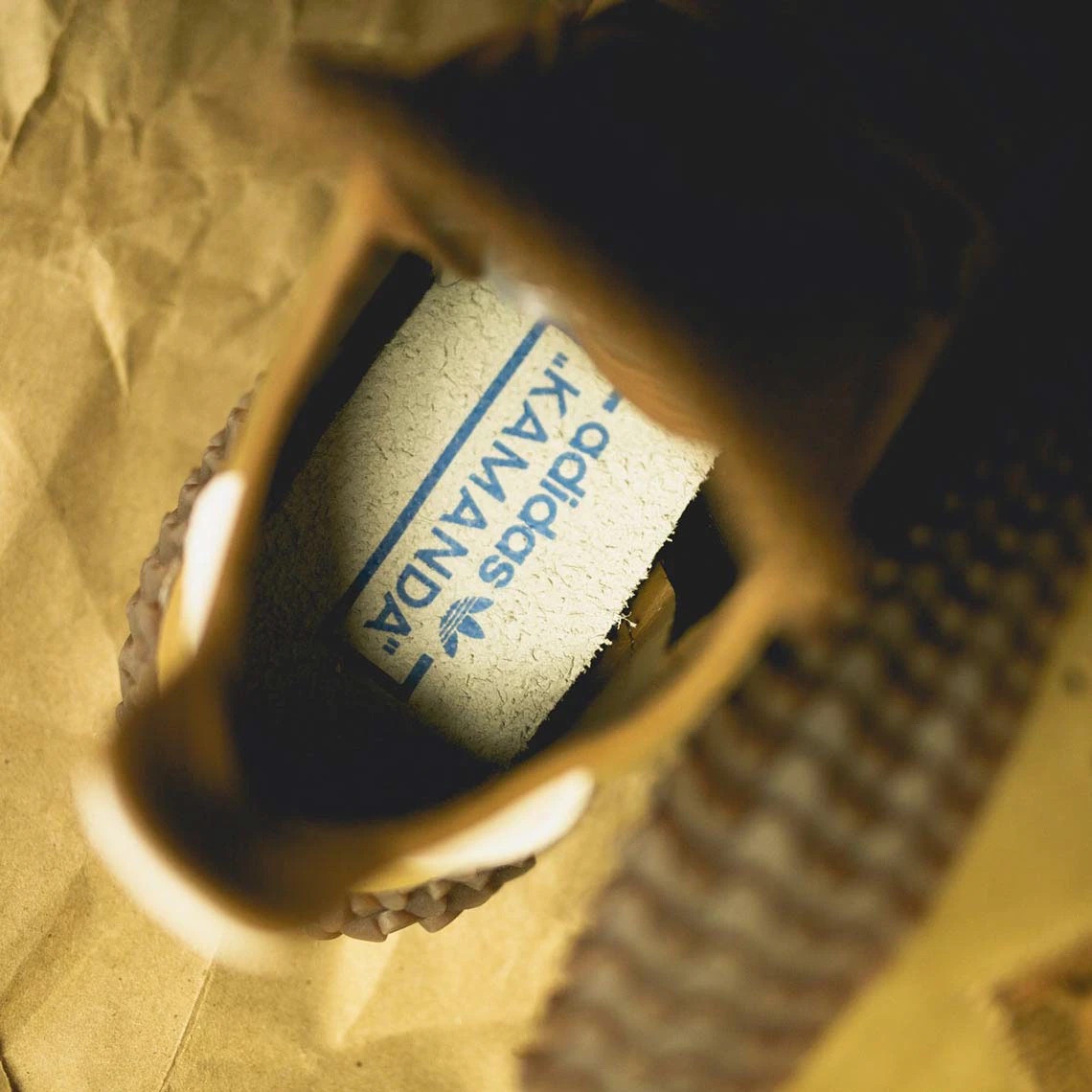
Where do you see the biggest opportunity for meaningful, sustainable change in the way we manufacture footwear?
There are multiple ways to look at utilising the supply chain to build products, either for disassembly or mono material approaches built for recycling. When comparing the costs from these programs to locally sourced material nearer the factories, the sustainability initiatives for oil-based materials can’t compete and never scale to make a measurable impact on the wider industry. I feel there’s a lot to be said for simply being able to service footwear and build for longer product lifespans through quality. The craft aspect and the skilled labour are worth the premium when looking at sustainability.
In a high-pressure industry, how do you cultivate an environment where mentorship and shared growth can actually thrive?
In design, we have a duty to do what is best for the consumer, led by the brief. Tensions can be high, but fostering an environment of emotional safety and being able to speak freely, whilst being open to others’ perspectives, can create an environment where people feel heard and have a sense of shared ownership. In these conditions, we can grow. I’ve had help and guidance along the way from people I didn’t expect to take time to help me, and I feel you have to pay it forward and take time for people to help them grow, too.
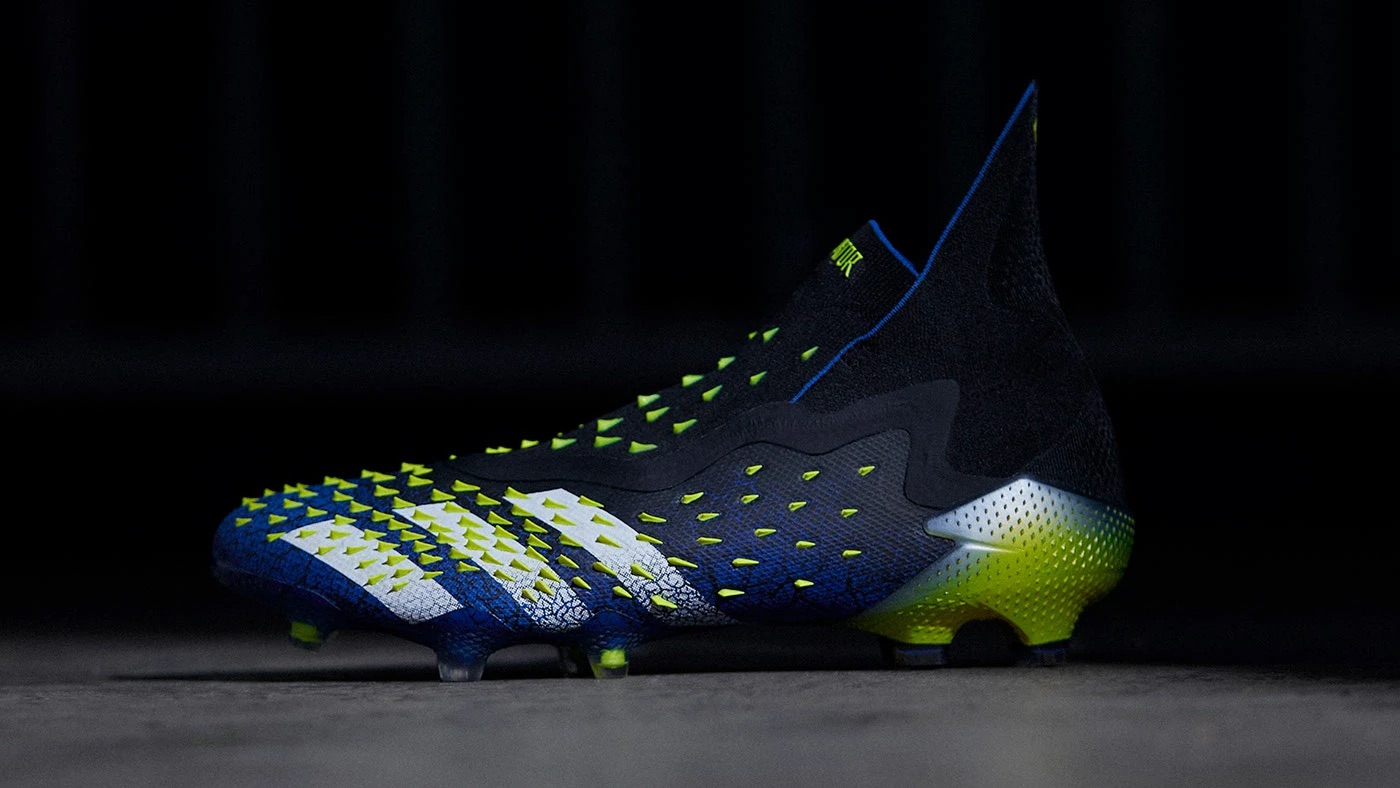
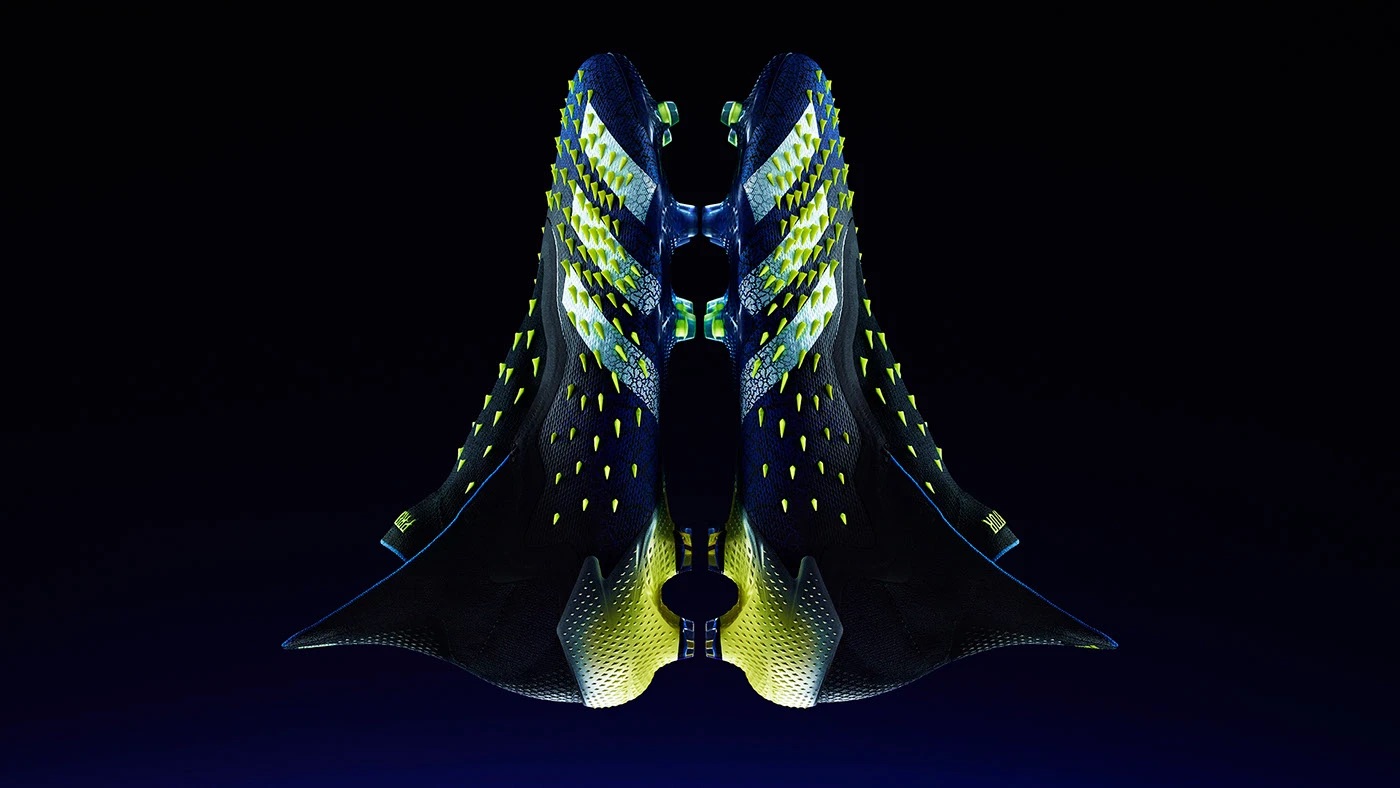

As you step into your new role as Lead Designer at Jordan, what is the biggest lesson from your past roles at Puma and adidas that you are excited to apply?
Simply—don’t go in with any pre-conceived notions of what something is going to be, so always be open to change.
If you were to give advice to a young student starting out today, what is one skill that isn’t taught in design school that they absolutely need?
An ex-manager of mine would always say, “Remain passionately curious.” Those words, as simple as they are, have stuck with me.