




Header: İbrahim Özbunar / 645studio
Although AINEN is programmatically defined as a food-and-beverage venue, it was conceived as an experiential space that deliberately moves beyond the conventional architectural look of this typology. Rather than reproducing familiar restaurant imagery, the team from URBANJOBS set out to transform a constrained and problematic volume into a spatial framework capable of accommodating multiple modes of use. The kitchen-oriented programme informed the architectural decisions, yet it was intentionally kept in the background rather than becoming the primary driver of the design.
Benefitting from challenges
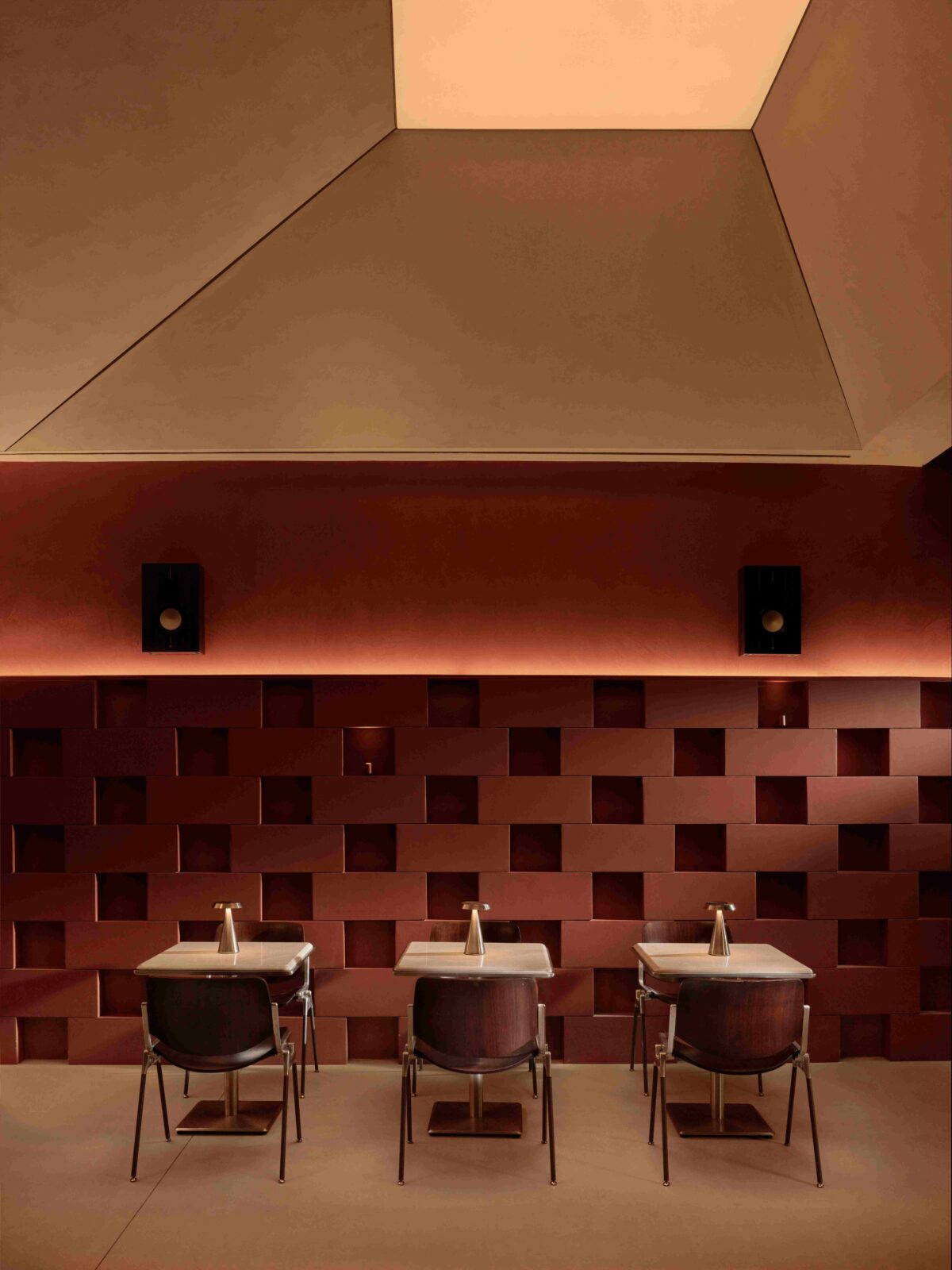
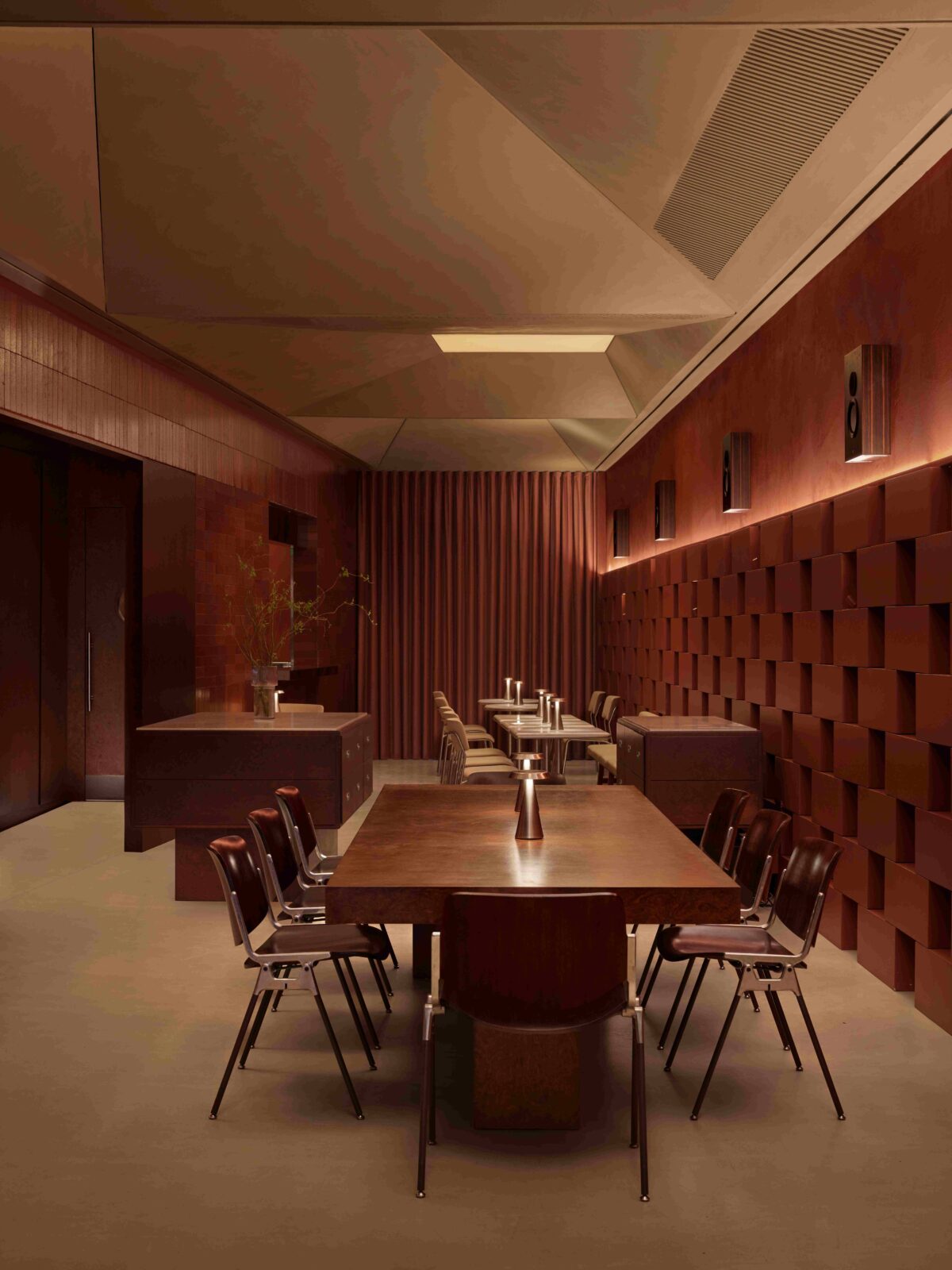
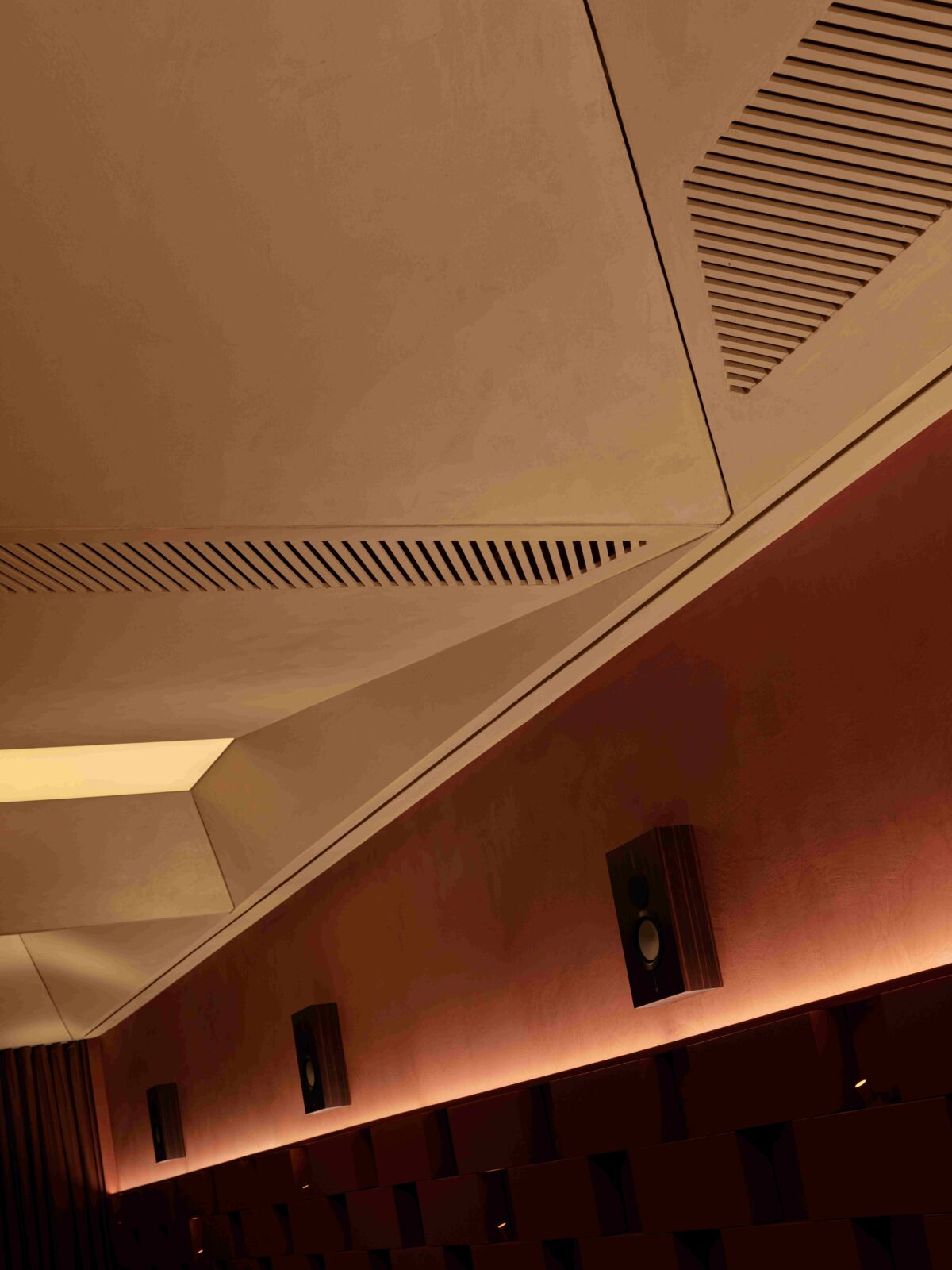
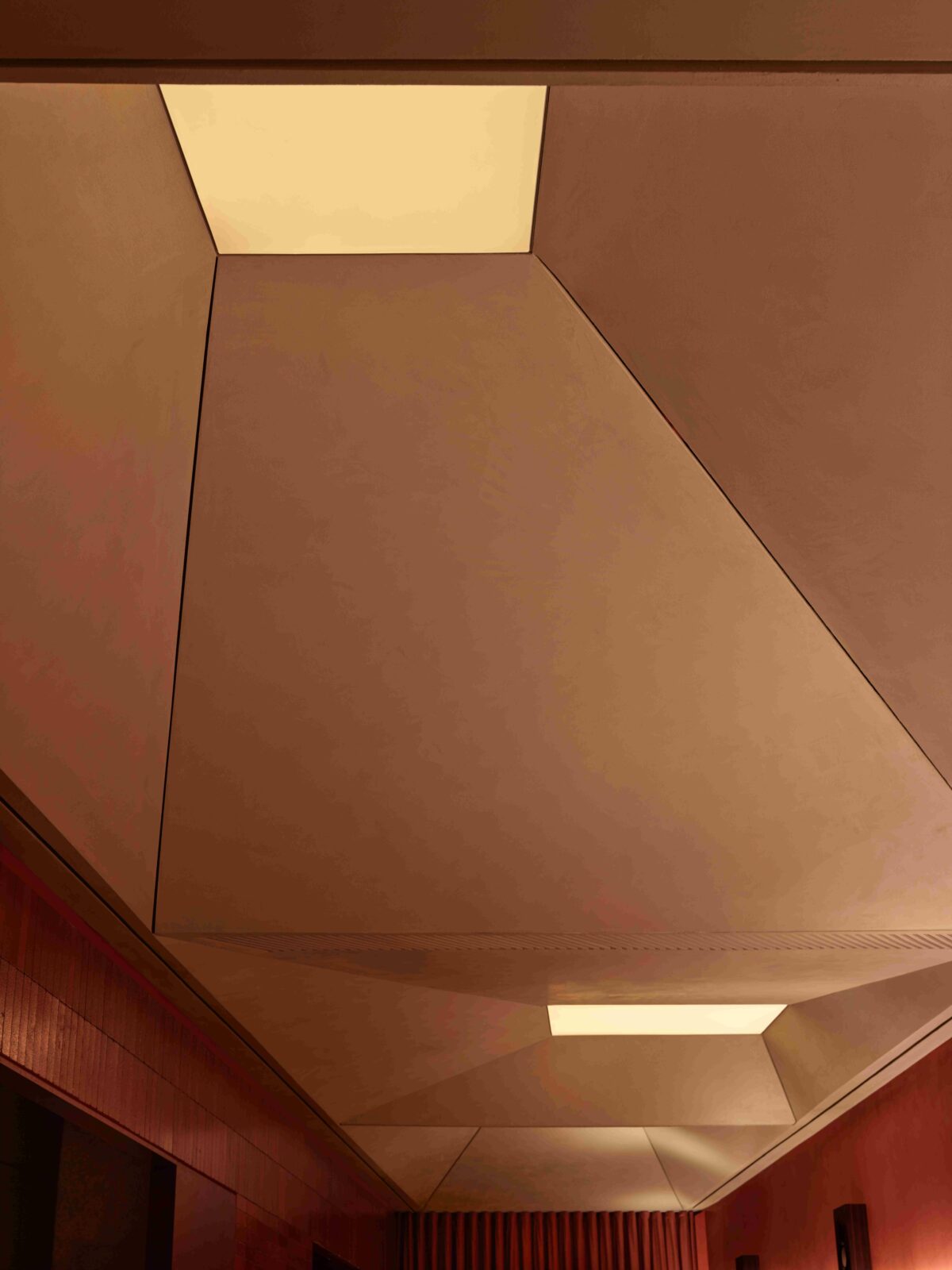
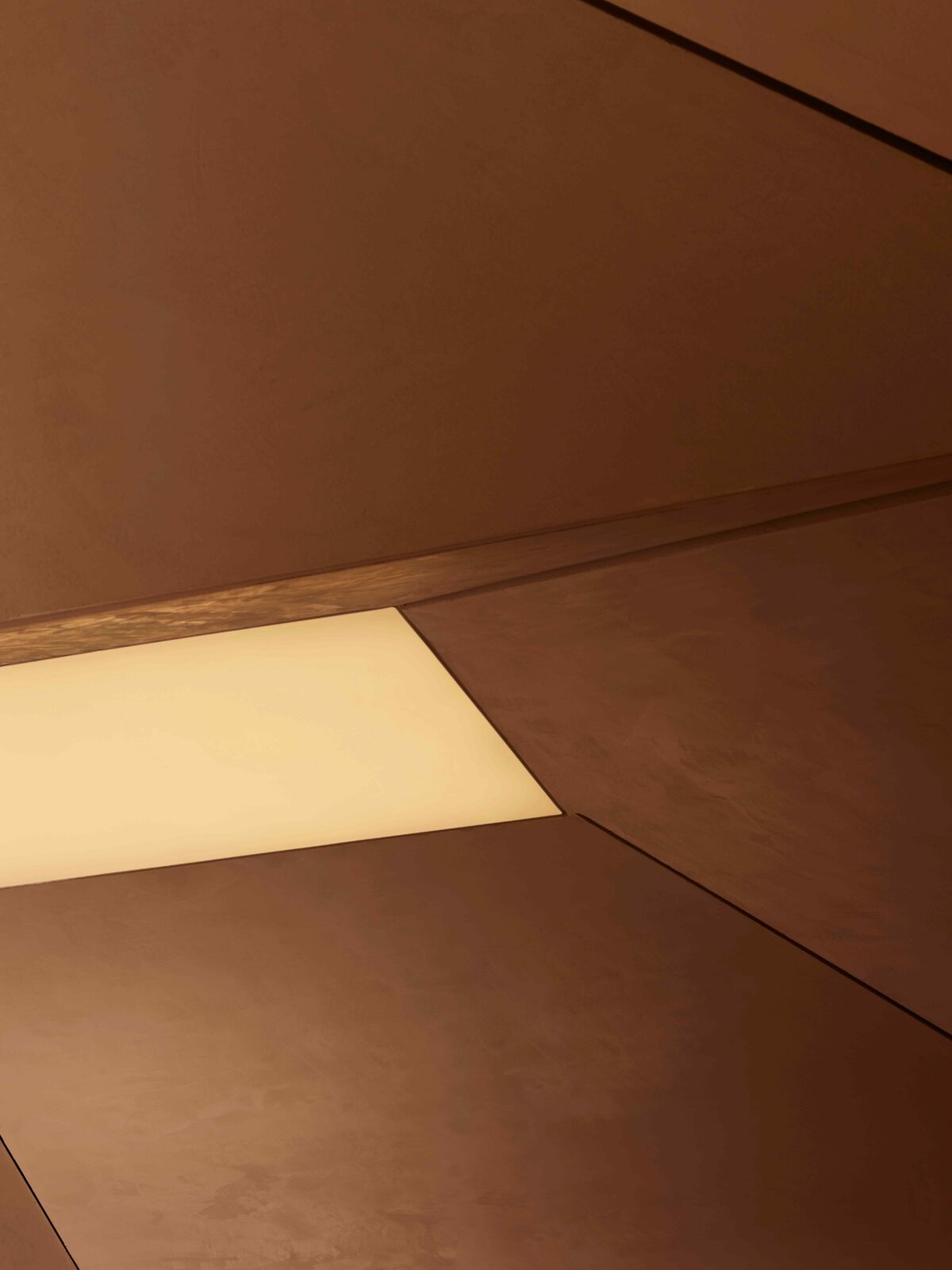
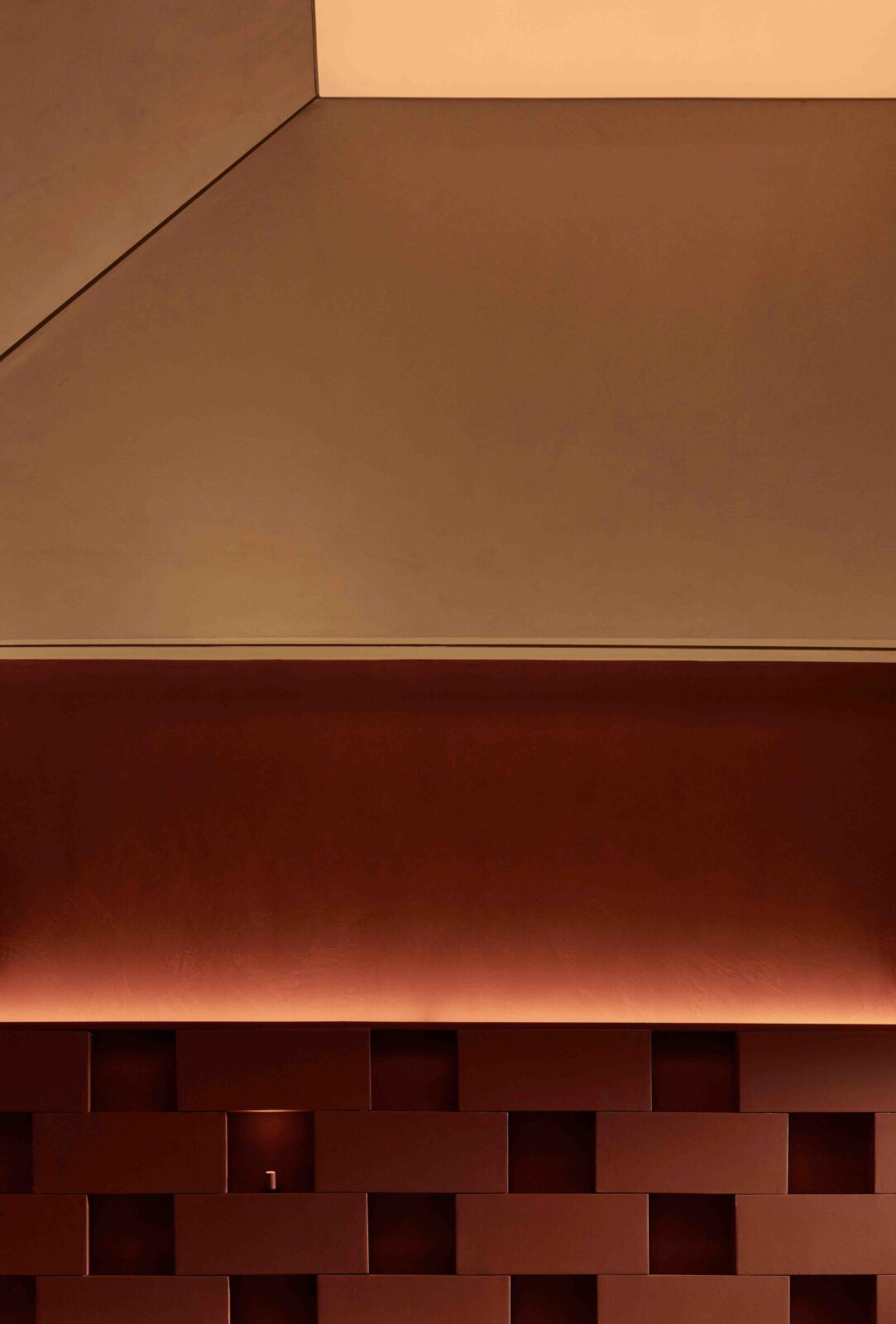
Located within Tersane Istanbul, the leased space is defined by a small footprint and an extremely narrow, elongated geometry, conditions that risk turning the interior into a corridor-like sequence and disrupting spatial continuity. Instead of attempting to resolve this constraint horizontally, the design strategy activates the vertical dimension. The ceiling height becomes a latent spatial potential, articulated through a three-dimensional ceiling intervention that introduces direction, rhythm and movement. Beyond its formal presence, this element reshapes perception and organises the relationships established within the interior.
Between the bar and the kitchen
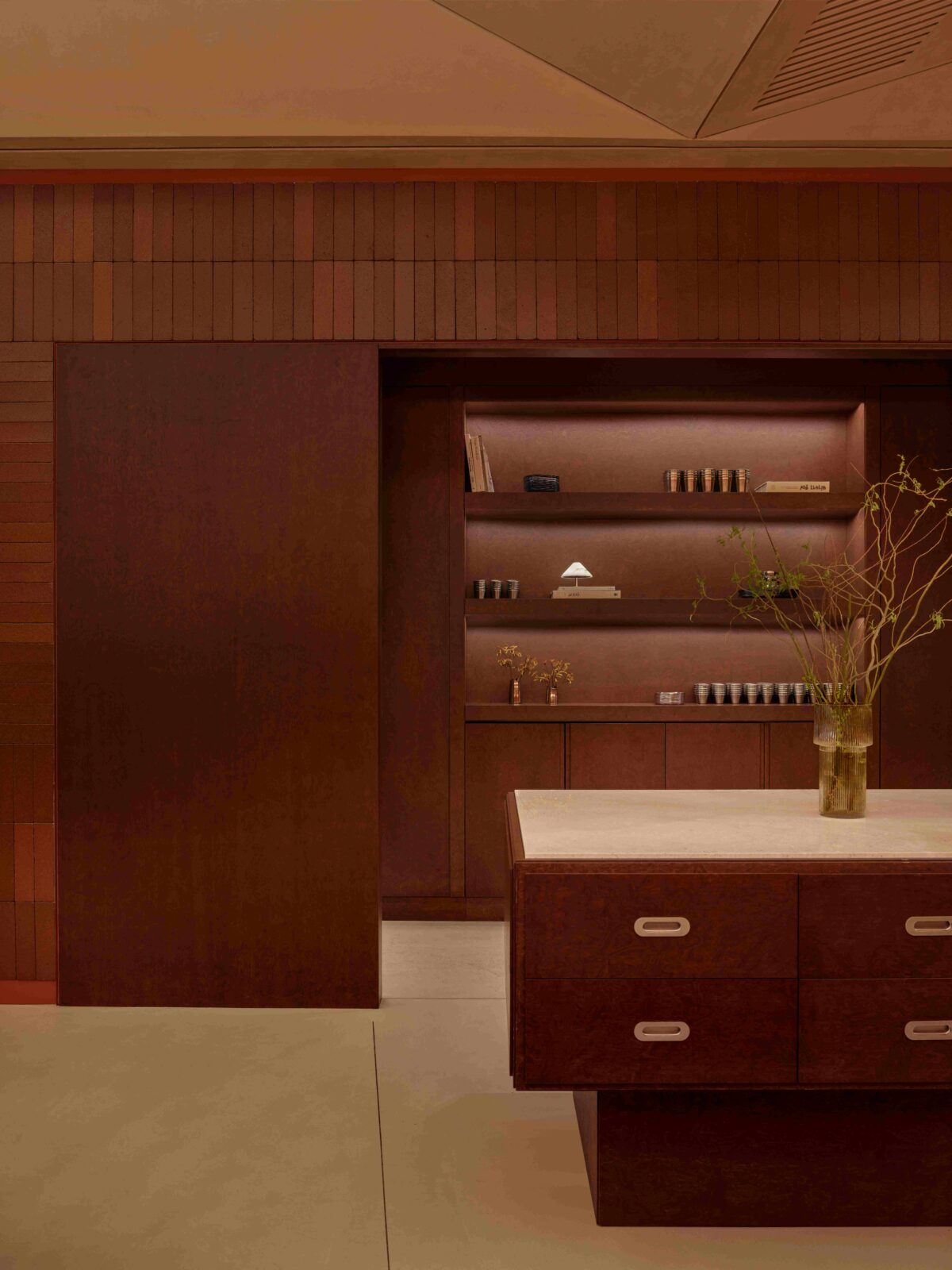
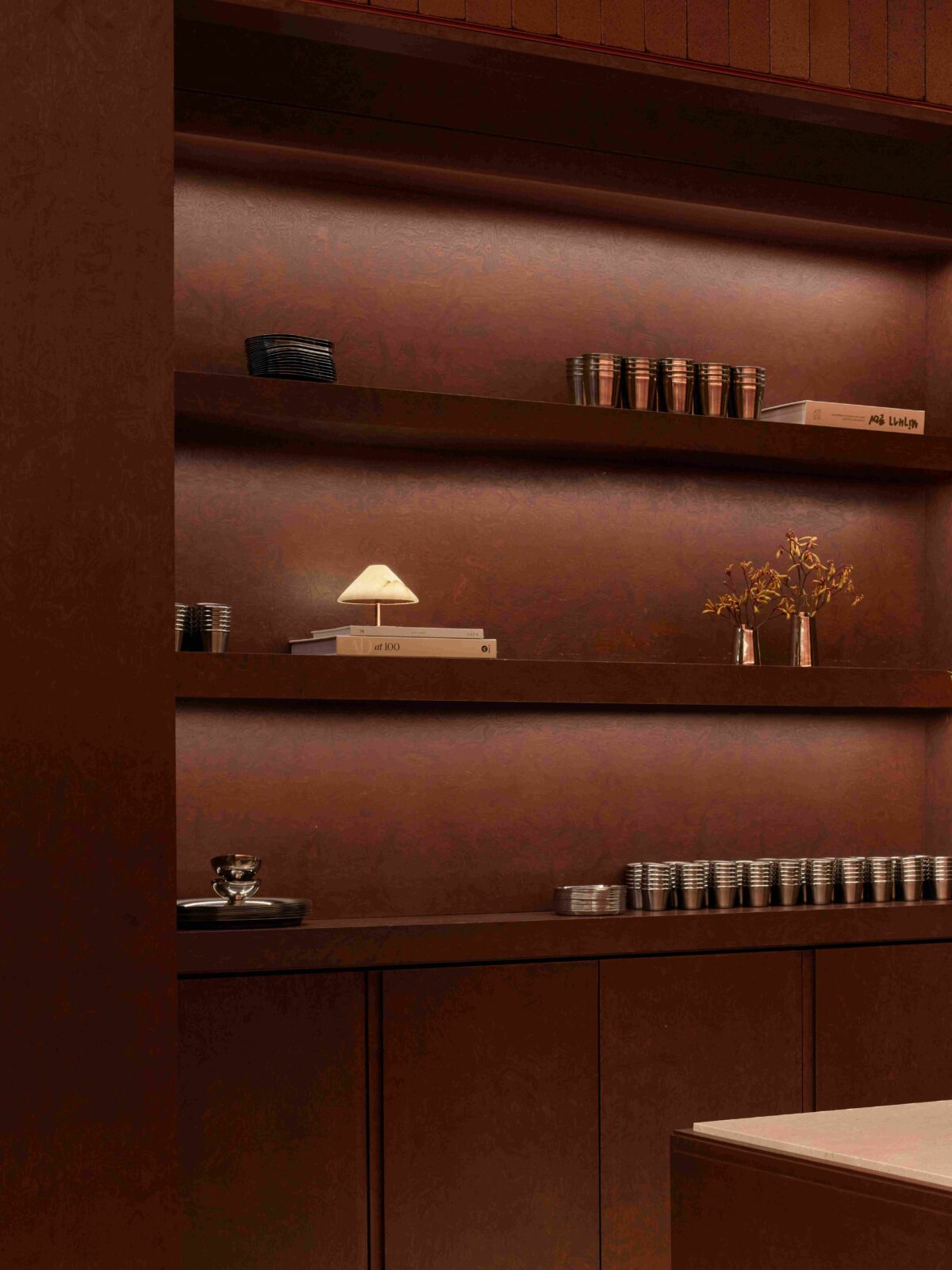
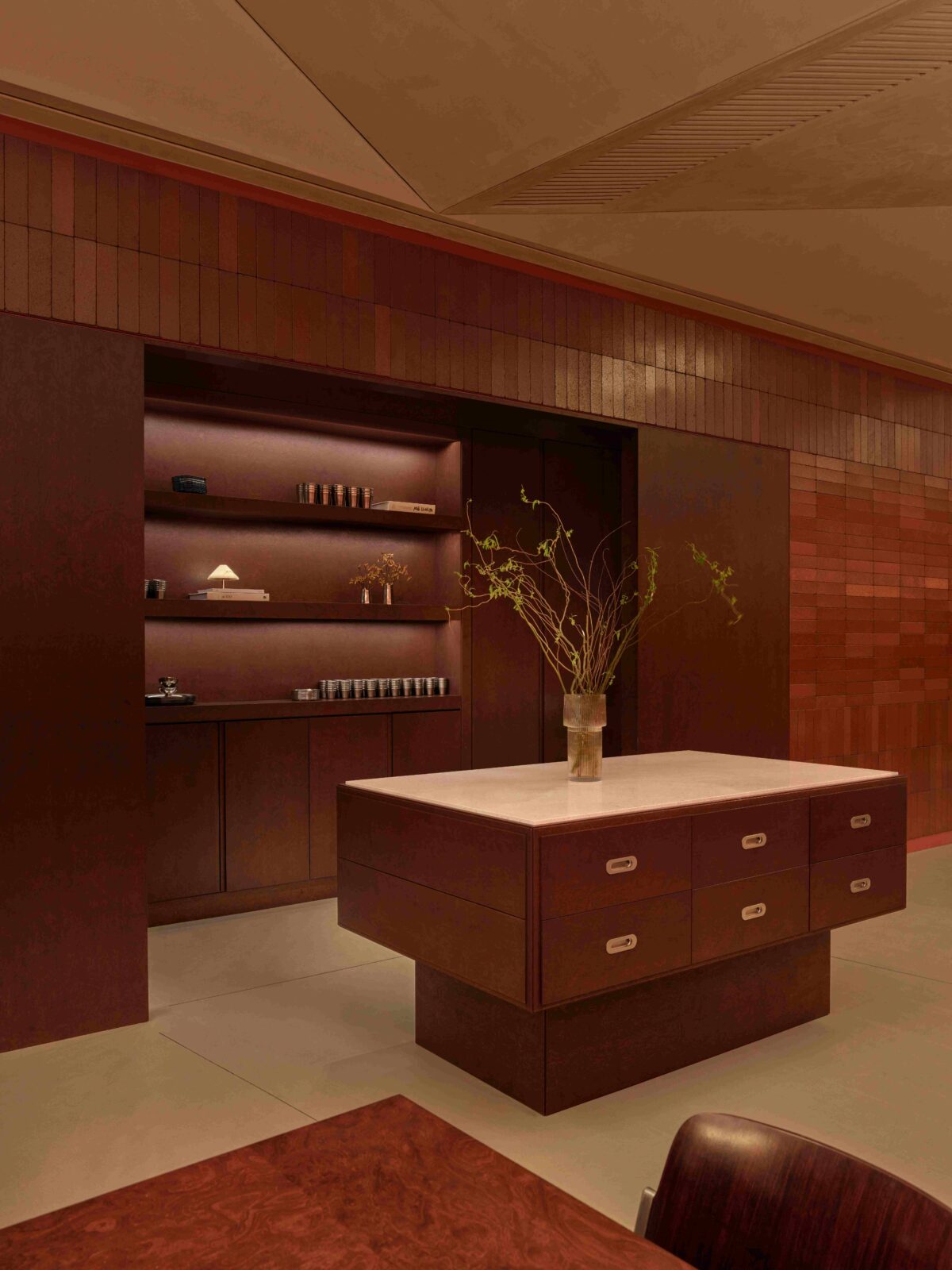
The plan organisation balances operational clarity with spatial experience. In line with the open-kitchen brief, the kitchen and bar occupy the two sides of the space, while the central axis defines the primary circulation. Positioned along this axis, a multifunctional island servant operates as both a visual and functional focal point. Serving as a service element during the day, the island transforms into a DJ setup at night, allowing the venue to transition between different atmospheres and intensities throughout the day.
An adaptable interior
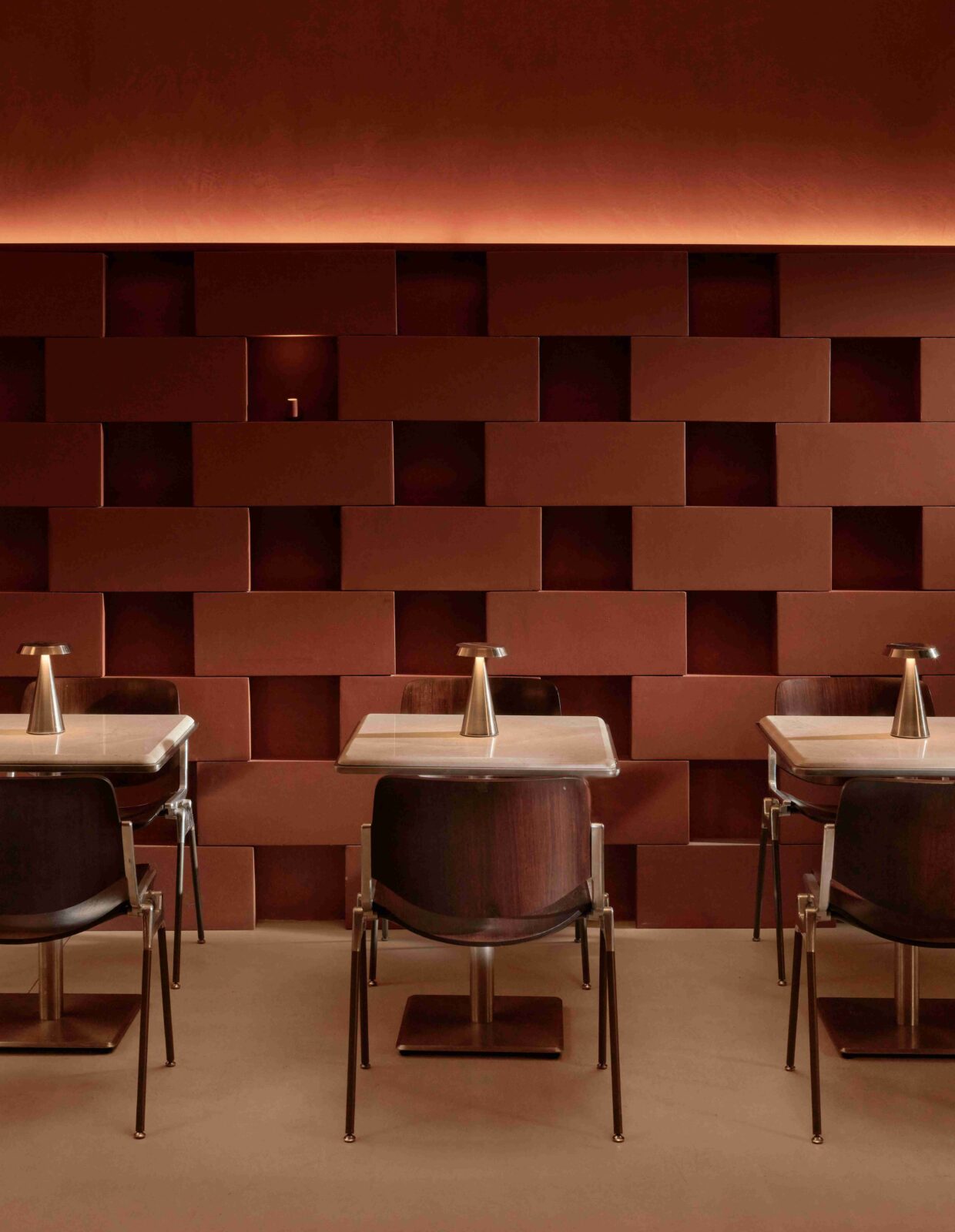
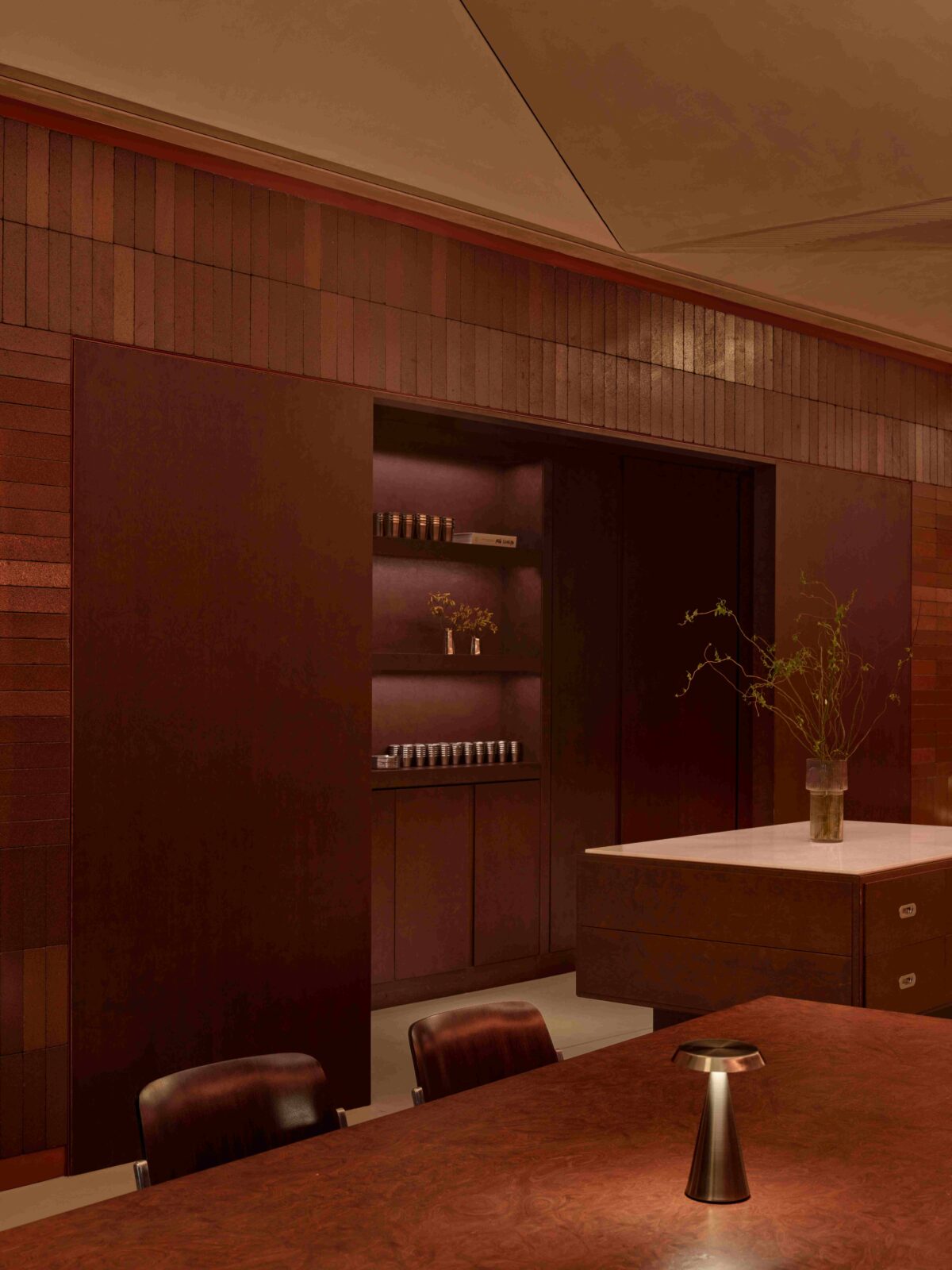
Flexibility was a defining principle of the interior. All furniture elements are movable, enabling the space to adapt to varying crowd sizes, events and configurations. Rather than relying on a fixed layout, the design allows AINEN to continuously reconfigure itself, positioning the venue not as a static restaurant interior but as an evolving spatial framework.
The lighting strategy reinforces this adaptable condition. Instead of conventional spotlighting, a layered system was developed in close dialogue with the ceiling geometry and architectural surfaces. Lighting operates as a spatial instrument (capable of receding or intensifying, depending on use), guiding atmosphere and perception without locking the space into a single mood.
Timeless materials
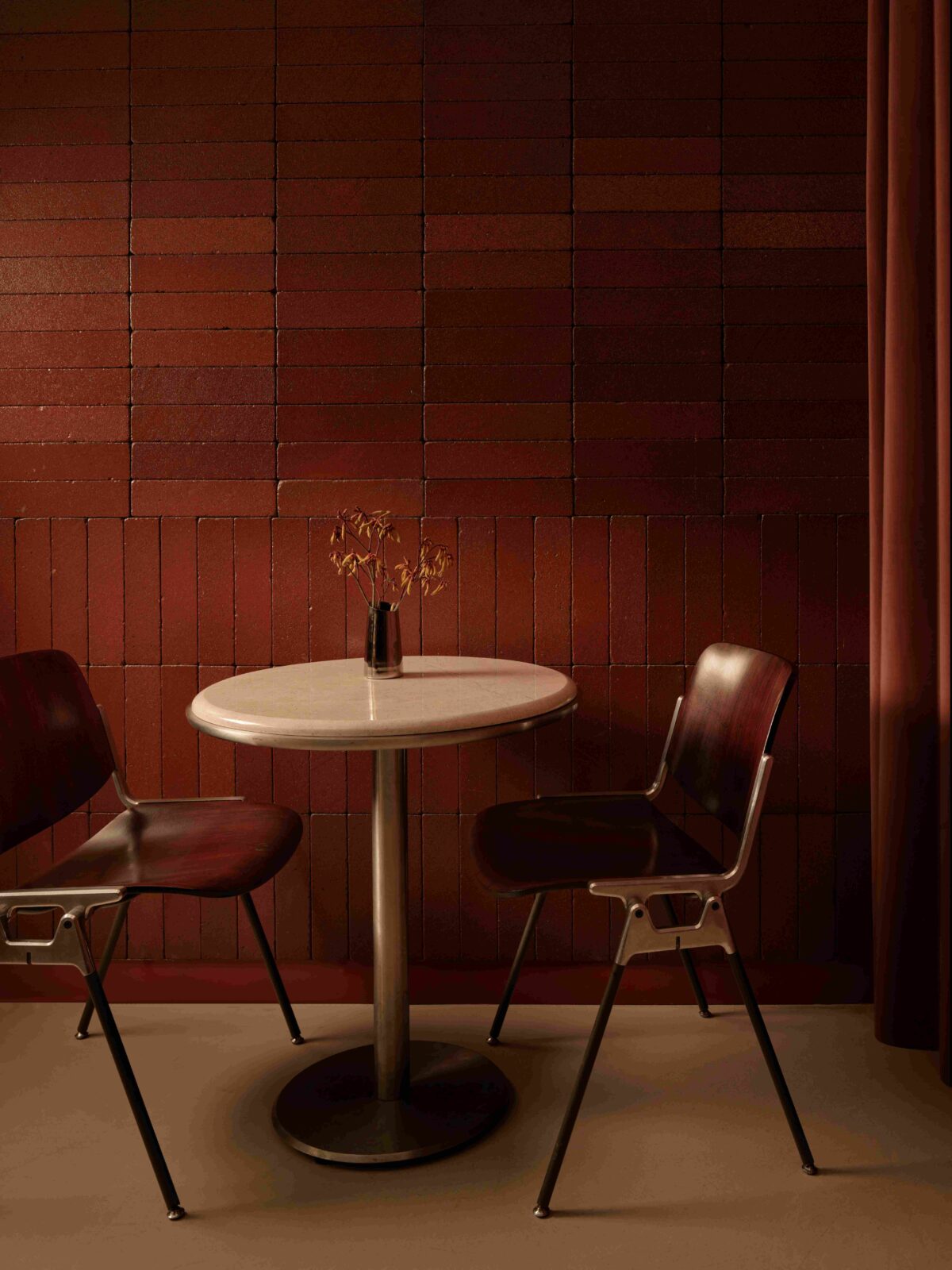
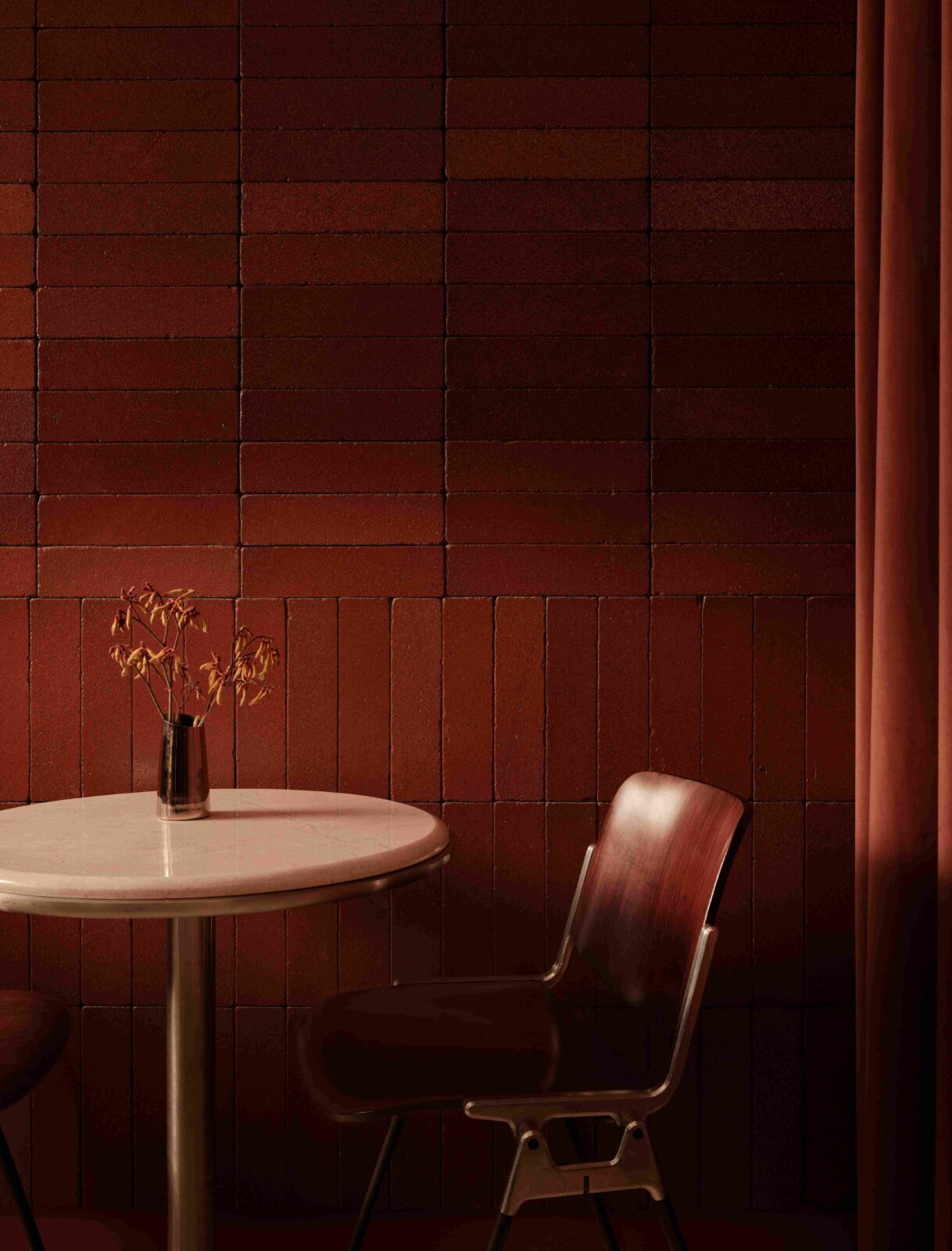
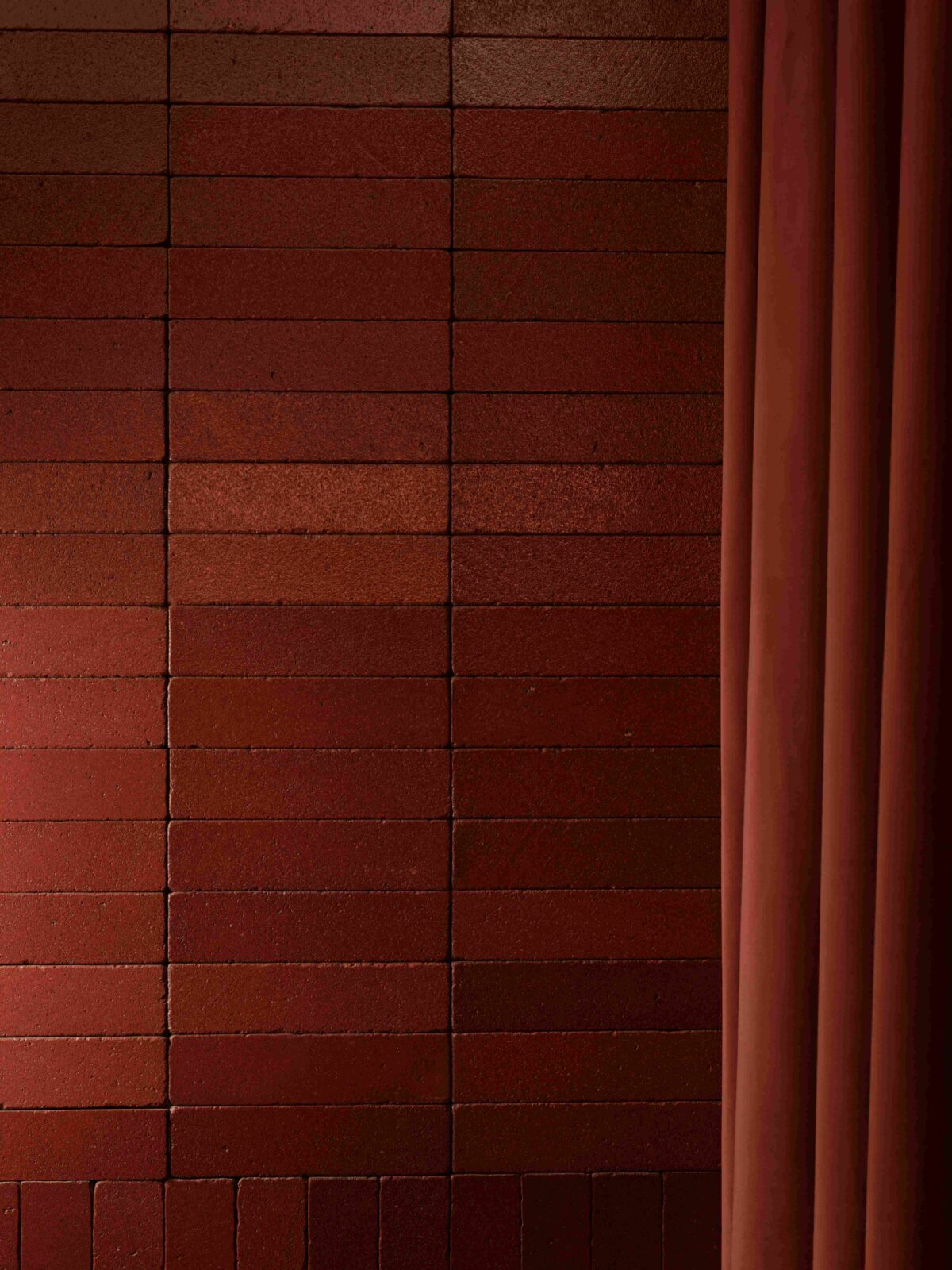
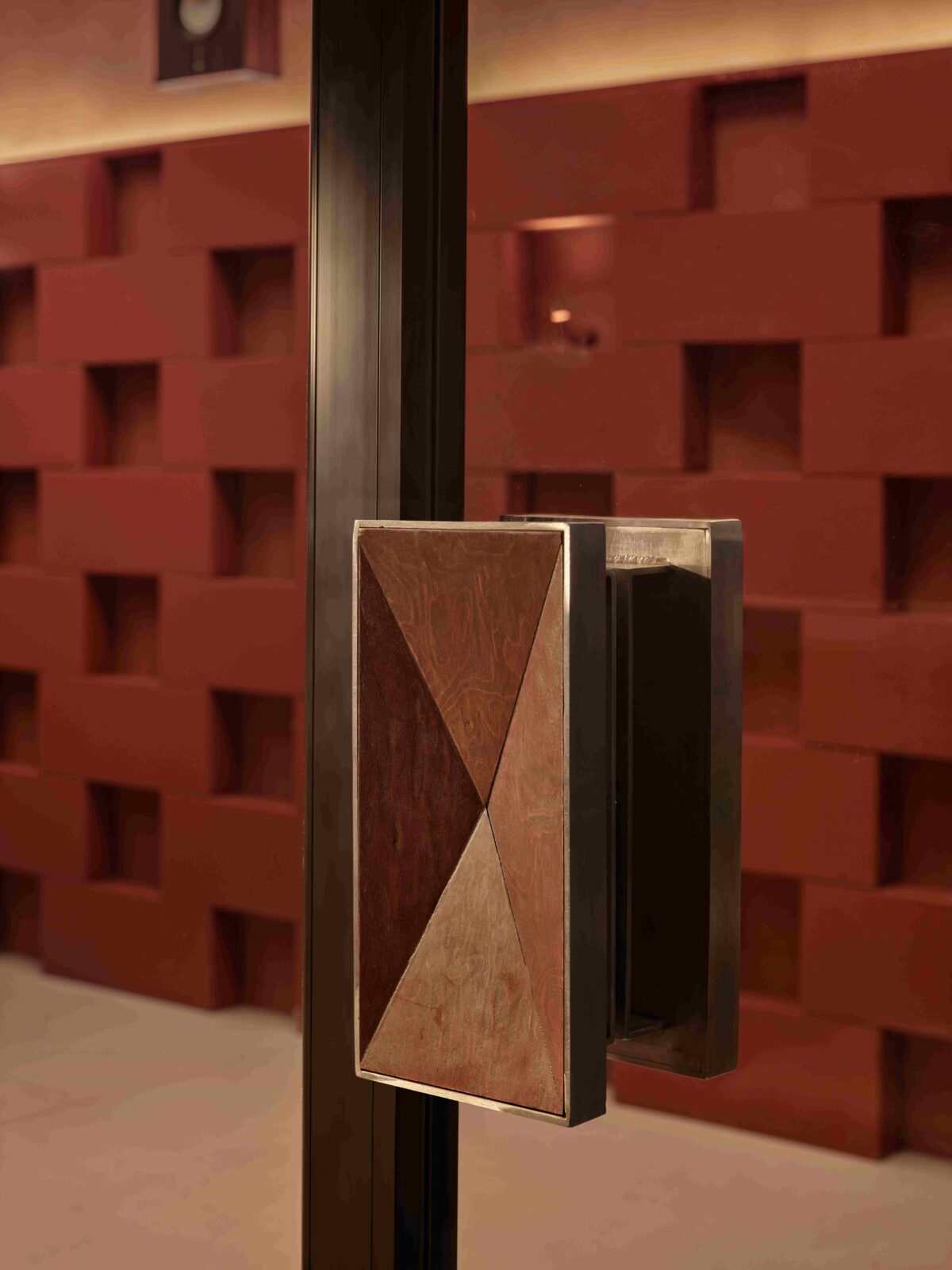
Material choices deliberately avoid direct historical imitation of the Tersane Istanbul context. Instead, the project embraces a dialogue between past and present. Dark-stained wooden chairs from the Giancarlo Piretti for Cassina series introduce a timeless layer that gains character as it ages, aligning with the industrial heritage of the site while reinforcing AINEN’s contemporary architectural language.
Although the interior possesses a strong architectural form, the project approaches space as something shaped by use, movement, time and atmosphere. AINEN is therefore conceived not as a fixed typology but as an experiential field capable of shifting between different programmes.
Project Information
Interior Design: Urbanjobs
Lighting Consultant: NOX
Location: Tersane Istanbul, Haliç
Source: v2com newswire


