Header: Marco Cappelletti
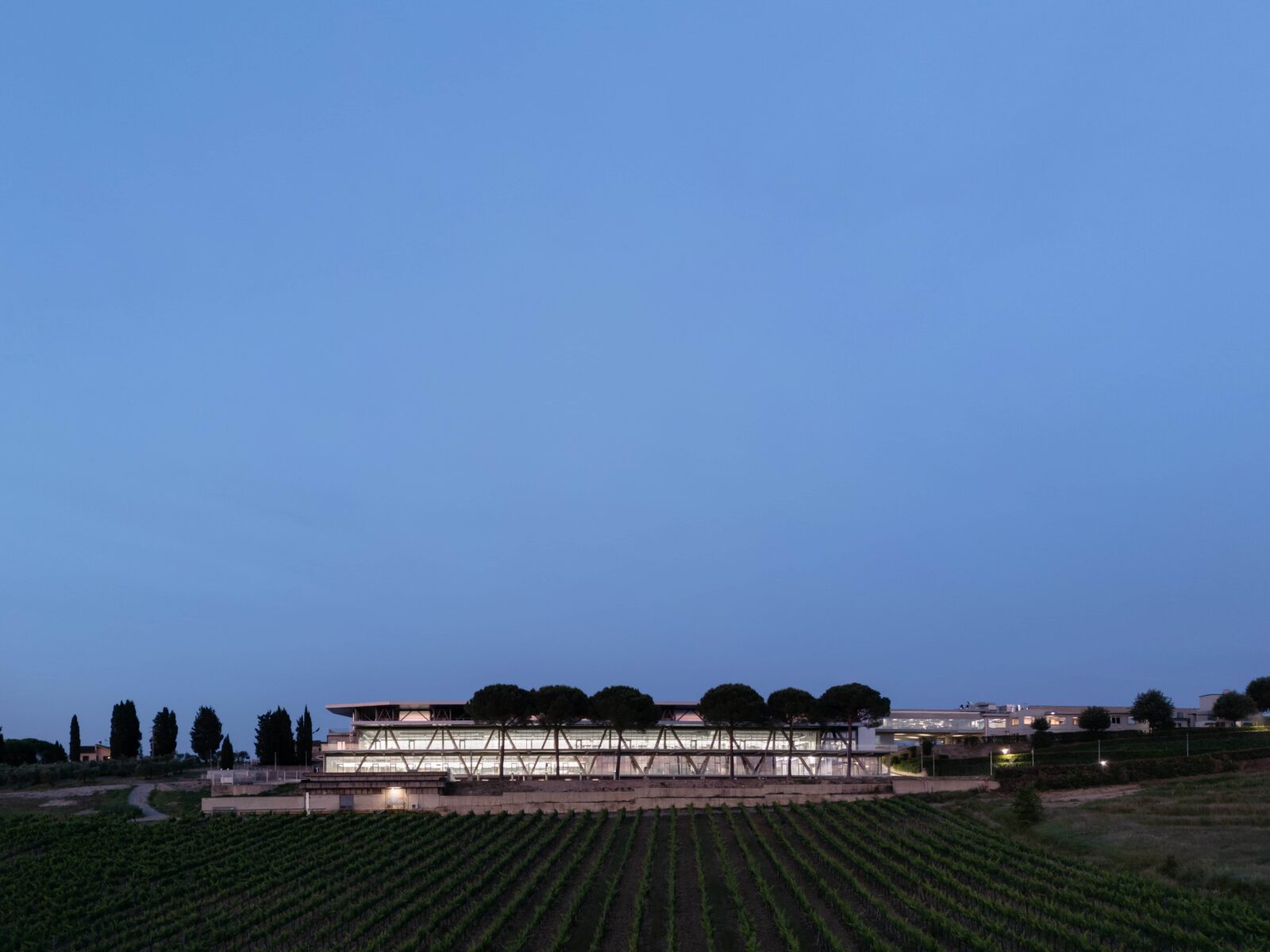
Balenciaga has officially opened its new leather goods headquarters in Cerreto Guidi, Italy, proving that the most forward-thinking way to build for the future is to look at what is already there. Known simply as “The Plant,” this 8,000-square-metre site is a major move for the fashion house, bringing its production in-house within the heart of Tuscany. Instead of clearing the land for something shiny and new, the brand and the architects at Metrooffice Architetti decided to fix up a set of tired industrial buildings from the 1960s and 80s, turning them into a modern workspace.
Repurposing an old leather factory
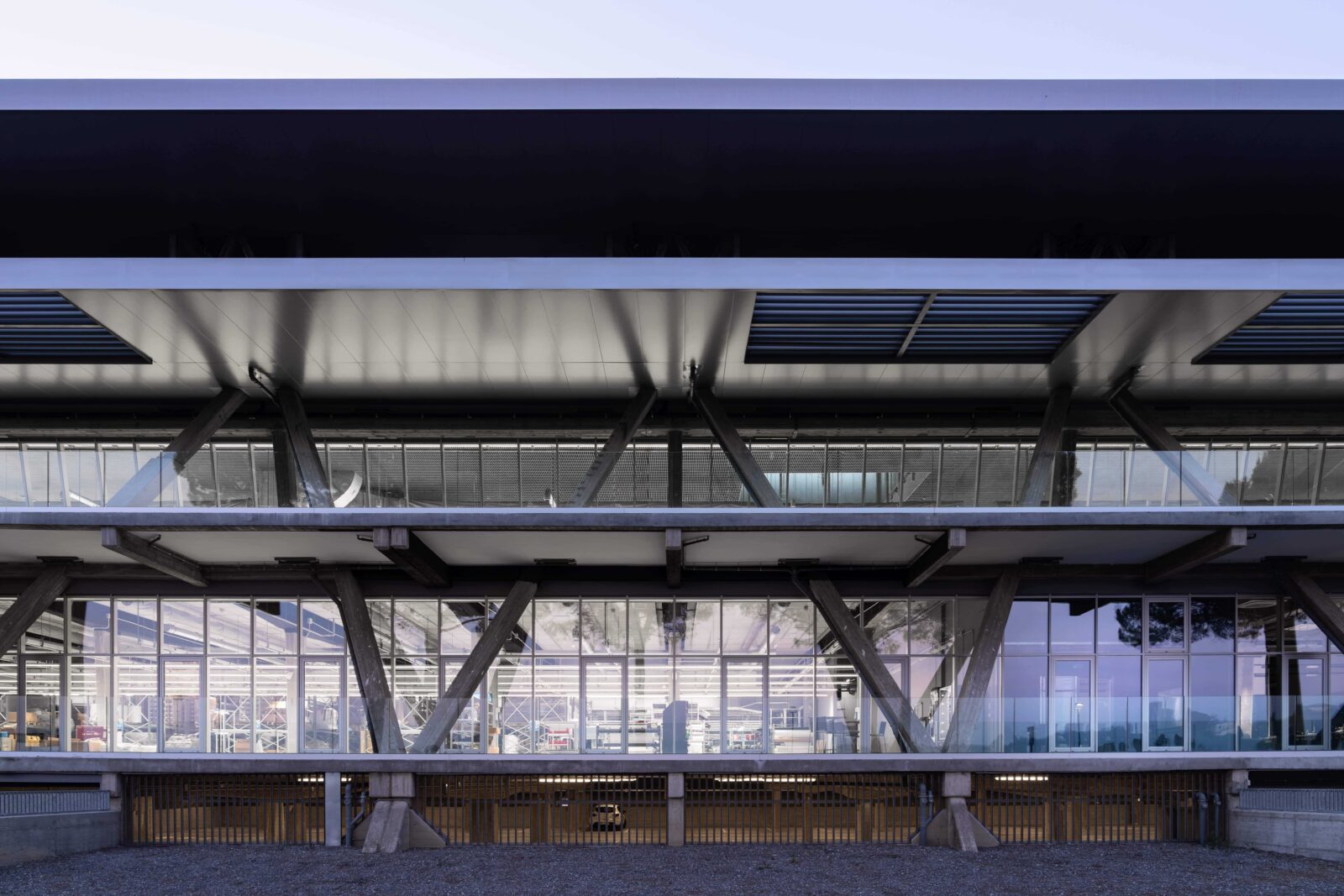
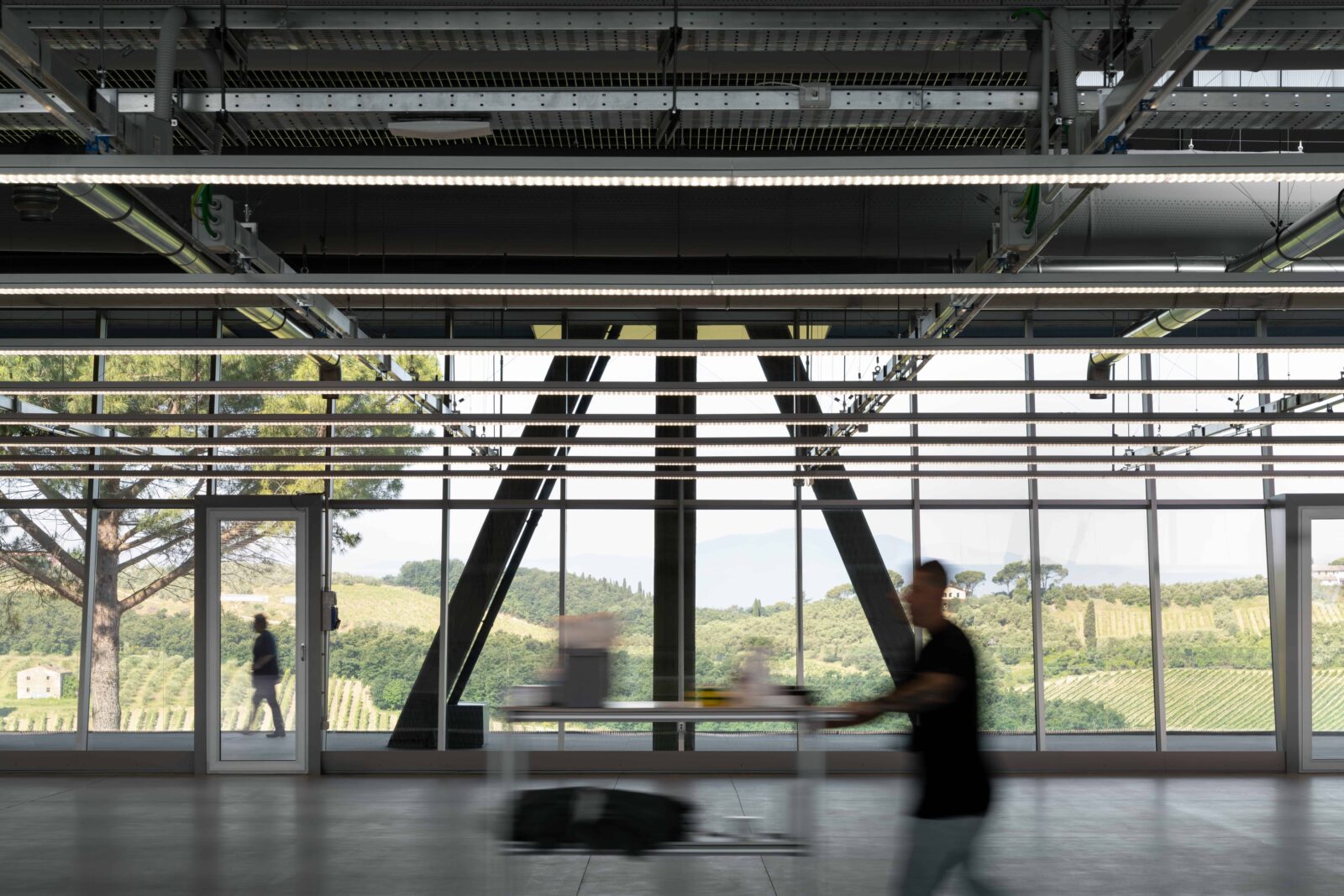
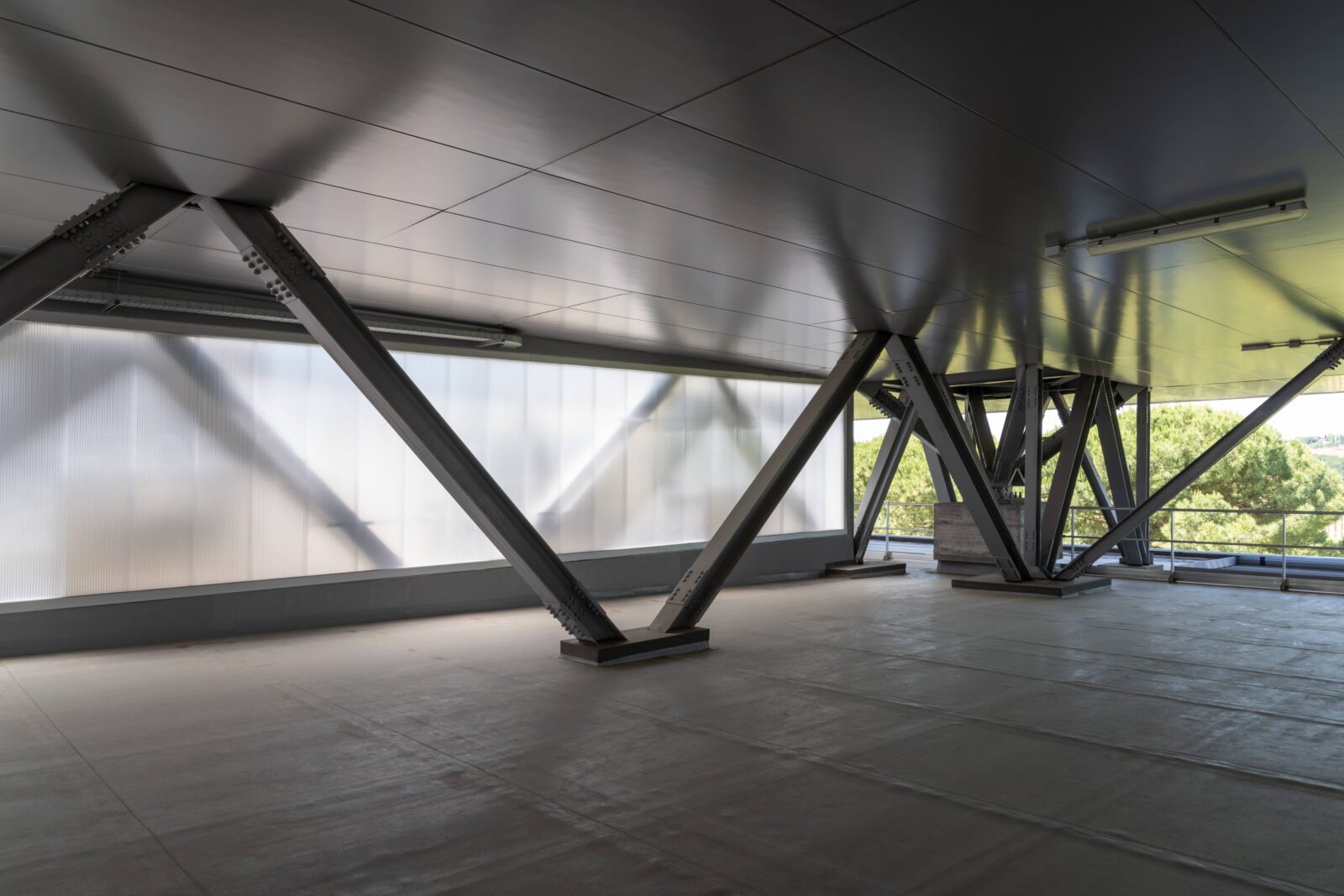
The site was once the Enny leather factory, a place with deep roots in local history that eventually fell into disuse. For this project, the goal was simple: remove the clutter and let the building’s original bones speak for themselves. The architects stripped back old walls and infill to reveal a strong skeleton of reinforced concrete and steel. By keeping these original structures on display, the building keeps its connection to the past.
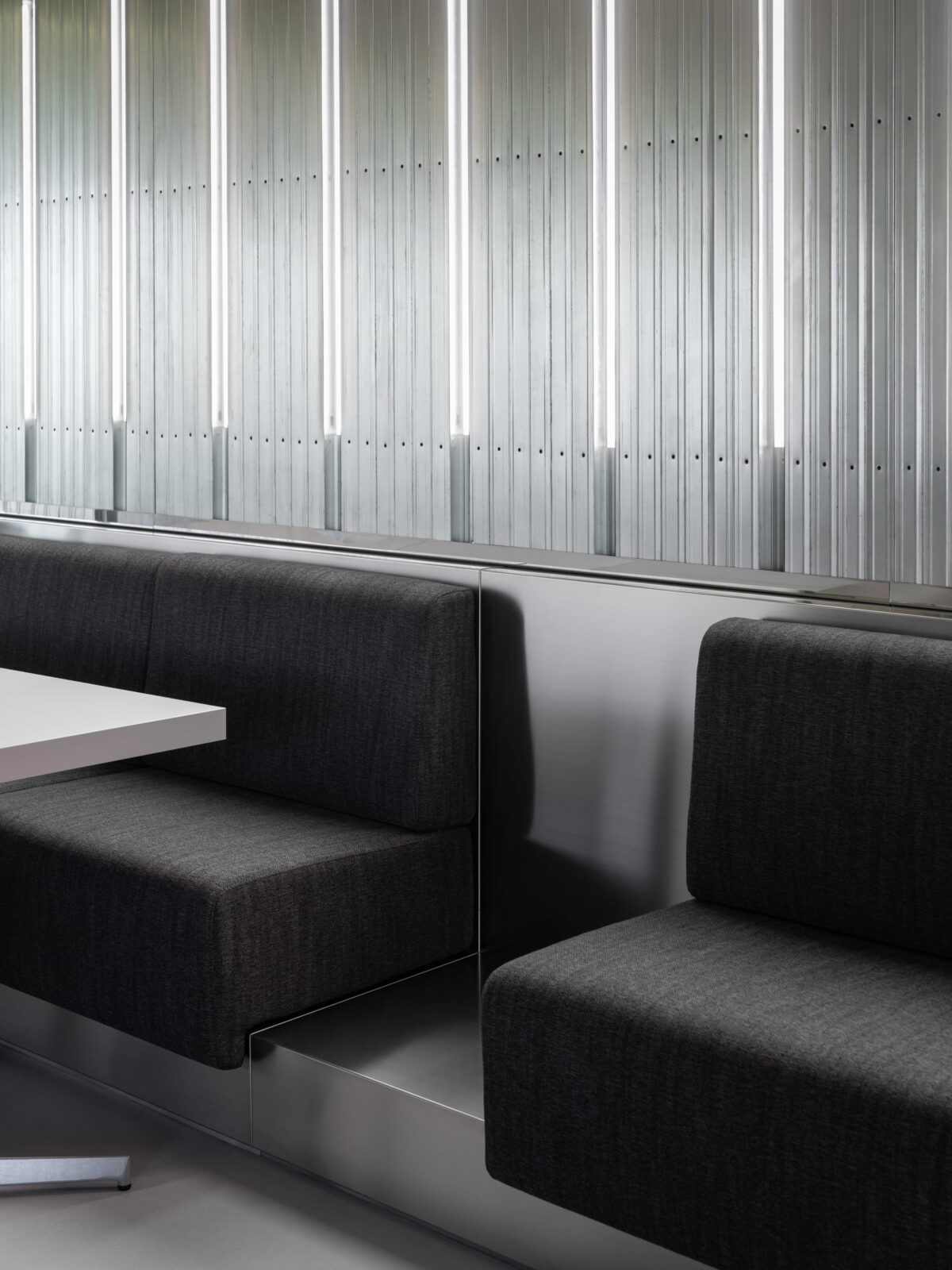
The complex is split into three main areas. There is the Training Centre, which focuses on teaching the next generation of leather workers; the Main Plant, which handles the heavy lifting of production across several floors; and a suspended section known as the Bridge. This floating element serves as a social hub, housing the canteen and shared spaces where staff can take breaks.
Designing from the roof down
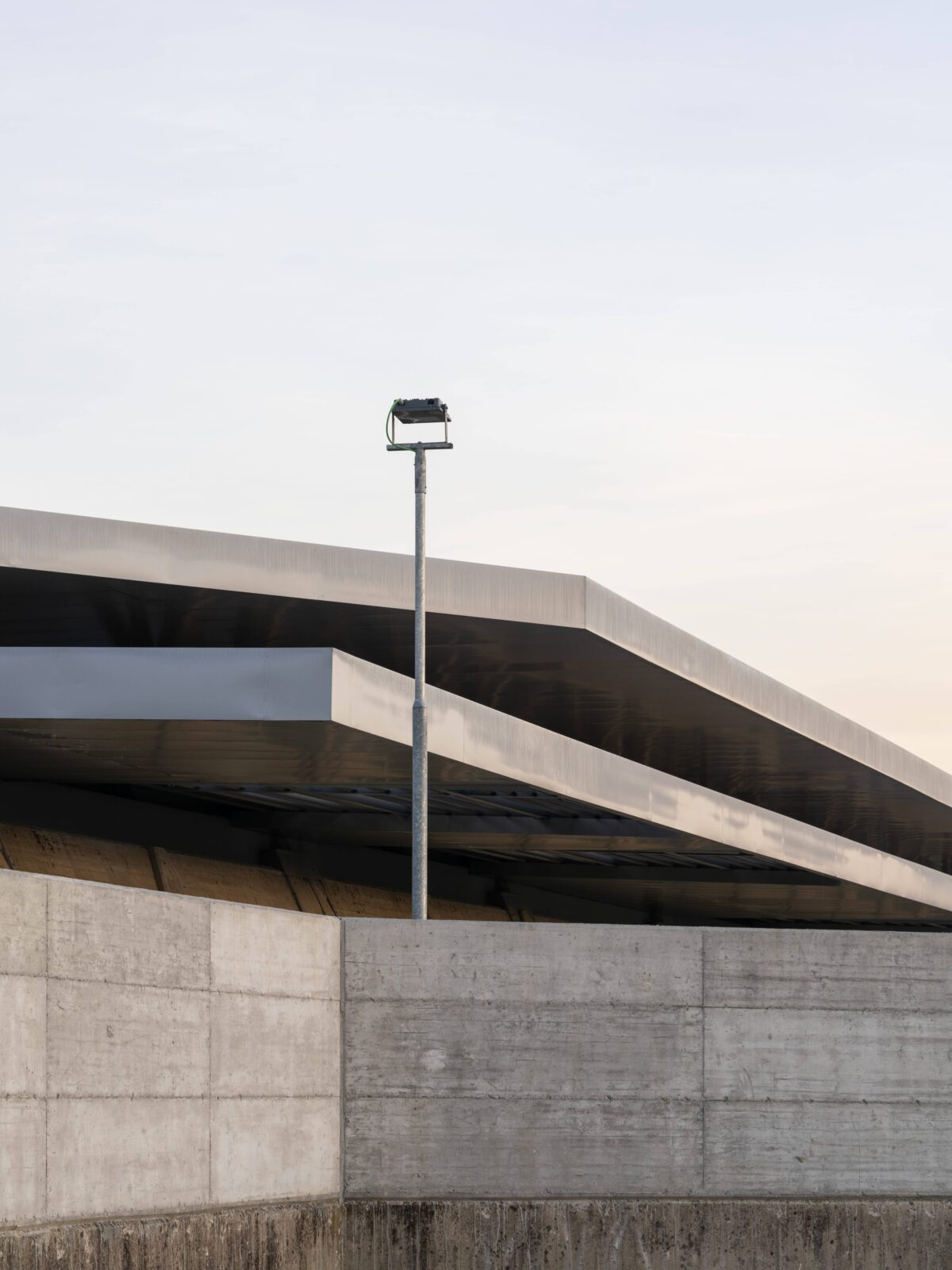
One of the biggest changes to the site is the roof. The old, bulky roof was replaced with a new system consisting of two thin horizontal slabs. This makes the whole building look much flatter and lower to the ground, helping it sit comfortably among the surrounding olive groves and vineyards.
This roof is a smart piece of kit that includes solar panels, terraces, and systems that pull in natural light and fresh air. It stretches across the landscape, providing shade and creating the sense that the building is floating just above the hills. Because the floor plates extend beyond the walls, they create a strong horizontal pattern that defines the building’s exterior.
Raw materials and open spaces
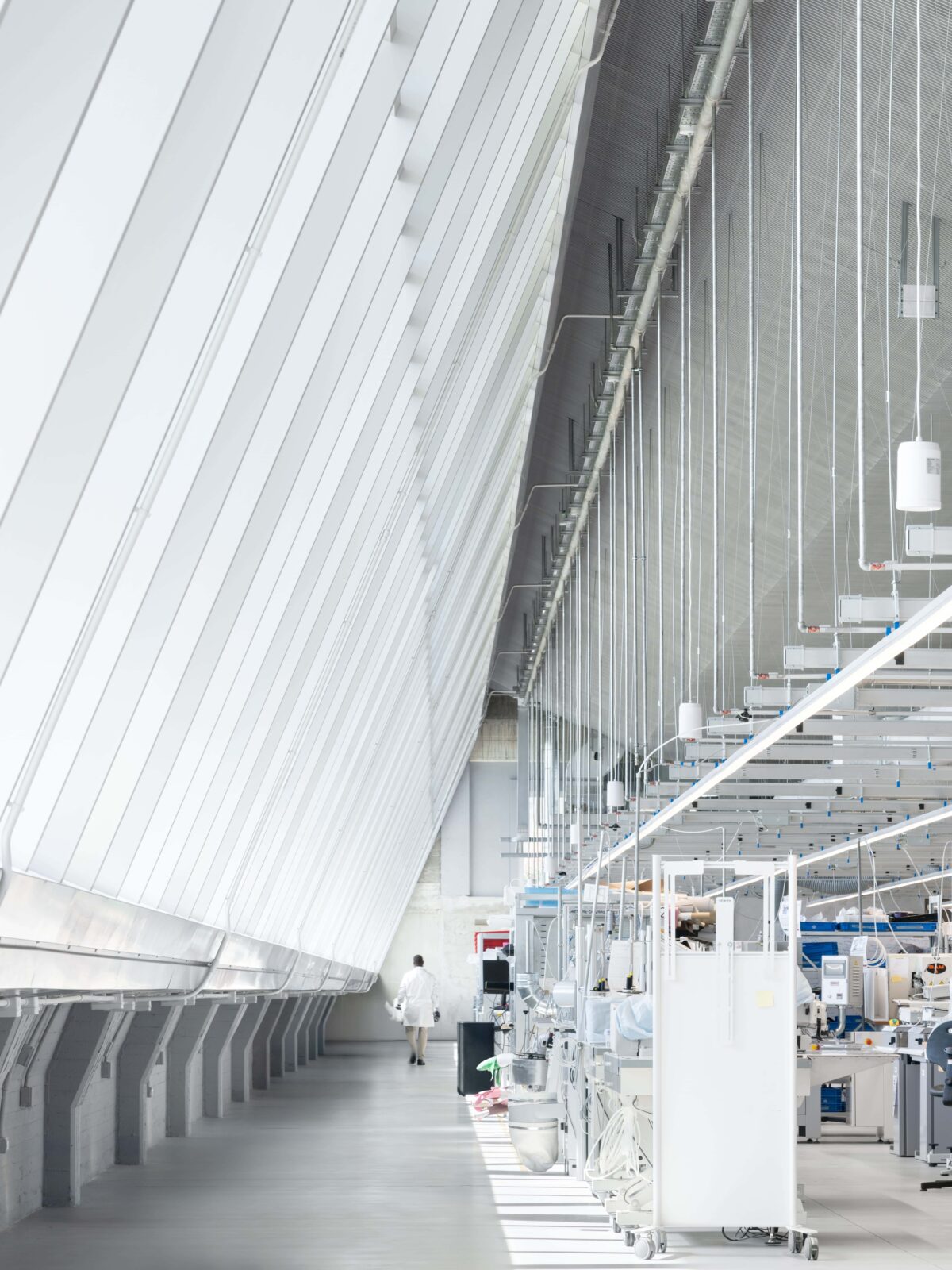
Step inside, and you will find a workspace that values honesty over decoration. There is no paint used to hide the building’s “workings”; instead, the pipes, wires, and technical systems are left out in the open. The palette is stripped back to the basics: grey resin floors, glass, aluminium, and plenty of exposed concrete.
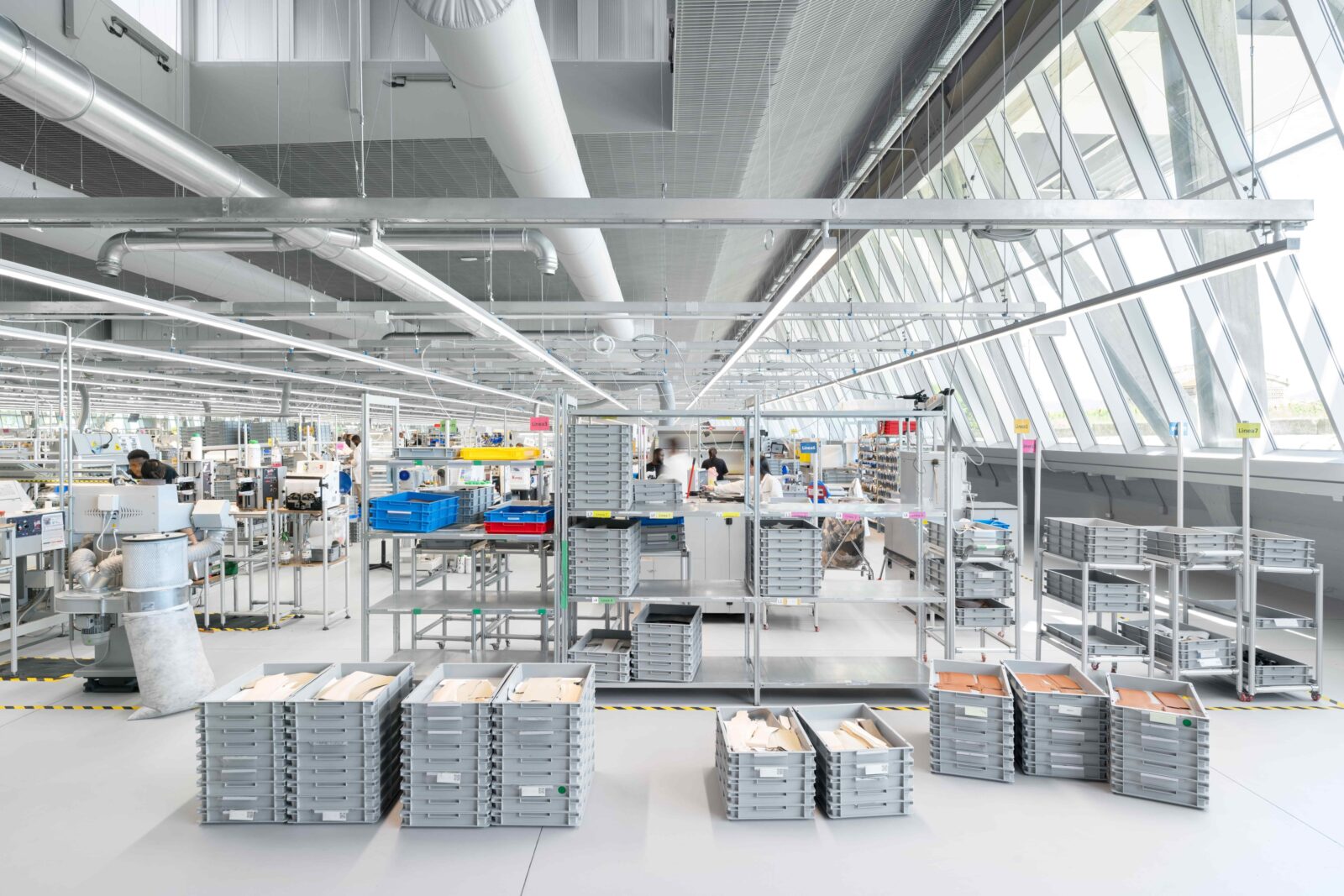
The layout is all about space and light. The main production floor is a massive, open area without any internal columns to get in the way, making it easy for teams to move around and collaborate. Large windows and the clever roof design ensure that the workshops are filled with natural light, a world away from the dark, cramped factories of old. Even the basement has been put to good use, providing parking and storage to keep the main areas tidy and focused.
A site built to last
Balenciaga wanted to create a headquarters that felt permanent and grounded, and it achieved this by reusing a historic site rather than building from scratch. It’s a place where the history of Italian leather-making meets the modern needs of a global fashion brand, creating a piece of architecture ready to change and grow as the brand does.