Header: Courtesy of Rosy Sukkar
Rosy Sukkar has spent her career navigating the distinct worlds of high-end fashion houses and global sports giants. This dual experience has given her a sharp eye for how shoes actually work on the feet versus how they look on a runway. She doesn’t see these two industries as opposites; instead, she finds common ground in their shared obsession with new tech and traditional craftsmanship. Now working as a freelancer, Rosy balances projects across three continents in a single day, a shift that has forced her to manage the gritty realities of business while expanding her creative reach.
As a jury member for the Global Footwear Awards, Rosy is tasked with spotting the difference between a shoe that is just chasing a passing trend and one that has been built with real purpose. In this conversation, she digs into the problem with “shrinking and pinking” men’s trainers for women and explains why true innovation starts with female data and athletes. From the freedom of working for herself to the deep research she saw in the GFA entries, Rosy shares what it takes to move the footwear industry toward a more inclusive and original future.

Drawing from your experience across sport and fashion, what is the first thing you notice when a sneaker is genuinely well designed?
For me, it’s seeing a balance between elements that are recognisable and familiar from sports or sneaker history, combined with something genuinely new and unexpected. That mix between the old and the new is often what makes a design feel the most impactful.
Having designed for both global sports brands and heritage fashion houses, what do you think each side still misunderstands about the other when it comes to footwear design?
Honestly, I don’t see either having misunderstandings. There is an incredible amount of knowledge in both sides of the industry, and also a huge crossover in the sources of inspiration, interest in new technologies, and appreciation of handiwork and craft that are interpreted across products in both fashion and sports.
Women’s sneakers are often treated as adaptations rather than starting points. From your perspective, what characterises truly empowering design in the women’s sneaker space?
For me, truly empowering design in women’s sneakers starts with questioning why women’s sneakers are so often treated as an adaptation rather than a starting point. Historically, performance sneakers have been built around male biomechanics, and lifestyle sneakers have simply been a version of whatever is popular in men’s fashion at the time.
I don’t think there’s one clear solution, but it seems important to begin with women as the primary user and grounding design decisions in female-specific data and recognising the diversity of bodies, performance needs, and life stages that women go through. Co-creating with female athletes is a great start, as is involving women in prototyping and wear testing of products.
In the casual sneaker space, I think empowerment is also tied to recognising how fashion-literate and intentional female consumers are in the way that they dress. Sneakers aren’t just functional, they are a way to express identity and personal style.
What creative freedoms did going freelance unlock, and what new responsibilities came with it?
Going freelance has given me opportunities to work with a variety of different brands from all over the world. I can be working with teams in Europe, Asia, and the US all in the same day. Working with multiple brands has broadened my knowledge of the footwear industry and there is never a boring day!
Working for yourself, you no longer have access to an IT or HR department. You have to quickly learn to do your own accounting and solve problems that you would usually rely on a different team member for.
As a jury member of the Global Footwear Awards, what qualities immediately signal that a sneaker has been designed with intention rather than trend-chasing?
What was amazing about being a jury member for the GFA was being able to see the back-stories behind each designed product. The submissions included a huge amount of research and project work, so it was great to see the evolution of the ideas from concept to final product. Seeing the work behind the product was what really showcased each designer’s intention.
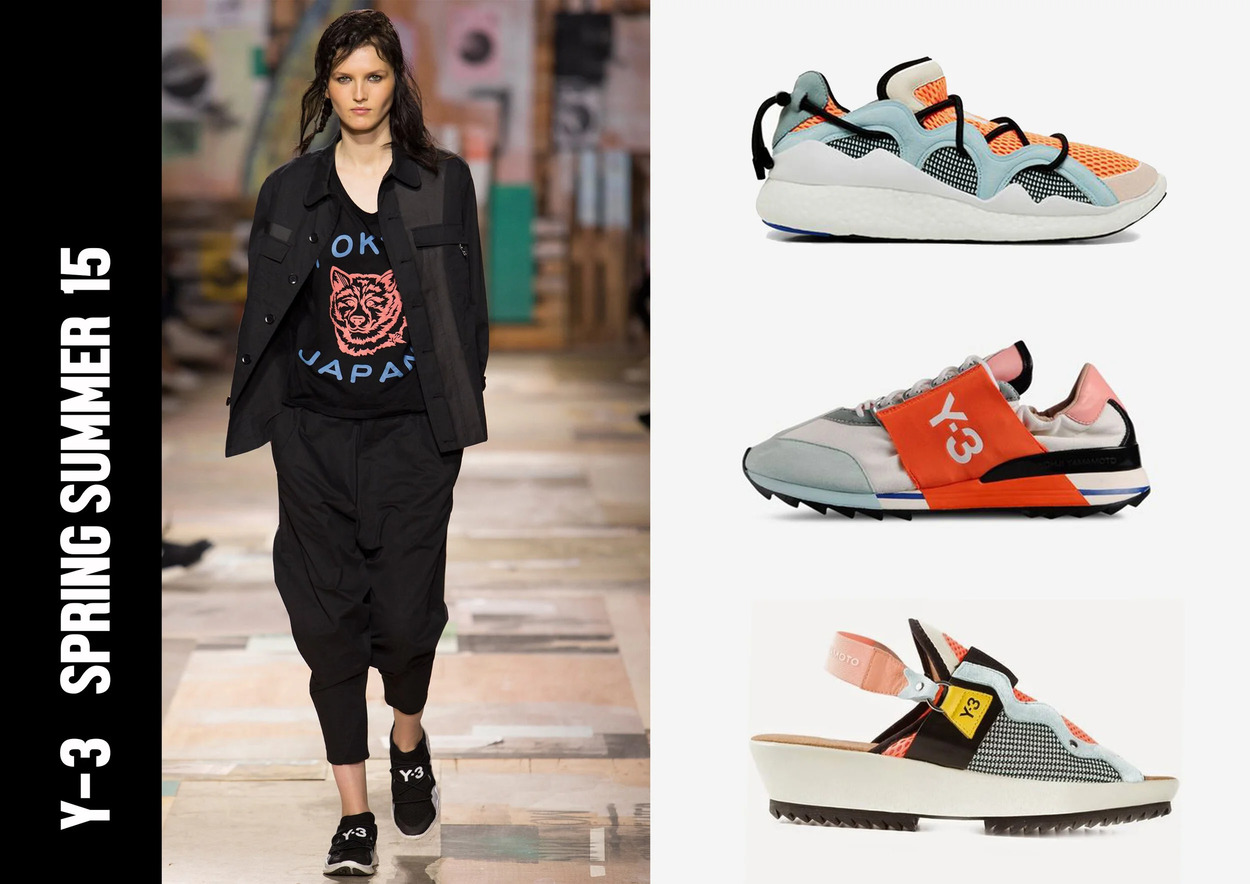
Looking ahead, where do you see the most exciting design opportunities emerging for women-led narratives in footwear?
I think the most exciting opportunities sit in shifting authorship — not just designing for women, but creating space for women to shape the narrative from the outset. That could mean more women in leadership across design, innovation, and marketing, but also deeper collaboration with female athletes, creatives, and communities whose experiences meaningfully inform the product.