Header: Pexels/Antoni Shkraba Studio
The global design map is shifting, and Africa is at the very centre of this transformation. The Africa International Design Awards (AIDA) has emerged as a major platform for celebrating the talent found across the continent and its diaspora. The goal of this initiative is to find clever, real-world solutions to local challenges, like rapid city growth and climate change, and help African designers share their work with the rest of the world.
A powerful partnership for change
This programme is the result of a massive team effort between the 3C Awards Group and the Africa Design School. Based in Switzerland, the 3C Group is a leader in promoting global design across many fields, from furniture to architecture. Meanwhile, Africa Design School, the first non-profit design school in West Africa, brings deep local roots to the project. Even the AIDA Awards website itself was built by digital design students at the school, showing exactly what the next generation can do when given the right tools.

The 2026 jury panel
To ensure every entry is judged fairly, AIDA has gathered a powerhouse group of 40 experts from 18 different countries. This panel is led by Bibi Seck of Birsel + Seck and includes a wide range of famous names such as Emuron Alemu, Ousmane Mbaye, Selly Raby Kane, Jomo Tariku, and Titi Ogufere. These judges are experts in everything from architecture and urban planning to fashion and digital art.
The panel also includes cultural advisors like Coline-Lee Toumson, educators like Saki Mafundikwa, and industry leaders like Issa Diabaté. Their job is to look past the surface and find projects that show true innovation, social impact, and a connection to African heritage. With such a diverse group of thinkers, the awards ensure that every discipline, whether it is a handmade ceramic pot or a massive housing project, is reviewed by someone who truly understands the craft.


How to join the 2026 cohort
If you are an African designer or someone of African descent with a project from the last five years, the time is now. To enter, you simply need to register on the AIDA website and create a profile. You will be asked to choose one of four main areas: Spatial Design (architecture and interiors), Product Design, Communication Design, or Fashion Design. Because the judges look at each project on its own merits rather than a full portfolio, you should submit a separate application for every individual piece of work you want them to see.
Your application needs a clear description in English, between 800 and 1,200 characters, explaining the purpose and the green credentials of your work. You can upload up to ten photos and a PDF spec sheet to give the jury a closer look. While not required, adding a short video can really help your project stand out. Once you have checked everything for mistakes, the final step is to pay the entry fee. To keep things fair, fees are lower for those living in Africa, with students paying as little as $10 per entry.

Project examples
While the winners haven’t been picked yet, several entries already show the high quality of work being submitted this year. These projects serve as great examples of what the jury is looking for:
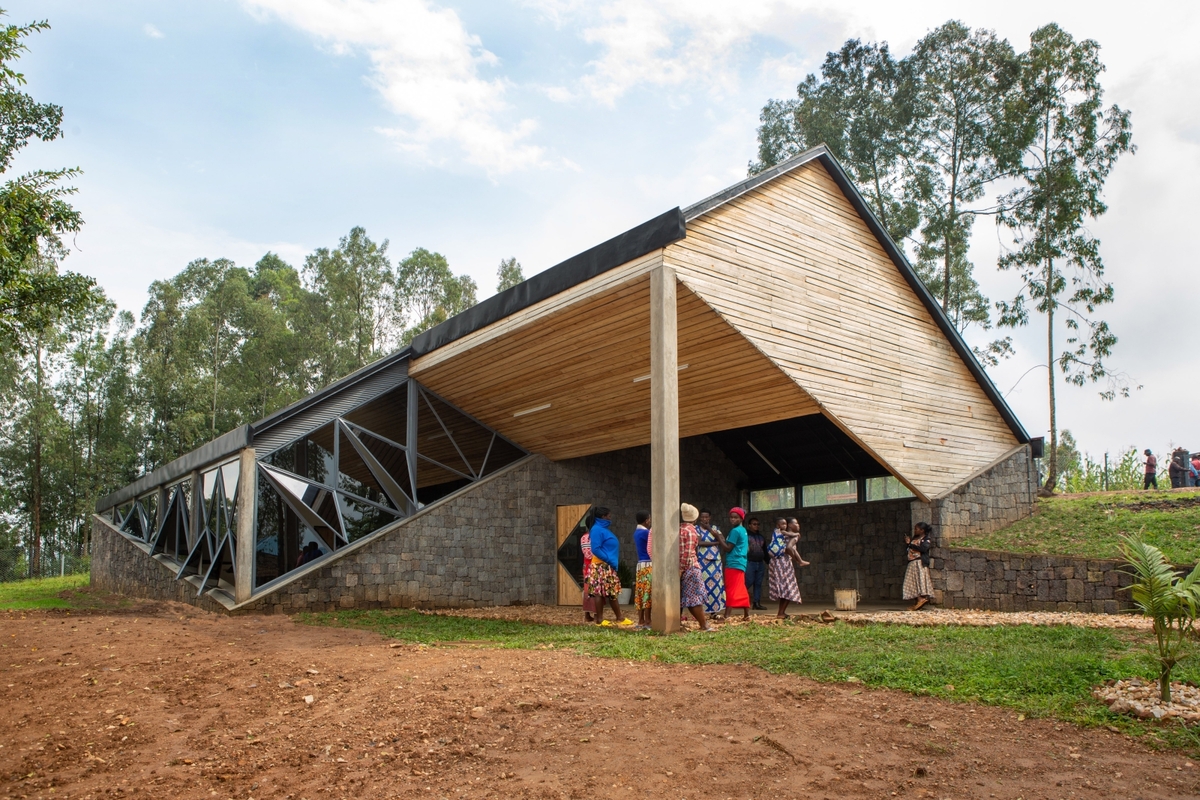
KULA Vocational Training & Community Center (Rwanda)
Designed by Be_Design, this centre in rural Rwanda supports female farmers and entrepreneurs. The building is tucked into a steep volcano-side slope using local volcanic stone. It features a clever zig-zag glass front inspired by traditional Rwandan “Imigongo” art. More than just a building, it was a community effort where 40% of the construction crew were local women learning new trade skills.
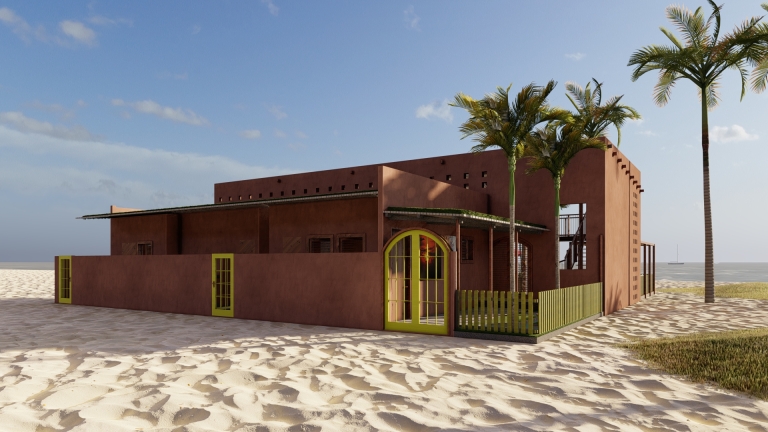
Restaurant Bora-Bora (Benin)
Currently in progress in Cotonou, this project by Ateliers Vignon et Arts focuses on using ancestral building methods. The restaurant is shaped to catch the sea breeze, meaning it won’t need expensive air conditioning. From solar-powered lights to furniture made by local craftsmen, every part of the design aims to lower the carbon footprint while celebrating Beninese culture.
Puddle (South Africa)
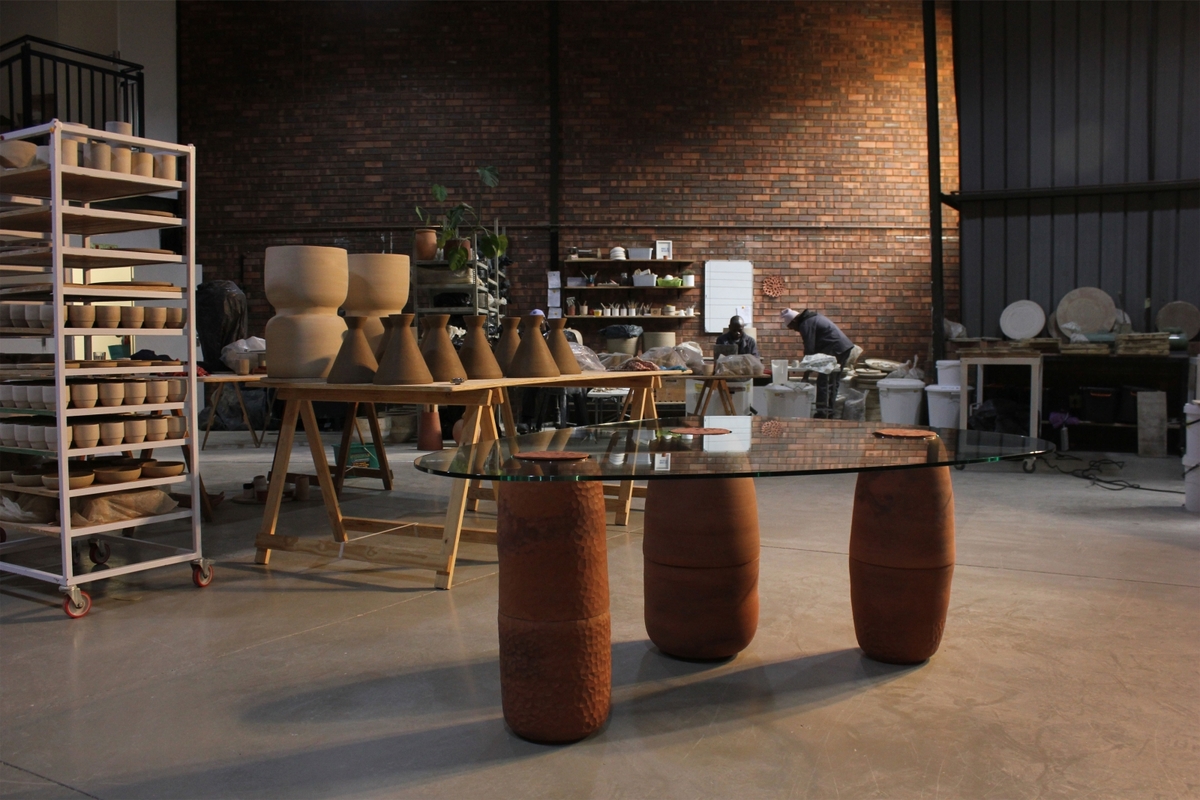
Kilnhouse Design Studio has created a clever, adaptable table inspired by the watering holes of the African landscape. The ceramic legs are hand-thrown and can be stacked to make a dining table or separated to create a coffee table and three side stools. It is a brilliant example of sustainable craft, using 80% recycled clay to create something functional and artistic.
Don’t miss the final cut
The window to be part of this international conversation is closing fast. The Final Deadline is March 15th, 2026.
Submit to the AIDA Awards to position your work on a global platform dedicated to creativity from Africa and the diaspora. Winning or being recognised strengthens your credibility, boosts your visibility through international media and exhibitions, connects you to a powerful design community, and brings you an invitation to the winners’ ceremony in Cotonou, Benin, a high-profile event celebrating laureates while creating real networking opportunities and continent-wide media exposure.
Enter now via africainternationaldesignawards.com and let your work be seen, celebrated, and remembered.