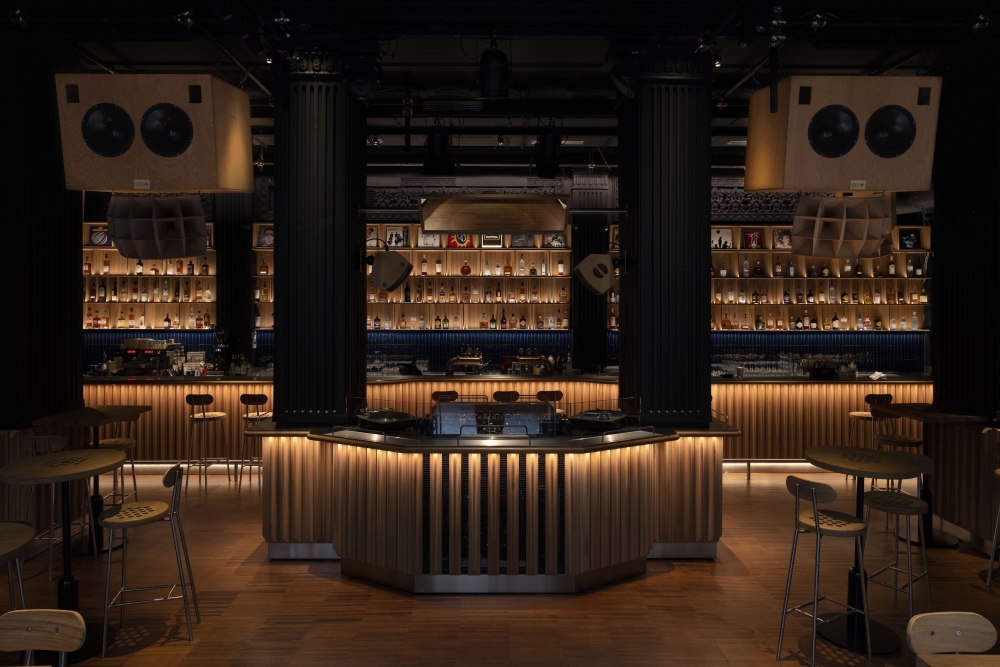
In a quiet mews in London’s Holland Park, a discreet residence stands in near silence. There are no grand gestures, no decorative flourishes—only a measured composition of light, proportion, and material. This is the latest work by Pal Pang, the London-based designer whose practice replaces performance with perception. His architecture does not speak loudly; it listens.
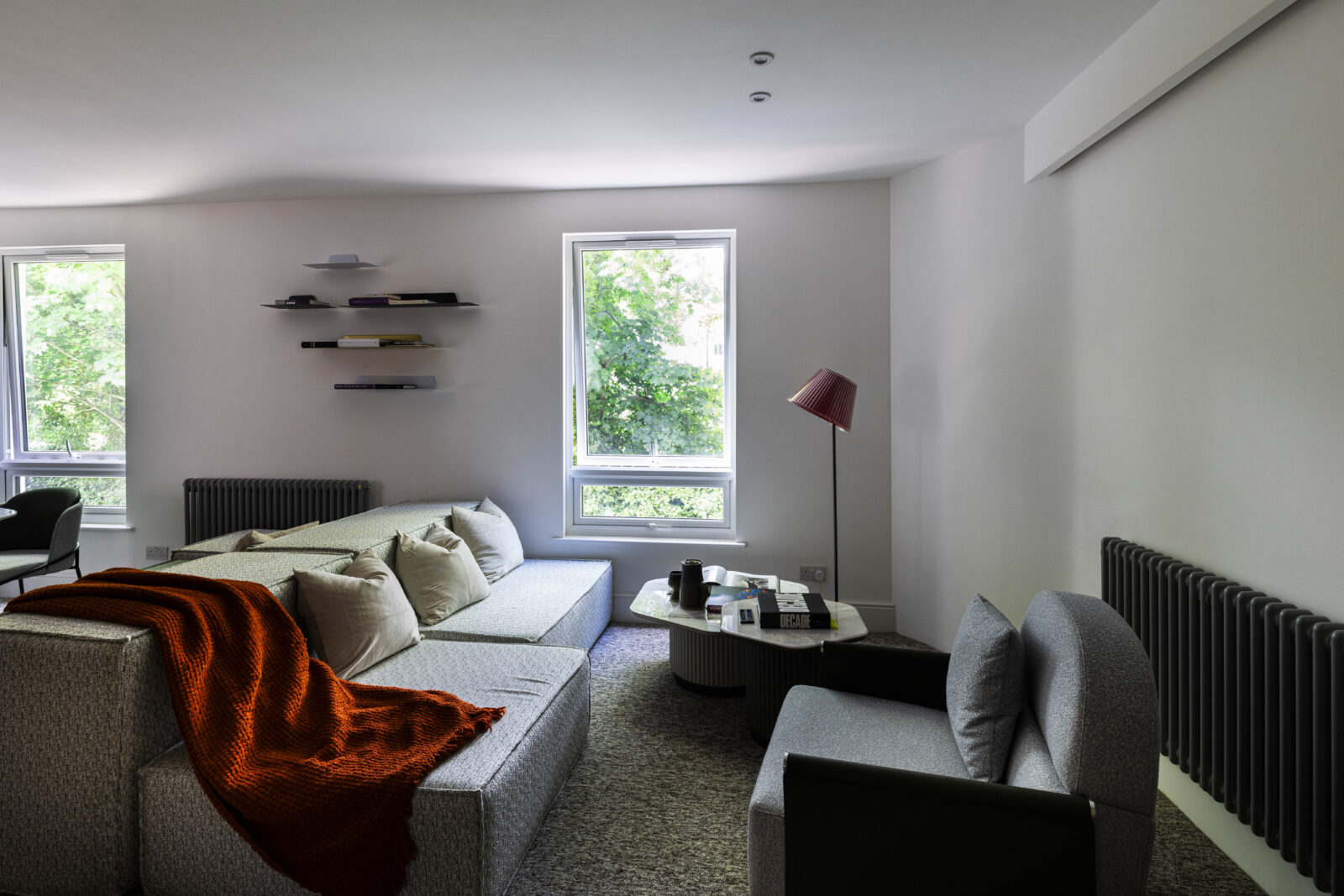
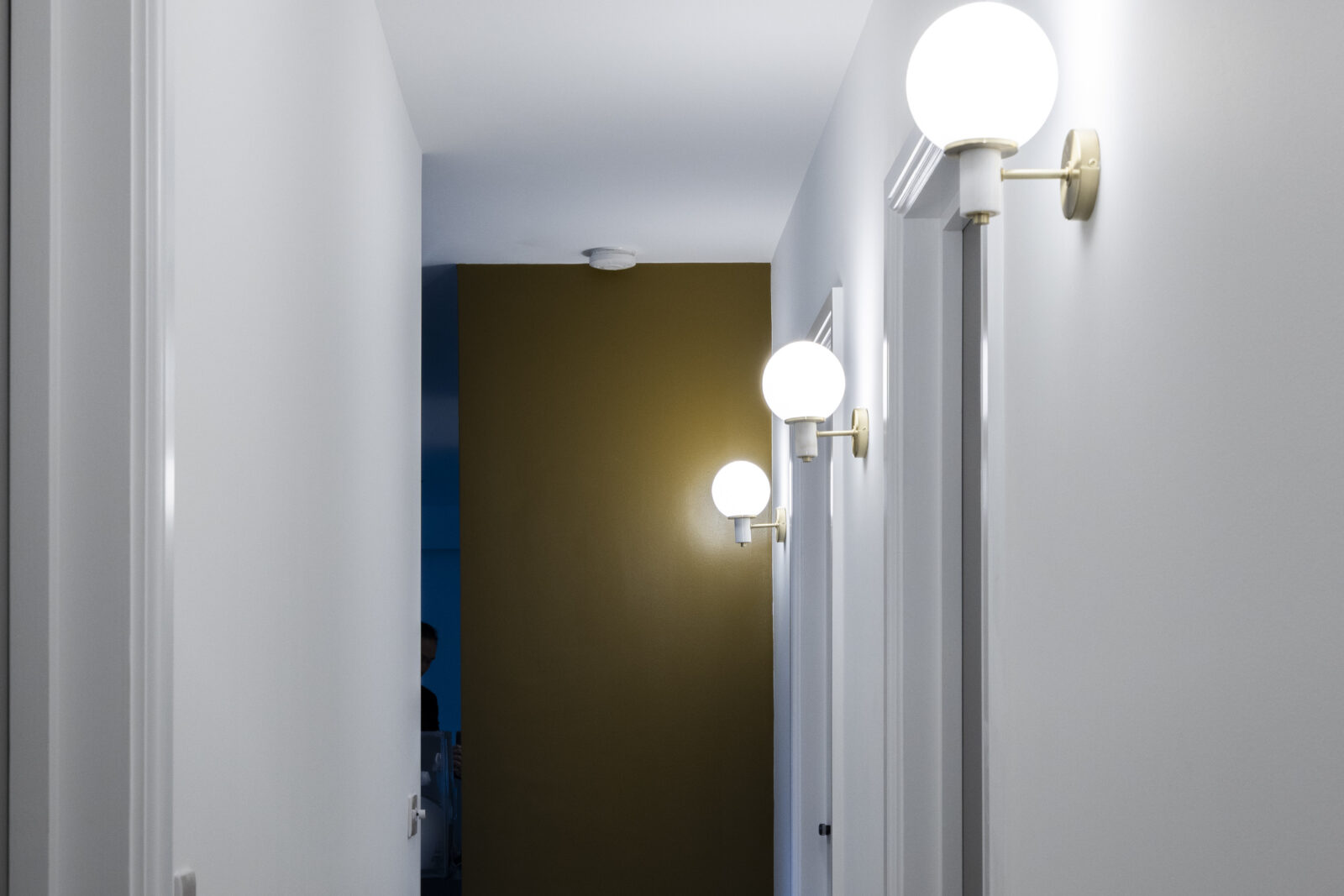
Once a 19th-century carriage house, the two-storey home offered low ceilings and a narrow depth. Pang turned those constraints into structure. Two large windows choreograph autumn light across pale walls and soft surfaces; a muted ochre accent wall releases a calm warmth that shifts with each hour. As the afternoon sun glides across the marble dining table, time itself becomes visible. “When light can move freely,” Pang says, “the design is already halfway complete.” For him, light is not illumination—it’s architecture.
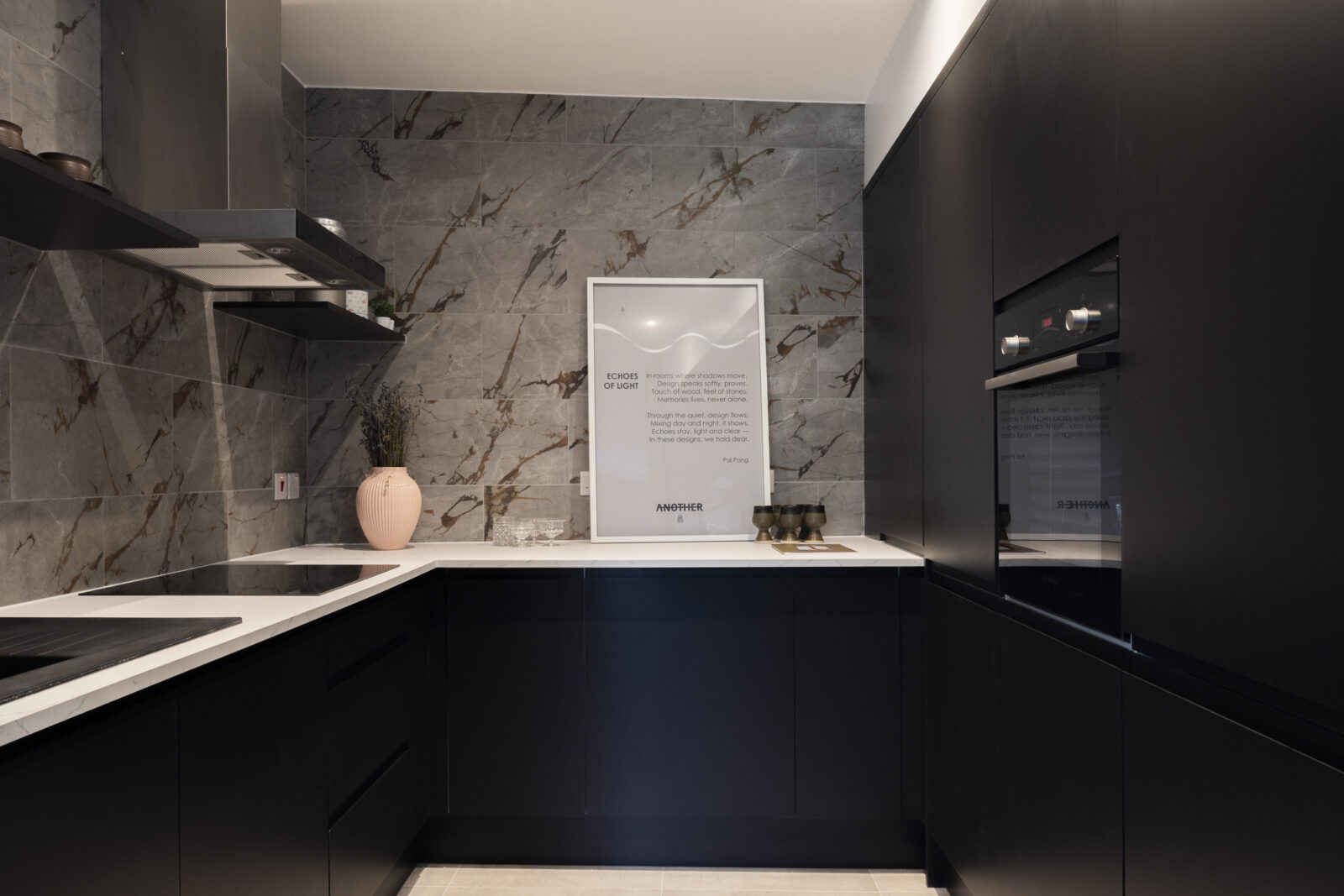
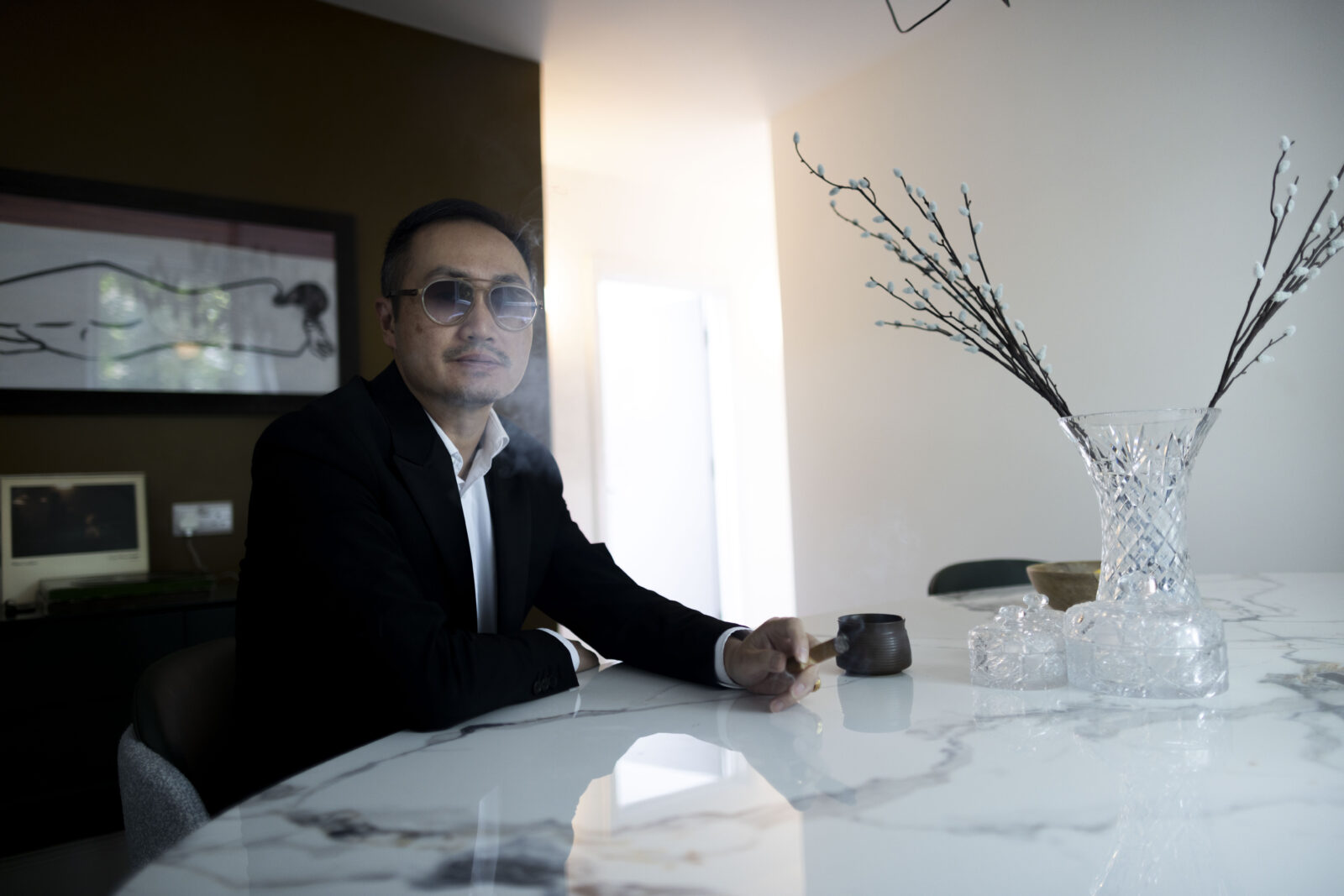
Furniture stays intentionally low, aligning the eye with the garden outside. A modular sofa feels grounded yet gentle; a single red floor lamp and an orange throw pulse subtly in the quiet. The white marble dining table, veined with gold, catches the morning light; a linear metal pendant hovers above, nearly weightless. The entire interior moves with a slow rhythm, every object waiting for light to change. The air carries a hint of wood and dry leaves—autumn breathing through open glass.
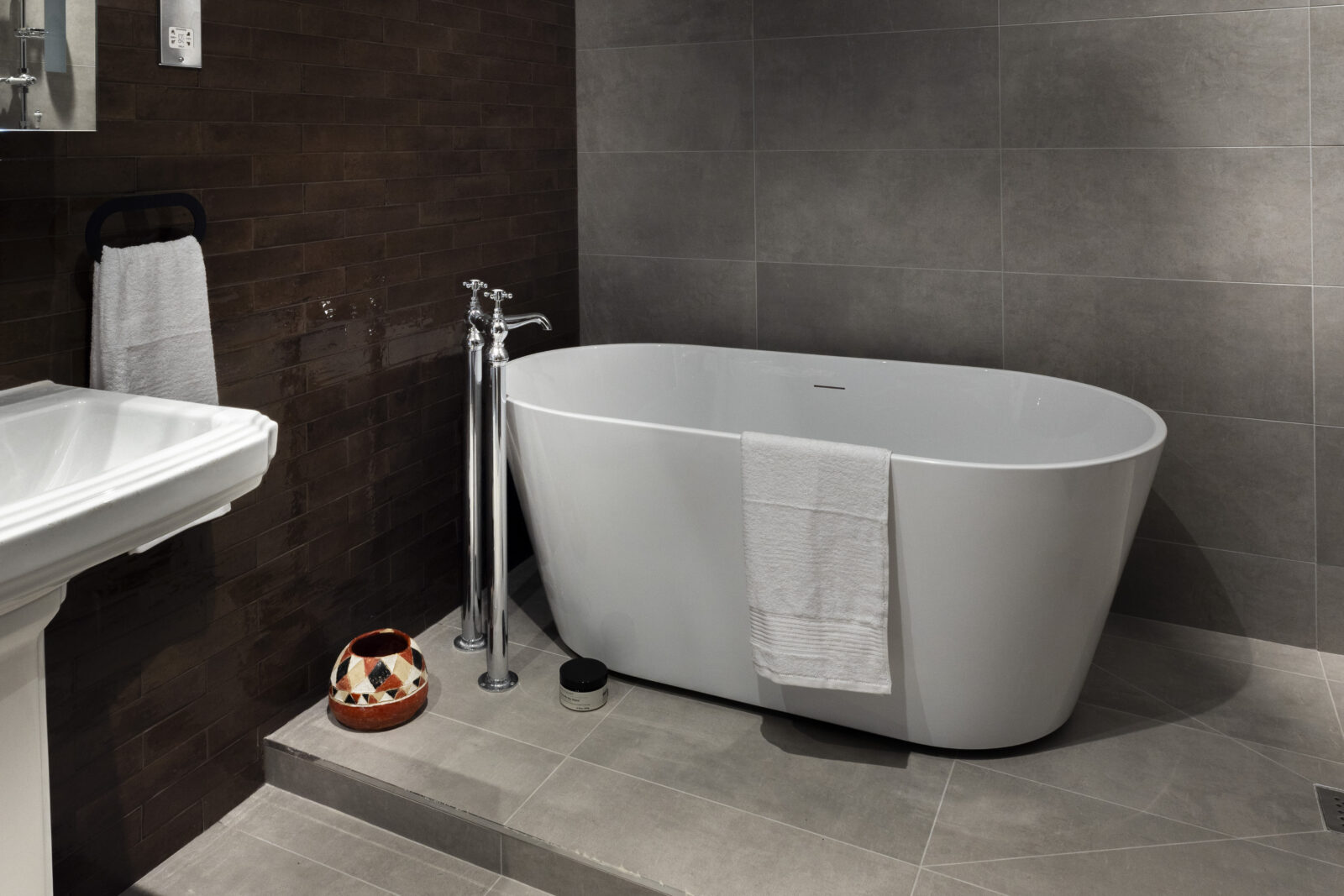
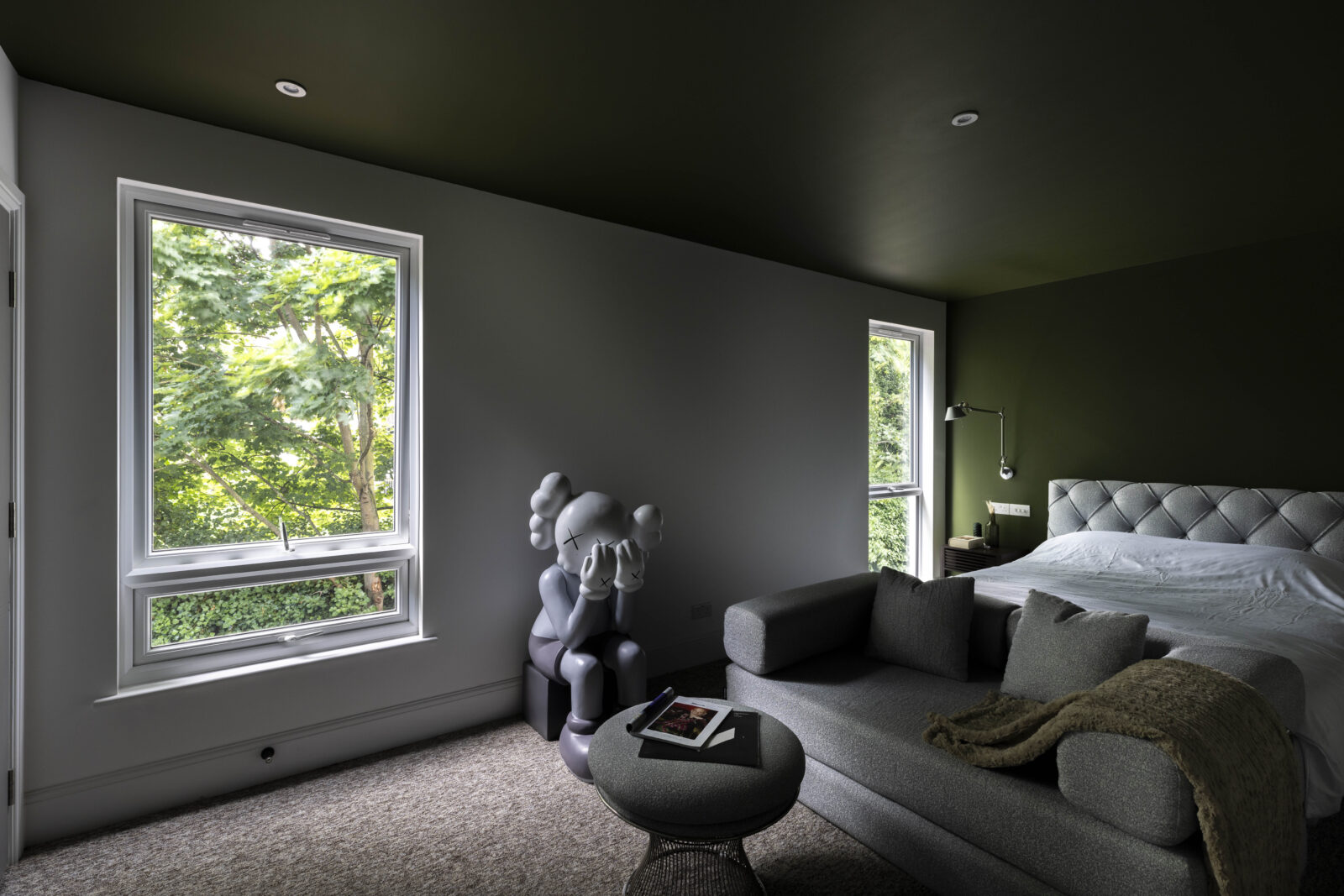
Upstairs, a pale green ceiling softens daylight like forest shade. Two portraits gaze quietly from the wall, and in the bathroom, matte grey and brown brick frame a white bathtub placed precisely on axis. Nothing strives to impress. Every gesture feels human, essential, and calm. Pang calls this non-attachment design—a space that allows itself to exist without insistence.
Having worked internationally for over two decades, Pang has developed what he calls cross-cultural precision—a balance between control and intuition, discipline and pause. “In dense cities I learned to leave space; in quiet ones I learned to manage rhythm,” he notes. This balance defines what he terms emotional minimalism: design that is rational yet empathetic, structured yet alive.
Material honesty lies at the heart of the project. Uncoated wood, matte stone, brushed metal, and tactile fabrics remain natural so that time can leave a trace. Soft carpets and curtains absorb echo, turning silence into something tangible. “Calmness is an acoustic decision as much as an aesthetic one,” Pang explains. Stillness, to him, is not emptiness—it’s precision.
The Holland Park Mews Residence also mirrors the season’s pace. As AI-generated imagery floods design culture, Pang’s work stands as quiet resistance—a post-AI design ethic grounded in sensory truth. Through real light, texture, and proportion, he reframes luxury itself. “True luxury today,” he says, “is the ability to breathe—and the awareness to notice.”
More than a private home, the project functions as spatial therapy for a restless age. It restores rhythm and focus in a city defined by speed. For designers, it offers a method rather than a style: control light density instead of adding fixtures; use authentic materials rather than surface effects; treat acoustics as part of structure, not afterthought.
Pang’s philosophy signals a new design direction for 2026 and beyond—a movement toward what he calls Human Silence. This quietness replaces spectacle with substance, and novelty with awareness. It suggests that the future of design lies not in making more, but in perceiving better.
The Architecture of Stillness is not about absence—it is about attention. In an age of acceleration, Pal Pang’s Holland Park home reminds us that the most forward-looking form of design may simply be the courage to create quiet.