




Header: James Brittain
Downtown Montreal has gained a new public living room that looks nothing like a traditional community center. Located in the Peter-McGill district on the former site of the Montreal Children’s Hospital, Centre SANAAQ occupies the base of a new residential tower. The project is the result of a partnership between Pelletier de Fontenay, Architecture49, and Atelier Zébulon Perron. Together, they have turned a complex structural foundation into a space that feels less like a government building and more like an extension of the city streets outside.
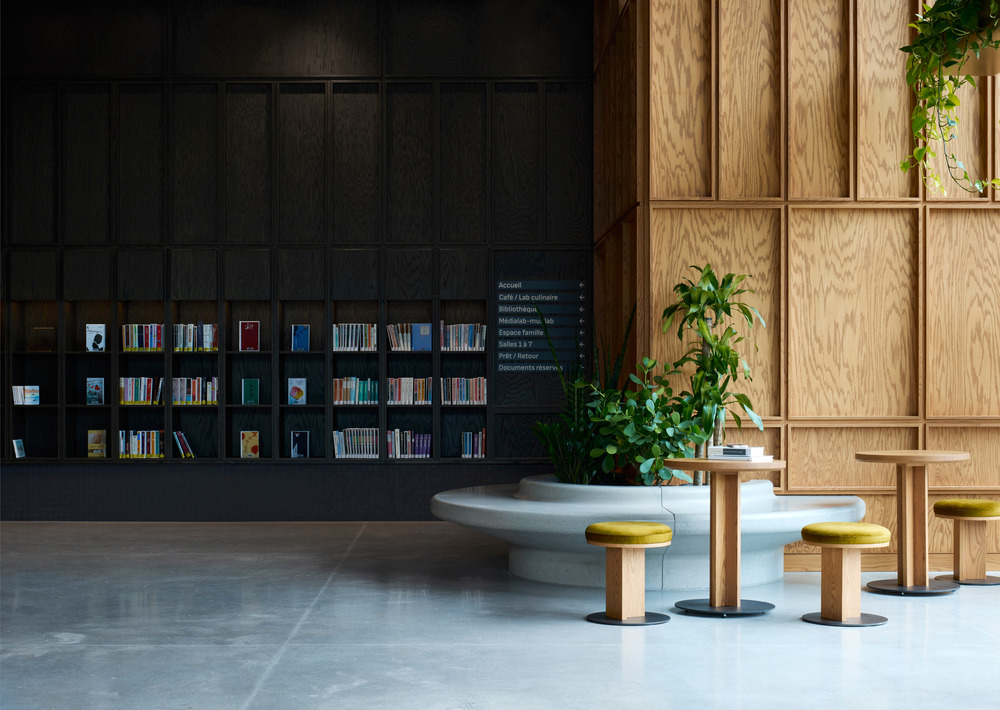
An urban archipelago
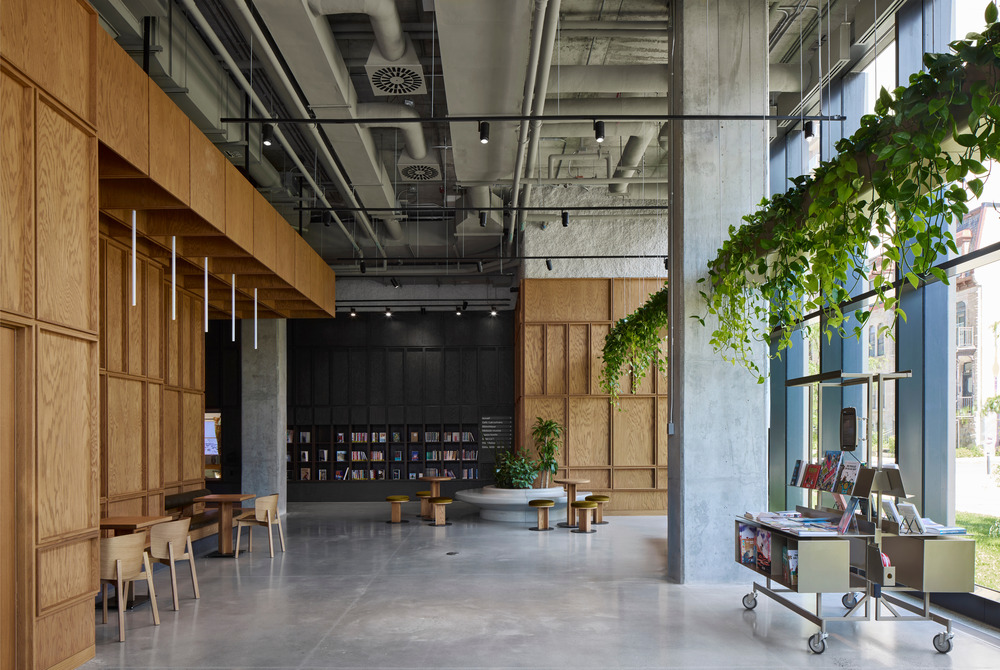
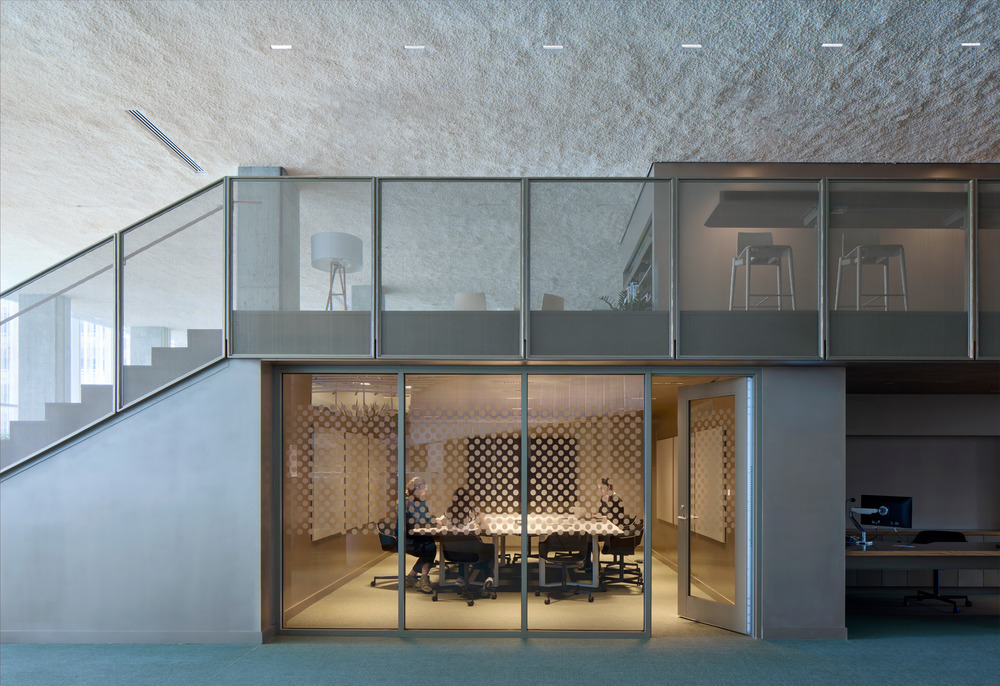
The interior layout avoids rigid hallways in favor of a concept the designers describe as an archipelago. The floor plan functions as a constellation of “islands,” where distinct zones sit within a larger open area. This allows for fluid movement where visitors can drift from one activity to another.
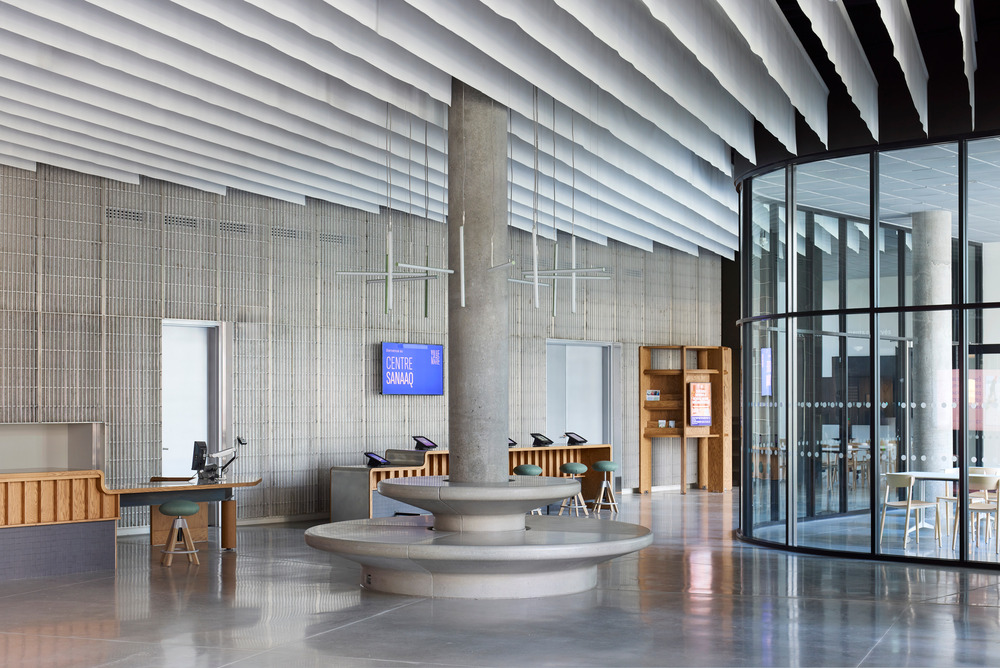
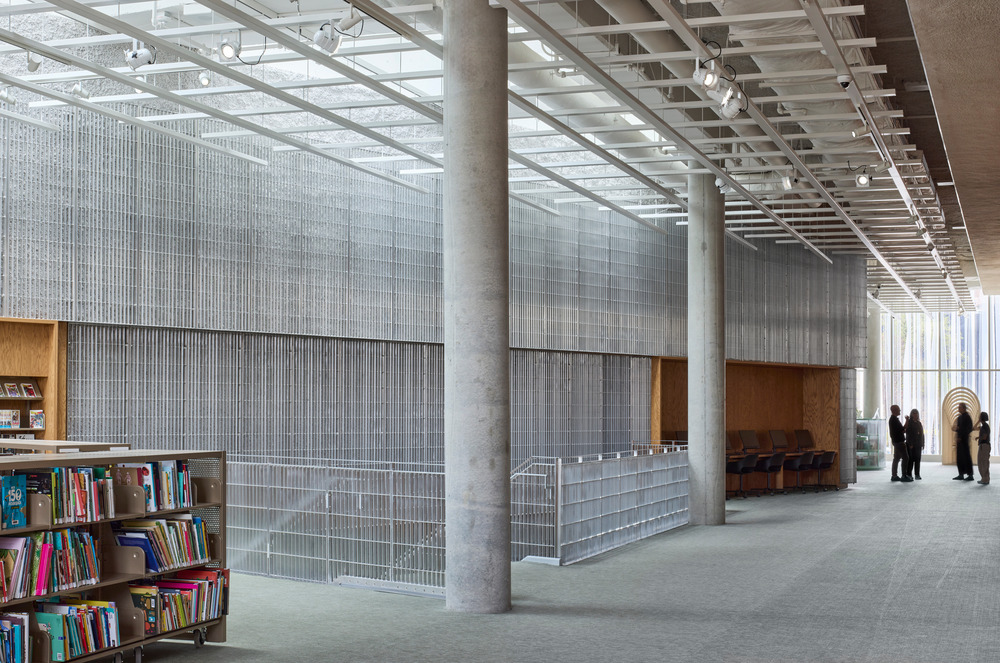
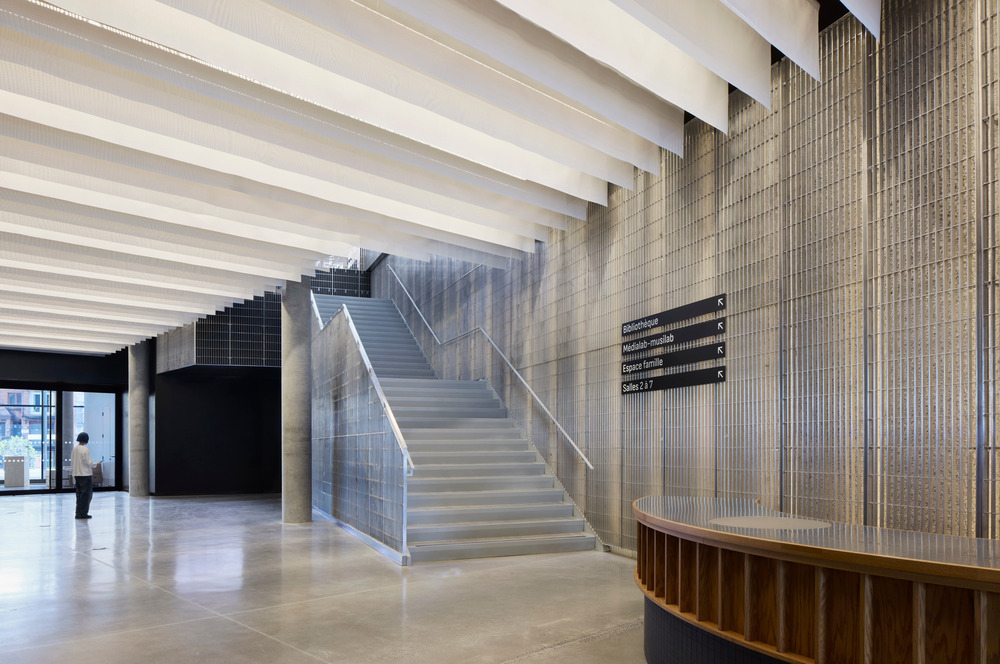
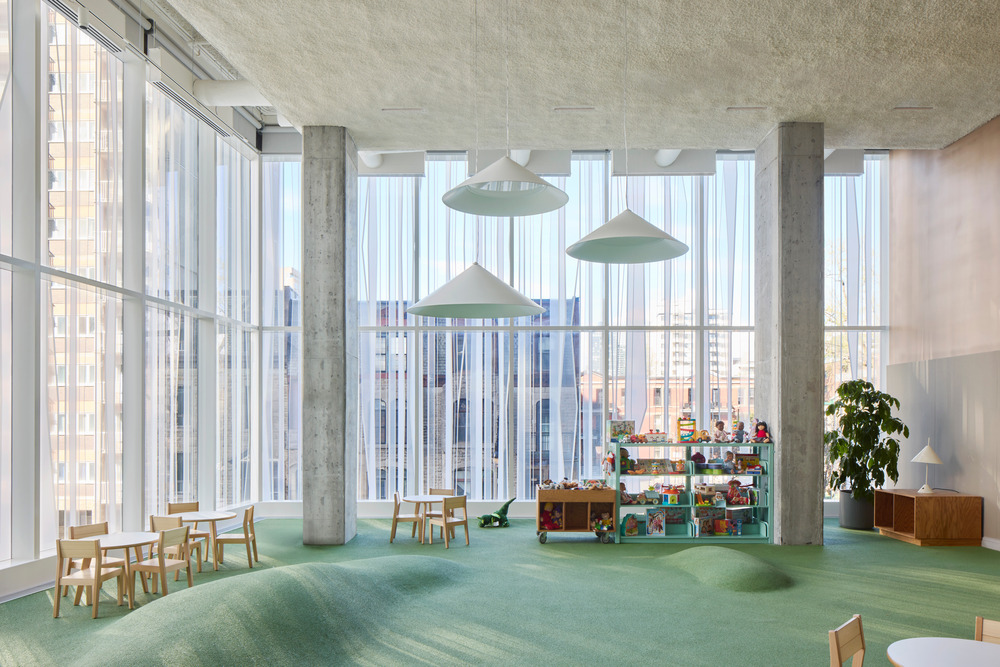
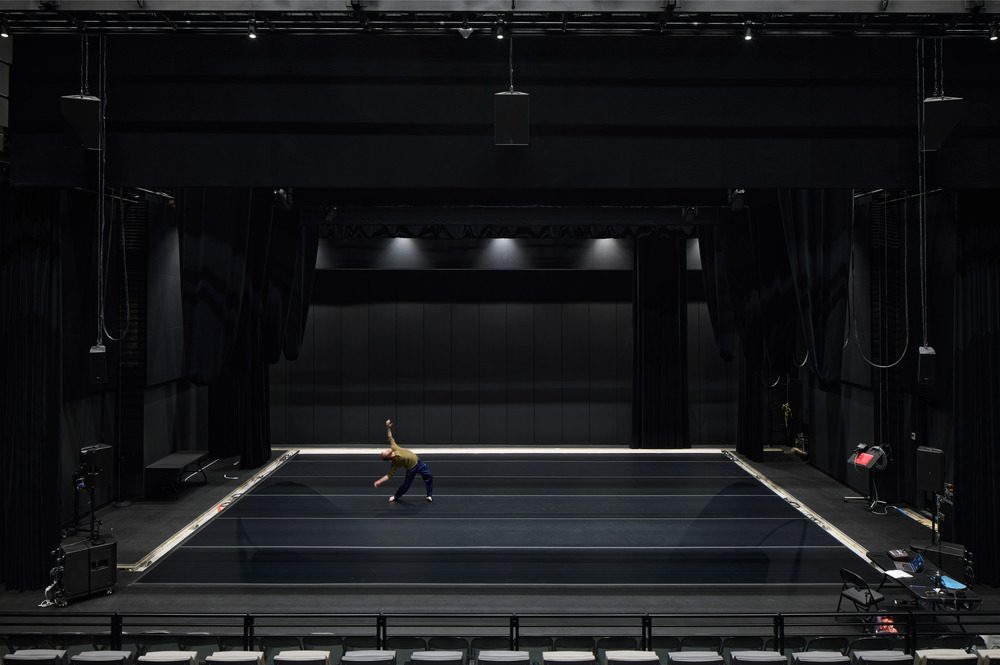
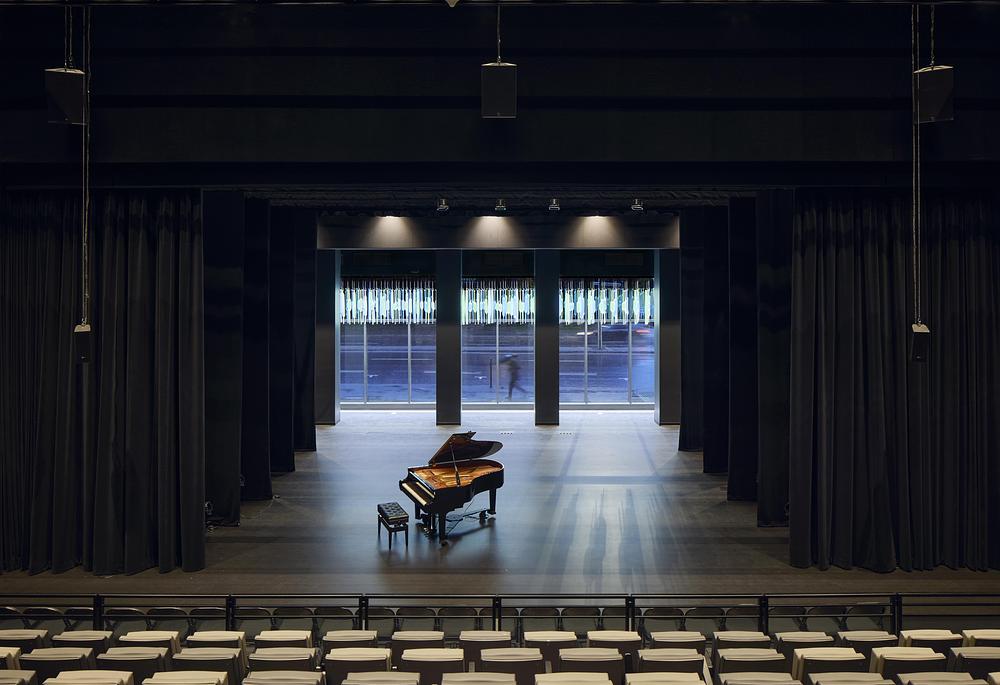
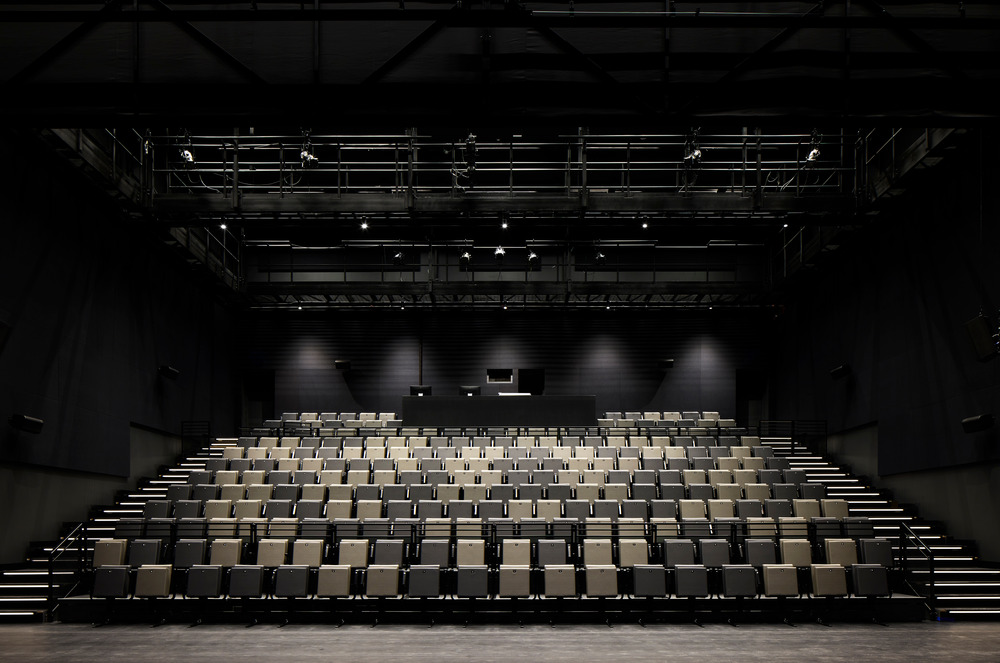
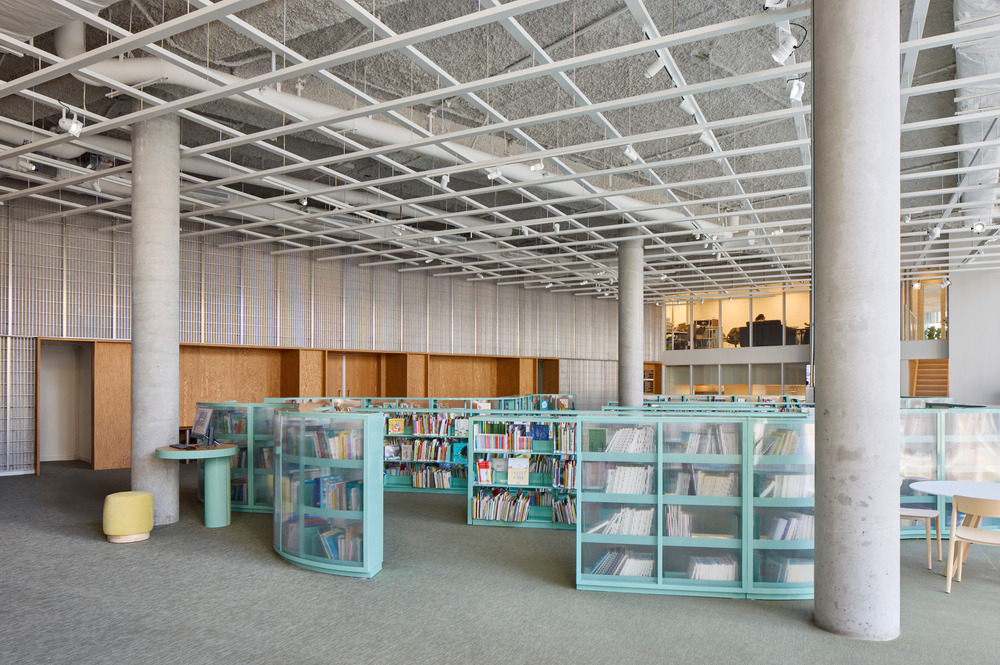
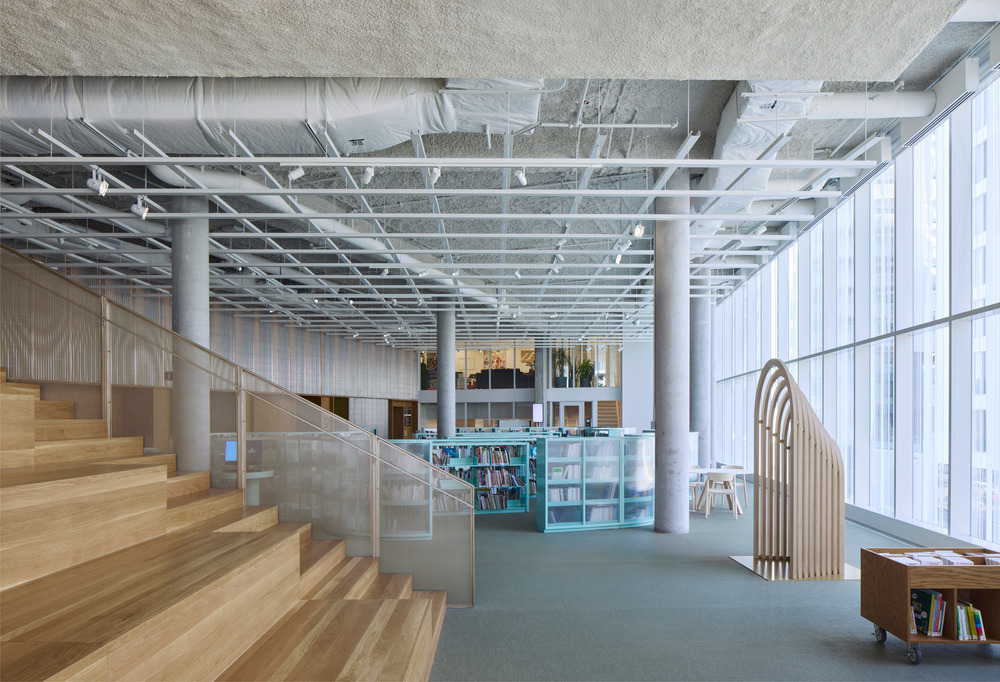
On the ground floor, a central agora anchors the space. This gathering point is ringed by active zones: a café, a performance hall, a multi-purpose room, and an express library for quick visits. The design encourages chance meetings and casual interaction. A large, light-filled staircase connects this busy lower level to the quieter floor above. Here, the library collection wraps around a central mezzanine. This upper level holds collections for adults and youth, dedicated reading and study areas, and a play area for children, creating a rhythm that shifts from social buzzing to quiet retreat.

A collage of rough and soft
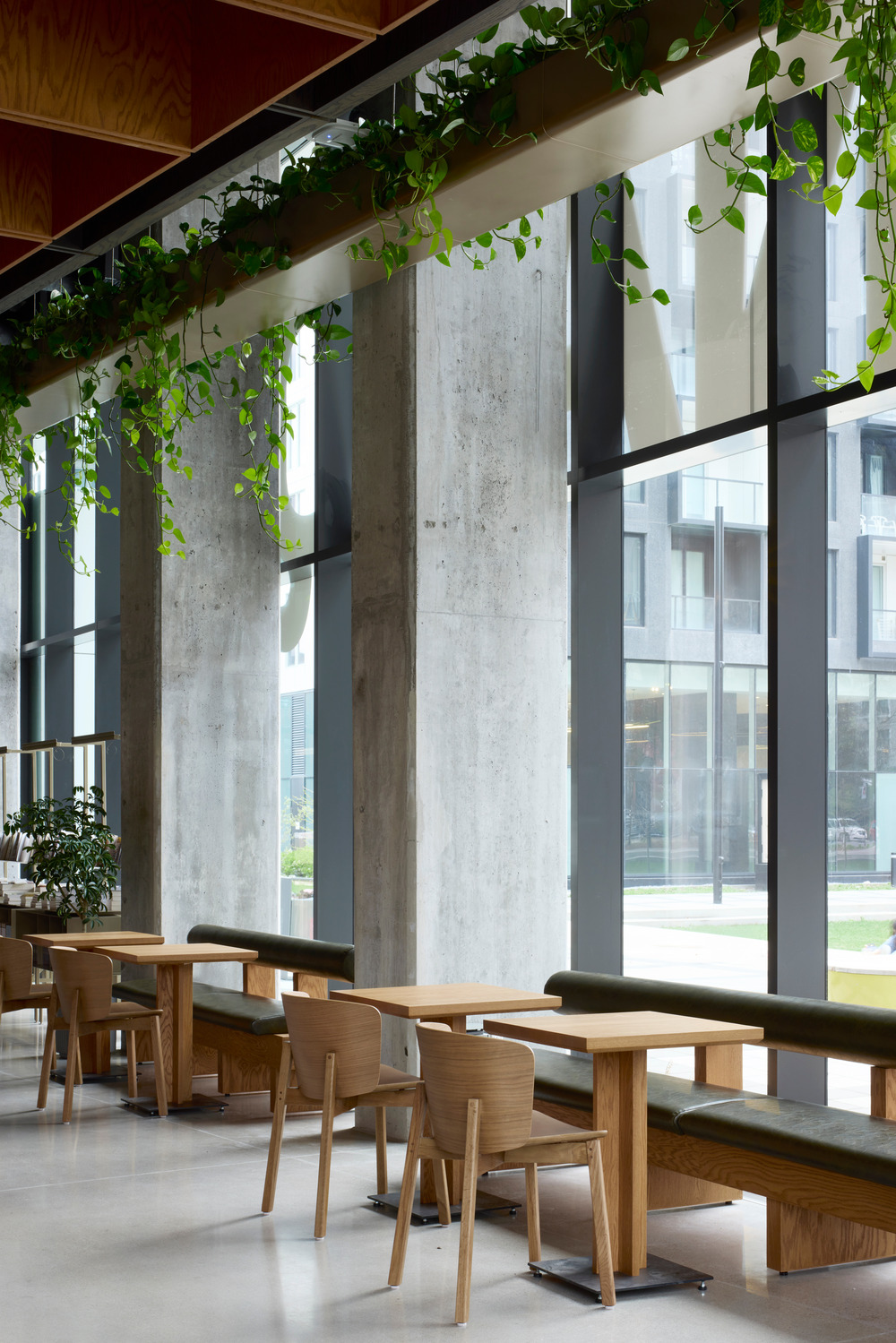
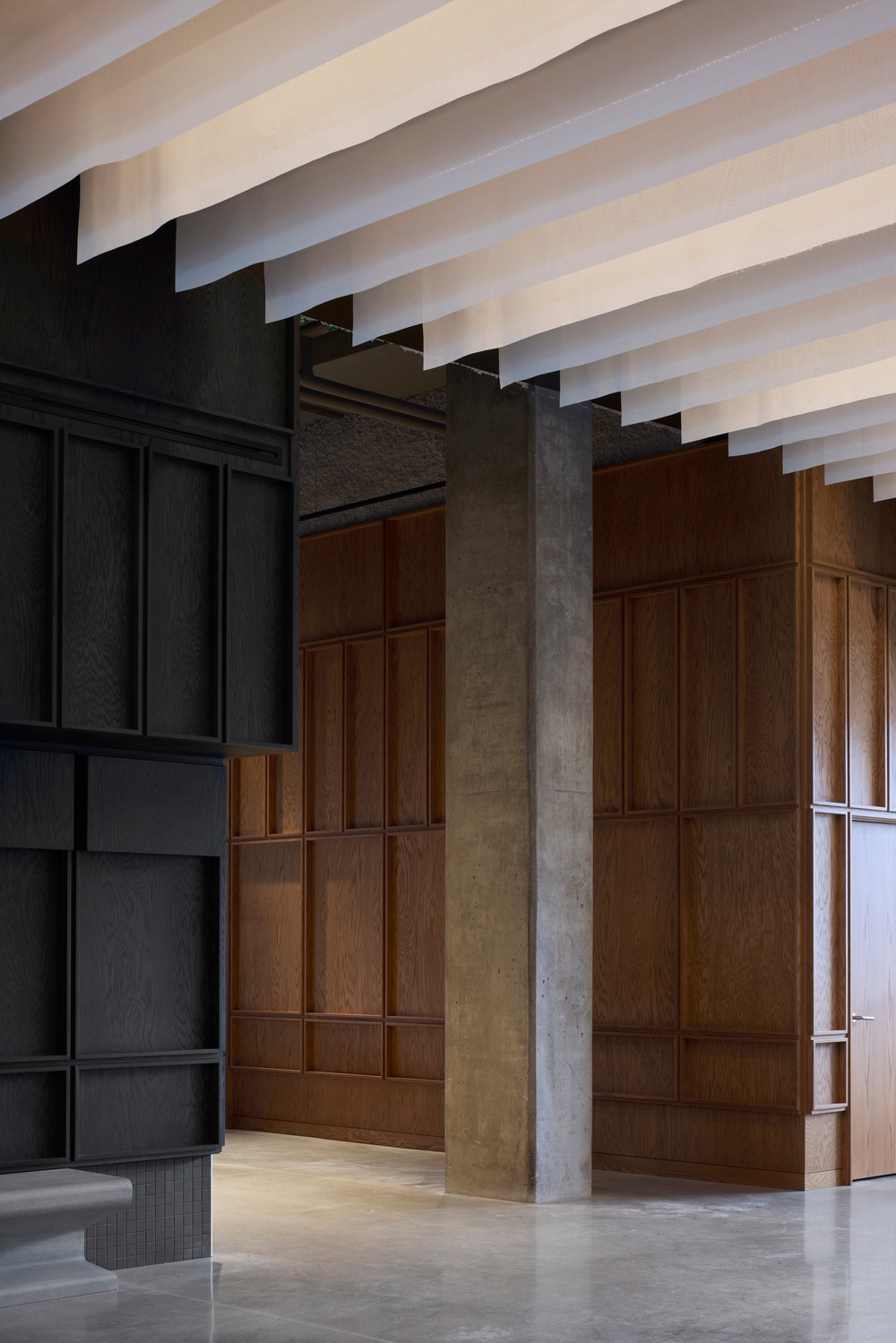
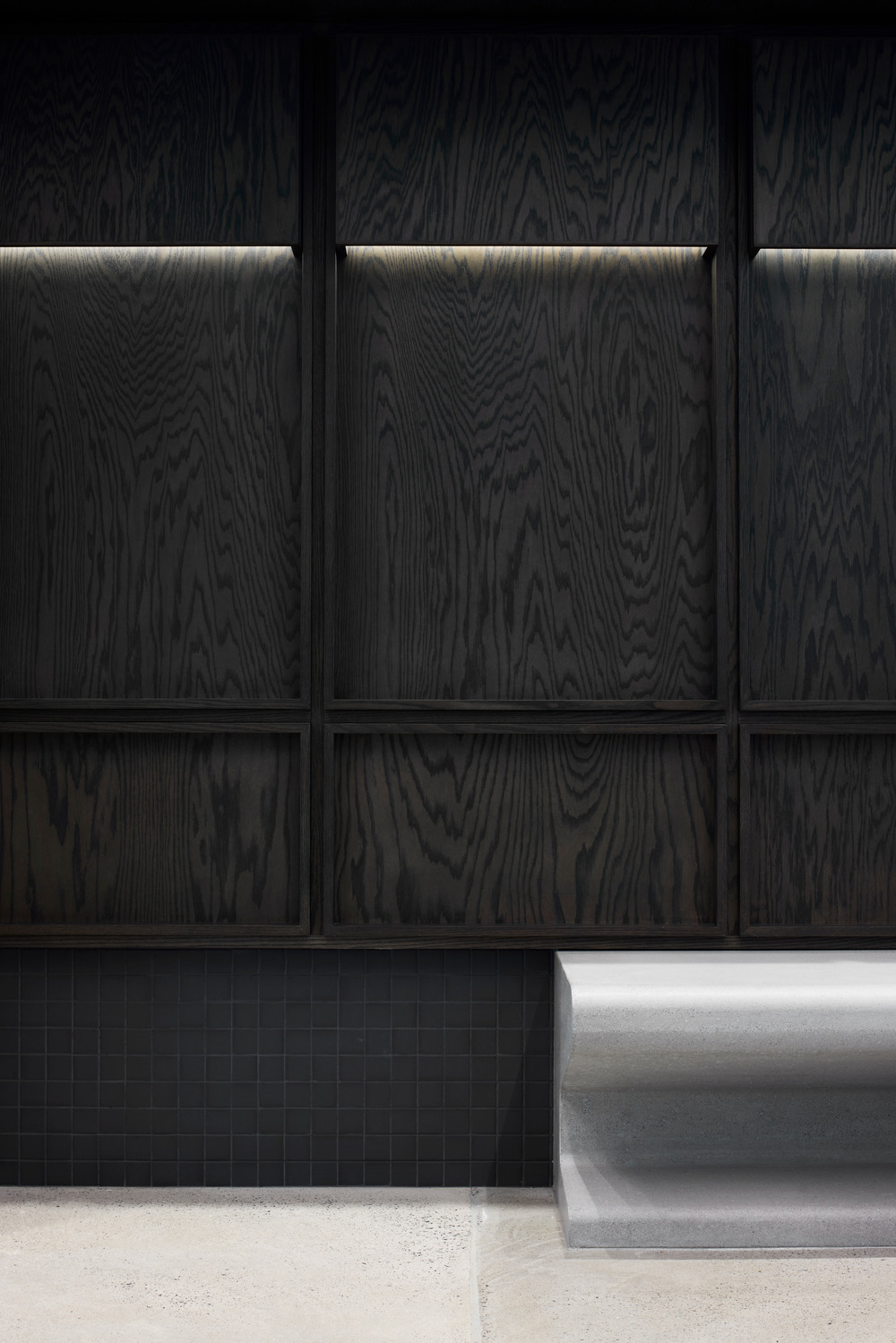
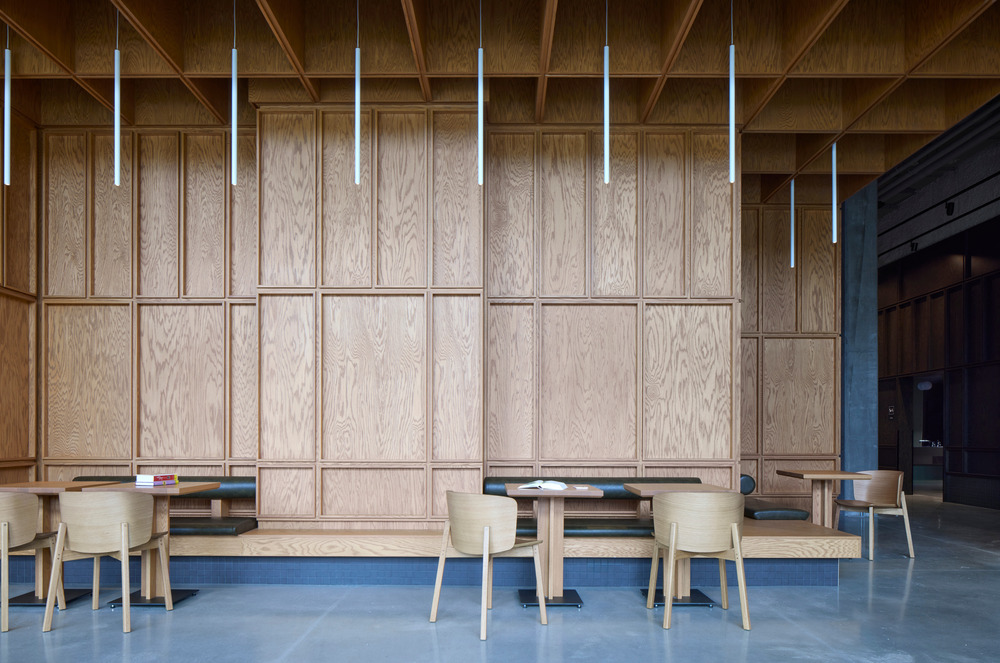
The visual language of Centre SANAAQ is defined by contrast. The architects adopted a collage approach, placing different textures side by side to reflect the diversity of the community. The material palette includes industrial aluminum grating and polished concrete, which sit against the warmth of wood paneling and soft textiles. Glass partitions maintain transparency, while sprayed cellulose adds a raw, tactile finish to the upper reaches of the rooms.
This mix of materials serves a dual purpose. It creates a visually engaging environment that feels modern yet accessible, and it mirrors the “maker” spirit of the center. The name SANAAQ is derived from the Inuktitut root sana, meaning to create, work, or sculpt. The unfiltered combination of high-tech and low-tech materials reinforces the idea that this is a laboratory for public innovation, where culture is produced rather than just consumed.
Controlling the sound
Because the center is designed as a series of open volumes, acoustics were a major priority. The design team moved beyond standard soundproofing to make the acoustics part of the architecture. Coffered wood ceilings and walls trap noise, while suspended fabrics and exposed sprayed cellulose dampen echoes.
These choices ensure that the space remains comfortable even when busy. The acoustic treatment allows a loud performance in the hall to occur near someone reading a book without causing disruption. To further soften the atmosphere, vegetation is integrated directly into the architecture, adding a layer of nature to the indoor environment.
Centre SANAAQ operates as a system rather than a static object. It is a framework designed to adapt and grow along with its users. By prioritizing openness and material honesty, the design team has created a civic space that invites the public to take ownership of the environment. It stands as a fresh example of how cultural architecture can be inclusive, permeable, and deeply connected to the daily life of the city.

Project info
Project name: Centre Sanaaq
Location: Montréal, Québec, Canada
Opening date: May 9, 2025
Client: Ville de Montréal
Architecture & Design: Pelletier de Fontenay + Architecture49 + Atelier Zébulon Perron
Mechanical engineering: CIMA+
General Contractor: Unigesco
Photography: James Brittain
Source: v2com-newswire


