



Header: Petri Anttila / Lux Helsinki
In 2026, Helsinki invites visitors to experience a city where design, Nordic wellbeing, and a dynamic food and culture scene come together. From major milestones and renewed landmarks to celebrated sauna traditions, flavours, and new openings, the Finnish capital offers a multitude of reasons to visit throughout the year.
Aalto 2026
Several milestones related to Alvar Aalto fall in 2026. It has been 90 years since the Aalto vase was designed and 50 years since the designer’s death. A decision is also expected on whether 13 Aalto-designed buildings will be added to the UNESCO World Heritage List, five of them in Helsinki: the Aalto House, Studio Aalto, Finlandia Hall, the House of Culture, and the National Pensions Institute headquarters.
Finlandia Hall reopened in early 2025 after extensive renovation, with its Grand Exhibition now introducing the work of Alvar Aalto alongside that of Aino and Elissa Aalto. Their work is presented through drawings, objects, and built work rather than through biography alone.
Furthermore, in June 2026, the Architecture & Design Museum Helsinki opens “Aalto Design – Shapes of Wellbeing”, an exhibition that looks at how Aalto’s design approach relates to daily life, the use of materials, and the relationship between people and their surroundings.
A new site at Seurasaari
For those interested in Finnish architecture, a new building will open at the Seurasaari Open-Air Museum in summer 2026, the first entirely new site added to the museum in 40 years. The small summer cottage was designed in 1953 by architect Erkki Koiso-Kanttila for his family and has remained in use by his descendants until now.
The 41-square-metre interior consists of a single living room, a kitchenette, and a sleeping alcove. The layout reflects typical Finnish summer cottages: simple, compact, and efficient. There are no excesses or emphasis on decorations; the space is simply organised around everyday needs.
Yrjönkatu Swimming Hall
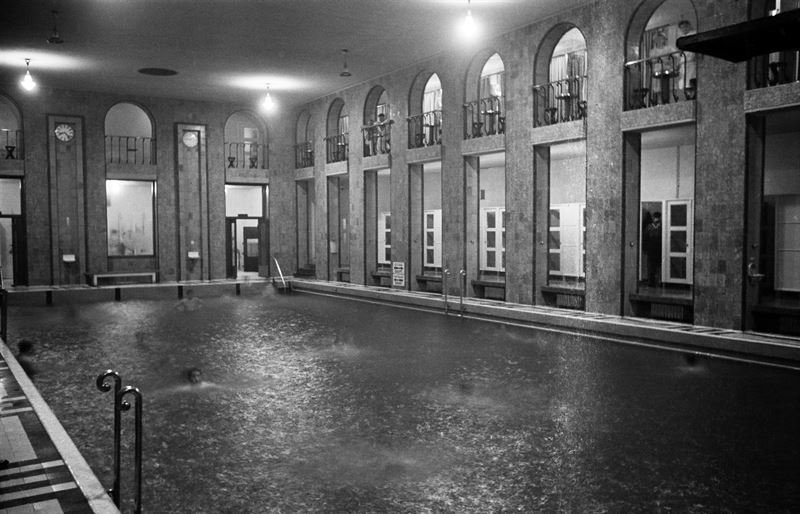
The reopening of the Yrjönkatu Swimming Hall is another exciting moment for Helsinki, as visitors will finally be able to enjoy the classic building in February after a major renovation. Built in 1928 and designed by Väinö Vähäkallio, it is the oldest public swimming hall still in operation in Nordic countries. The exterior follows Nordic Classicism, while the interiors include clear Art Deco elements.
Alongside the main pool, the upper floor includes several types of saunas, a small private relaxation cabin, and Café Yrjö. Separate swimming times for women and men remain in place, and visitors can choose to swim without a swimsuit.
Everyday food and kiosk cafés
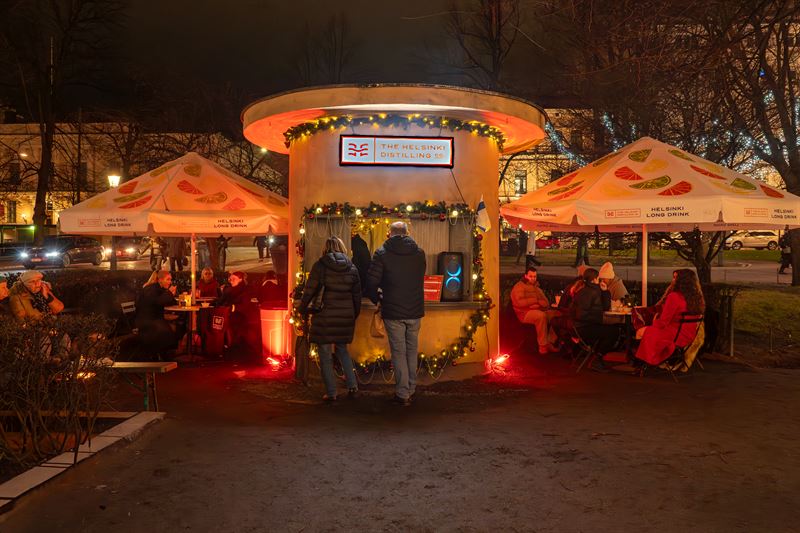
Helsinki’s food culture continues to be shaped by local ingredients and seasonal cooking, and in recent years, kiosk cafés have become a familiar part of the city. Many are located along tram routes, and some keep operating throughout the winter.
In the colder months, kiosks serve hot drinks from Helsinki Distilling Company and rice porridge in Esplanadi Park. Vinolippa in Kruununhaka focuses on Mediterranean flavours, while Piirakkaleipo Räty sells baked goods from kiosks near Pitkäsilta Bridge and in Ruskeasuo. In summer, the selection widens to include cafés in Käpylä, drinks at Café Brera in Eira, and frozen yoghurt in Johanneksenpuisto.
Helsinki Central Railway Station
New visitor experiences are set to open in and around Helsinki Central Railway Station in 2026: the restored clock tower, originally designed by Eliel Saarinen in 1919, now hosts dining, tower visits, brewery activities, and guided experiences that work within the existing structure. Furthermore, inside the station’s historic dining hall, Taulu is a new café, bar, and restaurant inspired by Eero Järnefelt’s national romantic painting.
Culture across the year
Helsinki’s cultural calendar in early 2026 includes events across art, literature, and public space. Lux Helsinki takes place from 6 to 11 January and has been expanded to six days, hosting light installations spread across the city centre, including Kansalaistori, Hietalahdentori, Vanha Kirkkopuisto, and the Espa Stage.
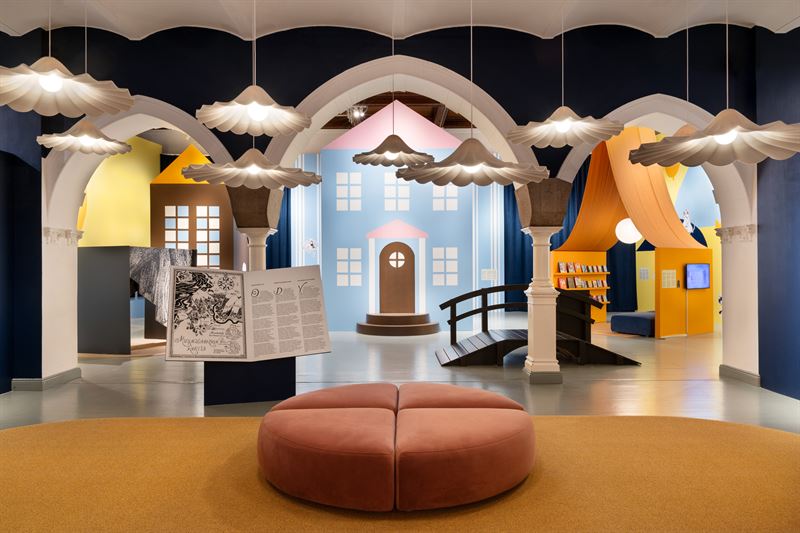
Moomin-related exhibitions are set to continue: “Escape to Moominvalley” will remain open at the Architecture and Design Museum until September 2026, and at HAM Helsinki Art Museum, Tove Jansson Gallery will open in February with an exhibition focused on Jansson’s family and the theme of courage.
The latter theme also appears in a different form at the Helsinki Noir festival, which will be held at the Aleksanteri Theatre from 28 February to 1 March 2026. The two-day event brings together Finnish and international authors to discuss crime fiction, thrillers, and true crime.


