



Header: Jack Hobhouse
Following a £10m redevelopment project, the Poole Museum has reopened its doors, revealing a complete architectural transformation led by ZMMA. Known for their work on Gainsborough House and Watts Gallery, the London-based practice acted as both architect and exhibition designer for this ambitious undertaking. The project unites a complex collection of medieval, 18th, and 19th-century structures into a single cultural campus, anchoring the museum firmly within the town’s historic quayside.
Unifying the quayside campus
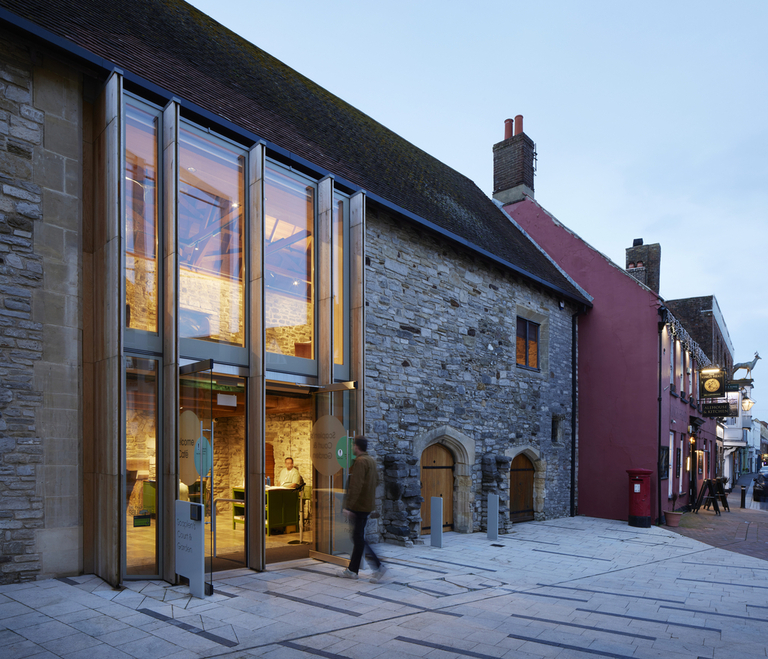
The primary challenge for ZMMA was to take a scattered collection of buildings and organise them into a clear, connected visitor journey. The redevelopment centres on three key structures: a Grade II listed Victorian grain warehouse, the Grade I listed medieval Wool Hall, and Scaplen’s Court, a Grade I merchant’s house nearby.
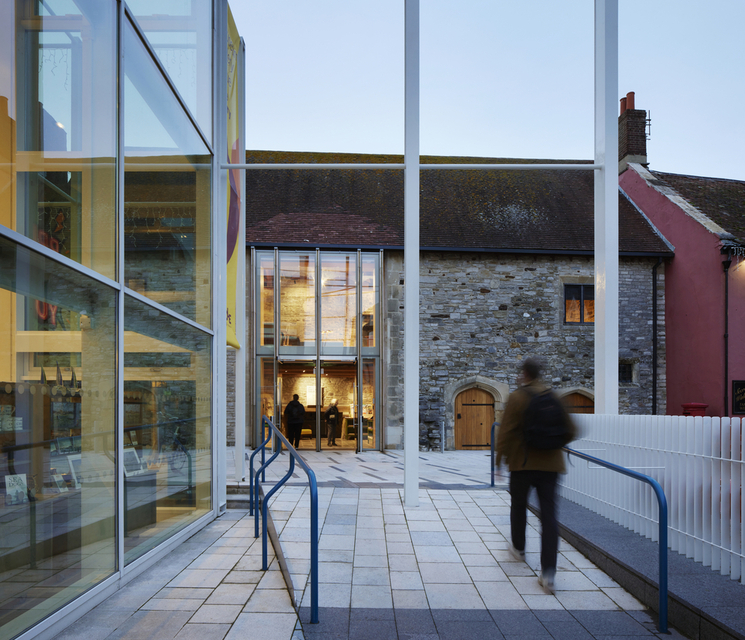
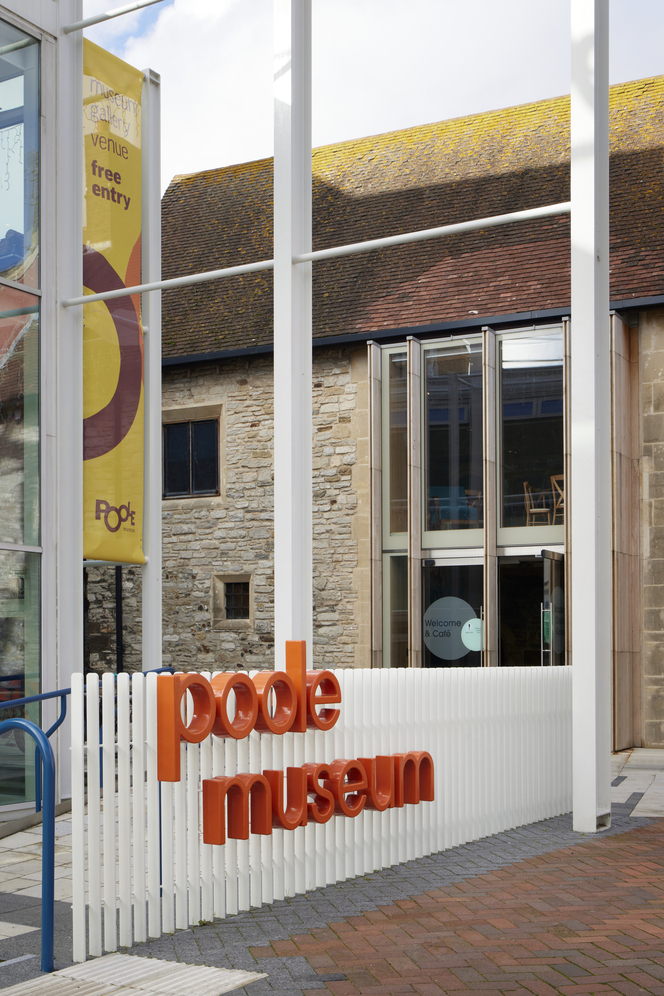
By redesigning the public space between these structures, the architects created a unified campus that links the main museum buildings with Scaplen’s Court. This move not only gives the merchant’s house more visibility but also establishes a lively public destination that contributes to the revival of the High Street and the Quay. To strengthen the relationship between the interior displays and the town outside, the design team opened up sightlines from the galleries. Visitors can now look out toward the port, the harbour, and the Purbeck coastal landscape, maintaining a constant visual link to the maritime context of the collection.
Restoring the warehouse and Wool Hall
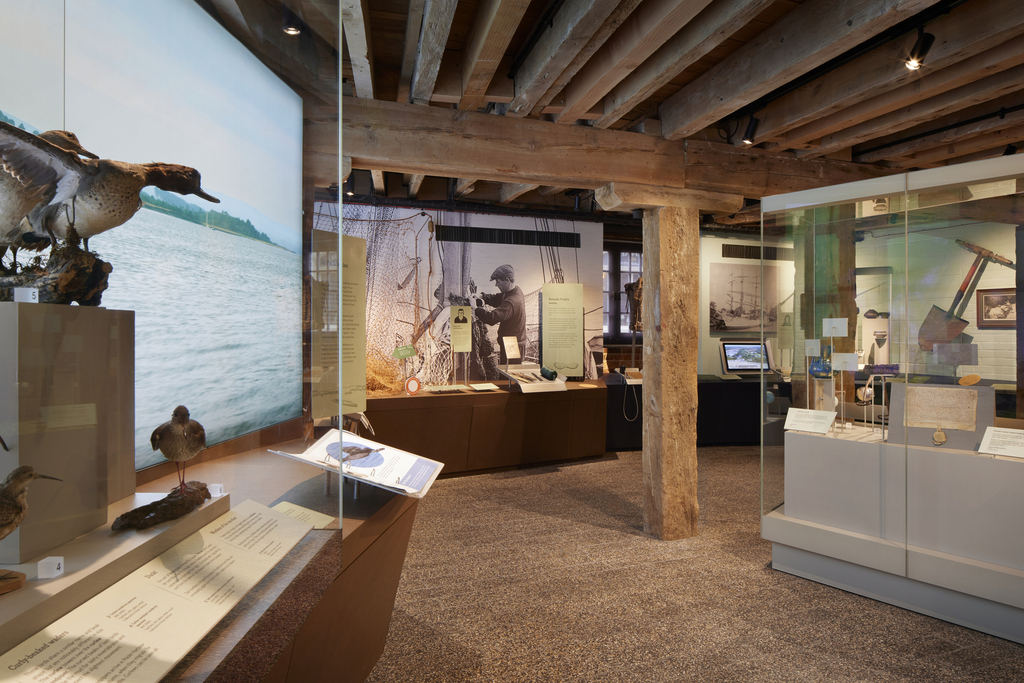
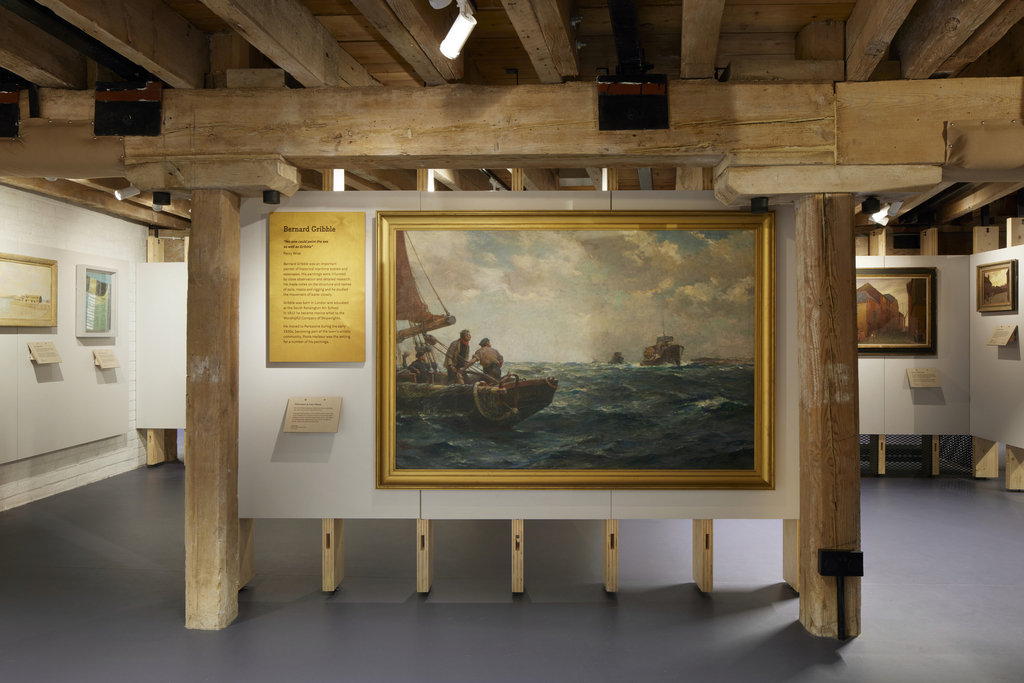
Inside the six-storey 18th-century grain warehouse, ZMMA executed a significant structural intervention. They cut a sculptural, three-storey void through the building floors. This opening connects the vertical galleries and exposes the heavy timber framework of the original structure, evoking the skeletal ribs of a ship. This space now houses the ‘Harbour Life’ gallery, which uses atmospheric lighting and seascape photography to set the tone for the visit.
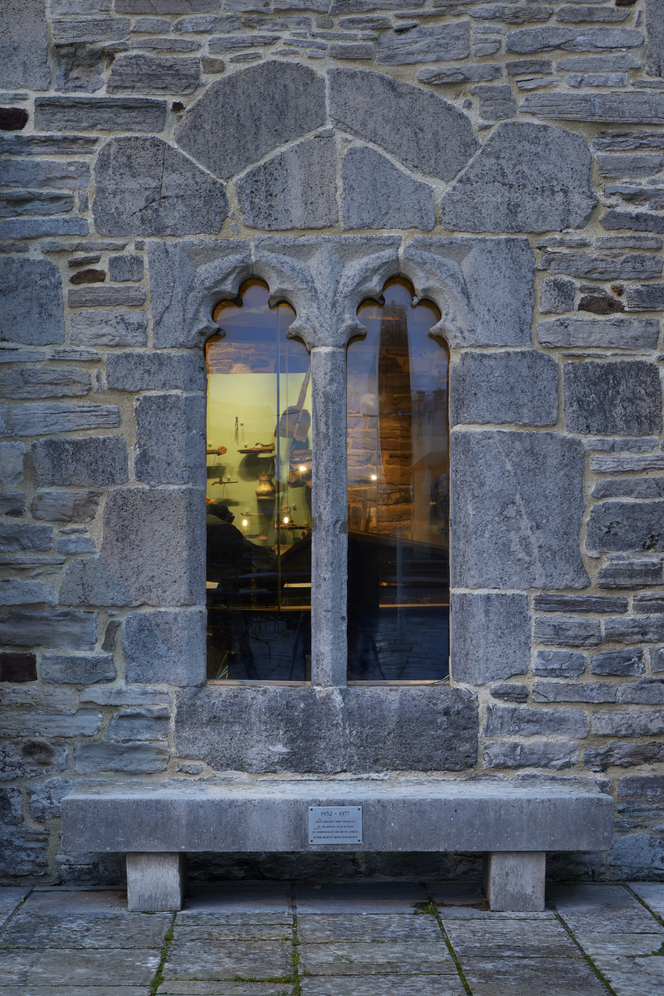
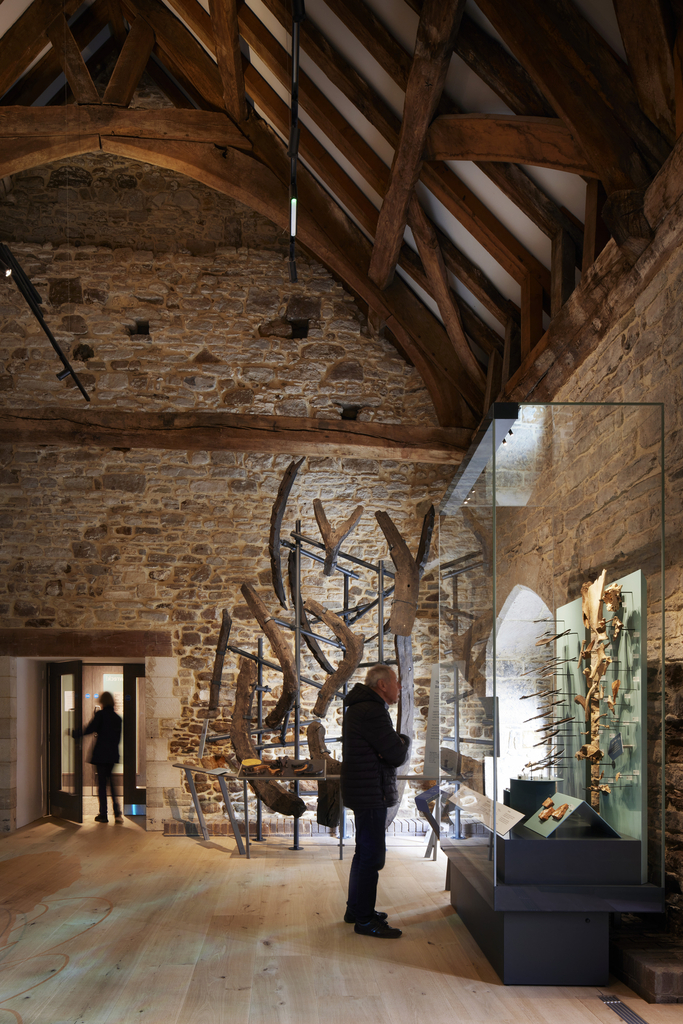
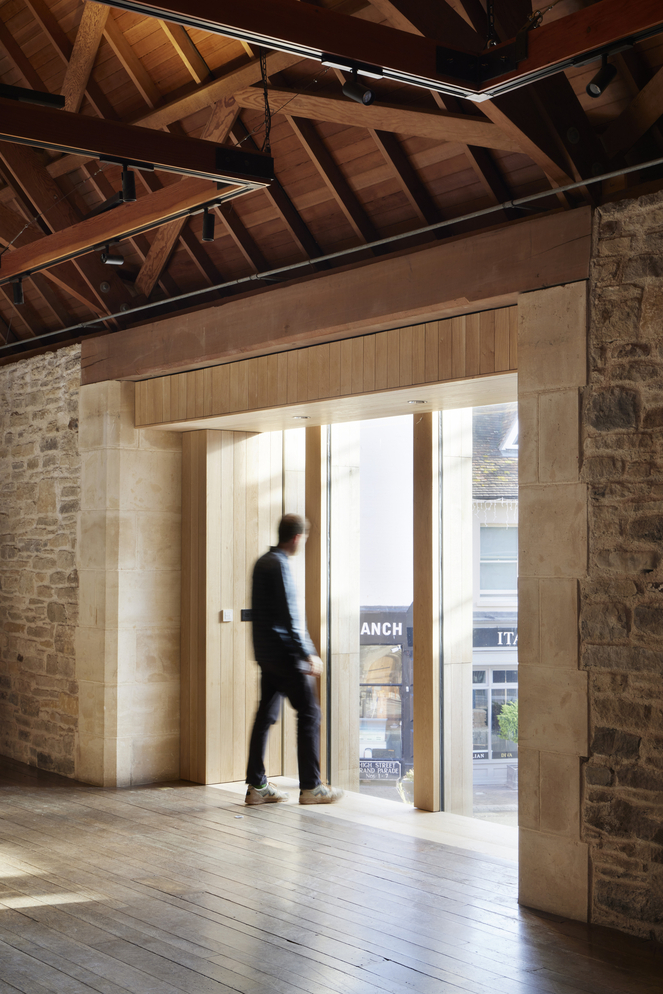
In the adjacent medieval Wool Hall, the architecture takes a step back to highlight the ‘Shipwreck!’ gallery. The team restored the dramatic stone interiors of this Grade I building to serve as the stage for Poole’s maritime archaeology. The centrepiece is a preserved 10-meter-long Iron Age log boat, displayed alongside a sculptural arrangement of medieval ship timbers. The design here relies on the raw, restored masonry to frame these large-scale artefacts.

Materiality and conservation
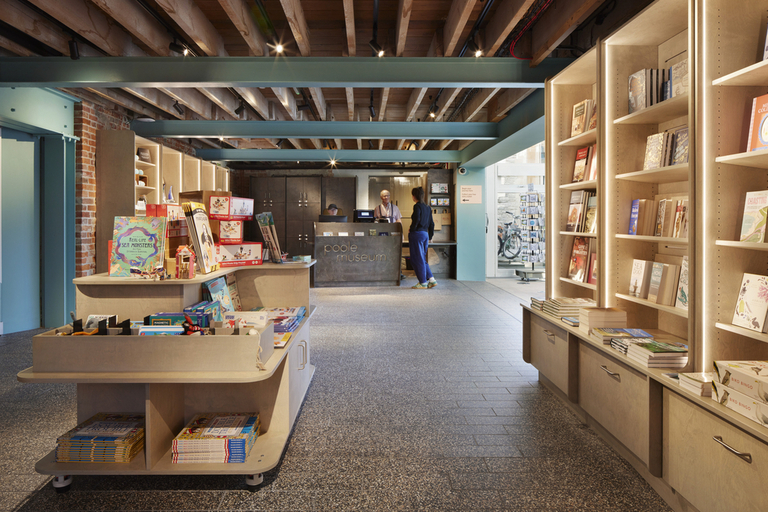
The construction process involved a deep retrofit, starting with the removal of late 20th-century additions. ZMMA stripped away mezzanines, partitions, and linings that cluttered the interiors, revealing the original stone and timber fabric. This process allowed for the conservation of the Town Cellars’ medieval stone walls and the restoration of the warehouse’s timber structure.
Sustainability played a central role in the material choices. The architects implemented a decarbonization strategy that reduced operational energy by 25%. This included re-roofing, installing new windows and solar panels, and using natural insulation materials like lambswool and breathable wood fibre. The exhibition design follows a similar logic, utilising recycled and low-carbon materials with a timber-first approach. New environmental control systems and lighting were tucked discreetly into the historic structure, ensuring the safety of delicate artefacts without dominating the visual space.

Accessibility and flow
A major goal of the £10m investment was to make the complex fully accessible. Previously, the varying floor levels and disjointed buildings made navigation difficult. ZMMA reorganised the circulation routes, installing new staircases and lifts to create a step-free journey across all six floors. This reconfiguration doubled the amount of publicly accessible space, allowing for new learning studios, event areas, archives, and a reading room to sit alongside the galleries.
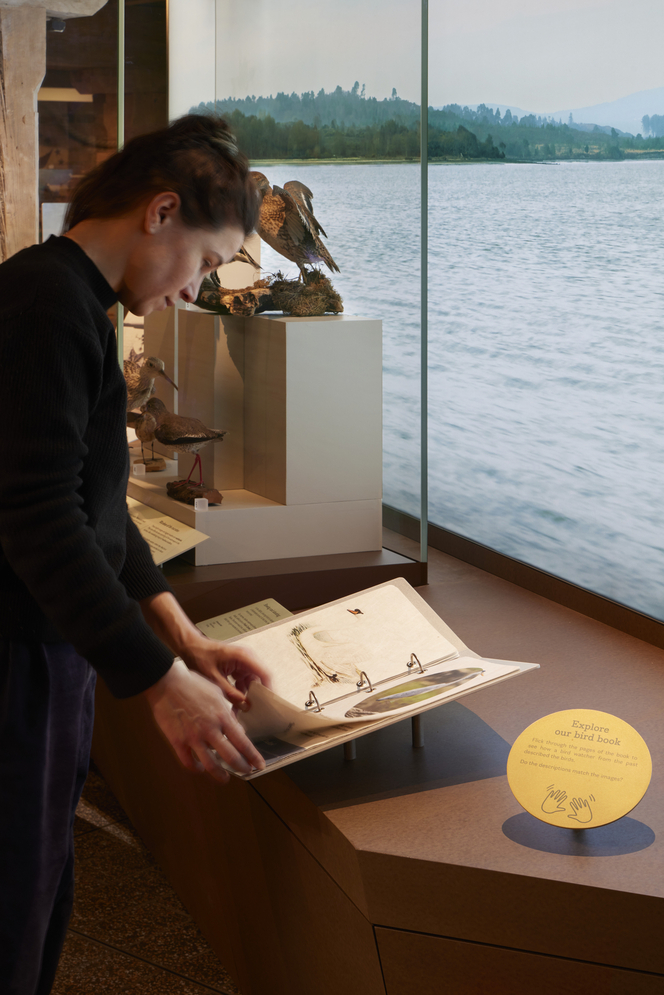
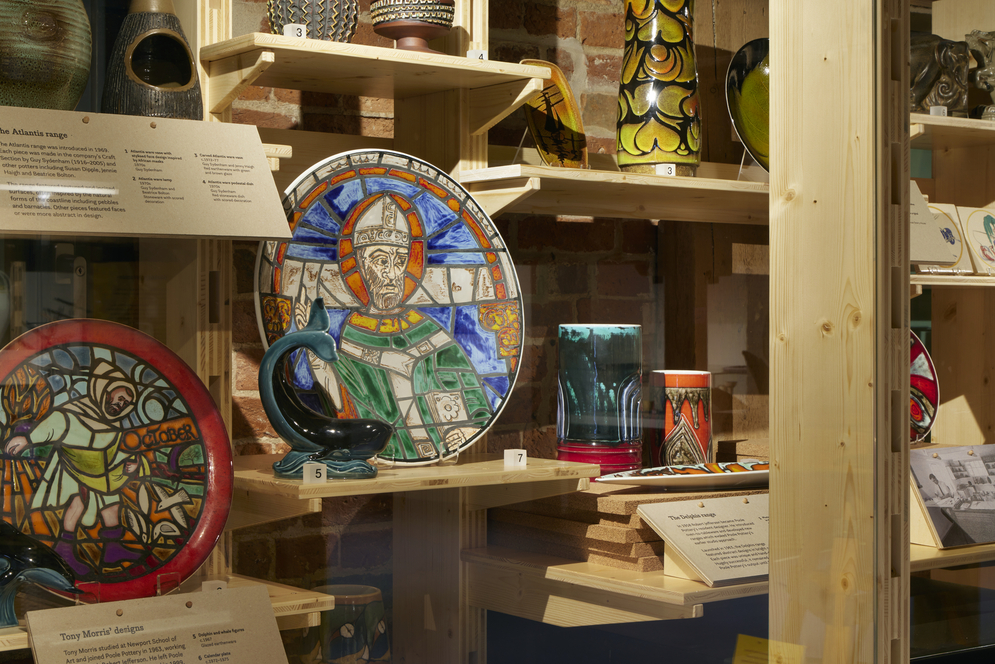
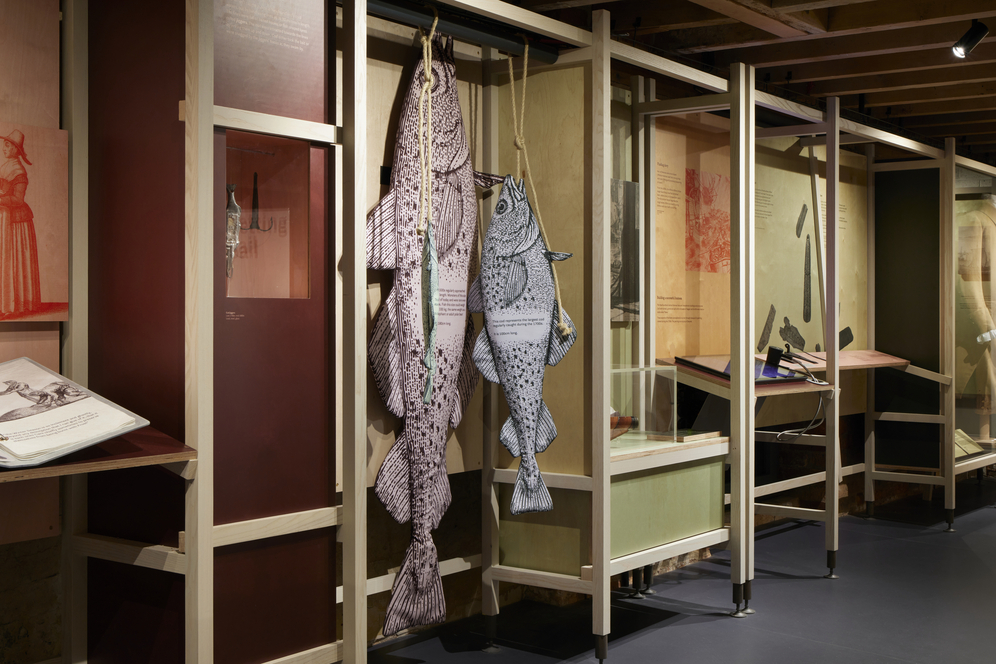
The exhibition design focuses on tactile and interactive elements to engage a wide range of visitors. Features include open displays that allow close-up viewing of objects, tactile stations, and a glass floor with an immersive projection of maritime archaeologists at work.
The redevelopment of Poole Museum demonstrates how distinct heritage assets can be brought together without losing their individual character. ZMMA has moved beyond simple preservation, intervening boldly to carve out new voids and circulation paths that make the buildings work as a modern public venue. By stripping back modern clutter to reveal the ancient bones of the Wool Hall and the warehouse, the architecture now serves as the primary narrator of Poole’s maritime story, ensuring the museum functions as a vital social and cultural hub for the region.

