



Header: House Europe Assembly, Photo credit: Edgar Rodtmann
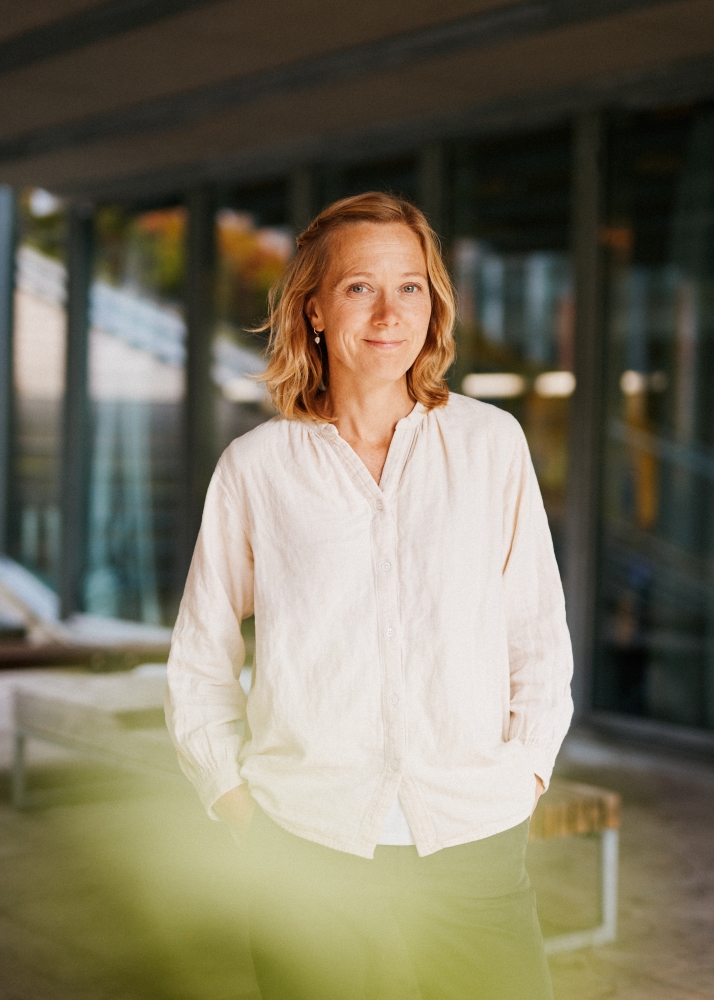
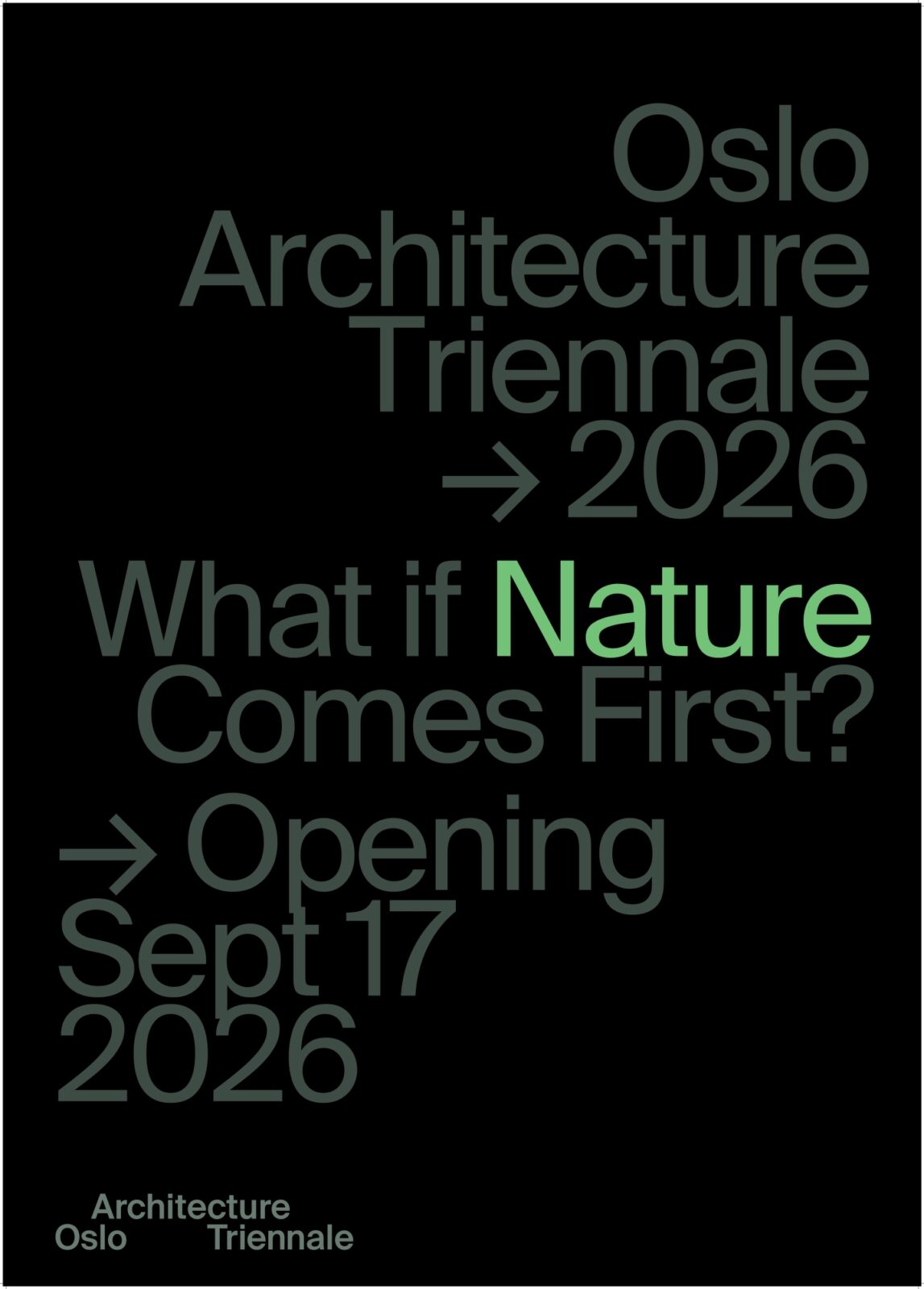
The ninth edition of the Oslo Architecture Triennale will take place between September 17 and October 1, 2026. The trianalle will reimagine the future of the built environment within planetary boundaries under the guiding question What If Nature Comes First? The event, curated by Line Ramstad, the Biennale’s Director and Chief Curator, will focus on architecture’s potential to respond to the current environmental crises.
Architectural solutions to the climate urgency
Due to the consumerist culture that has reached unprecedented levels, the degradation of nature is outpacing its capacity to regenerate. Earth Overshoot Day 2026 marked July 30 as the day we used more resources than the planet can regenerate. One of the greatest contributors to global emissions is the construction industry.

Stakeholders’ profit is the primary incentive for construction, which is why the prices reflect what the market is willing to pay rather than the construction costs or needs. Over two weeks, the OAT thriennale will gather professionals from architecture and related fields to engage in conversations about solutions to the problem. By focusing on the solutions that are already there, allowing people to see and experience what the future could be.
Main exhibitors organised in four programming scales
The guiding question will be explored through four scales, a division that also organises the programme and exhibitions:
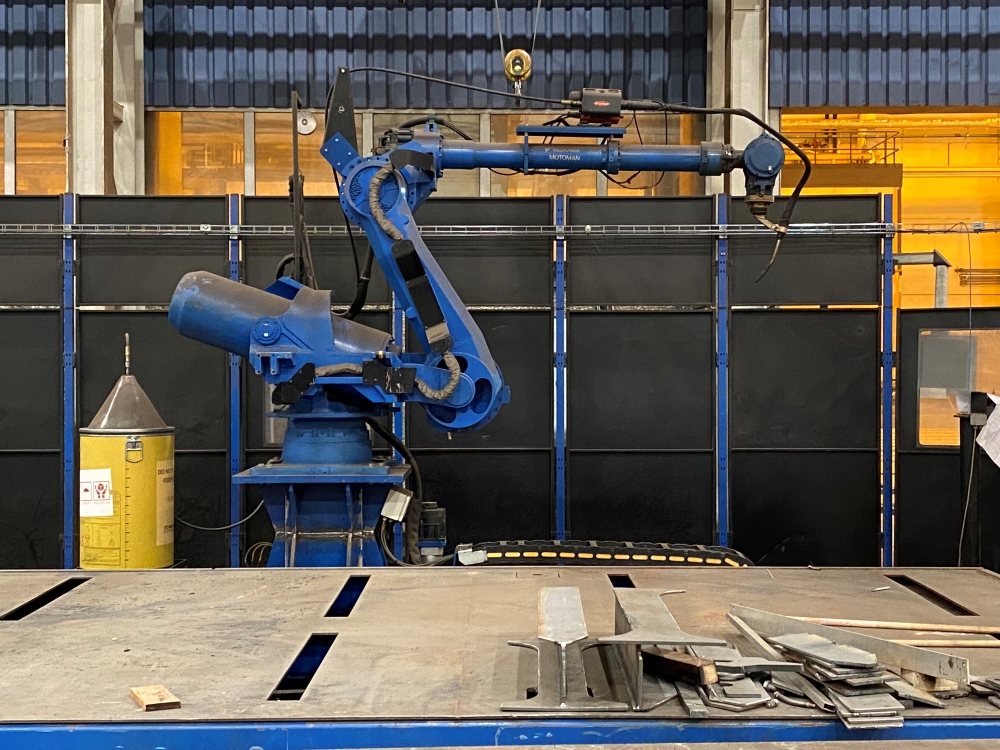
- Materials: led by the idea that materials should be sourced locally due to their heaviness, while knowledge should be spread globally, this scale emphasised the importance of choosing the right material.
- Systems: challenging hierarchies of value while promoting actions in ethics, law, economy, and politics could fix the system and put nature first.
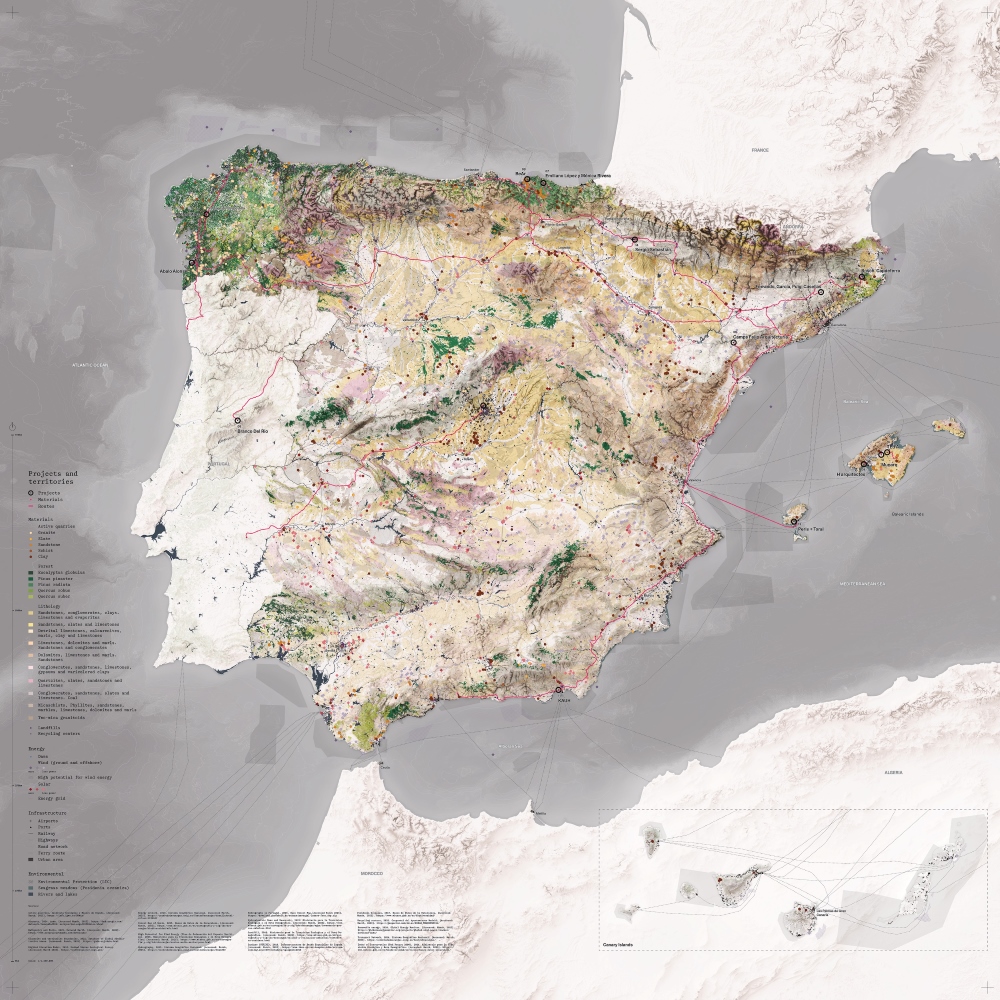
At the materials and system scales, the event will host Internalities by Roi Salgueiro & Manuel Bouzas. The project portrays the shift from price to value by exploring what would happen if we incorporated externalities (costs of extraction, transport, and waste) into the final price of the building. By showcasing the atlas of Iberian geology with marked forests and material pathways, the duo reflects on the true cost of construction
- Territories: factoring in soil quality, stormwater, and biodiversity and planning in line with nature forms more resilient territories.
- Structures: this scale focuses on repurposing existing structures instead of building new ones.
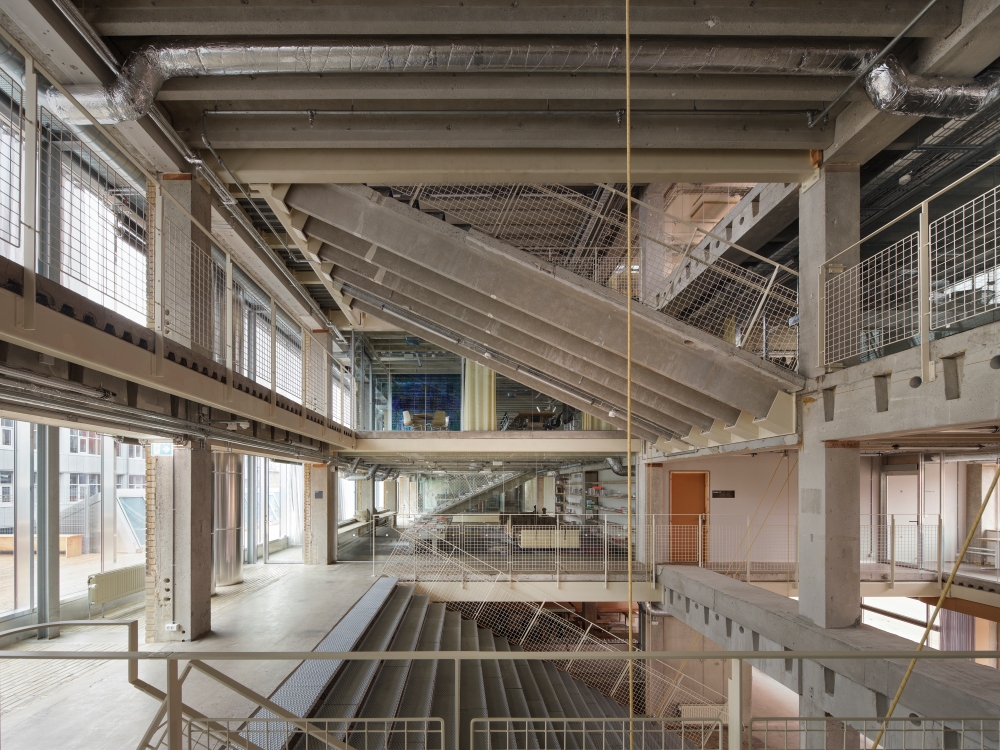
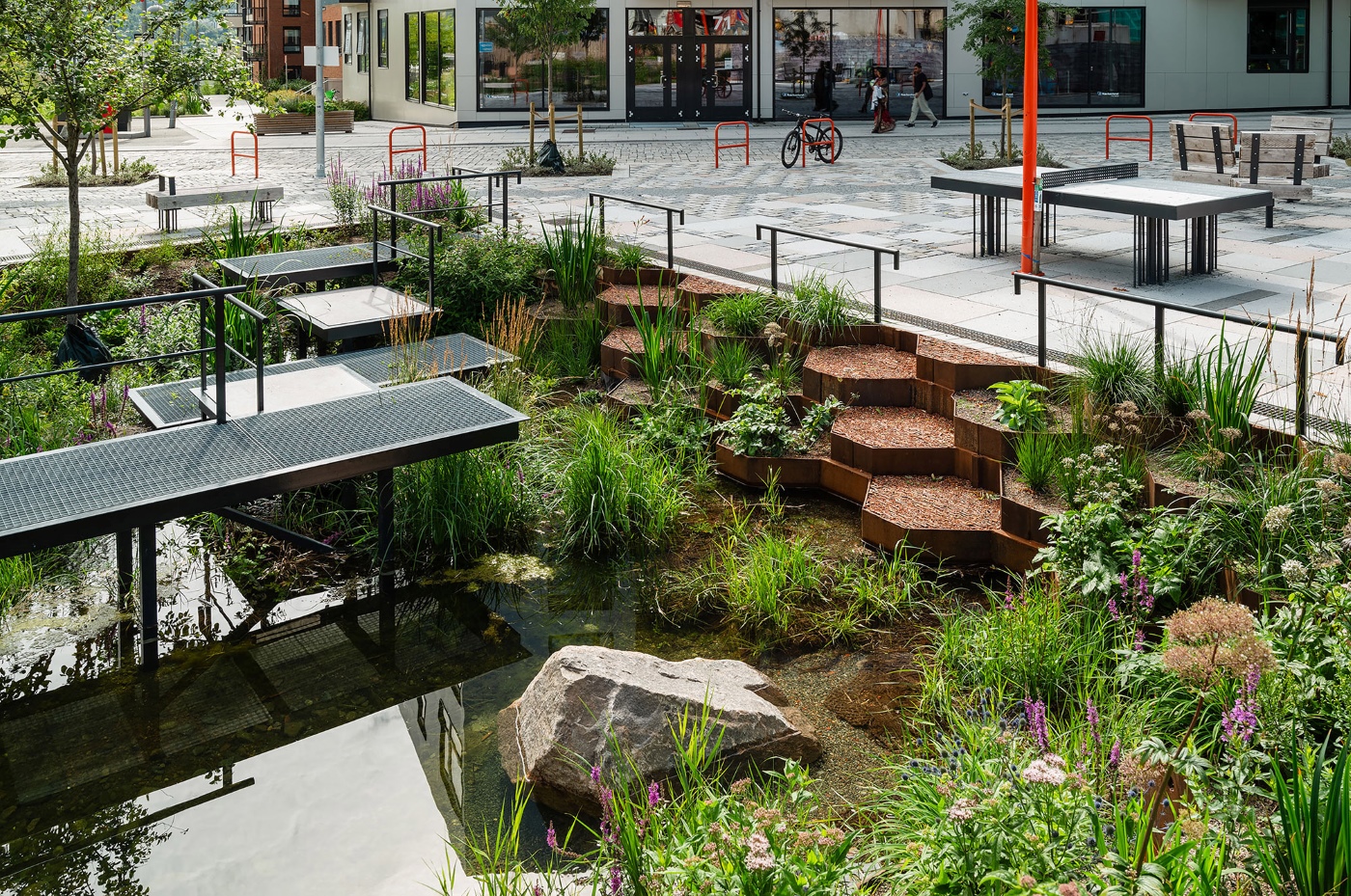
Vollebekk Torg, located in the heart of Oslo, is a perfect example of planning in line with nature. A new square was made on reused territory with circular materials and neighbourhood participation at its core. In the structure scales, Pihlmann Architects from Denmark will showcase Thoravej 29, a project that successfully transformed an existing industrial site, keeping almost everything that was already there.
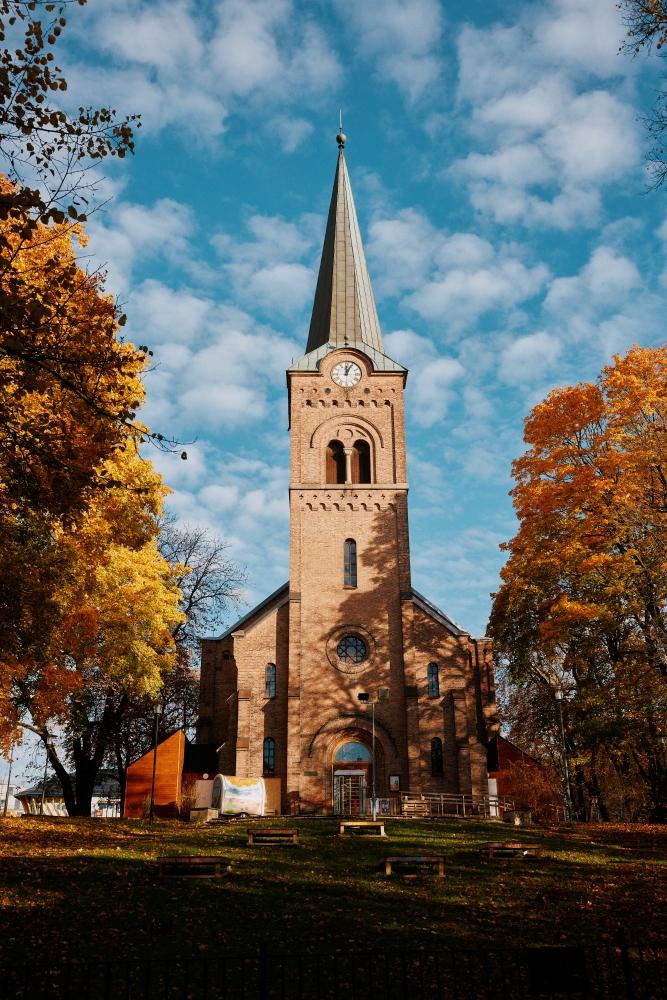
Sofienberg Church: Main OAT venue
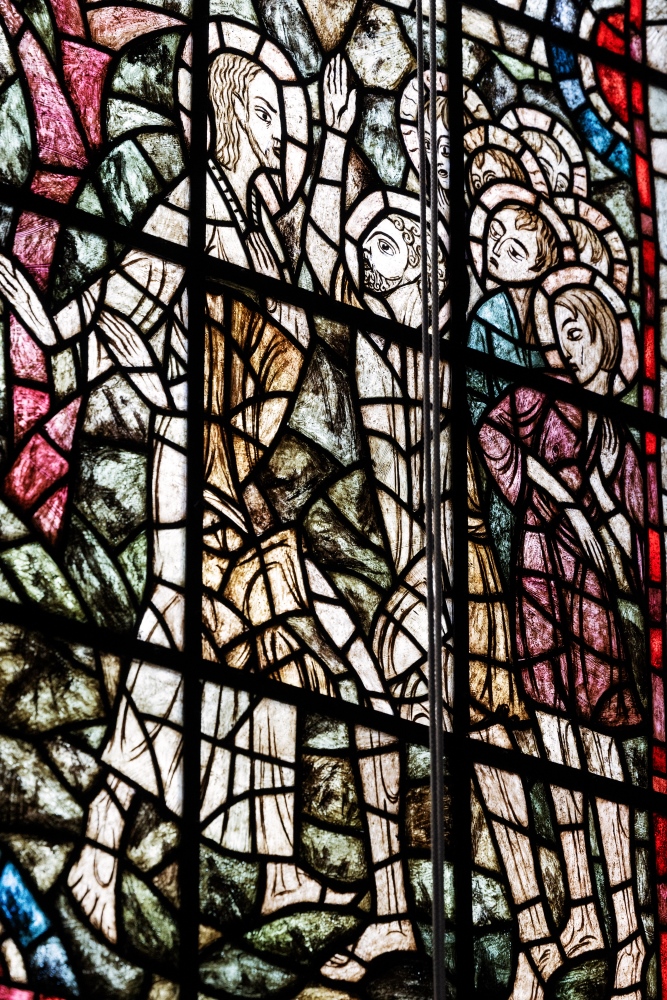
Following the main theme of the event, the organisers chose Sofienberg Church as the main venue. The historic building that’s currently transitioning from religious services to a local culture hub is a perfect example of making radical changes to an existing space while simultaneously keeping its original purpose as a site for gathering and sharing ideas.

Oslo Architecture Triennale (OAT), one of the largest festivals in the region, engages architects, planners, developers, decision-makers and the public in conversation on architecture’s role in society. The event will open with three days focused on press and international guests, which include a morning sauna and swim in the Oslo fjord, accompanied by the opening conference and party on September 17. The remaining program is available at the event’s official website.


