



Header: Raphaël Thibodeau
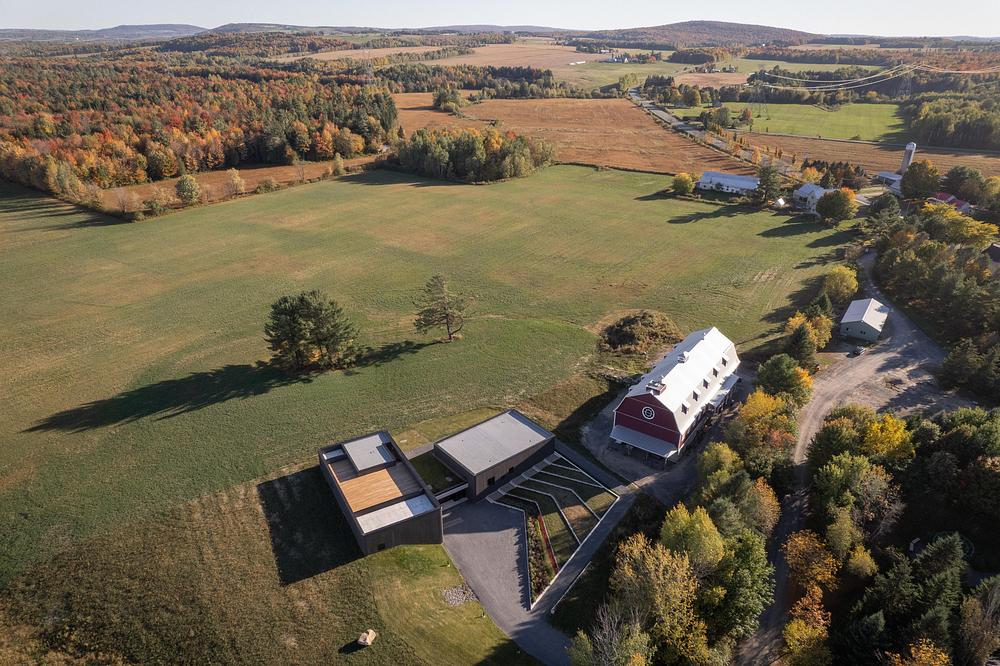
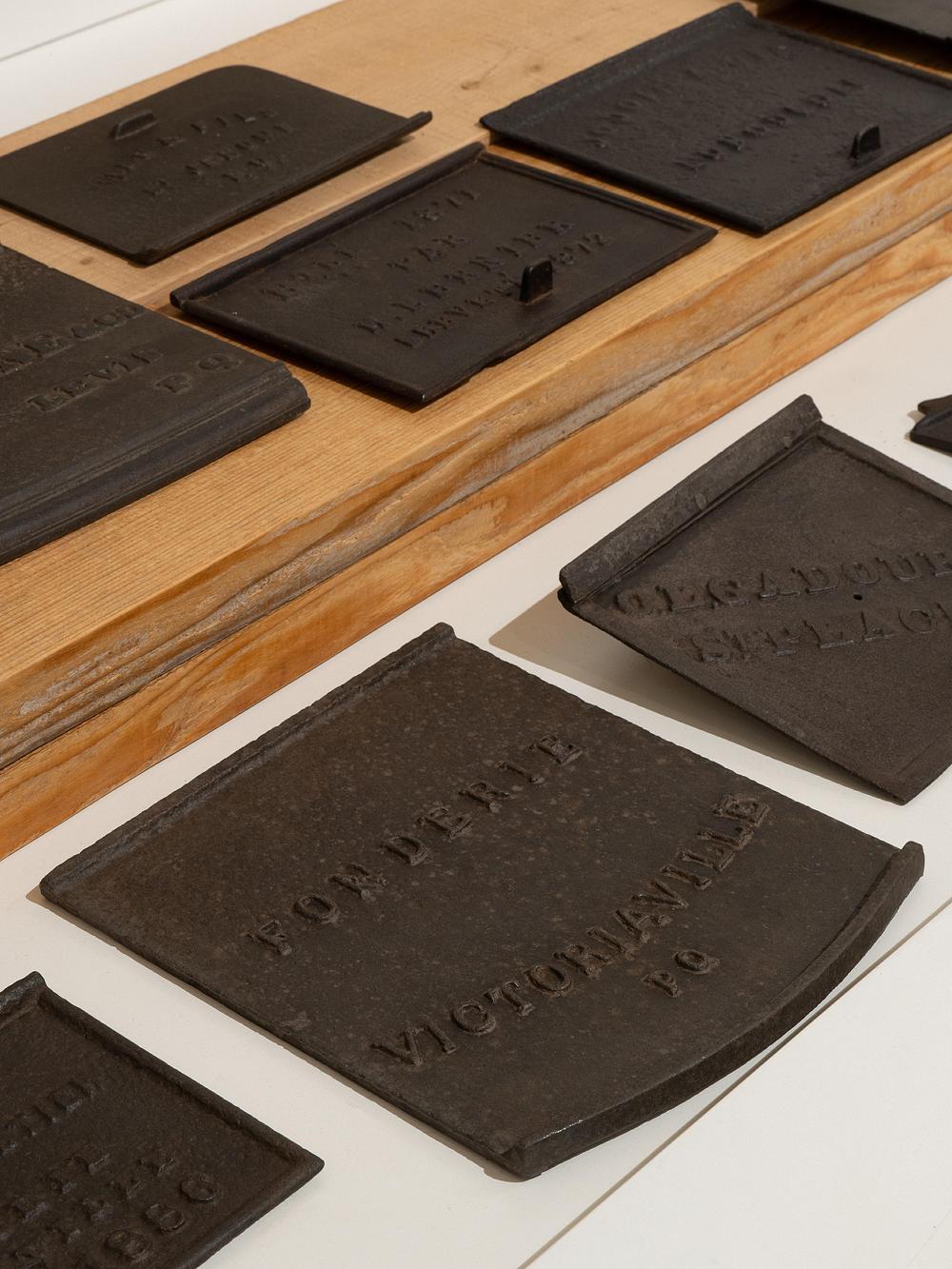
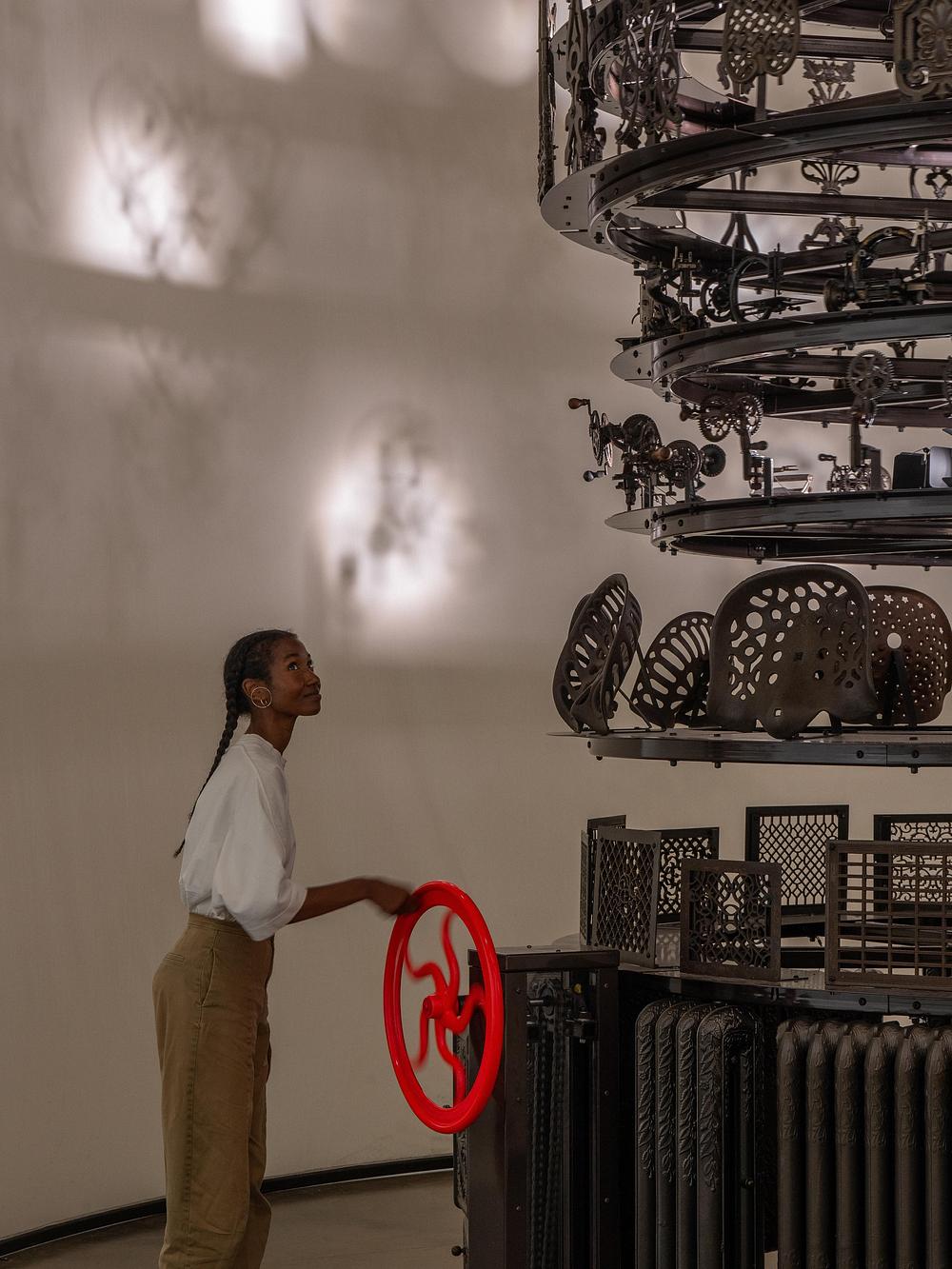
Set in the agricultural expanse of Kingsey Falls, Canada, the design concept for the new Musée du Parc Marie-Victorin gives a massive private collection of 40,000 cast-iron items back to the public. Montreal architecture practice KANVA has designed a low-slung, eco-friendly institution that shuns big architectural statements. Instead, the scheme looks to the earth itself, digging into the ground to display everyday industrial design and regional craft.
Dug into the landscape
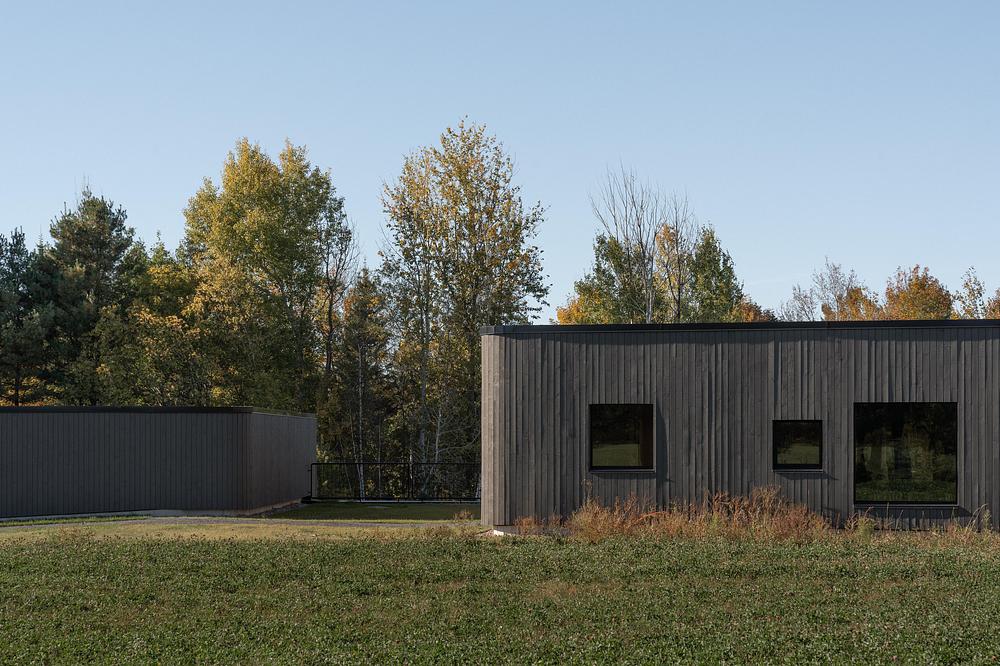
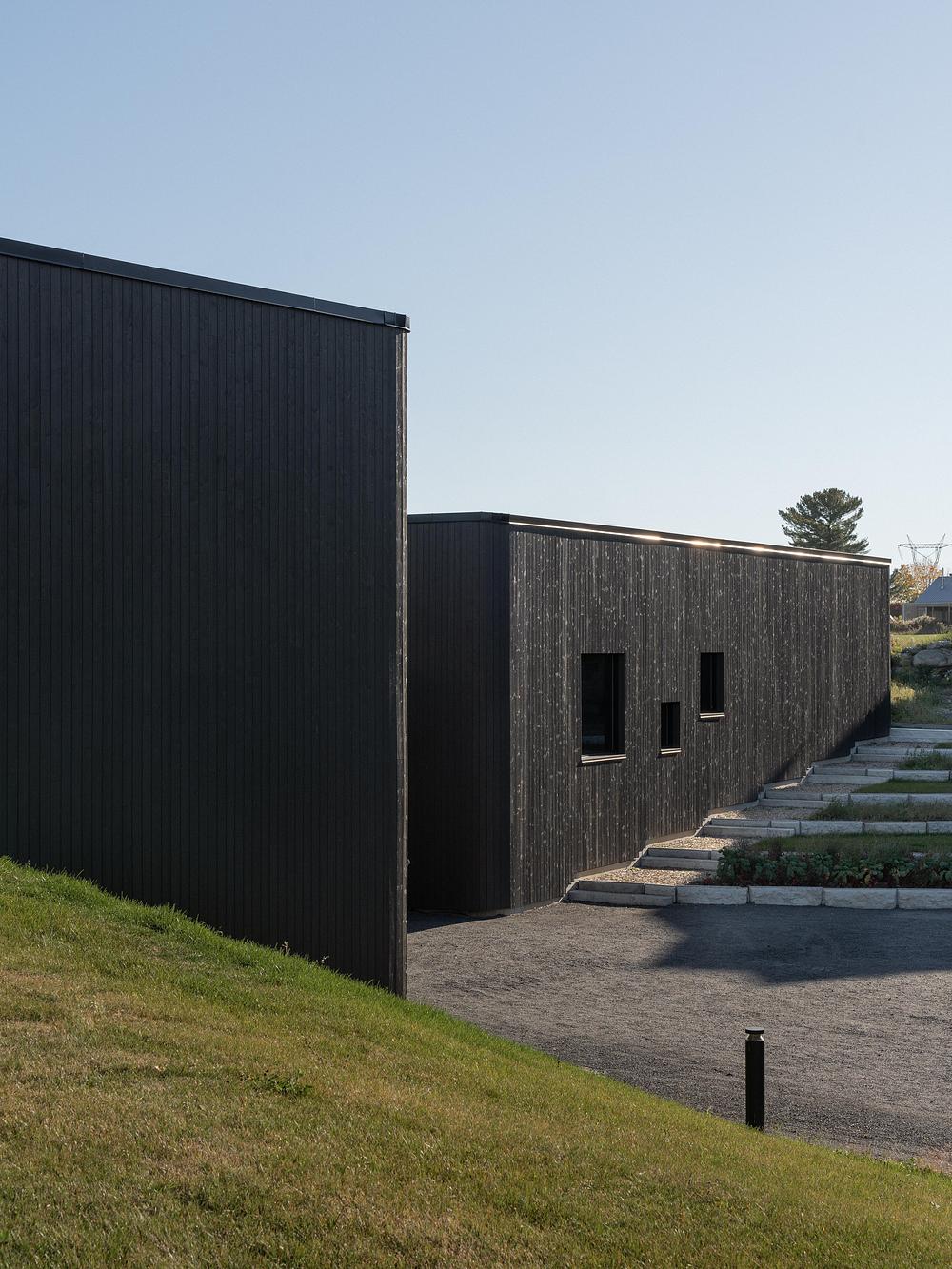
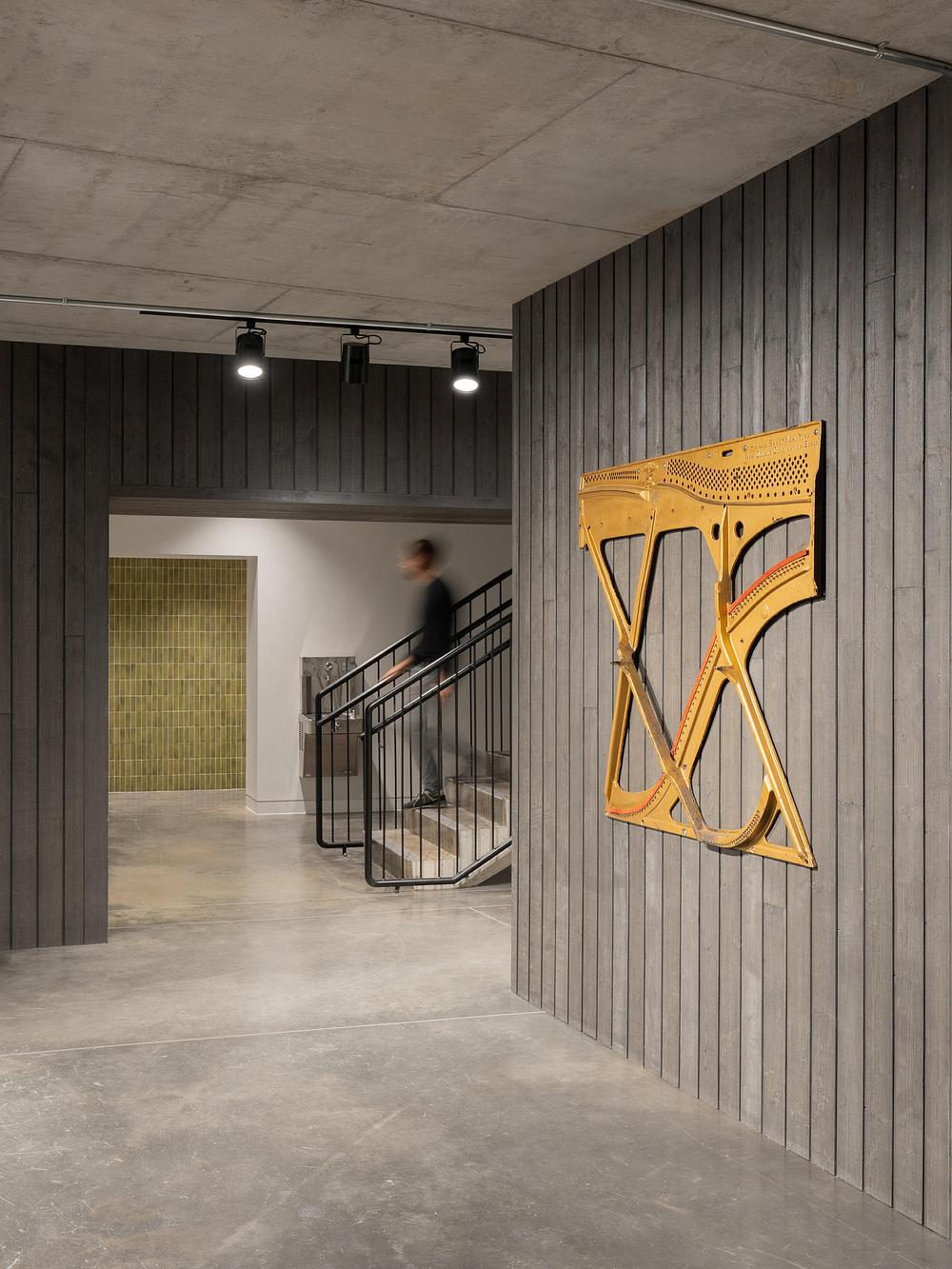
The project draws direct inspiration from extraction, digging, and physical discovery. Rather than constructing a tall building over the botanical grounds, KANVA chose to set two small pavilions partially underground. The outer walls feature rounded corners and are clad in dark, blackened timber – a direct nod to the historic fires of the blacksmith’s forge.
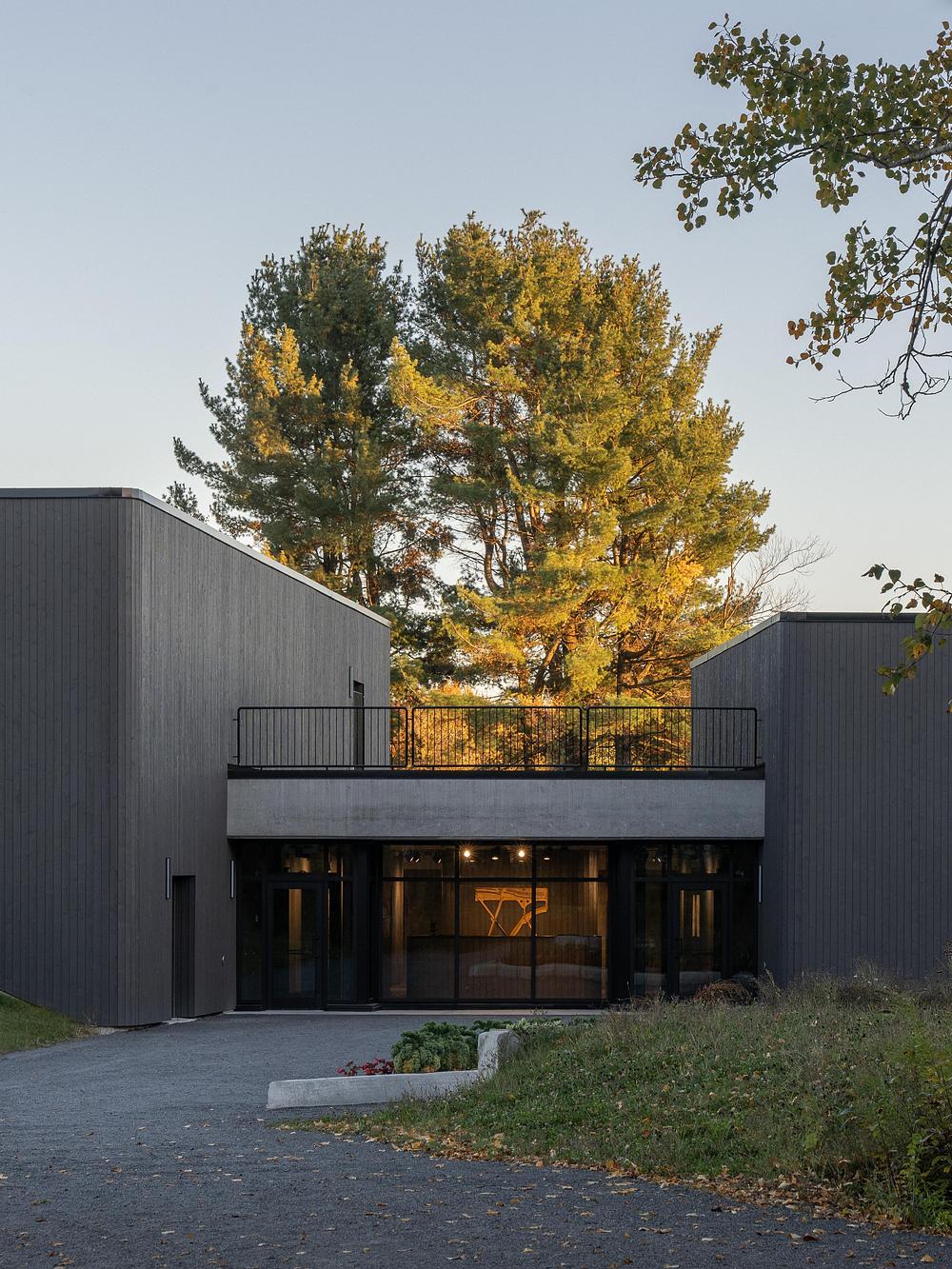
The layout works around an existing cluster of conifers. Visitors follow winding, fully accessible paths that lead them down into a shallow central trench. This open-air, sloping walk creates a quiet pause before people step through the main entrance, turning the approach into an act of unearthing. These pathways also connect the new build to a rebuilt barn nearby, where another part of the collection sits.
“In an era obsessed with digitization, speed, and efficiency, these objects—born of patience—speak in their own way about time, while celebrating the craftsmanship of Quebec’s various regions.”
Rami Bebawi, partner architect at KANVA
Timber structures and natural light
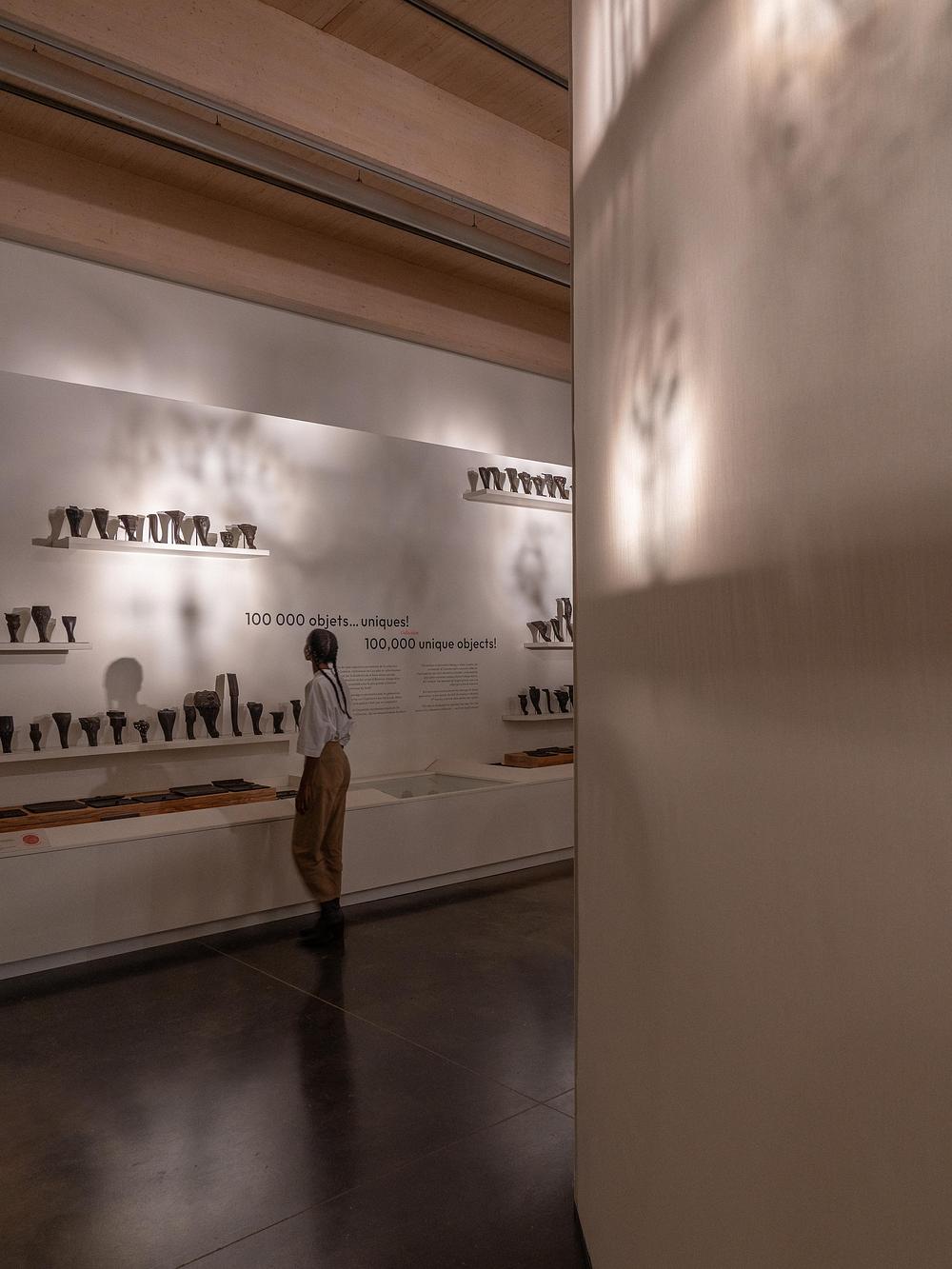
Inside, the lower level forms the core of the public experience. It holds the main reception area, two primary exhibition galleries, and a smaller display room. These spaces feature exposed mass timber framing, including glulam beams and cross-laminated timber (CLT) panels. To protect the fragile cast-iron items from direct sun while keeping the spaces bright, KANVA reduced standard exterior glazing and used high clerestory windows to spread soft, controlled light across the interior.
On the upper level, a flexible room sits above the main galleries. It provides clear views down into the exhibition spaces, looks out over the surrounding countryside, and opens directly onto a planted roof.
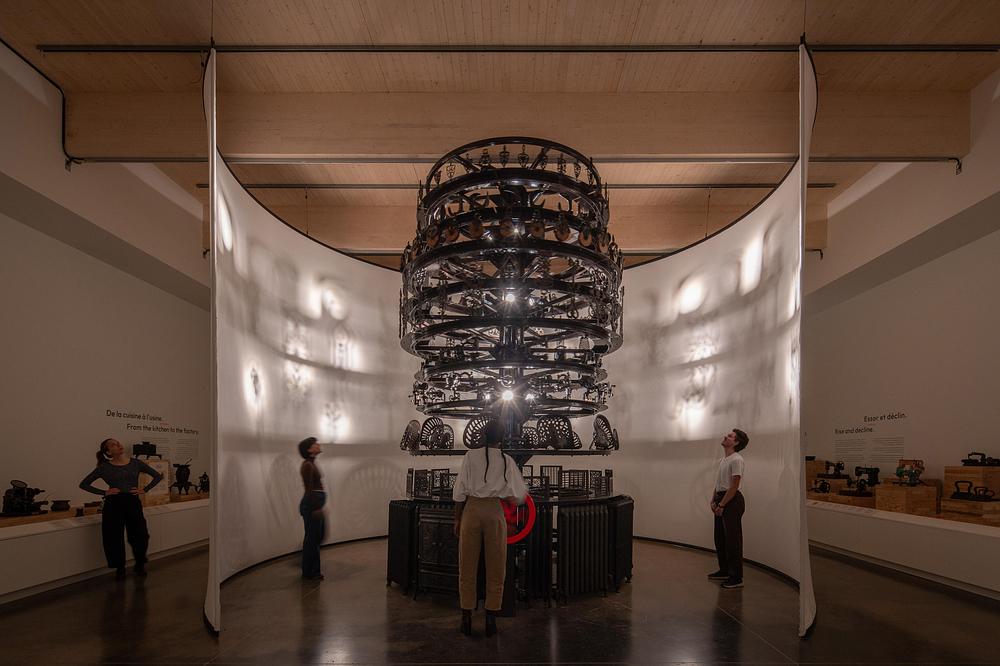
Clever climate control and social focus
The decision to bury parts of the building serves a practical purpose. By using the natural temperature of the surrounding soil, the structure maintains steady indoor conditions year-round. This natural thermal mass reduces the need for heavy mechanical heating and cooling systems, protecting the historical artefacts while lowering energy consumption. Furthermore, the mass timber elements were prefabricated off-site, cutting down on noise, dirt, and disruption to the surrounding park during construction.
Beyond its physical footprint, the museum focuses on social accessibility. By displaying rural tools, trade gear, and everyday cast-iron goods, the institution centres its exhibits on the work of local tradespeople and ordinary history. Flexible indoor spaces and connected outdoor terraces support school visits, craft workshops, and community gatherings.
Humble and inclusive
Museums often act as grand boxes built to show off rare wealth, but this project turns that idea on its head by burying its walls to lift up ordinary handiwork. With this project, KANVA has shaped a quiet, working space where old iron tools can sit comfortably alongside the landscape that made them.
“The Parc Marie-Victorin museum offers a model that is both humble and inclusive,” concludes Rami Bebawi. “Its architecture and museology are inseparable, together telling a story of materials, labour, and territory.”
Project info
Official project name: Musée du Parc Marie-Victorin
Location: Kingsey Falls, QC, Canada
Client: Parc Marie-Victorin
Architect: KANVA Architecture
Engineers: Pluritec
Landscape: Parc Marie-Victorin
Exhibit Designer: GSM Studios
General contractor: Groupe Gagné Construction
Project sector: Cultural (museum)
Area: 950 m² / 10,225 sq ft
Project completion date: January 2025
Photographer: Raphaël Thibodeau
Source: v2com newswire


