



Header: offline.studios, courtesy of Mercedes-Benz
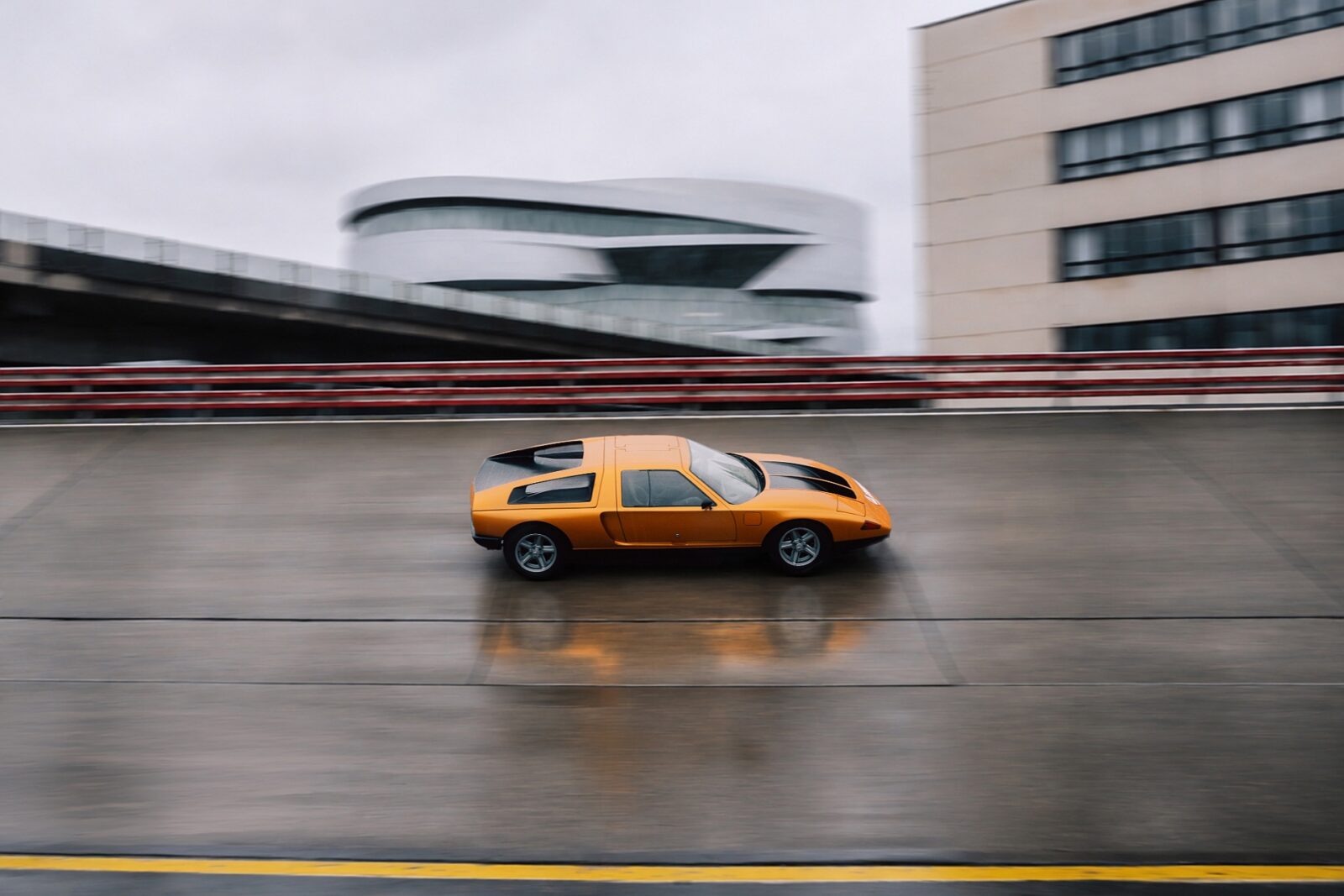
For the first time, Mercedes-Benz is putting one of its classic C 111s up for sale, a wedge-shaped prototype supercar from 1970 that was never sold to the public. The car, known inside the company as “Car 33“, will be auctioned by RM Sotheby’s on the 3rd of February, 2027, at the Palais du Louvre in Paris, during the Rétromobile classic car fair.
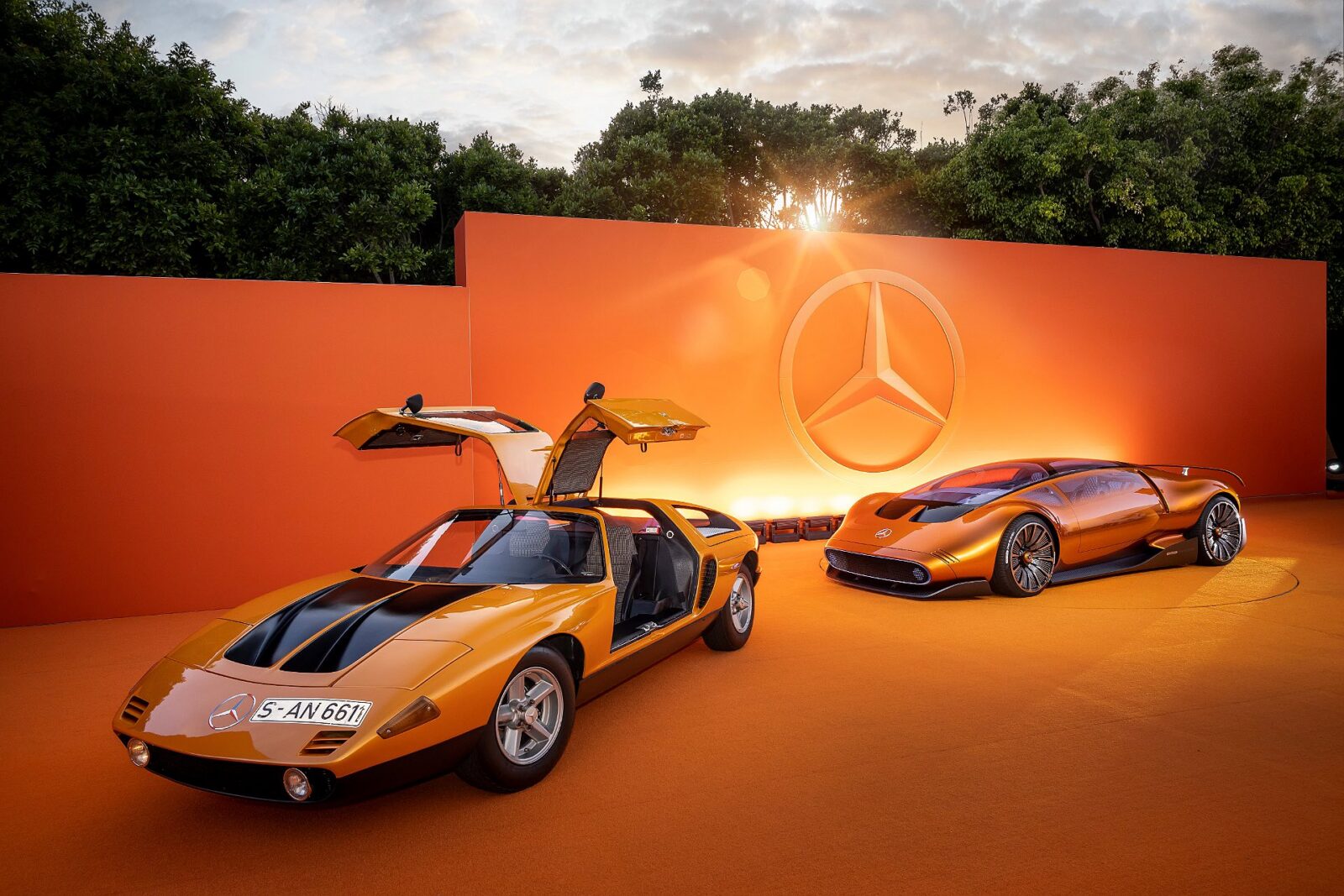
A ride through History
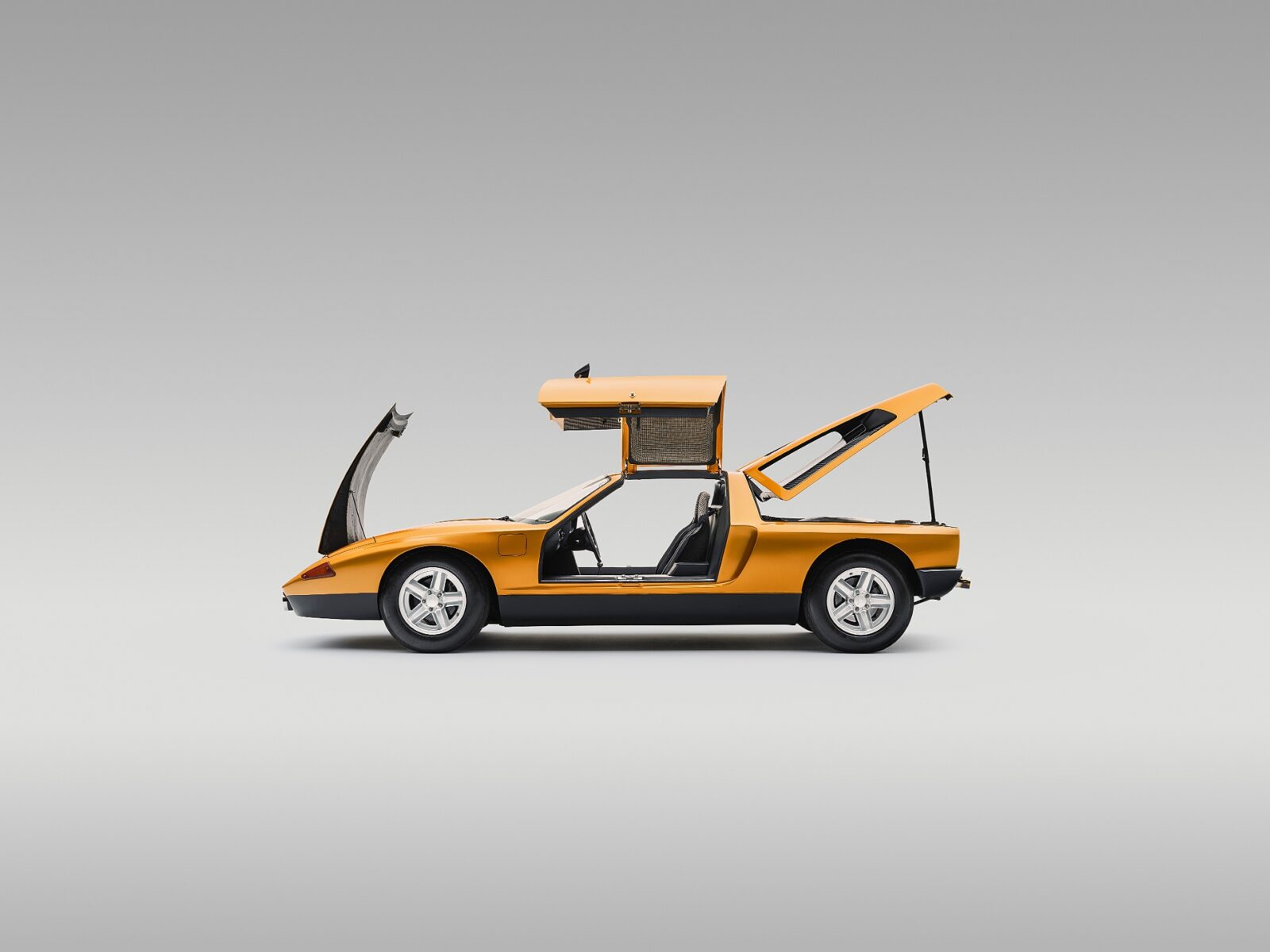
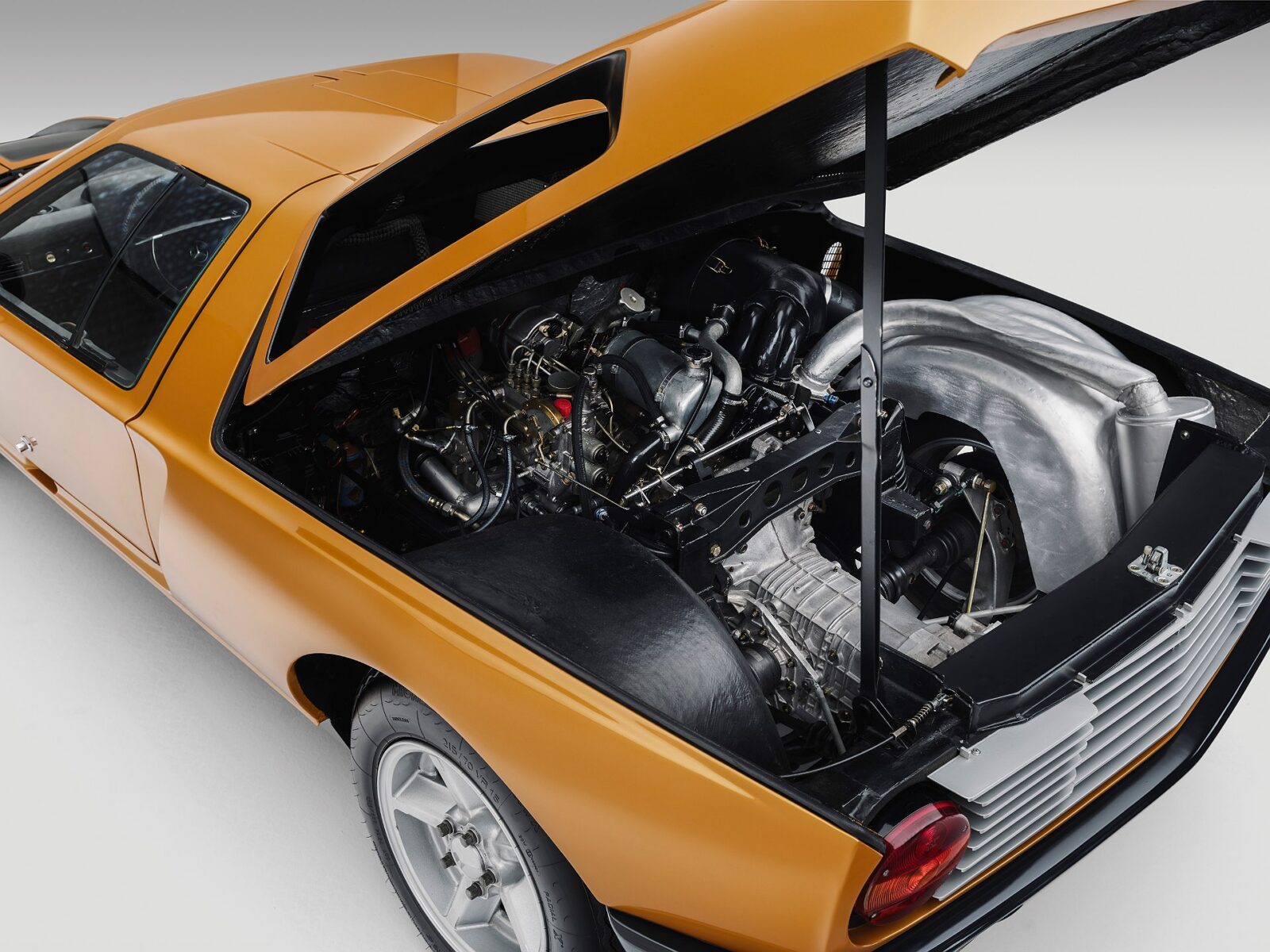
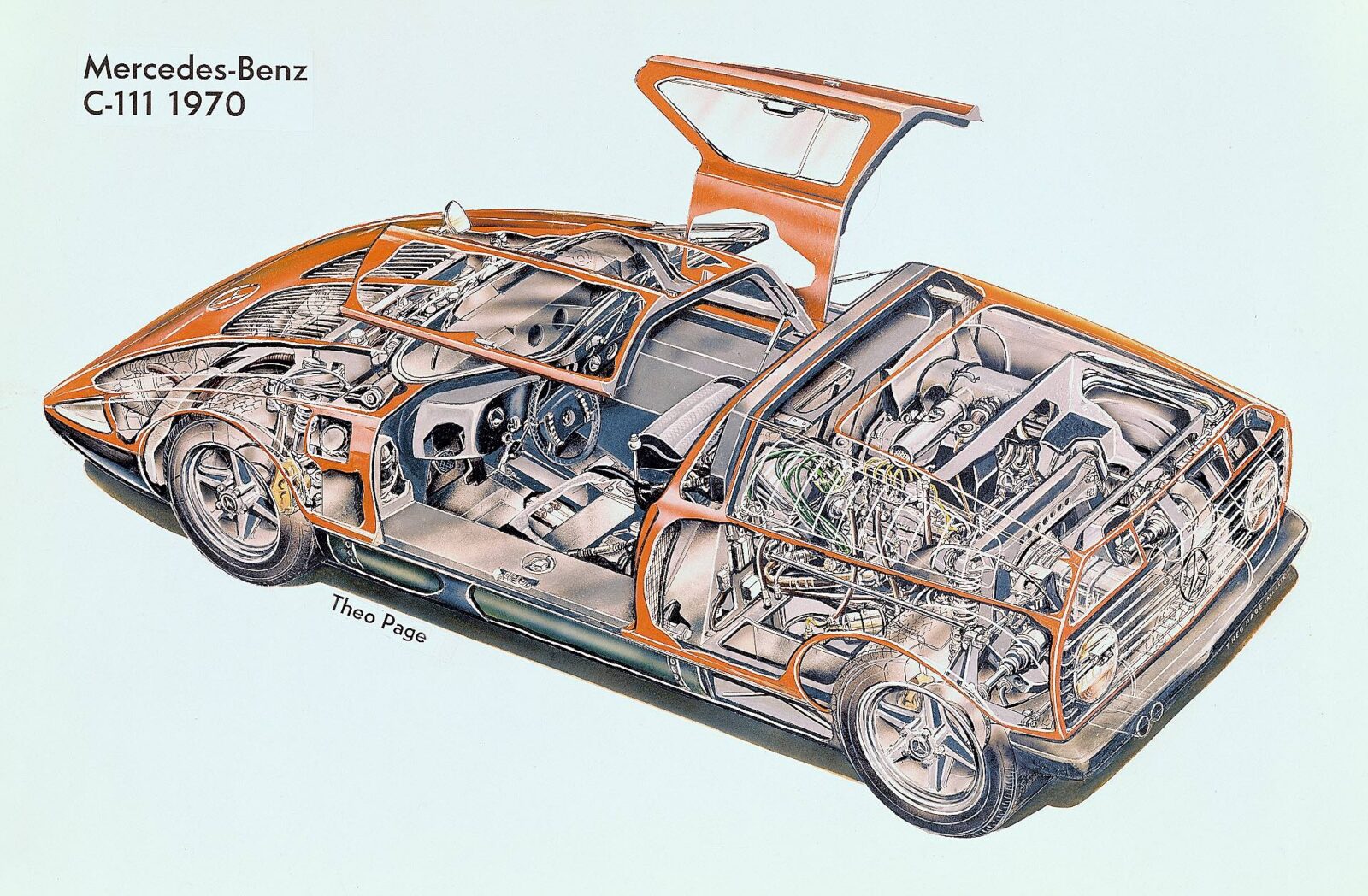
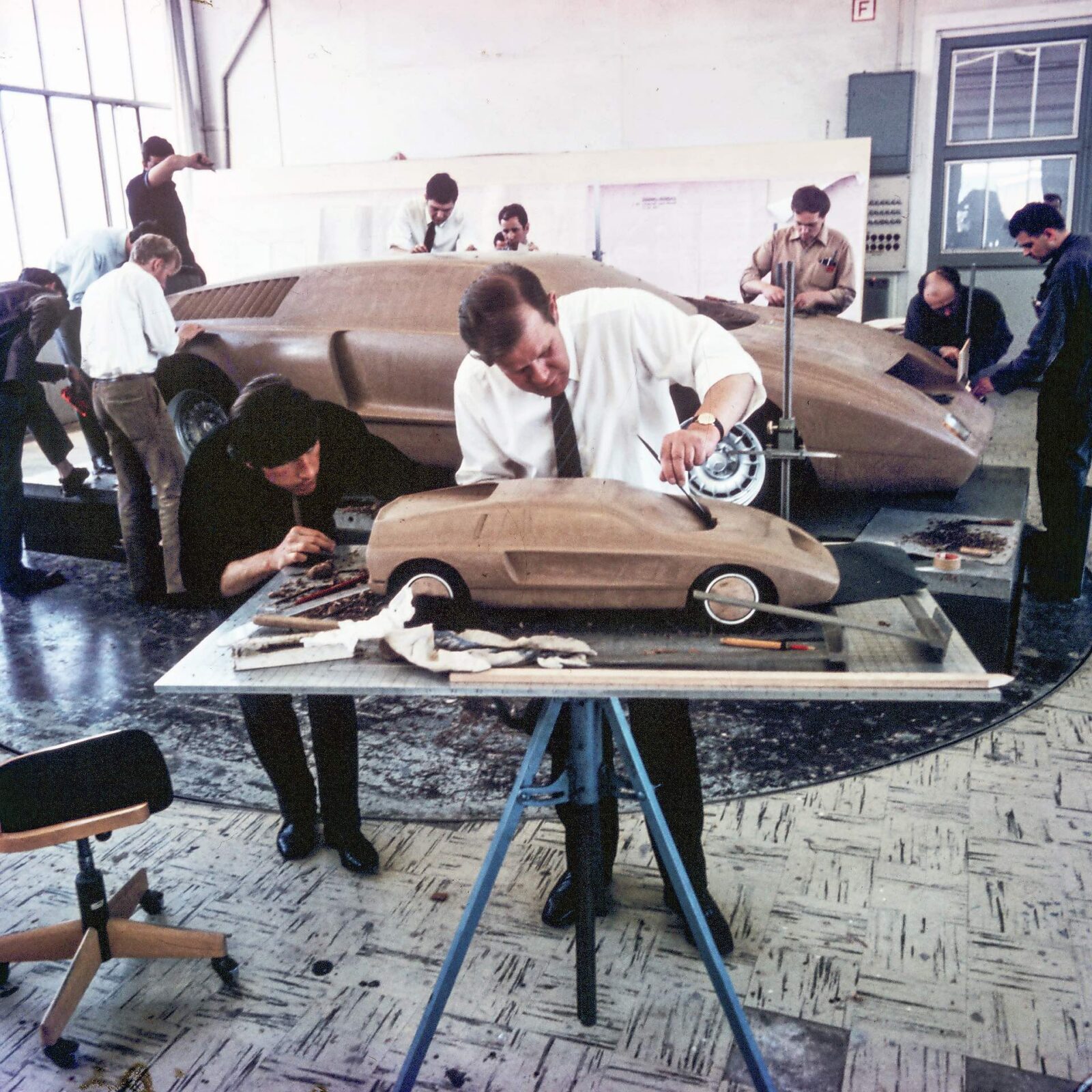
The first C 111 was presented at the Frankfurt Motor Show in September of 1969 as Mercedes-Benz’s idea of what could come after the 300 SL, its famous coupé from 1954. In the new design, the engine was placed in the middle of the car, behind the seats, and the body was made of a plastic strengthened with glass fibres. Like the 300 SL, it was given gull-wing doors.
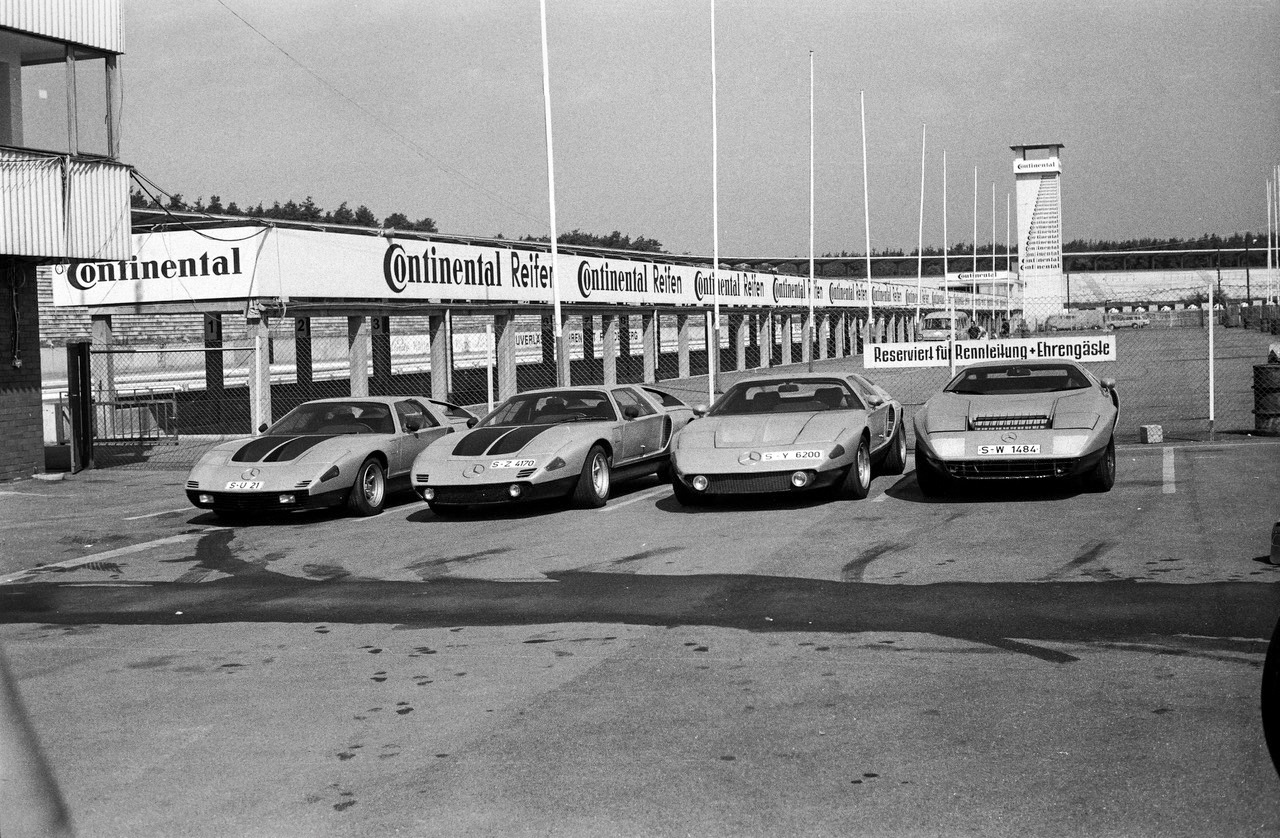
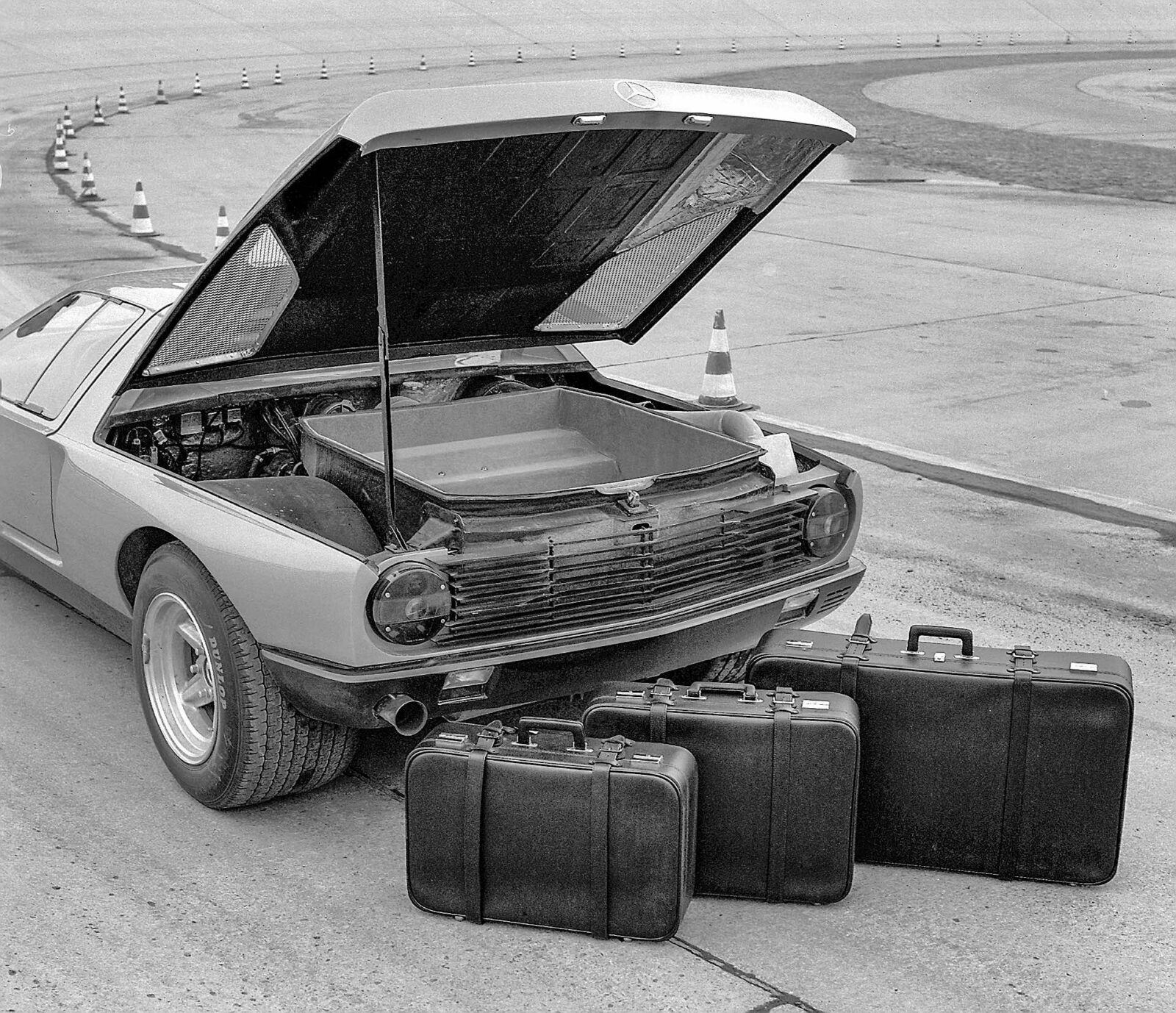
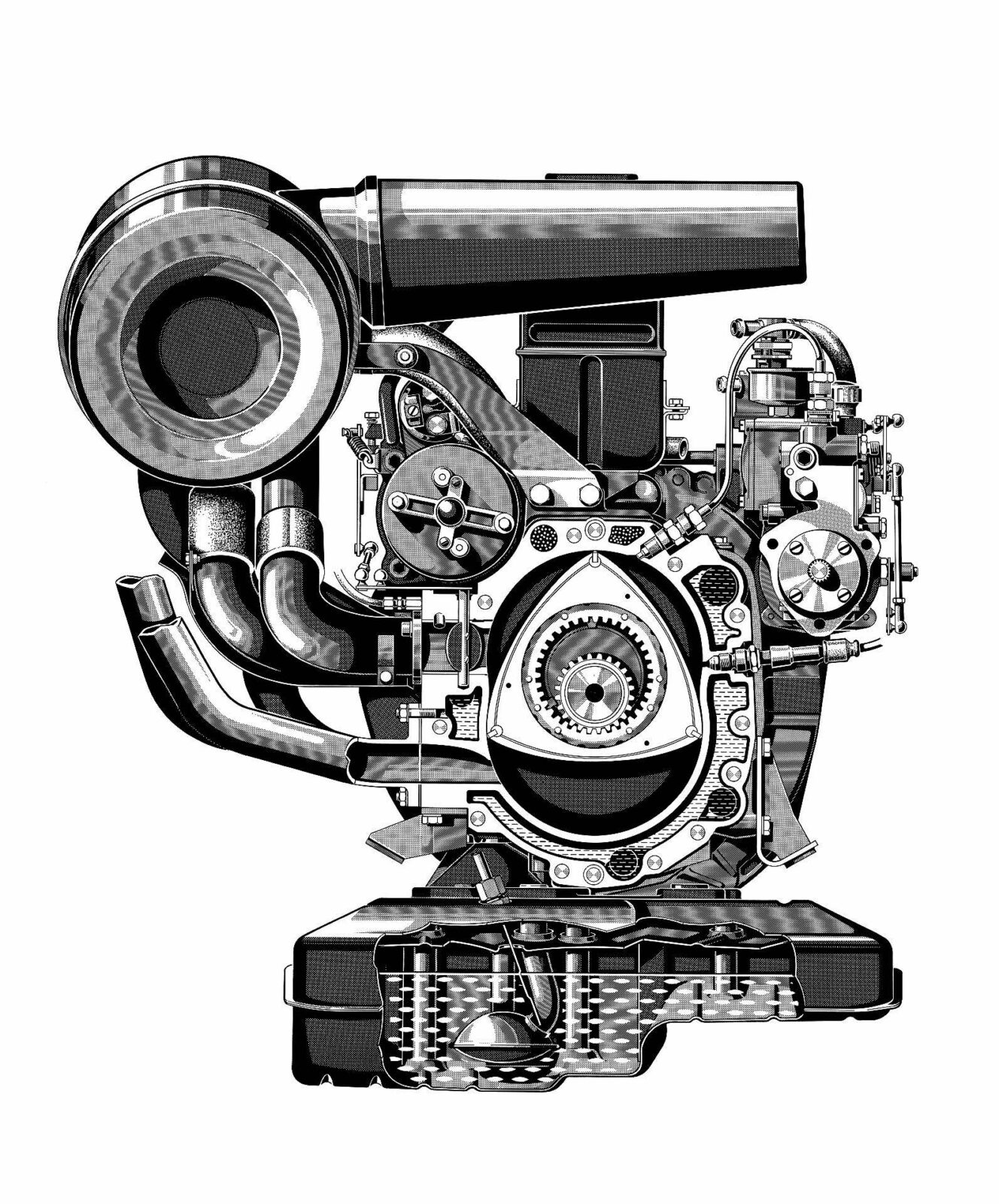
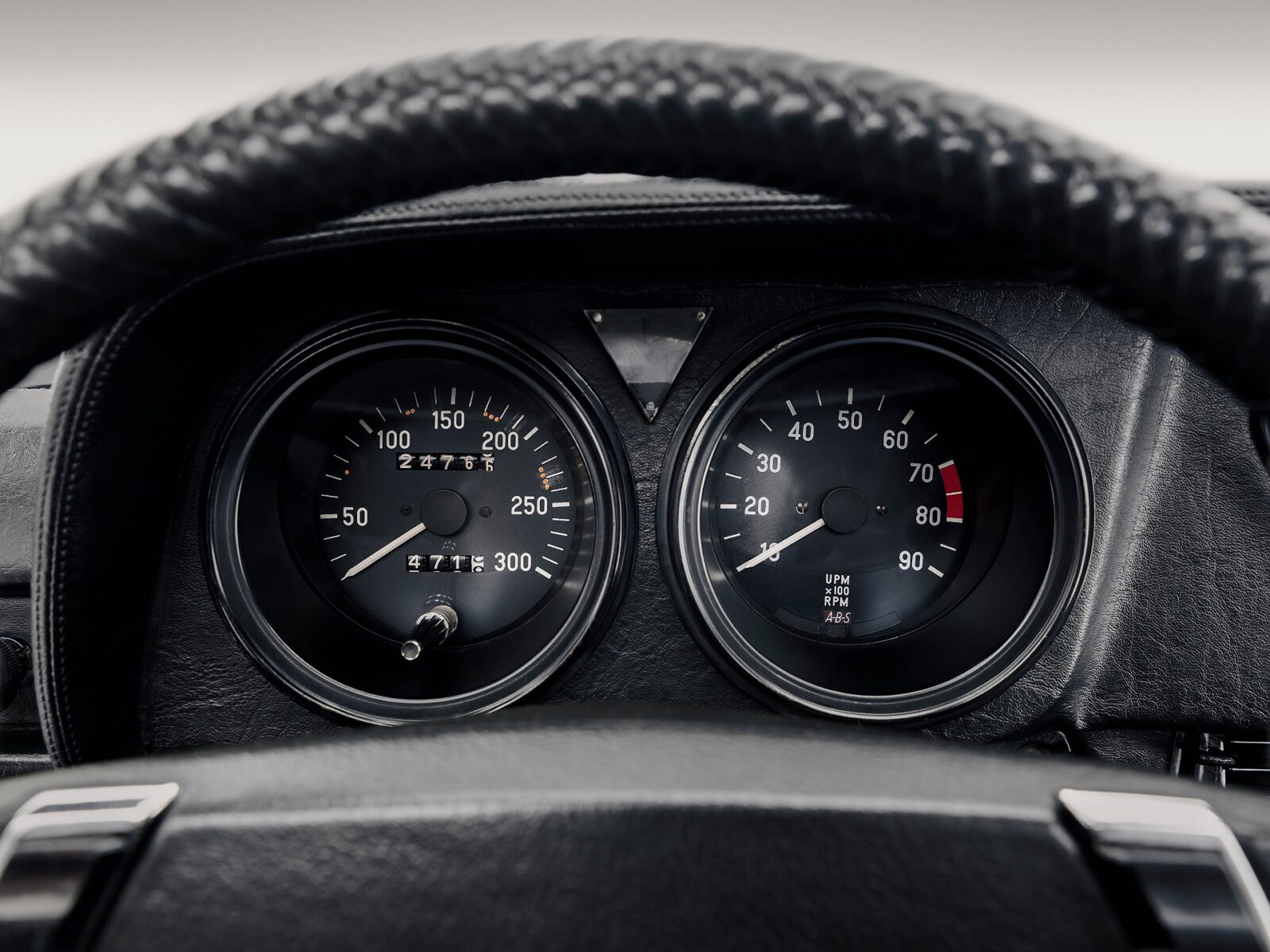
The C 111-II came next, having made its debut at the Geneva Motor Show in 1970. Both versions were powered by a Wankel engine, in which spinning triangular rotors take the place of the pistons, a choice that, at the time, was seen as the technology of the future. Powerful but also small, light and smooth, the motor allowed the C 111-II to reach 300 km/h and go from 0 to 100 km/h in 4.8 seconds.
According to Marcus Breitschwerdt, head of Mercedes-Benz Heritage, it is said that some people were so eager to buy one that they sent blank cheques to Stuttgart. New emissions rules, high production costs and, finally, the oil crisis of 1973kept the car from ever going on sale, and only 17 were built, 13 of which are still in the company’s collection.
Car 33
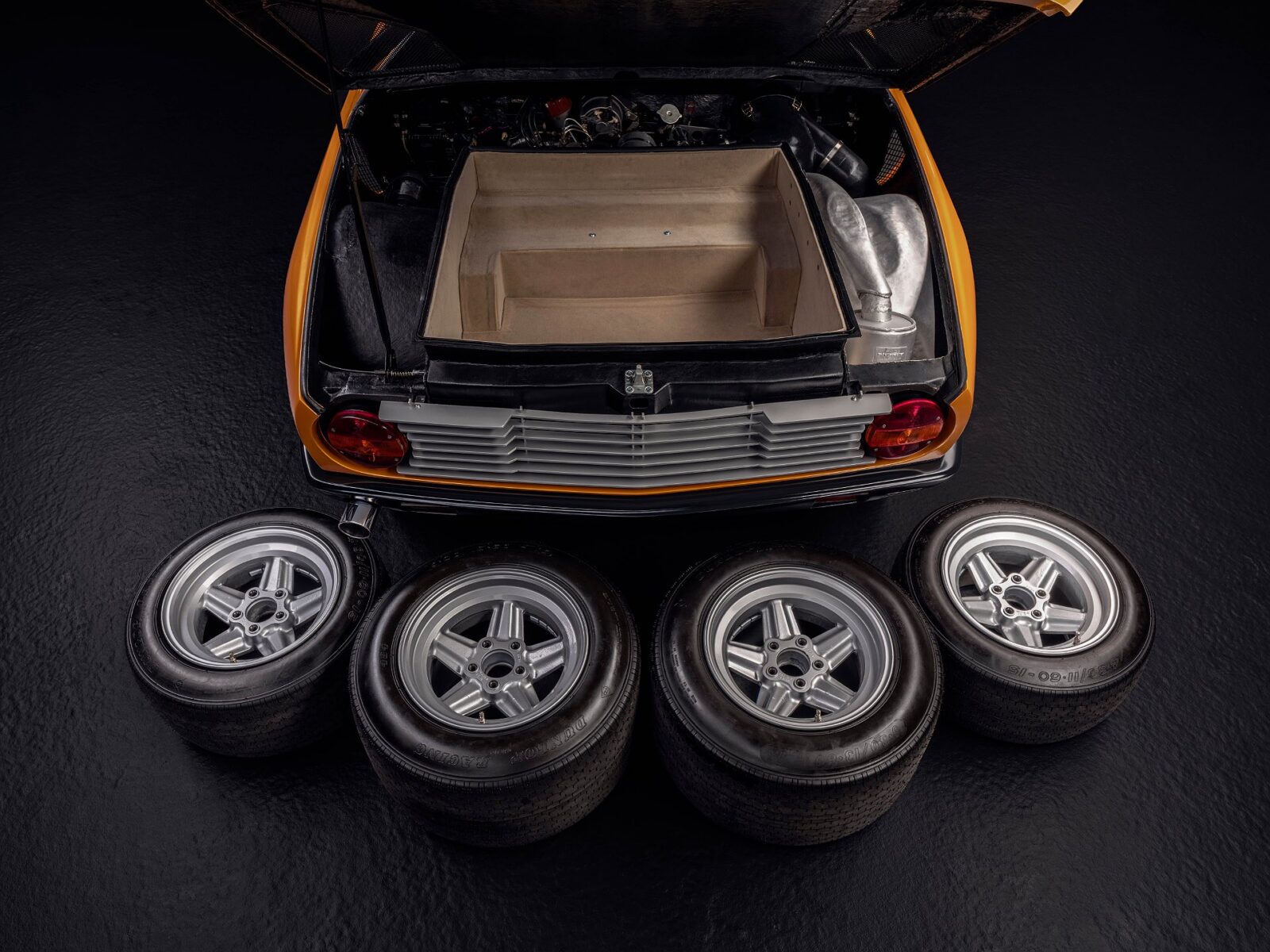
Car 33 is the third C 111-II in the company’s internal numbering, built in March of 1970 and given the four-rotor engine that August. It was painted in a colour Mercedes-Benz called “Weißherbst” (also the German name for a type of rosé wine) and had sports seats in a grey and white houndstooth pattern, a four-spoke safety steering wheel and a Becker Europa radio.
As part of the company’s test fleet, the car was used to try out a system that empties its two side fuel tanks evenly and to measure the temperature of the luggage space at the back. It was also driven on the Hockenheimring, a German racing circuit, and used to test an early version of ABS, the system that stops the wheels from locking when braking.
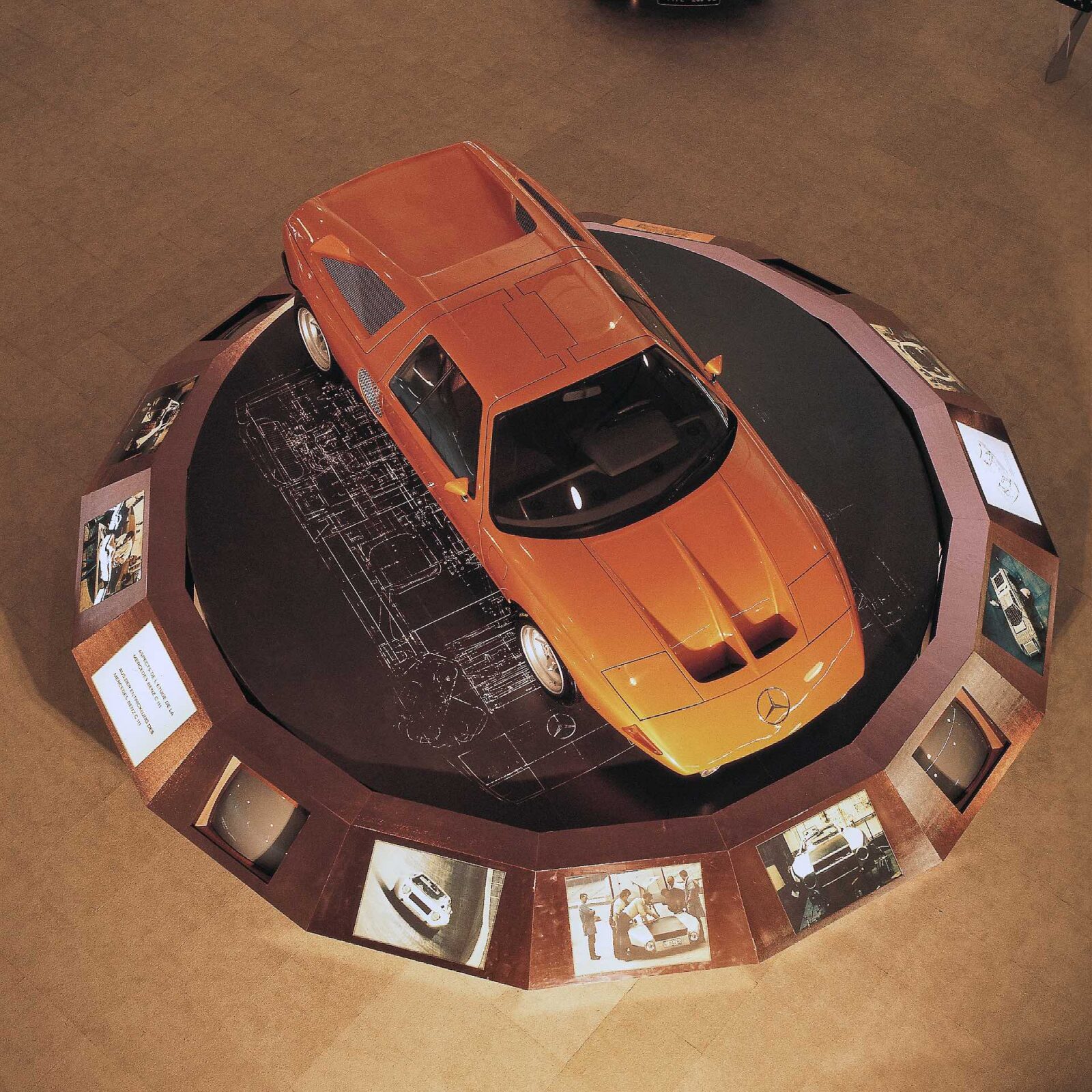
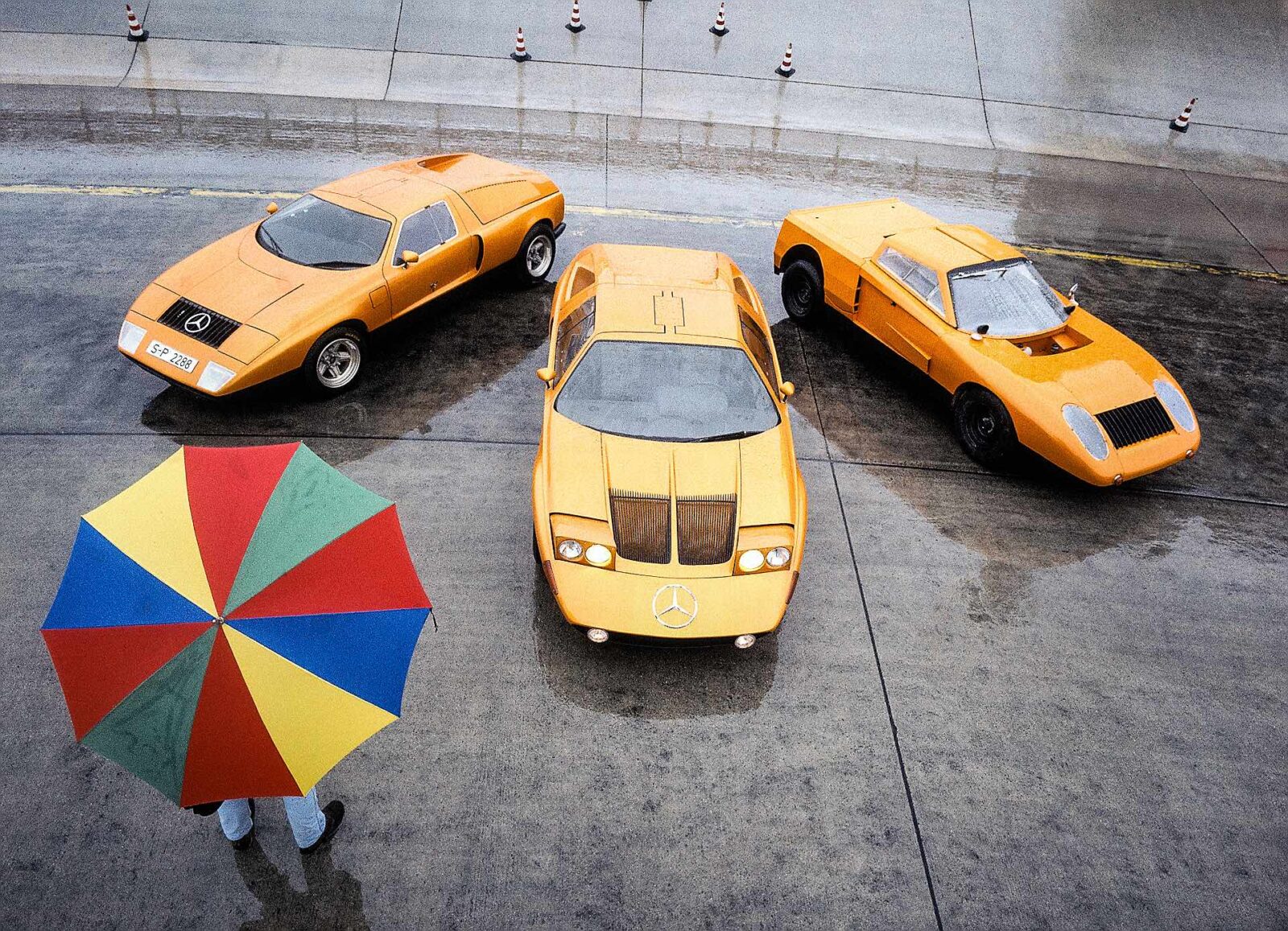
Car 33 had its moments in the spotlight, too. In 1971, the conductor Herbert von Karajan was shown the C 111 project with this very car, and, in 1972, it was at the centre of the first German issue of Playboy. It joined the company’s collection in 1975 and has been on display in the “Fascination Design” area of the Mercedes-Benz Museum since the museum opened in 2006.
In 2024, the Mercedes-Benz Classic Center in Fellbach made the car roadworthy again, overhauling its engine and adding a fire-extinguishing system. The original signs of wear on the outside and inside, however, were left on purpose. That same year, it was shown at the Pebble Beach Concours d’Elegance, a classic car show in California, amongst a selection of wedge-shaped concept cars and prototypes.
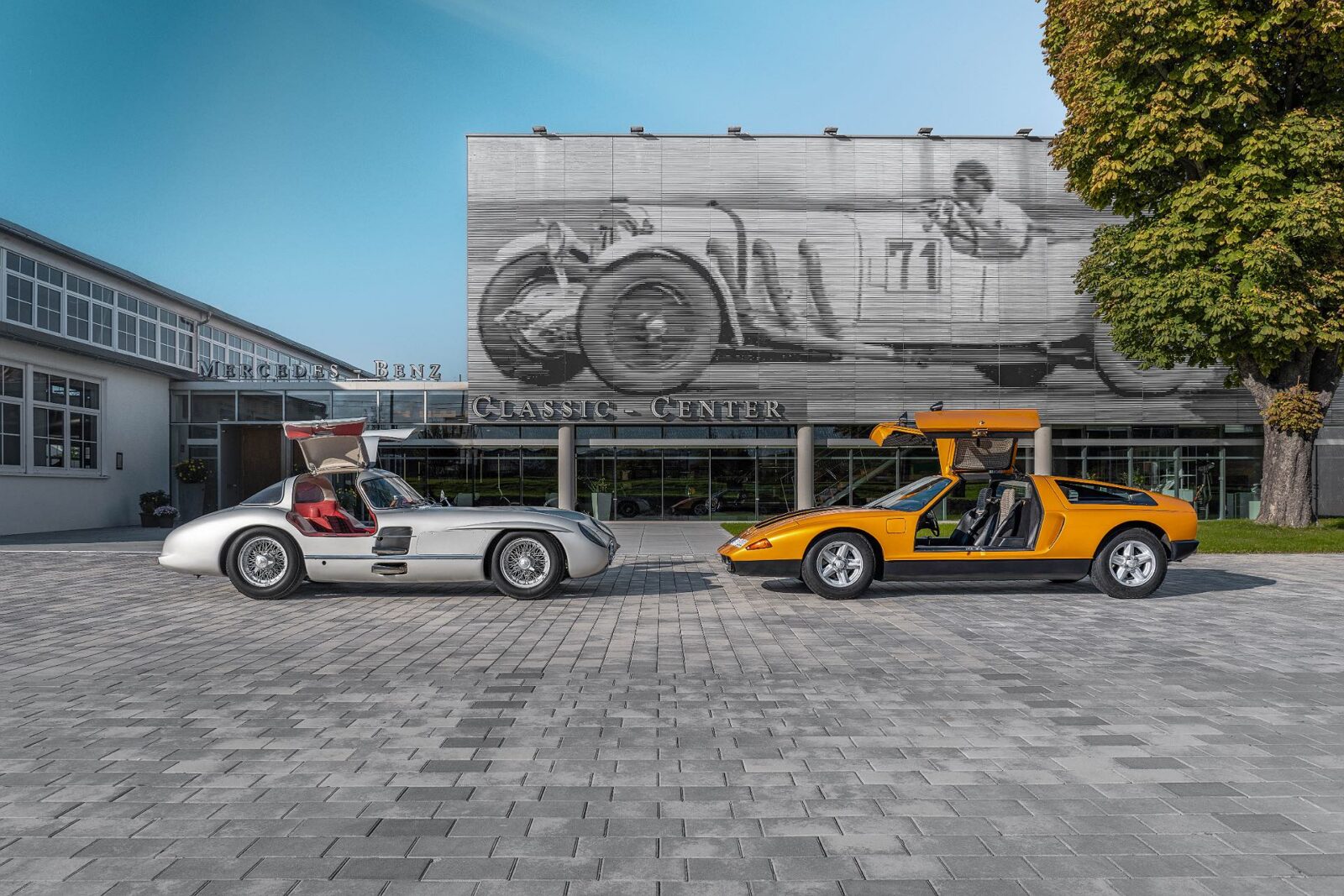
The money raised will go to “Mercedes-Benz Museum 2.0“, a project that aims to bring the brand’s history to future generations and to people all over the world. Its main part is a digital twin of the museum, with the first results expected in 2027.


