




Header: Marco Cappelletti
The heart of the Venice Biennale has transformed. Following a sixteen-month construction period that began in late 2024, the Central Pavilion at the Giardini della Biennale was presented this March. Funded by the Italian Government’s National Recovery and Resilience Plan, the 31 million euro investment has turned a fragmented historical building into a high-tech, flexible hub for international art.
Designed by a team including BUROMILAN, Labics, and Fabio Fumagalli, the project tidies up a century of additions. The result is a clear, easy-to-navigate space ready for the upcoming exhibition, In Minor Keys, curated by Koyo Kouoh.
Restoring order to the architectural organism
Over the decades, the Central Pavilion became a maze of different styles and extensions. The new design team treated the building like a living organism, stripping away awkward additions to find a logical flow.
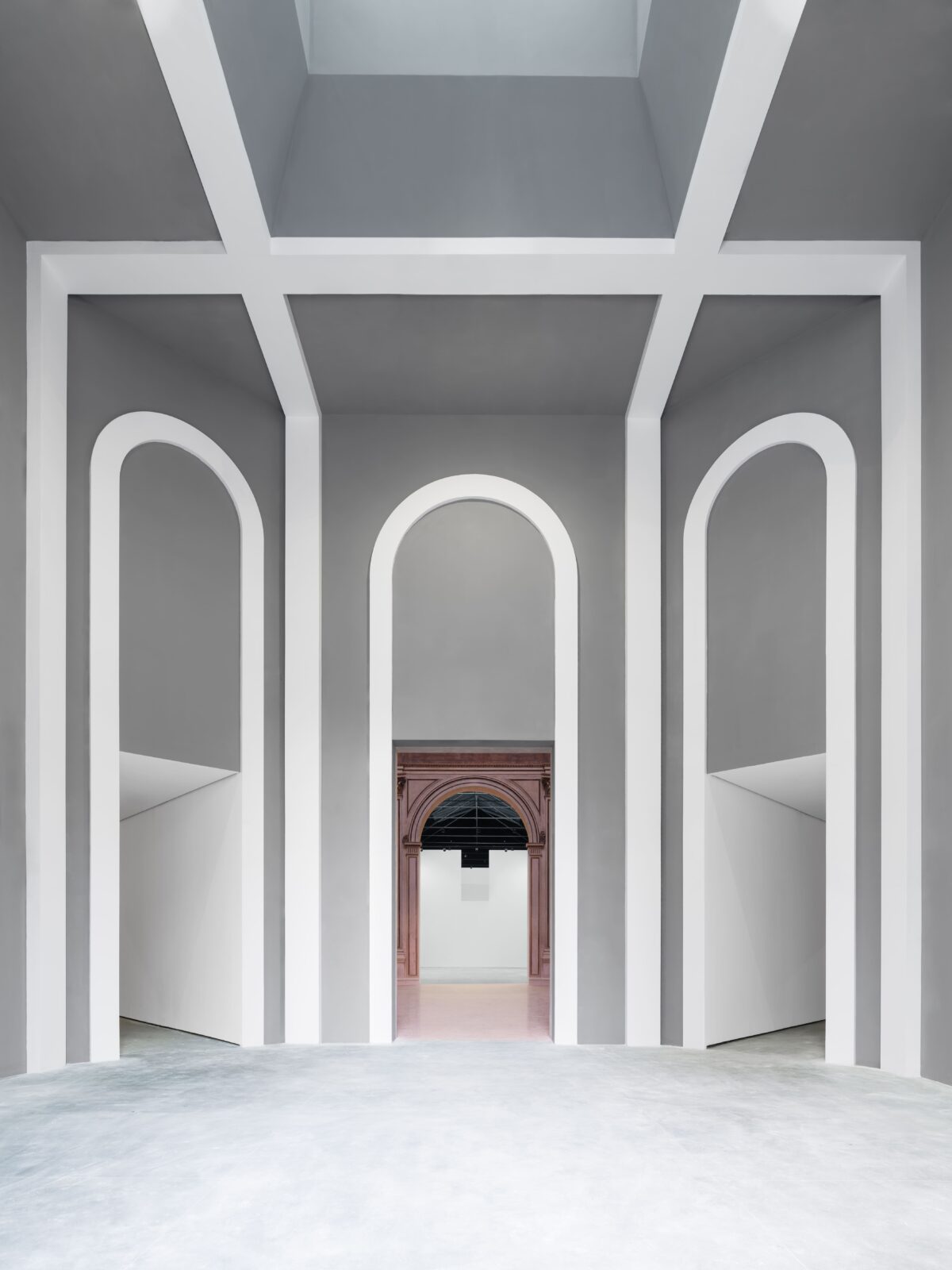
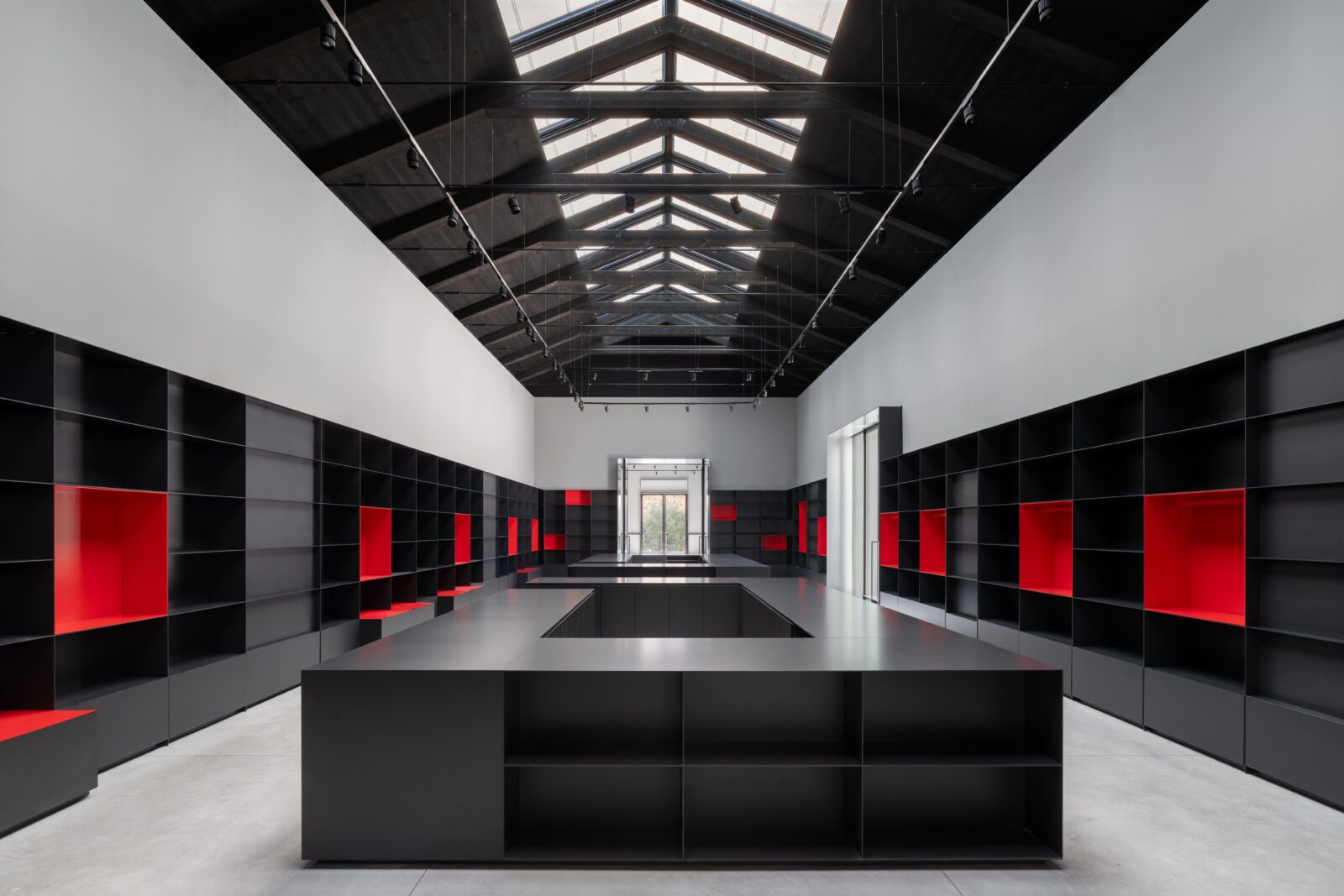
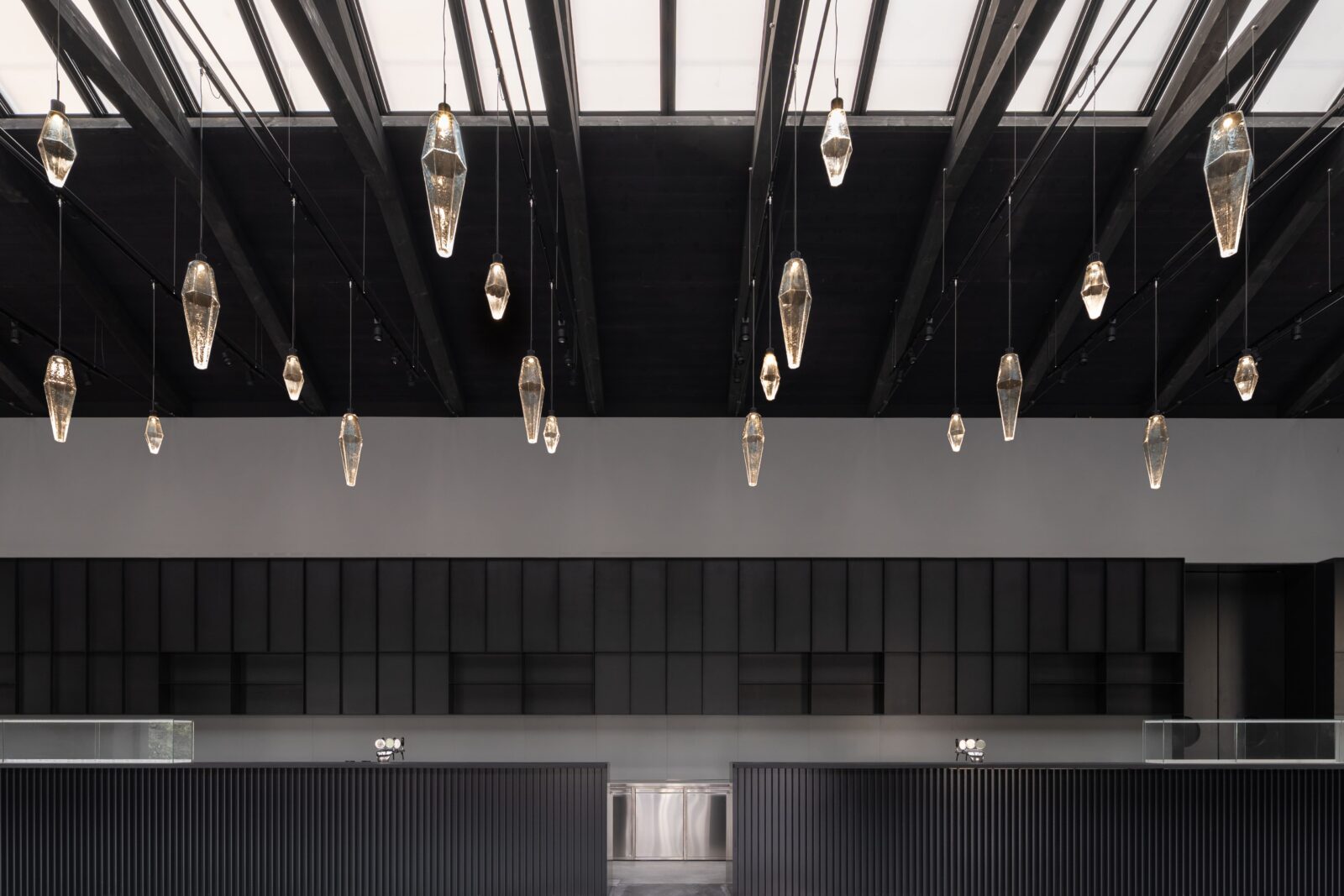
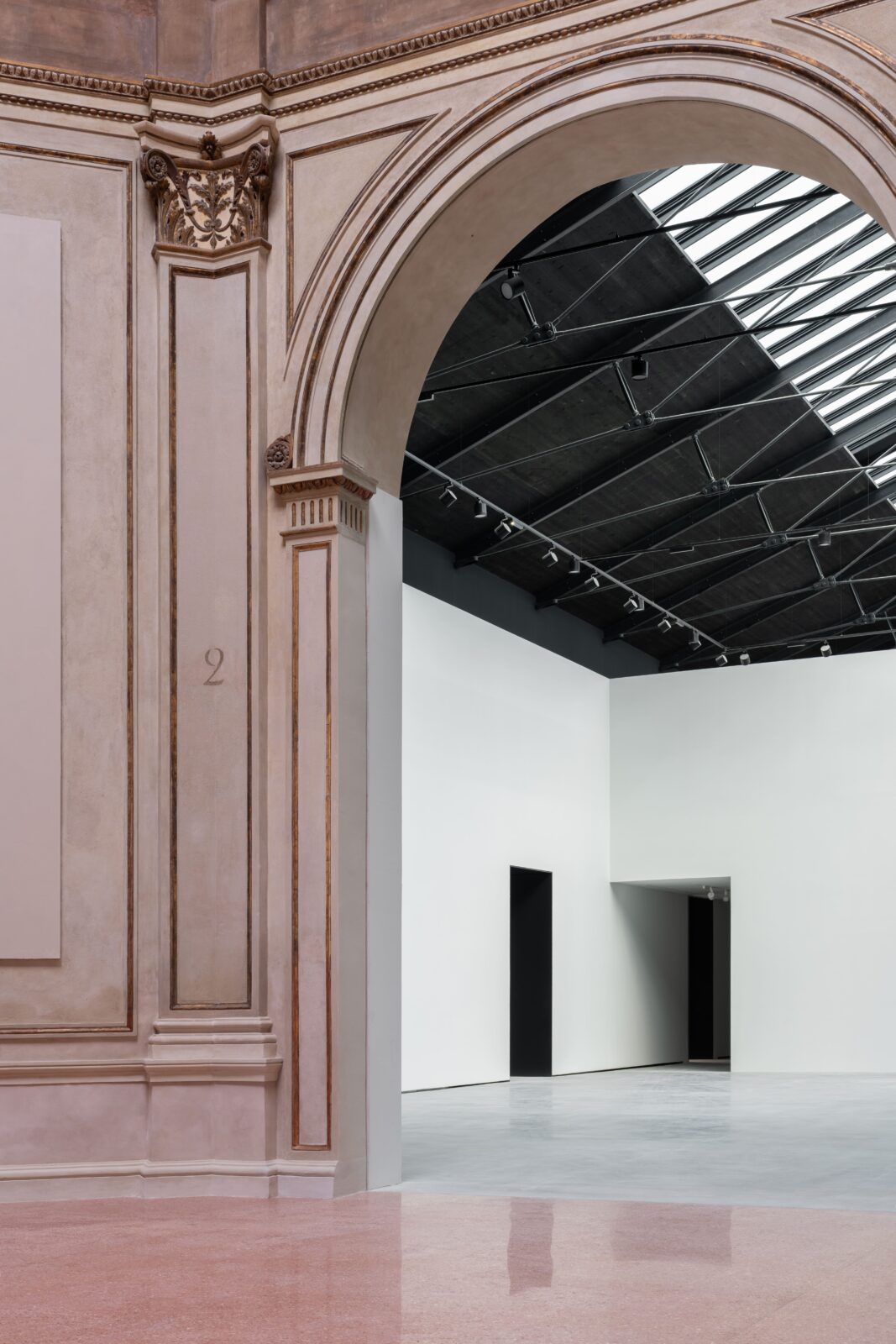
The Sala Chini now acts as the main starting point. From here, visitors can easily find their way into the exhibition halls or a new ring of public services. This layout keeps the “busy” parts of the building – the café, bookshop, and educational rooms – separate from the quiet art spaces. It is a move that prioritises how people actually move through the site during busy opening weeks.
White boxes and Scarpa details
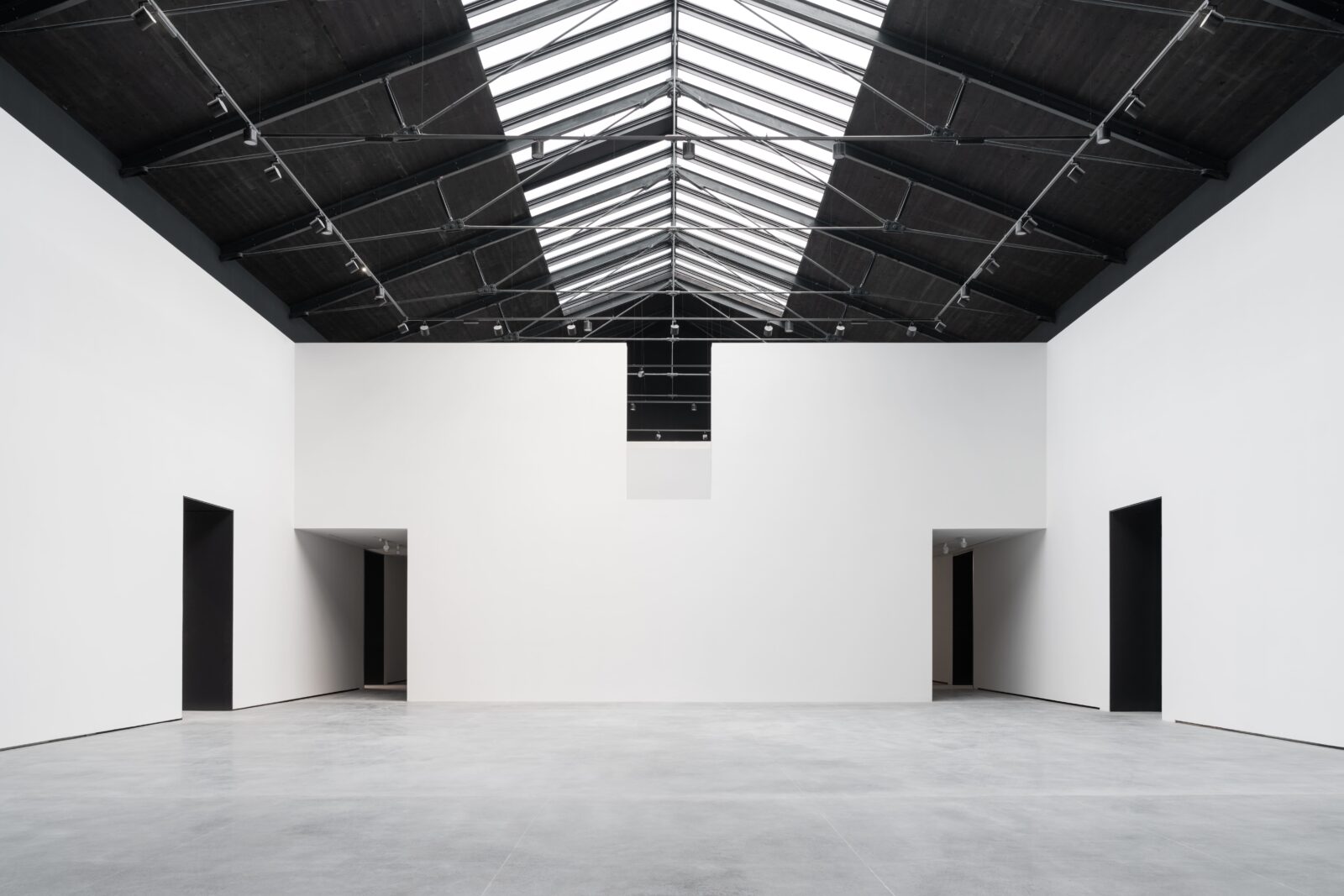
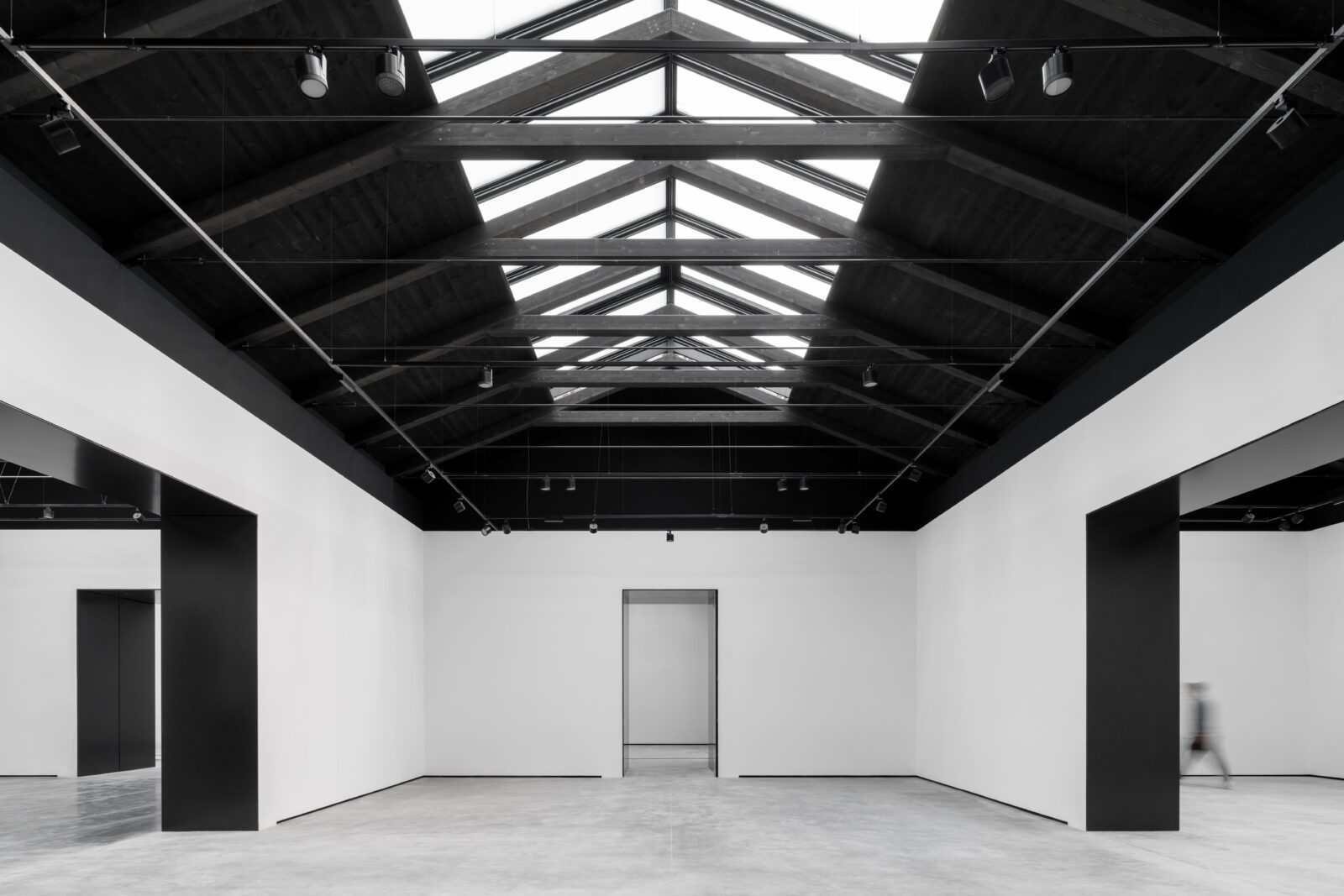
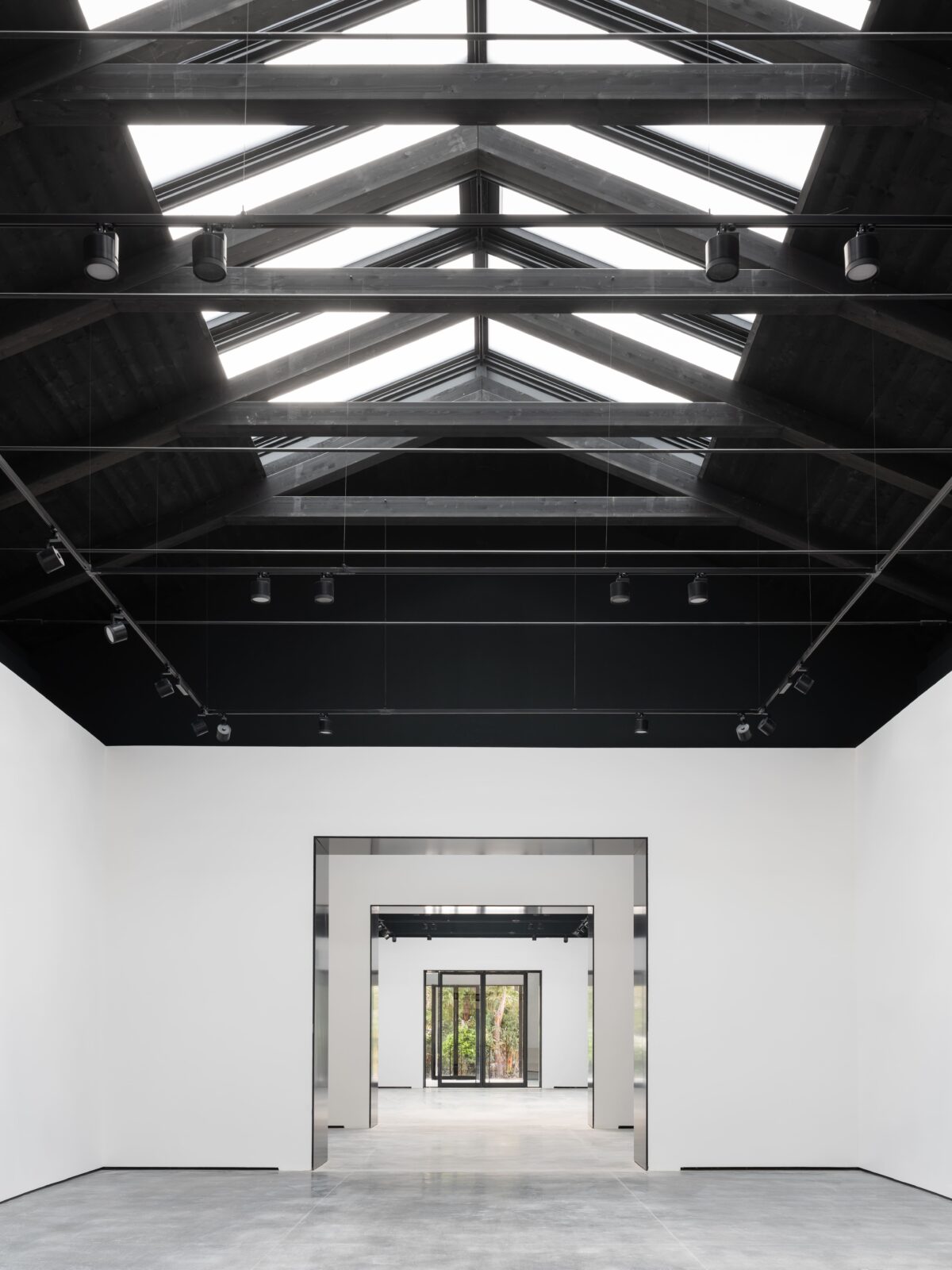
Inside the galleries, the focus is on neutrality. The rooms have been turned into “white boxes” where the walls are entirely free of clutter. To achieve this, the engineers hid all the wiring, heating, and cooling systems inside the building’s shell.
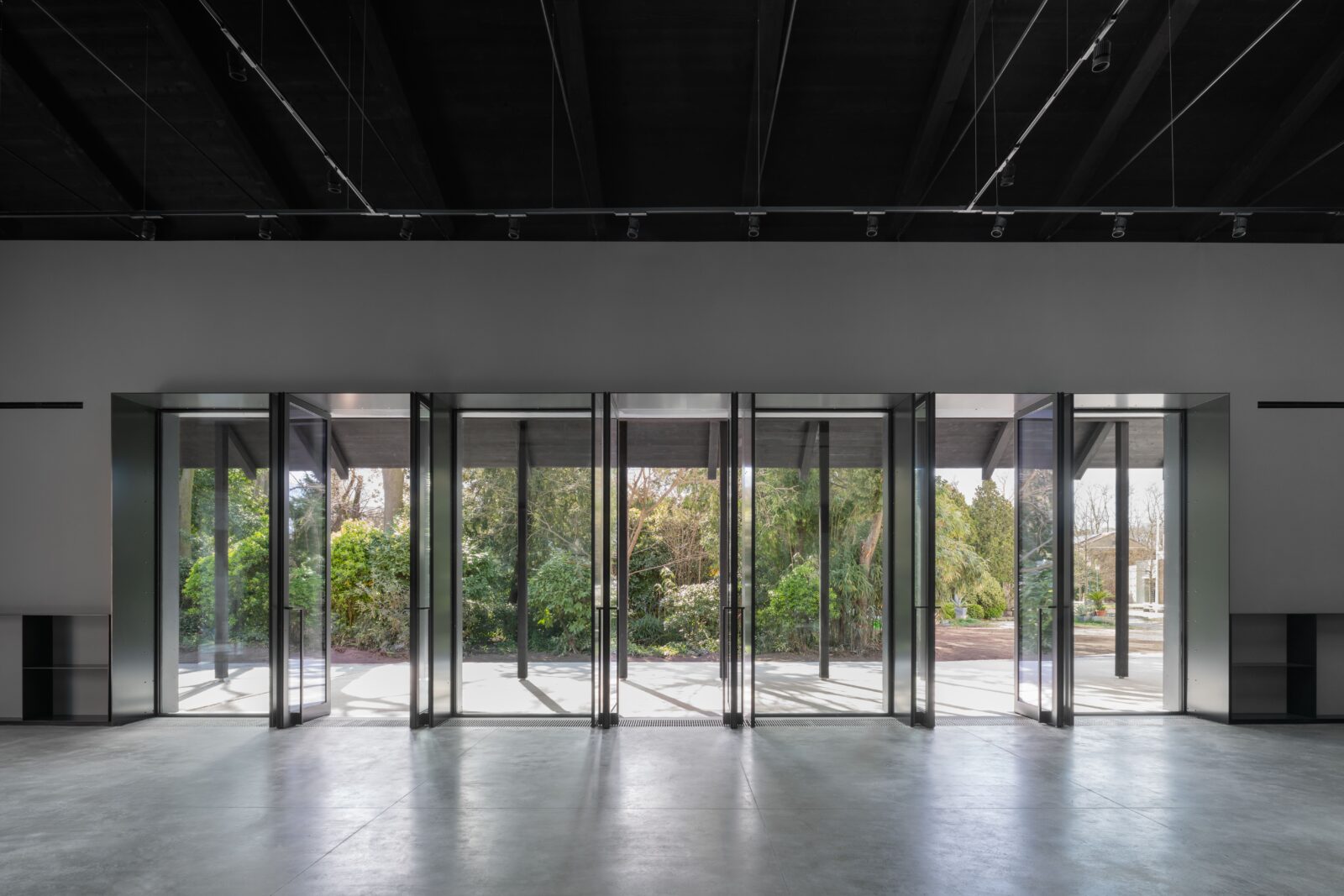
While the look is modern, history has not been ignored. The team carefully refurbished the window fixtures originally designed by Carlo Scarpa, putting them back into their rightful place. Additionally, the Sala Brenno del Giudice was rebuilt using the original 1928 floor plans for the café, and the old doorways leading out to the terrace along the canal have been opened up once again.
Venetian altane and sustainable tech
The most visible change to the skyline is the addition of two altane. These are slender outdoor terraces inspired by traditional Venetian rooftops. Built using charred laminated wood and X-LAM panels, these structures offer a place for visitors to step outside and look over the Giardini without the heavy look of traditional stone or brick.
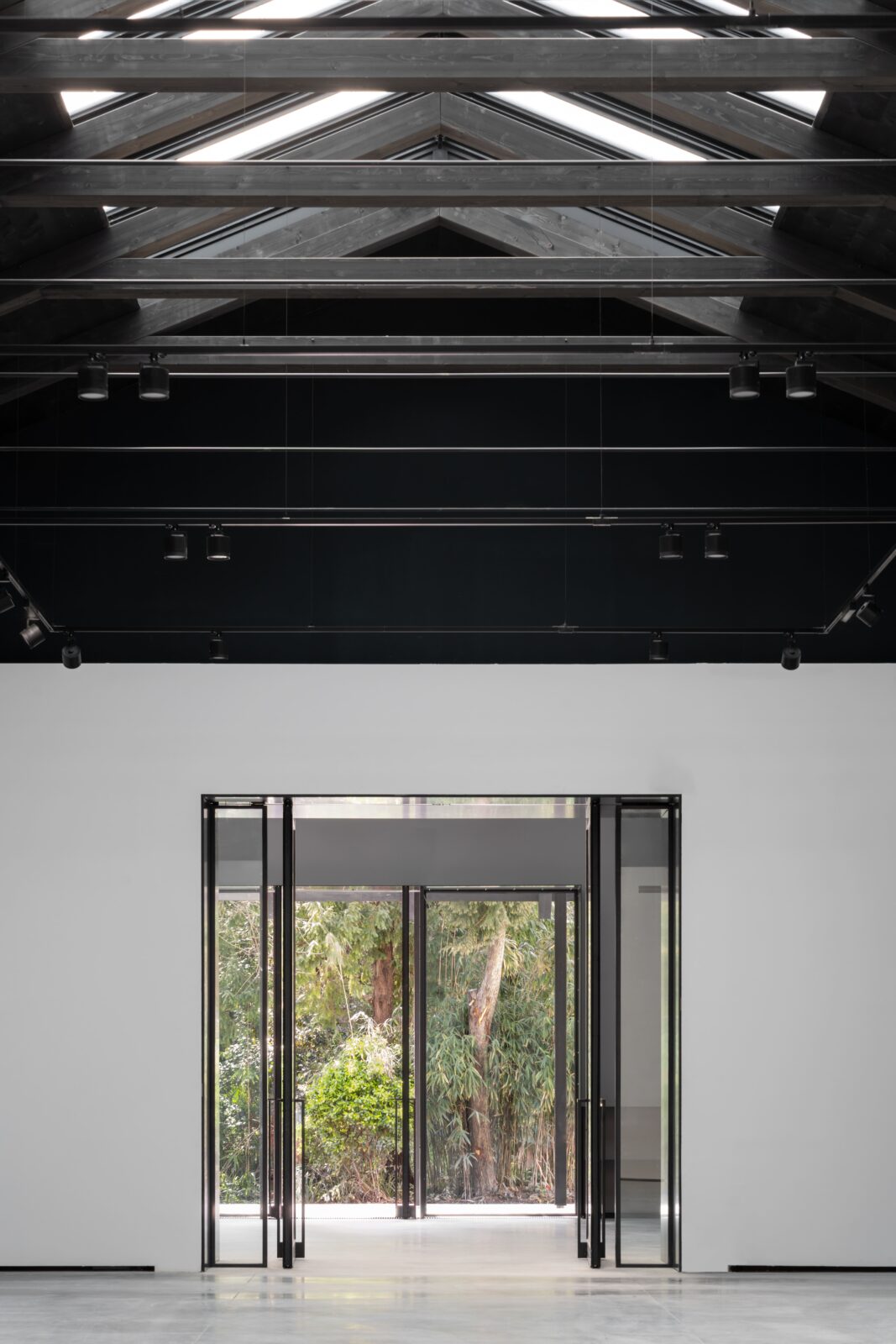
The roof itself is now a power plant. New skylights use photovoltaic glass to catch the sun and turn it into electricity, while also diffusing natural light so it hits the art evenly. The building even features motorised shades for total blackouts and opening modules for natural airflow. Because of these smart choices, the project is on track to receive LEED Gold certification, a high standard for green building.
A new chapter for the Giardini
The Central Pavilion has come a long way since its days as the Palazzo Pro Arte in 1895. What started as a small exhibition hall has grown into a 5,450 square metre powerhouse. This renovation shows that old buildings don’t have to stay stuck in the past; they can be updated to meet the tough demands of modern global art shows while still respecting the ghosts of architects like Scarpa and Giò Ponti.


