Header: Joanah Lee Villanueva
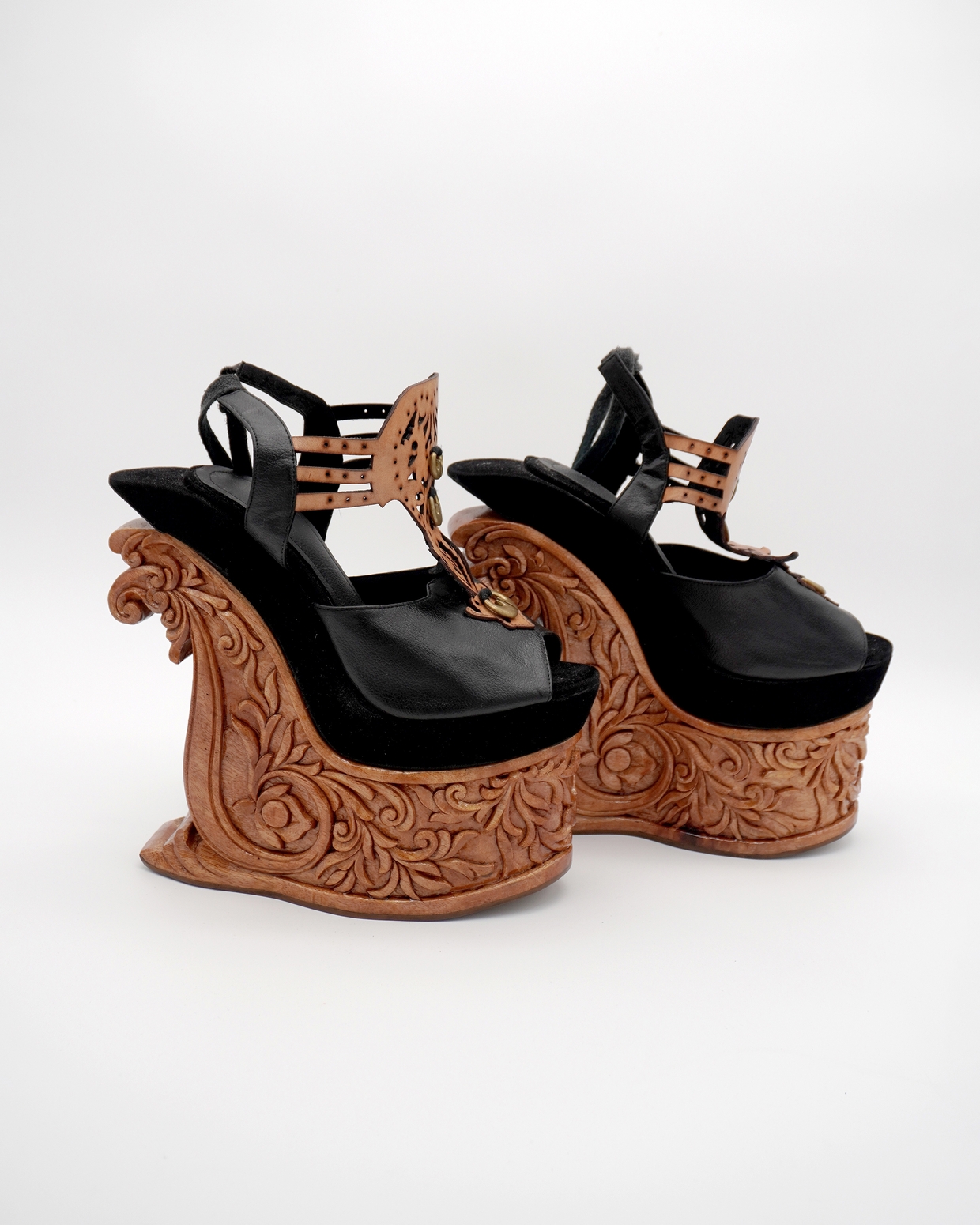
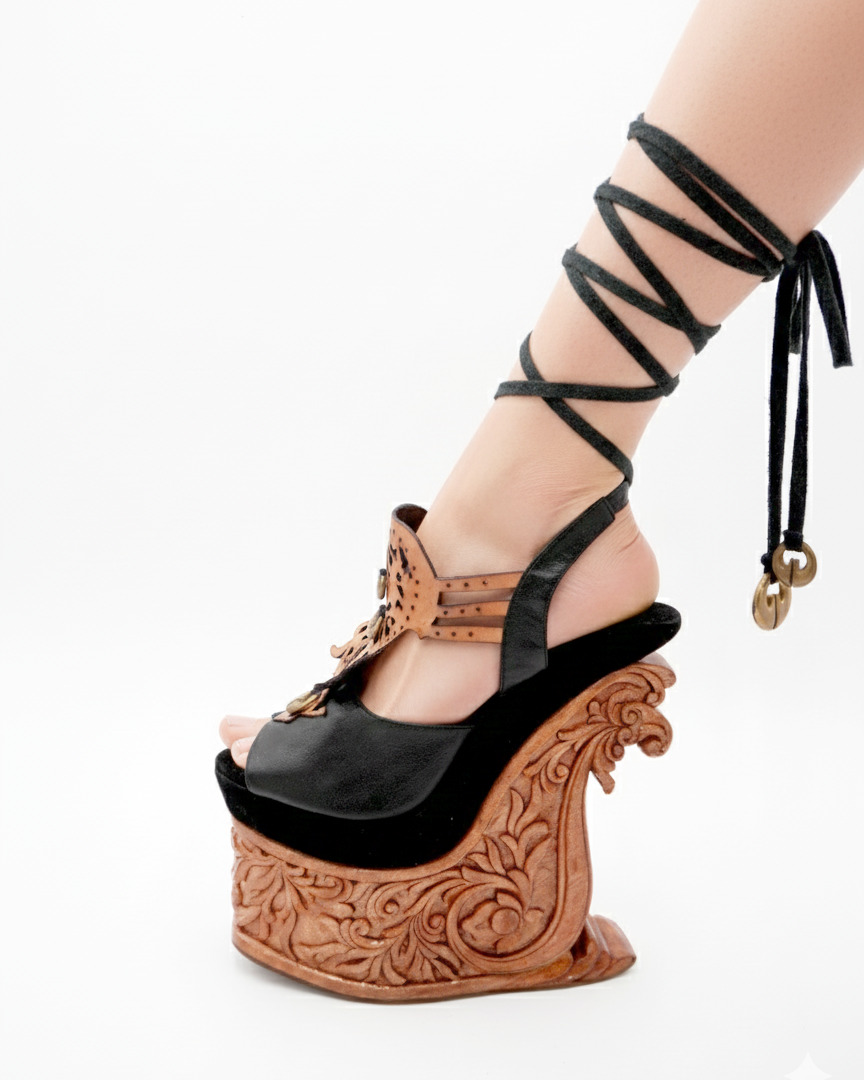
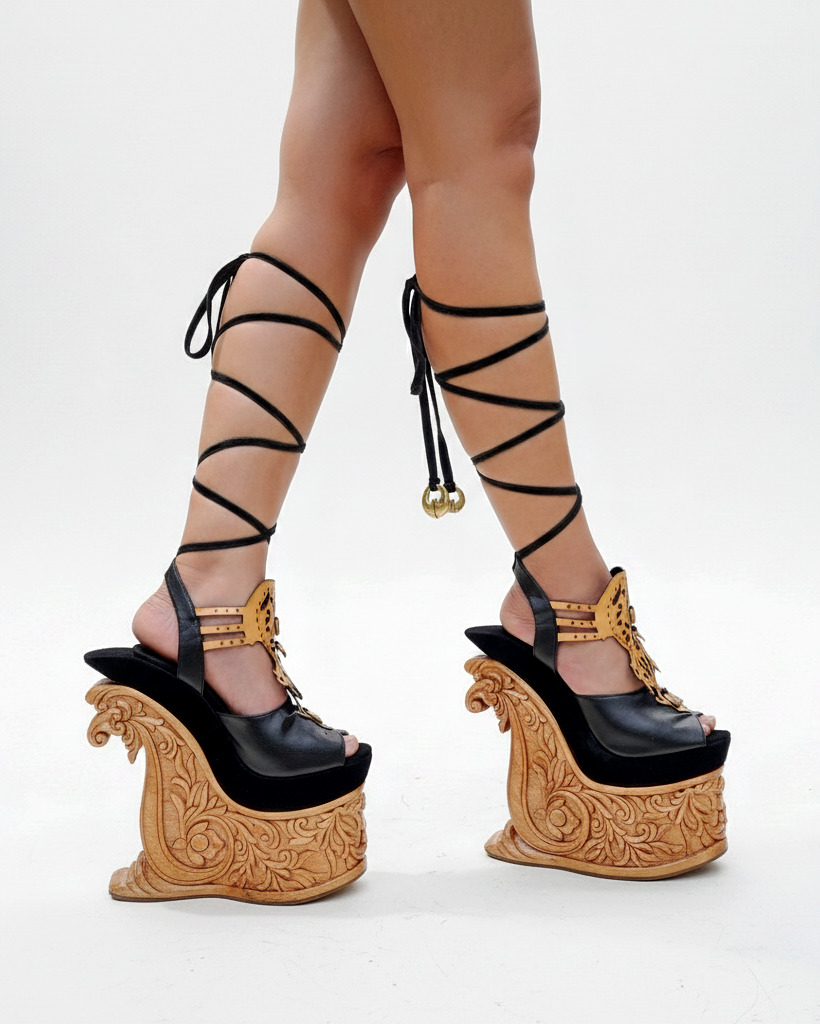
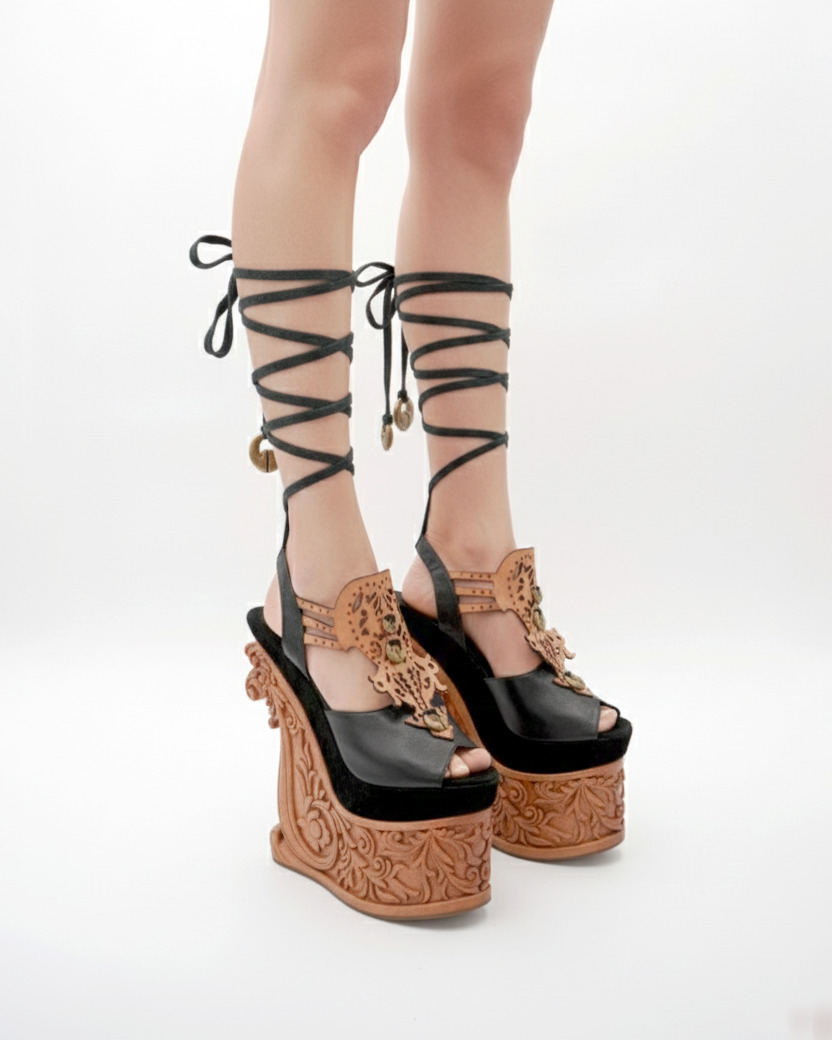
When Joanah Lee Villanueva set out to create her latest work, she wasn’t just thinking about fashion. She was looking at the thousands of islands that make up the Philippines and wondering how to pack all that history into a single pair of shoes. Her project, Kaibahan, does exactly that by picking up bits and pieces of local life – from the way wood is carved in Paete to the legendary shoemaking skills found in Marikina. It is a bold move that has clearly paid off, as she recently took home the Independent Footwear Designer of the Year 2025 award at the Global Footwear Awards.
Winning at the GFA has put a bright spotlight on how Joanah works, specifically through her brand, ALUNSINAG. She doesn’t just sketch a floor plan for a shoe and hand it over; she spends her time in workshops, talking to the people who actually know the materials best. Using things like recycled brass and pineapple waste, she proves that high-end design can come from everyday surroundings. In this chat, Joanah talks about the long hours spent getting the details right, the weight of representing her home country on the world stage, and why she believes the best designs happen when you actually listen to the makers.
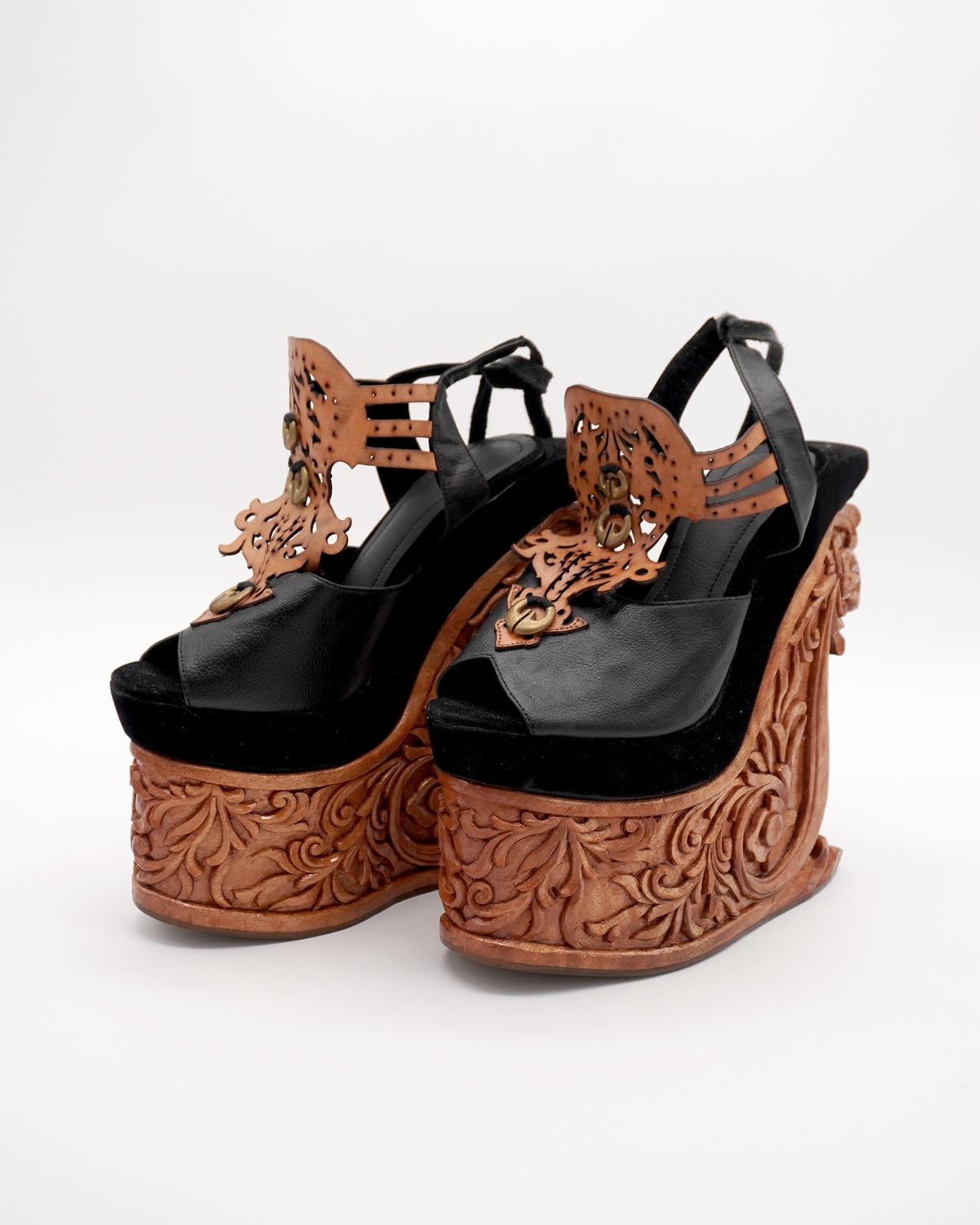
Kaibahan brings together motifs, materials, and techniques from across the Philippines. How was the idea born?
The idea for Kaibahan came from reflecting on how incredibly diverse the Philippines is. With more than 7,000 islands, each community carries its own visual language, techniques, and stories that have been passed down through generations. I wanted to create a piece that celebrates that diversity while also showing how these traditions can come together in one design.
The word itself carries two meanings. In Tagalog, kaibahán speaks about diversity, while in Bisaya, kaibâhan means someone or something you are with. That dual meaning became the guiding concept for the project. It allowed me to explore how different cultural expressions across the Philippines can coexist and create something new while still honouring where they come from.
You work closely with local artisans, from Paete’s carvers to Marikina’s shoemakers. Did the collaboration shape the final design in ways you could not have planned alone?
Absolutely. Collaboration played a huge role in shaping the final piece. When you work with artisans who have spent years mastering their craft, the design becomes a conversation rather than a fixed plan. The carvers from Paete and the shoemakers from Marikina brought their own insights into what was possible with the materials and techniques. Certain details evolved naturally through that process. In many ways, the final form of Kaibahan is something that could only happen through shared knowledge, patience, and trust between a designer and an artisan.
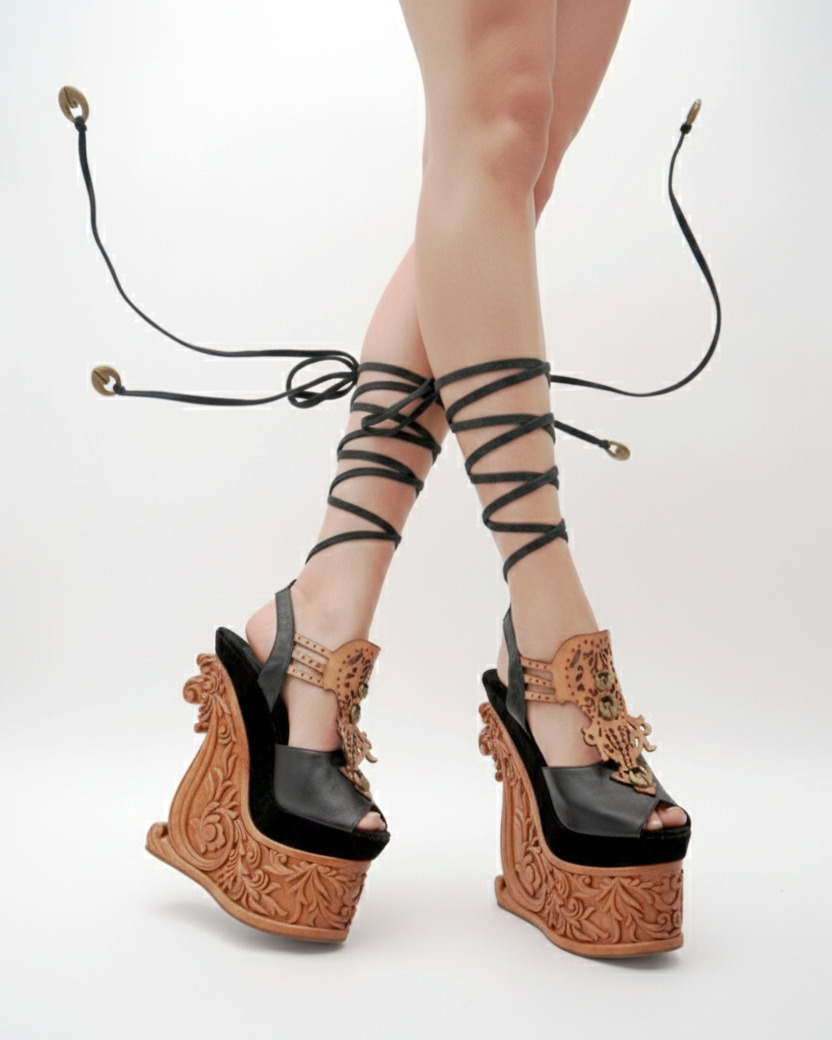
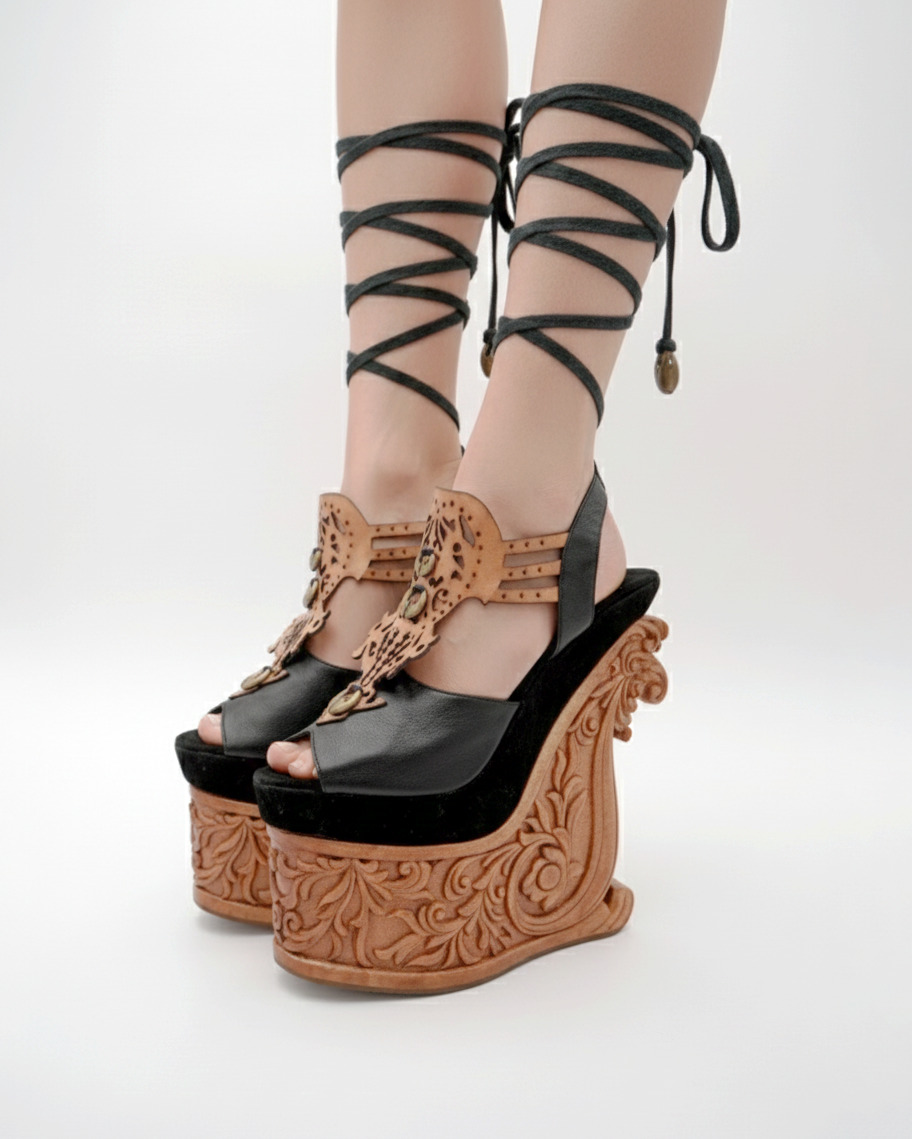
Materials like Santol wood, pineapple leather, and recycled brass are deeply symbolic. Did storytelling play a role in your material choices, beyond sustainability or aesthetics?
Storytelling played an important role in choosing the materials. I wanted each element of the piece to carry meaning and reflect something about Filipino culture and ingenuity. Santol wood was selected because it is lightweight yet still suitable for carving. This made it possible to create something that functions both as an art piece and a wearable design.
The pineapple elements were inspired by earlier work I did exploring pineapple-based materials and other agricultural discards. That experience showed me how resources that are part of everyday Filipino life can also become innovative design materials. The Lingling-o made from recycled brass references a traditional form of adornment associated with fertility, balance, and protection. Incorporating it into the design was a way of honouring heritage while showing how these symbols can continue to evolve. So, the materials were not just selected for sustainability or visual impact. They help communicate the larger story of culture, craft, and resourcefulness.
Independent design often means navigating limited resources while holding strong creative values. What part of the process required the most persistence or sacrifice?
The most challenging part was balancing experimentation with practicality. When you are working with unconventional materials and collaborating across different crafts, there is a lot of trial and error. As an independent designer, resources are always something you have to consider. But I felt strongly about staying true to the concept and the cultural references behind the piece. That meant taking more time to test materials, refine the structure, and ensure the design respected the traditions it was inspired by. It required patience, but it was also one of the most meaningful parts of the process.
Receiving the Independent Footwear Designer of the Year award at the Global Footwear Awards 2025 is a powerful moment. What does this recognition mean for Filipino design on an international level?
Receiving this recognition from the Global Footwear Awards is deeply meaningful, not only for me but also for Filipino design. The Philippines has an incredible wealth of craftsmanship and creative talent that deserves to be seen on a global stage. Awards like this help bring attention to the stories, skills, and traditions behind our work. I hope it encourages more people to discover Filipino designers and artisans, and to see how our cultural heritage can contribute something unique to the international design conversation.
Cultural references are often reduced to surface decoration. How do you navigate the line between inspiration and appropriation?
For me, it begins with a lot of research and respect. Understanding the meaning behind patterns, symbols, and materials is very important before incorporating them into a design. I also believe in acknowledging where these influences come from and working with artisans and communities whenever possible. That collaboration helps ensure that the design process remains rooted in appreciation rather than extraction. Design has the power to celebrate culture, but it also carries the responsibility to represent it thoughtfully.
As ALUNSINAG grows, how do you imagine evolving the brand while protecting the intimacy and cultural integrity at its core?
Growth for ALUNSINAG is something I see as evolving thoughtfully rather than expanding quickly. The brand was built on collaboration with artisans and a deep respect for Filipino craft traditions, and I want that to remain at the centre. As the brand continues to grow, the goal is to keep exploring new ideas and materials while still working closely with local makers. Protecting that relationship with culture and community is what gives the brand its meaning. If we can grow while staying grounded in those values, then the stories behind the work will continue to feel authentic.