




Header: Courtesy of Han Gao
The American retail landscape is changing as a new wave of Asian-founded brands moves in, bringing a fresh perspective on how we spend our downtime. One of the designers leading this shift is Han Gao, an architect who grew up in China and studied at the University of Pennsylvania. She uses ideas like Zen stillness and the flowing lines of calligraphy to build spaces that feel deep and meaningful. Her work on AOKO MATCHA in New York and BUJIO CAFE in Los Angeles shows how she turns traditional philosophies into modern places where people actually want to spend their time.
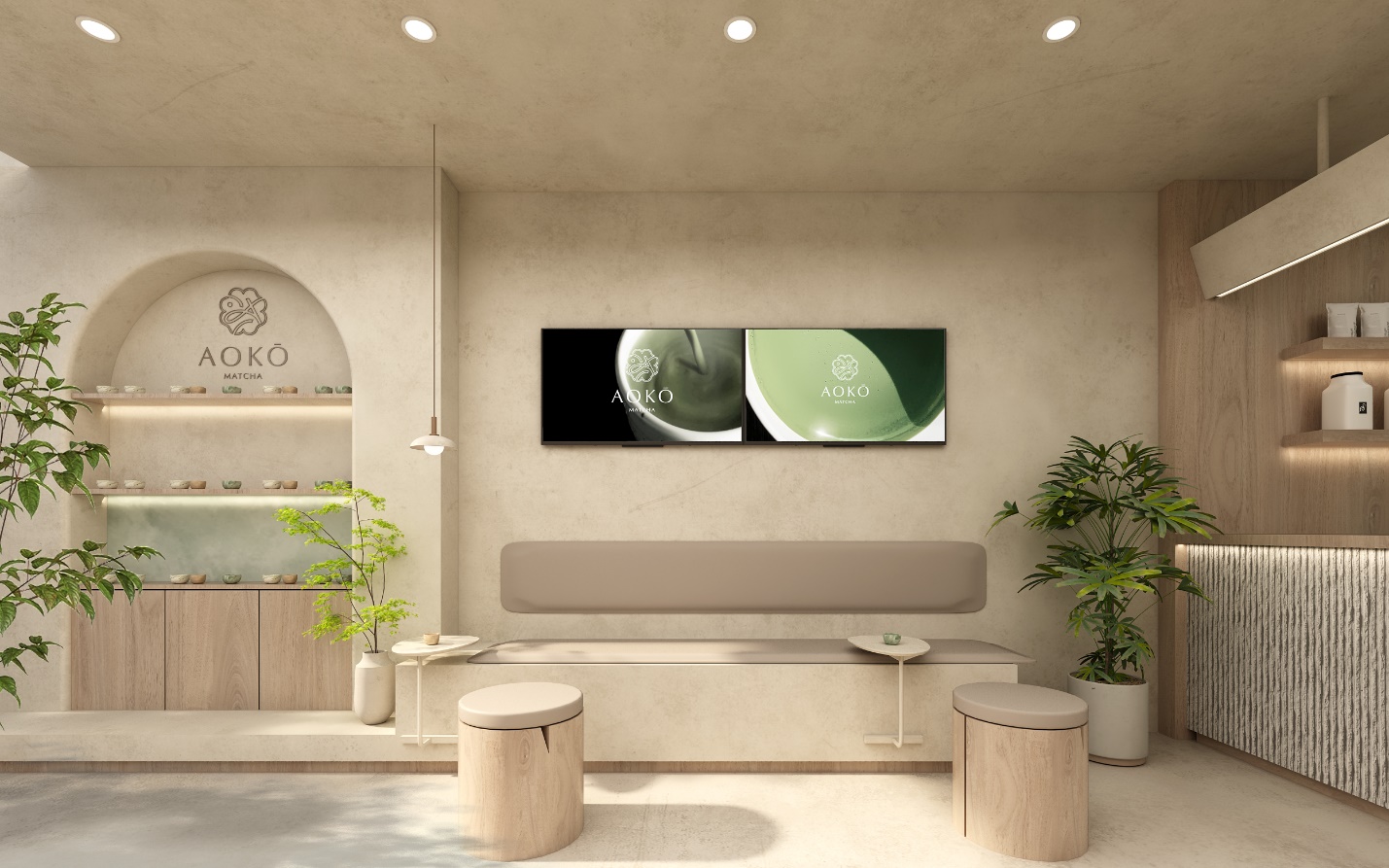
A quiet corner of Brooklyn at AOKO MATCHA
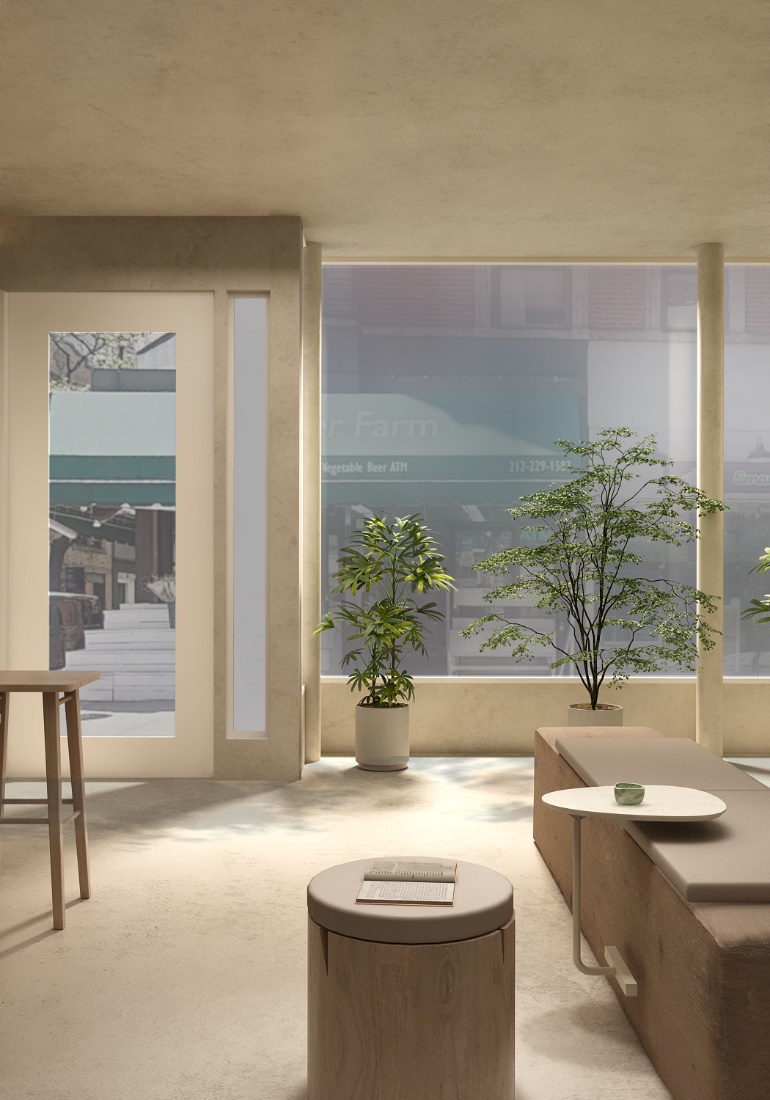
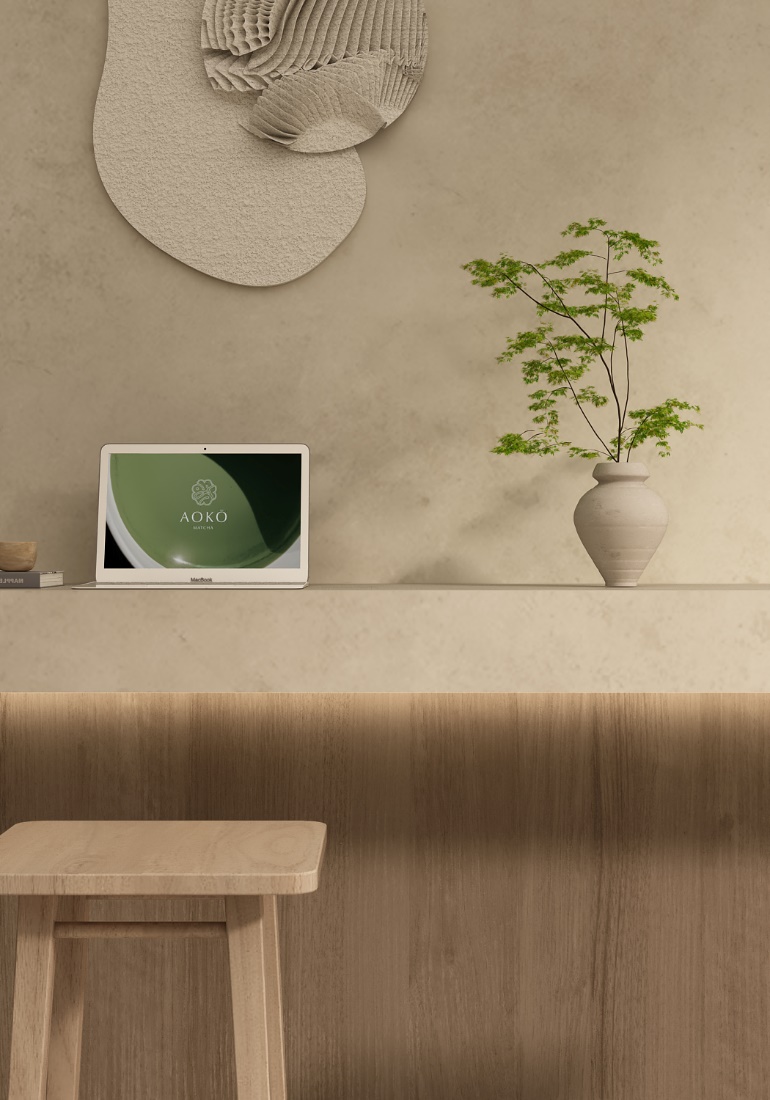
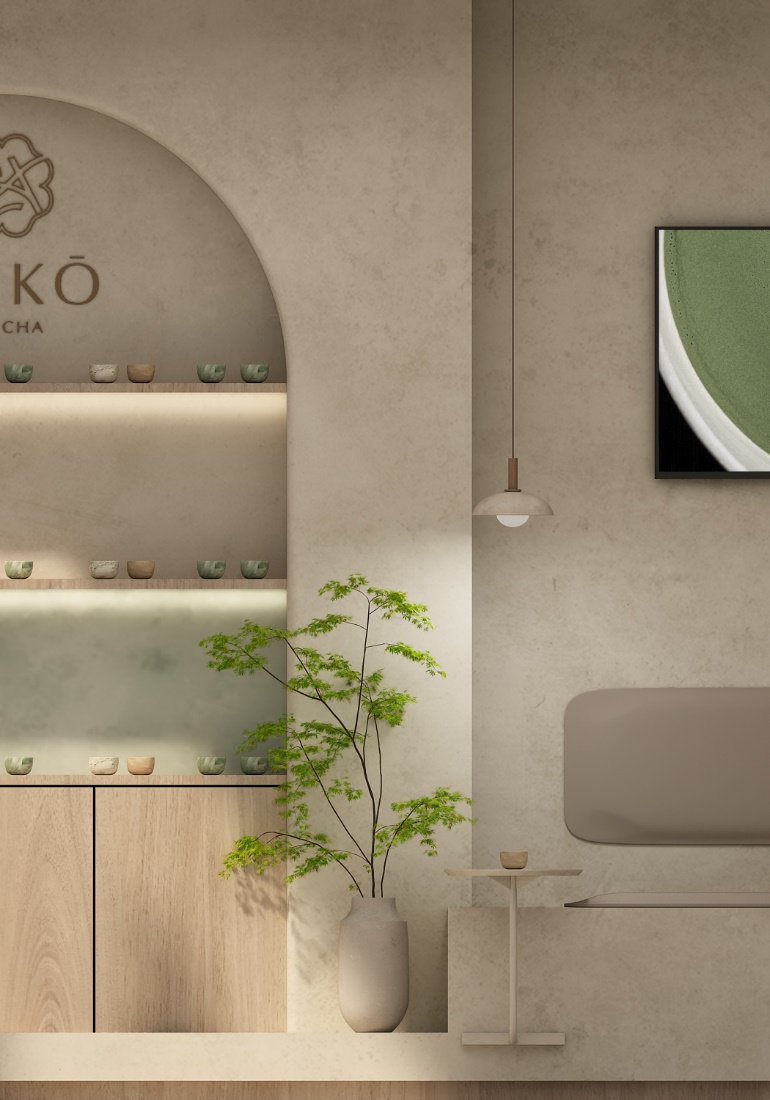
In the middle of Brooklyn’s old industrial buildings, AOKO MATCHA stands out as a place to slow down. Gao wanted the café to feel like a “quiet interruption” to the city’s fast pace. To do this, she moved away from the cold, hard surfaces often found in urban cafés. Instead, she covered the walls in warm beige terracotta tiles. These earthy blocks give the room a grounded, natural feel that makes people want to linger.
Small details across the place point back to the matcha itself. Green ceramic tiles and light-coloured wood mimic the bright, fresh look of the tea powder. Gao also used soft, curved arches to divide the small space. These shapes add a sense of mystery and depth, much like the different layers of flavour you find in a high-quality cup of tea. The seating includes long wooden benches with bits of tatami matting, a nod to traditional Japanese tea rooms that fit easily into a modern Brooklyn setting. This clever design earned the project a Silver Award at the NY Architectural Design competition, proving that a simple, clear idea can have a massive impact.
Mythical mountains and metal at BUJIO CAFE
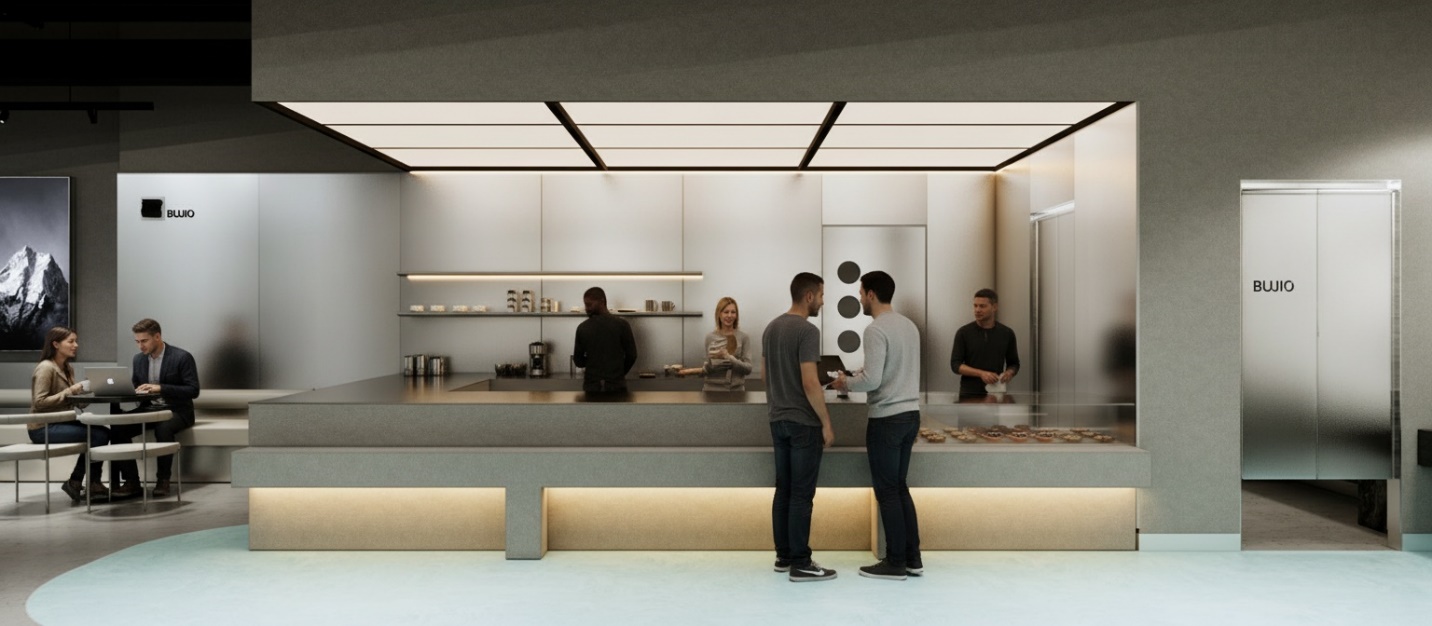
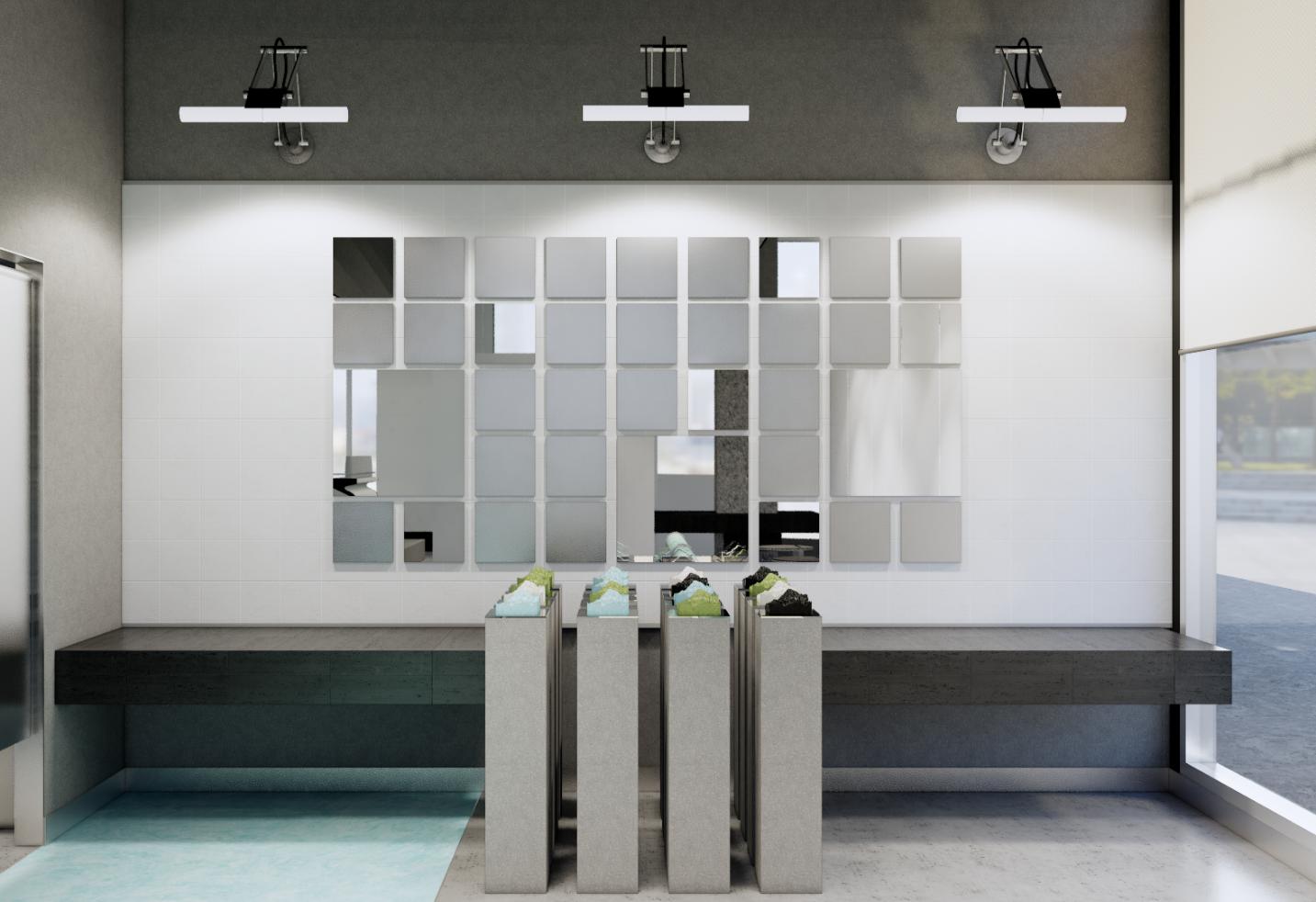
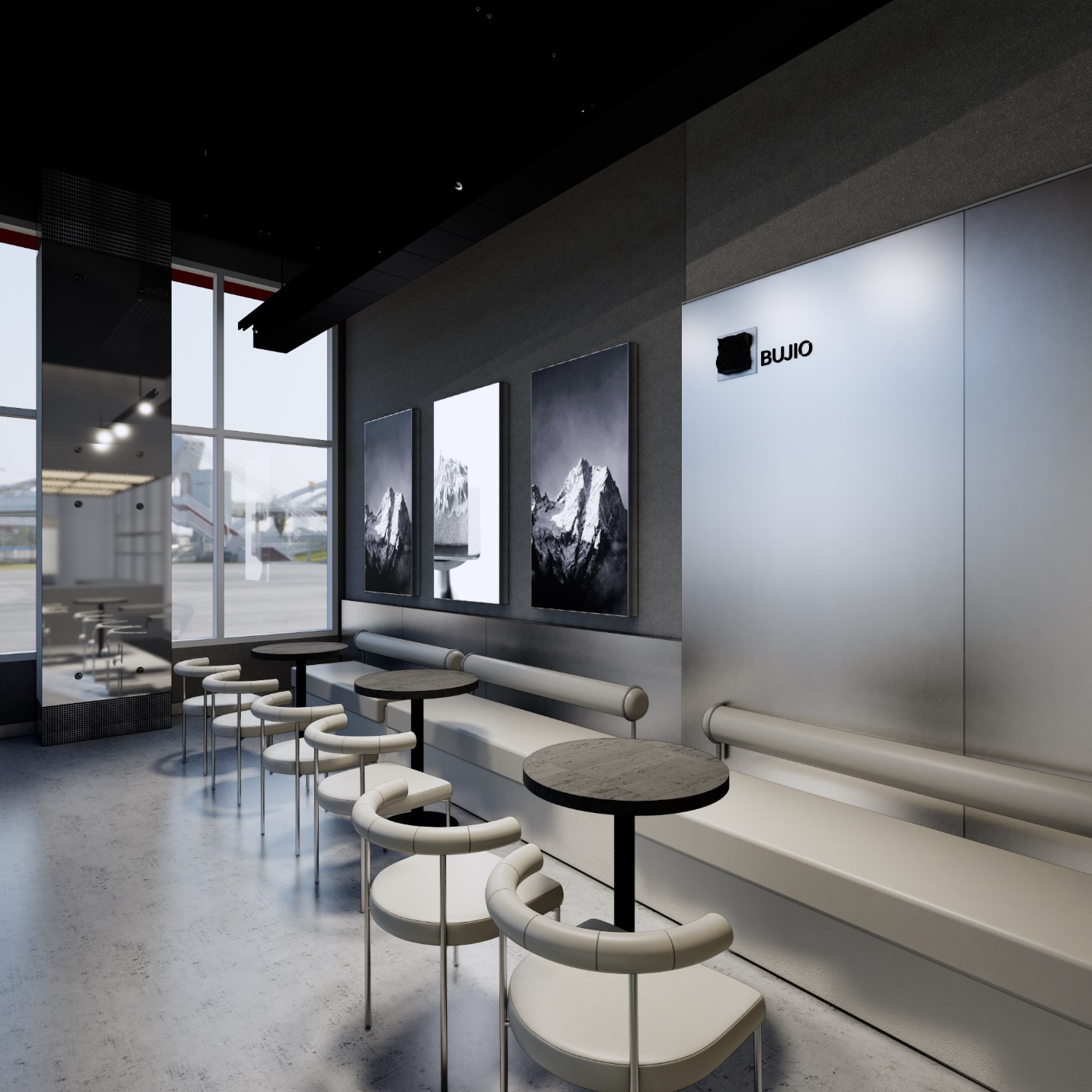
On the West Coast, Gao took a completely different path for BUJIO CAFE in Los Angeles. While the Brooklyn shop feels warm and earthy, BUJIO is cool and airy. The design takes its cues from the Shan Hai Jing, an ancient book of myths filled with stories of strange mountains and vast seas. Gao didn’t use literal pictures of monsters or peaks; instead, she used texture and light to suggest the feeling of a wild landscape.
The palette here is made of concrete, metal, and shades of grey, black, and baby blue. These colours bring to mind the sight of distant, snowy mountains or mist rolling over a lake. By using different levels of lighting and sculptural furniture, she made the cafe feel like a piece of art you can walk through. It is a bold look for Los Angeles, trading the usual bright cafe vibes for something more restrained and moody. It shows how Gao can take a heavy cultural history and turn it into a sleek, minimalist environment that young locals love.
Connecting different worlds through design
What makes Gao’s work stand out is how she avoids the usual clichés. She does not just copy old buildings; she translates the feeling of them for a modern audience. She looks at things like the flow of ink in calligraphy or the stillness of a Zen garden and finds ways to express those ideas through modern construction. For her, Eastern and Western styles are not fighting each other; they are two different sets of tools that work better when they are used together.
This method is helping young Asian brands find their footing in the United States. By creating spaces that look sophisticated and feel meaningful, Gao helps these businesses show their heritage in a way that feels relevant to someone living in a big American city today. Her projects are leading a movement where Asian aesthetics are becoming a natural part of everyday life, rather than something that feels “foreign” or “exotic.”
Through AOKO MATCHA and BUJIO CAFE, Han Gao has created two very different worlds that both offer a break from the noise of modern life. Whether it is through the warm clay walls of a Brooklyn tea shop or the cool metal curves of an LA dessert spot, she proves that design can be a powerful way to tell a story. As she continues to work, she is helping to shape a more diverse and interesting look for cities across the globe.


